
Review · TOKYO
Asakusa: Geisha Performance and Tea House Experience
A quiet door opens onto old Tokyo. In Asakusa, Miyakodori’s Ozashiki Tea House offers a rare chance to meet real geisha, watch a graceful dance with live shamisen music, and take part in a traditional party game. I especially like the balance between polished performance and relaxed conversation. You are not simply watching from a distance. You can ask questions, laugh with the performers, and learn about their lives.
The seasonal sweets and freshly whisked matcha are another fine touch, and the commemorative photo gives you a lasting souvenir. The main consideration is the price: at $106 per person for 75 minutes, this is not a cheap entertainment stop. You also need to order one additional drink, alcoholic or non-alcoholic, beyond the included matcha.
The experience has earned a perfect 5.0 rating from 52 bookings, with especially strong praise for the dancing, shamisen music, friendly hosts, and chance to speak directly with the geisha. For many people, it becomes one of the most memorable parts of a Tokyo visit.
Key Points Before You Book
- Real geisha and live shamisen music: You watch trained performers present traditional dance, music, and song in an intimate tea house setting.
- A 75-minute cultural visit: The short format fits easily into an Asakusa sightseeing day without taking over your schedule.
- Konpira Fune Fune game: You join an authentic ozashiki-asobi game, a playful tradition that brings plenty of laughter.
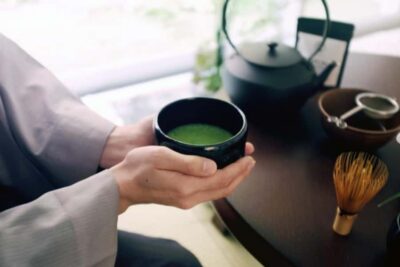
- Matcha and seasonal sweets included: Freshly whisked tea and Japanese confections add a calm, flavorful pause.
- One extra drink is required: You must purchase one alcoholic or non-alcoholic drink per person, in addition to the complimentary matcha.
- English support is available: An English-speaking host or translator helps you communicate with the performers.
Entering Miyakodori’s Ozashiki Tea House
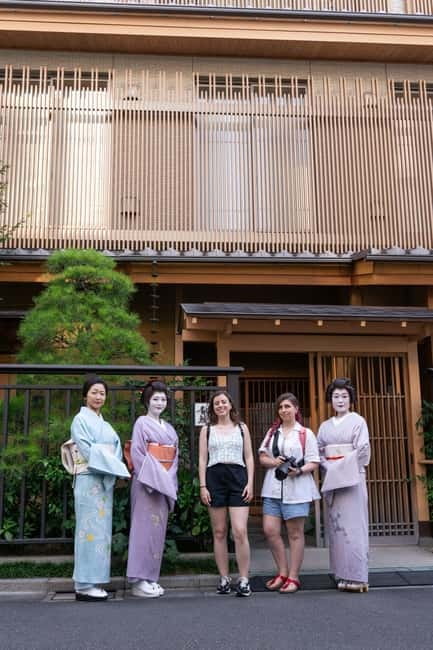
The experience takes place in Asakusa, one of Tokyo’s best-known districts for traditional culture. You arrange your own transportation to the venue, so plan to arrive with enough time to find the tea house and settle in.
The setting is part of the appeal. One account describes entering through a discreet door before being welcomed by the owner and shown to the banquet area. That small moment gives the visit a feeling of stepping away from modern Tokyo and into a more formal world of Japanese hospitality.
The seating is traditional in spirit, though low stools are available rather than requiring you to sit directly on the floor. This matters if you are not used to Japanese-style seating. The room is intimate enough for conversation, yet the exact group size may vary. One session had about 16 people, which allowed for a personal feel without making the event too private or expensive.
The proprietress is frequently singled out for her warm welcome and careful attention to the experience. You can expect help with the flow of the visit, drink selection, and communication. English support is provided, making this a practical choice if you want cultural context rather than a performance you simply watch in silence.
More Kimono and Tea Ceremonies in Tokyo
- Kimono Tea Ceremony at Tokyo, Asakusa Maikoya
★ 5.0 · 638 reviews - Tokyo: Matcha and Kimono Experience
★ 4.7 · 219 reviews - Tokyo: Asakusa Kimono Dressing and Matcha Experience
★ 4.9 · 173 reviews
The Opening Dance and Shamisen Performance
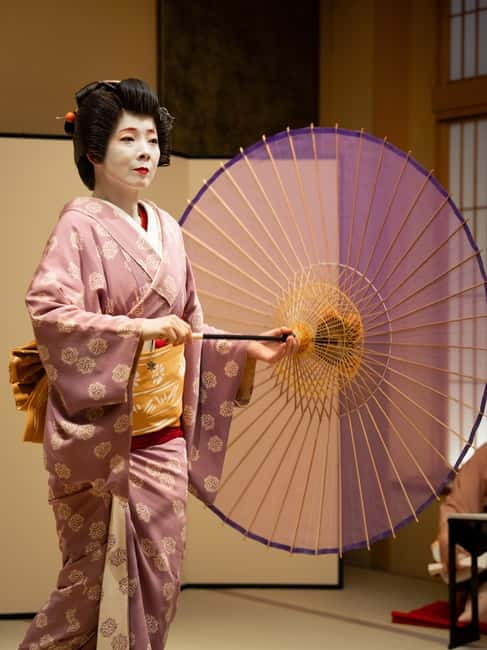
The formal portion begins with a graceful dance accompanied by live shamisen music. The shamisen is a traditional three-stringed Japanese instrument, and its crisp, spare sound gives the room a very different mood from a modern stage show.
The dance is the heart of the visit. Geisha train for years in movement, music, etiquette, and presentation, so the performance is less about spectacle and more about control, timing, and small gestures. You may notice the careful posture, precise hand movements, costumes, and measured expressions.
The performers associated with one session included geiko Chizuru, maiko Tamaaki, and shamisen musician Shisa. The combination of dance, singing, and instrumental accompaniment was praised as especially polished. Names and performers can change, but the basic format remains a presentation by real geisha with live musical support.
I like that the performance is long enough to feel substantial but not so long that the formal atmosphere becomes tiring. At 75 minutes total, the program leaves room for several different activities. The tradeoff is that you should not expect a full theatrical production or an entire evening at a traditional banquet house. This is a compact introduction.
Meeting the Geisha After the Performance
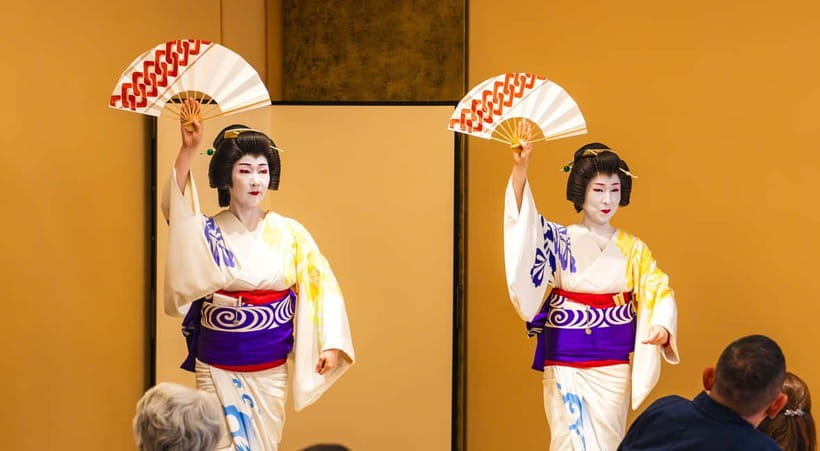
The personal conversation is one of the strongest reasons to book this experience. After the dance and music, you have a chance to ask questions about geisha life, training, performance, and daily work.
An English-speaking host or translator helps make this exchange possible. That support is important because it lets you ask more than basic questions about clothing or makeup. You can get a clearer sense of the discipline behind the performance and the place of geisha arts in modern Japan.
The atmosphere is friendly rather than stiff. Several people found the geisha warm, funny, and easy to talk with. The performers are skilled at making each person feel included, which helps solo visitors as well as couples and small groups.
Keep your questions polite and curious. Ask about the art form, music, dance, and the path to becoming a performer. The conversation works best when you treat the geisha as working artists and cultural professionals, not as costume characters brought out for a photo.
Konpira Fune Fune Brings the Room to Life
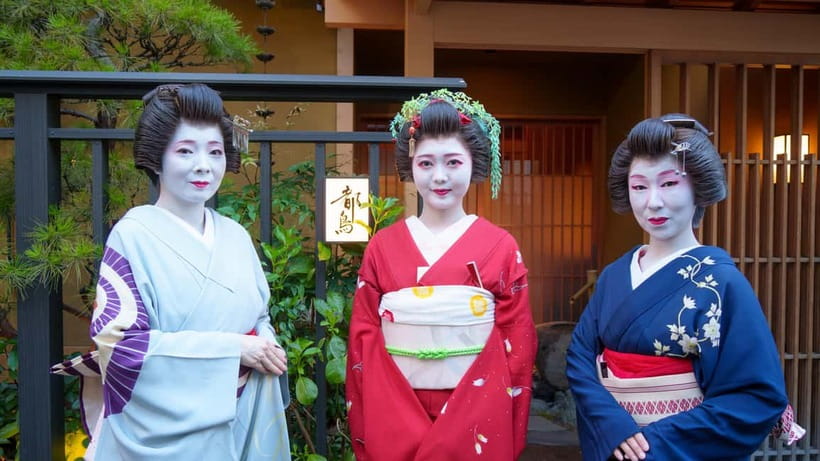
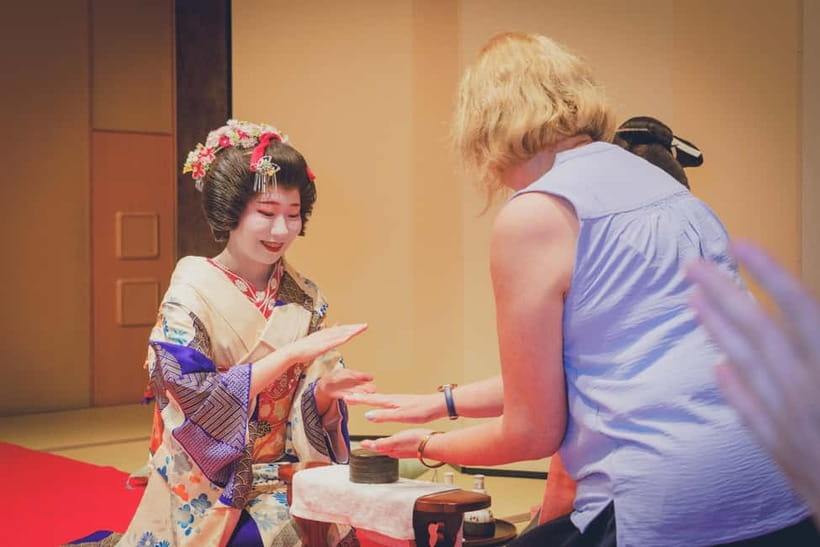
The mood changes when the ozashiki-asobi game begins. The featured game is Konpira Fune Fune, a traditional entertainment game played with rhythm, quick reactions, and a small amount of friendly competition.
You do not need special knowledge to join. The host explains the rules, and the geisha guide the group through the game. This is where the experience becomes notably more relaxed. The formal dance asks you to watch closely. The game asks you to participate, make mistakes, and laugh.
The game was repeatedly praised as the most fun part of the visit. It works well for families, couples, and small groups because everyone can take part. One family brought three children between ages three and ten, and the children remained captivated by the dancing before joining the lively activities.
The game does have a drinking-related tradition, but you are not required to drink alcohol. The required drink order can be alcoholic or non-alcoholic. That makes the experience easier for families, people who do not drink, and anyone who wants to stay clear-headed.
Same place, a different pot:
- Matcha Making Class in Tokyo with Authentic Japanese Sweets Set
★ 5.0 · 744 reviews - Tokyo: Traditional Tea Ceremony with a Tea Master
★ 5.0 · 528 reviews - Tokyo: Matcha Making Experience with Mochi Sweets in Asakusa
★ 4.9 · 388 reviews - Asakusa Cultural Walk & Matcha Making Tour
★ 5.0 · 245 reviews
Matcha, Seasonal Sweets, and the Required Drink
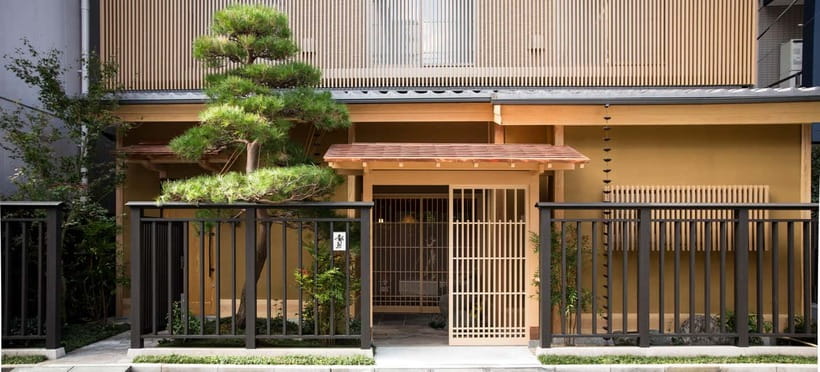
The tea service brings the pace back down. You receive freshly whisked matcha along with seasonal Japanese sweets. The sweets are not presented as a full meal, so you should eat beforehand if you need dinner.
Matcha has a strong, grassy taste that some people love and others find bitter. The sweets help balance it, and the pairing gives you a simple introduction to a familiar part of Japanese tea culture without requiring a long formal tea ceremony.
You must order one additional drink per person. The drink may be alcoholic or non-alcoholic, and it is not included in the advertised price. This is the most important cost detail to remember when judging the $106 price.
At first glance, $106 for 75 minutes may seem high compared with a museum ticket or short stage show. The value comes from the combination of live music, dance, direct conversation, guided participation, tea, sweets, and a photograph. You are paying for access to a specialized cultural setting and real performers, not just a seat in an audience.
If your budget is tight, this may feel like a splurge. If you want one carefully arranged cultural experience in Tokyo, the personal interaction helps justify the cost.
The Commemorative Photo
The visit ends with a commemorative photo with the geisha. It is a simple detail, but it gives the experience a clear finish and a keepsake from your time in Asakusa.
The photograph is also useful because the performance itself is fleeting. You may remember the sound of the shamisen and the movement of the dance, but a photo gives you something concrete to take home. Follow the staff’s instructions about when and where photography is appropriate, and be respectful during the formal performance.
Some people book this as part of a honeymoon, birthday, or family trip. The hosts have helped mark a special birthday during the event, so it can suit a celebration, though you should communicate any special request in advance rather than assume it is included.
Who Will Get the Most From This Experience
I would recommend this to you if you want a focused look at traditional Japanese performance and hospitality without committing to a long evening. It is especially suitable for:
- Solo visitors who want a welcoming social setting
- Couples seeking an unusual Tokyo date or honeymoon activity
- Small groups interested in Japanese arts
- Families whose children can sit through a short performance
- First-time visitors who want cultural context in English
- Anyone curious about geisha life beyond the familiar images
The activity also suits people who prefer participation to passive sightseeing. You watch a performance, but you also play a game, ask questions, drink matcha, and speak with the performers.
It may not suit you if you want a full meal, a long tea ceremony, or a private one-on-one meeting. The program is shared, and the 75-minute format keeps the visit moving. You should also think twice if the additional drink charge will bother you, since it is required for every person.
Practical Timing, Cost, and Cancellation
The activity lasts 75 minutes, with starting times depending on availability. That makes it easy to pair with other Asakusa plans, but do not schedule it so tightly that a delayed train or crowded sightseeing stop leaves you rushing.
Transportation to the venue is not included. You are responsible for getting to the tea house in Asakusa, so check the meeting details carefully when booking. Arriving early is wise, especially because finding a discreet entrance can take time.
The price is $106 per person. That includes the cultural program, meeting with real geisha, dance, shamisen music, the ozashiki-asobi game, seasonal sweets, matcha, and the commemorative photo. Meals beyond the sweets are not included, and the extra drink charge applies to each person.
You can cancel up to 24 hours ahead for a full refund. The reserve-now, pay-later option also gives you some flexibility if your Tokyo schedule is still changing.
Why the Experience Feels Different From a Stage Show
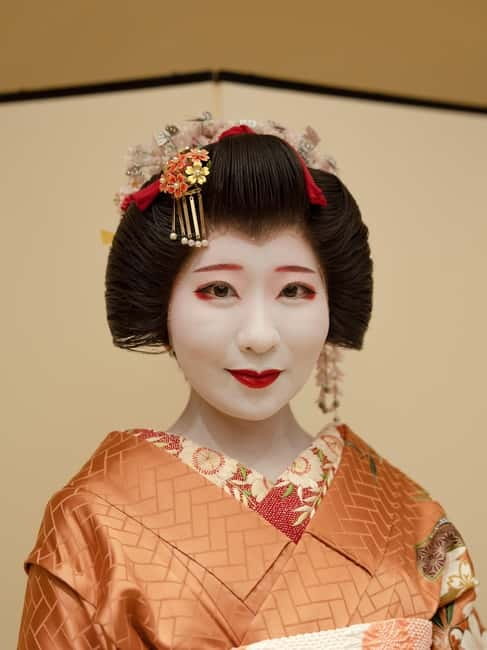
A theater performance can give you larger staging and longer music, but this visit offers something a ticketed show usually cannot: direct contact with the people performing.
You see the discipline of geisha arts in the dance and music, then meet the human beings behind that formal presentation. The shift from quiet observation to playful conversation is what gives the event its shape.
The experience also avoids treating tradition as something frozen behind glass. The geisha perform established arts, but they also joke, answer questions, and play a game with an international audience. That mix of formality and fun makes the visit feel connected to living culture rather than a museum display.
The English host or translator matters here. Without that help, the social part could be difficult for many international visitors. With it, you can ask direct questions and better understand what you are seeing.
Should You Book the Asakusa Geisha Experience?
I would book this if you want a memorable, compact cultural experience and are comfortable paying a premium for personal contact. The strongest reasons are the live shamisen music, graceful dance, friendly conversation, and genuinely playful game.
Book it especially for a honeymoon, birthday, family outing, or a first visit to Tokyo when you want one activity that feels distinct from temples, shopping streets, and observation decks. Arrive early, budget for the required drink, and eat before you go if you expect a full meal.
Skip it if you are looking for dinner, a long formal tea ceremony, or a low-cost attraction. For everyone else, this is a polished and unusually personal way to spend 75 minutes in Asakusa.
FAQ
Where does the geisha experience take place?
It takes place at Miyakodori’s Ozashiki Tea House in Asakusa, a district of Tokyo on Honshu, Japan.
How long does the experience last?
The cultural experience lasts 75 minutes.
How much does it cost?
The listed price is $106 per person.
Are real geisha part of the experience?
Yes. The program includes a meeting with real geisha, along with their dance performance and conversation.
Is live music included?
Yes. The dance performance is accompanied by live shamisen music.
What is included with the tea service?
Seasonal Japanese sweets and freshly whisked matcha are included.
Do I need to buy a drink?
Yes. Each person must order one drink, either alcoholic or non-alcoholic, in addition to the complimentary matcha.
Is a full meal included?
No. Meals other than the seasonal sweets are not included.
Is English support available?
Yes. The activity offers an English-speaking host or greeter, and an English translator helps with communication.
Can I cancel for a refund?
Yes. You can cancel up to 24 hours in advance for a full refund.
Just added around Tokyo
- Yokohama : Tea Ceremony with Sweets and Souvenir★ 5.0 · 5 reviews
- Walking Tour: Yanaka,Nezu& Sendagi: Tea Ceremony & Old Tokyo★ 5.0 · 3 reviews
- Private Kimono and tea ceremony at local home near Tokyo Disney★ 5.0 · 6 reviews
- Private Mochi・Matcha sweets Making Class Near Shibuya Area★ 5.0 · 22 reviews
- Tokyo Sweets Tour: Hidden Gems & Matcha at an Old Tea House★ 5.0 · 6 reviews
- Kimono and Tea Ceremony in Asakusa Private Food Tour With Guide★ 5.0 · 4 reviews
- 2 Hours Mochi &Nerikiri Making & Matcha Class in Bunkyo★ 5.0 · 21 reviews
- Tokyo Tea Ceremony Class at a Traditional Tea Room★ 5.0 · 2 reviews
Kimono and Tea Ceremonies in Tokyo, compared.
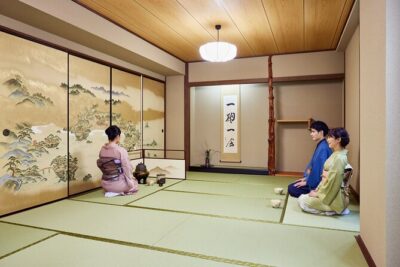
Asakusa: Kimono Tea Ceremony with Matcha and Sweet
Read our review →
Sweets Making and Kimono Tea Ceremony at Tokyo Maikoya
Read our review →
Genuine Tea Ceremony, Kimono Dressing, and Photography
Read our review →
Japanese Matcha Tea Ceremony and Kimono Experience in Hanayaka
Read our review →Browse the lists this tour appears in