
Review · TOKYO
Tokyo: Matcha Tasting and Making Experience
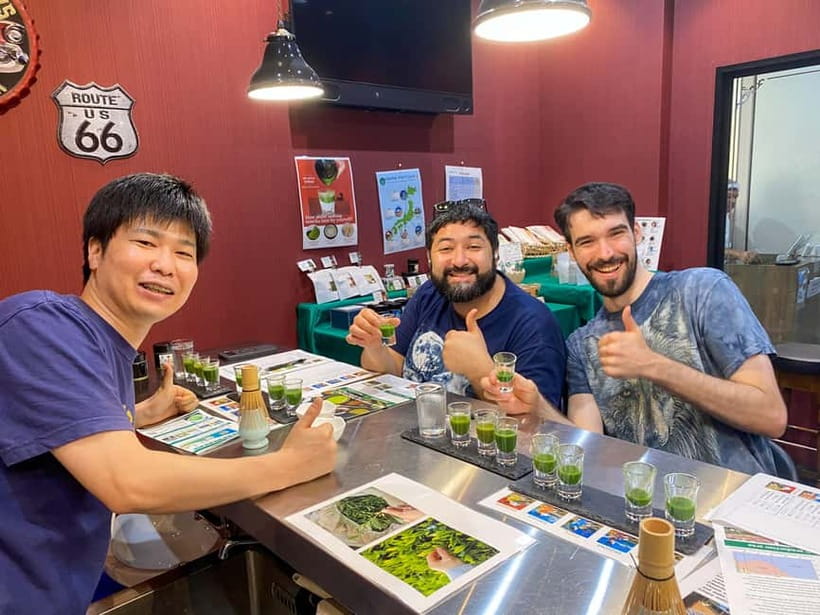
Matcha makes more sense after one good tasting. This 90-minute class in Asakusa gives you a close look at Japanese tea through ten matcha selections from five production areas, followed by hands-on whisking and sweet treats. I like the chance to compare teas side by side, and I like learning from a former tea farmer rather than only hearing a polished café explanation. The main consideration is the tasting count: the detailed class outline says eight teas are served, while the main description refers to ten, so you may want to confirm the exact number when booking.
The class costs $63 per person, a fair price if you want more than a quick matcha drink. You get a welcome drink, guided tasting, your own tea-making session, a matcha latte, a hojicha latte, and matcha sweets. It is also limited to five people, which should give you room to ask questions and watch the preparation closely.
Key points at a glance
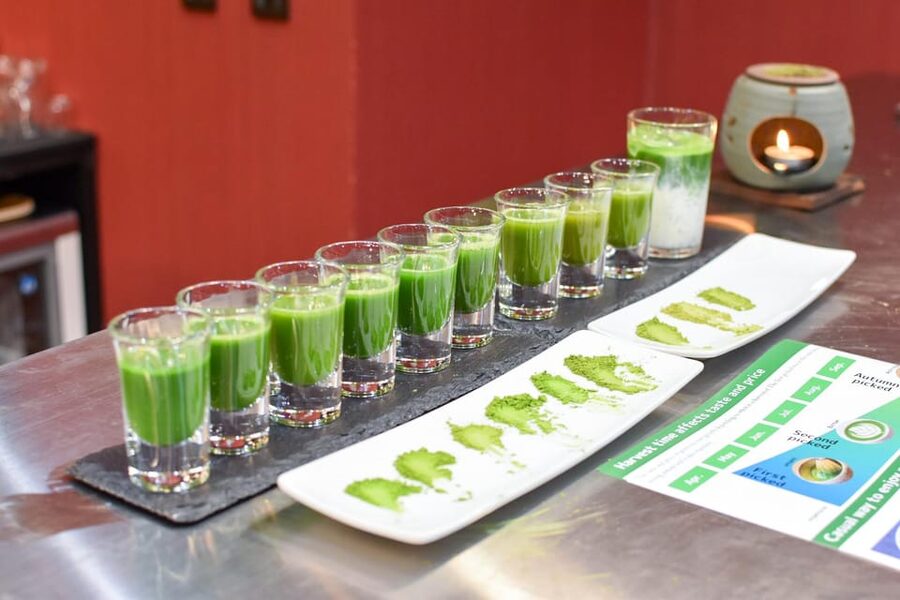
- Compare teas from five Japanese production areas: You taste small portions from different regions and can judge color, fragrance, and flavor side by side.
- Learn from a former Kyoto tea farmer: Your English-speaking guide, Chisei, spent six years growing tea in Kyoto and brings practical experience to the lesson.
- Try both ceremonial and non-ceremonial products: Six of the tasting samples are ceremonial grade, while two are sold around the world as matcha but do not meet the stated matcha definition.
- Whisk your own usucha: You choose a favorite tea and prepare it with a bamboo tea whisk, a skill you can repeat at home.
- Finish with modern matcha drinks: The class includes an original matcha blend made for milk, plus matcha sweets and the option to drink matcha or hojicha latte.
- Meet at a small café inside a hotel: The venue is on the second floor of Henn na Hotel Asakusa Tawaramachi, above a FamilyMart.
Why this Tokyo tea class is worth your time
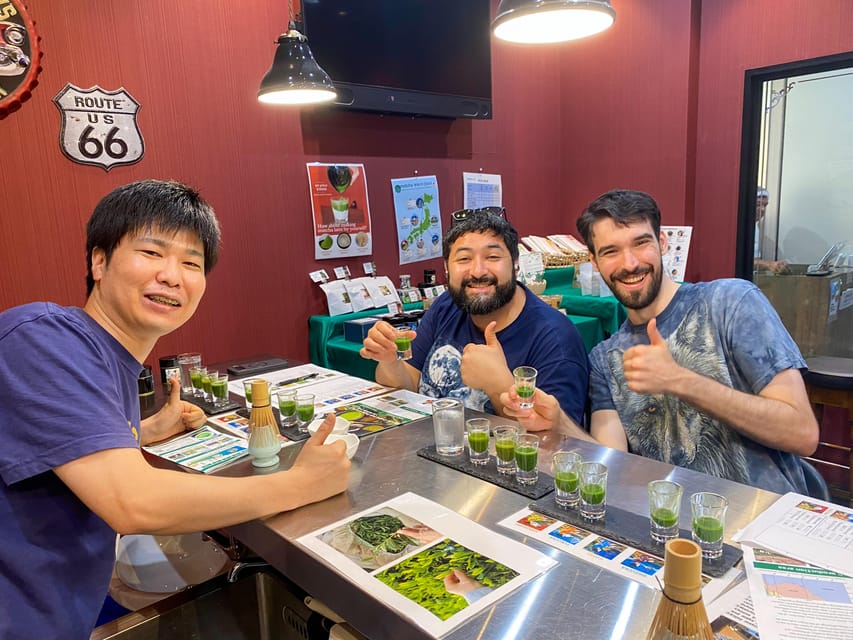
Tokyo has no shortage of matcha cafés. Many serve a bright green drink with little explanation, then send you on your way. This class takes a different route. You taste several teas in small amounts, learn how matcha is made, and prepare a bowl yourself.
That difference matters. Matcha is not simply powdered green tea with a strong color. The class covers its definition, cultivation methods, production areas, history, and preparation. You are not expected to arrive with tea vocabulary or prior experience. The format is designed for general visitors who want to understand Japanese tea without committing to a formal tea ceremony.
I especially like the contrast between traditional and everyday uses. You begin with straight matcha, where color, scent, and taste are easier to compare. You finish with a latte and sweets, which show how the same ingredient works in a more familiar café setting.
The small group size is another advantage. With a maximum of five people, the instructor can demonstrate the whisking method and give you a better view of the tea preparation. Chisei has practical experience from six years of tea farming in Kyoto, and that background is one of the strongest reasons to choose this class over a basic drink-making activity.
More Matcha Experiences in Tokyo
- Matcha Making Class in Tokyo with Authentic Japanese Sweets Set
★ 5.0 · 744 reviews - Tokyo: Matcha Making Experience with Mochi Sweets in Asakusa
★ 4.9 · 388 reviews - Asakusa Cultural Walk & Matcha Making Tour
★ 5.0 · 245 reviews
Finding the café inside Henn na Hotel
The meeting point is easy to miss if you expect a separate street-front tea shop. The café is inside Henn na Hotel Asakusa Tawaramachi. A FamilyMart is on the first floor, and you should enter the hotel and go to the second floor.
Transportation to the venue is not included, so you handle your own way there. The activity page provides the venue, but not a detailed route from a specific station. Give yourself enough time to find the hotel and move upstairs, especially if you are arriving for a fixed start time.
Once you arrive, the welcome drink begins the session. This is more than a quick refreshment. While you drink, the instructor explains the tea you will sample, along with basic points about matcha production and its place in Japanese tea culture.
That opening lesson helps you notice more during the tasting. Instead of treating every cup as another green drink, you have a framework for comparing the samples.
Eight or ten matcha samples from five areas
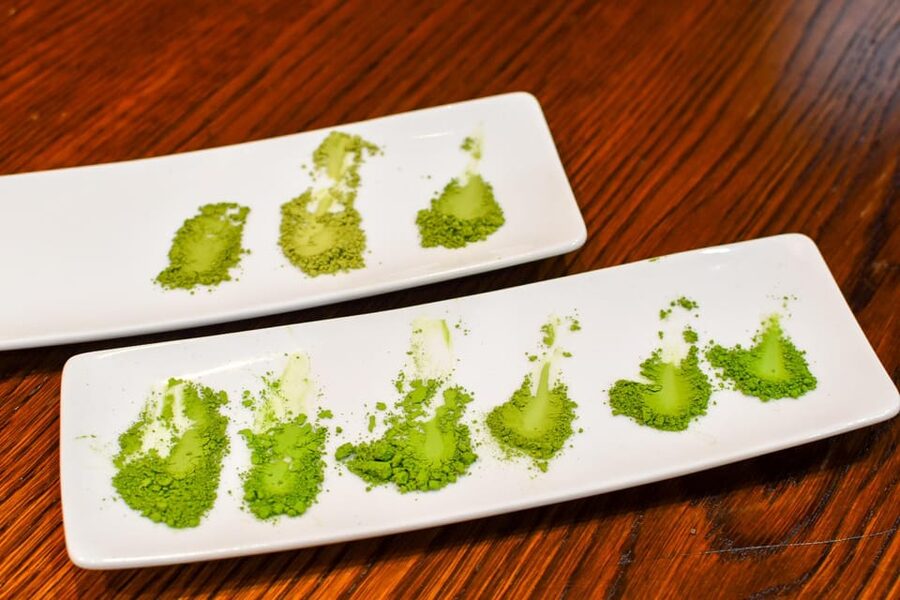
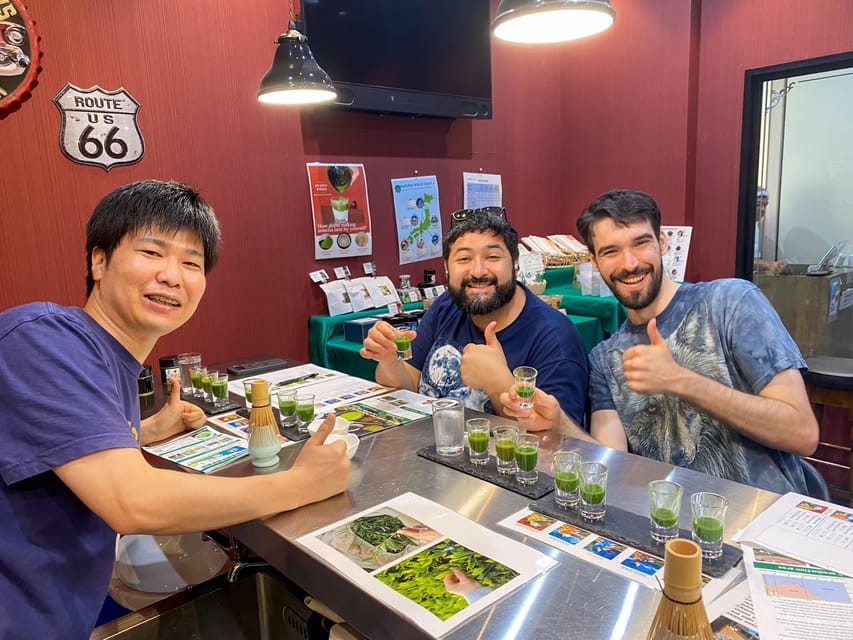
The central part of the class is the comparison tasting. The main description advertises ten types of matcha from five Japanese production areas, while the detailed program specifies eight samples. It says six are ceremonial grade and two are not formally defined as matcha, although they are sold as matcha in markets around the world.
That distinction gives the class an unusually useful angle. You are not only learning which tea you prefer. You are also seeing how the word matcha can be used broadly, even when products differ in production or classification.
The samples are served in small portions. First, you look at the color. Then the tea is prepared so you can assess its fragrance and taste. The portions are intentionally modest, allowing you to compare several types without turning the session into a caffeine endurance test.
For each sample, try to slow down. Look at the shade before drinking. Notice the scent. Take a small sip and consider whether the flavor seems soft, bitter, sweet, vegetal, or strong. The class is designed to help you notice these differences, not to reward you for choosing the most expensive or most intense tea.
The five production areas are an important part of the experience. Tea is shaped by where and how it is grown, and a side-by-side tasting gives you a clearer sense of regional variation than drinking one bowl on its own.
The tasting can also help you make better choices later in Japan. If you find that you prefer a gentler tea, a stronger tea, or a certain balance of aroma and bitterness, you will have a better idea of what to order or buy.
Learning from Chisei, a former tea farmer
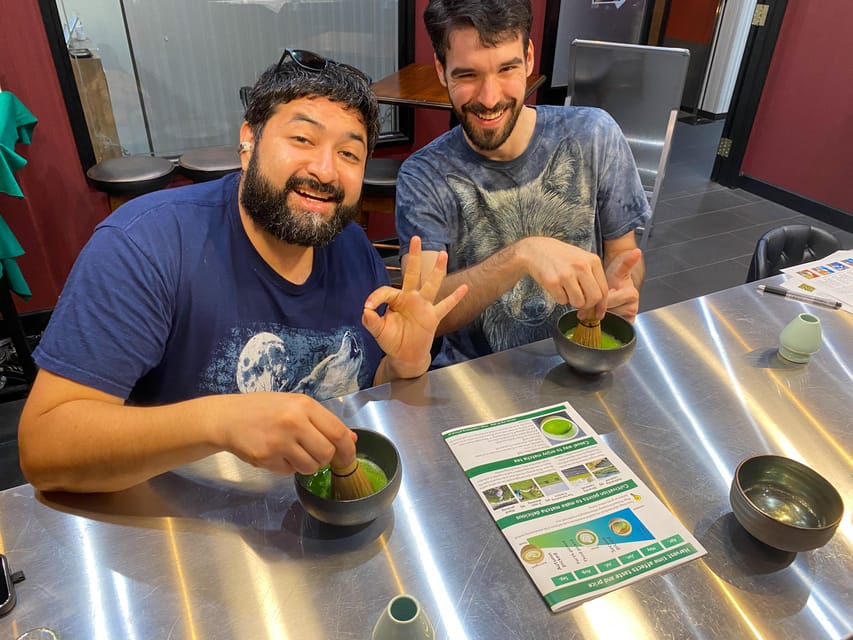
The instructor is described as a former tea farmer who grew tea in Kyoto for six years. In practical terms, that means the lesson is not limited to café preparation. You hear about cultivation and production from someone who worked with tea at its source.
The strongest praise for this experience centers on the guide’s detailed explanations, expertise, and ability to make the subject interesting. Chisei’s teaching style is also described as charming and clear, which matters in a class with technical details. Tea farming can quickly become dry if the instructor simply lists facts. Here, the goal is to connect those facts to what you see and taste.
The English-language instruction makes the class accessible to international visitors. You can ask questions as the session progresses, and the small group format should make it easier to follow the demonstration.
Keep in mind that this is an educational class for general visitors. It is not intended for commercial research or business inquiries. If your purpose is commercial, you are asked to contact the provider before booking.
Same place, a different pot:
- Kimono Tea Ceremony at Tokyo, Asakusa Maikoya
★ 5.0 · 638 reviews - Tokyo: Traditional Tea Ceremony with a Tea Master
★ 5.0 · 528 reviews - Mt. Fuji & Lake Kawaguchiko Ropeway Panorama Full-Day Tour
★ 4.6 · 236 reviews - Tokyo: Matcha and Kimono Experience
★ 4.7 · 219 reviews
Making your own usucha with a bamboo whisk
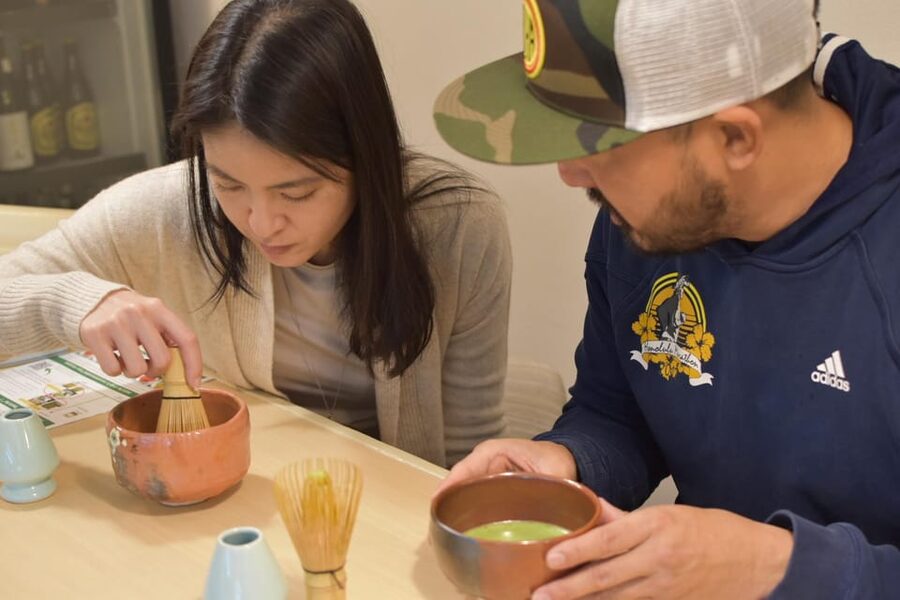
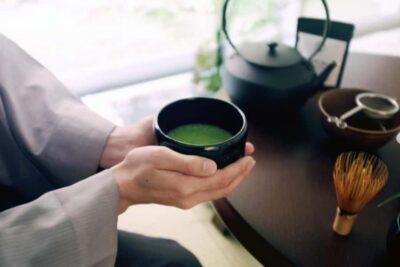
After tasting the samples, you choose the matcha you liked best and prepare it yourself. The final tea is usucha, the lighter style of matcha commonly associated with a single bowl of whisked tea.
This is the hands-on part that turns the lesson into a skill. You use a bamboo tea whisk and learn how to make the tea rather than simply watch someone else do it. The activity does not end when you finish the bowl. You leave with a basic method you can repeat at home.
Your first bowl may not look perfect, and that is part of the fun. Whisking matcha takes more than stirring with a spoon. The bamboo whisk helps create the familiar texture and foam, and the instructor can demonstrate how to use it.
Choosing your favorite tea before making your own bowl gives the process a personal touch. You already have a sense of how the samples differ, so you can select the one that best suits your taste. That makes the preparation feel less like a staged demonstration and more like a small decision based on what you learned.
If you are buying matcha later, this section is useful for another reason. You will better understand that a good result depends on both the tea and the preparation. The same powder can taste different when whisked well, mixed with milk, or served in another style.
Matcha latte, hojicha latte, and sweets
The class ends with a more relaxed tasting. You can drink a matcha latte and a hojicha latte, along with matcha sweets. The drinks use an original matcha blend made to work well with milk.
This final course gives you a break from comparing straight teas. Matcha with milk is softer and more familiar than a bowl of usucha. Hojicha, a roasted Japanese tea, offers a different flavor direction from matcha. Having both in the same class helps show how Japanese tea can move from traditional preparation to café drinks.
The sweets add another useful comparison. Matcha can taste bitter or grassy on its own, but sugar changes the balance. Pairing tea with a sweet lets you see why matcha desserts are so popular in Japan.
I would not choose this class only for the latte. Tokyo cafés offer plenty of matcha drinks. The value comes from the full sequence: explanation, comparison, preparation, and then the more accessible milk-based finish.
The $63 price and what you receive
At $63 per person, this is not a cheap coffee stop. It is priced as a guided class, not as a single beverage. You receive a welcome drink, matcha samples from five production areas, instruction from a former tea farmer, a bamboo-whisk preparation session, matcha and hojicha lattes, and matcha sweets.
The value is strongest for anyone who would otherwise book a tea ceremony, attend a food class, or buy several matcha drinks while trying to understand the differences. You get a compact lesson in 90 minutes, with enough tasting to make the subject concrete.
The price may feel high if you only want to drink one bowl of matcha or take a quick café photo. It also may not suit someone who dislikes bitter tea, green tea flavors, or structured instruction. This is a class first and a snack stop second.
The reserve-now, pay-later option can help if your Tokyo schedule is still changing. Free cancellation is available up to 24 hours before the activity for a full refund. Check the available start times before booking, since the class lasts 90 minutes and the schedule may affect your other plans.
Who should book this experience
I would recommend this class to first-time matcha drinkers who want context instead of a quick sample. It also suits food-focused visitors, tea fans, and anyone who likes learning a practical skill during a city break.
Families and friends can enjoy the tasting format, though the activity is presented as a class for general visitors rather than a children’s program. The small group limit makes it a good choice if you prefer a quieter lesson and want the chance to ask questions.
You may want to skip it if you already have extensive tea training and want a formal ceremony with traditional etiquette. The focus here is comparison, explanation, modern café drinks, and home preparation. It is friendly and hands-on rather than ceremonial.
The class also works well early in a Tokyo stay. You can use what you learn when ordering matcha desserts, buying tea, or visiting tea shops later. A little background can make those later stops more rewarding.
What to know before you go
Plan your route to Henn na Hotel Asakusa Tawaramachi in advance. Look for the FamilyMart on the first floor, then enter the hotel and go to the second floor.
The class is conducted in English and has a maximum of five participants. Transportation is not included. The activity takes 90 minutes, so you can fit it into a half-day plan in Asakusa or combine it with nearby sightseeing, provided you allow time to reach the venue.
The only point I would clarify before booking is the number of tasting samples. The headline says ten types, while the detailed class sequence says eight. Either way, you are comparing teas from five production areas, including six ceremonial-grade samples and two products sold as matcha but not defined as matcha in the stated lesson.
Should you book the Tokyo matcha class?
Book it if you want to understand matcha rather than simply photograph it. The former tea-farming experience of Chisei, the five production areas, the comparison of different grades, and the chance to whisk your own usucha give the class real substance.
At $63, it is best for people who value instruction and tasting variety. It is less suitable if you only want a cheap latte or a formal tea ceremony. Confirm the tasting count, arrive at the hotel café on the second floor, and you should have a compact, useful introduction to one of Japan’s most recognizable drinks.
FAQ
Where does the matcha experience take place?
It takes place at a café inside Henn na Hotel Asakusa Tawaramachi in Tokyo. FamilyMart is on the first floor, and you should enter the hotel and go to the second floor.
How long does the class last?
The experience lasts 90 minutes.
How many types of matcha will I taste?
The main description refers to ten types from five production areas. The detailed program specifies eight samples, including six ceremonial-grade teas and two products sold as matcha but not defined as matcha. Confirm the exact number when booking.
Is the experience taught in English?
Yes. The instructor language is English.
Who teaches the class?
The guide is a former tea farmer who grew tea in Kyoto for six years. The guide is identified as Chisei in the available information.
Is transportation included?
No. You are responsible for getting to the experience location.
Can I cancel for a refund?
Yes. You can cancel up to 24 hours in advance for a full refund. A reserve-now, pay-later option is also available.
More Food and Drink Tours in Tokyo
- Experience all of Japanese culture and Japanese food experience classes “origami, udon, Japanese food, green tea, calligraphy” in 4 hours
★ 5.0 · 105 reviews - Tokyo Sushi Making Class : Sake Ceremony & Matcha Experience
★ 5.0 · 44 reviews - Matcha Experience with of Japanese Tea Tasting in Tokyo
★ 5.0 · 31 reviews - Authentic Japanese tea tasting: sencha, matcha and gyokuro
★ 5.0 · 12 reviews
Just added around Tokyo
- Yokohama : Tea Ceremony with Sweets and Souvenir★ 5.0 · 5 reviews
- Walking Tour: Yanaka,Nezu& Sendagi: Tea Ceremony & Old Tokyo★ 5.0 · 3 reviews
- Private Kimono and tea ceremony at local home near Tokyo Disney★ 5.0 · 6 reviews
- Private Mochi・Matcha sweets Making Class Near Shibuya Area★ 5.0 · 22 reviews
- Tokyo Sweets Tour: Hidden Gems & Matcha at an Old Tea House★ 5.0 · 6 reviews
- Kimono and Tea Ceremony in Asakusa Private Food Tour With Guide★ 5.0 · 4 reviews
- 2 Hours Mochi &Nerikiri Making & Matcha Class in Bunkyo★ 5.0 · 21 reviews
- Tokyo Tea Ceremony Class at a Traditional Tea Room★ 5.0 · 2 reviews
Matcha Experiences in Tokyo, compared.
Matcha Making Class in Tokyo with Authentic Japanese Sweets Set
Read our review →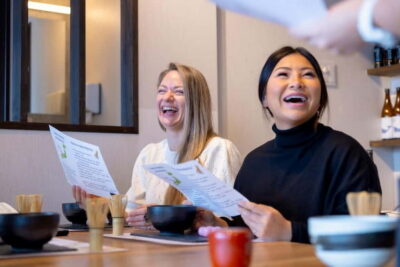
Matcha Making Experience with Mochi Sweets in Asakusa
Read our review →
Asakusa: Kimono Tea Ceremony with Matcha and Sweet
Read our review →
Make Traditional Nerikiri Sweets & Matcha experience in Shibuya
Read our review →
Browse the lists this tour appears in