
Review · OSAKA
Osaka: Maki-e lacquer Painting and Matcha Experience
Small workshop, big cultural lesson. This one-hour activity gives you a hands-on look at maki-e lacquer painting, followed by matcha preparation, seasonal wagashi, and a playful photo session with swords and Japanese clothing. I like the compact format and the easy location near Osaka’s cruise pier. I also like that the English-speaking host keeps the activity private rather than placing you in a large group.
The main consideration is the level of artistry. You will work with lacquer and gold powder, but this is an introductory craft session, not a full lesson from a master artisan. The setting inside Osaka Bunkakan at Tempozan may also feel more like a commercial cultural attraction than a traditional workshop. One past booking described the activity as too basic, while other visitors praised host Taki and called the welcome excellent.
Key points to know before booking
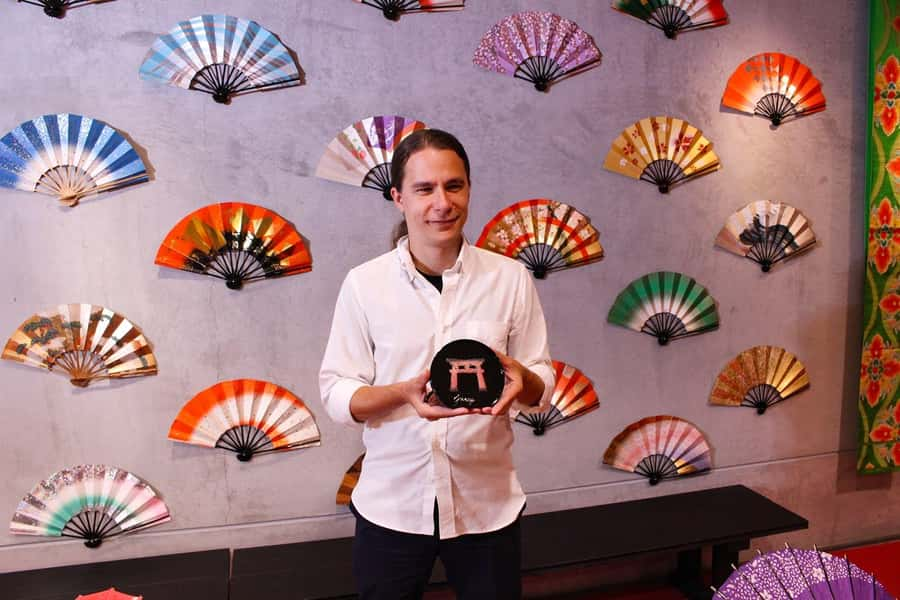
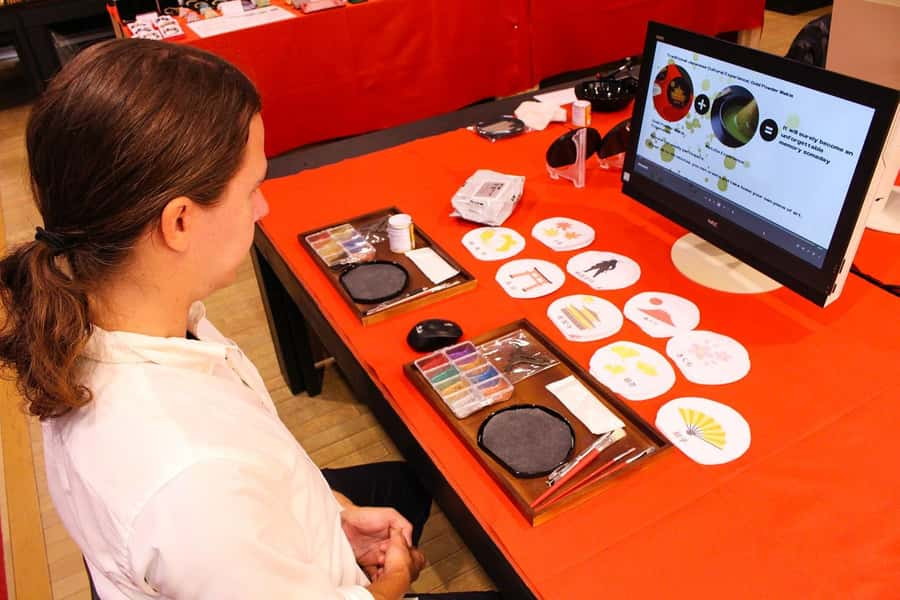
- Gold powder maki-e: You create a simple lacquer design and add gold powder using traditional decorative methods.
- Matcha and wagashi: You prepare powdered green tea yourself and enjoy it with a seasonal Japanese confection.
- Five-minute cruise-pier access: The venue is reported to be about a five-minute walk from the cruise pier, useful for a short port visit.
- Private English-language format: The activity is designed for a private group with a live English-speaking guide.
- Sword and costume photos: A dedicated photo spot lets you pose with swords and Japanese clothing.
- One-hour commitment: At $42 per person, the short session fits neatly into a busy Osaka day.
What maki-e means in this one-hour class
Maki-e is a Japanese lacquer decoration technique that uses lacquer and powdered materials, often including gold. The name refers to a process in which powder is applied to lacquer before it fully sets, creating a raised or decorated surface.
You should think of this activity as a first meeting with the craft. You are not signing up to produce a museum-quality lacquer box in sixty minutes. Instead, you get to try the basic action yourself, watch how the gold powder changes the design, and understand why patience and precision matter in Japanese decorative arts.
That hands-on element gives the lesson more value than simply looking at finished objects. You see how a small amount of powder can change the appearance of a dark lacquer surface. You also get a better sense of why traditional lacquer work takes skill. Even a simple design requires control, timing, and a light touch.
The class is described as an in-depth cultural activity, but the short duration sets a clear limit. The guide can explain the background and lead you through the process, yet there is not enough time for a long technical history of maki-e or a detailed apprenticeship-style lesson.
More Matcha Experiences in Osaka
- Matcha Making Class in Osaka with Authentic Japanese Sweets Set
★ 5.0 · 509 reviews - Osaka: Matcha Making Experience with Japanese Sweets
★ 5.0 · 146 reviews - Osaka Temple Cool Foot Bath & Matcha Experience〈45min〉
★ 4.9 · 82 reviews
Starting at Osaka Bunkakan in Tempozan
The meeting point is on the second floor of Osaka Bunkakan at Tempozan. You should wait in front of Hibiki, using the supplied coordinates, 34.6539195, 135.42956, if you want to check the exact position before setting out.
This location matters most if you are spending time in the Osaka Bay Area or arriving by cruise ship. One particularly useful detail is the reported five-minute walk from the cruise pier. That makes the class practical for a port stop, especially when you want a short activity that does not require a long transfer across Osaka.
You should allow time to find the second-floor meeting point. The instructions are clear, but a large cultural or commercial building can still take a few minutes to navigate. Look for Hibiki rather than simply waiting somewhere near the entrance.
The location is convenient, but it may not deliver the atmosphere some people expect from a traditional Japanese craft studio. One strongly negative assessment described the building as a large, empty-feeling commercial setting. That criticism points to a real issue: the cultural activity may be more important here than the surroundings.
If you care most about an old wooden workshop, a quiet temple room, or a working artisan’s studio, this may feel too polished or too staged. If you care more about easy access and a guided introduction, the setting is less of a problem.
The lacquer painting: simple, tactile, and easy to follow
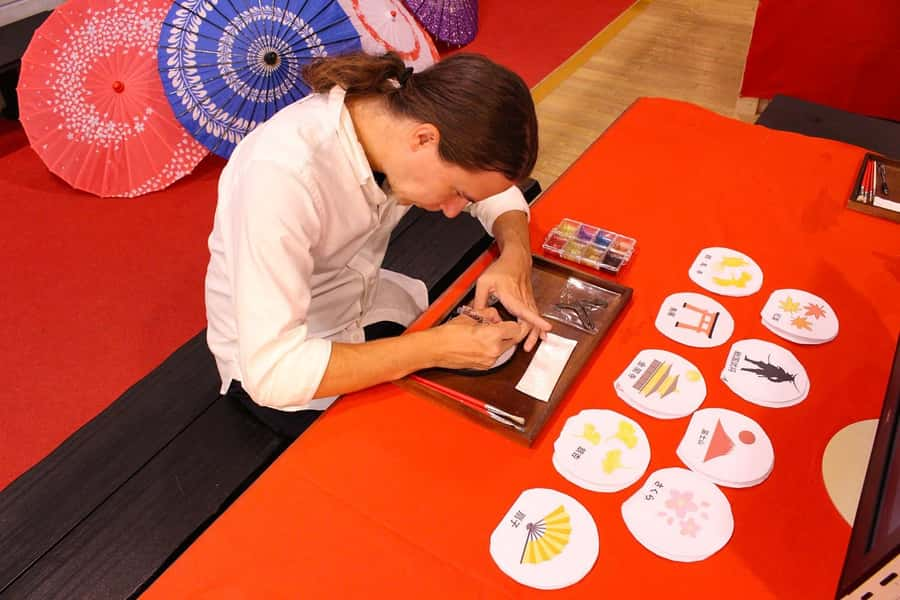
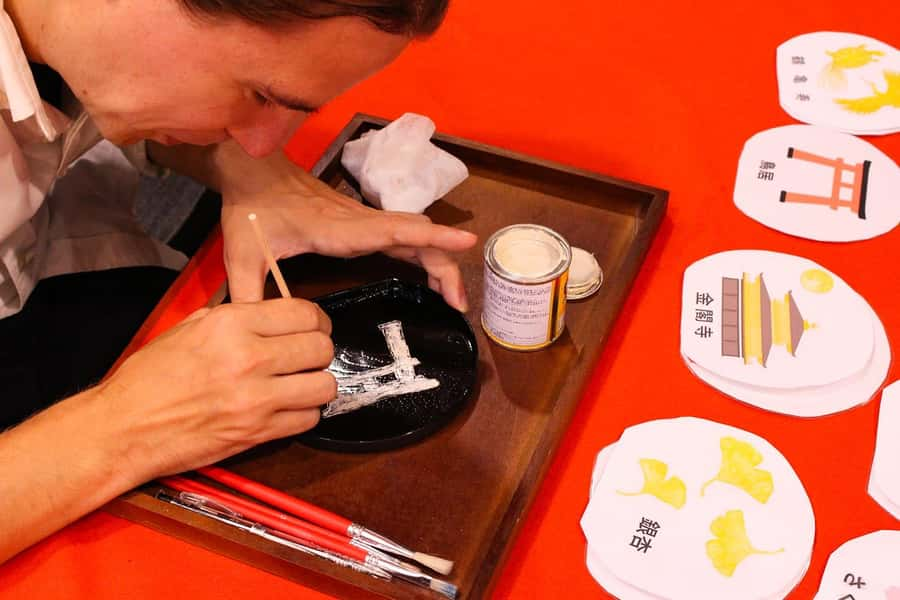
Once the session begins, the focus turns to gold powder maki-e painting. You work with lacquer and apply gold powder to create a decorative pattern. The supplied information does not specify the exact design options, so you should not expect to choose from a guaranteed menu of motifs.
This is the part of the activity with the strongest cultural value. You are not only hearing about Japanese craft. You are handling the materials and seeing how the surface develops in front of you.
The process also gives you a better appreciation for restraint. Gold powder can quickly become messy if applied too heavily, while a lighter touch produces a cleaner result. The finished piece will reflect your own hand, which is part of the fun. It may not look perfect, but it will carry a personal connection to the technique.
The critical point is to set your expectations correctly. A past French booking called the activity childish and objected to the simple application process. That reaction will make sense if you expect a serious artisan workshop with advanced instruction. At $42, the class is priced as an accessible cultural activity, not as professional training.
I would recommend it most to first-time visitors, families, couples, and anyone who likes making a small object rather than only watching a demonstration. If you already practice lacquer work or want a detailed technical lesson, the format may seem thin.
Matcha preparation with seasonal wagashi
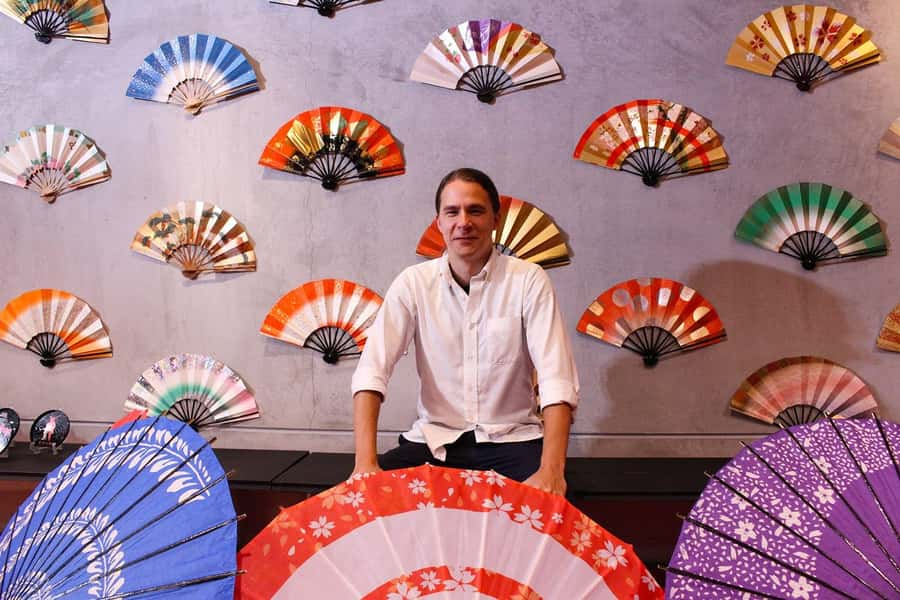
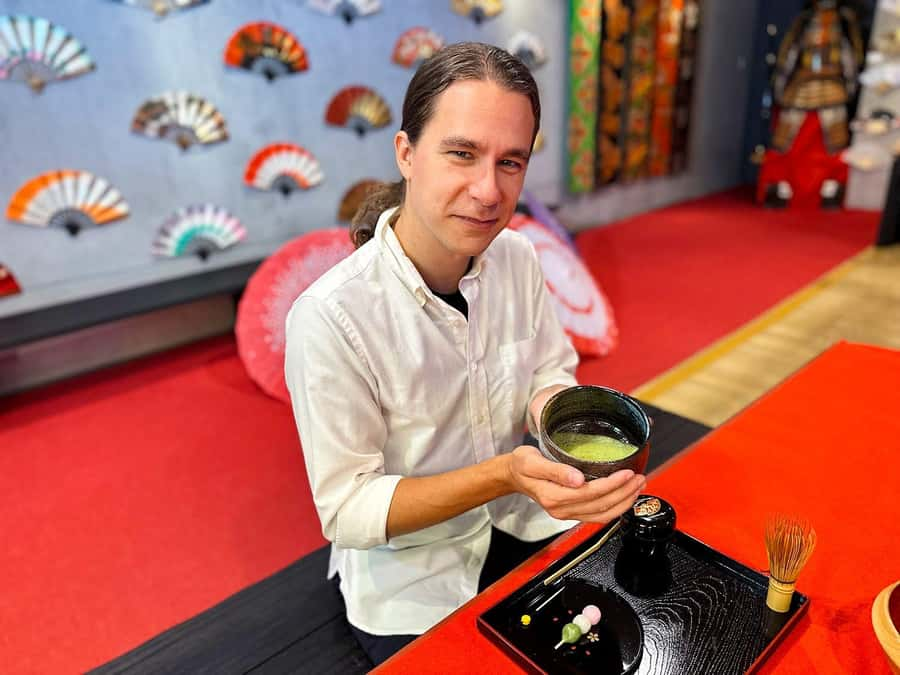
After the painting, you prepare your own matcha. Matcha is powdered green tea whisked into water, so you drink the tea itself rather than steeping and removing leaves.
The preparation adds a calm change of pace after the craft activity. You get to take part in a familiar Japanese tea custom without committing to a long formal tea ceremony. The seasonal wagashi gives you a small sweet to enjoy with the tea, balancing matcha’s strong, earthy taste.
The seasonal element is a nice touch, although the exact confection is not specified in advance. That means you should treat the wagashi as part of the setting and tasting rather than expect a particular dessert.
This portion also helps explain why matcha is more than a drink. The preparation calls for care and attention, even in a short class. You make the tea yourself, which gives the moment a personal quality that you would not get from simply being handed a cup.
Food and drink beyond the included matcha and wagashi are not part of the price. Do not book this as a meal. It is a small tea tasting within a cultural workshop.
Same place, a different pot:
- Osaka: Tea Ceremony Experience
★ 4.9 · 1,426 reviews - Tea Ceremony Experience in Osaka Doutonbori
★ 5.0 · 754 reviews - Osaka: Tea Ceremony, Calligraphy, and Kimono Experience
★ 4.9 · 130 reviews - Osaka: Japanese Traditional Sweets Making and Tea Ceremony
★ 4.7 · 118 reviews
The sword and costume photo stop
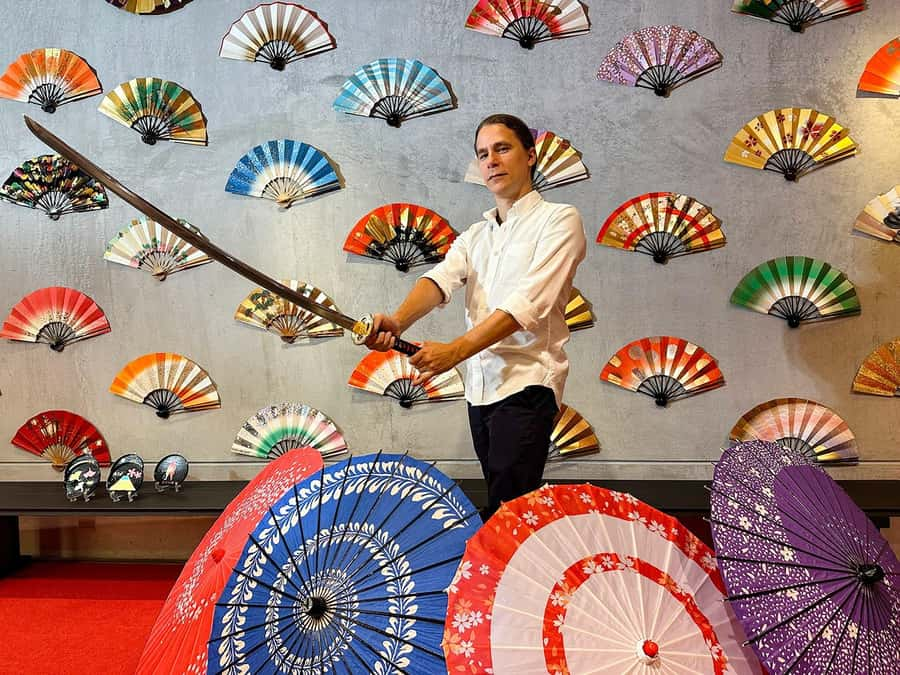
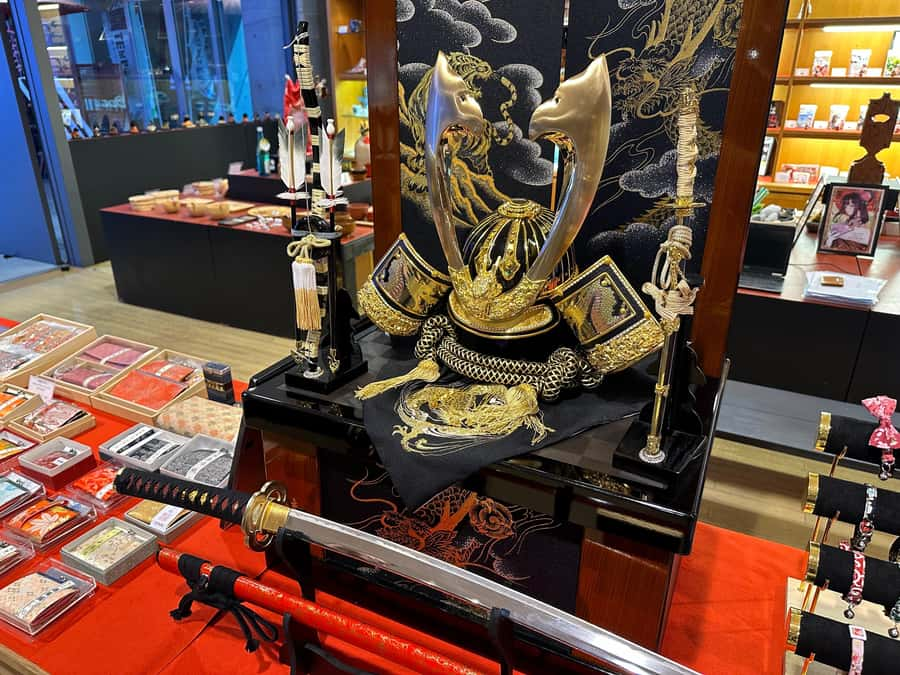
The final part includes a photo session with swords and Japanese costumes at a dedicated photo spot. This is clearly the most playful element of the hour.
The photo stop works well for families and couples who want a souvenir image from Osaka. It also gives the class a change in mood after the more careful painting and tea preparation. You should bring a camera, as requested, and wear comfortable clothes that allow you to move easily while posing.
The costume and sword setup should be viewed as a photo opportunity, not as historical training. The supplied information does not identify the clothing period, sword type, or range of costume choices. You should not expect a full samurai lesson or a detailed explanation of Japanese arms.
Still, the photos can be worthwhile. A short workshop can blur together after several days of sightseeing, while a picture in costume gives you something concrete to remember. It is also a useful option if you want a lighthearted cultural activity rather than a lecture.
The English-speaking host and private format
The activity includes a live English-speaking guide and is arranged for a private group. That matters because the painting and tea steps are hands-on. You can ask for help as you work instead of trying to follow instructions from the back of a crowded room.
Host Taki received especially strong praise, with one booking describing the whole activity as perfect and noting the easy walk from the cruise pier. Another booking described the welcome as warm and the activity as wonderful. Those comments suggest that the host can make a major difference, especially in a short session where clear instructions and a friendly manner shape the entire visit.
At the same time, the experience depends heavily on how you define a good guide. If you want a craft specialist with years of artistic training, you may find the presentation more sales-oriented or introductory. One harsh assessment described the host as more like a salesperson than an artist.
That difference in reaction is useful. This is not a guaranteed fit for every style of cultural tourism. You should book it for a friendly, compact introduction with something to make and photograph. You should not book it expecting a private masterclass in lacquer conservation or tea ceremony practice.
Is $42 a fair price for one hour?
At $42 per person, the cost is reasonable if you value three separate elements in one compact visit: the maki-e activity, the matcha preparation with wagashi, and the costume photo session.
The price becomes more attractive for a cruise stop. A nearby activity that lasts only an hour can fit between arrival and departure without consuming most of your day. The private-group format also gives the price more weight than a basic drop-in demonstration.
The value is less convincing if you judge the class only by the amount of time spent painting. One hour is short, and the actual craft project is introductory. You are paying for the guide, materials, tea, wagashi, cultural explanation, and photo setup as well as the painting itself.
I would compare it with the cost of other short Osaka activities, but the key question is simpler: do you want a guided cultural memory or a serious lesson? At $42, it works better as the first option.
Who will enjoy this most?
I would recommend this activity to:
- Cruise passengers looking for something close to the pier
- First-time visitors who want a short introduction to Japanese culture
- Families who prefer making and photographing over long museum visits
- Couples looking for a shared activity and souvenir photos
- People with only one free hour in the Osaka Bay Area
- Visitors who enjoy matcha, seasonal sweets, and small craft projects
You may want to skip it if you dislike staged photo activities or if you want a quiet, traditional setting. It may also disappoint experienced artists who expect advanced instruction or a substantial finished lacquer piece.
The private format makes the activity easier for mixed-age groups. A child can enjoy the gold powder and costumes, while an adult can focus on the cultural background. The short length also limits the risk of committing to an activity that is not your style.
Practical advice for a smooth visit
Wear comfortable clothes and bring a camera. Smoking is not allowed, and the provided information does not list any other restrictions.
Find Osaka Bunkakan before the scheduled start if you are coming from a cruise ship or exploring Tempozan for the first time. Go to the second floor and wait in front of Hibiki. Having the coordinates saved can help if the building is larger than expected.
Keep your schedule flexible around the one-hour session. The class itself lasts one hour, but you should still allow a little extra time to reach the meeting point and leave the building afterward.
The booking terms are friendly for uncertain plans. You can cancel up to 24 hours before the activity for a full refund, and you can reserve now while paying later. Starting times vary, so check availability for your date rather than assuming a fixed departure.
Should you book the Osaka maki-e and matcha activity?
Book it if you want a short, accessible cultural activity near Osaka Bay, especially during a cruise stop. The combination of gold powder painting, matcha, wagashi, and costume photos gives you several different experiences in one hour. Host Taki’s strong praise is another reason to expect a friendly welcome.
Skip it if your idea of Japanese craft involves a working artisan’s studio, advanced technique, or a quiet historic setting. The activity is introductory, and the commercial cultural-center setting may feel artificial to some people.
For most first-time visitors, I see it as a pleasant add-on rather than a main Osaka attraction. At $42, it earns its keep through convenience, private guidance, and variety. Just arrive expecting a hands-on sampler, not a masterclass.
FAQ
Where does the activity take place?
It takes place at Osaka Bunkakan in the Tempozan area of Osaka. The meeting point is on the second floor in front of Hibiki.
How long does the experience last?
The guided workshop lasts one hour.
What does the maki-e portion include?
You take part in a gold powder maki-e lacquer painting activity and learn about the technique’s place in Japanese culture.
Is matcha included?
Yes. You prepare matcha yourself and enjoy it with seasonal Japanese wagashi.
Are food and drinks included?
The matcha and seasonal wagashi are included. Additional food and drinks are not included.
Is the activity available in English?
Yes. The activity includes a live English-speaking guide.
Is this a private activity?
Yes. It is arranged for a private group.
Can I take photos?
Yes. You should bring a camera, and the activity includes a photo session with swords and Japanese costumes.
What is the cancellation policy?
You can cancel up to 24 hours in advance for a full refund. You can also reserve now and pay later.
Just added around Osaka
- Osaka:Zen Tea Ceremony and Foot Bath Experience<45min>★ 5.0 · 7 reviews
- Osaka: Tea Ceremony, Calligraphy, and Kimono Experience★ 5.0 · 6 reviews
- Osaka Japanese Cooking And Matcha Class near Osaka Castle★ 5.0 · 22 reviews
- Nara Deer Park, Uji Matcha, & Hot Spring Full-Day Tour from Osaka★ 4.0 · 21 reviews
- Osaka: Nara, Todaiji, Uji Matcha, and Hot Spring Tour★ 4.0 · 7 reviews
- Craft Sushi and Matcha Ice Cream in Central Osaka (3-Course Meal)★ 5.0 · 2 reviews
- Tea and Calligraphy Session at a Table in Osaka★ 5.0 · 4 reviews
- ZEN therapy | Shiatsu-style massage, EnergyTherapy & Japanese Tea★ 5.0 · 5 reviews
Matcha Experiences in Osaka, compared.
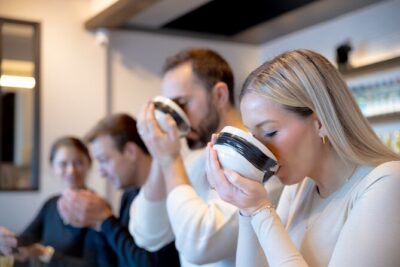
Matcha Making Class in Osaka with Authentic Japanese Sweets Set
Read our review →
Osaka Temple Cool Foot Bath & Matcha Experience〈45min〉
Read our review →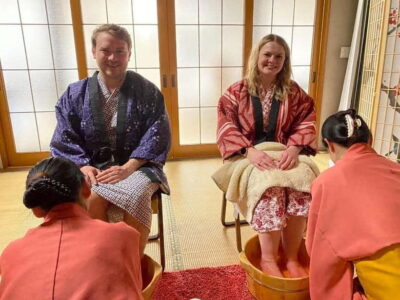
Osaka Temple Head Spa &Matcha Facial – Refresh & Glow〈90min〉
Read our review →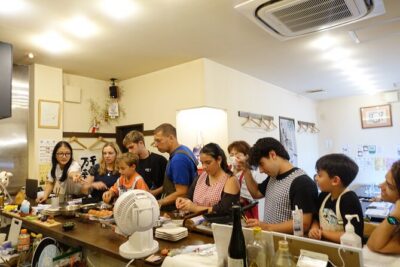
Osaka Japanese Cooking And Matcha Class near Osaka Castle
Read our review →
Nara Deer Park, Uji Matcha, & Hot Spring Full-Day Tour from Osaka
Read our review →
Learn Zen in a class of making Matcha tea near Osaka Castle
Read our review →
Browse the lists this tour appears in