
Review · NARA
Nara:Authentic Tea Ceremony(Max 5 ppl) -Master Matcha Making
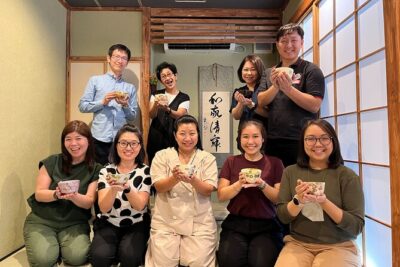
Quiet tea, useful skills, real local insight. I like the calm setting of a 120-year-old Japanese farmhouse, and I like that you do more than watch: you whisk your own matcha and receive personal pointers. The tasting of single-origin Nara matcha adds a useful layer, letting you compare flavor instead of treating green tea as one uniform drink.
The hour is intimate, friendly, and packed with culture. Hosts such as Mike, Kurabi, Hasumi, and Tate have been praised for clear English, warm conversation, and practical Nara advice. One point to check before booking is the group size: the experience is described as limited to six, while the title says a maximum of five, and some sessions have been one-on-one.
Key points to know before booking
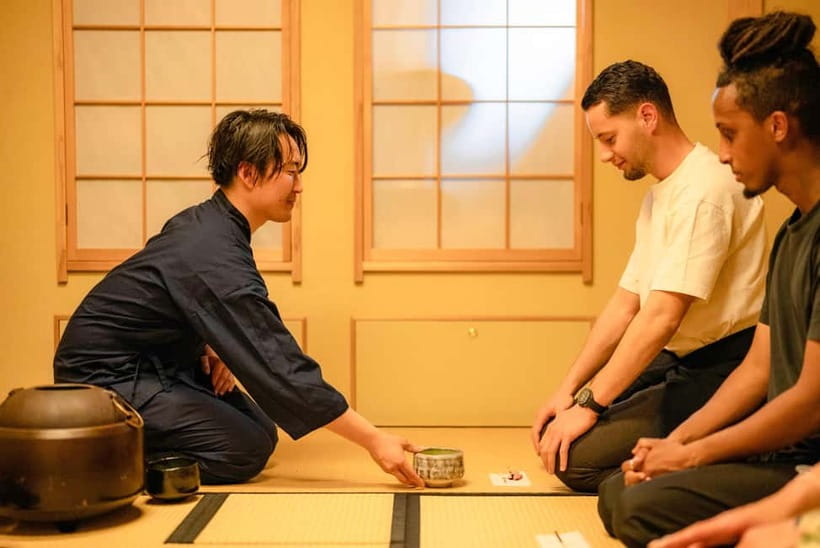
- You make your own matcha: The tea master demonstrates the whisking method, then watches your technique and gives direct feedback.
- The setting is a real old Japanese house: The 120-year-old farmhouse provides a quiet backdrop that feels far removed from a standard classroom.
- You taste more than one tea: Single-origin Nara matcha is compared with other teas in some sessions, including matcha from Uji.
- Wagashi completes the lesson: Seasonal Japanese sweets are served with the tea, balancing matcha’s grassy bitterness.
- Local advice comes naturally: Hosts have suggested restaurants, sake shops, matcha stores, bars, Kyoto stops, and Nara sights.
- It fits neatly into a Nara day: The experience lasts one hour and is available in English or Japanese.
A quiet farmhouse in the older part of Nara
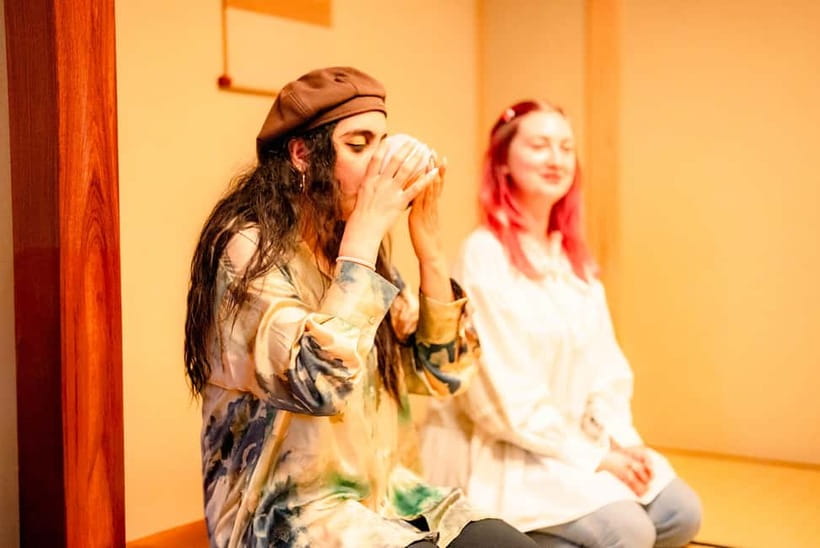
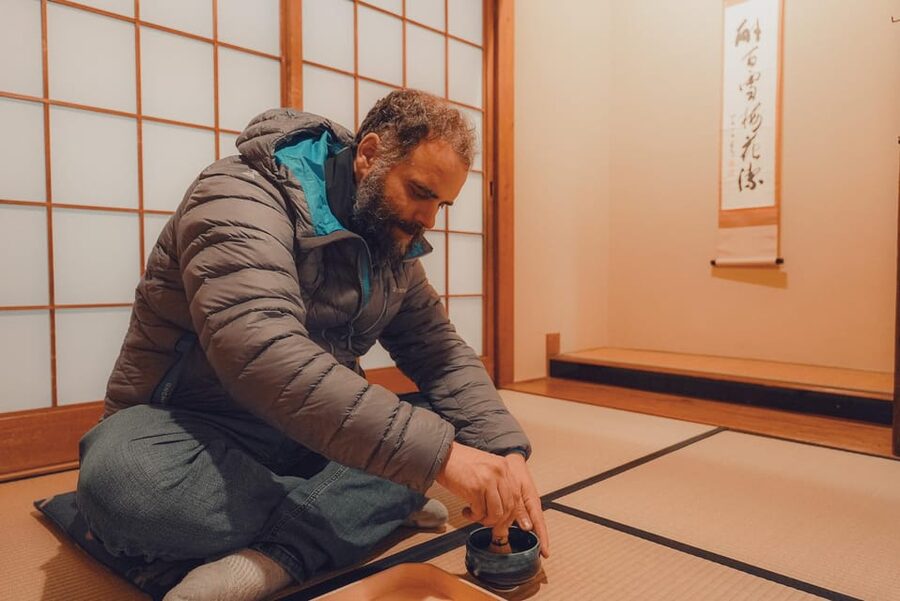
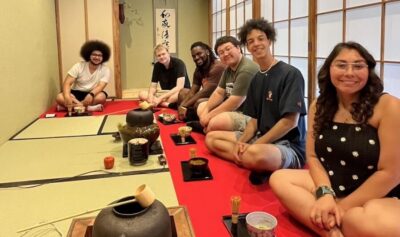
The setting does much of the teaching before anyone lifts a bamboo whisk. You enter a traditional Japanese farmhouse said to be 120 years old, a place where simple rooms, old timber, and a slower pace create the right mood for tea.
The atmosphere is peaceful rather than theatrical. You are not being rushed through a photo opportunity or asked to memorize a long script. The aim is to understand why the ceremony moves as it does, then try the movements yourself.
One detailed account described meeting the host and walking about ten minutes to the guesthouse after a little trouble finding the meeting point. That host used WhatsApp to help with directions. It is a useful reminder to keep your phone available and allow a few extra minutes, especially if you are arriving from a station or fitting this between Nara’s major sights.
The walk through an older part of town can add to the experience. It gives you a gradual change from ordinary sightseeing to a quieter cultural activity. Still, meeting instructions matter, so read them closely and do not assume the farmhouse will be immediately beside the station.
More Tea Ceremonies in Japan:
- Kyoto: Tea Ceremony in a Traditional Tea House in Kiyomizu
★ 4.9 · 3,519 reviews - Kyoto: Tea Ceremony Ju-An at Jotokuji Temple
★ 4.9 · 3,207 reviews - Kyoto: 45-Minute Tea Ceremony Lesson Experience
★ 4.3 · 2,378 reviews
What happens during the one-hour session
The class begins with an introduction to tea ceremony customs, its background, and the tools used to prepare and serve matcha. Your host explains the purpose of the utensils and the meaning behind basic gestures, rather than presenting etiquette as a set of empty rules.
That distinction is important. Tea ceremony can look formal from the outside, but the formality has a practical purpose. It directs attention to the room, the bowl, the guest, the season, and the act of serving. You learn enough to understand the care involved without needing to become a tea-school expert in one hour.
The exact balance between demonstration and discussion can depend on your group. Some sessions have been private for one person or a family of four. Other groups have included several participants. The stated limit is six people, although the title lists five as the maximum, so check the current booking details if privacy is important to you.
The hosts appear to adjust the tone well. Mike has been described as both formal about the customs and willing to laugh. That combination suits first-time visitors. You get the structure of a traditional ceremony without feeling scolded for asking a basic question or making a clumsy first attempt.
Learning the tools and etiquette without feeling stiff
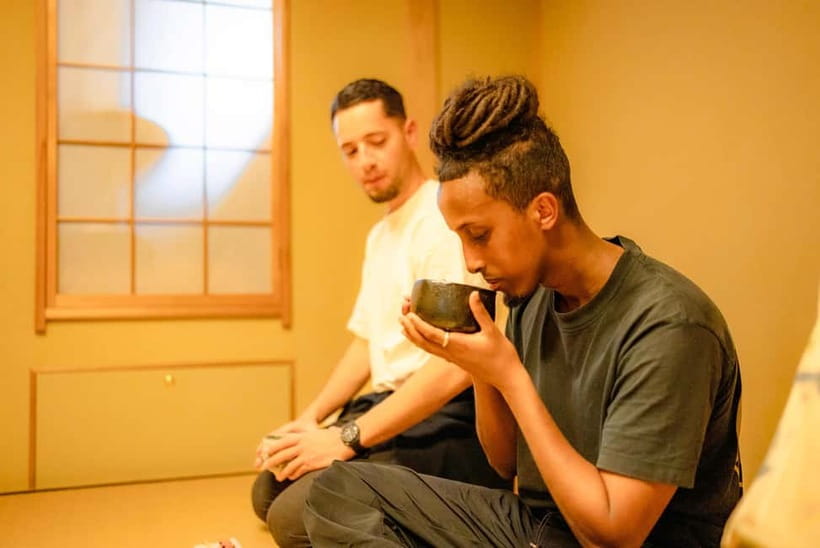
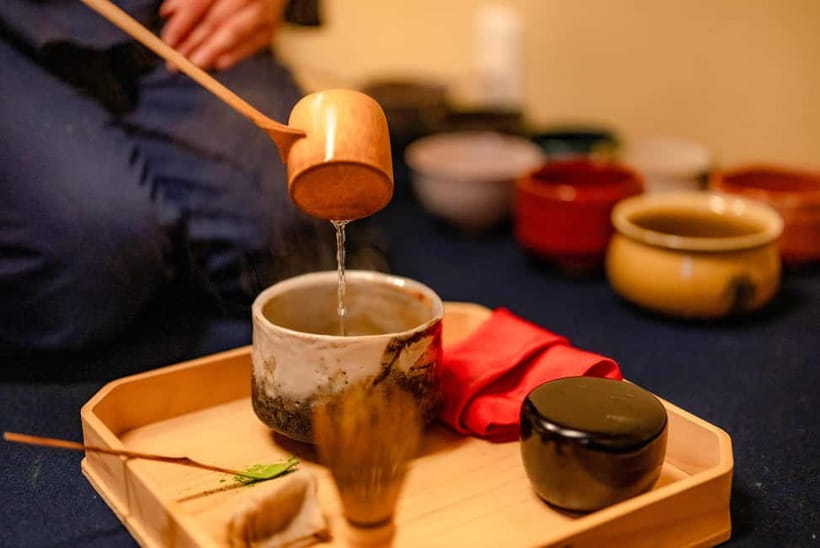
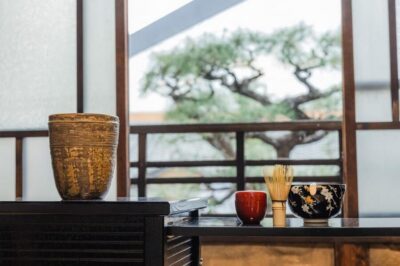
The tea master introduces the traditional utensils and explains how each one fits into the process. You see how the bowl, whisk, scoop, and tea powder work together, then watch a prepared serving before making your own.
This is where the experience earns its place on a Nara itinerary. A temple visit can show you Japan’s visual and spiritual culture, but this lesson gives you a small action to take home. The motions are modest, yet they encourage care: measure the powder, add the water, hold the bowl properly, and whisk with control.
You also learn that presentation is not separate from taste. The bowl, the pace, the greeting, and the sweet served alongside the tea all shape the moment. The host explains the why behind the ritual, which makes the ceremony easier to remember.
You do not need prior tea experience. The instruction is designed for beginners, and the pace leaves room for questions. English and Japanese are offered, with several sessions receiving praise for clear English explanations.
The hands-on matcha lesson
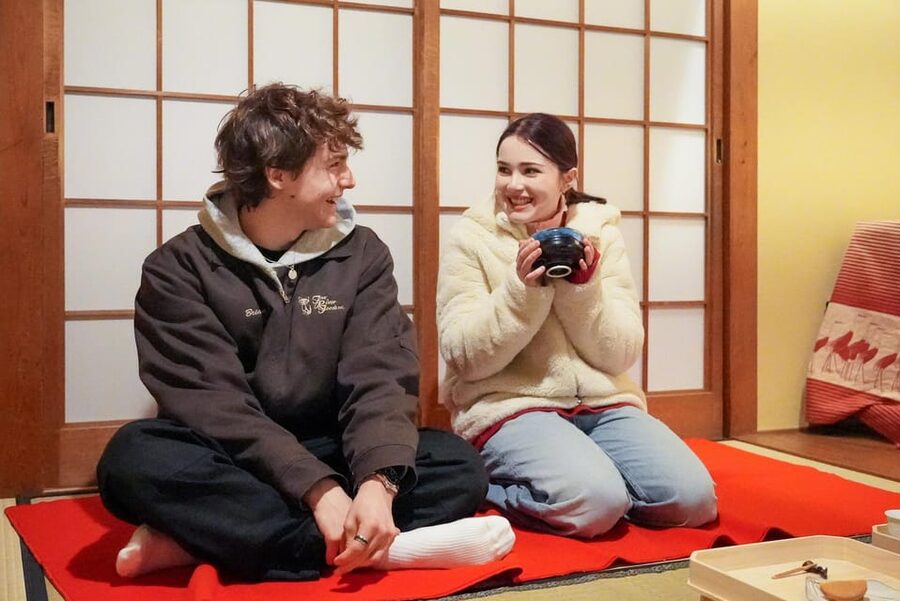
The best part for many people will be making the tea yourself. After watching the master prepare matcha, you pick up the whisk and try to create a smooth, creamy drink.
This is not just a quick stir for a souvenir photograph. The host watches your method and offers tips on whisking technique. One useful lesson is how to improve the texture and foam, a skill you can repeat at home if you buy a whisk and matcha later.
Your first bowl may not look like the master’s. That is part of the fun. The process rewards a light, quick movement rather than brute force, and the personal feedback makes the practice more useful than following a printed recipe.
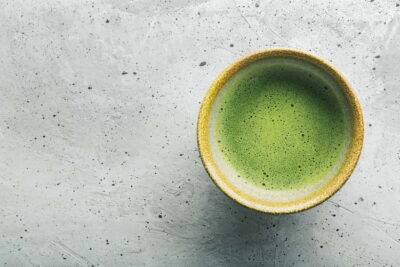
The tea master also prepares matcha for you to taste. That comparison helps you notice the difference between a carefully whisked bowl and a beginner’s attempt. You can focus on aroma, bitterness, sweetness, texture, and finish, rather than simply deciding if you like green tea.
More Matcha Experiences in Japan:
- World Heritage Kyoto & Nara Uji Authentic Matcha Experience
★ 5.0 · 1,573 reviews - Kyoto: Arashiyama Bamboo Forest, Monkeys, Matcha & Temple Tour
★ 5.0 · 759 reviews - Matcha Making Class in Tokyo with Authentic Japanese Sweets Set
★ 5.0 · 744 reviews - Kyoto: Tea Museum Tickets and Matcha Grinding Experience
★ 4.9 · 739 reviews
Comparing Nara matcha and other teas
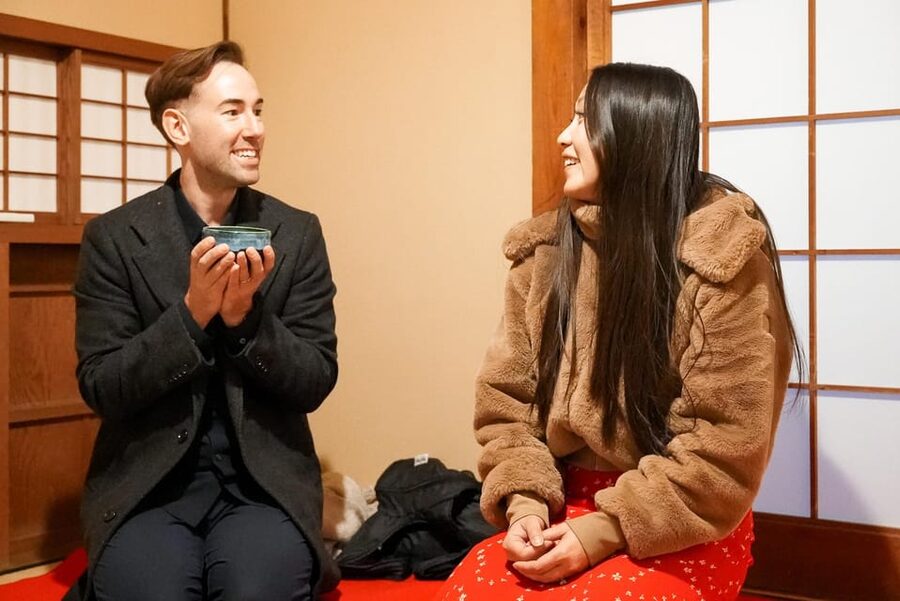
The tasting is another strong feature. You may compare single-origin matcha from Nara and decide which style suits you best. Some sessions have included additional teas, including a matcha recommended from Uji, one of Japan’s best-known tea-producing areas.
This comparison gives the class more depth. Matcha is often treated as a single flavor, but growing area and preparation can change the experience. The master can help you identify what you prefer, from a more rounded and creamy cup to a sharper, greener taste.
The experience does not promise an extensive professional tasting, so do not book it expecting a full tea certification course. Its value is more practical. In a short session, you learn enough to taste with greater attention and make a better choice when ordering matcha in Nara or buying tea to take home.
The advice on where to buy matcha and sake can also be useful. Several hosts have shared shopping suggestions along with restaurant recommendations. That local knowledge is a welcome bonus, especially if you are unsure how to separate a good specialty shop from a souvenir store aimed only at passing crowds.
Wagashi and the small details of hospitality
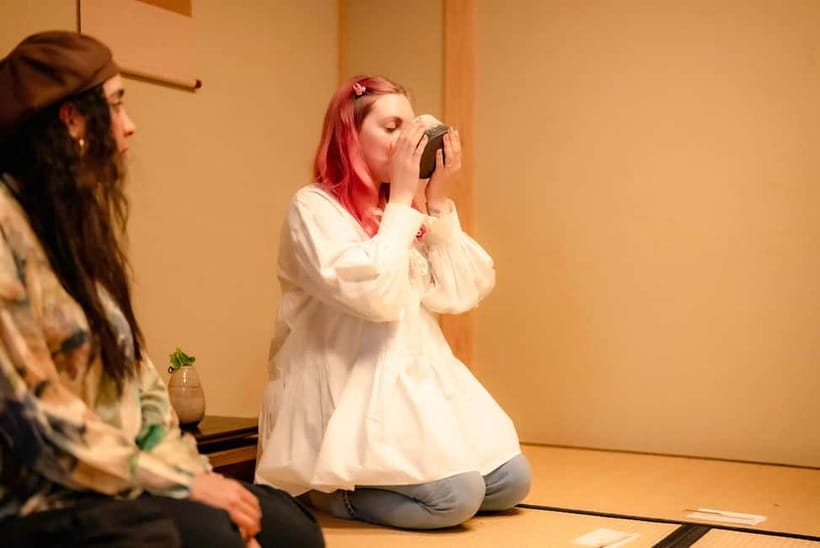
Seasonal wagashi, traditional Japanese sweets, are served with the tea. Their sweetness is not an afterthought. It prepares your palate for matcha’s bitterness and gives the ceremony a clear rhythm: sweet first, tea afterward.
The sweets may be one of the most memorable parts for children and for people who are less certain about matcha. One host has even served a homemade sweet, which added a personal touch to the lesson.
The hospitality extends beyond the bowl. Hosts have offered restaurant and bar suggestions, help with finding a ramen shop, advice about yakiniku, and tips for visiting Nara and Kyoto. One tea master even helped arrange a restaurant reservation, while another helped a participant find the bus to Nara Deer Park.
You should treat this advice as a helpful conversation rather than a formal city tour. The hosts know Nara well, but the main product is the tea lesson. If you want detailed sightseeing commentary for the whole city, you need a separate guide.
Why the $46 price can make sense
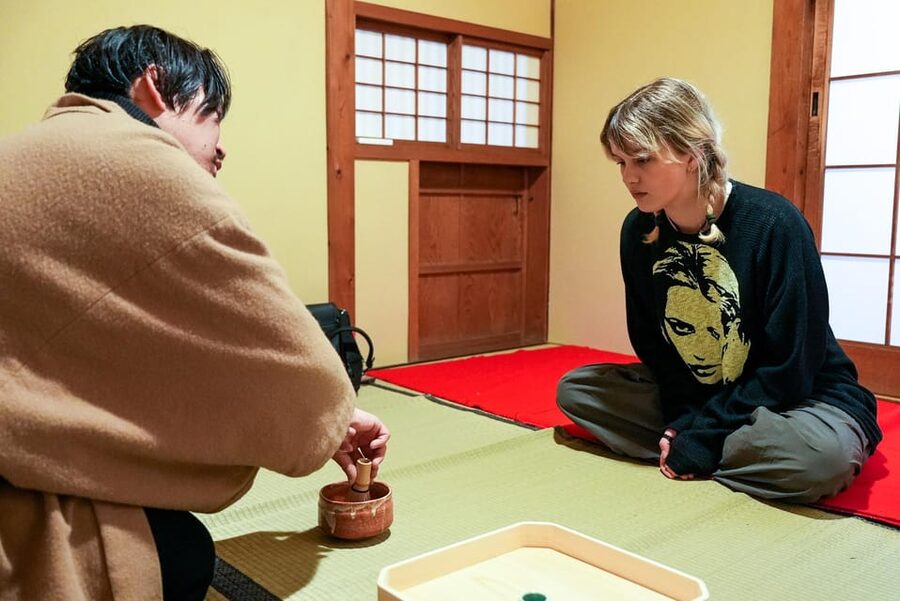
At $46 per person, this is not the cheapest way to drink matcha in Japan. You can buy a bowl of tea and a sweet at a café for much less.
The comparison is not quite fair, though. Here you are paying for a private or very small-group lesson, a tea master’s time, cultural explanation, several tasting elements, wagashi, and direct practice. You also leave with a repeatable skill rather than only a pleasant drink.
For a first visit to Japan, I think the price is reasonable if you value personal instruction and a traditional setting. A family of four can have a private-feeling session, according to the information available, which may make the cost easier to justify than a larger staged activity.
The value drops if you only want a quick taste of matcha or have already studied tea ceremony. In that case, a café or a shorter demonstration may suit you better. The one-hour length is efficient, but it limits how far the discussion can go.
The guides make the difference
The experience is provided by Kurabi, but several host names appear in the booking feedback, including Mike, Kurabi, Hasumi, and Tate. Their individual style may vary, yet the pattern is clear: the host is central to the quality of the session.
Mike has been praised for friendly English, practical recommendations, and a relaxed way of explaining formal customs. Kurabi has been described as careful with each step and generous with matcha-making advice. Hasumi received praise for a welcoming introduction and clear explanations of the process and its background.
That personal element is a major reason to choose this activity over a more polished but impersonal demonstration. You can ask why a gesture matters, how to whisk at home, or where to find good matcha in Nara. The conversation can also move naturally toward food, sake, Kyoto, or the next stop on your itinerary.
The one caution is that the experience depends partly on who leads your session. That is normal for a small activity. The available information points to a consistently warm approach, but you should expect a human-led class rather than a fixed performance with identical wording every time.
Who will enjoy this most
I would recommend this for first-time visitors who want a calm cultural activity between temple visits. It also suits couples, families, and small groups who prefer conversation and participation to a large organized show.
Tea lovers will appreciate the chance to compare matcha and learn how texture changes with whisking. Food-focused visitors will enjoy the wagashi and the recommendations for restaurants, ramen, yakiniku, sake, and tea shops.
It is also a good choice for anyone who feels unsure about Japanese etiquette. You can ask questions in a friendly setting and make mistakes without the pressure of a formal public ceremony.
You may want to skip it if you dislike sitting quietly, have no interest in tea, or want an activity with a lot of movement. The session is deliberately calm. The quiet is a benefit for some people and a limitation for others.
Timing it with Nara sightseeing
One hour is easy to fit into a full day, but I would not squeeze it between two fixed reservations. Allow time to locate the host and walk to the farmhouse, particularly if the meeting point is not at the activity location.
A morning session can set a gentle tone for the day, and one early booking was described as a good way to start the morning. An afternoon session works well after temples and before dinner, when your legs may appreciate an hour seated indoors.
The host’s local suggestions can help shape the rest of your day. You might leave with ideas for a less visited bar, a ramen restaurant, a matcha shop, a sake store, or a Kyoto stop. Those recommendations are not guaranteed as part of a formal route, but they can make the lesson useful beyond its sixty minutes.
Booking details worth knowing
The activity costs $46 per person and lasts one hour. English and Japanese instruction is available, and the stated small-group limit is six participants, with the title indicating a maximum of five.
You can cancel up to 24 hours before the start time for a full refund. The reserve-now, pay-later option also helps if your Nara plans are still shifting.
Because the experience can be one-on-one or very small, check the current group size before paying if intimacy is your main reason for booking. The difference between one person, a family group, and six participants will change the feel of the lesson.
Should you book this Nara tea ceremony?
I would book it if you want hands-on culture in a genuinely traditional setting, not just a cup of matcha. The old farmhouse, personal instruction, tea comparison, wagashi, and local advice give the hour several layers of value.
Book with realistic expectations. This is a compact introduction, not a full study of tea ceremony, and the setting or guide may vary. Confirm the group limit, allow time to find the meeting point, and keep your phone available for directions.
For a first taste of Japanese tea culture, the balance is very good: formal enough to feel meaningful, relaxed enough to feel human, and practical enough that you can whisk matcha again after returning home.
FAQ
How long does the tea ceremony experience last?
The experience lasts one hour.
How much does the activity cost?
The listed price is $46 per person.
How many people can join?
The activity is described as a small group limited to six participants, while the title states a maximum of five. Check the current booking details if group size matters to you.
Is the experience available in English?
Yes. Instruction is available in English and Japanese.
Do I get to make my own matcha?
Yes. The tea master demonstrates the process, then you prepare your own matcha with personal guidance and feedback.
What will I learn during the session?
You will learn about tea ceremony history, etiquette, traditional utensils, matcha preparation, and whisking technique.
Is wagashi included?
Yes. Seasonal wagashi, traditional Japanese sweets, are included and served with the tea.
Can I cancel for a full refund?
Yes. You can cancel up to 24 hours in advance for a full refund.
Do I have to pay when I book?
No. The reserve-now, pay-later option lets you book without paying immediately.
Just added around Japan
- Yokohama : Tea Ceremony with Sweets and Souvenir★ 5.0 · 5 reviews
- Walking Tour: Yanaka,Nezu& Sendagi: Tea Ceremony & Old Tokyo★ 5.0 · 3 reviews
- Visit local home for music and tea ceremony near Disney★ 4.9 · 13 reviews
- Trip to Kamakura & Enoshima: Shrines, Seaside, Temples &Tea★ 5.0 · 11 reviews
- Yokohama: Sushi & Gyoza Cooking with Matcha & GreenTea Experience★ 5.0 · 3 reviews
- Kyoto tea town for matcha lovers★ 5.0 · 16 reviews
- Uji: Private immersion into Kyoto’s tea and reglious culture★ 5.0 · 17 reviews
- Uji Tea Ceremony and UNESCO Heritage Walking Tour★ 5.0 · 20 reviews
Tea Ceremony Experiences, compared.
Tea Ceremony in a Traditional Tea House in Kiyomizu
Read our review →
Browse the lists this tour appears in