
Review · KYOTO
Kyoto: Wazuma Magic Show & Tea Ceremony
Magic this close feels almost unfair. Kyoto’s Wazuma show pairs a rare, thousand-year-old Japanese illusion tradition with a quiet tea ceremony in Gion. I like the private six-seat setting, where every hand movement happens just centimeters away, and I like the calm finish with fresh Uji matcha and English guidance. The main drawback is the short one-hour format: at $77 per person, this is a special splurge rather than a full evening activity.
This experience also suits anyone who wants something different from temples and crowded streets. The performance is intimate, theatrical, and often interactive, with Tamaki and Masaya associated with the show. You should arrive early, though. The tea room is small, the show is reservation-only, and late arrival can cut into an already compact program.
Key points to know before booking
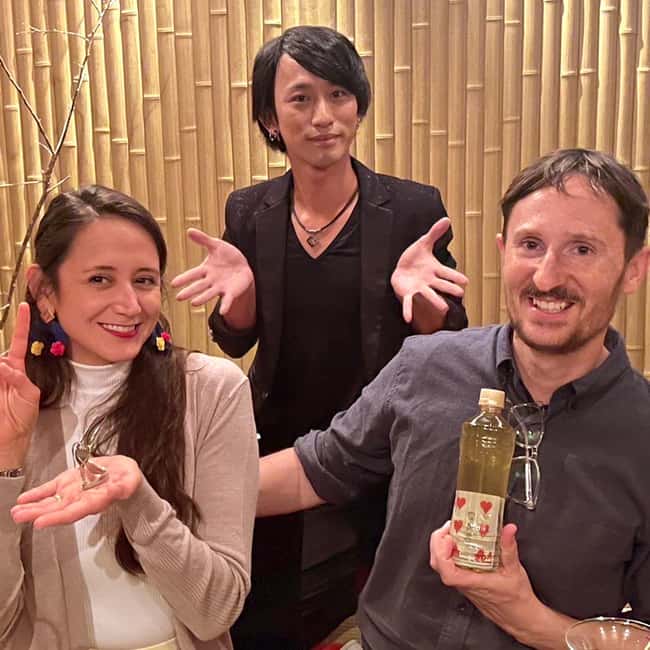
- Wazuma is a rare Japanese illusion art: This traditional form is about 1,000 years old and is performed by fewer than ten remaining masters.
- The room is private and very small: Your group has the tea room to itself, with only six seats available.
- The program is split evenly: Expect 30 minutes of magic followed by 30 minutes of Uji matcha tea.
- The show is genuinely close-up: The small room puts the performer’s gestures and sleight of hand right in front of you.
- English support is provided: A host or greeter speaks English, and the matcha service includes English guidance.
- This costs more than a casual tea stop: At $77 per person, you are paying for rarity, privacy, and a carefully staged cultural experience.
A rare art form in a quiet Gion tea room
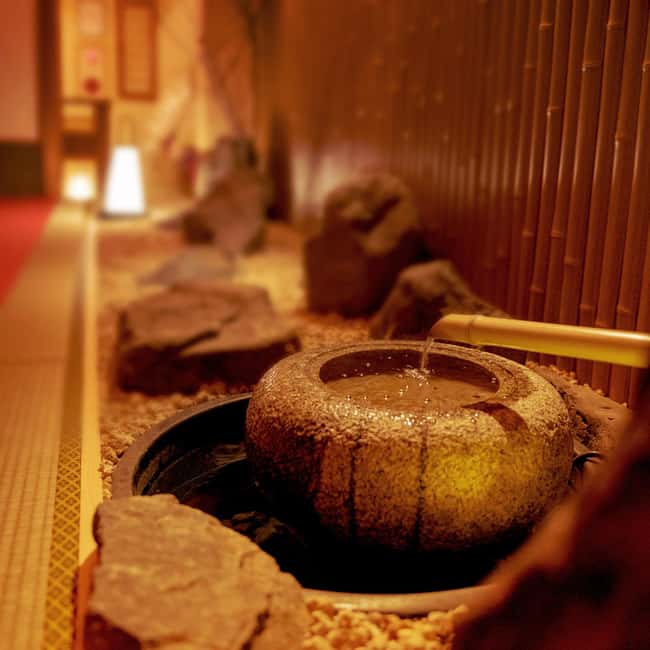
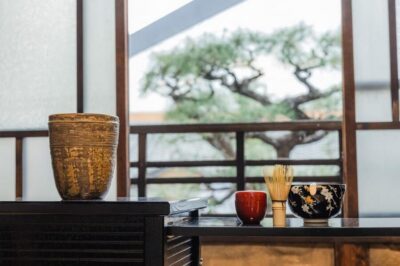
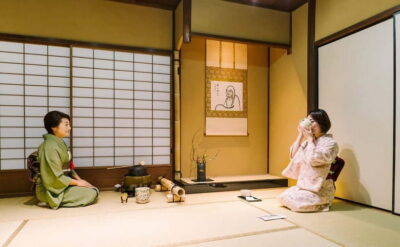
Gion is known for wooden lanes, traditional restaurants, and old-style tea houses, but this experience asks you to look past the usual sightseeing route. The venue sits in a traditional tea room down a quiet Kyoto alley, creating a very different mood from a large theater or busy attraction.
The setting matters. Wazuma depends on attention, timing, and the small details of a performer’s hands. In a room with only six seats, you are close enough to notice the tiny pauses and precise movements that would disappear in a large hall.
The art itself is presented as a 1,000-year-old Japanese illusion tradition. It is also recognized in Japan as intangible cultural heritage. That gives the show more weight than a standard tourist magic act, although you should still expect entertainment, surprise, and theatrical presentation rather than a formal lecture on Japanese history.
Fewer than ten masters are said to continue performing this tradition. That scarcity is a major part of the value. You are not simply watching a modern magic routine in a Japanese-themed room. You are seeing an art form with a very small number of living practitioners.
Still, the description of Wazuma should not lead you to expect a museum demonstration or a long cultural seminar. The total program lasts one hour, and the emphasis is on direct enjoyment. You will learn through watching, listening, and taking part in the atmosphere.
More Tea Ceremonies in Kyoto
- Kyoto: Tea Ceremony in a Traditional Tea House in Kiyomizu
★ 4.9 · 3,519 reviews - Kyoto: Tea Ceremony Ju-An at Jotokuji Temple
★ 4.9 · 3,207 reviews - Kyoto: 45-Minute Tea Ceremony Lesson Experience
★ 4.3 · 2,378 reviews
What happens during the 30-minute magic show
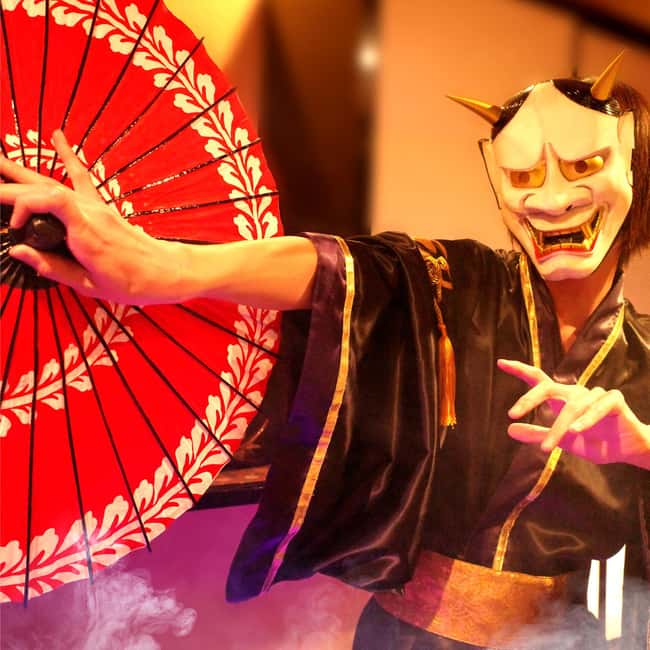
The first half of the experience is a 30-minute traditional Japanese magic performance. Because the group is private, the show can feel more like a salon performance than a scheduled stage event.
That difference is important. In a large theater, you sit back and watch from a distance. Here, the action takes place close to you. Several people describe the magic as being right in front of their faces while remaining impossible to explain. That close range is one of the show’s strongest features.
The performance is also interactive. The small audience may be involved in the sleight of hand, which makes you feel less like a spectator and more like part of the act. If you enjoy trying to spot the method behind a trick, this setup gives you a fair chance to watch carefully. It also makes the failure to figure things out more amusing.
The show has a theatrical side, too. The room is arranged as a performance space, and the atmosphere is designed to feel polished and intimate. The beautiful room and careful setup have been praised as much as the tricks themselves.
You may see traditional gestures, objects, and presentation styles that differ from Western stage magic. The supplied information does not give a detailed list of individual routines, so I would not book this expecting a specific trick or storyline. The appeal is the overall encounter: old Japanese illusion, a tiny audience, and a performer working at very close range.
The names Tamaki and Masaya are connected with the experience, and the performers have been praised for personality as well as technical skill. That matters because close-up magic can feel flat if the performer is distant or overly formal. Here, the small format allows more warmth and direct contact.
Flash photography is not allowed during the performance. That is a sensible rule in a dark, intimate room, and it helps protect the mood. Put your phone away and watch the hands. You will get more from the show that way.
A small souvenir is also given at the end of the performance. It is not described in detail, so do not book this for the gift alone. Think of it as a pleasant reminder of an unusual hour in Kyoto.
The 30-minute Uji matcha tea time
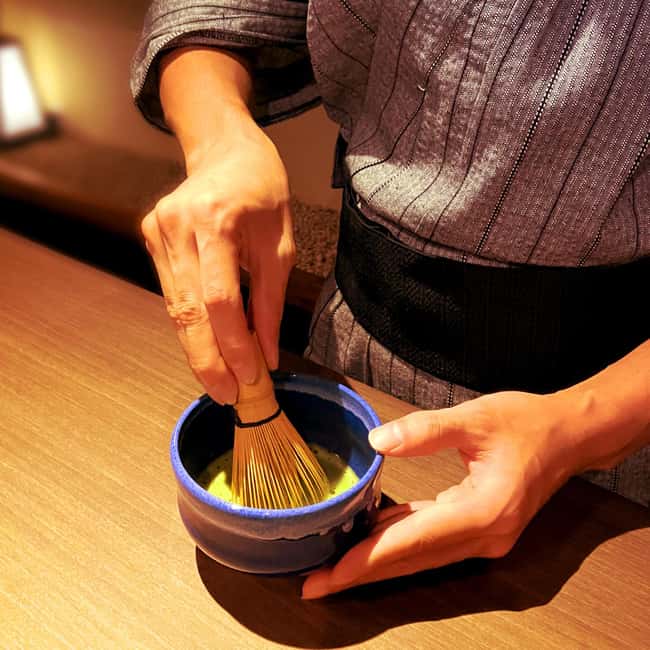
After the magic, the mood shifts from surprise to quiet focus. The second half is a 30-minute tea time featuring Uji matcha, prepared and served with English guidance.
This is not presented as a separate, long tea ceremony. It is a compact tea experience that follows the performance. That structure works well. The magic gives you energy and curiosity, while the matcha offers a slower ending before you return to Gion.
Uji is one of Japan’s best-known matcha-producing areas, and the use of Uji matcha gives this part of the experience a clear regional connection. You get to taste the tea rather than only hear about it. The matcha has been praised for its flavor, and the English explanation helps you understand what is being served.
The tea time also gives you a chance to appreciate the room. During the show, your attention will be fixed on the performer. Afterward, the traditional setting becomes easier to notice. The calm service and quiet surroundings create a useful contrast with the quick surprises of Wazuma.
Keep your expectations in check. The activity includes one bowl of hand-whisked matcha and English guidance, but no broader meal is included. Personal expenses are not covered, and the experience is not described as a full kaiseki meal or extended tea-school lesson.
For many people, that is enough. A full tea ceremony can take longer and may feel formal. This version gives you the flavor of the tradition without taking half a day from your Kyoto schedule.
Why the private group format matters
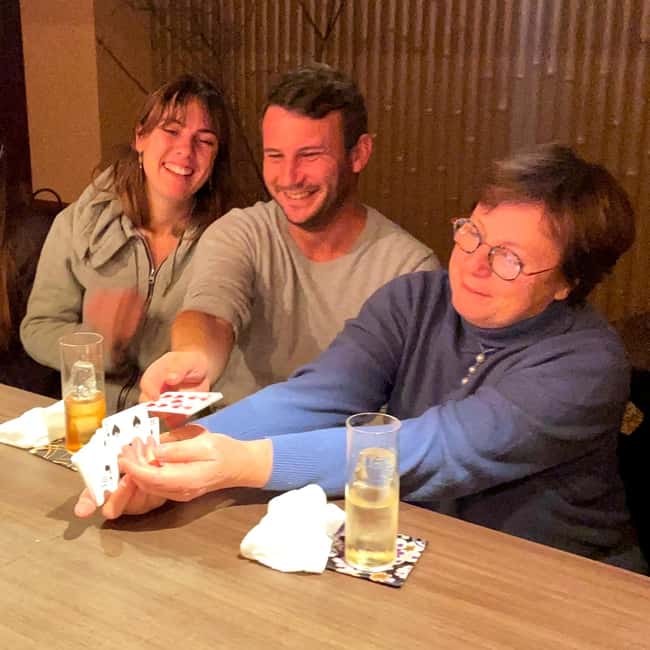
The private group format is the heart of the experience. The entire room is reserved for one group, with a maximum of six seats. That makes this a good choice for a couple, family, or small group of friends who want a shared memory without strangers sitting around them.
Privacy changes the feel of the show. You can respond naturally, ask questions through the English-speaking host, and pay attention without a crowd shifting around you. The performer can also work to the scale of the group instead of projecting to a large audience.
The intimacy has a practical downside. A small room leaves little room for late arrivals or distractions. You are asked to arrive five minutes before the starting time, and that advice should be taken seriously. One person arrived late and said the guide adjusted the program, but you should not count on that accommodation. A late start can reduce your tea time or interrupt the performance.
Only six seats are available, so this is not a casual stop you can usually squeeze into at the last minute. It is by reservation only. If the time you want is important, reserve ahead.
The small size may also feel too close for anyone who prefers to sit quietly at the back. There is no back row in the usual sense. The closeness is the point, but it can make the experience feel personal and direct.
Same place, a different pot:
- Kyoto: Table-Style Tea Ceremony at a Kyo-Machiya
★ 4.9 · 1,211 reviews - Kimono Tea Ceremony at Kyoto Maikoya, NISHIKI
★ 5.0 · 911 reviews - Kyoto: Arashiyama Bamboo Forest, Monkeys, Matcha & Temple Tour
★ 5.0 · 759 reviews - Kyoto: Kimono Tea Ceremony at Orizuruya Gion
★ 4.9 · 618 reviews
Is $77 per person good value?
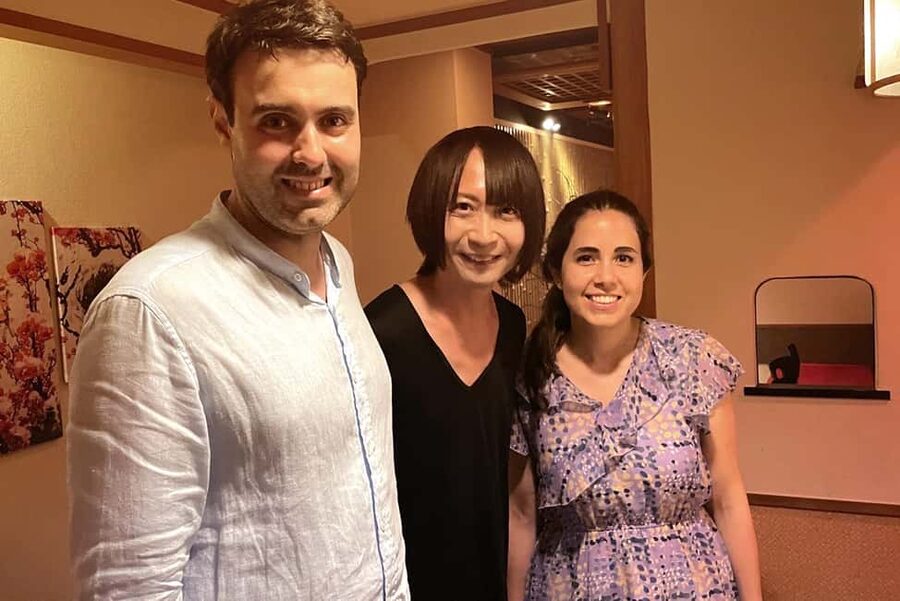
At $77 per person, this is not the cheapest way to spend an hour in Kyoto. You could find a simple bowl of matcha for far less. You could also see street performances or visit a temple without paying an admission price of this size.
The value comes from the combination of elements:
- A rare traditional art with fewer than ten remaining masters
- A private room reserved for one group
- A 30-minute close-up performance
- A 30-minute Uji matcha tea service
- English guidance
- A small souvenir
- A refined setting in Gion
If you judge the price by the amount of food or drink, it will seem high. If you judge it as a private cultural performance, the cost makes more sense. You are paying for access to something unusual, not simply for a cup of tea.
I think the price works best for a special occasion, a honeymoon itinerary, a birthday, or a final afternoon in Kyoto when you want something memorable and easy to fit into the schedule. It is less convincing if your budget is tight or if you are mainly looking for a traditional tea tasting.
The one-hour length helps the value in another way. Kyoto days can become crowded with temples, markets, and long train rides. This activity gives you a polished cultural stop without taking up an entire morning or evening.
How to fit it into your Kyoto day
The location in Gion makes it practical to combine with other sightseeing, but transportation to and from the venue is not included. You will need to arrange your own way there and return on your own afterward.
The meeting arrangement is simple. A staff member waits in front of the building five minutes before the meeting time. Since this is in a quiet alley and the venue is a traditional tea room, leave enough time to find the building. The information provided does not give a detailed landmark or transportation route, so check the exact meeting instructions after booking.
I would avoid scheduling this immediately after an activity that often runs late. Temples, meals, and long walks through Gion can easily take more time than expected. Give yourself a buffer, arrive five minutes early, and enter with a clear hour ahead.
The start times vary, so check availability before planning the rest of the day. Since the show is reservation-only and private, your booking time determines the rhythm of the experience.
This works especially well before dinner. The matcha ends the hour on a quiet note, and Gion gives you plenty of options for an evening meal. You could also place it between major sightseeing stops when you want a break from walking.
Who will enjoy Wazuma most?
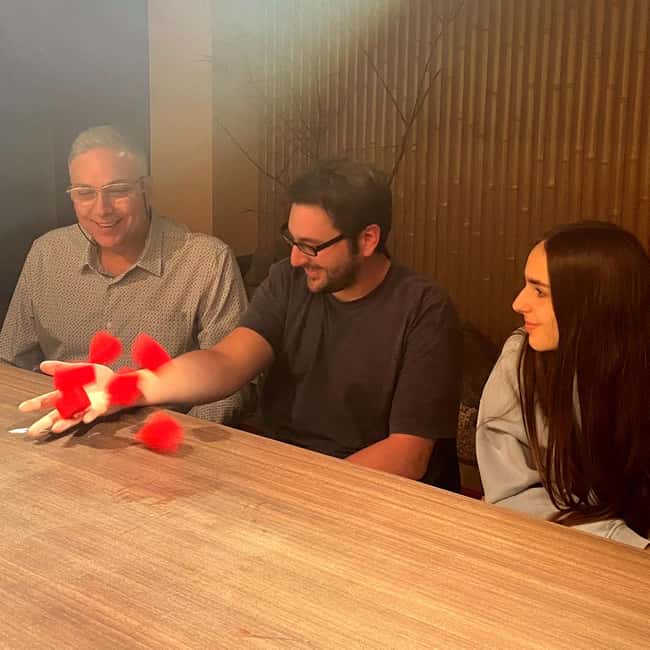
I would recommend this experience to you if you enjoy small-scale cultural activities, unusual performance art, and places where the atmosphere matters as much as the main event.
It is particularly well suited to:
- Couples who want a private Kyoto memory
- Families with older children who enjoy magic
- Friends looking for something beyond temples and food
- First-time visitors seeking a short, distinct cultural activity
- Repeat visitors who have already seen the major sights
- Anyone curious about traditional Japanese performance
Magic fans will appreciate the close-up format, but you do not need to know anything about sleight of hand. The show is designed to surprise you. The tea portion also makes it appealing to people who are less interested in magic but want a refined Japanese cultural setting.
I would be more cautious if you dislike intimate rooms, cannot sit comfortably for the program, or need wheelchair access. The experience is not suitable for wheelchair users. The six-seat room also means this is not the right pick for a large party.
Children may enjoy the visual tricks, but the supplied information does not give a minimum age or child pricing. If you are booking with young children, confirm the details before paying.
A polished hour, with a few limits
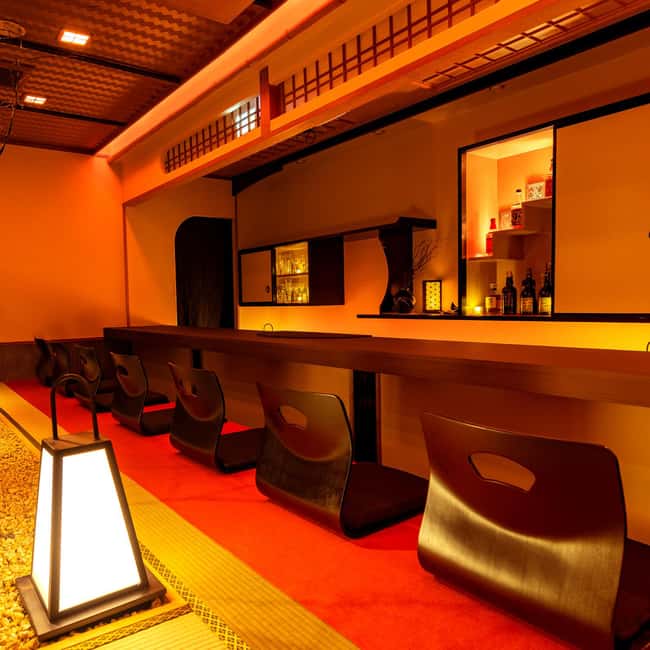
The strongest part of the experience is the way its two halves support each other. The Wazuma performance is lively and puzzling. The matcha service is calm and measured. One leaves you wondering how the trick worked, while the other gives you time to settle back into the quiet of the tea room.
The performance has also earned strong praise for its personality and presentation. The room is beautiful, the magic is close, and the staff are friendly. Those details matter in a private activity, where the tone can make or break the hour.
The limits are clear, too. It is short. The price is high for the duration. The program does not include transportation or a meal, and the venue cannot accommodate wheelchair users. You should also avoid flash photography and arrive before the start time.
None of these points undercut the experience, but they help you book it for the right reasons. This is not a general Kyoto sightseeing tour. It is a compact, private encounter with a rare art form, followed by good matcha in a traditional room.
Should you book this Kyoto experience?
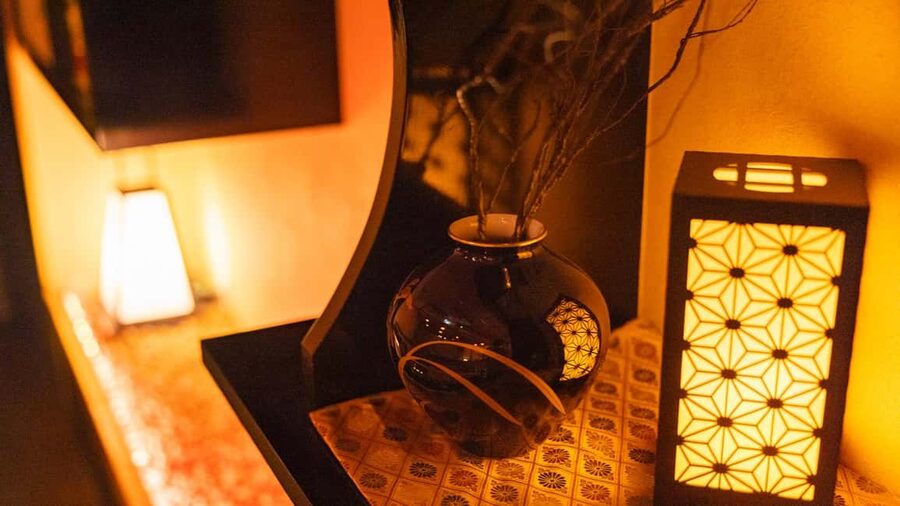
Book it if you want a private, unusual cultural experience and are happy to pay for rarity and atmosphere. The six-seat setting, close-up Wazuma magic, English matcha guidance, and Gion tea room make this far more personal than a standard stage show.
Skip it if your priority is low-cost sightseeing, a long tea ceremony, or a broad introduction to Kyoto. You will get more value from this hour if you see it as a special treat rather than a basic attraction.
For a couple or small group with room in the budget, I think it is a strong choice. Arrive early, keep your camera flash off, and let the performers do the difficult work of making the impossible look simple.
FAQ
How long does the Wazuma magic and tea experience last?
The full experience lasts one hour. It includes a 30-minute traditional Japanese magic show and 30 minutes of Uji matcha tea time.
Is the experience private?
Yes. The tea room is reserved for one private group, with only six seats available.
Is the experience available in English?
Yes. The host or greeter speaks English, and the matcha tea service includes English guidance.
What is included in the price?
The price includes the 30-minute Wazuma magic show and the 30-minute Uji matcha tea time. Transportation and personal expenses are not included.
Can I take photographs during the show?
Flash photography is not allowed during the performance.
Is the venue wheelchair accessible?
No. The experience is not suitable for wheelchair users.
More Shows in Kyoto
- Samurai Show, Tea Ceremony, Japanese Traditional Activities
★ 5.0 · 56 reviews - Premium Kimono Dressing, Tea Ceremony, Calligraphy, Samurai show
★ 5.0 · 18 reviews - Chengdu: Sichuan Opera Show ShufengYayun & Covered Bowl Tea
★ 4.2 · 14 reviews - Agadir/Taghazout: Sandboarding & Sunset Tea with Fire Show
★ 5.0 · 6 reviews
Just added around Kyoto
- Uji Walking Tour – Byodo-in temple and Tea Ceremony from Kyoto★ 3.5 · 3 reviews
- Tea ceremony at Kyoto’s Zen Temple Teahouse★ 5.0 · 2 reviews
- Kyoto: Authentic Tea Ceremony in a Small Group★ 5.0 · 7 reviews
- Tea Ceremony in 150 Years Old Townhouse with Tables and Chairs★ 5.0 · 22 reviews
- Silent Beauty of Kyoto Zen Walk and Tea Experience★ 5.0 · 2 reviews
- Tea Ceremony Experience in Traditional Kyoto Townhouse★ 5.0 · 19 reviews
- Traditional Tea Ceremony in Kyoto★ 4.5 · 3 reviews
- Sencha-do the Japanese Tea Ceremony Workshop in Kyoto★ 5.0 · 21 reviews
Tea Ceremonies in Kyoto, compared.
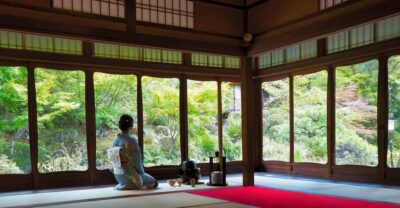
Tea Ceremony in a Traditional Tea House in Kiyomizu
Read our review →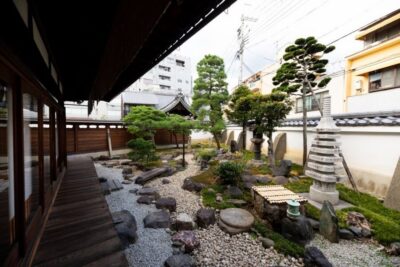
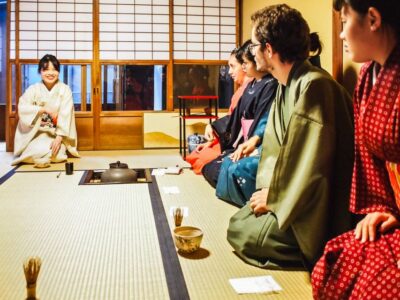
Tea Ceremony in 100-year-old Kyo-Machiya Townhouse
Read our review →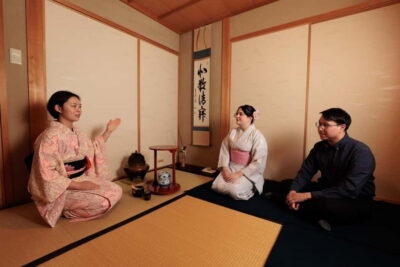
Browse the lists this tour appears in