Review · KYOTO
Kyoto: Tea Ceremony with Kimono and Photoshoot
Dress up, slow down, and sip Kyoto.
This 90-minute experience combines a traditional kimono fitting with an English-language tea ceremony, matcha preparation, Japanese sweets, and three professional photos. I like the relaxed teaching style and the chance to walk outside in the kimono afterward. The main drawback is strict timing: arrive more than 10 minutes late and you cannot join or receive a refund.
You choose between locations near Nishiki Market and in Gion, two useful bases for a Kyoto day. The small group size, limited to 10 people, helps keep the lesson personal. Just remember that this is a combined activity, not a tea ceremony-only or kimono-dressing-only appointment.
Key points to know before booking
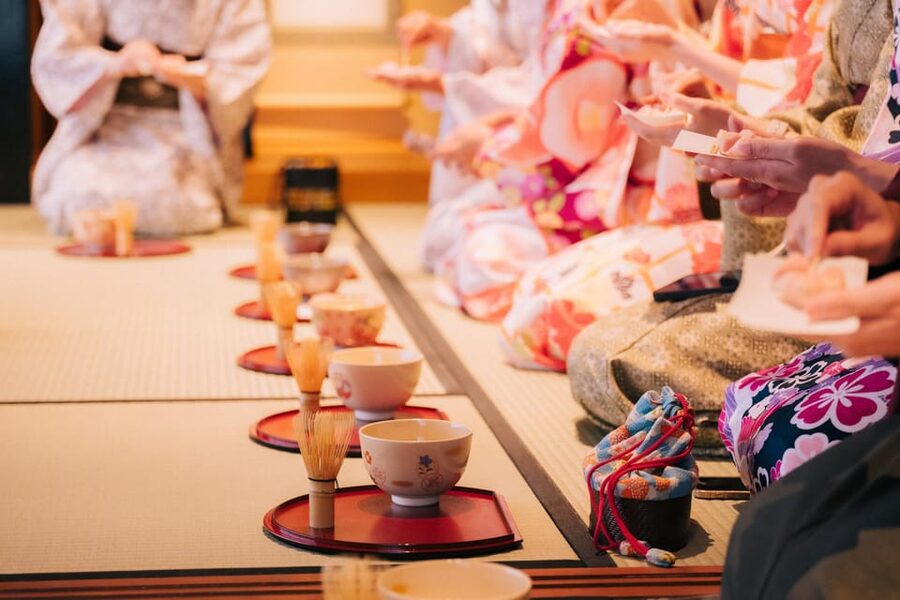
- You make your own matcha: After watching the demonstration, you prepare green tea yourself and drink it with Japanese sweets.
- The kimono is part of the full experience: Dressing, hair accessories, the ceremony, and photos are included together.
- Three professional photos are included: They give you a polished souvenir instead of relying only on quick phone snapshots.
- You can go outside afterward: The kimono may be worn around Kyoto until the return deadline for your location.
- English instruction keeps the ritual accessible: The tea master explains the ceremony, cleansing, and meaning behind the actions.
- The two shops have different return times: Return by 6:00 PM at Nishiki Market or 5:00 PM at Gion.
Why this Kyoto activity works well
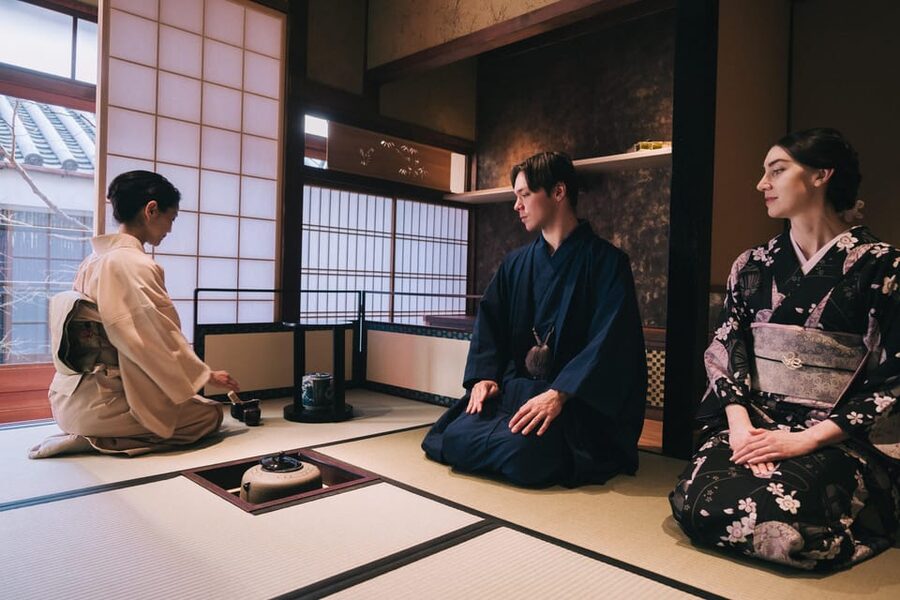
Kyoto offers many ways to see Japanese culture, but some are passive. You look at temples, take photographs, and move on. This experience gives you a role. You put on the clothing, sit in the tea room, handle the matcha, and take part in a ceremony that depends on careful movement.
That hands-on quality is the main reason I would choose this over a simple kimono rental or dress-up shop. The tea ceremony gives the clothing a setting and a purpose. You learn why the ritual is performed, rather than simply posing in a costume.
The English-speaking tea master also matters. Tea ceremony can seem mysterious if you do not understand the gestures. Here, the demonstration explains the process in a relaxed way, including the cleansing and blessing of the tea. You do not need prior knowledge of Japanese customs to follow along.
The small group limit of 10 people is another advantage. It is large enough to feel social, but small enough for the instructor to explain each step without shouting across a crowded room. Mami, one of the named guides, has been praised for her kind manner and clear understanding of the subject.
More Kimono and Tea Ceremonies in Kyoto
- Kimono Tea Ceremony at Kyoto Maikoya, NISHIKI
★ 5.0 · 911 reviews - Kyoto: Kimono Tea Ceremony at Orizuruya Gion
★ 4.9 · 618 reviews - KYOTO Tea Ceremony with kimono near by Imamiya Jinjya Shrine
★ 5.0 · 343 reviews
Choosing Nishiki Market or Gion
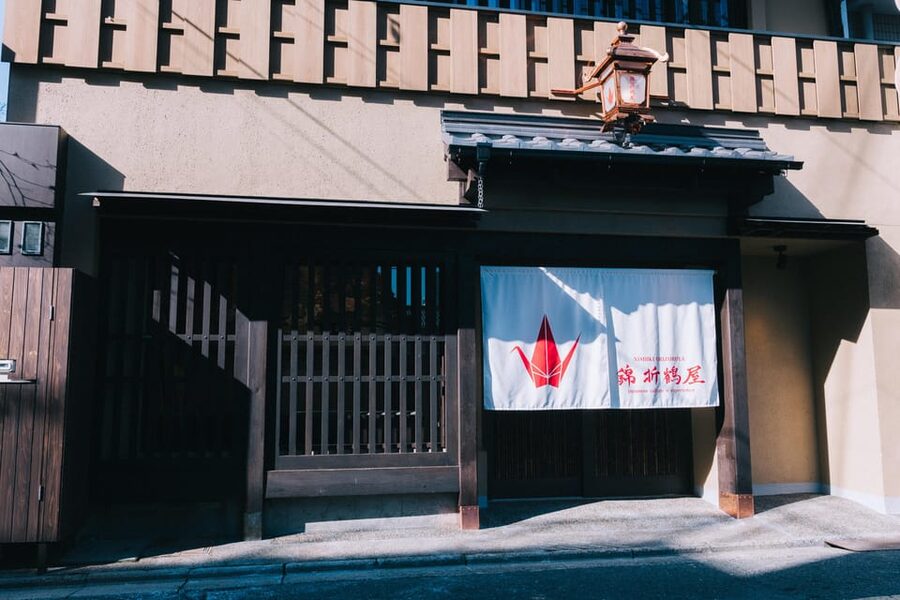
You need to select the correct location when booking. The shops are not interchangeable, and arriving at the wrong one means you may not be able to participate.
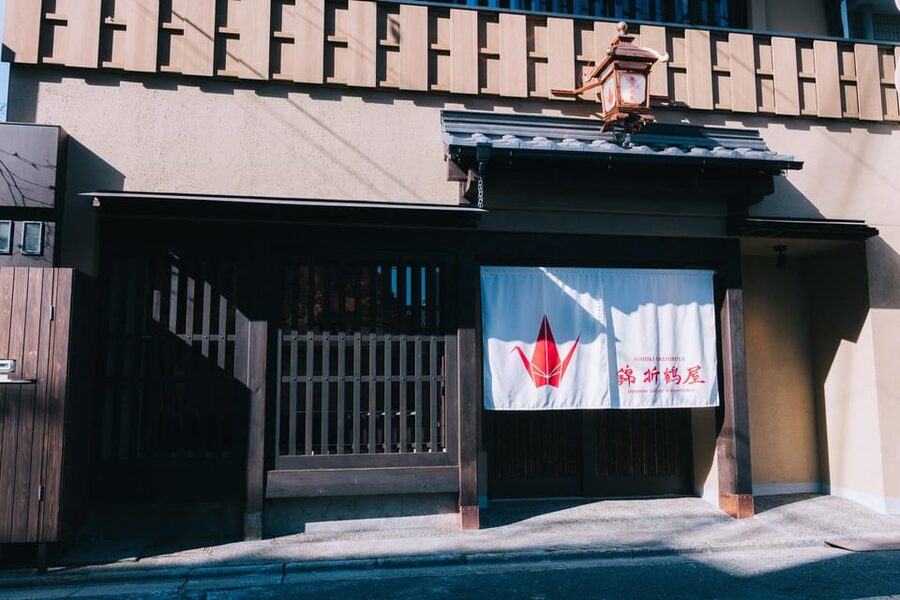
The Nishiki Market location gives you a convenient setting for a day built around central Kyoto. Nishiki Market is a natural place to combine with food stops and shopping, though the tea activity itself takes place at the designated shop and tea room. If you plan to walk around in your kimono afterward, your return deadline is 6:00 PM.
The Gion location suits a day focused on Kyoto’s traditional streets and old-town atmosphere. Its earlier kimono return time is 5:00 PM, so check your schedule carefully before booking. That one-hour difference can affect an afternoon plan.
Your confirmation should be treated as the final word on the meeting point and starting time. The experience has fixed appointments, and arriving at 1:55 PM for a 2:00 PM reservation may not mean the ceremony begins immediately. One participant reported waiting until 3:00 PM for the ceremony, so allow room for fitting and possible delays.
The kimono fitting comes first
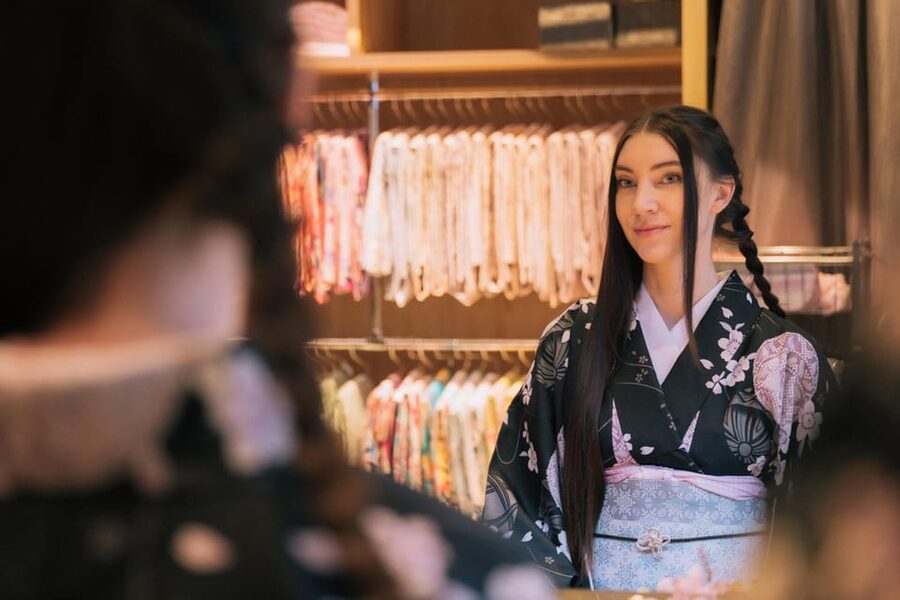
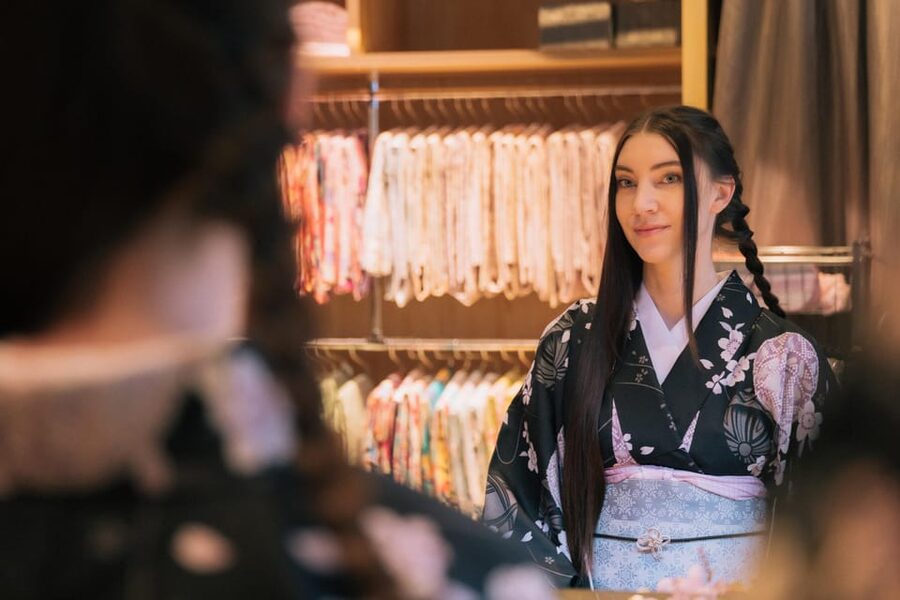
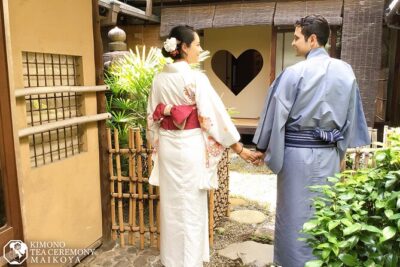
At the shop, you change into a kimono with help from the staff. You can choose the fabric color, and hair accessories are available for participants who want them. The fitting is not a quick jacket-and-sash costume change. Staff work through the clothing carefully so you look properly dressed for the tea room and photographs.
You must send the height and gender of every participant in advance. This lets the shop prepare suitable kimono sets. Give accurate information when booking, especially if your group includes people of noticeably different heights.
The fitting process may take longer than you expect, so do not arrive at the last minute. Your 90-minute booking includes several parts, and the dressing stage sets the pace for everything that follows.
Once dressed, you have time in the waiting area to take your own photographs. This is a useful detail for couples, families, and friends who want casual pictures before the more formal shots. You can also enjoy the look of the kimono before sitting down for the ceremony.
Shoes are not allowed indoors, and smoking is not permitted. Wear something comfortable underneath your clothes, since you will be changing and sitting in the tea room. The supplied information does not specify which personal clothing works best, so simple, comfortable layers are the safest choice.
A tea ceremony explained in English
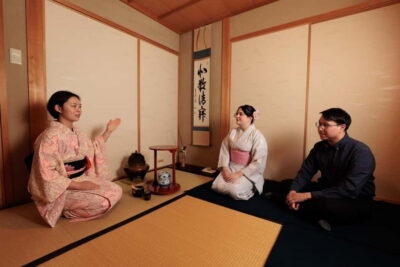
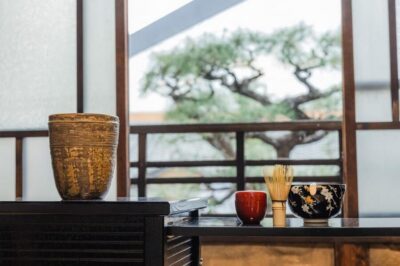
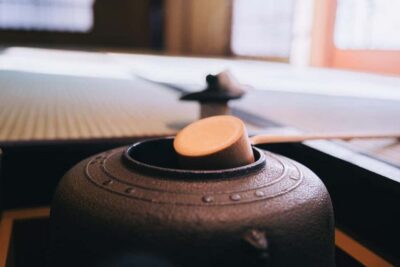
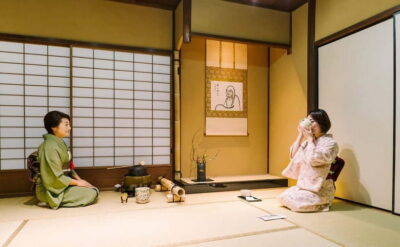
The tea room is the heart of the experience. You first watch a demonstration while the tea master explains what is happening and why. The ceremony is not presented as a performance with no explanation. The instructor describes the customs in English and guides you through the meaning of the movements.
Expect attention to small actions. Cleansing, preparing the tea, and handling the bowl are treated with care. This is a good introduction if you have seen tea ceremony in photographs but never understood the order of events.
The ceremony also gives the kimono experience more weight. You are not merely dressed for a picture. You are dressed to sit in a setting where quiet behavior, respect, and deliberate movement matter.
The atmosphere is described as friendly and relaxed, which is helpful because formal Japanese customs can feel intimidating at first. You do not need to worry about knowing the correct gesture before you arrive. The guide explains each stage.
Still, this is a short introduction rather than a full study of tea culture. The entire booking lasts 90 minutes and includes dressing, instruction, tea preparation, and photography. If you want a long, highly formal tea-school lesson, this may feel brief. For a first encounter, the compact format is easier to fit into a busy Kyoto schedule.
More Tea Ceremonies in Kyoto
- Kyoto: Tea Ceremony in a Traditional Tea House in Kiyomizu
★ 4.9 · 3,519 reviews - Kyoto: Tea Ceremony Ju-An at Jotokuji Temple
★ 4.9 · 3,207 reviews - Kyoto: 45-Minute Tea Ceremony Lesson Experience
★ 4.3 · 2,378 reviews - Kyoto: Table-Style Tea Ceremony at a Kyo-Machiya
★ 4.9 · 1,211 reviews
Making matcha with Japanese sweets
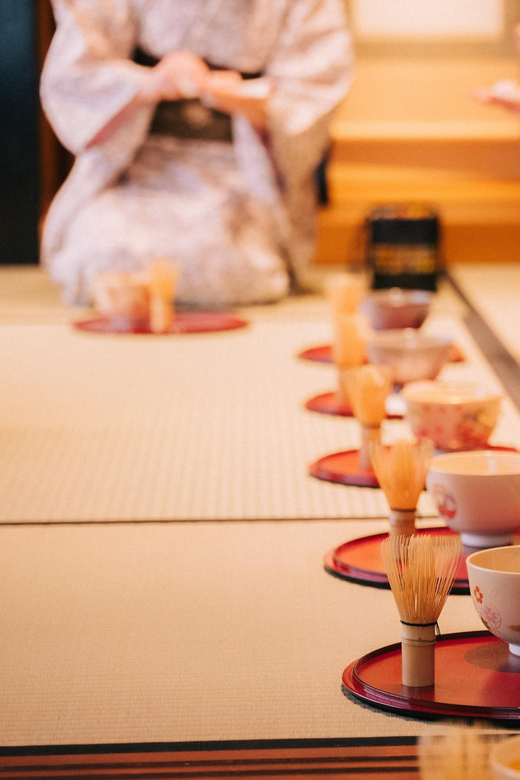
After the demonstration, you prepare your own matcha. This is the point where the activity shifts from watching to doing. You get to handle the process and then drink the tea with Japanese sweets.
Matcha has a strong, distinctive taste that may be unfamiliar if you usually drink black or green tea. The sweets provide a traditional accompaniment and help balance the flavor. If you have food allergies, tell the operator in advance. Do not wait until the sweets are served.
Making the tea yourself also makes this more memorable than a standard tasting. You are likely to remember the sequence of actions, the feel of the bowl, and the contrast between the bitter tea and the sweet accompaniment.
The food component is modest. This is not a meal, and you should not book it as one. Think of the sweets as part of the ceremony rather than a substantial snack.
Professional photos and time outside
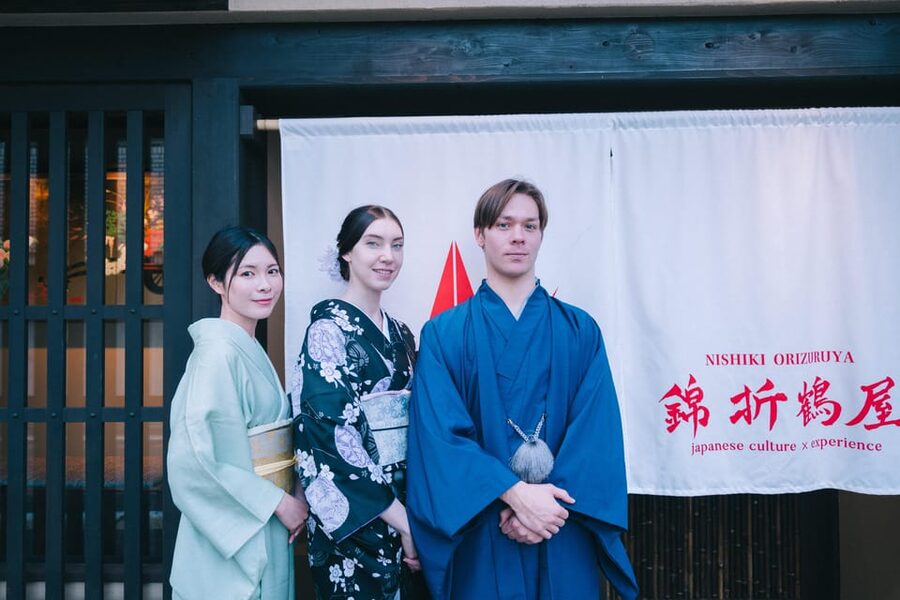
The three professional photos are a strong part of the value. A kimono fitting can be expensive if you only have rushed self-timer pictures to show for it. Here, the photographer captures formal images during the experience, giving you a finished memento.
The photographs have received especially warm praise for their quality. One recent participant called them first-class, while another was pleased with the attention to detail and the final images. The photography adds a practical benefit for solo visitors, couples, and anyone who wants a photograph of the full outfit without asking strangers to take it.
You can also take your own pictures. The waiting area provides some time for this, and after the ceremony you may stroll outside in the kimono. That makes the experience feel connected to Kyoto rather than confined to a studio.
You must return the kimono by the stated deadline on the same day. Nishiki Market participants return by 6:00 PM. Gion participants return by 5:00 PM. Plan a short walk rather than a long sightseeing route, and keep track of time. The clothing is not yours to keep, and late return arrangements are not described.
How much value does $127 provide?
At $127 per person, this is not a bargain basement activity. The price makes more sense when you add up what is included: kimono dressing, an English tea ceremony lesson, matcha, Japanese sweets, professional photography, and three finished photos.
A simple kimono rental may cost less, but it usually gives you clothing and access to a dressing service rather than a cultural lesson. A private photographer could also cost more than expected. This experience combines both elements in a short appointment.
The value depends on what you want from Kyoto. If your priority is seeing as many temples as possible, $127 may feel high for 90 minutes. If you want a meaningful cultural activity and a polished souvenir, the package is easier to justify.
The small group format helps. You are not paying for a huge production with dozens of people moving through the same room. The staff handle the fitting, teaching, and photography as one coordinated experience. Several direct accounts praise the team’s professionalism, kindness, and attention to detail.
The free cancellation policy also reduces some booking risk. You can cancel up to 24 hours in advance for a full refund, and the reserve-now-pay-later option allows you to hold a place without paying immediately. Those conditions are useful when your Kyoto schedule is still shifting.
Who should book this experience?
I would recommend it to first-time visitors who want a gentle introduction to Japanese customs. The English instruction removes much of the uncertainty, and the ceremony is short enough for people who are curious but not ready for a lengthy formal lesson.
It is also a good choice for couples, friends, and solo visitors who want quality photographs. Solo participants should especially value the professional photographer, since getting a full kimono portrait can otherwise be awkward.
The activity suits adults and older children, but children under 5 are not accepted. Wheelchair users should choose another activity because this experience is not suitable for wheelchair access.
You should also be comfortable sitting indoors without shoes and following a set schedule. If you dislike formal clothing, cannot tolerate a fitted kimono, or want to leave whenever you wish, this may not be the right pick.
Timing, preparation, and small practical warnings
Arrive early. The no-late-entry rule is strict: if you are more than 10 minutes late, you cannot join and no refund is available. Kyoto sightseeing can involve crowded streets and confusing station exits, so build in extra time.
Send height and gender details for everyone in your group before the appointment. Tell the operator about food allergies in advance. Select Nishiki Market or Gion with care, and double-check the address before setting out.
The activity cannot be booked as separate parts. You cannot attend only the tea ceremony or only the kimono dressing. The value comes from the full sequence, so plan on staying for all of it.
The published duration is 90 minutes, but the fitting and ceremony may not run like a perfectly timed train. A waiting period has been reported, so avoid placing a tight restaurant reservation immediately afterward.
Should you book the Kyoto kimono tea ceremony?
Book it if you want more than a costume photograph. The best feature is the combination of clothing, cultural explanation, matcha preparation, and professional pictures. The staff’s friendly approach and the small group size make it approachable, while the option to walk outside afterward adds flexibility.
Skip it if you want a long, formal tea-school lesson, a low-cost kimono rental, or a fully accessible activity. Also skip it if you cannot arrive early and stay on schedule.
For most first-time visitors, $127 is a fair price for a polished introduction to tea ceremony with a useful souvenir at the end. Choose your location carefully, protect the time around the appointment, and you should come away with more than a few attractive photographs.
FAQ
How long does the Kyoto tea ceremony and kimono experience last?
The scheduled experience lasts 90 minutes. It includes kimono dressing, an English tea ceremony demonstration, matcha preparation, Japanese sweets, and professional photography.
Are the tea ceremony and kimono dressing available separately?
No. This experience is offered as a combined activity. You cannot book only the tea ceremony or only the kimono dressing.
How many photos are included?
Three photos taken by a professional photographer are included in the described experience.
Can I walk around Kyoto in the kimono afterward?
Yes. You may stroll outside in the kimono after the tea ceremony, but you must return it by 6:00 PM at the Nishiki Market location or by 5:00 PM at the Gion location.
Which languages are available?
The tea ceremony instruction is provided in English by an English-speaking instructor.
What happens if I arrive late?
If you arrive more than 10 minutes after the starting time, you will not be allowed to join, and no refund is available. Arrive early and confirm the correct location before leaving for the appointment.
More Photo Sessions in Kyoto
- Kyoto Tea Ceremony and Samurai Photo Session
★ 5.0 · 70 reviews - Tea Ceremony with Kimono and Professional Photoshoot in Kyoto
★ 5.0 · 44 reviews - Tokyo:Genuine Tea Ceremony, Kimono Dressing, and Photography
★ 5.0 · 33 reviews - Private Tour in Kamakura: Matcha Tea Tasting & Photo Session
★ 5.0 · 6 reviews
Just added around Kyoto
- Uji Walking Tour – Byodo-in temple and Tea Ceremony from Kyoto★ 3.5 · 3 reviews
- Tea ceremony at Kyoto’s Zen Temple Teahouse★ 5.0 · 2 reviews
- Kyoto: Authentic Tea Ceremony in a Small Group★ 5.0 · 7 reviews
- Tea Ceremony in 150 Years Old Townhouse with Tables and Chairs★ 5.0 · 22 reviews
- Tea Ceremony Experience in Traditional Kyoto Townhouse★ 5.0 · 19 reviews
- Traditional Tea Ceremony in Kyoto★ 4.5 · 3 reviews
- Silent Beauty of Kyoto Zen Walk and Tea Experience★ 5.0 · 2 reviews
- Kyoto Private Tea Ceremony at a Japanese Inns★ 5.0 · 12 reviews
Tea Ceremonies in Kyoto, compared.
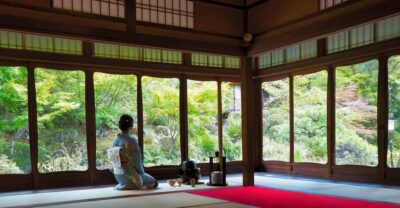
Tea Ceremony in a Traditional Tea House in Kiyomizu
Read our review →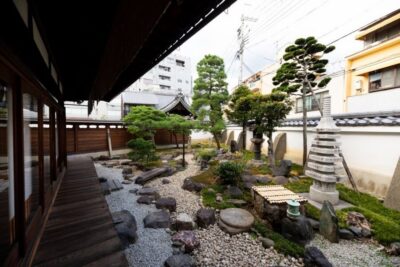
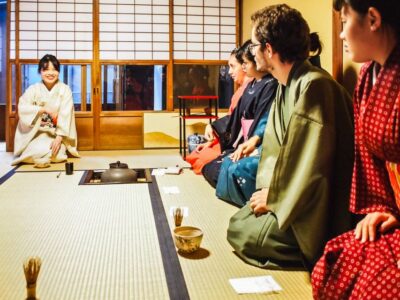
Tea Ceremony in 100-year-old Kyo-Machiya Townhouse
Read our review →