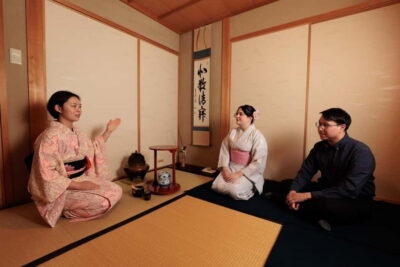
Review · KYOTO
Kyoto Tea Ceremony and Samurai Photo Session
A samurai joins your tea break. This Kyoto experience combines a hands-on matcha lesson with seasonal wagashi, a modern matcha latte, and photos in samurai armor inside a 100-year-old machiya. I like the friendly teaching style, especially Maya’s clear English and light humor, and I like the small maximum of 10 people, which gives you a better chance to take part instead of simply watching. The main consideration is timing: the core tea activity is described as about 50 minutes, while the overall booking lasts approximately 1 hour 20 minutes, so the exact pace may vary.
The session is a good fit if you want Japanese tradition without committing to a formal, lengthy tea ceremony. You learn the background, watch a demonstration, make matcha yourself, and finish with a latte and samurai photographs. It is also a practical choice for first-time visitors, families, couples, and anyone who prefers an interactive class to a museum explanation.
Key points at a glance
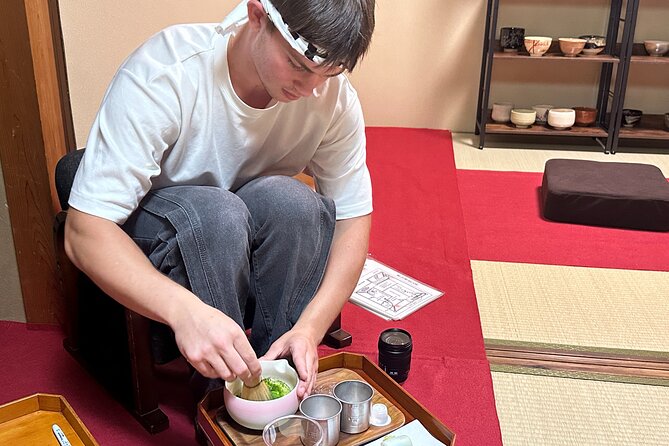
- Make matcha yourself: You do more than observe a tea ceremony. You learn the basic preparation and try it with guidance.
- A 100-year-old machiya setting: The traditional townhouse adds a sense of place that a modern classroom would not provide.
- Two styles of matcha: The experience includes traditional matcha and a creamy Kyoto-style matcha latte.
- Seasonal wagashi included: Traditional Japanese sweets give you a small taste of the food culture tied to tea.
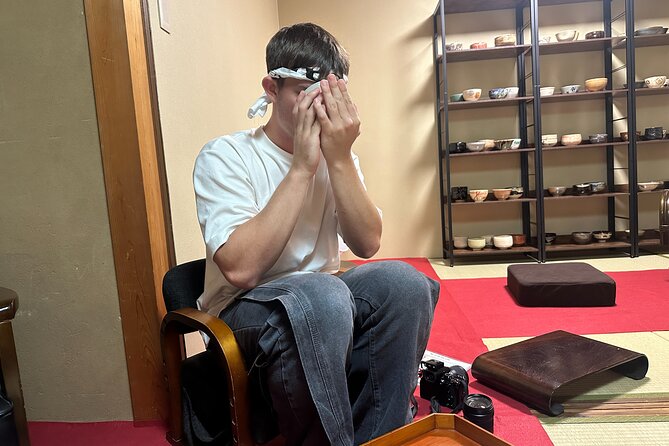
- Samurai armor photo session: The class ends with a memorable visual keepsake, not just a cup of tea.
- Small group, maximum 10: The size should keep the lesson personal and manageable.
Entering a 100-year-old Kyoto machiya
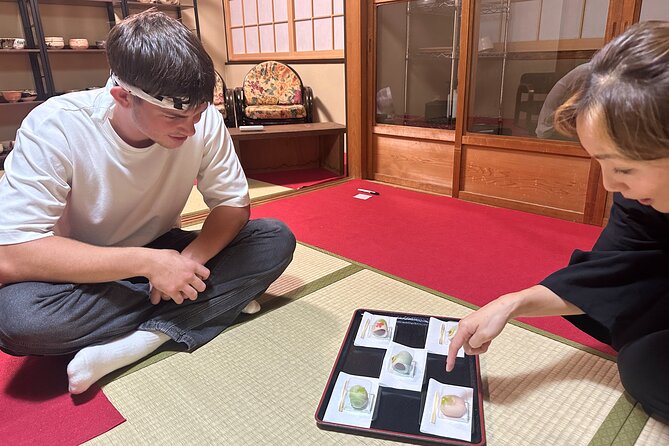
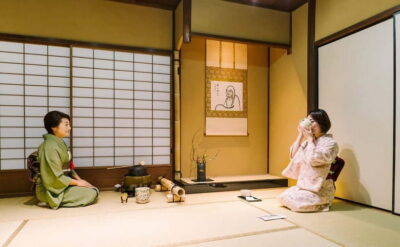
The experience begins at Samurai Gyoza Factory Kyoto, at 230-1 Kamimyōkakujichō in Nakagyo Ward. It takes place in a 100-year-old machiya, a traditional Kyoto townhouse. That setting matters. Tea preparation is closely tied to atmosphere, attention, and the quiet rhythm of small actions, and an old wooden townhouse helps create that mood.
You are not being asked to sit through a long ceremony with no explanation. The format is designed for participation. The instructor explains what is happening, gives historical context, and invites you to try the process yourself.
The location is near public transportation, which makes it useful as a short activity between sightseeing stops. The activity returns to the same meeting point, so you do not need to arrange a separate finish location or work out a complicated transfer afterward.
I would arrive with enough time to find the address. The supplied meeting information is specific, but Kyoto’s narrow streets and closely spaced buildings can still slow you down, especially if you are coming from another part of the city.
More Kimono and Tea Ceremonies in Kyoto
- Kimono Tea Ceremony at Kyoto Maikoya, NISHIKI
★ 5.0 · 911 reviews - Kyoto: Kimono Tea Ceremony at Orizuruya Gion
★ 4.9 · 618 reviews - KYOTO Tea Ceremony with kimono near by Imamiya Jinjya Shrine
★ 5.0 · 343 reviews
Learning what the tea ceremony is really about
The lesson begins with an explanation of tea ceremony history and its connection to mindfulness. This introduction gives the practical steps a purpose. You are not simply whisking green powder because it makes a colorful photograph. You are learning why preparation, focus, and courtesy matter in Japanese tea culture.
Maya is repeatedly praised for being cheerful, patient, funny, and easy to understand in English. That combination is important. A formal cultural subject can become stiff when every movement is treated as sacred and no one explains the reason behind it. Her approach appears to keep the tone friendly while still giving the tradition proper respect.
You should expect a cultural introduction rather than an advanced study of tea schools or Japanese aesthetics. The session is short, and the goal is to give you a clear, enjoyable first look. For most visitors, that is a strength. You get enough context to understand what you are doing without spending half a day on technical details.
The small-group limit of 10 also helps here. With fewer people, you should have a better opportunity to ask questions, watch the demonstration clearly, and receive help when it is your turn.
Preparing traditional matcha with guidance
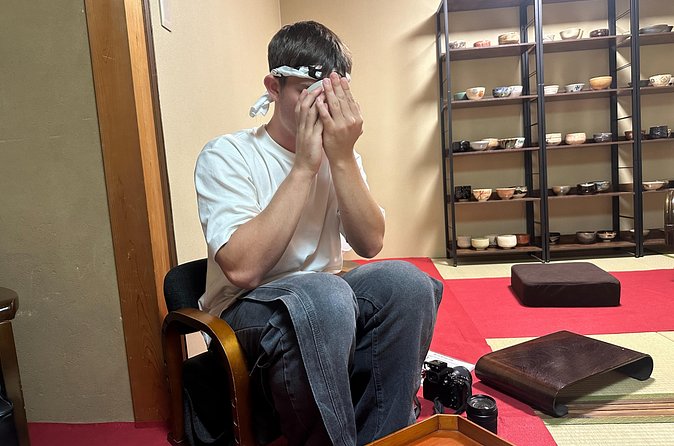
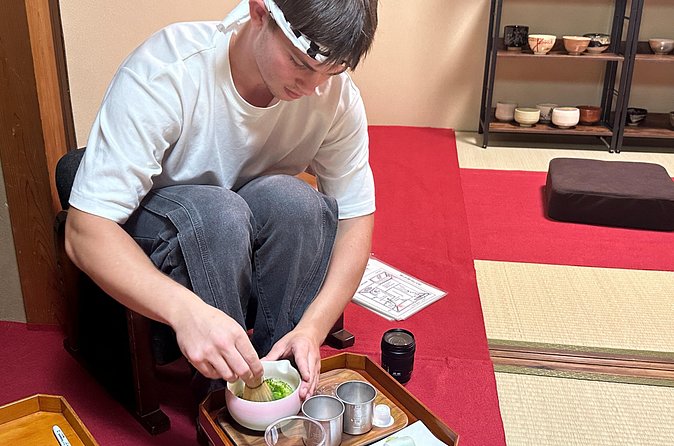
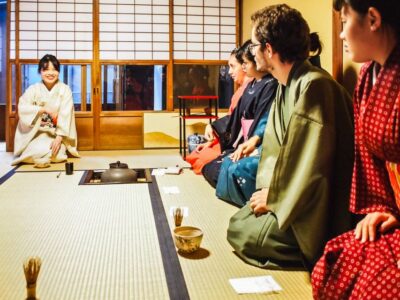
The central part of the class is making your own matcha. First, Maya demonstrates the traditional method. You then follow the process yourself, with instruction along the way.
This is where the experience earns its cultural value. Watching a tea ceremony can be beautiful, but handling the tools and preparing the tea gives you a more direct connection to the custom. You notice the texture of the powder, the movement needed to mix it, and the difference between simply stirring and preparing matcha properly.
The instruction is aimed at beginners. You do not need previous tea experience, and the comments about patience and clear explanations suggest that the class is designed to make first attempts comfortable. If your whisking technique is not perfect, that is part of the fun. The point is to learn the method and understand the care behind it.
The matcha itself is described as high quality. That is useful because poor tea can leave first-time drinkers with a harsh impression. The flavor of matcha is naturally grassy and slightly bitter, so the quality of the powder matters more than many people expect.
You also get to taste the tea you prepare. That gives you a chance to compare your result with the instructor’s demonstration and to decide how much you enjoy matcha in its traditional form.
Seasonal wagashi and the sweeter side of tea culture
The tea is served with seasonal wagashi, traditional Japanese sweets. Wagashi are not just a sugary side dish. Their delicate appearance and changing seasonal forms are part of the presentation of tea.
For you, the sweets provide a useful balance to matcha’s bitter, earthy flavor. They make the tasting easier for first-time drinkers and show how Japanese tea customs bring food, season, and appearance together.
The information provided does not specify the exact wagashi served on a particular date, so you should expect the selection to change. That is part of the appeal. Seasonal sweets give the class a connection to the time of year rather than offering the same fixed item in every season.
The portions are best understood as a tasting, not a full meal. If you are booking this around lunch or dinner, plan to eat separately.
More Tea Ceremonies in Kyoto
- Kyoto: Tea Ceremony in a Traditional Tea House in Kiyomizu
★ 4.9 · 3,519 reviews - Kyoto: Tea Ceremony Ju-An at Jotokuji Temple
★ 4.9 · 3,207 reviews - Kyoto: 45-Minute Tea Ceremony Lesson Experience
★ 4.3 · 2,378 reviews - Kyoto: Table-Style Tea Ceremony at a Kyo-Machiya
★ 4.9 · 1,211 reviews
Making a Kyoto-style matcha latte
After the traditional preparation, the class shifts into a more modern matcha activity. You make a creamy matcha latte yourself.
I like this change of pace. A tea ceremony can feel distant to someone who has never handled matcha before, while a latte is familiar and easy to connect with. The class uses that familiar drink as a bridge between old and new.
You learn how to prepare the latte and receive a recipe to use at home. That recipe adds value because your experience does not end when you leave Kyoto. You can try to repeat the drink later, even if your home kitchen lacks the exact atmosphere of a machiya.
The latte also gives you a second way to judge matcha. Traditional preparation highlights the tea’s clean, direct flavor. Milk and sweetness make it softer and more approachable. You can decide which style suits you better.
Some people may prefer a more formal ceremony with no modern addition. If that sounds like you, the latte portion may feel less traditional. For most first-time visitors, though, it makes the class more varied and gives you something useful to take home.
Posing in authentic samurai armor
The final feature is the samurai photo session. You have the chance to put on authentic samurai armor and take photographs that capture the historical theme of the experience.
This is more than a quick tea tasting. The armor gives the session a playful ending and creates a souvenir that is easy to share with friends and family. It also makes the activity appealing to children and adults who might not normally choose a tea ceremony.
You should see this as a photo opportunity rather than a full lesson in samurai history or armor construction. The supplied information does not promise a detailed explanation of the armor, so the main value is the chance to wear it and take memorable pictures.
The combination of tea and armor is unusual. These are separate parts of Japanese culture, but together they make the experience feel lively instead of solemn. You can spend part of the session learning quiet tea etiquette, then switch into a more theatrical historical role.
One participant also described receiving an official certificate at the end. Since that detail is not listed as a standard feature, I would not book the experience expecting one, but it may be offered on some visits.
What makes the host important
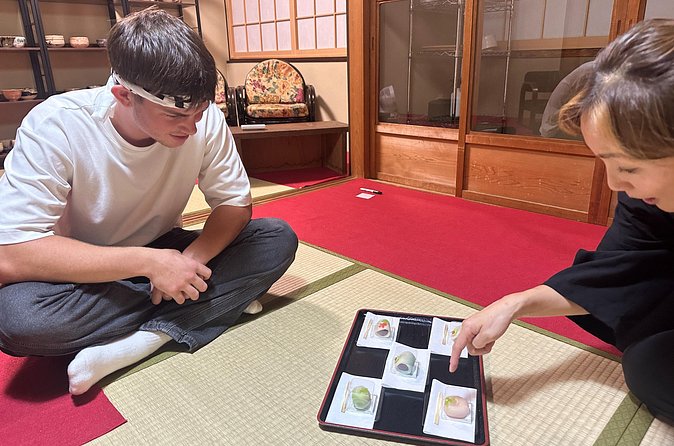
Maya is the name that comes up most often in the feedback supplied for this activity. She is described as warm, funny, patient, encouraging, and fluent in English. Those qualities can make or break a short cultural class.
A good host does more than recite facts. Maya appears to encourage people to try different things, explain the history in plain language, and keep the mood relaxed. That is especially useful when you are worried about making a mistake with unfamiliar tea tools.
Her humor also helps balance the formal nature of the subject. Tea ceremony has rules, but a beginner-friendly class needs room for questions and imperfect attempts. The tone seems welcoming rather than intimidating.
If your group includes people with different interests, a lively instructor can keep everyone involved. The tea enthusiast gets the preparation details, while the less enthusiastic member may enjoy the latte and armor photographs.
Is the $71.74 price good value?
At $71.74 per person, this is not the cheapest way to drink matcha in Kyoto. You could buy a cup of tea and a sweet for far less. The price makes more sense when you consider what is included: instruction, cultural background, hands-on preparation, traditional sweets, a matcha latte activity, and samurai armor photographs.
You are paying for an organized lesson and a host, not just refreshments. The small maximum of 10 is also meaningful. A very cheap class with a large crowd could give you less time to participate.
The value is strongest if you want several activities in one compact session. You get a cultural explanation, food and drink, a practical skill, and photographs. It can also save you from arranging separate tea, cooking, and costume activities.
The value is weaker if you only want a quiet cup of matcha or already have extensive experience with tea ceremony. In that case, the beginner focus may feel basic.
The experience is booked an average of 72 days in advance. That suggests you should reserve early, particularly if you are visiting Kyoto during a busy period or need a specific date.
Timing, group size, and practical planning
The total duration is approximately 1 hour 20 minutes. The main description also refers to a 50-minute tea experience, so allow the full stated time rather than planning another appointment immediately afterward.
The activity is capped at 10 people. That is small enough to support participation but not necessarily private. If you want a private class for your group, this information does not promise one.
A mobile ticket is provided, which keeps the booking simple. Confirmation is received at the time of booking. The activity begins and ends at Samurai Gyoza Factory Kyoto.
Free cancellation is available if you cancel at least 24 hours before the start time. Cancellations made less than 24 hours in advance are not refunded, and late changes are not accepted. The cut-off uses Kyoto local time, so check the time carefully if you are booking from another country.
Who should book this Kyoto experience?
I would recommend it to first-time visitors who want a clear introduction to matcha without committing to a long formal ceremony. It also suits people who like making things, tasting local food, and taking photographs.
Families may appreciate the mix of activities. The matcha lesson gives the session an educational side, while the latte and armor add fun. Couples and friends can also expect plenty of shared photo opportunities.
Tea lovers will enjoy the chance to work with high-quality matcha and learn a recipe for home use. If you are mainly interested in the traditional side, pay close attention during the history and demonstration portions, since the latter half becomes more modern and playful.
I would be less likely to recommend it to someone seeking a completely silent, highly formal tea ceremony. The tone is interactive and lighthearted, and the samurai photos give it a theatrical finish.
Final verdict: book it for participation, not just tea
You should book this experience if you want to make matcha, taste wagashi, prepare a latte, and leave with samurai photographs from a traditional Kyoto townhouse. The friendly English instruction, small group size, and beginner-friendly structure make it an easy cultural activity to fit into a Kyoto itinerary.
The main caution is to keep your expectations realistic. This is a compact introduction, not an advanced tea-school lesson or a full historical course. At $71.74, it offers good value when you want several hands-on elements in one visit.
For most visitors, the mix of calm tea preparation and playful armor photography is the reason to choose it. You get a taste of tradition, a practical recipe, and a memorable souvenir without giving up an entire day.
FAQ
Where does the Kyoto tea ceremony and samurai photo session begin?
It begins at Samurai Gyoza Factory Kyoto, located at 230-1 Kamimyōkakujichō, Nakagyo Ward, Kyoto, 604-0025, Japan.
Where does the activity end?
The activity ends back at the meeting point.
How long does the experience last?
The total duration is approximately 1 hour 20 minutes. The main tea activity is also described as taking about 50 minutes.
How much does the experience cost?
The listed price is $71.74 per person.
How many people can join?
The activity has a maximum of 10 participants.
Is the activity suitable for beginners?
Yes. The experience is designed for beginners and includes explanations, a demonstration, and guided participation in making matcha.
What drinks are included?
You make and taste traditional matcha and also prepare a creamy Kyoto-style matcha latte.
Are sweets included?
Yes. Seasonal wagashi, traditional Japanese sweets, are included.
Can I wear samurai armor?
Yes. The experience includes an opportunity to wear authentic samurai armor for photographs.
Can I cancel for a full refund?
Yes, if you cancel at least 24 hours before the experience start time. Cancellations made less than 24 hours before the start time are not refunded.
More Photo Sessions in Kyoto
- Kyoto: Tea Ceremony with Kimono and Photoshoot
★ 4.9 · 90 reviews - Tea Ceremony with Kimono and Professional Photoshoot in Kyoto
★ 5.0 · 44 reviews - Tokyo:Genuine Tea Ceremony, Kimono Dressing, and Photography
★ 5.0 · 33 reviews - Private Tour in Kamakura: Matcha Tea Tasting & Photo Session
★ 5.0 · 6 reviews
Just added around Kyoto
- Uji Walking Tour – Byodo-in temple and Tea Ceremony from Kyoto★ 3.5 · 3 reviews
- Tea ceremony at Kyoto’s Zen Temple Teahouse★ 5.0 · 2 reviews
- Kyoto: Authentic Tea Ceremony in a Small Group★ 5.0 · 7 reviews
- Tea Ceremony in 150 Years Old Townhouse with Tables and Chairs★ 5.0 · 22 reviews
- Silent Beauty of Kyoto Zen Walk and Tea Experience★ 5.0 · 2 reviews
- Tea Ceremony Experience in Traditional Kyoto Townhouse★ 5.0 · 19 reviews
- Traditional Tea Ceremony in Kyoto★ 4.5 · 3 reviews
- Sencha-do the Japanese Tea Ceremony Workshop in Kyoto★ 5.0 · 21 reviews
Tea Ceremonies in Kyoto, compared.
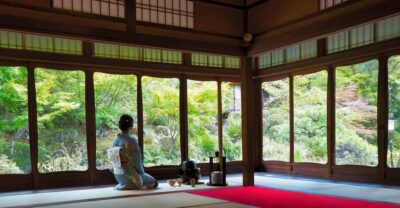
Tea Ceremony in a Traditional Tea House in Kiyomizu
Read our review →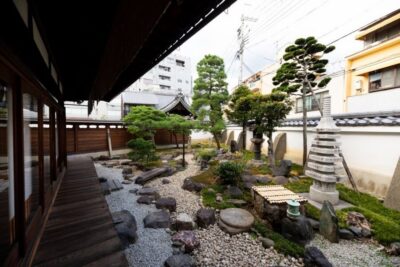
Tea Ceremony in 100-year-old Kyo-Machiya Townhouse
Read our review →