
Review · KYOTO
Kyoto: Tea Ceremony in a Traditional Tea House in Kiyomizu
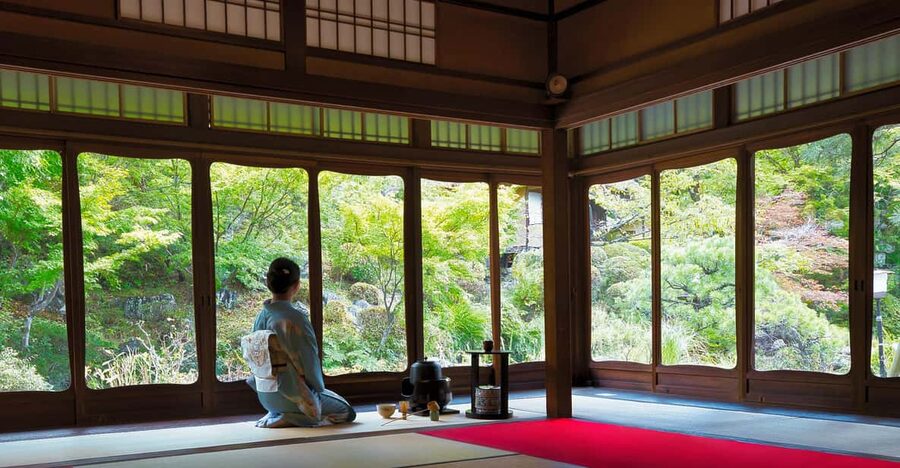
Slow down in Kyoto’s busiest quarter. This 45-minute tea ceremony takes place inside a traditional tea house on Sannenzaka, close to Kiyomizu-Dera, yet the garden setting feels far removed from the crowds outside. I especially like the polished demonstration by the tea master and the chance to prepare your own matcha instead of only watching.
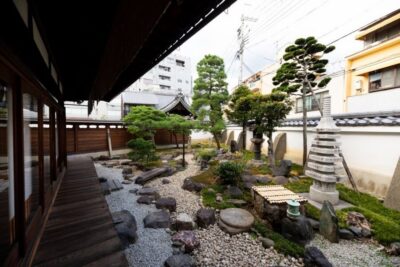
The garden was created by landscape artist Ogawa Jihei VII, and it gives the experience a lovely sense of place. I also like the small-group feel, clear English explanations, two cups of matcha, a traditional sweet, and a photo to take home. The main consideration is price: at $49 per person, this is not the cheapest way to taste matcha, and the short session offers only a brief introduction rather than a full study of tea ceremony.
Key points to know before you book
- A peaceful garden behind Sannenzaka: The tea house sits near Kiyomizu-Dera, but its garden creates a calm break from the busy street.
- Watch, then make your own matcha: A tea master first demonstrates the formal movements, then you prepare a bowl yourself.
- English instruction throughout: The host explains the ceremony, its meaning, and the steps for making matcha in English.
- Two cups and a traditional sweet included: You taste tea prepared by the tea master, then enjoy the matcha you make yourself.
- A 45-minute cultural stop: It fits neatly between Kiyomizu-Dera and other sights in eastern Kyoto.
- Small groups help the experience feel personal: Group sizes can vary, with recent sessions described as having about 8 to 10 people.
Finding the tea house on Sannenzaka
Sakaguchian is easy to miss if you expect a large sign facing the main street. From near Kiyomizu-Dera, walk down Sanneizaka, also called Sannenzaka. After about 50 meters, look for a large gate on the right.
You can see the Japanese garden through this gate. Walk through it, continue about 10 meters, and then use the white gate on your left. Sakaguchian is inside.
One useful visual clue is the long lane with lanterns leading away from the street. The tea house sits slightly back from the flow of people, so give yourself a few extra minutes to find it. The meeting directions are precise, but eastern Kyoto’s sloping lanes and crowds can slow you down.
By cab, ask the driver to go toward Kodaiji Temple and get out at the intersection of Sanneizaka and Ishin-no-michi. The Japanese address is Kyoto-shi Higashiyama-ku Kiyomizu 3-334. If you are already visiting Kiyomizu-Dera, walking is the most natural approach.
More Tea Ceremonies in Kyoto
- Kyoto: Tea Ceremony Ju-An at Jotokuji Temple
★ 4.9 · 3,207 reviews - Kyoto: 45-Minute Tea Ceremony Lesson Experience
★ 4.3 · 2,378 reviews - Kyoto: Table-Style Tea Ceremony at a Kyo-Machiya
★ 4.9 · 1,211 reviews
A traditional room with a garden view
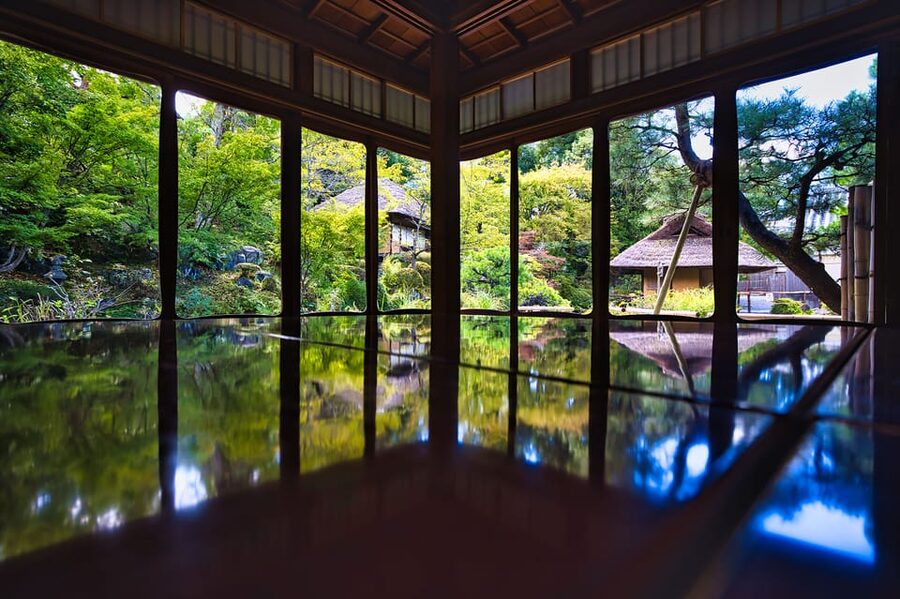
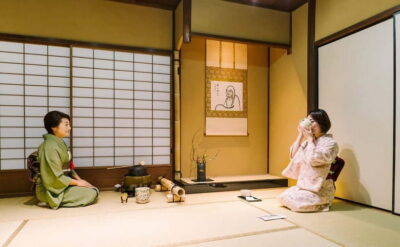
The first pleasure is the setting. The tea house looks toward a carefully maintained Japanese garden created by Ogawa Jihei VII, a well-known garden artist. You are not simply sitting in a plain room drinking powdered tea. The garden, old building, quiet movements, and formal utensils all help explain why tea ceremony pays so much attention to surroundings.
This is a useful contrast with the streets around Kiyomizu-Dera. Sannenzaka can be crowded and noisy, especially during popular visiting hours. Inside, the mood changes quickly. Several people have described the room as peaceful despite its location on a busy street, and that is an important part of the value.
Do not expect a huge garden tour. The garden is mainly a view from the tea room and a backdrop for the final photograph. Its role is to frame the ceremony rather than provide a separate sightseeing stop. Still, that view gives the 45 minutes a strong sense of place.
The tea house is traditional, and the ceremony follows Japanese customs rather than being presented as a casual café workshop. You do not need to rent a kimono. In fact, one of the appealing details is that ordinary clothing keeps the focus on the tea, the room, and the ritual itself.
A short introduction to 500 years of tea tradition
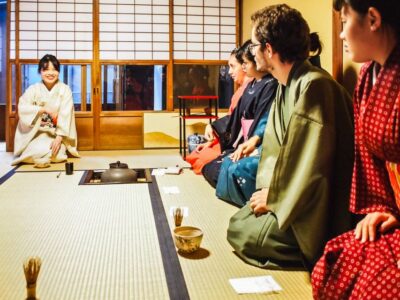
The session begins with a welcome from the English-speaking host and a brief explanation of the ceremony’s 500-year history. You learn that tea preparation is not just about producing a drink. The order of the movements, the handling of the bowl, the attention to guests, and the quiet rhythm all carry meaning.
The introduction is short, which suits a 45-minute activity. It gives you enough context to understand what you are seeing without turning the session into a lecture. If you enjoy historical detail, you may wish the explanation lasted longer. One person specifically wanted more history, while many others found the balance clear and easy to follow.
The hosts make a difference here. A guide named May has been praised for warm, polished English and thoughtful explanations. Other sessions have featured friendly hosts who kept the tone relaxed and entertaining. The best part of the introduction is that it helps you notice small things during the demonstration, rather than asking you to memorize dates and names.
Watching the tea master work
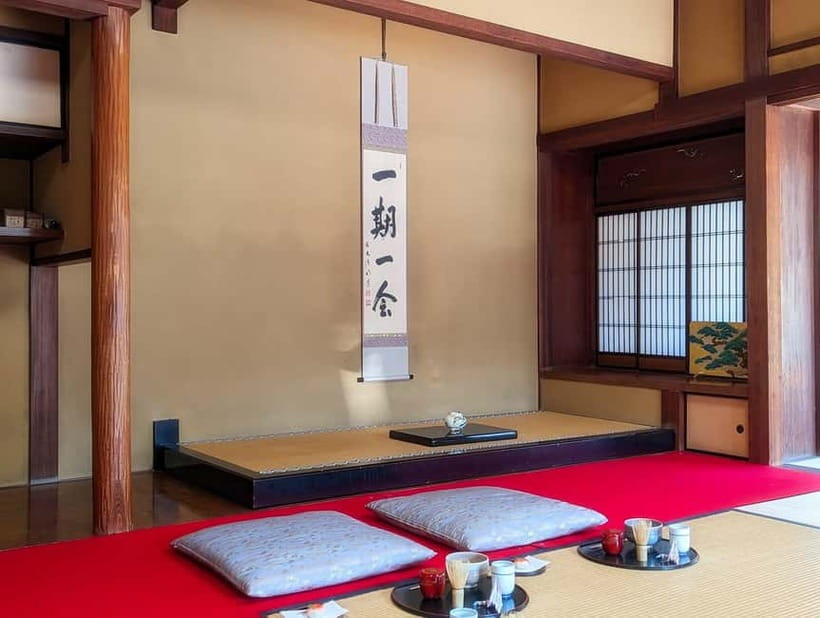
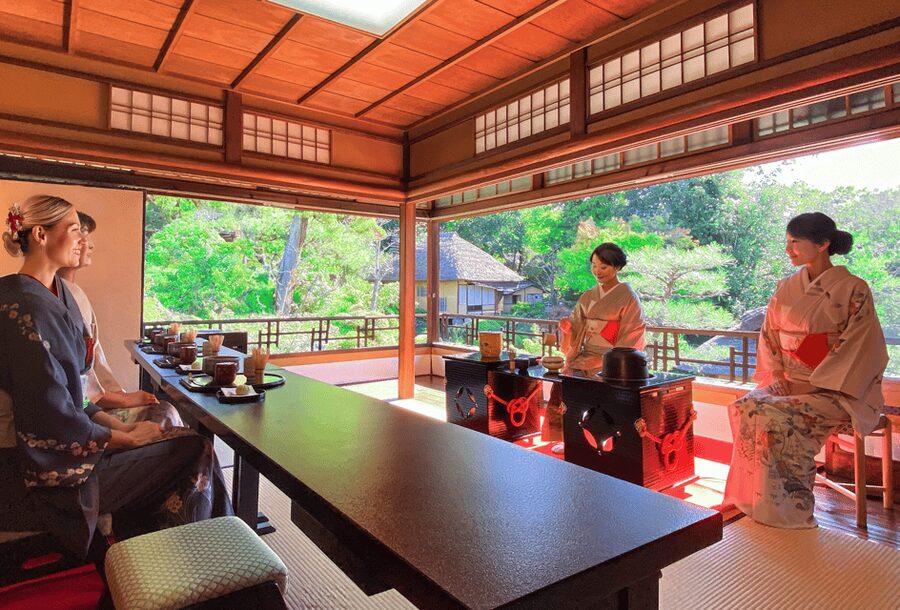
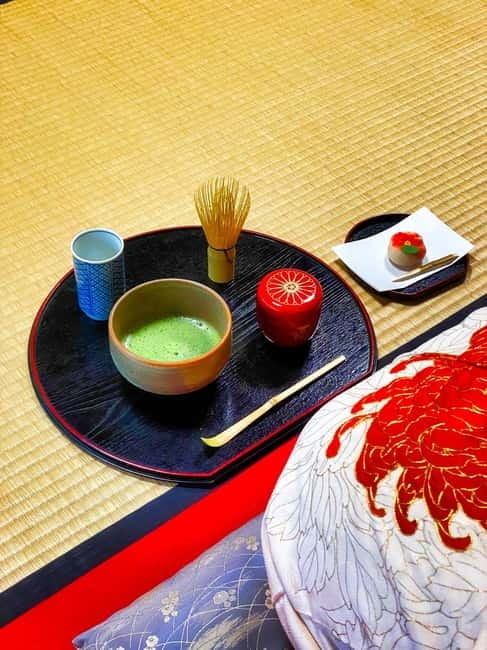
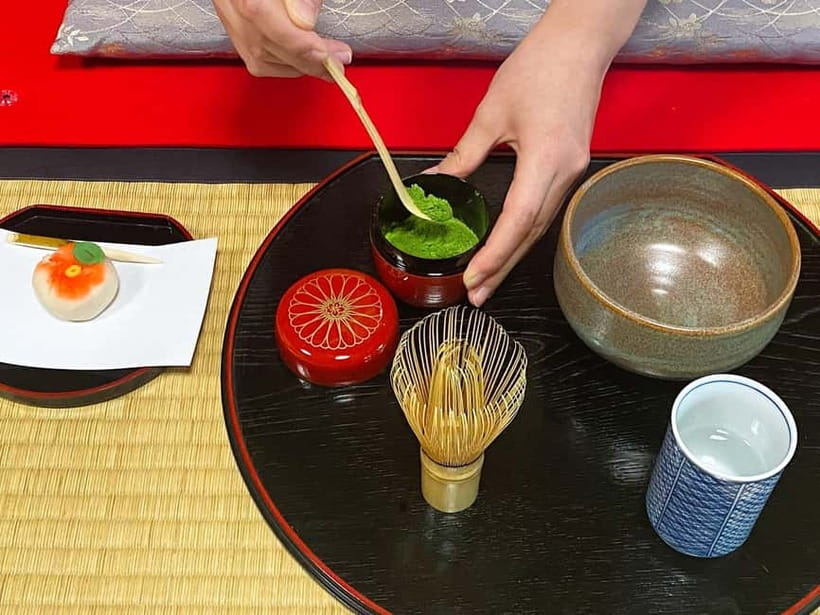
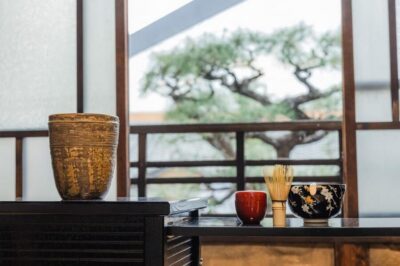
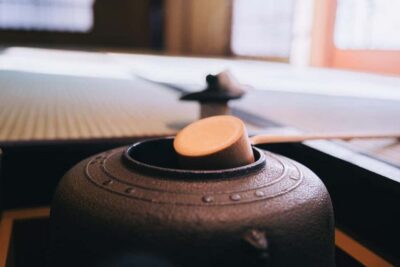
Next comes the formal demonstration. The tea master prepares matcha with deliberate movements, showing how the bowl, scoop, whisk, and tea powder are handled. The pace is unhurried, and the process is meant to be watched carefully.
This is the most ceremonial part of the experience. The tea master’s posture and hand movements show years of practice. The performance is graceful without being difficult to follow, thanks to the host’s explanations in English.
You receive a bowl of matcha prepared by the tea master. This is your chance to taste the tea as it is meant to be served, before you try making it yourself. A traditional Japanese sweet is served with the tea, providing a small sweet contrast to matcha’s grassy and sometimes bitter flavor.
Matcha can surprise first-time drinkers. It is stronger and more textured than ordinary steeped tea because you consume the powdered leaves. Some people who did not like matcha before this activity have found the ceremony changed their view of it. The matcha here has also been described as less bitter than homemade versions, though taste will vary.
The sweet is not a full snack, so arrive with realistic expectations. This is a cultural tasting, not afternoon tea with a plate of food.
Same place, a different pot:
- Kimono Tea Ceremony at Kyoto Maikoya, NISHIKI
★ 5.0 · 911 reviews - Kyoto: Arashiyama Bamboo Forest, Monkeys, Matcha & Temple Tour
★ 5.0 · 759 reviews - Kyoto: Kimono Tea Ceremony at Orizuruya Gion
★ 4.9 · 618 reviews - Kyoto: Tea Ceremony in 100-year-old Kyo-Machiya Townhouse
★ 4.8 · 546 reviews
Making your own bowl of matcha
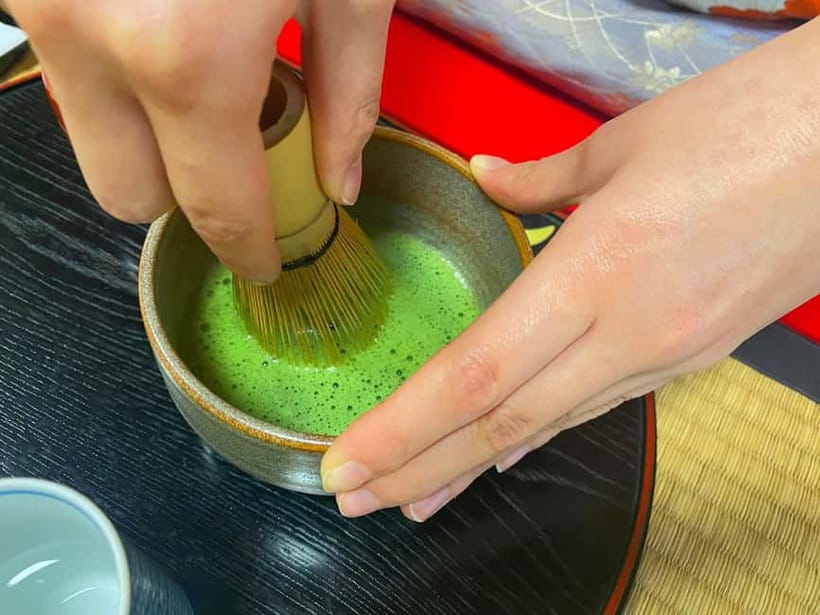
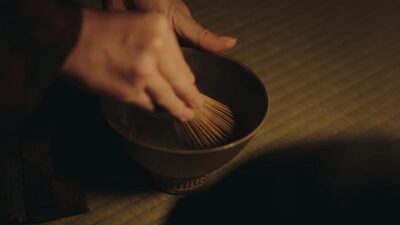
After watching the professional demonstration, you get to prepare your own matcha. The guide explains the basic method and offers practical tips for producing a smoother bowl.
This hands-on part gives the activity its value. Watching a tea master is beautiful, but trying the movements yourself makes the ceremony easier to remember. You see how much care goes into a drink that can look simple from the outside.
You will prepare a second cup, which means the inclusion of two cups of matcha has a purpose. The first is made for you, and the second is your own work. That comparison helps you notice the effect of whisking and the difference between a formal preparation and a first attempt.
Do not worry about making a perfect bowl. The point is to learn the basic process and take part respectfully. The guide gives clear directions, and the session is designed for beginners. You are not expected to have prior knowledge of tea ceremony.
The activity also works well for families with older children. Children under 7 are not permitted, but families with children aged 9 and 13 have enjoyed the experience. Young participants who can sit quietly, watch carefully, and follow instructions should get more from it than very young children.
The ceremony’s quiet rules
You do not need to know Japanese etiquette before arriving. The host explains what to do, and the tone is welcoming rather than intimidating.
Still, this is a formal setting, so basic courtesy matters. Remain seated during the demonstration, listen to the guide, and avoid walking around while the tea master is performing. One participant offered exactly that practical reminder, and it is worth taking seriously. Moving about or taking pictures at the wrong moment can break the mood for everyone.
The ceremony is not a stage show in the usual sense. It is a working tradition with a calm pace. Let the tea master complete the movements before asking questions or shifting position. There is time to ask questions after the preparation, and the hosts are happy to explain the meaning behind the steps.
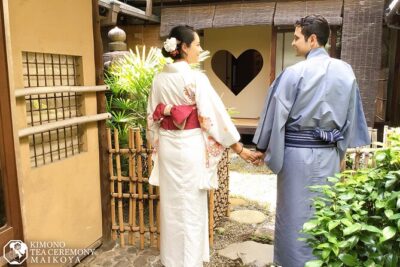
You will not need a kimono. Kimono rental is not included, and regular neat clothing is suitable. That keeps the experience simpler and avoids adding another cost or appointment to your day.
Finishing with a garden photograph
The final part includes a group photograph with the garden behind you. It is a small detail, but it gives you a useful memento of an activity that otherwise lives mainly in memory.
The garden makes a far better background than the crowded street. If you are visiting as a couple or family, this photograph can mark a quieter side of Kyoto than the standard temple snapshots. The photo is included in the price.
The experience ends after about 45 minutes. That short length is useful if you are building a day around Kiyomizu-Dera, Kodaiji Temple, Gion, or the narrow lanes of Higashiyama. You can fit the tea ceremony into a sightseeing day without giving up half a morning or afternoon.
The tradeoff is that the visit can feel brief. The introduction, demonstration, participation, tasting, questions, and photograph all fit into less than an hour. If you want a long, highly formal tea gathering, this will feel like an accessible introduction rather than an advanced ceremony.
Is $49 a fair price?
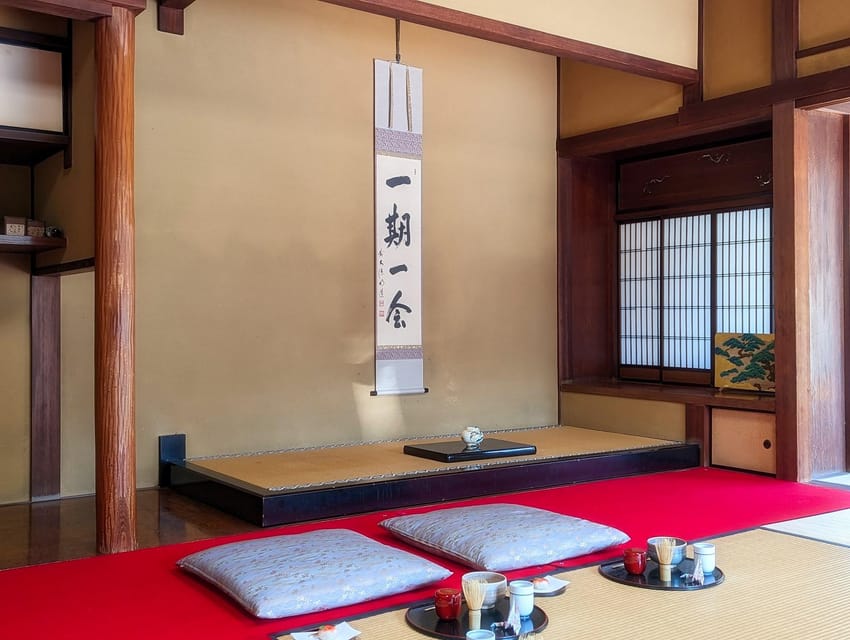
At $49, you are paying for more than one bowl of tea. The price covers the setting, English instruction, a formal demonstration, two cups of matcha, a Japanese sweet, and a photo. You are also paying for a structured cultural experience in one of Kyoto’s most visited areas.
I think the value is strongest if this is your first direct experience with tea ceremony. You get enough explanation to understand the tradition, enough participation to remember the process, and a beautiful setting close to major sights. The small groups also help keep the activity from feeling like a large performance for a crowd.
The price is harder to justify if you mainly want to drink matcha. Kyoto has cheaper tea shops and cafés. You should book this for the ceremony, the garden, and the chance to learn from a tea master, not simply for the beverage.
The experience has earned a 4.9 rating from more than 3,500 bookings, and the most consistent praise centers on the same points: the garden, the calm atmosphere, the English-speaking hosts, and the quality of the demonstration. Those are the features that make the price feel reasonable.
Practical advice for planning your visit
Book this as a pause during a day in eastern Kyoto. A visit to Kiyomizu-Dera before or after the ceremony makes geographic sense, and Kodaiji Temple is also nearby. Because the tea house is on Sannenzaka, you are already in one of Kyoto’s most atmospheric sightseeing areas.
Allow extra time to find the entrance. The large gate and white gate are the key markers, but the tea house is not simply a room opening onto the main road.
Bring only what you need. Large bags and luggage are not allowed, so leave suitcases and bulky day packs elsewhere. The ceremony takes place rain or shine, but the garden view remains part of the experience even in wet weather.
The instructor speaks English, and the explanations are intended for an international audience. The activity is not suitable for children under 7. If you are sensitive to matcha’s bitter flavor, the traditional sweet helps balance it, and making your own cup lets you adjust how you approach the drink.
Free cancellation is available up to 24 hours before the activity for a full refund. You can also reserve now and pay later, which helps if your Kyoto schedule is still shifting.
Who should book this tea ceremony?
I would choose this for first-time visitors who want a clear, respectful introduction to Japanese tea culture without committing to a long formal program. Couples, families with older children, and anyone who enjoys gardens, craft, ritual, or quiet cultural activities should find it rewarding.
It also suits people who need a calm break between temples and shopping streets. The setting feels restful, but the session remains active enough because you prepare your own tea.
I would skip it if you dislike powdered tea, have no interest in ceremony, or want a full meal. I would also choose a longer specialist program if you already know tea ceremony and want detailed instruction on schools, utensils, or advanced etiquette.
For most visitors, though, Sakaguchian offers a smart balance: a beautiful traditional room, a garden by Kiyomizu-Dera, a polished tea master, clear English guidance, and a chance to do more than watch. At $49, it is a special-occasion activity, but it earns that position when you treat it as a cultural experience rather than a quick cup of matcha.
FAQ
How long does the tea ceremony last?
The experience lasts 45 minutes.
Where does the tea ceremony take place?
It takes place at Sakaguchian, a traditional tea house in Sannenzaka near Kiyomizu-Dera Temple in Kyoto.
How do I find Sakaguchian?
Walk down Sanneizaka near Kiyomizu-Dera for about 50 meters and enter the large gate on the right. Continue about 10 meters, then use the white gate on the left.
Is the experience offered in English?
Yes. The instructor and explanations are in English.
How much does the experience cost?
The listed price is $49 per person.
What is included?
The booking includes the tea ceremony, two cups of matcha, traditional Japanese sweets, and a photo.
Is kimono rental included?
No. Kimono rental is not included.
Are children allowed to join?
Children under 7 are not allowed to participate. Older children can join, provided they can follow the ceremony respectfully.
Can I bring luggage?
No. Luggage and large bags are not allowed.
Does the ceremony operate in bad weather?
Yes. The activity takes place rain or shine.
Just added around Kyoto
- Uji Walking Tour – Byodo-in temple and Tea Ceremony from Kyoto★ 3.5 · 3 reviews
- Tea ceremony at Kyoto’s Zen Temple Teahouse★ 5.0 · 2 reviews
- Kyoto: Authentic Tea Ceremony in a Small Group★ 5.0 · 7 reviews
- Tea Ceremony in 150 Years Old Townhouse with Tables and Chairs★ 5.0 · 22 reviews
- Silent Beauty of Kyoto Zen Walk and Tea Experience★ 5.0 · 2 reviews
- Tea Ceremony Experience in Traditional Kyoto Townhouse★ 5.0 · 19 reviews
- Traditional Tea Ceremony in Kyoto★ 4.5 · 3 reviews
- Sencha-do the Japanese Tea Ceremony Workshop in Kyoto★ 5.0 · 21 reviews
Tea Ceremonies in Kyoto, compared.
Tea Ceremony in 100-year-old Kyo-Machiya Townhouse
Read our review →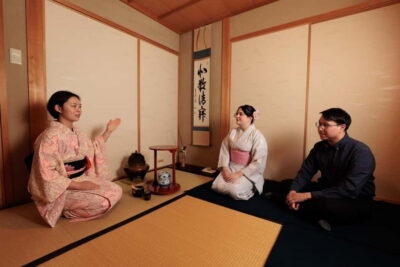
Tea Ceremony Meditation – Make Matcha with Tea Master
Read our review →Browse the lists this tour appears in