
Review · KYOTO
Kyoto: Table-Style Tea Ceremony at a Kyo-Machiya
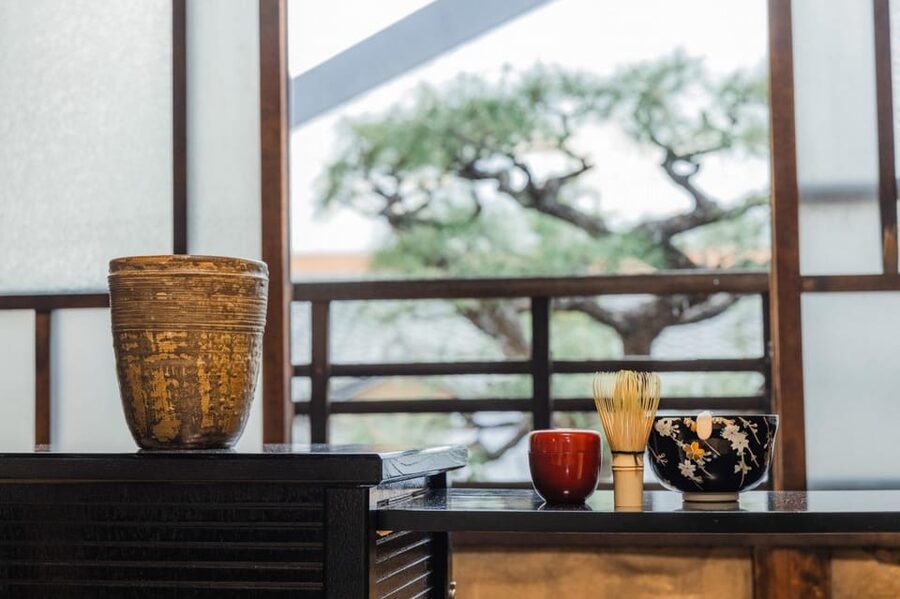
Step into old Kyoto for a hands-on tea lesson. This 90-minute experience takes place in a more than 100-year-old townhouse in Fushimi, a southern Kyoto district known for sake, traditional streets, and easy rail connections. I especially like the table-and-chair format, which makes the ceremony comfortable for visitors who cannot sit on the floor, and the mix of activities: matcha preparation, calligraphy, photos, and flower arranging.
The hosts also earn high marks for their warmth, patience, and clear English. You get a welcome drink, traditional sweets, a guided tea ceremony, and time to explore the townhouse. The main consideration is location: this is not central Kyoto, so you need to allow roughly 20 to 25 minutes by train, plus a short walk.
Key points to know before booking
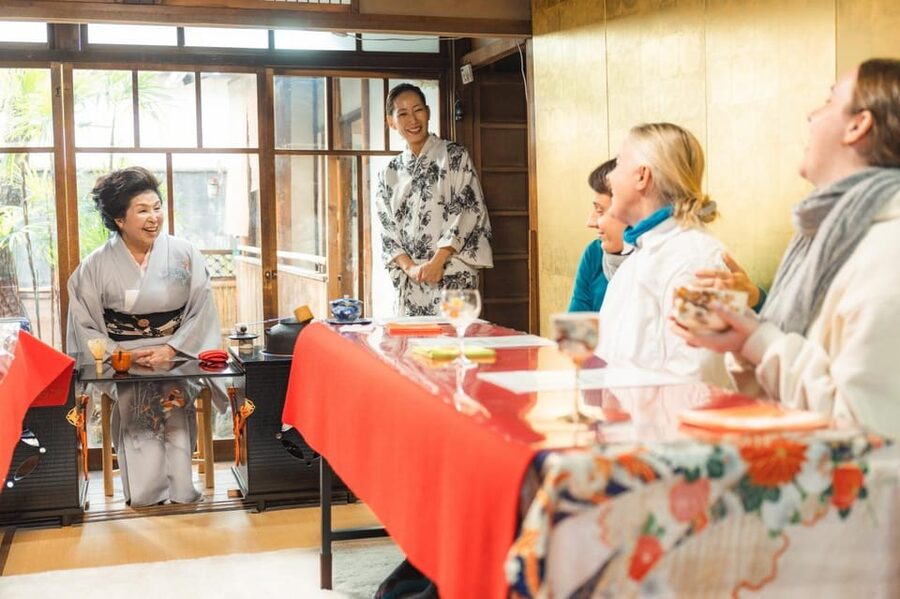
- A chair-friendly tea ceremony: You can take part at a table instead of kneeling on the floor.
- A working 100-year-old townhouse: Explore old Buddhist and Shinto altars, antiques, a garden, and traditional rooms.
- More than a cup of tea: You prepare frothy matcha, practice Japanese calligraphy, and may try flower arranging.
- Kimono rental adds photos and ceremony: The optional outfit includes help getting dressed and time for pictures around the house.
- Fushimi makes a useful day stop: Pair the activity with sake shops, casual restaurants, Fushimi Inari Shrine, or a trip toward Uji.
- Small-group attention: Private and small-group formats are available, with an English-speaking instructor.
Why this tea ceremony feels different
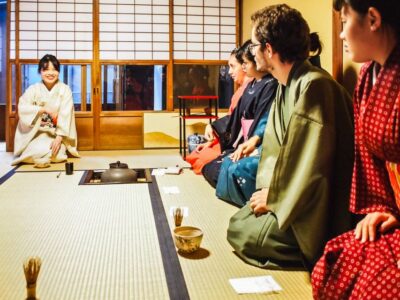
Many visitors picture a tea ceremony as a formal event on tatami mats, with everyone kneeling in silence. That can be beautiful, but it is not comfortable for every body. Here, you sit on chairs at tables, so you can pay attention to the gestures, utensils, and explanations instead of worrying about stiff knees.
That practical choice does not remove the ceremony’s manners. You still learn how guests purify themselves, how tea is served, and why each movement matters. The format is adapted for international visitors, but the setting and customs give it more substance than a quick matcha tasting.
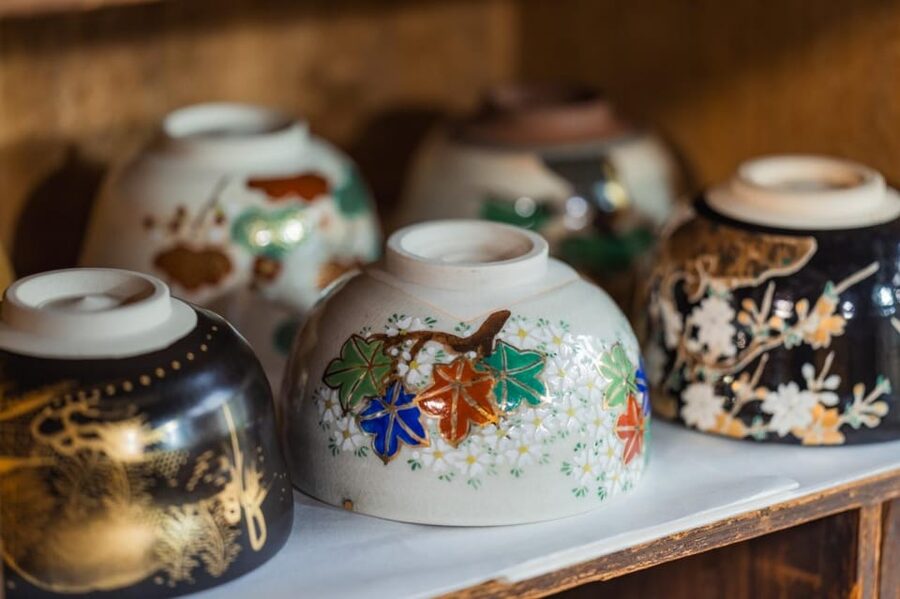
I also like the range of activities. You are not asked to sit still for 90 minutes while someone else prepares tea. You can make your own matcha with a bamboo whisk, taste a traditional sweet, write your name in Japanese, and take pictures with folding fans, umbrellas, or a katana sword. It is a friendly introduction rather than a demanding lesson in advanced tea practice.
More Tea Ceremonies in Kyoto
- Kyoto: Tea Ceremony in a Traditional Tea House in Kiyomizu
★ 4.9 · 3,519 reviews - Kyoto: Tea Ceremony Ju-An at Jotokuji Temple
★ 4.9 · 3,207 reviews - Kyoto: 45-Minute Tea Ceremony Lesson Experience
★ 4.3 · 2,378 reviews
Arriving in Fushimi, Kyoto’s sake district
The townhouse sits in southern Kyoto, around 20 minutes from the central sightseeing areas by train. From Kintetsu Kyoto Station, take an express train toward Kintetsu Momoyama-Goryo-mae Station. From Keihan Gion-Shijo, use the train to Fushimi-Momoyama Station. You can also arrive from Momoyama Station on the JR line.
The final walk is short but requires attention. From the station, head toward the Otesuji shopping arcade. Walk for about three minutes, then turn right near Mizuho Bank or the Rakuten mobile shop. From JR Momoyama Station, pass Gokogu Shrine, continue toward the arcade, and make the same turn.
Look for the old townhouse with a blue curtain. Guides in kimono wait near the entrance. The directions are fairly specific, but I would still allow a little extra time. The address is outside the main sightseeing core, and a missed turn could make a punctual arrival stressful.
This location works well as part of a larger southern Kyoto day. You can visit Fushimi Inari Shrine before or after the ceremony, explore Fushimi’s sake area, or continue to Uji, which is about 20 minutes away by train. Osaka is around 40 minutes by express train, and Nara takes about 50 minutes, making this a practical stop for a wider Kansai itinerary.
Entering a 100-year-old Kyoto townhouse
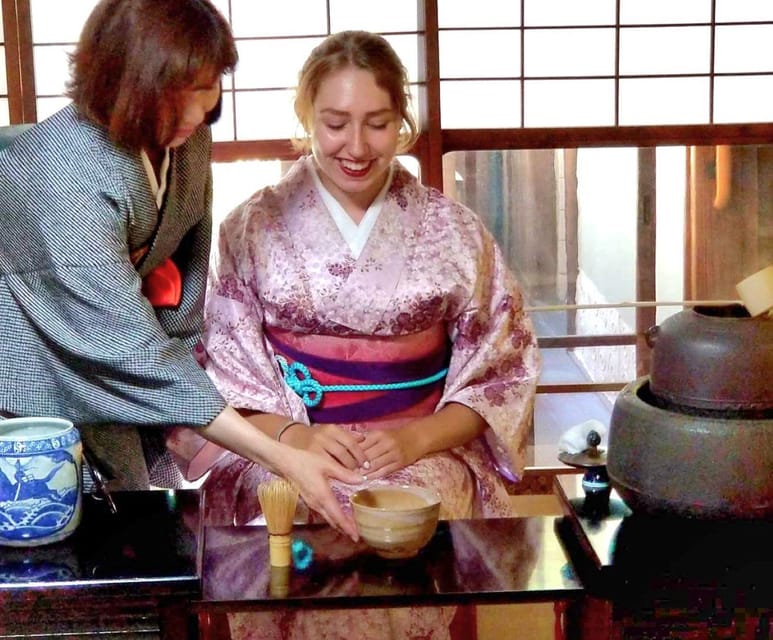
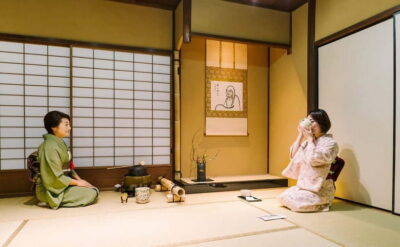
The building’s exterior is modest. That is part of its appeal. Inside, you find the atmosphere of an old Kyoto home rather than a purpose-built stage set. You can walk through the townhouse, look at traditional furnishings, and see old Buddhist and Shinto altars along with antiques.
The house provides useful context for the ceremony. Tea is not presented in an empty room with no connection to daily life. The surrounding architecture shows how traditional Kyoto homes arranged space, objects, and ritual. You get a small look at the domestic side of Japanese culture.
The garden is another important part of the visit. You learn how to purify yourself at a stone basin, following a practice associated with shrine visits. This is a simple action, but the guide explains its purpose and helps you understand why washing your hands and mouth comes before entering a sacred space.
If you arrive early, the staff may have time to show you more of the house before the formal program begins. Do not count on an extended private tour, since timing depends on the group, but arriving a few minutes ahead is useful.
Welcome drinks and the story behind matcha
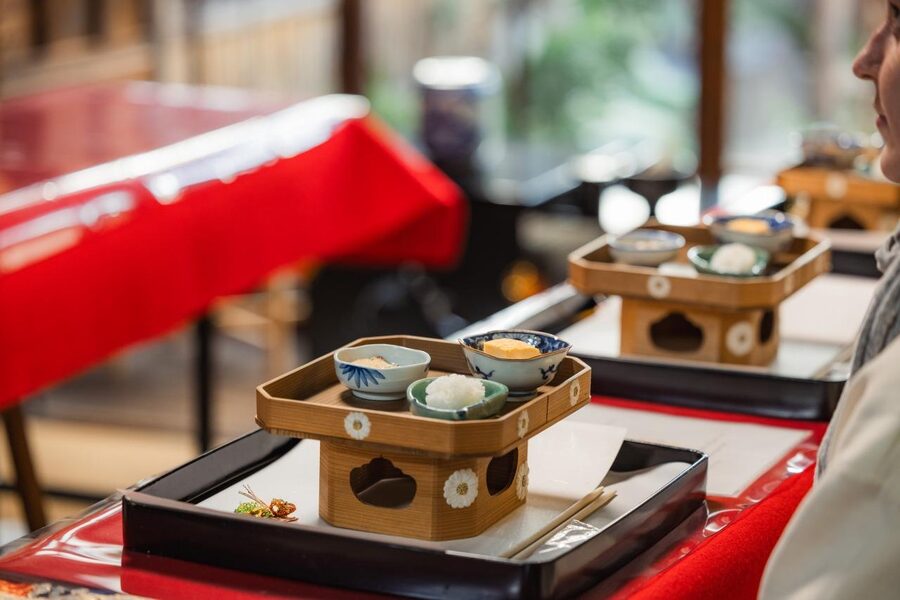
The experience begins with a welcome drink. Depending on the arrangements, this may be sake, juice, or Japanese tea. That gives you an easy start while the staff explains what will happen.
A PowerPoint presentation covers the development of the tea ceremony, its place in Japanese culture, and the spirit and manners behind it. This part matters because the ceremony can otherwise feel like a series of mysterious gestures. Once you know why guests bow, how utensils are treated, and why the host’s movements are deliberate, the performance becomes easier to follow.
The English instruction is one of the strongest practical features. The guides explain each step slowly and invite questions. This works especially well for first-time visitors, families, and teenagers who may understand the activity better through demonstrations than through a long historical lecture.
The presentation is not the most atmospheric portion of the program. A slideshow cannot match the old house or garden. Still, it gives the ceremony a useful framework and helps you notice details that might otherwise pass by.
Same place, a different pot:
- Kimono Tea Ceremony at Kyoto Maikoya, NISHIKI
★ 5.0 · 911 reviews - Kyoto: Arashiyama Bamboo Forest, Monkeys, Matcha & Temple Tour
★ 5.0 · 759 reviews - Kyoto: Kimono Tea Ceremony at Orizuruya Gion
★ 4.9 · 618 reviews - Kyoto: Tea Ceremony in 100-year-old Kyo-Machiya Townhouse
★ 4.8 · 546 reviews
Watching the tea ceremony at a comfortable table
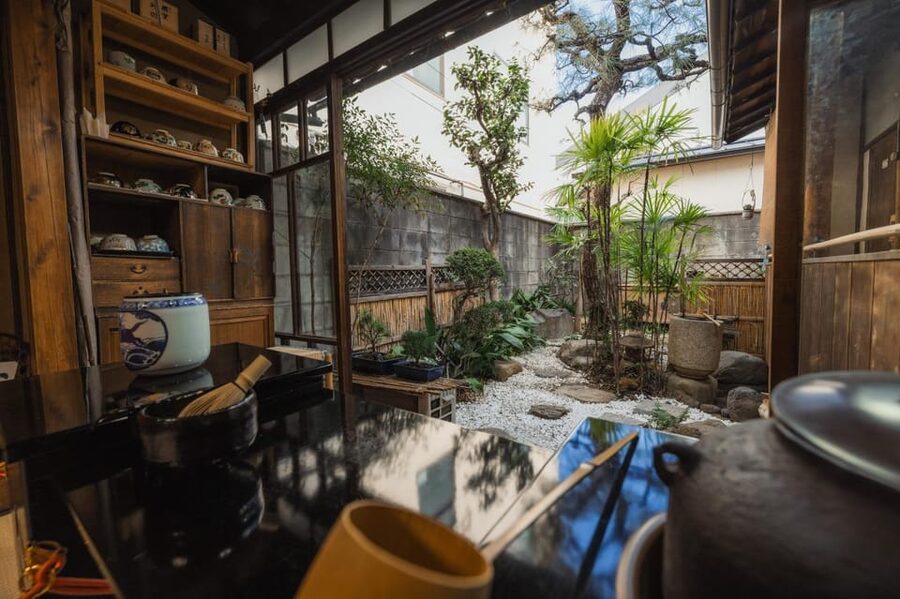
The formal tea service is the quiet center of the experience. You watch the host prepare and present the tea, then learn the manners expected of a guest. The guides explain the utensils and movements rather than assuming you already know the rules.
You also receive a traditional sweet with the tea. Its purpose is not just dessert. Sweetness balances the strong, grassy flavor of matcha and forms part of the standard tea experience.
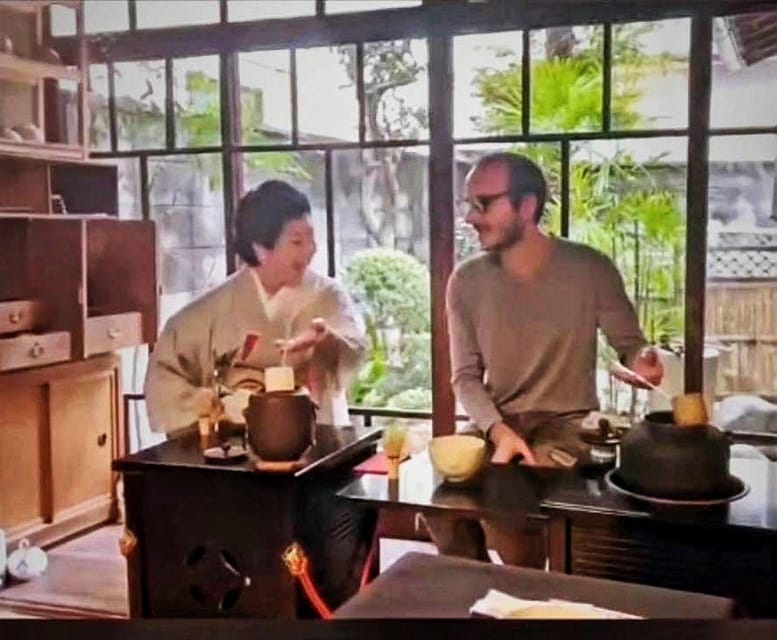
The hosts are careful and patient when they demonstrate. That makes the ceremony accessible without making it feel silly or watered down. You are encouraged to take part, but you are not expected to master every gesture immediately.
Because the experience uses chairs, it suits people with limited flexibility, sore knees, or a simple preference for comfort. The activity is not suitable for wheelchair users, however, and the townhouse includes stairs. If mobility is a concern, read the access details carefully before paying.
Making frothy matcha with a bamboo whisk
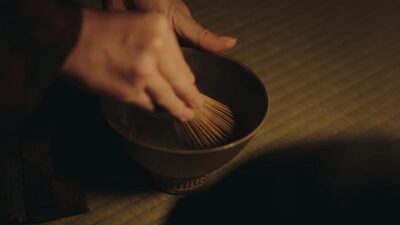
After watching the host, you get to make your own matcha. You use a bamboo whisk to mix the powdered tea with hot water and create the characteristic creamy foam.
This is the part where the lesson becomes hands-on. You can feel how much effort the whisk requires and see why the technique is more than stirring a powder into water. Your first bowl may not look like the guide’s, which is normal. The aim is to understand the process and enjoy the attempt.
A second matcha-related treat is also included: latte art using thick tea. The activity gives you a more playful contrast to the formal ceremony. One moment you are concentrating on etiquette, and the next you are making something decorative with tea.
The taste of matcha can surprise people who expect a sweet drink. The traditional sweet helps, but the tea remains earthy and bitter. If you already enjoy green tea, you may appreciate the stronger flavor. If not, approach it as part of the cultural lesson rather than ordering it for refreshment alone.
Kimono dressing, garden photos, and traditional props
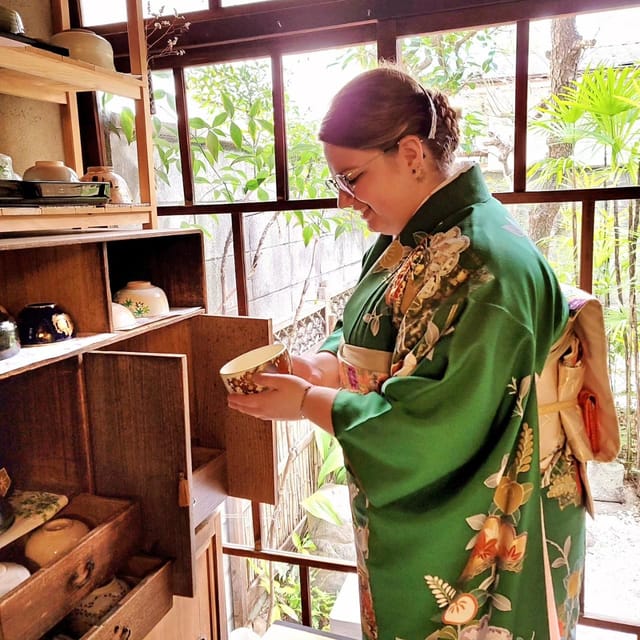
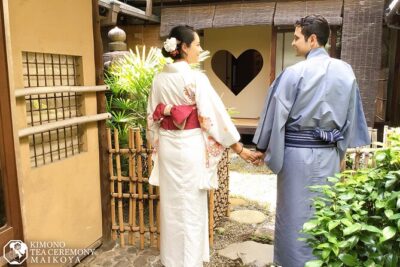
Kimono rental is optional, and you need to select that choice when booking. If you choose it, arrive 30 minutes before the scheduled start. The staff help you select and put on the outfit, and the dressing process becomes part of the occasion.
The available clothing includes a range of colors and patterns. Staff members help with the fit and styling, then give you time for photographs in the house and garden. Folding fans, umbrellas, and a katana sword are available as props.
The kimono is not just a costume for pictures. Wearing it changes how you experience the ceremony. You become more aware of posture, movement, and the careful pace of the event. It also makes the calligraphy and tea photographs feel more special.
There are limits. A kimono can be warm and restrictive, and it is not recommended for pregnant visitors because of health and safety concerns. The rental also costs extra, though the exact surcharge is not provided here. Ask for the full price when you check availability.
If you mainly want to learn about tea, the basic experience should be enough. If you want photographs, a stronger visual memory, or a cultural activity for a special occasion, the kimono option is likely worth considering.
Calligraphy and your name in Japanese
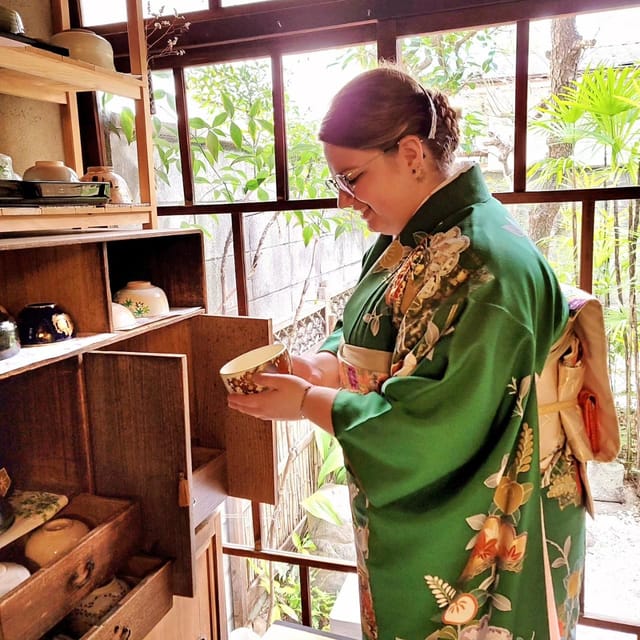
The calligraphy activity gives the program a satisfying finish. You write your name in Japanese, with guidance on kanji or hiragana. Some sessions also introduce katakana, and you receive your name written on a hanging scroll or envelope.
This is not a full calligraphy course. You are learning the look and feel of the characters, along with the care needed to use a brush. The activity works well for children and teenagers because it produces something they can keep, rather than ending when the tea is gone.
The personalized name piece is one of the most useful souvenirs included in the price. It is lighter and easier to pack than a larger craft item, yet it connects directly to the experience.
You may need to accept that a Japanese name rendering is not always a literal translation. The staff help choose an appropriate form in kanji or hiragana. Ask questions if you want to understand what the characters mean.
Flower arranging and the extra cultural touches
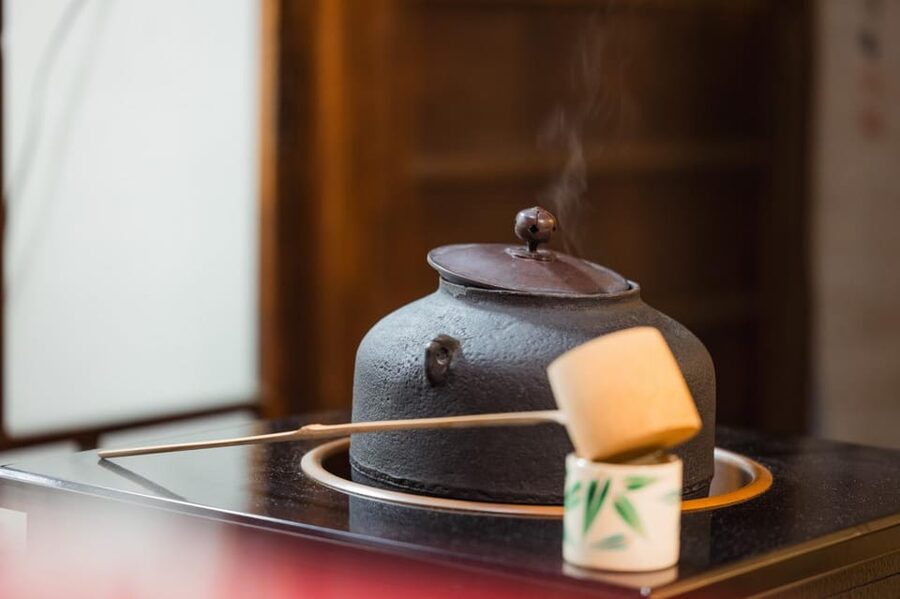
Flower arranging, or ikebana, is also included in the program. The activity adds another view of Japanese aesthetics: attention to shape, balance, space, and seasonal feeling.
It is not presented as a professional flower-arranging class in 90 minutes. Think of it as a short introduction that lets you make something with your hands. Along with the garden purification, calligraphy, tea service, and townhouse tour, it gives the session more range than a single demonstration.
The program can feel full. That is good value for people who want several cultural activities in one booking, but it means no single part receives the depth of a specialist workshop. If you want a long, formal tea ceremony with little explanation, this may feel too active. If you want a clear introduction with plenty to do, the pace makes sense.
Is $45 a fair price?
At $45 per person, the basic experience offers solid value. You are paying for 90 minutes of instruction, a tea ceremony, sweets, a welcome drink, your own matcha preparation, calligraphy, a name keepsake, flower arranging, and access to a traditional townhouse.
The value improves if you would otherwise book separate cultural activities. The program combines several popular Kyoto experiences in one visit, and the small-group or private format can make the instruction more personal.
The price does not include hotel pickup or drop-off. You pay for your own train fare and walk to the townhouse. That is easy to manage in Kyoto, but it is worth including in your time and transport plan.
The kimono is an optional extra. Since many people choose it for the photos and the added sense of occasion, confirm the total price before booking. Arrive 30 minutes early if you select it.
Who will enjoy this Kyoto tea experience most?
I would recommend it to first-time visitors who want a broad introduction to Japanese customs without committing to a full-day class. It is also a good fit for couples, families, and teenagers, since the activities change often and the staff encourage questions.
It suits you especially well if you:
- Want a tea ceremony without sitting on the floor
- Prefer instruction in English
- Enjoy taking photos in traditional clothing
- Want to combine tea, calligraphy, and flower arranging
- Are planning to visit Fushimi Inari, Fushimi’s sake district, or Uji
- Prefer a small-group or private activity
I would think twice if you need wheelchair access, dislike stairs, or want a strictly formal ceremony with no photo activities. The townhouse setting is traditional, but the program is designed to be welcoming and active for international visitors.
Should you book it?
Book this experience if you want a friendly, hands-on introduction to Kyoto culture in a real old townhouse. The strongest reasons are the chair-based format, patient English instruction, warm hospitality, and the number of activities included for $45.
Choose the kimono option if photographs and dressing up are important to you, and arrive early for the fitting. Skip the kimono if you mainly care about the tea lesson or want to keep the cost down.
Plan it with Fushimi Inari, the sake district, or Uji rather than treating it as a quick stop from central Kyoto. With that timing in mind, this is a practical and memorable way to spend part of a Kyoto day.
FAQ
How long does the tea ceremony experience last?
The experience lasts 90 minutes.
How much does the experience cost?
The listed price is $45 per person. Kimono rental is an optional add-on, and the additional cost is not specified.
Do I have to sit on the floor?
No. The tea ceremony uses tables and chairs, so you do not need to sit on the floor.
Is the experience conducted in English?
Yes. The instructor and activity language are English.
What is included in the basic experience?
It includes the tea ceremony, traditional sweets, a welcome drink, matcha preparation with a bamboo whisk, latte art using thick tea, calligraphy, a name written in Japanese on a hanging scroll or envelope, and flower arranging.
Is kimono rental included?
Kimono rental is not included in the basic price. It can be reserved as an optional choice, and you should arrive 30 minutes early if you select it.
How do I reach the townhouse from Kyoto Station?
From Kintetsu Kyoto Station, take an express train for about 15 minutes to Kintetsu Momoyama-Goryo-mae Station, then walk through the Otesuji shopping arcade and turn right near Mizuho Bank or the Rakuten mobile shop.
Is the activity suitable for wheelchair users?
No. The experience is not suitable for wheelchair users. Pregnant visitors are also asked not to wear a kimono for health and safety reasons.
Just added around Kyoto
- Uji Walking Tour – Byodo-in temple and Tea Ceremony from Kyoto★ 3.5 · 3 reviews
- Tea ceremony at Kyoto’s Zen Temple Teahouse★ 5.0 · 2 reviews
- Kyoto: Authentic Tea Ceremony in a Small Group★ 5.0 · 7 reviews
- Tea Ceremony in 150 Years Old Townhouse with Tables and Chairs★ 5.0 · 22 reviews
- Silent Beauty of Kyoto Zen Walk and Tea Experience★ 5.0 · 2 reviews
- Tea Ceremony Experience in Traditional Kyoto Townhouse★ 5.0 · 19 reviews
- Traditional Tea Ceremony in Kyoto★ 4.5 · 3 reviews
- Sencha-do the Japanese Tea Ceremony Workshop in Kyoto★ 5.0 · 21 reviews
Tea Ceremonies in Kyoto, compared.
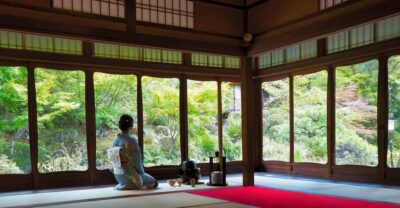
Tea Ceremony in a Traditional Tea House in Kiyomizu
Read our review →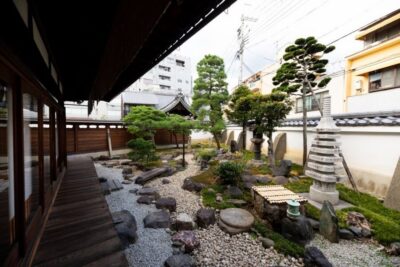
Tea Ceremony in 100-year-old Kyo-Machiya Townhouse
Read our review →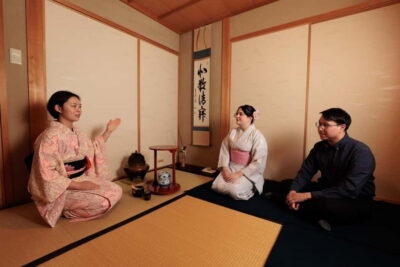
Tea Ceremony Meditation – Make Matcha with Tea Master
Read our review →Browse the lists this tour appears in