
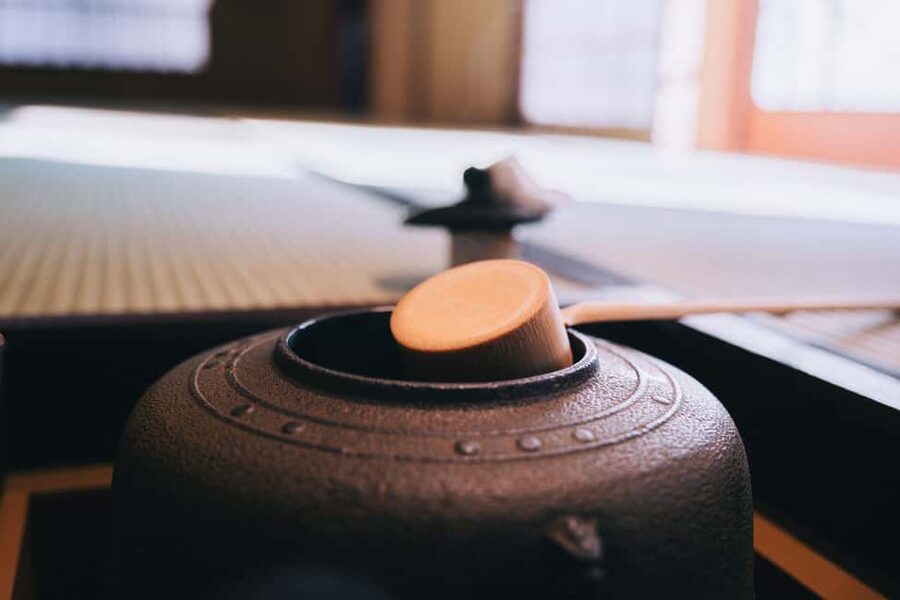
Review · KYOTO
Kyoto: Kimono Tea Ceremony at Orizuruya Gion
A kimono changes your Kyoto day. At Orizuruya Gion, you choose from more than 200 designs, receive professional dressing and simple hairstyling, then learn the calm rituals of matcha in a small group. I especially like the patient English instruction and the chance to keep wearing the kimono around Gion until 5 p.m. on eligible bookings.
The second strong point is the balance between polished presentation and hands-on participation. You do not simply watch a tea ceremony: you whisk your own matcha, enjoy wagashi from a century-old confectionery, and can add Japanese calligraphy for a two-hour visit. The main consideration is that kimono dressing takes time, and the outfit may feel restrictive if you want to rush straight into sightseeing.
This is a friendly, well-organized cultural activity for first-time visitors who want guidance without worrying about making a mistake. The tea ceremony is peaceful and carefully explained, though the experience is designed for international visitors rather than a long, formal study of tea practice.
Key points at a glance
- Choose from over 200 kimono designs: Staff help you select and dress in a traditional outfit suited to the experience.
- Hair styling is included for women: The simple style completes the look without adding another appointment.
- Make your own matcha: An English-speaking instructor explains the tools and guides you through whisking.
- Walk through Gion afterward: Several booking times allow you to keep the kimono until 5 p.m., giving the activity extra value.
- Add Japanese calligraphy: The longer option takes about two hours and includes the calligraphy set.
- Small groups of up to 10: The format leaves room for questions and personal help.
Choosing a Kimono in Gion
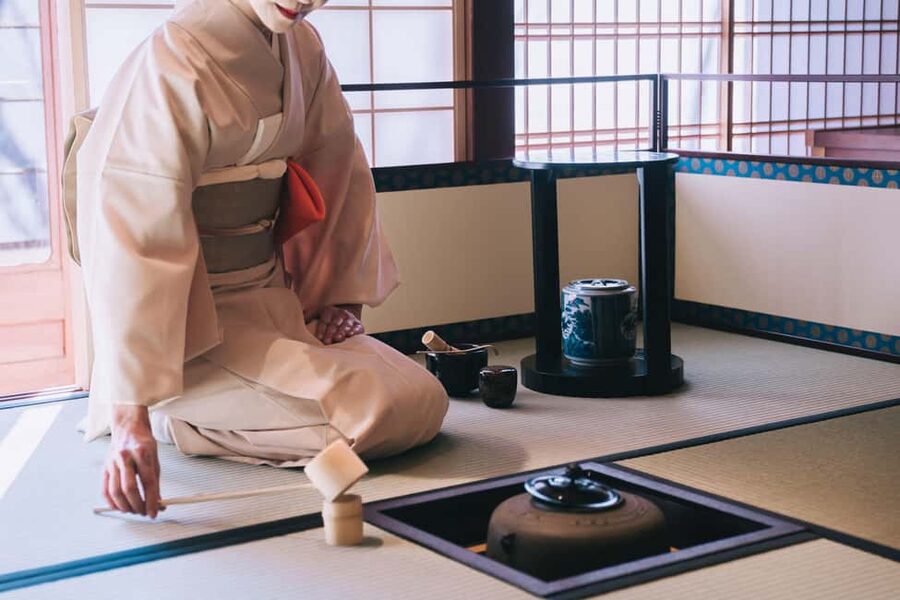
The experience begins at Gion Oritsuruya, at 572-7 Minamigawa, Gion-machi, in Kyoto’s Higashiyama district. The shop is about a 10-minute walk from Hankyu Kyoto-Kawaramachi Station and roughly seven minutes from Keihan Gion-Shijo Station.
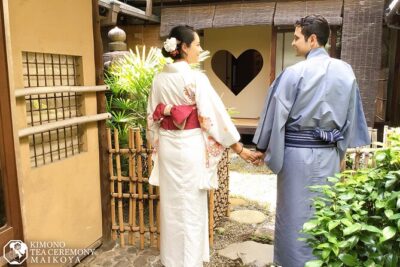
The first task is choosing your kimono. With more than 200 designs, you have plenty of color and pattern options. That variety is part of the fun, but it can also make the decision harder than expected. If you have a favorite color or a particular photo style in mind, decide that before you arrive.
Staff help you through the dressing process. This matters because a kimono is not simply a robe that you slip on over your clothes. Layers, ties, and the obi belt need to sit correctly, and the finished outfit should feel secure enough for sitting in the tea room.
Women receive simple hairstyling at no extra charge. It is not a full salon appointment, but it adds a clear finishing touch to the outfit. Several people particularly enjoyed the care given during dressing and hair preparation, and the staff are often praised for making participants feel comfortable and attractive rather than hurried through a costume change.
Men can wear a kimono too, although the included hairstyling is specified for women. The experience is suitable for couples, friends, families, and solo visitors. One solo participant even ended up with especially personal attention when the group size was small.
More Kimono and Tea Ceremonies in Kyoto
- Kimono Tea Ceremony at Kyoto Maikoya, NISHIKI
★ 5.0 · 911 reviews - KYOTO Tea Ceremony with kimono near by Imamiya Jinjya Shrine
★ 5.0 · 343 reviews - Kyoto: Kimono and Tea Ceremony Experience at Cultural Asset
★ 4.3 · 306 reviews
From Dressing Room to Tea Room
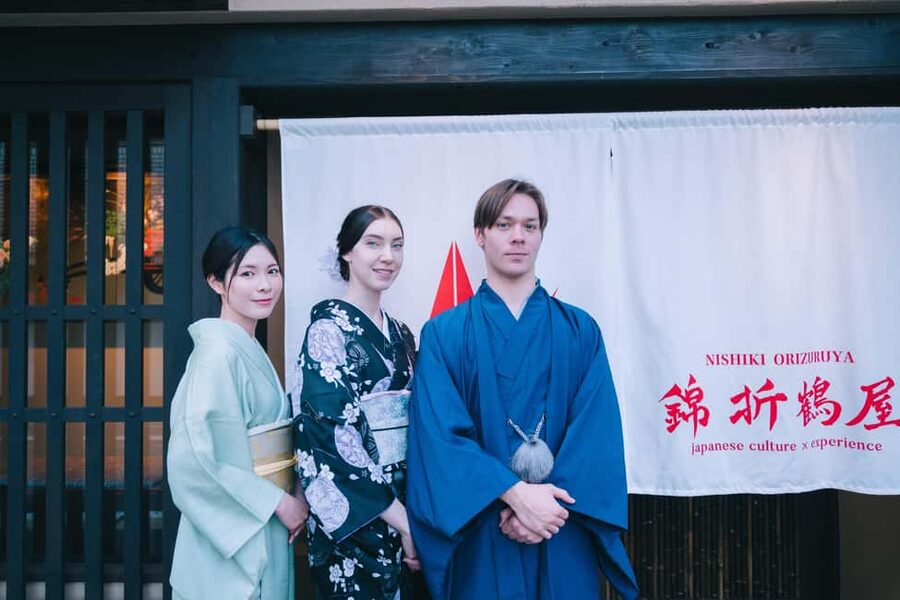
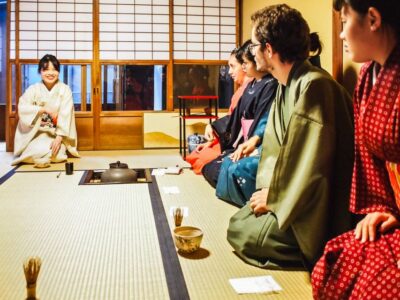
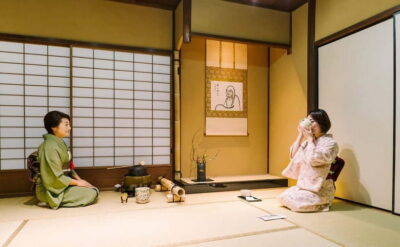
Once dressed, you move into a quiet tea room for the main lesson. The session lasts about 90 minutes when you choose the kimono and tea ceremony option. It runs about two hours if you add Japanese calligraphy.
The instructor explains the purpose and order of the ceremony, along with the meaning behind gestures and utensils. This is where the activity becomes more than a photo opportunity. You learn why the movements are deliberate, how the setting encourages calm attention, and how the bowl, whisk, tea, and sweets work together.
The English instruction is aimed at beginners. You do not need prior knowledge of Japanese customs, and the staff guide you through the etiquette so you can take part without worrying about a cultural mistake. That is one of the strongest reasons to book this experience instead of trying to copy a ceremony from a distance.
The group limit is 10 people. That is large enough to feel social but small enough for questions and practical help. Group size may vary, and a quiet time can feel almost private. The instructor can explain details more fully when fewer people attend.
Whisking Your Own Matcha
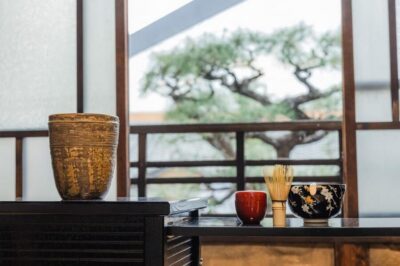
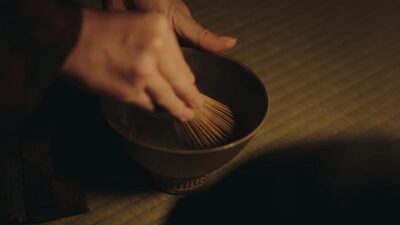
The most useful part of the ceremony is making your own tea. You learn how to use the bamboo whisk, called a chasen, and then prepare a bowl of matcha yourself.
The activity does not treat matcha as just a fashionable green drink. You get an introduction to how the tea is prepared and how different types can vary. The process is simple to follow, but the whisking takes some practice. That small challenge is part of the appeal, especially if you have never handled a traditional tea whisk.
After preparing the matcha, you drink it with Japanese wagashi. These sweets come from a confectionery with a history of about 100 years, giving the snack a more meaningful place in the experience than a generic packaged treat.
The taste of matcha can be bitter or grassy if you are new to it. The sweet provides balance. I would not book this solely for a dessert stop, but the pairing helps you understand why sweets are served with tea.
The tea ceremony itself is quiet and measured. If you prefer fast sightseeing, the pace may seem slow at first. For many people, that is exactly the point. It creates a pause between crowded Kyoto streets and the next temple or restaurant.
Optional Calligraphy for a Two-Hour Visit
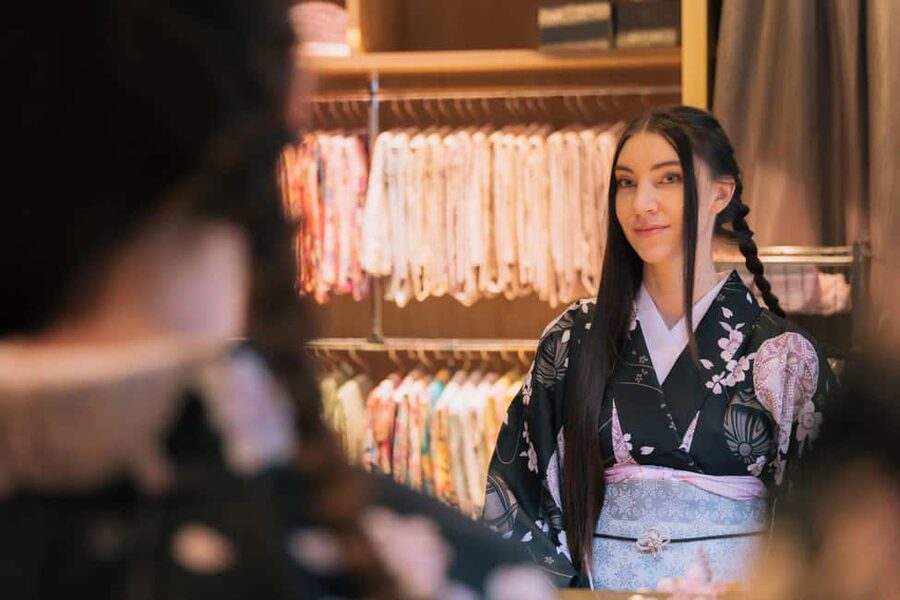
The Japanese Calligraphy Experience adds another activity after or alongside the tea ceremony, depending on the session arrangement. It lasts about two hours in total and includes a calligraphy set.
Calligraphy gives you something tangible to do with your hands, much like matcha preparation. You practice brushwork under patient instruction, and the task can be surprisingly demanding. The feedback has been especially well received from participants who wanted more than dressing up and watching a demonstration.
If you have limited time in Kyoto, the 90-minute tea option is enough to feel complete. If you enjoy crafts, writing, or slower cultural activities, the extra time is worthwhile. The calligraphy portion is also a good choice for teenagers and older children who may prefer an active lesson to a quiet ceremony.
Be careful when booking: the calligraphy set is included only with the calligraphy option. It is not part of the standard kimono and tea ceremony package.
More Tea Ceremonies in Kyoto
- Kyoto: Tea Ceremony in a Traditional Tea House in Kiyomizu
★ 4.9 · 3,519 reviews - Kyoto: Tea Ceremony Ju-An at Jotokuji Temple
★ 4.9 · 3,207 reviews - Kyoto: 45-Minute Tea Ceremony Lesson Experience
★ 4.3 · 2,378 reviews - Kyoto: Table-Style Tea Ceremony at a Kyo-Machiya
★ 4.9 · 1,211 reviews
The Extra Value of Wearing the Kimono Around Gion
One of the best practical details is the chance to keep the kimono on after the indoor portion. Several booking times allow you to wear it around the area until 5 p.m., although you should confirm the exact arrangement for your selected time.
This can change the value calculation. At $49 per person, the activity already includes the kimono set rental, tea utensils, wagashi, matcha, instruction, simple hairstyling, and taxes. If you book an early session and spend several more hours in Gion wearing the kimono, you are also getting something close to a short kimono rental.
Use that extra time for photos and a walk through the nearby streets. A temple visit about 10 minutes away was a popular use of the added time. You do not need to turn the entire afternoon into a photo session, but the option gives you freedom that many short cultural activities lack.
There are tradeoffs. A kimono is not ideal for covering long distances, climbing many stairs, or moving quickly through a packed sightseeing schedule. If you plan to visit several distant parts of Kyoto afterward, return the outfit on time and keep your day simple.
Gion is a strong setting for this experience because you can step from a traditional indoor activity into one of Kyoto’s best-known historic districts. The location also makes it easy to combine with nearby sightseeing, provided you leave enough time for dressing and walking.
How Much Value Does $49 Offer?
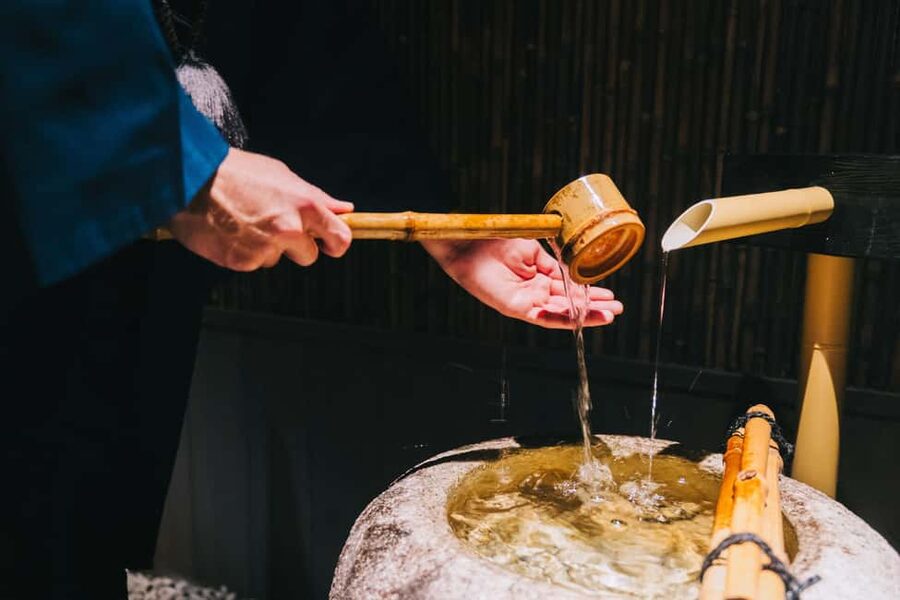
The $49 price is reasonable for the amount included. A basic cultural demonstration might cost less, but it would not necessarily include a kimono, dressing assistance, hair styling, a hands-on matcha lesson, sweets, and the option to wear the outfit outside afterward.
The value is strongest for an early booking. You get the 90-minute ceremony and may have much of the day left to explore Gion in traditional dress. A late booking offers the same central activity but less time to use the kimono beyond the tea room.
The calligraphy option may be worth the additional cost if you want a fuller cultural session. Since the standard experience already includes a practical tea lesson, choose calligraphy for the activity itself, not simply because it sounds like a package upgrade.
The price does not include your transport to Gion Oritsuruya. That cost is modest if you are already in central Kyoto, but factor it in when planning your morning. The meeting point is easy to reach on foot from both listed train stations.
What the Staff Do Well
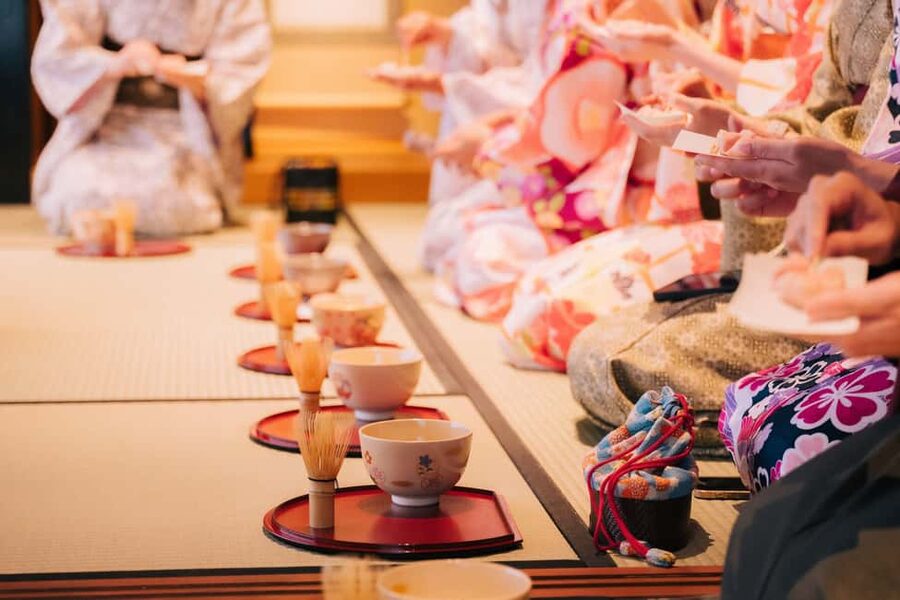
The strongest praise is directed toward the staff. Their work begins before the ceremony, when they help with outfit selection and dressing, and continues through the tea and calligraphy lessons.
The dressing-room team is described as professional, warm, and efficient. Some staff members speak only limited English, but the dressing process is practical and visual, and the care comes through clearly.
The English-speaking instructor explains the ceremony in accessible terms and welcomes questions. One named staff member, Juki, received special thanks for the tea experience, kimono help, and photographs. Other comments highlight instructors who were patient during calligraphy and generous with cultural background.
Photos are also part of the friendly service. Staff may help take pictures during the experience, which is useful when you are dressed up and do not want to rely only on selfies. Do not expect a professional photography session with a formal image package. Think of it as thoughtful assistance from people who know how to capture the moment.
The atmosphere is another strength. The venue has been described as new and spotless, and the ceremony room provides a calm contrast to Gion’s busy streets. That clean, controlled setting helps you focus on the lesson rather than logistics.
Who Will Enjoy This Most?
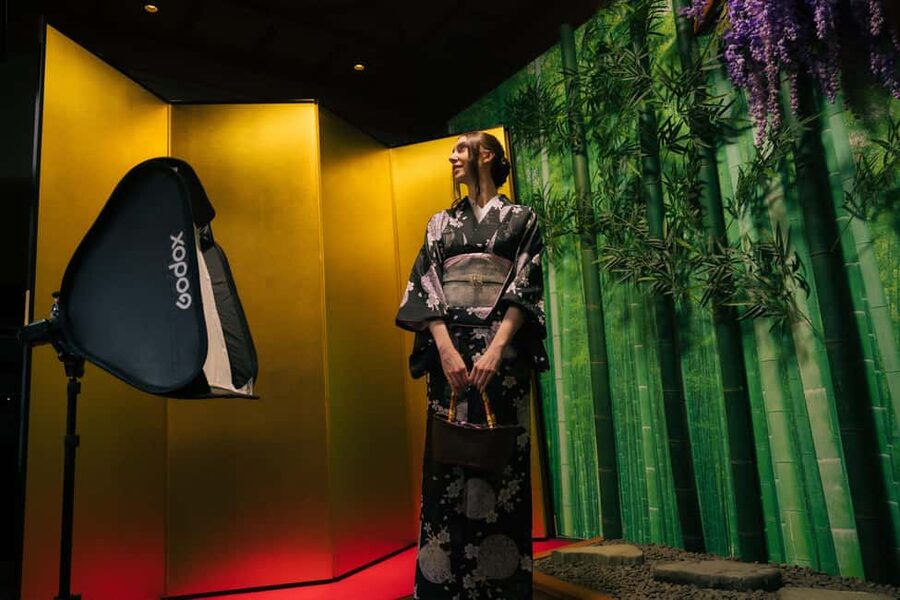
I would recommend this to first-time Kyoto visitors who want a gentle introduction to Japanese customs. You get clear guidance, a traditional outfit, and enough explanation to understand what you are doing.
It also suits:
- Couples looking for a shared cultural activity
- Families with older children or teenagers
- Solo visitors who appreciate staff attention
- Anyone interested in matcha, crafts, or Japanese dress
- Visitors who want memorable photographs in Gion
- People with a free morning or early afternoon
The activity may be less suitable if you dislike dressing up, have difficulty sitting for a tea lesson, or want a purely formal ceremony without tourist-friendly instruction. The session is designed to be welcoming and understandable, so serious students of tea may find it introductory rather than advanced.
You should also allow extra time before and after the scheduled ceremony. Dressing, hair styling, and photographs are central parts of the visit, not quick add-ons. Rushing away immediately afterward would miss some of the experience’s best value.
Practical Planning for Your Visit
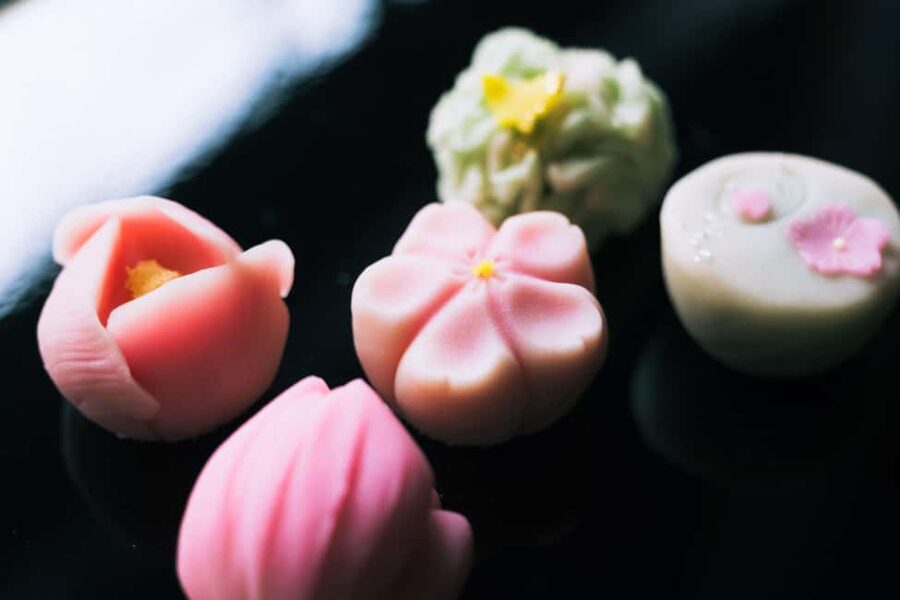
Book an early start if you want the longest possible walk in the kimono afterward. A morning appointment can give you time for Gion streets, photos, and a nearby shrine or temple before the 5 p.m. return deadline.
Wear practical clothing underneath the kimono. The provided details do not specify a dress code, so avoid planning an outfit that makes changing difficult. Comfortable footwear is also sensible because you may walk around Gion after the ceremony.
The activity is offered in English, and the group is limited to 10 participants. Check the available start times when booking because the schedule affects how much time you have for exploring afterward.
You can cancel without charge up to 24 hours before the activity for a full refund. You can also reserve now and pay later, which helps if your Kyoto schedule depends on weather or changing train plans.
Should You Book Orizuruya Gion?
Yes, if you want a well-supported cultural activity that combines dressing, learning, tasting, and doing. The tea ceremony is the heart of the visit, but the kimono selection, hair styling, photographs, and optional walk through Gion make the whole package more memorable.
At $49, the experience offers good value, especially with an early time slot and the chance to keep the kimono until 5 p.m. Choose the calligraphy option if you want a fuller two-hour session and enjoy hands-on practice.
Skip it if you are already planning a full kimono rental elsewhere or if your schedule is too tight for dressing and a slow tea lesson. For most first-time visitors, though, this is an easy and friendly way to add real cultural context to a day in Kyoto.
FAQ
Where is the kimono tea ceremony held?
It is held at Gion Oritsuruya, located at 572-7 Minamigawa, Gion-machi, Higashiyama-ku, Kyoto-shi, Kyoto.
How do I reach Gion Oritsuruya?
The meeting point is about a 10-minute walk from Hankyu Kyoto-Kawaramachi Station and a seven-minute walk from Keihan Gion-Shijo Station.
How long does the standard experience last?
The kimono and tea ceremony experience lasts approximately 1 hour and 30 minutes.
How long does the calligraphy option last?
The kimono, tea ceremony, and Japanese calligraphy option lasts about two hours.
Is hairstyling included?
Yes. Simple hairstyling is included for women.
How many kimono designs are available?
You can choose from more than 200 kimono designs.
Is matcha included?
Yes. The experience includes matcha, wagashi, and the utensils used for the tea ceremony.
Can I make my own matcha?
Yes. An instructor teaches you how to prepare matcha with a traditional bamboo whisk, then you make your own bowl.
Is Japanese calligraphy included in every booking?
No. The Japanese calligraphy set is included only when you select the Japanese Calligraphy Experience option.
Can I cancel the booking?
Yes. You can cancel up to 24 hours in advance for a full refund. You can also reserve now and pay later.
Just added around Kyoto
- Uji Walking Tour – Byodo-in temple and Tea Ceremony from Kyoto★ 3.5 · 3 reviews
- Tea ceremony at Kyoto’s Zen Temple Teahouse★ 5.0 · 2 reviews
- Kyoto: Authentic Tea Ceremony in a Small Group★ 5.0 · 7 reviews
- Tea Ceremony in 150 Years Old Townhouse with Tables and Chairs★ 5.0 · 22 reviews
- Tea Ceremony Experience in Traditional Kyoto Townhouse★ 5.0 · 19 reviews
- Traditional Tea Ceremony in Kyoto★ 4.5 · 3 reviews
- Silent Beauty of Kyoto Zen Walk and Tea Experience★ 5.0 · 2 reviews
- Kyoto Private Tea Ceremony at a Japanese Inns★ 5.0 · 12 reviews
Tea Ceremonies in Kyoto, compared.
Tea Ceremony in a Traditional Tea House in Kiyomizu
Read our review →
Tea Ceremony in 100-year-old Kyo-Machiya Townhouse
Read our review →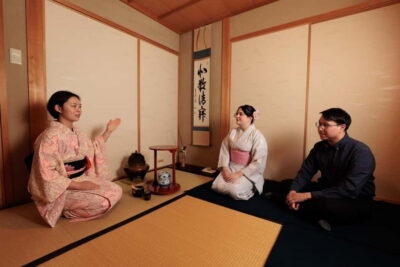
Tea Ceremony Meditation – Make Matcha with Tea Master
Read our review →Browse the lists this tour appears in