
Review · KANAZAWA
Kanazawa: Kenrokuen Tea Ceremony Experience
Slow down with a bowl of matcha. Inside Kanazawa’s famous Kenrokuen Garden, this one-hour experience gives you a clear, friendly introduction to Japanese tea culture. You watch a formal ceremony, learn the meaning behind its careful movements, and prepare your own matcha with help. I especially like the historic Kenrokutei setting and the chance to taste wagashi from traditional confectioners. The main catch is that the garden entrance fee costs extra, and the tea room itself does not offer garden views.
This is a tourist-friendly version of tea ceremony, not a full three- or four-hour formal event. That is exactly why I find it useful for most visitors. You get the essential rhythm, etiquette, sweets, and matcha without giving up half a day. English explanations from guides such as Océane and Nana have helped make the ceremony easy to follow, though the experience takes place alongside other groups and asks everyone to keep the room quiet.
Key details before you book
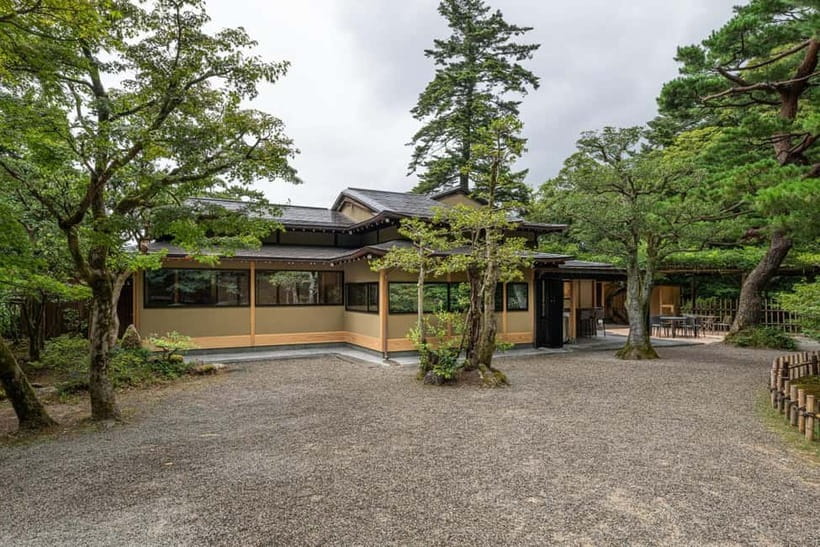
- A historic meeting place: You meet at Kenrokutei, in front of the fountain inside Kenrokuen Garden. The building once welcomed important visitors of the Maeda lords.
- A real demonstration followed by practice: A tea master performs the ceremony first, then you learn to whisk your own matcha with guidance.
- Wagashi comes before the tea: Traditional Japanese sweets soften the bitterness of matcha and are part of the ceremony, not just an added snack.
- One hour is the right length: You get a meaningful introduction without committing to the much longer form of tea ceremony.
- The garden ticket is separate: Kenrokuen charges 320 yen for entry. The ticket is valid for the garden, so plan time to walk around before or after your appointment.
- A chair is available on request: You do not have to sit on the floor if kneeling is difficult, but request a chair in advance or when you arrive.
Why tea ceremony works so well in Kanazawa
Kanazawa is one of Japan’s best cities for traditional arts. The city’s connection to the Maeda family helped support crafts, gardens, sweets, and tea culture for centuries. Kenrokuen is the natural place to encounter that side of Kanazawa because the garden was associated with the Maeda lords and their formal way of entertaining.
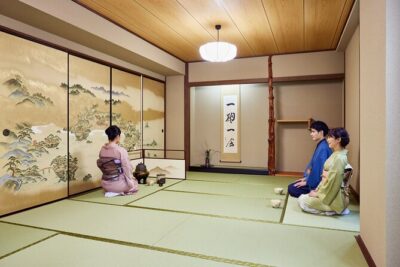
The ceremony takes place at Kenrokutei, a historic building inside the garden. This gives the experience a stronger sense of place than a generic matcha class in a modern shop. You are not simply learning how to whisk powdered tea. You are learning a small piece of the culture that shaped Kanazawa.
I also like the way the setting changes your pace. Kenrokuen can be busy, especially during popular seasons, yet the tea room asks for quiet. For one hour, your attention shifts from garden paths and photographs to a bowl, a whisk, a sweet, and a series of deliberate gestures.
One important expectation: the tea room does not look out over Kenrokuen. If you want garden scenery during the ceremony, this is not that kind of experience. The garden is still a major part of the outing, but you enjoy it before or after the tea rather than through the windows of the room.
More Tea Ceremonies in Japan:
- Kyoto: Tea Ceremony in a Traditional Tea House in Kiyomizu
★ 4.9 · 3,519 reviews - Kyoto: Tea Ceremony Ju-An at Jotokuji Temple
★ 4.9 · 3,207 reviews - Kyoto: 45-Minute Tea Ceremony Lesson Experience
★ 4.3 · 2,378 reviews
Finding Kenrokutei inside Kenrokuen
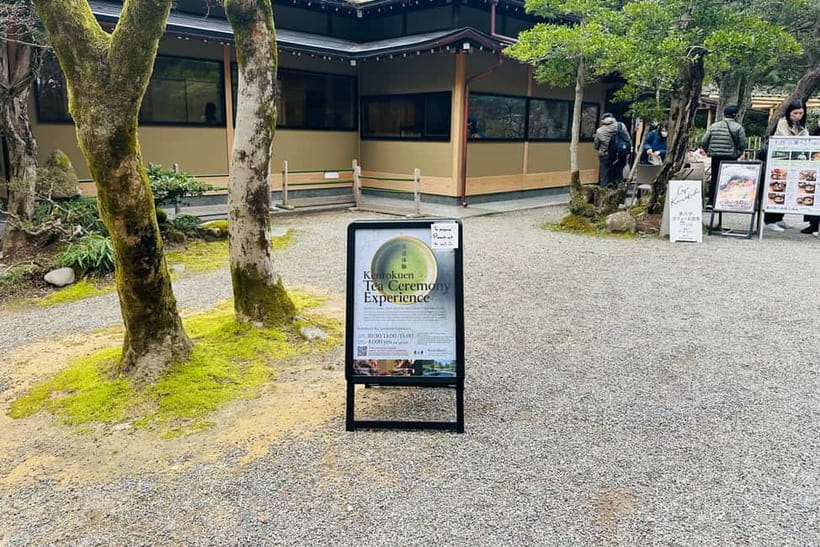
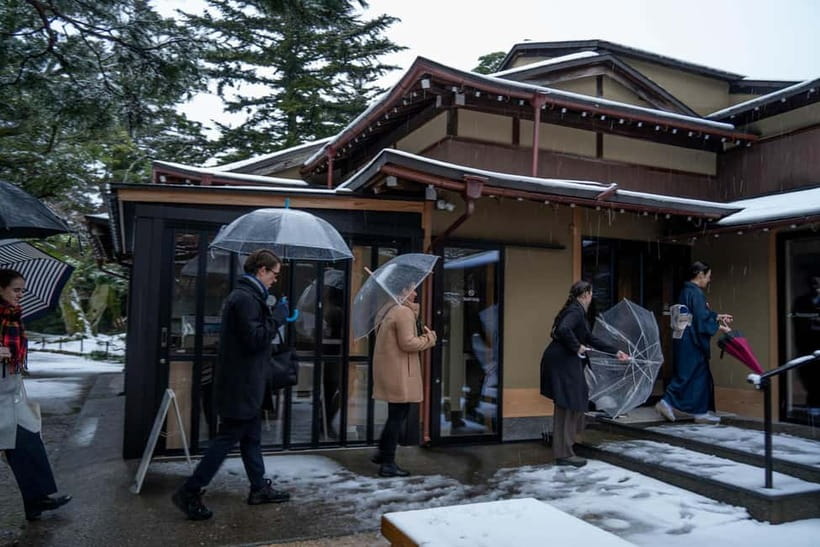
The meeting point is in front of the fountain inside Kenrokuen Garden. This sounds simple, but the location detail deserves care. You need to enter the garden first, pay the separate 320 yen admission fee, and then find Kenrokutei near the fountain.
Allow extra time. You do not want to arrive at the garden entrance at the exact start of your booking and then hurry across the grounds. The activity has a strict lateness rule: arriving more than 10 minutes after the start can result in cancellation. I would aim to enter Kenrokuen at least 20 to 30 minutes early.
The garden entrance ticket is a small additional cost, especially since it allows you to enjoy Kenrokuen on the same day. I consider it good value if you set aside time to walk through the garden. If you plan only to attend the ceremony and leave immediately, remember that the total cost is $35 plus admission.
Look for the tea ceremony signboard when you reach the fountain. One point worth checking carefully is the exact entrance to the tea room, since the fountain is the meeting reference while the activity itself takes place inside the building. If you feel uncertain, ask staff at Kenrokutei rather than wandering around the garden.
The opening history lesson at Kenrokutei
The experience begins with an explanation of Kenrokutei and its connection to the Maeda lords. This short introduction helps you understand why the ceremony belongs here. The building was used to entertain important people, so it is more than a convenient room beside a tourist attraction.
Your English-speaking guide then explains the basic way of tea. Expect discussion of the order of the ceremony, the behavior expected in the room, and the purpose behind small movements. The explanations are especially useful if you have never attended a Japanese tea ceremony before.
Guides including Océane have been praised for explaining clearly and answering questions at the right moments. Nana has also been singled out for bringing warmth and feeling to the preparation. The exact guide can vary, but the format is designed for English speakers.
This is not a lecture that asks you to memorize every rule. I see it as a short orientation that removes the fear of doing something wrong. You learn when to eat the sweet, how to receive the tea, and how to watch the person preparing it.
Watching the tea master perform
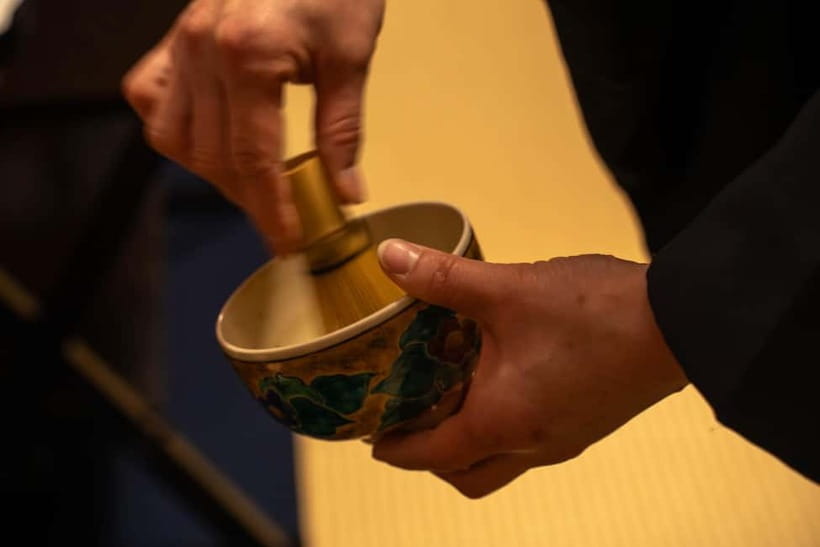
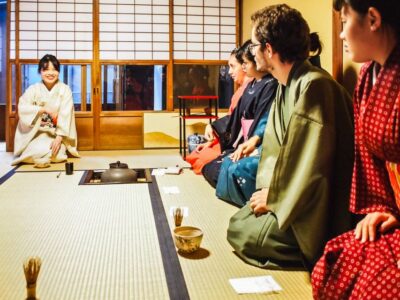
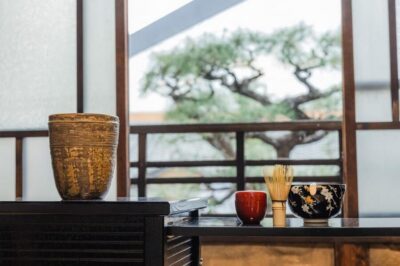
The central part begins with a formal demonstration. A tea master prepares matcha in the traditional manner while your guide explains what is happening. You watch the careful handling of the bowl, scoop, whisk, and cloth, along with the quiet pauses between actions.
The appeal is not speed. The preparation looks simple at first, but the controlled movements require practice. The host’s hands, the sound of the whisk, and the order of the objects all matter. The ceremony gives ordinary actions a set rhythm, which is why many people find it peaceful.
You will also learn that the ceremony is not just about drinking tea. It includes respect between host and participant, attention to the season, and appreciation of the utensils and sweets. The English explanation gives you a way to read those details instead of watching them as a silent performance.
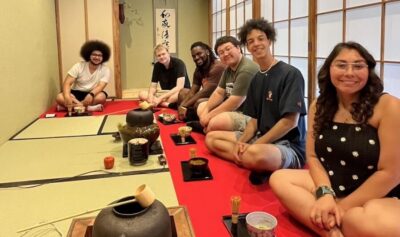
The room is shared with other groups at the same time. That keeps the price reasonable, but it also means the atmosphere is not completely private. The activity asks everyone to remain quiet and considerate. One account of the experience noted some noise from a nearby room, although the hosts apologized and offered a small gift. That gives you a fair sense of the tradeoff: the mood is usually calm, but this is not a private tea appointment.
A few more tea experiences around Japan worth a look
- World Heritage Kyoto & Nara Uji Authentic Matcha Experience
★ 5.0 · 1,573 reviews - Osaka: Tea Ceremony Experience
★ 4.9 · 1,426 reviews - Kyoto: Table-Style Tea Ceremony at a Kyo-Machiya
★ 4.9 · 1,211 reviews - Kimono Tea Ceremony at Kyoto Maikoya, NISHIKI
★ 5.0 · 911 reviews
Wagashi first, then matcha
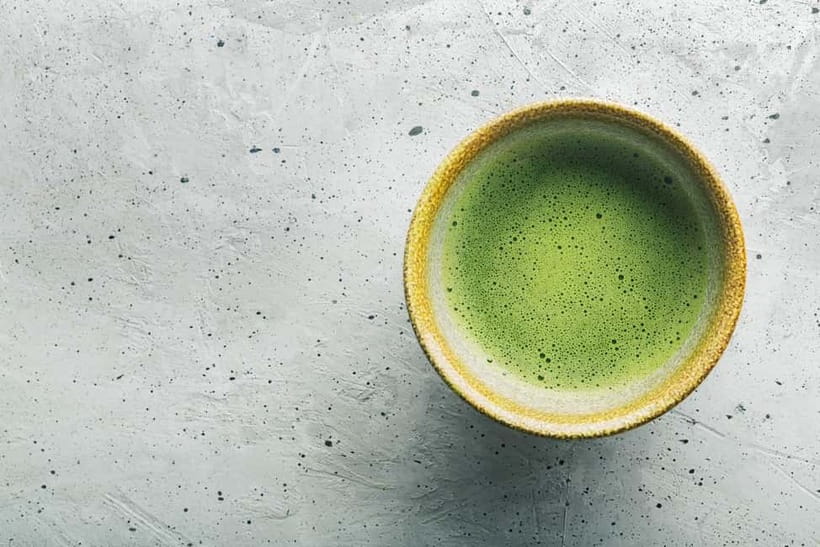
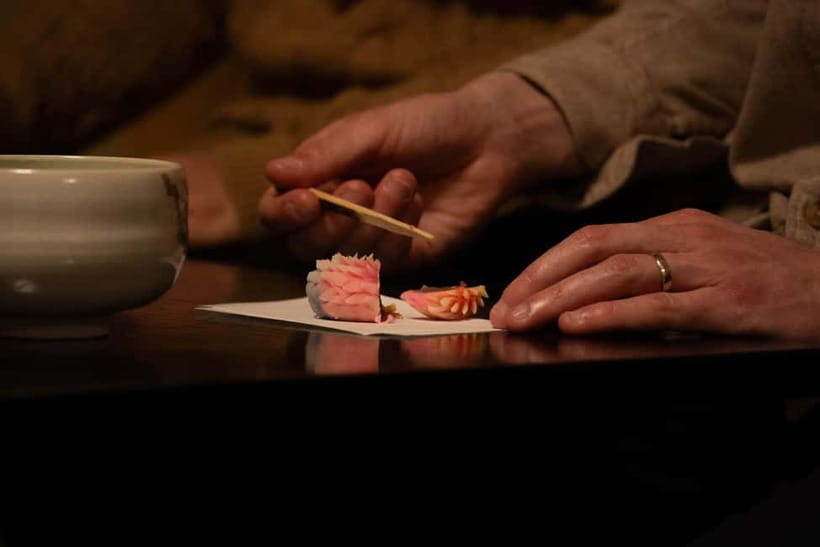
Traditional wagashi sweets are served as part of the ceremony. These Japanese confections come from established confectionery shops, and their sweetness prepares your palate for the matcha. Eat the sweet before drinking the tea, as the sugar makes the tea taste smoother and less bitter.
The sweets are not a minor extra. For many first-time drinkers, matcha can be sharper and more earthy than expected. Wagashi gives the experience balance and helps you notice the tea’s flavor without being overwhelmed by it.
The exact sweets can vary, but the activity includes several varieties over the course of the experience. One account specifically enjoyed tasting traditional sweets twice. I would not arrive expecting a full dessert course, but you should receive enough to make the tea pairing feel meaningful.
The matcha itself has been a favorite part for many people, with repeated praise for its smooth, full flavor. Taste depends on personal preference, of course. If you usually drink sweetened tea, matcha may take some getting used to. The sweet is there for a reason.
Making your own bowl of matcha
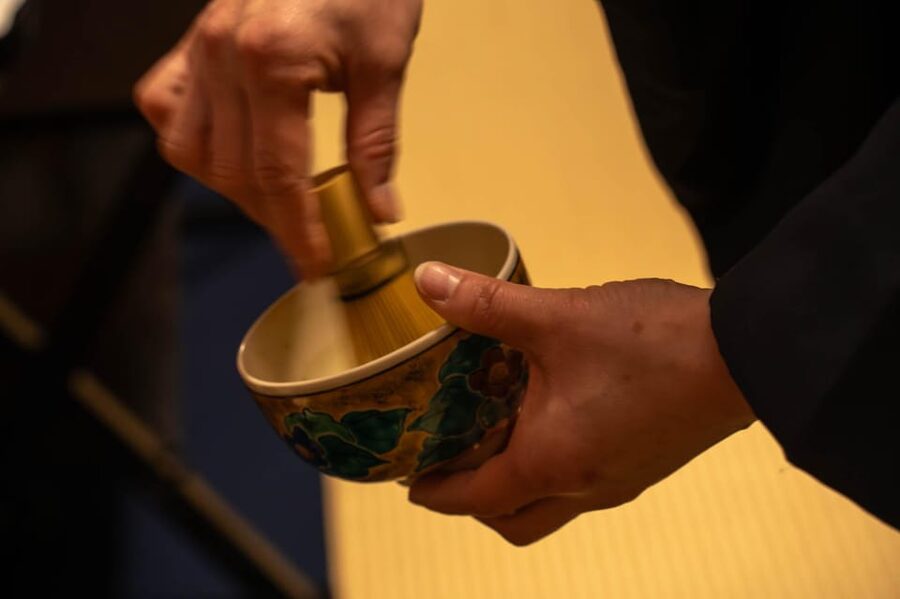
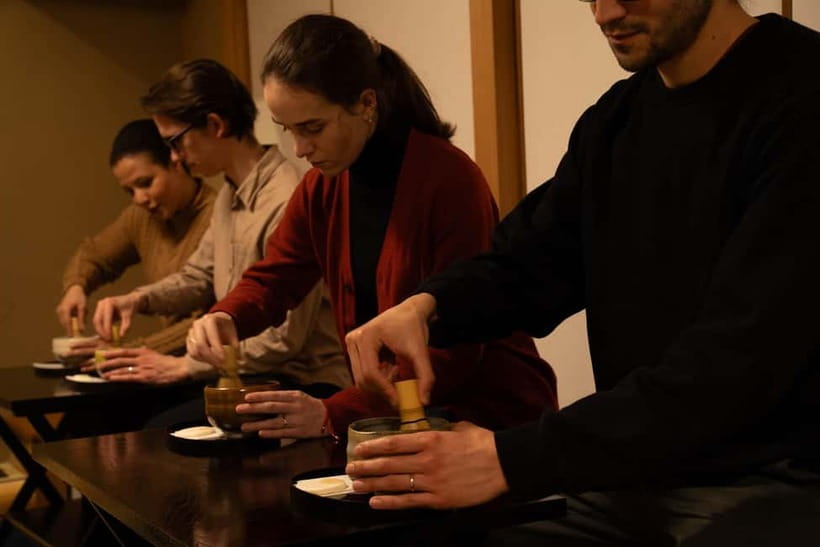
After watching the master, you get to prepare tea yourself. The guide shows you how to handle the bowl and whisk, then helps you through each stage. This is where the experience becomes more than a demonstration.
You will likely discover that making good matcha is harder than it looks. The whisking motion needs the right speed and technique, and the powder must blend properly with the water. You do not need previous experience. The point is to try the process, not produce a perfect bowl on your first attempt.
I like this hands-on section because it gives you a practical memory to take home. You may never perform a formal tea ceremony, but you can use the basic method when making matcha later. Several people have left feeling ready to prepare matcha at home.
The guide’s attitude matters here. The instruction is patient and encouraging, with room for mistakes. You are not being graded. The ceremony remains formal, but the hands-on part feels friendly and approachable.
What the one-hour format really gives you
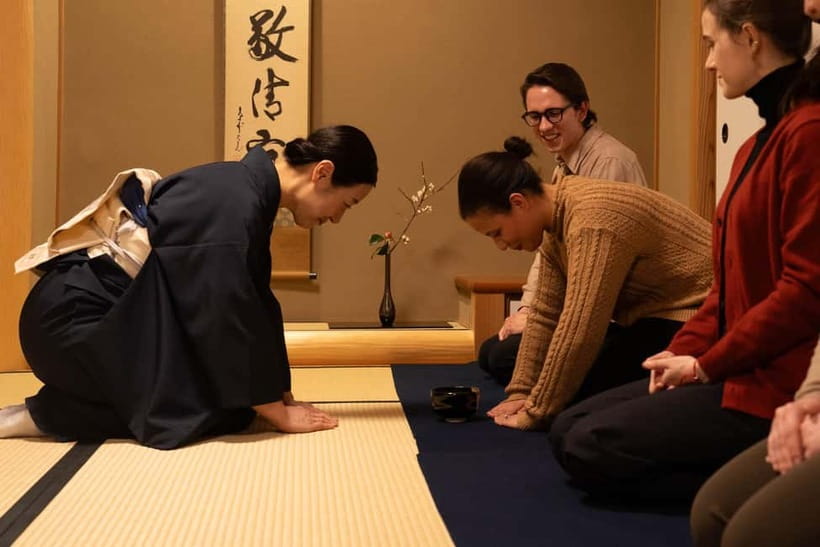
A full Japanese tea ceremony can last three to four hours. This experience presents a shorter tourist version, lasting about one hour. That means you will not experience every layer of a complete formal gathering, but you will understand the basic process and take part yourself.
For most schedules, I consider the shorter format a strength. You can fit it between a morning walk through Kanazawa, a visit to the castle area, or an afternoon of shopping and crafts. It gives you a focused cultural activity without turning the day into a single theme.
The one-hour limit also keeps the ceremony accessible for children, first-time matcha drinkers, and people who are curious but unsure about formal etiquette. The activity is intended for older children, with the information giving two slightly different age thresholds: participants must be at least 7 in one instruction, while another says children under 8 are not suitable. If you are booking for a 7-year-old, confirm the age rule before paying.
Sitting, photography, and group manners
The ceremony traditionally involves sitting on mats or the floor. If kneeling is uncomfortable, you can request a chair. I would mention this before the ceremony begins so the staff can arrange it without disrupting the room.
Photography is allowed, which is helpful for remembering the occasion. Still, use your camera thoughtfully. The ceremony depends on quiet attention, and flashes or constant phone use would work against the atmosphere. Take photographs when the guide indicates it is appropriate.
The experience runs with other groups, so it suits people who can listen quietly and follow instructions. It may not be ideal for a very young child who cannot sit still or for anyone hoping for a private, highly personalized lesson.
Is $35 good value?
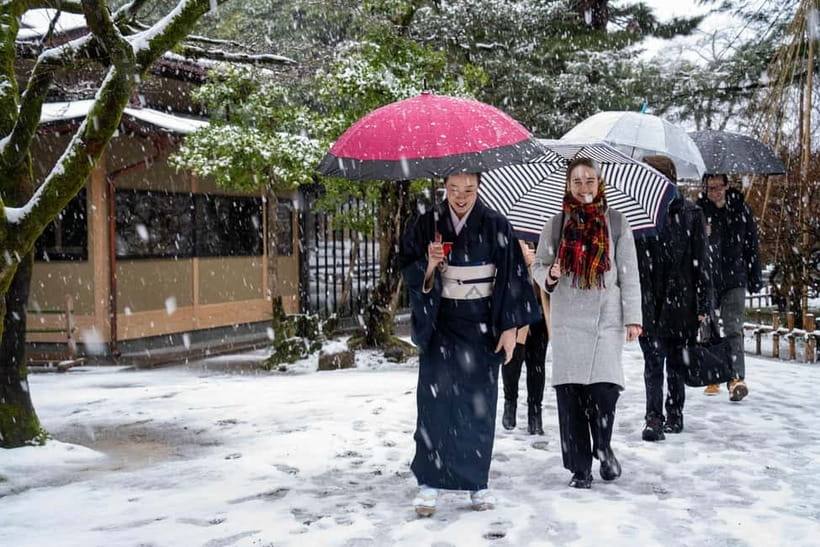
At $35 per person, the price covers the tea ceremony, sweets, English instruction, and a chance to make matcha. You also receive a photograph, which adds a small keepsake to the experience.
The value comes from the combination. You are not paying only for a cup of tea. You are paying for access to a historic room, a guided demonstration, cultural background, traditional sweets, and hands-on practice. Comparable cultural activities can be hard to judge by duration alone, but this one fills an hour with several distinct parts.
You must add the 320 yen Kenrokuen admission fee. That extra charge is easy to overlook, yet it is modest and gives you access to one of Kanazawa’s major sights. I recommend treating the tea ceremony as one part of a larger Kenrokuen visit rather than making a special trip solely for the room.
Flexible booking terms also help if your Kanazawa schedule may change. You can cancel up to 24 hours before the activity for a full refund, and reserve now while paying later. Those terms are useful, but the strict late-arrival rule still applies.
Who should book this experience?
I would recommend it to you if you want a calm, structured introduction to Japanese culture. It works especially well for first-time visitors, couples, solo visitors, families with older children, and anyone who wants more than a quick matcha tasting.
It is also a good choice if you enjoy history but do not want a long museum explanation. The Maeda connection, the historic building, and the tea customs fit together in a compact hour.
You may want another option if you expect a private ceremony, garden views from the tea room, or a complete multi-hour ritual. This is an accessible introduction, not an advanced tea school. It also requires punctuality, quiet behavior, and at least some comfort with sitting on mats unless you request a chair.
Should you book the Kenrokuen tea ceremony?
I would book it if you already plan to visit Kenrokuen. The extra garden admission is small, the $35 price is reasonable for the instruction and sweets, and the chance to prepare your own matcha makes the hour feel active rather than purely observational.
Go early, walk through the garden, and find the fountain before your start time. Expect a shared room, not a private session, and remember that the garden will not be visible during the ceremony itself.
For a short, well-explained taste of Japanese tea culture in a historic Kanazawa setting, this is a strong choice. You leave with a better understanding of the rituals, a new appreciation for wagashi and matcha, and perhaps the confidence to whisk a bowl at home.
FAQ
Where does the Kanazawa tea ceremony take place?
It takes place at Kenrokutei inside Kenrokuen Garden. The meeting point is in front of the fountain, and you should look for the tea ceremony signboard for entrance information.
Is the Kenrokuen admission fee included?
No. Kenrokuen admission costs 320 yen and must be paid separately. The tea ceremony ticket does not include entry to the garden.
How long does the tea ceremony last?
The activity lasts one hour. It includes an explanation, a formal demonstration, sweets, and a chance to prepare your own matcha.
Is the experience conducted in English?
Yes. English instruction is provided, and an English-speaking guide explains the history, etiquette, and preparation steps.
Can I sit on a chair instead of the floor?
Yes. You can request a chair if sitting or kneeling on the floor is difficult.
Are children allowed to participate?
The information gives two age guidelines. One says participants must be at least 7 years old, while another says the activity is not suitable for children under 8. Confirm the age requirement before booking for a 7-year-old.
Can I cancel the booking?
Yes. You can cancel up to 24 hours before the scheduled experience for a full refund. You must still arrive on time, since arriving more than 10 minutes late can lead to cancellation.
Just added around Japan
- Yokohama : Tea Ceremony with Sweets and Souvenir★ 5.0 · 5 reviews
- Walking Tour: Yanaka,Nezu& Sendagi: Tea Ceremony & Old Tokyo★ 5.0 · 3 reviews
- Visit local home for music and tea ceremony near Disney★ 4.9 · 13 reviews
- Trip to Kamakura & Enoshima: Shrines, Seaside, Temples &Tea★ 5.0 · 11 reviews
- Yokohama: Sushi & Gyoza Cooking with Matcha & GreenTea Experience★ 5.0 · 3 reviews
- Kyoto tea town for matcha lovers★ 5.0 · 16 reviews
- Uji: Private immersion into Kyoto’s tea and reglious culture★ 5.0 · 17 reviews
- Uji Tea Ceremony and UNESCO Heritage Walking Tour★ 5.0 · 20 reviews
Tea Ceremony Experiences, compared.
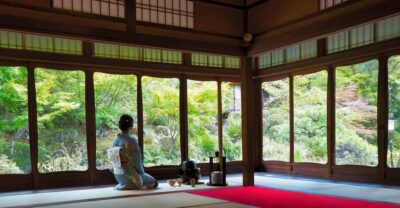
Tea Ceremony in a Traditional Tea House in Kiyomizu
Read our review →
Browse the lists this tour appears in