
Review · KYOTO
Japanese Traditional Sweets making with Tatedashi Matcha
Sweet making gets wonderfully hands-on here. In 65 minutes near Gojo Station, you shape two seasonal Japanese confections called nerikiri, using white and red bean paste supplied by long-established Kyoto shops. I like the real Kyoto ingredients and the fact that you eat your finished sweets with Tatedashi Matcha instead of carrying them away as mere souvenirs. The price is also friendly at $14 per person.
The main thing to consider is the class size. One recent booking found the room too crowded, while another person felt the activity was closer to playing with dough than learning what is inside it. If you want a relaxed, detailed lesson in Japanese confectionery, ask about the expected group size and English support before booking.
Key points at a glance
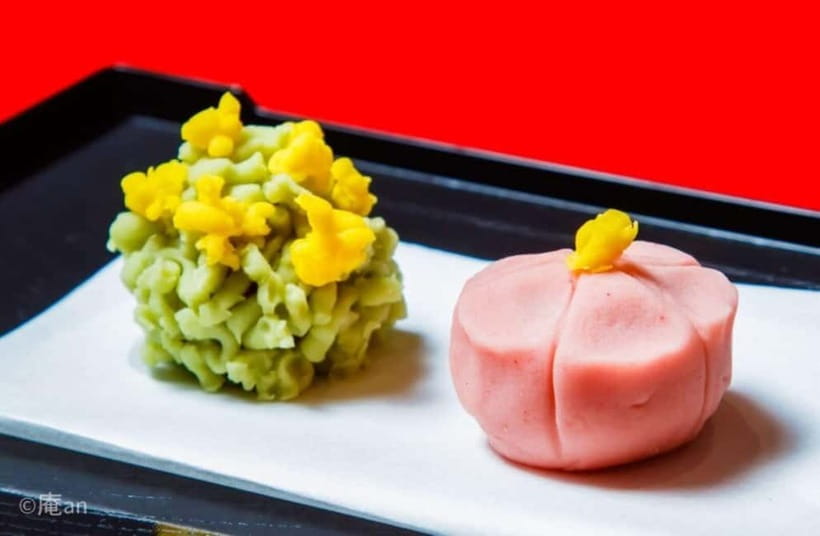
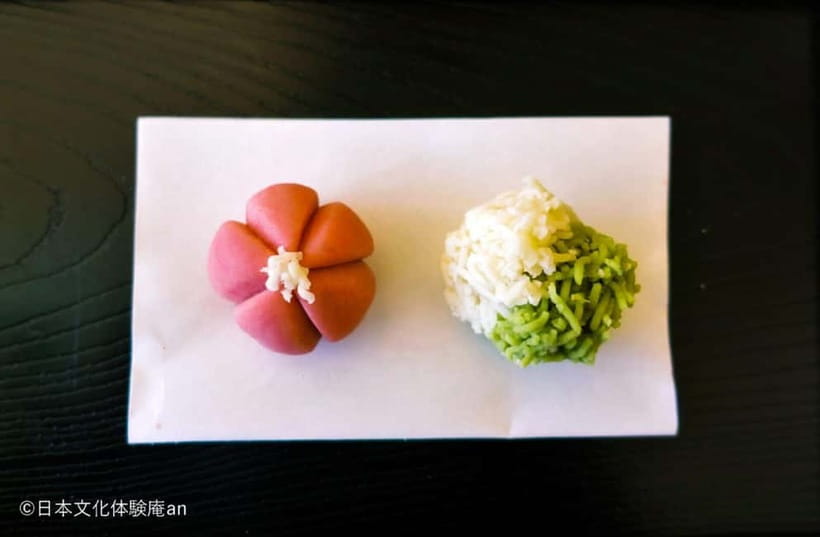
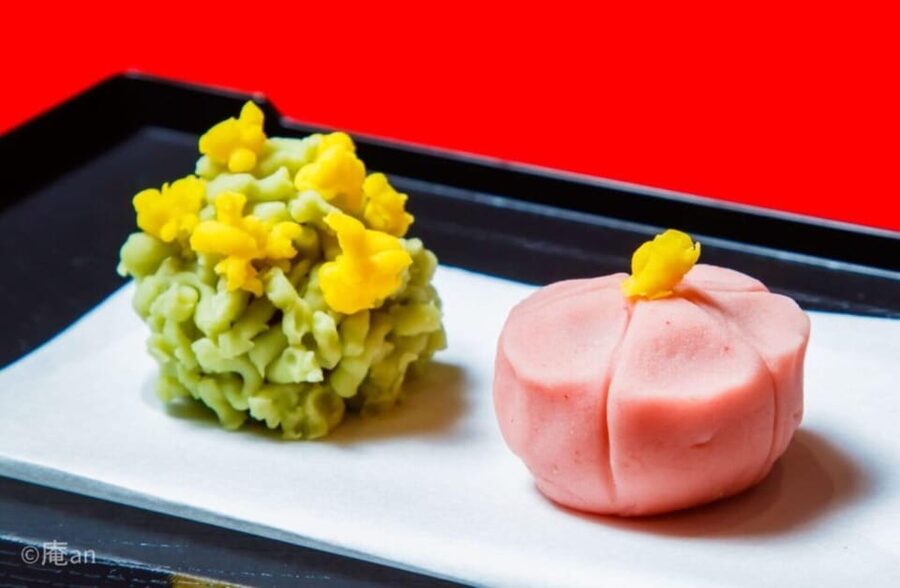
- Two seasonal sweets: You make a flower-shaped nerikiri and a Kinton-style nerikiri.
- Kyoto bean paste: The white and red bean paste comes from long-established shops in Kyoto.
- Matcha included: Tatedashi Matcha is served after the sweets are complete.
- Quick city-center activity: The venue is one minute from Exit 1 of Gojo Station on the Karasuma Subway Line.
- Budget-friendly price: At $14, the class costs less than many longer food workshops.
- Japanese-led instruction: The instructor teaches in Japanese, with English translation provided as much as possible.
What you actually make in 65 minutes
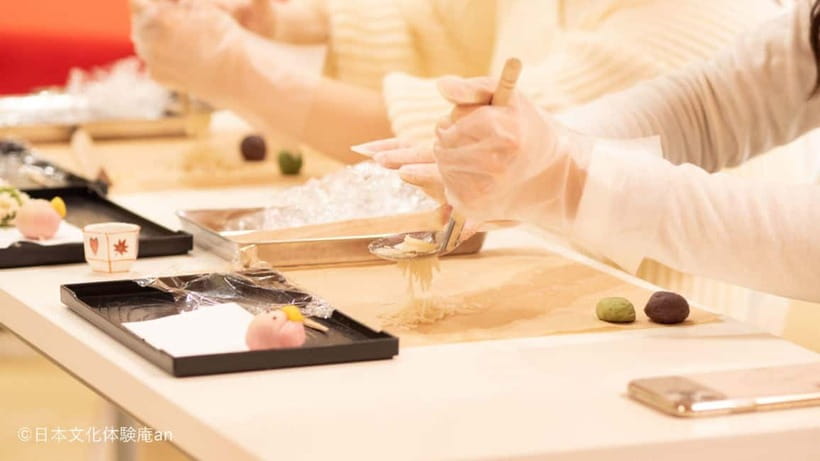
This is not a full pastry course. You will not spend the afternoon cooking beans, making dough from scratch, or learning every stage of a confectionery shop’s work. Instead, the class focuses on shaping prepared bean paste into two attractive seasonal sweets.
That distinction matters. The fun is in handling the paste, learning the basic shapes, and seeing how a small lump of colored confectionery becomes a flower or a textured Kinton design. If you enjoy crafts, food presentation, or simple cultural activities, the format should suit you well.
If you expect a technical cooking lesson, keep your expectations modest. The class gives you a taste of the craft rather than a complete education in Japanese sweets. One person found the paste felt much like play dough and wished there were more explanation about its ingredients. I can see that point, especially for adults hoping to learn traditional methods in detail.
Still, the short format is useful during a busy Kyoto day. You can fit it between sightseeing stops without losing half a day. You also leave with something you made yourself, not just a demonstration to watch.
More Matcha Experiences in Kyoto
- Kyoto: Arashiyama Bamboo Forest, Monkeys, Matcha & Temple Tour
★ 5.0 · 759 reviews - Kyoto: Tea Ceremony Meditation – Make Matcha with Tea Master
★ 4.8 · 406 reviews - Kyoto: Kimono Tea Ceremony with Matcha and Sweet
★ 4.9 · 249 reviews
Starting near Gojo Station
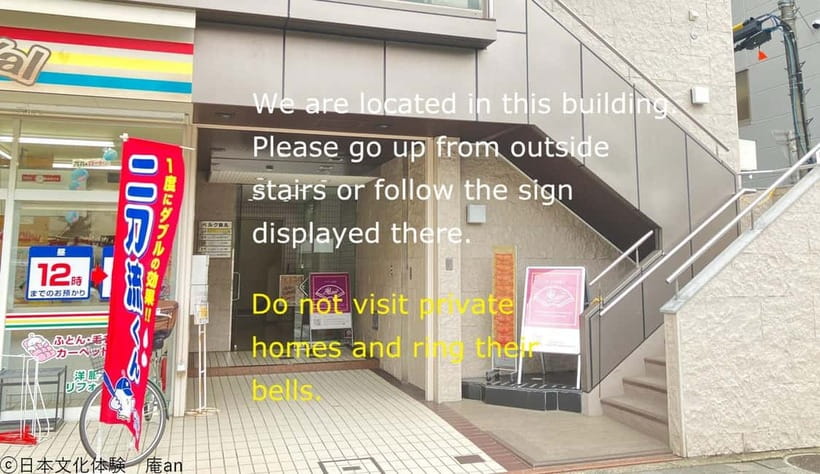
The meeting point is especially easy to reach. From Exit 1 of Gojo Station on the Karasuma Line, the venue is about a one-minute walk, and the entrance faces Gojo-dori, the main street.
That clear location saves you from hunting through side streets. I would still allow a few extra minutes to find the entrance, particularly if you are arriving with children or a group. The experience will not wait for late arrivals, so being nearby before the start time is important.
The venue operates from 10:00 to 17:00. Reservations received after 17:00 are processed the next day, which is useful to know if you are making a last-minute booking in the evening.
The building has no elevator, and you need to use stairs to reach each venue. The activity is listed as wheelchair accessible, but those two details need clarification before you reserve. If someone in your party uses a wheelchair or has trouble with stairs, contact the provider directly and confirm how access works for your scheduled room.
The first sweet: a flower-shaped Nerikiri
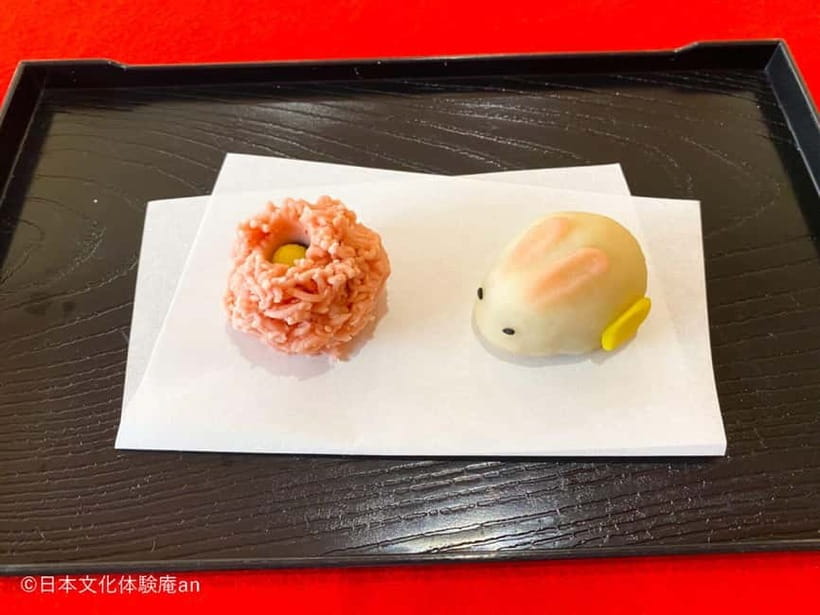
The session begins with an explanation of Japanese traditional sweets. You then make a flower-shaped nerikiri, one of the most recognizable forms of seasonal Japanese confectionery.
Nerikiri is prized for its appearance as much as its taste. The outside can be shaped to suggest flowers, leaves, or other seasonal images, while the center uses sweet bean paste. Here, the key appeal is seeing the shape develop under your own hands.
The class provides white and red bean paste made by established Kyoto shops. That is a meaningful touch. You are not simply molding an anonymous sweet mixture. The filling connects the activity to Kyoto’s confectionery tradition, even though the class does not take you through the full production process.
You should expect guidance on forming and shaping the sweet, though the instruction is in Japanese. English translation is provided as much as possible if requested. For a visual activity like this, you can likely follow the physical demonstration, but contact the provider ahead of time if detailed English instruction is important to you.
This part should appeal to children and first-time makers because the goal is clear and immediate. It may also appeal to adults who like careful handwork. The finished piece is meant to look polished, but it does not need to be perfect. A slightly uneven flower is still your flower, and that is part of the charm.
The second sweet: Kinton Nerikiri
Next comes Kinton nerikiri. This sweet has a different look from the flower shape and gives you a second chance to work with the paste.
Making two designs is better than repeating one simple shape. You get to compare the techniques and see how small changes in texture and arrangement alter the final result. The activity remains approachable, but it has enough variety to hold your attention for the full lesson.
The possibilities are presented as broad, since you can arrange and shape the paste into your own small edible artwork. That creative freedom is appealing, though it also means your result may look quite different from the instructor’s example. Do not arrive expecting every piece to come out shop-window perfect.
This is also where the experience may feel more like a craft class than a food class. You work with prepared paste, rather than learning a complicated recipe. If you want to understand the balance of sweetness, the history of specific bean varieties, or the full process used by professional confectioners, you may find the explanation too light.
On the other hand, if you want a low-pressure activity that produces something attractive and edible, the simple approach works. One person described the class as an enjoyable break from Kyoto’s busy sightseeing pace. That is a good way to think about it: this is a short creative pause, not a masterclass.
More Tea and Sweets Making in Kyoto
- Kyoto: Japanese Traditional Sweets Making and Tea Ceremony
★ 4.4 · 314 reviews - Kyoto: Traditional Tea Ceremony with Matcha & Sweets in Gion
★ 4.9 · 27 reviews - 2 Types of Japanese Sweets making and Tea Ceremony
★ 4.6 · 17 reviews - Kyoto near Fushimiinari Wagashi making&Small Group Tea Ceremony
★ 5.0 · 14 reviews
Picture time before the matcha
After the two sweets are finished, you have picture time. This small part of the schedule is worth noting because nerikiri is designed to be admired before it is eaten.
Take your photos before the matcha is served and before you start tasting. The colors and shapes are the main visual reward of the class, and your finished plate gives you a clear record of what you made.
At around the 55-minute mark, the making portion ends. That leaves roughly 10 minutes for Tatedashi Matcha and eating. The schedule is fairly tight, so do not expect a long tea ceremony or an extended conversation over the sweets.
Tatedashi Matcha and tasting your work
The class includes Tatedashi Matcha, served after you complete the sweets. You can eat the nerikiri on the spot with the tea, which is one of the strongest parts of the format.
Sweet bean paste and matcha make a classic pairing. The tea gives you something less sugary to drink alongside the confections, and tasting the sweets immediately connects the making process with the final result. You do not have to wonder if your work survived the journey home.
The experience does not include a take-out box, but you can purchase one for 100 JPY. That is useful if you want to save one sweet for later, though the class is clearly arranged around eating them at the venue.
A completion certificate is also optional for 300 JPY. I would treat it as a small souvenir rather than an essential extra. The sweets and photographs are likely to be the more personal reminders of the activity.
How much value do you get for $14?
At $14 per person, this is an inexpensive Kyoto activity. The price includes the instruction, ingredients for two sweets, and Tatedashi Matcha. You are paying for a short guided cultural experience, not just for two pieces of confectionery.
That makes the value strongest for people who want a structured activity near central Kyoto. A snack alone would cost less, but it would not give you the hands-on element or the chance to shape the sweets yourself. A longer cooking workshop might offer more technique, but it would also cost more and take more time.
The use of Kyoto-made white and red bean paste helps justify the price. These ingredients give the activity a local connection rather than making it a generic craft session. Still, the experience is basic. If you judge value by the amount of culinary information you receive, you may want something more detailed.
The optional extras are modest. A take-out box costs 100 JPY, and a completion certificate costs 300 JPY. You can skip both and keep the listed price as your total activity cost.
Group size, instruction, and the pace of the room
The most important practical question is likely to be group size. One booking found too many people in the class, while another praised the instructor and found the sweets tasty. Those two impressions can easily exist together: a good instructor can lead a fun session, but a crowded room can still limit personal attention.
Ask the provider about the expected number of participants if you prefer quiet instruction or need help with the shaping steps. The supplied information does not give a fixed maximum group size, so you should not assume this is a small private lesson.
The instructor teaches in Japanese. English translation is provided as much as possible, but it is not listed as the primary language. Visual demonstrations should help with the basic movements, yet you may miss some cultural or ingredient details if you do not understand Japanese.
I would recommend contacting the provider before booking if you want a fully English-led class. That simple step can prevent disappointment, especially if you are choosing this experience for educational value rather than just for the activity itself.
Who will enjoy this Kyoto activity?
I think this class works best for:
- Couples looking for a short shared activity
- Families with children who enjoy making things with their hands
- Solo visitors who want a simple cultural experience
- Food lovers interested in Japanese sweets without committing to a long workshop
- Sightseers who need an indoor break near Gojo Station
- Visitors who prefer eating their creations immediately
You may want to skip it if you are seeking a serious confectionery lesson, detailed English instruction, or a quiet private setting. The play-dough comparison is not entirely unfair: the shaping is the star, while the cooking process remains mostly outside the class.
Children under two who sit on a parent’s lap can participate free of charge. Anyone who does not take part in the experience cannot enter, so plan your group accordingly.
Timing, cancellations, and access details
The activity lasts 65 minutes, with the making ending at about 55 minutes and the matcha and tasting period continuing until departure. Starting times vary, so check availability for the day you want.
You can cancel up to 24 hours in advance for a full refund. After the cancellation deadline, fees apply, and changing the date or time after a fee has been charged can bring another specified charge. The provider does not compensate you for travel costs if you cancel.
Do not rely on arriving late. The class cannot be held for delayed participants, regardless of the reason. I would schedule it with a buffer before another reservation, especially if you are crossing Kyoto by train or bus.
The venue is on Honshu in Kyoto, at approximately 34.996419, 135.761802. The exact access point is the entrance facing Gojo-dori, one minute from Exit 1 of Gojo Station.
Should you book Japanese sweets making with Tatedashi Matcha?
Book it if you want a short, affordable, hands-on Kyoto activity with real bean paste, two seasonal sweets, and matcha at the end. The location is convenient, the price is low, and the finished sweets give you an immediate reward.
Think twice if you need a small class, extensive English explanation, or a proper lesson in traditional confectionery production. Before paying, ask about group size, English support, and stair access. For the right expectations, this is a pleasant hour of shaping, photographing, and eating your own little pieces of Kyoto.
FAQ
How long does the Japanese sweets-making experience last?
The full experience lasts 65 minutes. The making and picture time finish at about 55 minutes, followed by Tatedashi Matcha and time to eat the sweets.
Where is the meeting point?
The venue is a one-minute walk from Exit 1 of Gojo Station on Kyoto’s Karasuma Subway Line. The entrance faces Gojo-dori, the main street.
What sweets will I make?
You will make two seasonal Japanese sweets called nerikiri: one flower-shaped sweet and one Kinton-style sweet.
Is matcha included?
Yes. Tatedashi Matcha is included and served after you finish making the sweets.
Is the class taught in English?
The instructor’s language is Japanese. English translation is provided as much as possible, and you can contact the provider if you would like English support.
Can I take the sweets home?
A take-out box is not included, but you can purchase one for 100 JPY.
Can I cancel for a refund?
You can cancel up to 24 hours in advance for a full refund. Cancellation fees apply after that deadline.
Just added around Kyoto
- Uji Walking Tour – Byodo-in temple and Tea Ceremony from Kyoto★ 3.5 · 3 reviews
- Tea ceremony at Kyoto’s Zen Temple Teahouse★ 5.0 · 2 reviews
- Kyoto: Authentic Tea Ceremony in a Small Group★ 5.0 · 7 reviews
- Tea Ceremony in 150 Years Old Townhouse with Tables and Chairs★ 5.0 · 22 reviews
- Silent Beauty of Kyoto Zen Walk and Tea Experience★ 5.0 · 2 reviews
- Tea Ceremony Experience in Traditional Kyoto Townhouse★ 5.0 · 19 reviews
- Traditional Tea Ceremony in Kyoto★ 4.5 · 3 reviews
- Kyoto Private Tea Ceremony at a Japanese Inns★ 5.0 · 12 reviews
Matcha Experiences in Kyoto, compared.

Arashiyama Bamboo Forest, Monkeys, Matcha & Temple Tour
Read our review →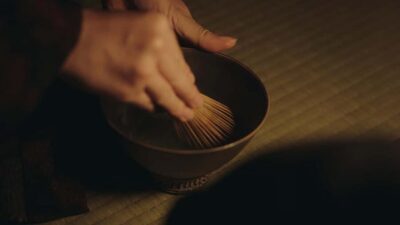
Tea Ceremony Meditation – Make Matcha with Tea Master
Read our review →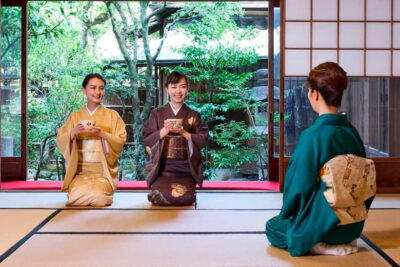
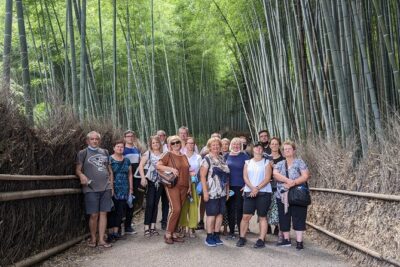
Arashiyama Bamboo, Temple, Matcha, Monkeys & secret spots
Read our review →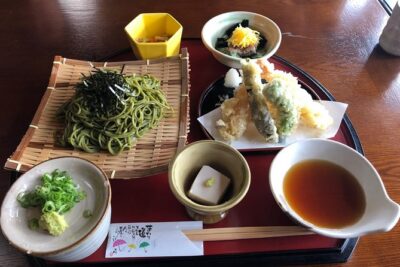
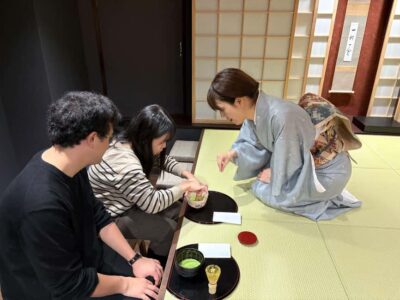
Traditional Tea Ceremony with Matcha & Sweets in Gion
Read our review →
Matcha Grinding Experience and Walking Tour in Uji Kyoto
Read our review →
Browse the lists this tour appears in