
Review · YOKOHAMA
Japanese Sweets Making & Tea Ceremony in Yokohama, suburban Tokyo
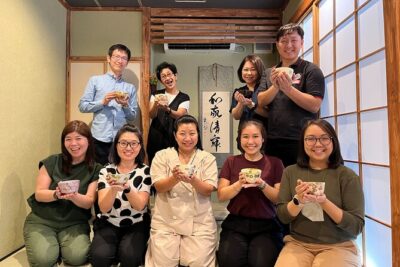
Sweet making meets a quiet tea ritual. This three-hour Yokohama class lets you shape seasonal wagashi, then use your own sweets during a Japanese tea ceremony in a private home. I like the hands-on format and the small maximum of four people. I also like that Ikuyo-san, a certified tea teacher, explains both the customs and the meaning behind them.
The main consideration is the price: $97.55 per person is a serious spend for an afternoon class, especially if you only want to taste matcha. You get better value if you want both activities, personal attention, and a calm cultural setting rather than a quick demonstration.
Key points at a glance
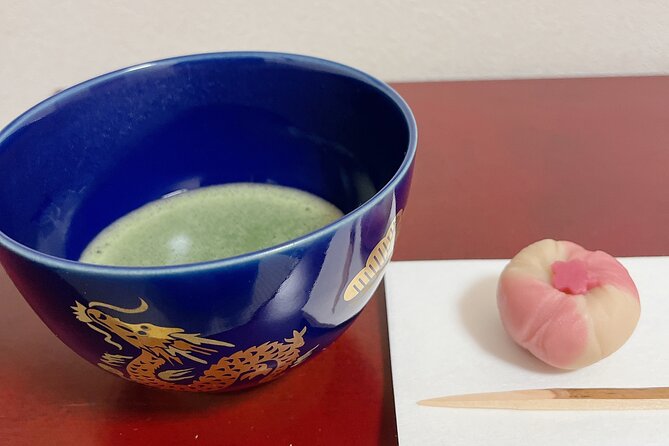
- Make five seasonal wagashi by hand, with the style chosen according to the time of year.
- Learn tea ceremony manners as a guest, seated in a Japanese tatami room.
- See the charcoal procedure, an uncommon detail even for many Japanese people.
- Whisk your own matcha and drink two cups during the class.
- Take four wagashi home, giving the workshop a useful edible souvenir.
- Meet at Azamino Station, with pickup offered and a group limit of four.
Shaping Wagashi in a Yokohama Home
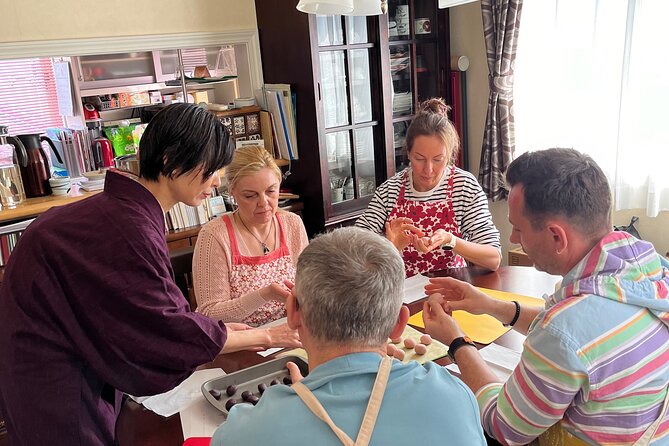
The class begins at 1:30 pm at Azamino Station in Yokohama’s Aoba Ward. From there, pickup is offered, and the activity returns to the meeting point at the end. The setting is a private Japanese home, not a large cooking school, so you should expect a personal lesson rather than a polished tourist production.
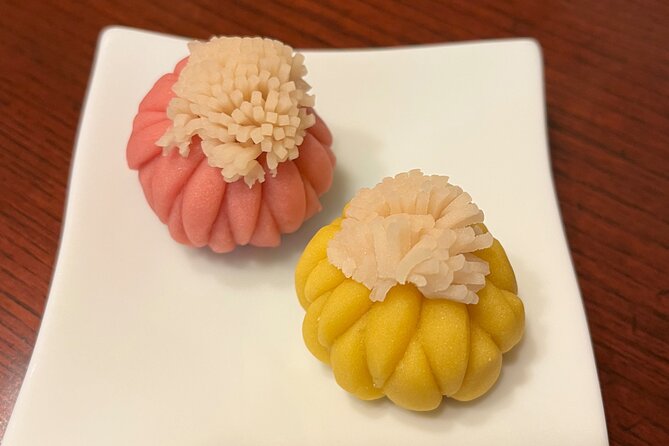
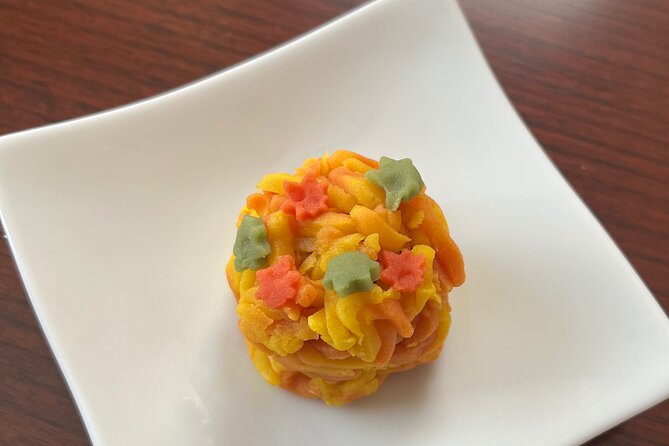
The first part takes about an hour and a half. You learn to make wagashi, the broad name for Japanese sweets. The exact type changes with the season. You might work with nerikiri, gyuhi, manju, or another style selected by the tea teacher.
That seasonal choice matters. Wagashi is not just a sweet snack in Japan. Its colors and shapes often reflect the time of year, flowers, plants, or other small signs of nature. Since the teacher selects the sweet for the season, the class has a sense of timing that a fixed recipe would miss.
You make five pieces yourself. The supplied information does not specify every tool or step, but it does say that ingredients are included and that you do not need to bring anything for this portion. Expect careful handwork with dough rather than a complicated kitchen session. The appeal is the making, shaping, and seeing an ordinary-looking lump become something delicate.
I would not book this class expecting professional pastry training. The value is cultural and creative. You get to handle a sweet that is normally presented as a finished object, then learn why its form and season matter.
This part should suit first-time cooks. One family used the activity with two 13-year-old boys, who enjoyed making the sweets and preparing the tea. That makes the workshop a reasonable choice for families, although young participants still need to manage the quiet and formal parts of the ceremony that follow.
More Tea Ceremonies in Japan:
- Kyoto: Tea Ceremony in a Traditional Tea House in Kiyomizu
★ 4.9 · 3,519 reviews - Kyoto: Tea Ceremony Ju-An at Jotokuji Temple
★ 4.9 · 3,207 reviews - Kyoto: 45-Minute Tea Ceremony Lesson Experience
★ 4.3 · 2,378 reviews
Four Handmade Sweets to Take Home
The five wagashi are not all consumed during the lesson. One is used with the tea ceremony, and the remaining four go home with you. The class also includes wagashi and dried Japanese sweets prepared by the teacher, which helps explain how you can eat two sweets and drink two cups of matcha during the full session.
This take-home portion improves the value. You are not paying for a single tasting that disappears in ten minutes. You leave with four pieces to share, eat later, or photograph before opening your luggage. The sweets may be delicate, so you should plan to handle them with care after the class.
The exact shelf life is not provided, so do not assume they will last for several days. If you are taking them onward, ask Ikuyo-san how soon to eat them and how best to carry them.
Entering the Tatami Room
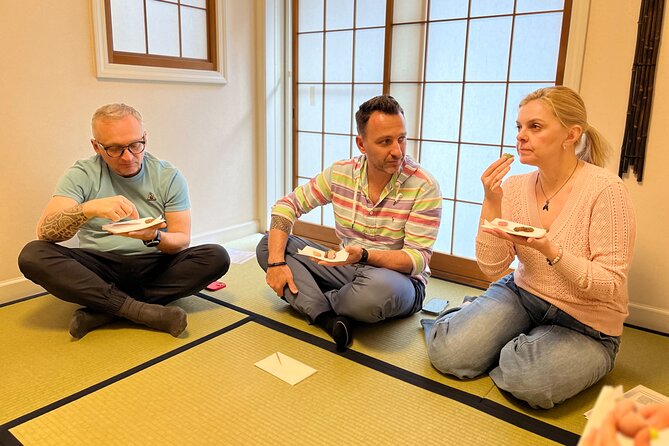
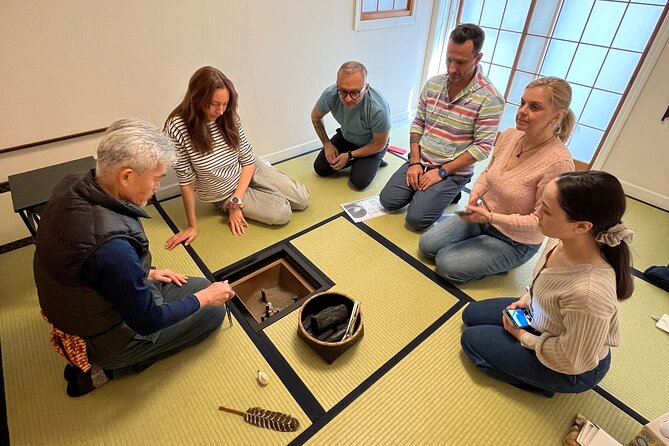
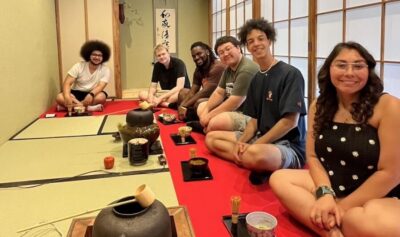
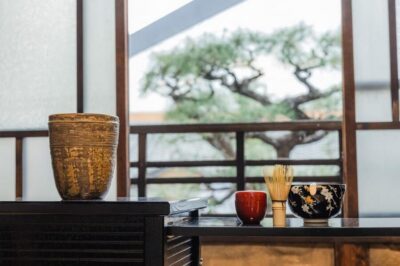
After the wagashi lesson, you move into a Japanese tatami room for the tea ceremony. You must bring socks to enter this room. This is a small practical detail, but it is easy to miss if you arrive in sandals or open shoes.
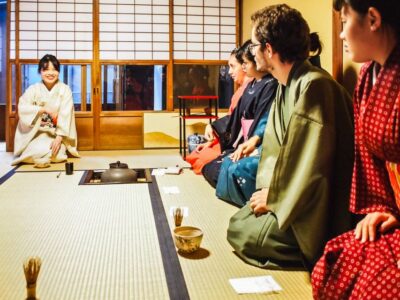
The tea lesson focuses on how to be a guest. That means you are not simply watching someone whisk tea. You learn where to sit, how to receive the bowl, how to eat the sweet, and how to take part respectfully. Exact etiquette can feel intimidating if you have never seen a tea ceremony, so the teacher’s relaxed manner matters.
Ikuyo-san is described as welcoming and easy to approach, with a bright smile that helped first-time participants relax. That is important here. A formal tea room can make you worry about using the wrong hand or moving at the wrong time. The class appears designed to explain the reasons behind the actions instead of treating etiquette as a test.
You also hear about the history of the ceremony and have time to ask questions. The lesson is therefore useful even if you know little about Japanese tea. You do not need to arrive with background reading or prior experience.
The private-home setting has a tradeoff. It may feel more personal than a public cultural show, but it is also less predictable than a purpose-built visitor center. You should book this because you want direct contact with a teacher, not because you expect a large venue with polished displays.
The Charcoal Procedure and Two Cups of Matcha
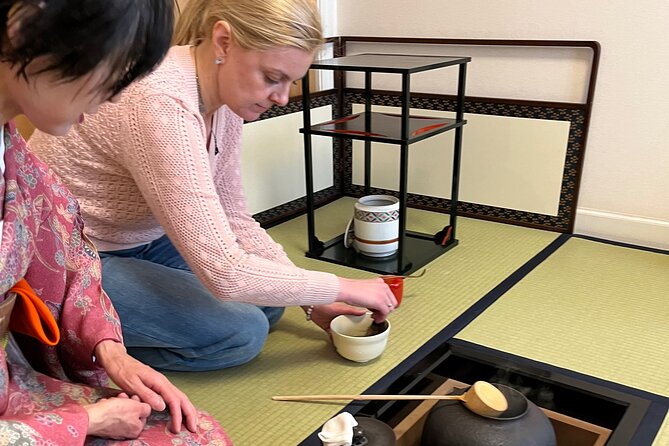
One of the most unusual parts is the charcoal procedure. The teacher adds charcoal to heat the water used for the tea. This is described as rare even for Japanese people, so it gives the class a detail you are unlikely to get from a basic matcha tasting.
The charcoal step also slows the experience down. You are watching a process rather than rushing from one sample to the next. As the procedure takes place, you eat the wagashi you made, then the teacher prepares matcha for you.
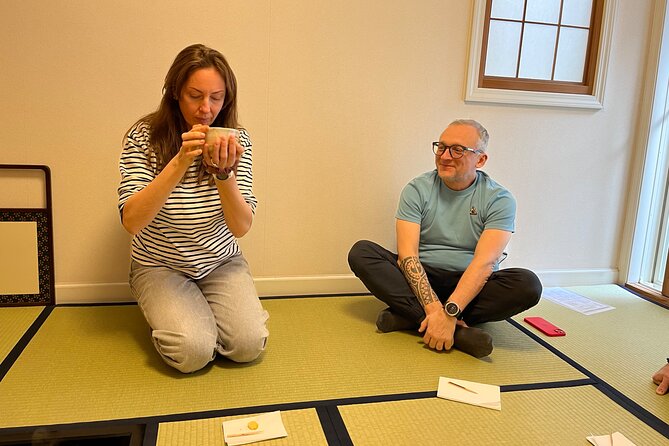
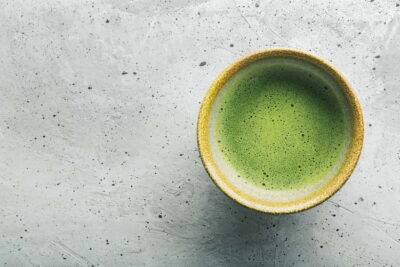
You drink two cups in all. First, Ikuyo-san makes matcha for you while explaining the procedure. Later, you try mixing the tea yourself. That second cup changes your role from observer to participant. Matcha can be foamy and strong, and the act of whisking gives you a better feel for the care involved in serving it.
The description does not state how much caffeine is in each cup or offer alternative drinks. If you are sensitive to caffeine, keep that in mind. The class is centered on matcha, so this is not the place to book if you do not want green tea.
The teacher also provides dried Japanese sweets and additional wagashi. This gives you a chance to compare the sweets you made with prepared examples, though the exact selection can change.
More Tea and Sweets Making in Japan:
- Matcha Making Class in Tokyo with Authentic Japanese Sweets Set
★ 5.0 · 744 reviews - Matcha Making Class in Osaka with Authentic Japanese Sweets Set
★ 5.0 · 509 reviews - Tokyo: Matcha Making Experience with Mochi Sweets in Asakusa
★ 4.9 · 388 reviews - Kyoto: Japanese Traditional Sweets Making and Tea Ceremony
★ 4.4 · 314 reviews
Why the Small Group Size Matters
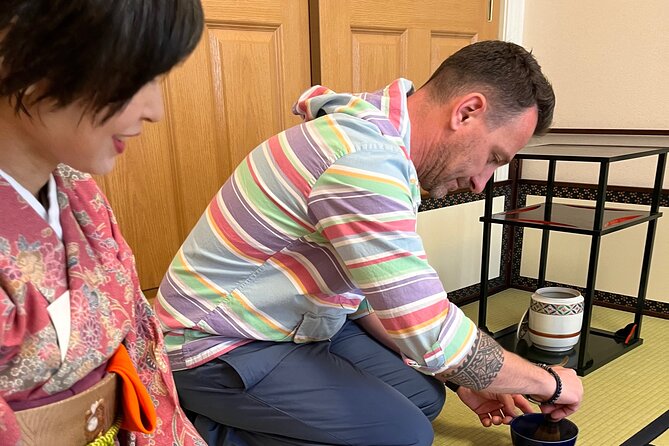
The maximum is four people. That is one of the strongest reasons to consider this experience instead of a larger cultural demonstration.
With four or fewer, you should have a real chance to ask questions about tea ceremony customs, wagashi, charcoal, and the seasonal choice of sweets. You can also get direct help while shaping dough or whisking matcha. A group this small is especially useful for a first visit to Japan, when you may want explanations in plain language rather than a scripted speech.
Small groups can also make quiet traditions feel more natural. You are less likely to feel as if you are performing for an audience. The drawback is that availability may be limited, since the teacher cannot spread the lesson across a large class.
The class suits couples, friends, solo visitors who want a more personal activity, and families with older children. The 13-year-old participants had a good fit with the hands-on work. Very young children may find the tatami-room etiquette and slower tea procedure harder, but no formal age restriction is provided.
Is $97.55 a Fair Price?
At $97.55 per person, this is not a bargain activity. It costs more than a simple tea tasting or a short wagashi sampling. The price makes more sense when you count the three-hour length, ingredients, two cups of matcha, five handmade sweets, four sweets to take home, and instruction in two linked traditions.
You are also paying for the small group and private-home setting. A large class can offer lower prices, but it cannot provide the same amount of individual attention. Here, the teacher handles both the cooking lesson and the ceremony, so you do not have to book two separate activities.
I would call it good value for someone who wants cultural understanding and participation. I would call it expensive for someone who mainly wants a photo in a kimono-style room or a single cup of matcha.
The lack of included transportation details deserves a little care. The meeting point is Azamino Station, and pickup is offered, but you should confirm the pickup arrangement after booking. The activity ends back at the meeting point, which makes it easier to plan the rest of your day.
Planning the Afternoon Around Azamino
The class starts at 1:30 pm and lasts about three hours, so expect to finish near 4:30 pm. Allow extra time to reach Azamino Station, especially if you are coming from central Tokyo or another part of Yokohama.
Azamino is also useful for pairing with the Shin-Yokohama Ramen Museum. The museum is described as about 15 minutes from Azamino Station. You could consider visiting it before or after the class, but check opening hours and allow enough time for the class itself. The tea workshop has a fixed start time, so do not plan a rushed meal immediately beforehand.
Because the class takes place in a home, arrive prepared for a respectful indoor setting. Bring socks. That is the only item specifically required, but comfortable clothing will make it easier to sit in a tatami room.
Confirmation is sent within 48 hours of booking, subject to availability. Free cancellation is available if you cancel at least 24 hours before the start time. Changes or cancellations inside that window are not accepted for a refund.
The Teacher Makes the Difference
Ikuyo-san receives especially warm praise for her manner. She is described as kind, friendly, and able to create a relaxed atmosphere for people with no tea ceremony experience.
That tone is not a minor extra. Tea ceremony can look strict from the outside, with precise movements and formal tools. A teacher who welcomes questions helps you understand that the ceremony is more than a set of rules. You learn how to participate without feeling embarrassed by every small mistake.
Her background also adds weight to the lesson. She is a certified tea teacher who has practiced tea ceremony since childhood. The provided details do not name a particular tea school or explain the certification system, so you should not assume a full academic lecture. You can expect practical instruction, cultural context, and the chance to ask questions directly.
The strongest fit is someone who values a human connection. If you prefer to move quickly between major sights, three hours may feel long. If you want to slow down and focus on one Japanese tradition, the pace should feel worthwhile.
Who Should Book This Experience?
I would recommend it to first-time visitors who want a gentle introduction to Japanese culture. You do not need previous knowledge, and the class combines two activities that make sense together: prepare the sweet, then eat it with tea.
It also suits families with teenagers, couples, and friends who want something quieter than a food tour. The four-person limit helps keep the instruction personal, while the take-home sweets give you a small reminder of the afternoon.
You may want to skip it if you dislike matcha, cannot comfortably sit in a tatami room, or want a short activity close to Tokyo’s main sights. Yokohama’s Azamino area requires planning, and the price is high for a casual snack.
Should You Book the Wagashi and Tea Class?
Book this experience if you want to make Japanese sweets, learn basic tea ceremony etiquette, and spend time with a patient teacher in a private home. The charcoal procedure, seasonal wagashi, two matcha servings, and four sweets to take away give the three hours real substance.
Skip it if you only want a quick tea tasting or a low-cost cooking class. For the right person, though, the $97.55 price buys more than food. It gives you a calm, small-group lesson in how two Japanese traditions connect.
FAQ
Where does the Japanese sweets and tea ceremony class meet?
The meeting point is Azamino Station, 2 Chome Azamino, Aoba Ward, Yokohama, Kanagawa 225-0011, Japan. The activity ends back at the meeting point.
What time does the class start?
The class starts at 1:30 pm and lasts approximately three hours.
How many people can join the activity?
The maximum group size is four travelers.
Do I need to bring anything?
You do not need to bring anything for the wagashi-making class. You must bring socks to enter the Japanese tatami room.
How many wagashi will I make?
You will make five pieces. One is used during the tea ceremony, and the remaining four are taken home.
Is cancellation free?
You can cancel for a full refund if you cancel at least 24 hours before the experience start time. Cancellations or changes made less than 24 hours before the start time are not accepted for a refund.
Just added around Japan
- Yokohama : Tea Ceremony with Sweets and Souvenir★ 5.0 · 5 reviews
- Walking Tour: Yanaka,Nezu& Sendagi: Tea Ceremony & Old Tokyo★ 5.0 · 3 reviews
- Visit local home for music and tea ceremony near Disney★ 4.9 · 13 reviews
- Trip to Kamakura & Enoshima: Shrines, Seaside, Temples &Tea★ 5.0 · 11 reviews
- Yokohama: Sushi & Gyoza Cooking with Matcha & GreenTea Experience★ 5.0 · 3 reviews
- Kyoto tea town for matcha lovers★ 5.0 · 16 reviews
- Uji: Private immersion into Kyoto’s tea and reglious culture★ 5.0 · 17 reviews
- Uji Tea Ceremony and UNESCO Heritage Walking Tour★ 5.0 · 20 reviews
Tea Ceremony Experiences, compared.
Tea Ceremony in a Traditional Tea House in Kiyomizu
Read our review →
Browse the lists this tour appears in