
Review · TOKYO
Making Japanese desserts Nerikiri & drinking matcha in Tokyo
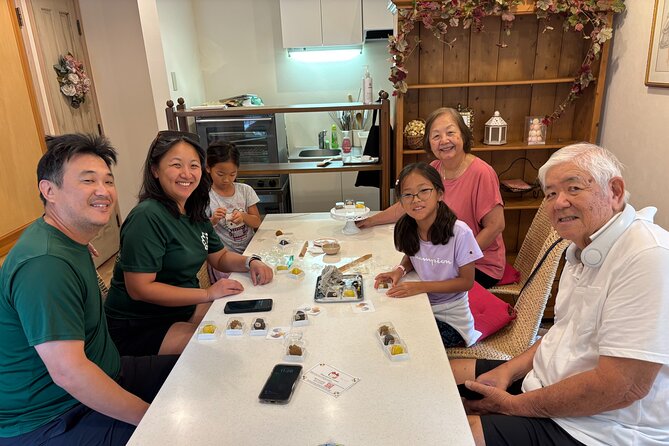
Sugar, tea, and a little patience. This 90-minute class gives you a hands-on way to learn about Japanese confectionery in Tokyo’s Setagaya district. I like that you make three seasonal nerikiri sweets yourself, then sit down with freshly prepared matcha to taste your work. I also like the small maximum of eight people, which should give you useful help instead of leaving you to copy someone across a crowded room.
The main consideration is the changing meeting location. Classes usually take place in a kitchen near Shimokitazawa, but the session may move to Toritsudaigaku Station if the usual space is unavailable. You will receive the location by email, so check that message carefully before setting out.
Key points at a glance
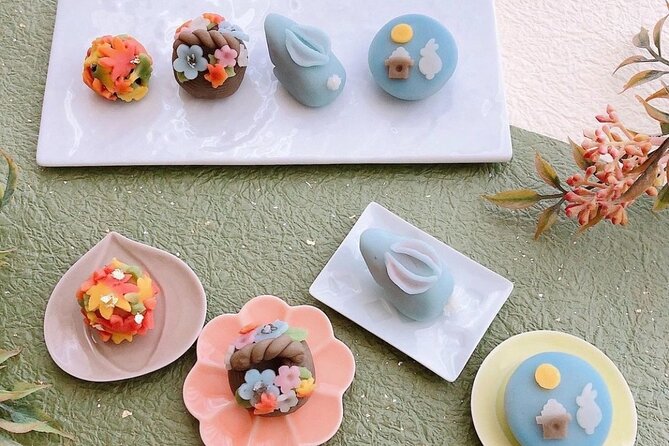
- Make three seasonal nerikiri sweets: The designs change with the season, so the class is not exactly the same year-round.
- Work with your own hands: Your instructor explains each step, then you shape the kneaded dough yourself.
- Enjoy matcha after the lesson: The tea is prepared for you once the sweets are finished.
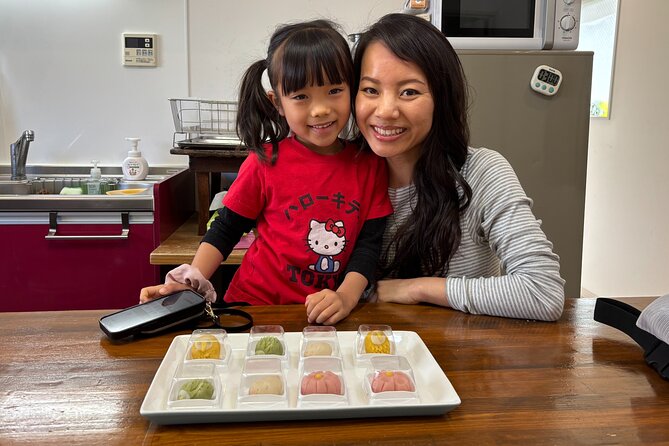
- Take your sweets home: Packets are provided if you do not want to eat everything on the spot.
- Small class, maximum eight people: The format suits beginners and allows for personal attention.
- Shimokitazawa or Toritsudaigaku: Confirm the final venue by email, since the kitchen location can change.
Why this short Tokyo class is worth your time
Tokyo offers plenty of food stops, but many are built around eating rather than learning. This class gives you a modest skill to take away, along with a better sense of how Japanese sweets connect food, design, and the time of year.
You are not simply handed a finished confection. You learn how nerikiri is made, sample a range of sweets, and shape three pieces of seasonal kneaded dough yourself. That practical element matters. Even if your finished sweets look a little less polished than the instructor’s, you will understand the care involved in making them.
I also like the balance between instruction and tasting. The class is not a long lecture about Japanese cuisine. You receive an explanation of nerikiri confectionery, watch the process, make the sweets, and then enjoy matcha with them. For a first introduction, that is a sensible use of 90 minutes.
The class received a 4.9 rating from 20 reviews, with 100 percent recommending it. One especially useful point from the feedback is that the activity felt friendly to beginners and worked well for friends and families. You do not need previous cooking experience to take part.
More Matcha Experiences in Tokyo
- Matcha Making Class in Tokyo with Authentic Japanese Sweets Set
★ 5.0 · 744 reviews - Tokyo: Matcha Making Experience with Mochi Sweets in Asakusa
★ 4.9 · 388 reviews - Asakusa Cultural Walk & Matcha Making Tour
★ 5.0 · 245 reviews
Meeting your instructor in Setagaya
The stated starting point is 3-chōme-20-4 Kitazawa, Setagaya City, Tokyo 155-0031. The class ends at the same meeting point, which keeps the outing simple. It is also near public transportation, making it practical to pair with time in the surrounding Setagaya-ku area.
The venue detail deserves attention. The class is normally held in a kitchen in Shimokitazawa, but a rental-space change can move the session to Toritsudaigaku Station. The instructor sends the exact information by email after your booking, and confirmation is provided within 48 hours, subject to availability.
I would not treat the meeting point as a detail to skim over. Tokyo’s stations and neighborhoods can feel very different, and you do not want to plan your afternoon around Shimokitazawa only to find that your class is elsewhere. Save the instructor’s message and check the address on the day.
The exact location change is also the one logistical weakness of the experience. It is not a problem if you read the instructions, but it does mean you should avoid making a tight connection or booking another activity immediately after class.
The first lesson: what nerikiri means
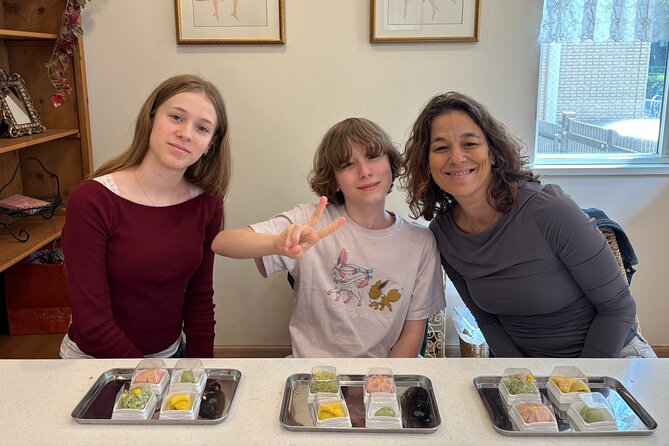
The class begins with an explanation of nerikiri and its place in Japanese confectionery. You will learn about the history of this type of sweet while sampling a range of treats before or during the practical work.
The supplied details do not specify every ingredient or design used in each session, and that is because the sweets change with the season. The important point is that the dough is shaped by hand into forms connected to the time of year. The changing designs give repeat visitors a reason to return, while first-time participants get a seasonal snapshot of Japanese food culture.
This is where the class offers more than a standard dessert workshop. Nerikiri is made to be seen as well as eaten. The shapes and colors are part of the experience, and the instructor’s explanation helps you understand why the sweets are treated as more than a quick sugar fix.
You will also sample several kinds of confectionery. That comparison is useful because it gives you a sense of the wider tradition before you focus on your own three pieces.
Making three seasonal sweets by hand
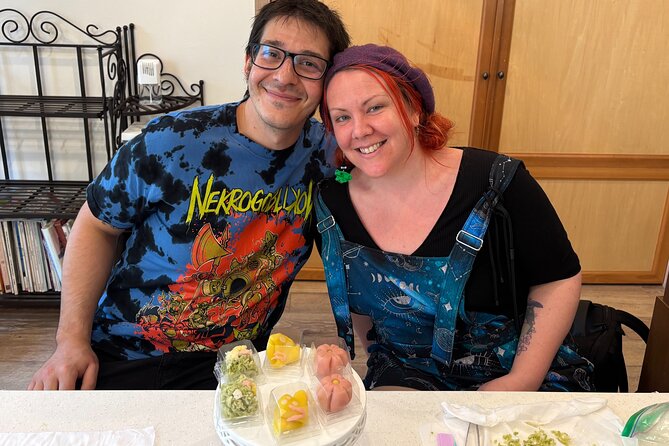
The main activity is the hands-on section. You will make three types of seasonal kneaded dough, following the instructor’s explanation of the process. The class includes the ingredients and tools, so you do not need to bring cooking equipment or buy supplies in Tokyo.
The teaching approach sounds particularly suitable for first-timers. You watch the process, then repeat it with your own hands. In a group capped at eight people, you should have a better chance of asking for help with shaping or correcting a small mistake before moving to the next step.
Do not expect a professional pastry course in 90 minutes. The value here is the chance to learn the basic process and experience the delicate handwork. If your sweets are not perfectly formed, that is part of the fun. The instructor’s sample can show you the target, but your own pieces will be personal souvenirs.
The seasonal element keeps the lesson fresh. You will make the designs chosen for the season of your visit rather than a fixed set used all year. That also means you should not assume you will make a particular shape unless it has been confirmed.
There is one special request option. You may ask to make an owl and a needle mouse, but you must mention this by email. The request may not be possible depending on when you apply, and if you do not request it, the class follows the standard seasonal designs.
That policy is fair, but it rewards early planning. If the owl or needle mouse matters to you, send the request promptly after booking. Otherwise, I would let the seasonal designs be part of the surprise.
Same place, a different pot:
- Kimono Tea Ceremony at Tokyo, Asakusa Maikoya
★ 5.0 · 638 reviews - Tokyo: Traditional Tea Ceremony with a Tea Master
★ 5.0 · 528 reviews - Mt. Fuji & Lake Kawaguchiko Ropeway Panorama Full-Day Tour
★ 4.6 · 236 reviews - Tokyo: Matcha and Kimono Experience
★ 4.7 · 219 reviews
Matcha and the best moment of the class
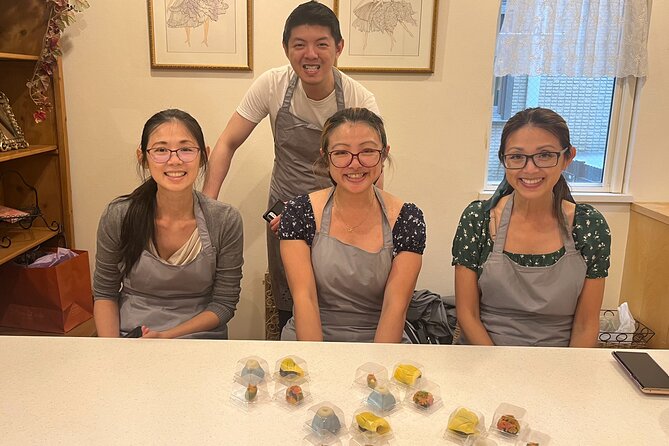
After the sweets are made, the instructor prepares matcha, or powdered green tea. You can eat the nerikiri at the venue with the tea or pack it to take home.
This final portion gives the class a calm finish. You have just handled the dough, and now you can taste the result alongside matcha prepared for the group. I like this more than a workshop that sends you away the instant the practical work ends. The tea creates time to appreciate the sweets and ask any final questions.
You should also think about how you want to use the take-home option. If you have more sightseeing planned, the provided packets let you carry the sweets with you. If you are traveling with children or friends, eating one at the venue and saving the others may be the easiest plan.
No specific storage instructions are provided, so I would follow the instructor’s advice on when to eat them. The packets are convenient, but they do not turn the sweets into long-term souvenirs.
How the 90-minute schedule works
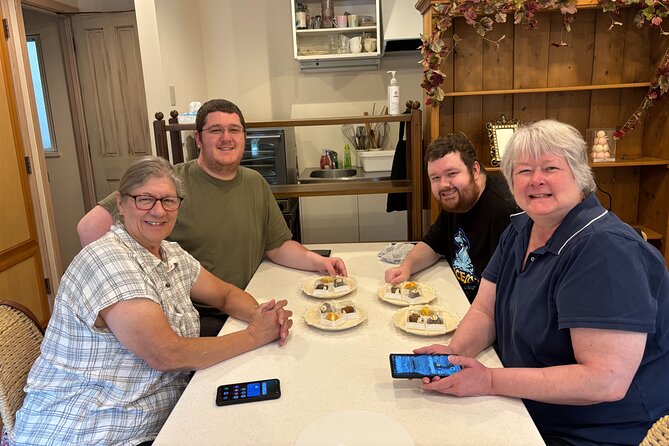
The advertised duration is about 1 hour and 30 minutes. That is long enough for an introduction, the making process, matcha, and tasting without taking up an entire day in Tokyo.
The pace will likely feel best if you arrive ready to focus. You will have several stages to follow, and the point is to work with the dough rather than rush through a photo opportunity. A short class also makes this easy to fit between other plans.
The tradeoff is that there is limited time for extended background discussion. You will learn the history of nerikiri and some facts about Japanese cuisine, but this is still a compact activity. If you want a full cooking course or a broad lesson on Japanese food, this will feel too brief.
For most visitors, the length is a strength. You can add a genuine cultural activity to a Tokyo day without giving up half your schedule.
What the $65.69 price includes
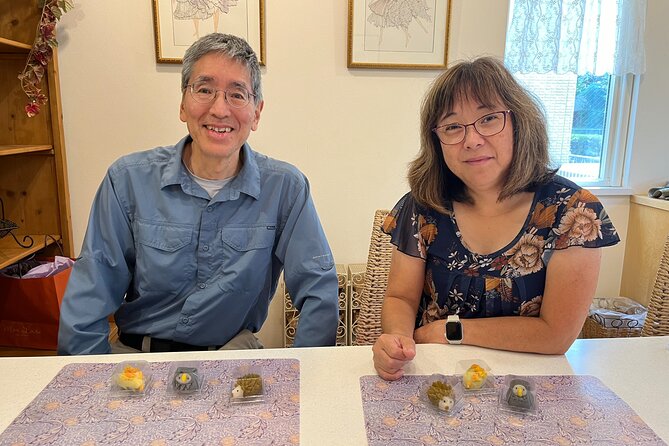
At $65.69 per person, this is not the cheapest dessert you can eat in Tokyo. You are paying for instruction, ingredients, tools, three handmade sweets, matcha, and a small-group setting rather than simply purchasing a finished treat.
I think the price makes the most sense if you value participation. The ingredients and equipment are included, so you do not need to arrange anything separately. The take-home packets also give you something physical to keep, although the main value is the lesson and the time spent making the sweets.
The maximum group size of eight improves the value. A cheaper class with a much larger group might give you less personal help, especially during the shaping stage. Here, the format is designed for attention from the instructor, which is important for a beginner-friendly craft.
Group discounts are available, though the exact savings are not provided. If you are booking with family or friends, check the final price before payment. For solo visitors, couples, or small groups who want a focused cultural activity, the cost is reasonable if you will take part fully.
Shimokitazawa and what to do afterward
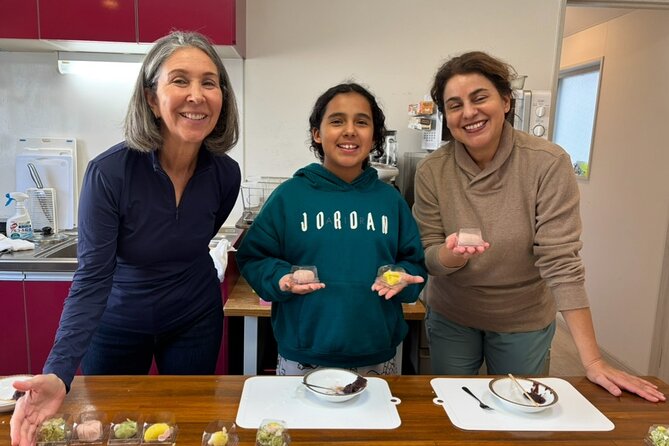
The class makes it easy to continue exploring Setagaya-ku after the lesson. Since the end point is the meeting point, you do not need to arrange a separate return transfer.
Shimokitazawa is the usual setting, though the class can move to Toritsudaigaku Station. That means your post-class plans should be flexible until the venue is confirmed. If you are staying in the area, you can build the afternoon around the class. If you are crossing Tokyo afterward, allow extra time for the change in location.
The activity itself does not include a guided neighborhood walk. You will be free to explore on your own once it ends. I would treat the class as one part of a Setagaya outing rather than assume the instructor will provide a full district tour.
Who will enjoy this class most
I would recommend this experience to several kinds of visitors:
- First-time learners: The process is hands-on and designed for beginners.
- Families: Making sweets gives children and adults a shared task, though the supplied information does not specify a minimum age.
- Friends and couples: The small group creates an easy setting for doing something together.
- Food-focused visitors: You get context about Japanese confectionery, not just a tasting.
- Repeat Tokyo visitors: The seasonal designs offer something different from a standard sightseeing route.
- Visitors with limited time: Ninety minutes leaves room for other plans.
It may be less suitable if you want a long class, a large meal, or a fixed location with no chance of change. It is also not the right choice if you prefer simply to sample sweets without making them.
Practical tips before you book
Read the location email as soon as it arrives. The normal venue is in Shimokitazawa, but Toritsudaigaku Station may be used when the regular kitchen is unavailable.
If you want the owl and needle mouse designs, make the request by email after booking. The request is not guaranteed, especially if made late, so do not book this class solely for those exact shapes.
Plan to stay for the matcha and tasting. You can take the sweets home, but eating at least some of them on site completes the lesson and lets you enjoy them at their freshest.
Keep your schedule loose around the class. The activity lasts about 90 minutes, but a changed venue or Tokyo transit connection can make a rushed onward booking uncomfortable.
Cancellation is free if you cancel at least 24 hours before the start time. Changes or cancellations inside that window are not accepted for a refund, so check the local start time carefully.
Should you book this nerikiri and matcha class?
Book it if you want a small, practical taste of Japanese food culture rather than another stop where you only take photographs. The combination of seasonal sweets, hand shaping, cultural explanation, matcha, and take-home packets gives the $65.69 price a clear purpose.
I would especially choose it for a family, couple, or small group of friends. The beginner-friendly format and maximum of eight people should make the lesson comfortable, while the 90-minute length fits neatly into a Tokyo itinerary.
Before paying, make sure the changing venue will not disrupt your plans, and do not count on a special animal design unless you request it early and receive confirmation. If those details work for you, this is a pleasant way to slow down, make something with your hands, and leave Tokyo with a better understanding of a refined Japanese sweet.
FAQ
How much does the nerikiri and matcha class cost?
The listed price is $65.69 per person. Group discounts are available, though the exact discount is not specified.
How long does the class last?
The activity takes approximately 1 hour and 30 minutes.
Where does the class meet?
The usual meeting point is 3-chōme-20-4 Kitazawa, Setagaya City, Tokyo 155-0031, Japan, in the Shimokitazawa area.
Can the class location change?
Yes. Because the kitchen is a rental space, the class may instead be held near Toritsudaigaku Station. The instructor will send the confirmed location by email.
How many people can join the class?
The class has a maximum of eight participants.
What will I make?
You will make three types of seasonal kneaded dough used for nerikiri sweets. The designs change according to the season.
Can I take the sweets home?
Yes. Packets are provided, so you may take the nerikiri home instead of eating all of it at the venue.
Can I request an owl and a needle mouse design?
You may request those designs by email, but the request is not guaranteed. If you do not make a request, the class will use the seasonal designs.
Is matcha included?
Yes. After you make the sweets, the instructor prepares matcha for you to enjoy with them.
How late can I cancel for a full refund?
You can cancel at least 24 hours before the experience start time for a full refund. Cancellations or changes made less than 24 hours before the start time are not refunded or accepted.
More Drinking Tours in Tokyo
- Tokyo Sushi Making Class : Sake Ceremony & Matcha Experience
★ 5.0 · 44 reviews - Private Tea Ceremony and Sake Tasting in Kyoto Samurai House
★ 5.0 · 163 reviews - Kyoto Local Gourmet Night Experience: Kaiseki & Izakaya & Matcha
★ 5.0 · 22 reviews - Shanghai Mahjong Experience in Local Tea Bar
★ 5.0 · 4 reviews
Just added around Tokyo
- Yokohama : Tea Ceremony with Sweets and Souvenir★ 5.0 · 5 reviews
- Walking Tour: Yanaka,Nezu& Sendagi: Tea Ceremony & Old Tokyo★ 5.0 · 3 reviews
- Private Kimono and tea ceremony at local home near Tokyo Disney★ 5.0 · 6 reviews
- Private Mochi・Matcha sweets Making Class Near Shibuya Area★ 5.0 · 22 reviews
- Tokyo Sweets Tour: Hidden Gems & Matcha at an Old Tea House★ 5.0 · 6 reviews
- Kimono and Tea Ceremony in Asakusa Private Food Tour With Guide★ 5.0 · 4 reviews
- 2 Hours Mochi &Nerikiri Making & Matcha Class in Bunkyo★ 5.0 · 21 reviews
- Tokyo Tea Ceremony Class at a Traditional Tea Room★ 5.0 · 2 reviews
Matcha Experiences in Tokyo, compared.

Matcha Making Class in Tokyo with Authentic Japanese Sweets Set
Read our review →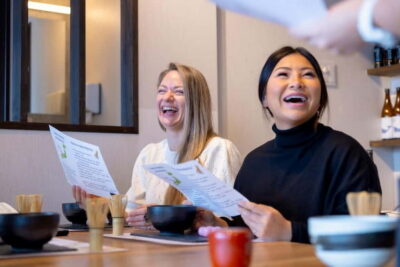
Matcha Making Experience with Mochi Sweets in Asakusa
Read our review →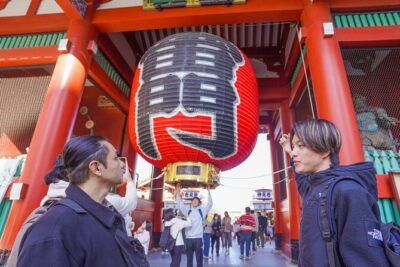
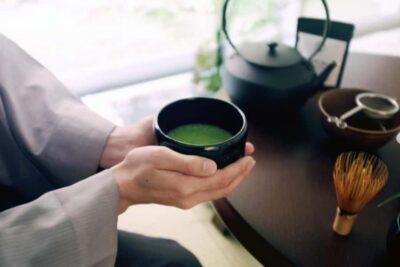
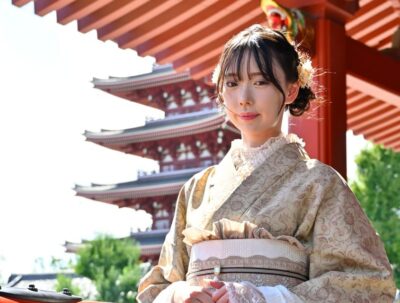
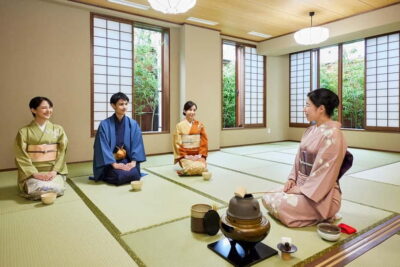
Asakusa: Kimono Tea Ceremony with Matcha and Sweet
Read our review →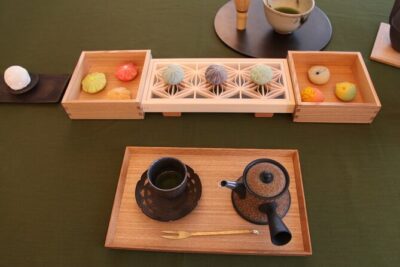
Make Traditional Nerikiri Sweets & Matcha experience in Shibuya
Read our review →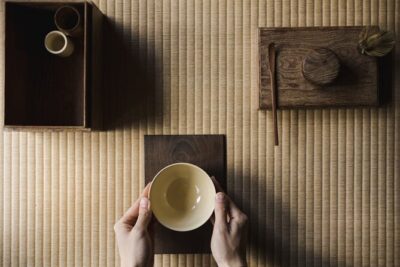
Browse the lists this tour appears in