
Review · KYOTO
Traditional Tea Ceremony in Kyoto
Tea can be a quiet lesson in Japan. This 90-minute Kyoto tea ceremony explains the movements, objects, sweets, and etiquette behind chanoyu, rather than asking you to sit silently and guess what is happening. Randy Channell Soei, the highest-ranked tea master from outside Japan, leads the experience in a Kyoto townhouse.
I like two things right away: you get to taste Kyoto-grown matcha and traditional sweets, and you prepare your own bowl of matcha instead of simply watching. The main consideration is the setting. You sit on benches rather than tatami mats or low tables, so this is practical and comfortable, but it may feel less like the classic image of a Japanese tea ceremony.
I also like the ryurei format, a style developed in the 1870s for welcoming foreign dignitaries. It gives you useful cultural context and makes the ceremony easier to follow. At $56.34 per person, the price is fair for a small cultural lesson with a tea master, though the group can reach 25 people and the townhouse may feel cramped.
Key points to know before booking
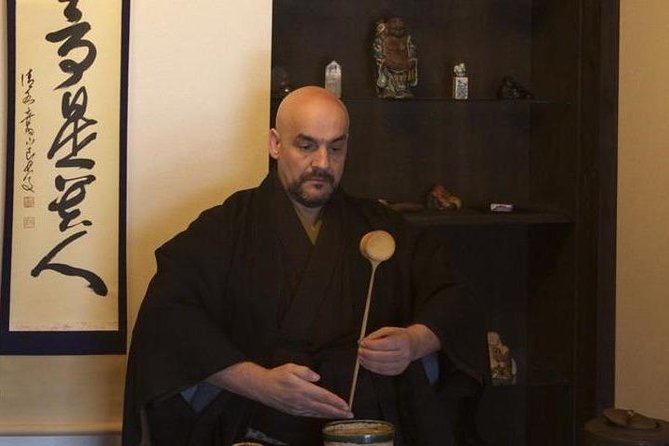
- Randy Channell Soei leads the ceremony: He is the highest-ranked tea master from outside Japan and explains the custom as you watch and participate.
- Ryurei uses benches and tables: You are not seated on tatami mats or the floor, which helps if kneeling is uncomfortable, but the setting is less traditional in appearance.
- You make your own matcha: This hands-on step gives you a better sense of the care and technique involved in preparing the tea.
- Kyoto sweets are included: Traditional sweets from well-known Kyoto makers accompany the matcha and help balance its bitter taste.
- The experience lasts about 1 hour 30 minutes: It fits neatly into a morning or afternoon in Kyoto.
- The group may contain up to 25 people: You should expect a shared teaching session rather than a private appointment.
Why this Kyoto tea ceremony is more than a cup of tea
In Japan, tea ceremony is not simply a method for making a hot drink. Chanoyu brings together hospitality, movement, seasonal food, careful objects, and respect between host and guest. Without an explanation, many of those details can pass you by.
This experience is useful because it opens up the ceremony as a cultural practice. You learn what happens during a formal tea gathering, why certain gestures matter, and how matcha is handled. The lesson gives you a way to read the ceremony instead of treating it as a pretty but puzzling performance.
I especially like that the experience includes both watching and doing. You first see the process in the hands of an expert, then prepare your own bowl. That balance is better than a demonstration alone because you notice how much control goes into each step.
The ceremony follows ryurei, a style that dates to the 1870s. Its purpose was to offer formal hospitality to visiting foreign dignitaries. That background gives the session a clear focus: you are being shown how tea can act as a polite welcome, not just how to whisk matcha.
More Tea Ceremonies in Kyoto
- Kyoto: Tea Ceremony in a Traditional Tea House in Kiyomizu
★ 4.9 · 3,519 reviews - Kyoto: Tea Ceremony Ju-An at Jotokuji Temple
★ 4.9 · 3,207 reviews - Kyoto: 45-Minute Tea Ceremony Lesson Experience
★ 4.3 · 2,378 reviews
Meeting Randy Channell Soei in a Kyoto townhouse
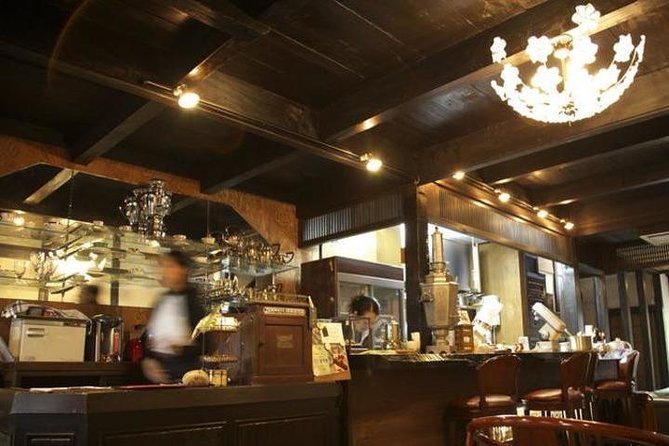
The ceremony takes place in a Kyoto townhouse at ran Hotei, at 64 Kamikawaracho in Nakagyo Ward. The location is near public transportation, but transportation to and from the activity is not included, so you need to make your own way there.
The host, Randy Channell Soei, is a distinctive figure in the Japanese tea world. He is described as the highest-ranked tea master from outside Japan, which makes his role part of the interest. You are not only learning about an old Japanese practice, but also seeing how that practice has been taught and carried forward by a master from another country.
That can make the session easier to approach. A formal tea ceremony has many rules, and first-time participants can worry about making a mistake. A teacher who specializes in explaining the custom to an international audience can help you understand what you are seeing without feeling lost.
The townhouse setting adds a sense of place, though you should keep your expectations in check. The room is reported to be small, and a full group can include as many as 25 people. This is not the hushed, private tea room experience shown in many travel photographs.
Still, a compact room has one practical benefit: the ceremony remains focused. You are there for the tea, the explanation, and the chance to prepare matcha yourself. If you want an intimate appointment for two, this may not be the right choice. If you want an accessible introduction in a real Kyoto setting, it makes more sense.
Understanding the ryurei ceremony
Ryurei is important here because it changes how you take part. Instead of sitting on tatami mats or kneeling at low tables, you use benches and tables. This is the formal style associated with hospitality for foreign dignitaries, and it is specifically suited to people who may not be used to traditional floor seating.
The seating is a mixed blessing. I see the comfort and practicality immediately, especially for anyone who cannot kneel easily or prefers a chair. At the same time, someone seeking the visual details of a floor-based tea room may feel that the ceremony is not as authentic as expected.
That distinction is worth considering before you book. Authenticity is not only about sitting on tatami. The ritual, the tea, the sweets, and the instruction still connect you to the customs of chanoyu. But the physical setting matters, and the experience makes a deliberate choice to welcome an international audience through ryurei.
You should also expect explanation rather than complete silence. The point is to discover the details of a formal ceremony and study its etiquette. This is a learning experience, not simply a staged photo opportunity.
Matcha, sweets, and the hands-on lesson
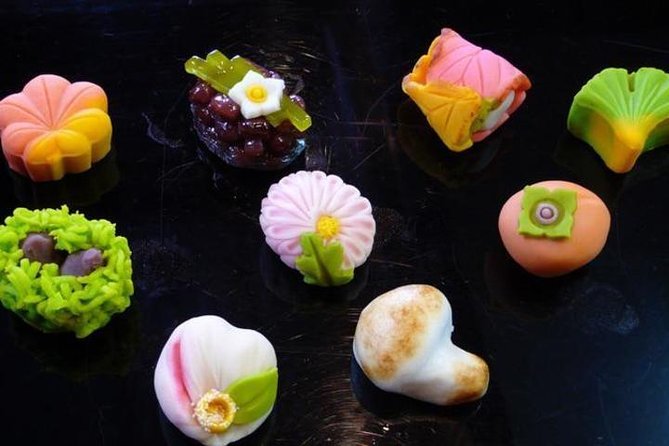
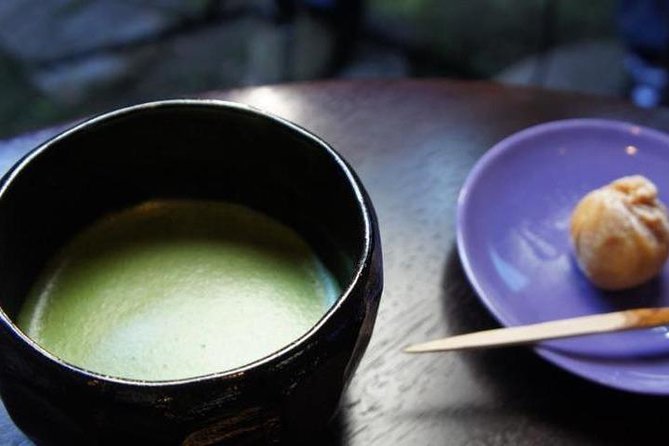
The food and drink are central to the value of the session. You receive Randy Sensei’s original Kyoto-grown matcha, along with traditional sweets from famous Kyoto sweet makers. The sweets are not just a snack on the side. They help you understand how the flavors of tea and confectionery work together.
Matcha has a strong, grassy bitterness that may surprise you if you have only tasted sweetened green tea drinks. The traditional sweets provide a counterpoint, allowing the tea to taste less severe. One participant specifically praised the flavor of the tea, while another said the session changed their opinion of matcha.
The most useful part for many people will be making your own bowl. You do not simply watch Randy prepare tea and then receive a cup. You get a chance to handle the process yourself, under instruction. That makes the lesson memorable because even a simple bowl requires attention to proportion, movement, and presentation.
You should not expect to leave as a tea master after 90 minutes. The value is more modest and more practical. You gain a basic understanding of how matcha is prepared and why the ceremony treats the act with such care.
A group photo is included as well. It is a small addition, but it gives you a keepsake of the session and marks the activity as a shared cultural experience.
Same place, a different pot:
- Kyoto: Table-Style Tea Ceremony at a Kyo-Machiya
★ 4.9 · 1,211 reviews - Kimono Tea Ceremony at Kyoto Maikoya, NISHIKI
★ 5.0 · 911 reviews - Kyoto: Arashiyama Bamboo Forest, Monkeys, Matcha & Temple Tour
★ 5.0 · 759 reviews - Kyoto: Kimono Tea Ceremony at Orizuruya Gion
★ 4.9 · 618 reviews
What the 90-minute schedule feels like
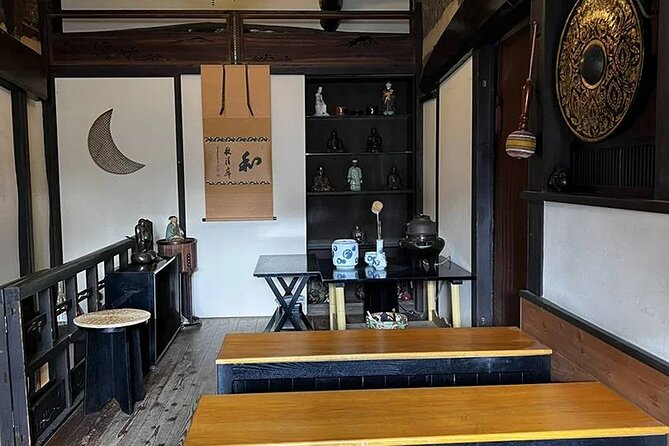
The experience lasts about an hour and a half, long enough to cover the ceremony without taking over your day. You can place it between visits to Kyoto sights, though you should allow time to reach the townhouse independently.
The session begins with the formal tea experience and an explanation of the ryurei style. As Randy Sensei demonstrates the custom, you learn how a proper ceremony unfolds and how the host presents hospitality.
The teaching then moves toward the details that first-time participants need most. You learn about matcha, the sweets, and the etiquette connected with this old Japanese custom. The exact order of each activity is not specified, so you should think of the visit as a guided lesson rather than a rigid sightseeing program.
The hands-on preparation gives the session a natural second half. After watching the master, you prepare your own bowl of matcha and taste it with the sweets. That change from observation to participation keeps the experience from becoming a lecture.
Ninety minutes is a sensible length. A shorter visit might cover only the basic demonstration, while a much longer session could feel slow for someone new to tea ceremony. Here, you have enough time to ask questions, try the process, and leave with a clearer idea of what you saw.
The small room and group size matter
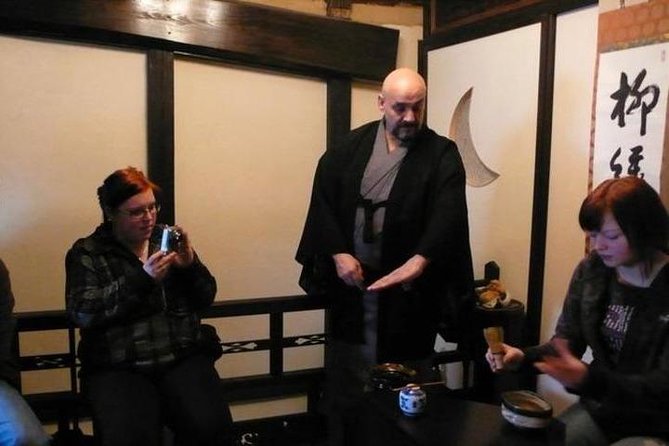
The experience accepts up to 25 people. That is not a huge group for a guided activity, but it is large enough to affect the atmosphere in a small townhouse.
You may have to share the teacher’s attention with many others. If everyone is preparing tea, the session can feel organized and instructional rather than intimate. The included group photo also fits this format.
One of the available assessments described the room as very small and expected something more traditional. That is the clearest warning to take seriously. The activity may feel less polished or spacious than its price and subject suggest.
On the other hand, the group format can make the experience less intimidating. You are not the only beginner handling matcha or learning the etiquette. Most people can participate, and the ceremony is designed for an international audience.
I would choose this activity for a first introduction, especially if you want a clear explanation in English or a setting that does not require sitting on the floor. I would look elsewhere if your priority is a private, highly formal ceremony in a traditional tatami room.
Is $56.34 a fair price?
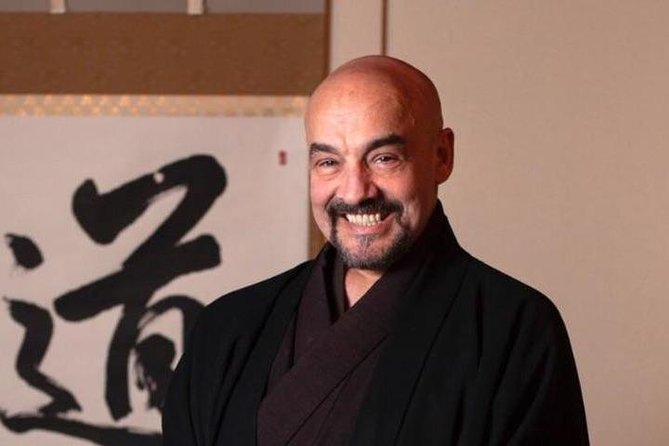
At $56.34 per person, this is not the cheapest way to taste matcha in Kyoto. You are paying for more than a drink, though. The fee includes instruction from Randy Channell Soei, the tea ceremony, Kyoto-grown matcha, traditional sweets, your own preparation of tea, and a group photograph.
That makes the price reasonable for a structured cultural activity. The hands-on portion matters most to the value. You get an explanation of the ritual, then a chance to test what you have learned. A simple cup of matcha would cost much less, but it would not give you the same context.
The value drops if you want an intimate atmosphere or a classic floor-seated ceremony. The room can be small, the group can reach 25, and transportation is not included. You also do not receive a kimono, so this is not a dress-up experience.
Group discounts may be available, which could improve the price for families or larger parties. The activity is booked an average of 61 days ahead, so you should not assume that a last-minute place will be available, especially during a busy Kyoto visit.
Who will enjoy this experience most?
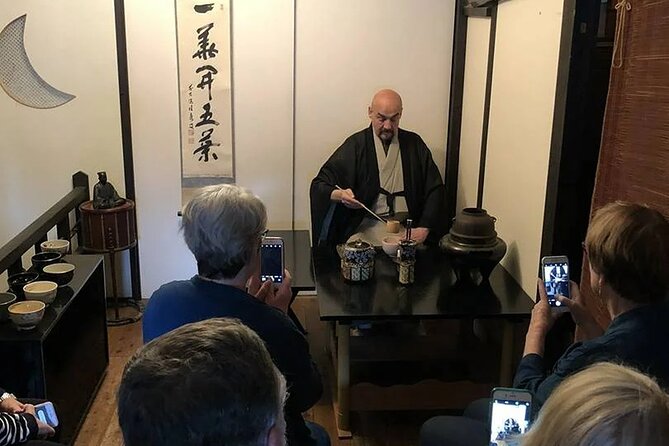
This ceremony suits you if you want to understand the meaning behind matcha rather than simply photograph it. It is a good choice for first-time visitors to Kyoto, people interested in Japanese etiquette, and anyone who likes a cultural activity with a clear beginning, lesson, and practical exercise.
It also suits you if kneeling on tatami is a concern. The bench seating removes that physical demand. Parents and older participants may find the format easier, though the provided information does not specify a minimum age.
You may also like it if you are curious about how traditional customs adapt to an international audience. Ryurei was created for formal hospitality to foreign dignitaries, and this version continues that welcoming purpose.
I would hesitate to recommend it to you if your main goal is a silent, private ceremony or a picture-perfect tea room. The group size, small room, and bench seating are not minor details. They shape the whole visit.
The experience is also a good fit for someone who has never tasted matcha. One person who attended said they learned to make it and came away liking it. That is a useful result from a short activity: you leave with a new skill and perhaps a new taste.
Practical details before you go
You meet at ran Hotei, 64 Kamikawaracho, in Kyoto’s Nakagyo Ward, and the activity ends at the same meeting point. The location is near public transportation, but you are responsible for getting there because transport is not included.
A mobile ticket is available, making entry simple. Confirmation arrives within 48 hours of booking, subject to availability. Since the experience is often reserved well in advance, I would book early if it is an important part of your Kyoto plans.
Kimono rental or dressing is not included. Wear what makes you comfortable for a seated cultural lesson, and remember that the seating is on benches rather than tatami mats or low tables.
Free cancellation is available if you cancel at least 24 hours before the local start time. Cancellations or changes made inside that 24-hour window are not accepted for a refund.
Should you book the Kyoto tea ceremony?
Book it if you want a friendly, hands-on introduction to chanoyu with clear instruction, Kyoto sweets, and a chance to prepare your own matcha. Randy Channell Soei’s background gives the lesson a distinctive guide, and the ryurei format makes the ceremony more comfortable for an international audience.
Skip it if you want a private tea room, tatami seating, or a kimono experience. The small townhouse and possible 25-person group can make the visit feel less intimate than you expect.
For most first-time visitors, I see this as a worthwhile cultural stop, provided you understand what you are buying. It is not a grand ceremonial production. It is a practical lesson in tea, hospitality, and etiquette, with enough tasting and participation to make the ideas stick.
FAQ
Where does the tea ceremony take place?
It takes place at ran Hotei, 64 Kamikawaracho, Nakagyo Ward, Kyoto, Japan. The activity ends back at the same meeting point.
How long does the experience last?
The tea ceremony lasts approximately 1 hour and 30 minutes.
How much does the experience cost?
The listed price is $56.34 per person. Group discounts are available.
Is transportation included?
No. Transportation to and from the meeting point is not included, though the location is near public transportation.
Will I sit on tatami mats?
No. You sit on benches rather than tatami mats or low tables.
Is a kimono included?
No. Kimono is not included with the experience.
Do I get to make matcha myself?
Yes. The experience includes the chance to make your own bowl of matcha.
Can I cancel for a full refund?
Yes, if you cancel at least 24 hours before the experience start time. Cancellations and changes made less than 24 hours before the start time are not accepted for a refund.
Just added around Kyoto
- Uji Walking Tour – Byodo-in temple and Tea Ceremony from Kyoto★ 3.5 · 3 reviews
- Tea ceremony at Kyoto’s Zen Temple Teahouse★ 5.0 · 2 reviews
- Kyoto: Authentic Tea Ceremony in a Small Group★ 5.0 · 7 reviews
- Tea Ceremony in 150 Years Old Townhouse with Tables and Chairs★ 5.0 · 22 reviews
- Tea Ceremony Experience in Traditional Kyoto Townhouse★ 5.0 · 19 reviews
- Silent Beauty of Kyoto Zen Walk and Tea Experience★ 5.0 · 2 reviews
- Kyoto Private Tea Ceremony at a Japanese Inns★ 5.0 · 12 reviews
- Kyoto Newly Opened Private Tea Ceremony – Sanjo Chasuian★ 5.0 · 2 reviews
Tea Ceremonies in Kyoto, compared.
Tea Ceremony in a Traditional Tea House in Kiyomizu
Read our review →
Tea Ceremony in 100-year-old Kyo-Machiya Townhouse
Read our review →
Browse the lists this tour appears in