
Review · KYOTO
Tea Ceremony Experience in Traditional Kyoto Townhouse
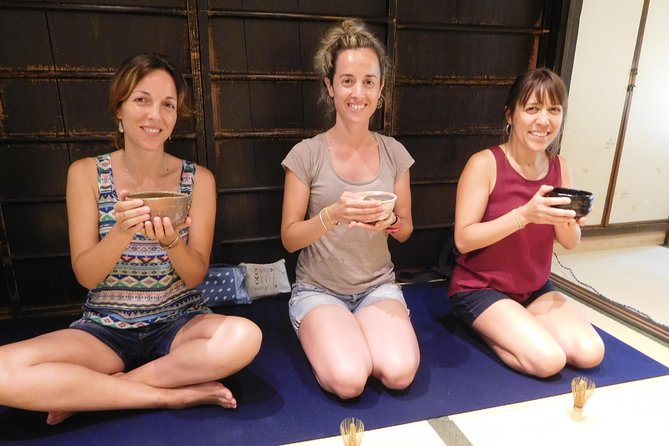
Matcha tastes better with a little context. This one-hour session brings you into an 80-year-old machiya, where you learn to prepare matcha and watch a careful tea ceremony demonstration. I like the hands-on brewing and the chance to see a traditional Kyoto townhouse from inside. The main tradeoff is time: one hour gives you a focused introduction, not a full study of tea culture.
At $27.59 per person, the experience offers a useful mix of instruction, culture, a bowl of matcha, and Japanese sweets. I also like the small maximum of six people, which should make it easier to follow the demonstration and ask questions. You will need to reach the meeting point yourself, and confirmation can take up to 48 hours.
Key points to know
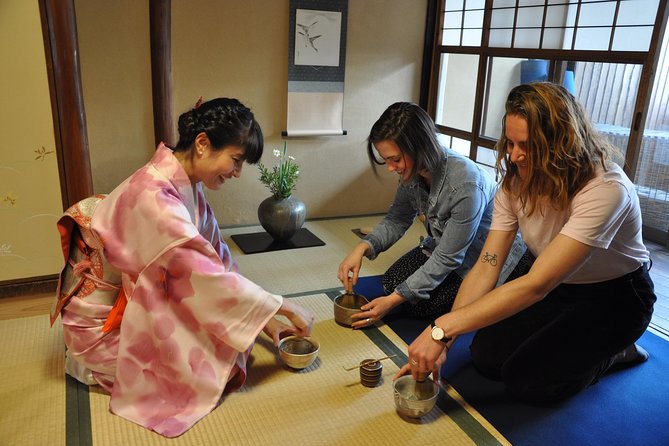
- An 80-year-old Kyoto machiya: Spend the session inside one of the city’s remaining traditional wooden townhouses.
- Hands-on matcha preparation: You do not only watch. You learn how to brew your own cup.
- Small group size: The activity accepts a maximum of six people, keeping the lesson personal.
- Cultural background included: The session explains tea ceremony traditions once linked with monks and samurai.
- Matcha and Kyoto sweets included: Your tea comes with Japanese confectionery from a well-known Kyoto maker.
- Convenient one-hour format: It fits neatly into a busy day of sightseeing, though the short length limits how far the lesson can go.
What this Kyoto tea experience is really like
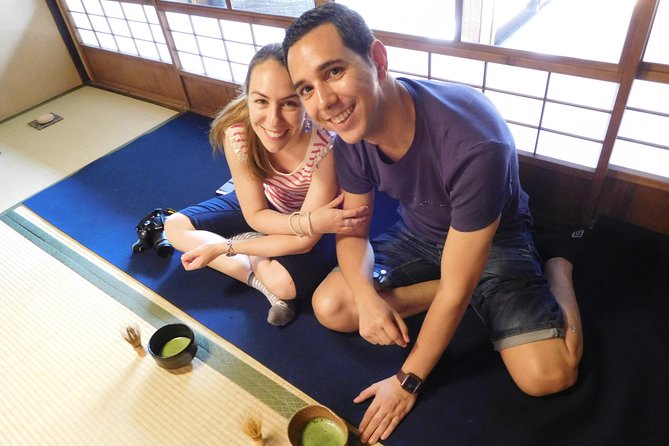
This is a compact cultural lesson built around matcha, Japan’s powdered green tea. You spend about an hour at Ami Kyoto, a traditional townhouse in central Kyoto, learning the basic ideas behind tea preparation and taking part in the process yourself.
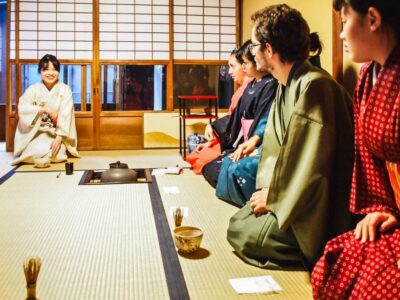
That hands-on element matters. A formal tea ceremony can look slow and mysterious if you only watch from the side. Here, you get an explanation of what is happening, see a personalized demonstration, then prepare tea yourself. You will not become a tea master in sixty minutes, but you should leave with a clearer sense of the care involved.
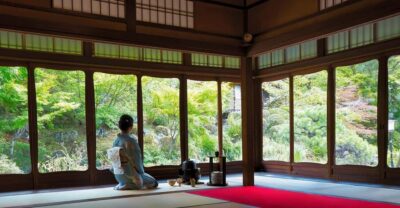
The setting adds much of the charm. Kyoto once had many machiya, narrow wooden homes and shops built for city life. This particular house is about 80 years old. It is not simply a room hired for a class. The townhouse gives the activity a physical link to old Kyoto, making the tea lesson feel tied to the city rather than placed in a generic studio.
More Tea Ceremonies in Kyoto
- Kyoto: Tea Ceremony in a Traditional Tea House in Kiyomizu
★ 4.9 · 3,519 reviews - Kyoto: Tea Ceremony Ju-An at Jotokuji Temple
★ 4.9 · 3,207 reviews - Kyoto: 45-Minute Tea Ceremony Lesson Experience
★ 4.3 · 2,378 reviews
Entering the 80-year-old machiya
The first stop is also the only stop: Ami Kyoto at 605 Nishidacho, Shimogyo Ward. The activity begins and ends there, so you do not spend time changing buses or following a guide across the city.
The townhouse itself is the main setting. A machiya offers a different atmosphere from a large tea room or modern cultural center. Its wooden construction and simple design help you notice the restrained style associated with traditional Japanese interiors. The information provided does not promise a full architectural tour, so you should think of the house as the setting for the lesson, with a chance to appreciate its character along the way.
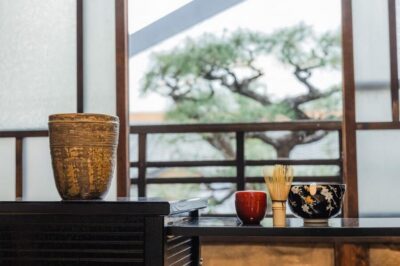
I like this arrangement because the surroundings do part of the teaching. Tea ceremony is not only about the drink. The room, the objects, the movements, and the calm pace all shape the experience. A traditional home makes that connection easier to understand.
The address is near public transportation, which helps when you are planning around other Kyoto sights. Hotel pickup and drop-off are not included, so allow enough time to find 605 Nishidacho on your own. Since the experience lasts only about an hour, arriving promptly matters.
Learning why matcha ceremony matters
The lesson includes background on the history of the tea ceremony and its links with monks and samurai. That context gives meaning to the careful movements you see during the demonstration.
You may already know that matcha is made from powdered tea rather than steeped leaves. What this session adds is an explanation of how preparation became a formal cultural practice. Tea preparation developed into a ritual with attention to hospitality, presentation, and behavior. The class presents that tradition in a practical way rather than leaving you to guess what each movement means.
The supplied information does not identify a named tea master or promise a particular language, so you should confirm any language needs before booking. It does identify Kimi from Ami Kyoto in the provider’s replies, and the tone of those replies suggests a welcoming host who takes care with the session. Do not expect a long academic lecture. The format is designed for a short, accessible introduction.
This is especially useful if you are visiting Kyoto for the first time and want more than a quick photo in traditional clothing. The ceremony gives you a small but meaningful window into an important part of Japanese culture.
Making your own bowl of matcha
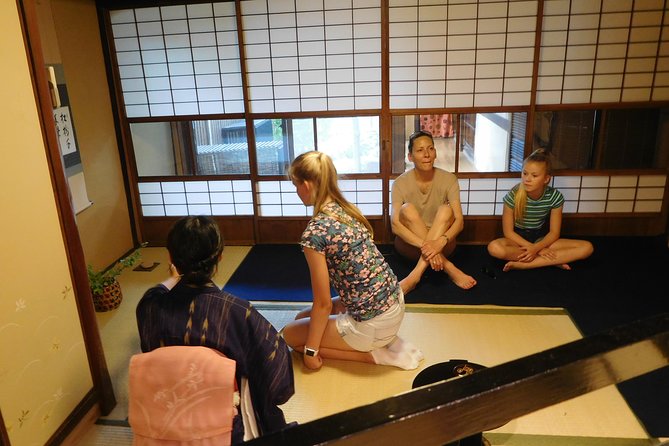
The practical part is the heart of the activity. You learn how to prepare a bowl of matcha, including the basic method for creating a smooth drink from powdered tea and water.
The tea used for the workshop comes from an organic farm. That detail may appeal to matcha fans who care about the source and quality of the ingredients. The experience does not provide a farm visit or a detailed tasting of different grades, so keep your expectations focused on preparation rather than a full tea-production lesson.
You also watch a demonstration tailored to the group. The information describes these as personalized demonstrations, which suggests the host can respond to the people in the room rather than simply reciting a fixed presentation. With no more than six people, you should have a reasonable chance to see the process clearly.
The hands-on format makes this a good pick for couples, families, and small groups of friends. One review describes parents taking part and enjoying both the clear explanations and the chance to make tea. That detail matters because the activity is not aimed only at serious tea enthusiasts. The instructions are intended to be simple enough for beginners.
Still, the short duration sets a limit. You will learn the basic process, but you will not cover every rule, utensil, regional style, or school of tea ceremony. If you want a long, highly formal ritual, this may feel introductory. If you want to understand the basics and try them yourself, the length works well.
Same place, a different pot:
- Kyoto: Table-Style Tea Ceremony at a Kyo-Machiya
★ 4.9 · 1,211 reviews - Kimono Tea Ceremony at Kyoto Maikoya, NISHIKI
★ 5.0 · 911 reviews - Kyoto: Arashiyama Bamboo Forest, Monkeys, Matcha & Temple Tour
★ 5.0 · 759 reviews - Kyoto: Kimono Tea Ceremony at Orizuruya Gion
★ 4.9 · 618 reviews
Matcha with Kyoto confectionery
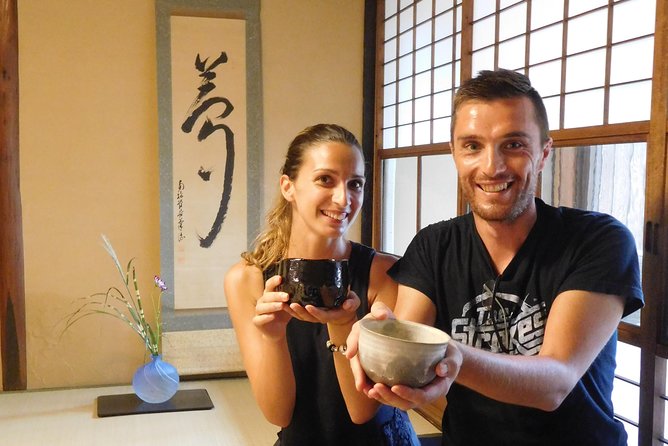
The price includes a bowl of matcha and Japanese sweets. That pairing is more than a snack break. Japanese tea service often considers the tea and sweet together, with the confection balancing matcha’s strong, sometimes bitter flavor.
The sweets come from a famous Kyoto confectionary, according to the experience details. The exact sweet is not specified, so do not book expecting a particular wagashi, seasonal design, or flavor. You can expect Japanese confectionery to accompany the tea, but the type may vary.
I like that the refreshment is part of the lesson rather than an extra purchase. At $27.59, the included tea and sweets help make the cost feel reasonable, especially when combined with the instruction and access to the machiya. You are paying for a small cultural activity, not simply for a cup of tea.
Matcha can be an acquired taste. If you prefer sweetened tea, remember that traditional matcha may taste grassy or bitter, and the confection is often meant to soften that impression. The experience is a better fit for someone curious about the real drink than for someone seeking a sweet café beverage.
Why the group size matters
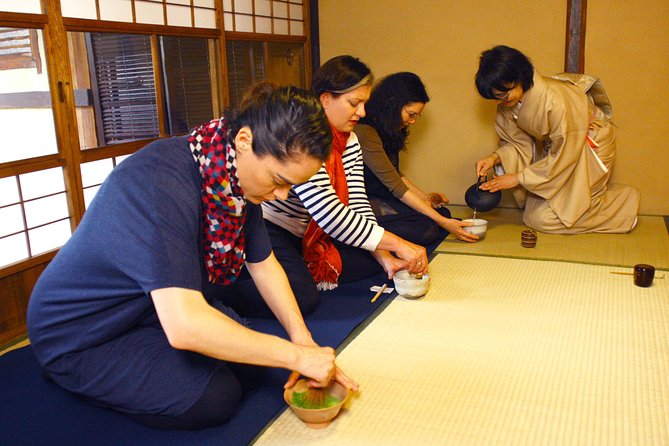
The maximum group size is six people. That is one of the strongest practical features of the activity.
A small group should make it easier to see the host’s hand movements, hear the explanations, and take your turn during the preparation portion. It also gives the session a quieter feel than a large class. The available rating is 5 out of 5 from 19 reviews, and all recommendations are positive. The most praised points are the kind, professional hosting, clear explanations, thorough demonstration, and enjoyable hands-on preparation.
Those comments point to the right reason to book: the teaching style. The activity is not just a backdrop for photographs. You get an explanation, a demonstration, and a chance to practice.
Group size can change the feel of a one-hour class, so the six-person limit is worth noting when comparing similar activities. It does not guarantee a private lesson, but it keeps the class small. If the session fills, you may still be sharing the room with five other people, so those seeking complete privacy should ask the provider before booking.
Price, timing, and what the hour gives you
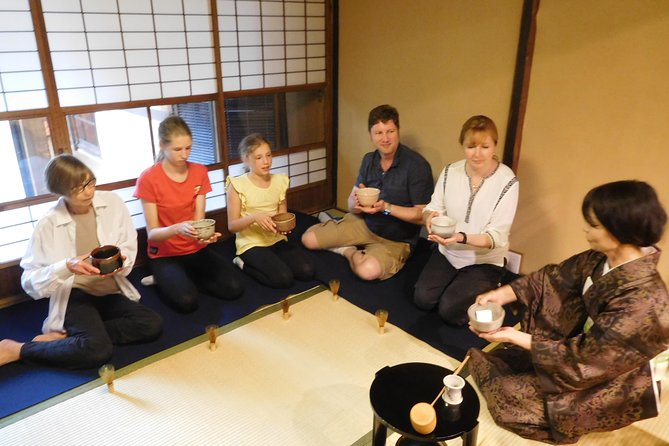
The listed price is $27.59 per person. For that amount, you receive entry to the machiya setting, instruction in matcha preparation, a tea ceremony demonstration, one bowl of matcha, and Japanese sweets.
That is solid value if you want a short cultural activity in Kyoto. The price is easier to justify because the experience includes participation rather than only observation. It also avoids the cost and time commitment of a longer formal ceremony.
The one-hour schedule is both a benefit and a limitation. It fits before lunch, between major sightseeing stops, or at the end of a day when you want something calm. You can add it to a Kyoto itinerary without giving up half a day.
On the other hand, one hour passes quickly. The session cannot cover every part of tea ceremony culture in detail. You should treat it as a well-shaped introduction rather than a full cultural course.
The activity is commonly booked about 19 days ahead. That does not mean you must reserve three weeks in advance, but it is a useful planning clue. If you have fixed Kyoto dates, booking early may be sensible, especially because the class accepts only six people and confirmation is subject to availability.
Getting there and planning your visit
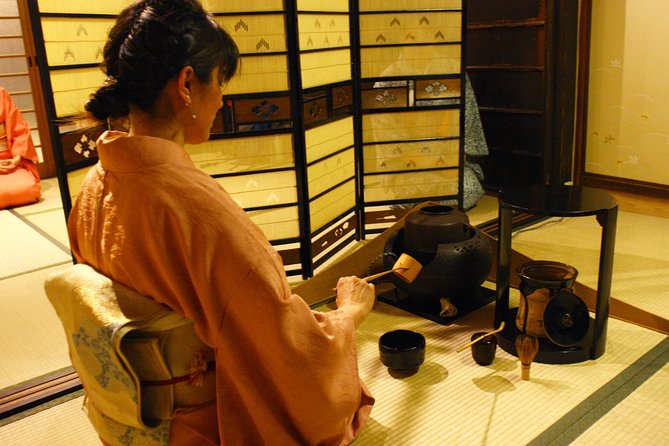
The meeting point is 605 Nishidacho, Shimogyo Ward, Kyoto, 600-8397, Japan. The experience ends at the same address.
Public transportation is nearby, but hotel transportation is not provided. Check the route before leaving and build in time to locate the townhouse. A one-hour activity leaves little room for arriving late, especially if the host has a small group waiting.
Confirmation arrives within 48 hours of booking, subject to availability. If you need firm confirmation before arranging other activities, keep that timing in mind.
Most people can participate, according to the supplied activity information. No separate accessibility details are provided, so anyone with specific mobility or seating needs should contact Ami Kyoto before booking. That is particularly sensible for a traditional townhouse, where the layout may not match a modern venue.
Free cancellation is available if you cancel at least 24 hours before the local start time. Cancellations or changes made inside that window are not refunded or accepted. This gives you useful flexibility, but you still need to watch the deadline.
Who will enjoy this experience most
I would recommend this activity to several types of visitors:
- First-time visitors to Kyoto: You get a clear introduction to a major Japanese cultural tradition without committing to a long ceremony.
- Matcha fans: The chance to prepare your own bowl and learn about organic tea makes the session more satisfying than simply ordering matcha in a café.
- Families with older children: The process is hands-on, and the small group should make it easier to follow along.
- Couples and small groups: The townhouse setting and quiet pace offer a pleasant change from sightseeing at crowded temples.
- Visitors with a tight schedule: The one-hour format is easy to place between other plans.
I would be more cautious if you want a private ceremony, a long historical lecture, or a detailed comparison of tea schools and tea-growing regions. None of those features is promised. The experience focuses on the basics, personal participation, and the atmosphere of a machiya.
Should you book the Ami Kyoto tea ceremony?
Book it if you want a short, affordable introduction to matcha in a genuine traditional setting. The strongest reasons are the 80-year-old townhouse, the maximum group size of six, the clear demonstration, and the fact that you make the tea yourself.
The activity also earns points for keeping the contents simple and useful. You receive matcha, Japanese sweets, cultural background, and a practical lesson for $27.59. The 5 out of 5 rating from 19 reviews and 100 percent recommendation rate support the impression of a well-run experience, especially for friendly instruction and a thorough demonstration.
Skip it if you need hotel transportation, have less than an hour available, or expect a long and highly formal ceremony. For most people looking for an approachable Kyoto cultural activity, though, this is a sensible choice. It gives you something to do with your hands, something to taste, and a traditional room that helps the lesson make sense.
FAQ
Where does the tea ceremony experience take place?
It takes place at Ami Kyoto, 605 Nishidacho, Shimogyo Ward, Kyoto, 600-8397, Japan.
How long does the experience last?
The activity lasts approximately one hour.
Does the experience include matcha?
Yes. The price includes one bowl of matcha green tea.
Are Japanese sweets included?
Yes. Japanese sweets from a famous Kyoto confectionary are included.
Is the activity held in a traditional building?
Yes. It takes place in an approximately 80-year-old machiya, or traditional wooden Kyoto townhouse.
Can I make my own matcha?
Yes. The activity includes hands-on instruction so you can learn how to brew a bowl of matcha.
How many people can join the activity?
The maximum group size is six people.
Is hotel pickup and drop-off included?
No. You must make your own way to the meeting point, and the activity ends there as well.
Can I cancel for a full refund?
Yes, if you cancel at least 24 hours before the experience start time. Cancellations made less than 24 hours before the start time are not refunded.
Just added around Kyoto
- Uji Walking Tour – Byodo-in temple and Tea Ceremony from Kyoto★ 3.5 · 3 reviews
- Kyoto: Authentic Tea Ceremony in a Small Group★ 5.0 · 7 reviews
- Tea ceremony at Kyoto’s Zen Temple Teahouse★ 5.0 · 2 reviews
- Tea Ceremony in 150 Years Old Townhouse with Tables and Chairs★ 5.0 · 22 reviews
- Silent Beauty of Kyoto Zen Walk and Tea Experience★ 5.0 · 2 reviews
- Traditional Tea Ceremony in Kyoto★ 4.5 · 3 reviews
- Kyoto Private Tea Ceremony at a Japanese Inns★ 5.0 · 12 reviews
- Kyoto Newly Opened Private Tea Ceremony – Sanjo Chasuian★ 5.0 · 2 reviews
Tea Ceremonies in Kyoto, compared.
Tea Ceremony in a Traditional Tea House in Kiyomizu
Read our review →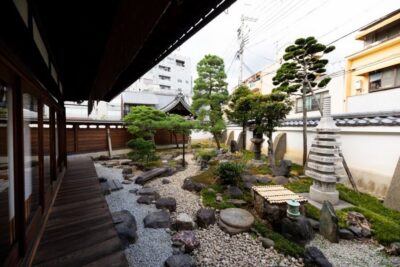
Tea Ceremony in 100-year-old Kyo-Machiya Townhouse
Read our review →
Browse the lists this tour appears in