
Review · KYOTO
Sencha-do the Japanese Tea Ceremony Workshop in Kyoto
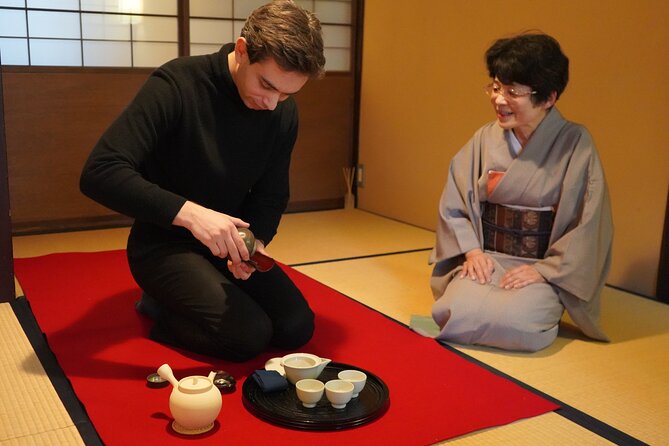
Slow tea, carefully made. This Kyoto workshop gives you more than a polite demonstration: you handle the utensils, brew sencha yourself, and learn from a master of the Higashi Abe school. I especially like the small group size of up to four people and the chance to taste brewed sencha rather than only the better-known matcha. The main drawback is practical: the school can be difficult to find using the online directions alone.
The 90-minute session costs $107.45 per person, which is not cheap for a short activity. Still, I think the price makes sense if you want personal instruction, a traditional setting, Japanese sweets, and a cultural lesson that lets you take part instead of simply watching. The location near Kitano Tenmangu Shrine also fits nicely into an afternoon in northern Kyoto.
Key points to know before booking
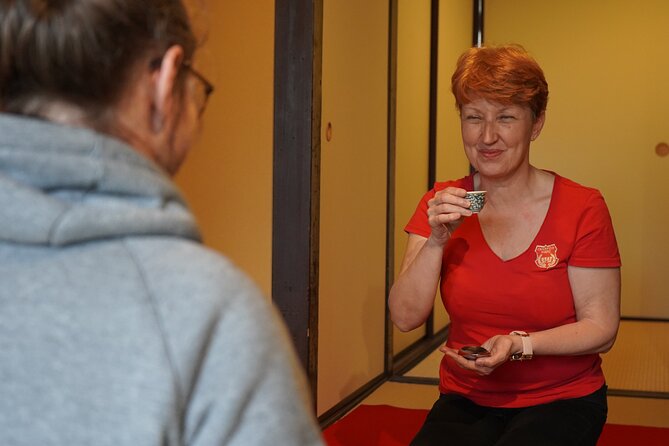
- You brew the tea yourself: This is a hands-on lesson, not just a ceremony viewed from the sidelines.
- The group is tiny: A maximum of four people allows the instructor to guide each person step by step.
- It focuses on sencha: You learn about brewed green tea made from steamed leaves, not only powdered matcha.
- The teacher comes from the Higashi Abe school: Kyo is praised for patience and respect for the school’s traditions.
- Wagashi is included: Your freshly prepared tea is served with Japanese sweets.
- Plan extra time to find the studio: The address is near Kitano, but online directions may not be enough.
What makes senchado different from Kyoto’s usual tea lesson
Many visitors arrive in Kyoto expecting matcha. That is understandable. Matcha tea rooms are common, and the powdered tea has become the face of Japanese tea culture abroad.
This workshop introduces you to senchado, a separate tea tradition centered on sencha leaves. Instead of whisking fine green powder into a bowl, you carefully brew steamed tea leaves with hot water. The result is a clear, fragrant drink with a different taste and a gentler style of preparation.
That distinction gives the class real value. You are not simply repeating a familiar tourist activity with a new backdrop. You are learning that Japanese tea culture has several schools, methods, and ideas about hospitality. One participant was particularly struck by how many forms of tea ceremony exist and how long it takes to master them.
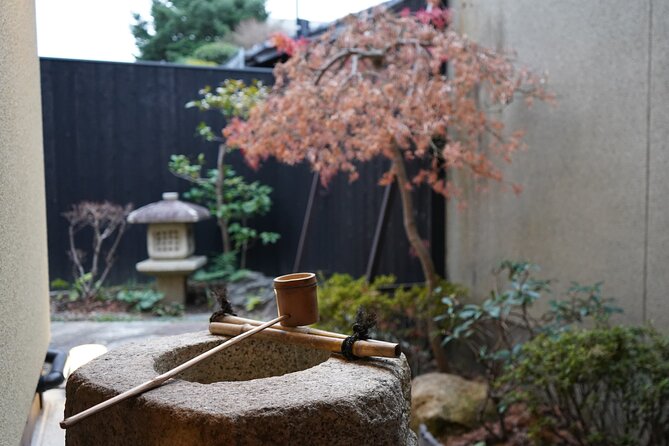
The session takes place at Higashi Abe Ryu, also identified as Gasuian, at 668-12 Toriimaecho in Kyoto’s Kamigyo Ward. It is close to the Kitano area and within reach of Kitano Tenmangu Shrine, making it easy to pair with temple visits and a walk through the neighborhood.
More Green Tea Tours in Japan
- Scenic Green Tea Fields of Hidden Kyoto & Local Tea Exp (Private)
★ 5.0 · 32 reviews - Kyoto Matcha Green Tea Tour
★ 4.7 · 28 reviews - Cycling Tour at Uji’s Matcha Green Tea Fields and Heritage
★ 5.0 · 10 reviews
The demonstration gives you the pattern before you try
The class begins with a sencha ceremony demonstration by the host. This opening matters because the movements can seem mysterious if you are asked to copy them without context.
You first see how the utensils are arranged and handled. The instructor shows the order of preparation and serving, while explaining the purpose behind the actions. The ceremony is formal, but the lesson is meant to be approachable. Questions are welcome, and the teaching style has been described as patient, polite, and respectful.
I like this structure. You get a quiet period of watching before you have to remember the steps yourself. It also gives you time to notice the small details: the pace of pouring, the way the tea is presented, and the care given to each utensil.
The ceremony is not treated as a stage performance. Its value comes from seeing how technique, manners, and visual order work together. You learn that the process is not only about making a drink. It is also about attention, hospitality, and appreciation of the tea’s flavor and appearance.
Your turn at the utensils
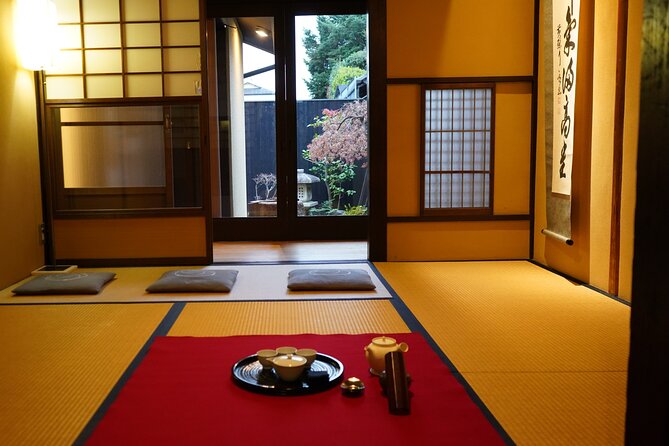
The most important feature here is that you actually handle the tea equipment. Many tea demonstrations keep the visitor at a distance. This one asks you to become part of the process.
Under the master’s guidance, you learn how to prepare and serve sencha. The instructor leads you through the procedure carefully, allowing you to perform the movements rather than merely observe them. The small maximum group of four is important here. In a large class, hands-on instruction can become a quick turn at a table. With only a few people, you have a better chance to receive direct correction and encouragement.
Do not expect to master senchado in a single 90-minute class. The ceremony is refined, and even the basic actions carry meaning. One family learned that the tradition takes considerable time to study, while still finding the introduction rewarding. I would approach the class with curiosity, not with the expectation that you will perform like a trained practitioner by the end.
That modest expectation will make the lesson more enjoyable. You are learning the shape of a tradition, trying selected techniques, and gaining a feel for the discipline behind it.
Sencha and wagashi make the lesson a tasting session too
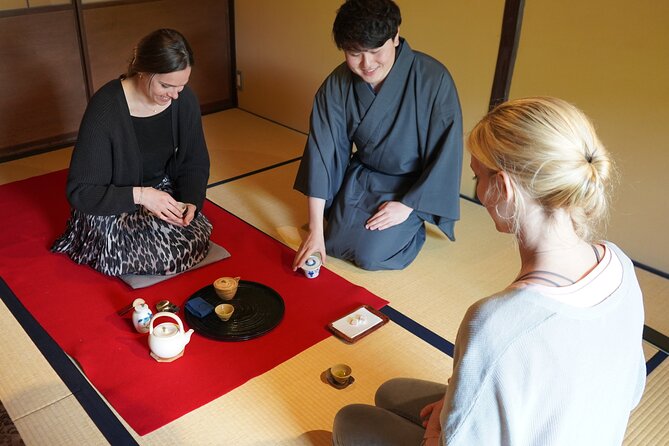
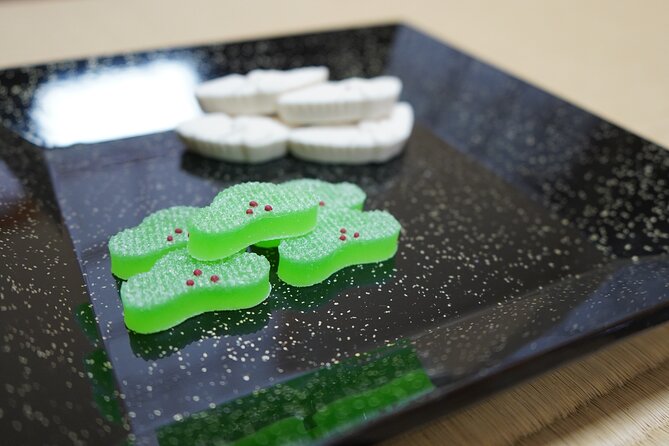
After you prepare the tea, you enjoy it with wagashi, traditional Japanese sweets. This is a simple part of the session, but it helps you understand why the tea is served in this particular way.
Sencha can have sweet, fragrant, and full flavors. The wagashi provides a small contrast and turns the final tasting into a shared moment rather than a technical exercise. Green tea and Japanese sweets are included in the price, so you are not paying extra once the workshop begins.
I would pay attention to the taste rather than rushing through the cup. Since most people know matcha better than brewed sencha, this is a useful chance to compare your expectations with a different style of tea. The lesson may leave you with a better sense of how water, leaves, timing, and serving technique affect the final drink.
The class is also suitable for people who are not tea experts. You do not need a detailed background in Japanese culture to enjoy it. An interest in food, craft, religion, etiquette, or local traditions is enough.
More Tea Ceremonies in Kyoto
- Kyoto: Tea Ceremony in a Traditional Tea House in Kiyomizu
★ 4.9 · 3,519 reviews - Kyoto: Tea Ceremony Ju-An at Jotokuji Temple
★ 4.9 · 3,207 reviews - Kyoto: 45-Minute Tea Ceremony Lesson Experience
★ 4.3 · 2,378 reviews - Kyoto: Table-Style Tea Ceremony at a Kyo-Machiya
★ 4.9 · 1,211 reviews
A personal class with a strong family connection
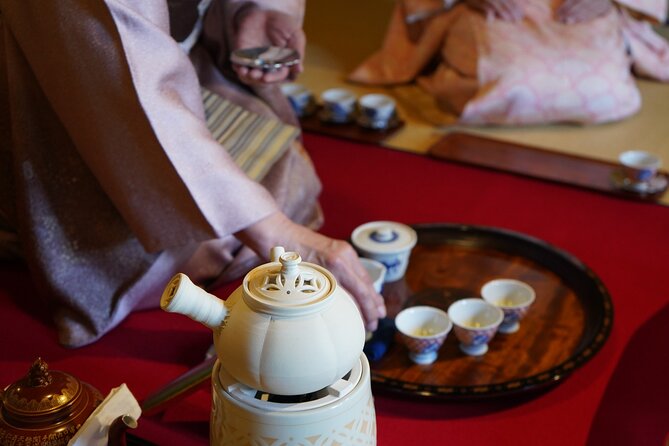
The Higashi Abe school is presented through its own lineage and teaching tradition. Several sessions have included discussion of the school’s history and the instructor’s family connection to the ceremony.
Kyo, the teacher named in the feedback, is praised for being patient and respectful. Other sessions were led by the school’s grandmaster, giving some participants a rare chance to learn directly from the senior figure. Since the exact instructor may vary, you should not book expecting one specific teacher, but the teaching approach appears consistent: careful explanation, guided practice, and time for questions.
That personal element is one of the strongest reasons to choose this class. You are not receiving a generic introduction assembled for a large crowd. You are visiting a school with a particular tradition and hearing how its tea practice has been passed down.
The tone also seems welcoming to families. Children have taken part in the guided movements, and the personal format has worked well for couples and solo visitors. If someone in your group is shy about formal customs, the instructor’s patient approach should help, though the ceremony itself remains structured.
How to fit the workshop into a day in northern Kyoto
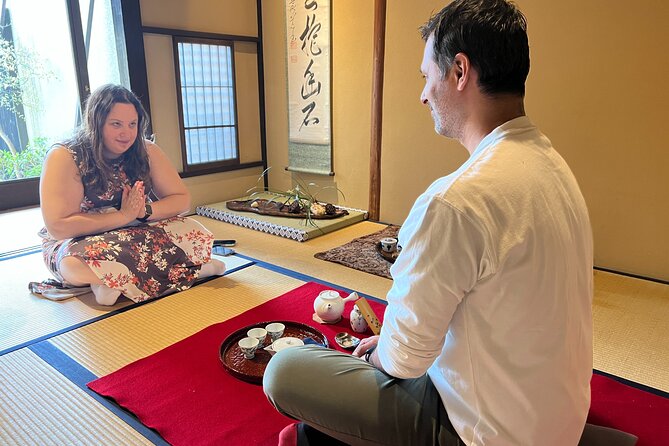
The meeting point is near the Kitano area, with Kitano Tenmangu Shrine as a useful nearby landmark. I would allow extra time to arrive. One person found the school difficult to locate from the online directions and needed local help, while another found it easily after receiving advice from the host.
That difference suggests a sensible plan: do not arrive at the last minute. Keep the address written in Japanese, and use the exact name, 東阿部流(雅翠庵), when asking for help. A mobile ticket is provided, but a phone screen alone may not solve a location problem if you are standing on the wrong street.
The activity begins and ends at the same meeting point. Private transportation is not included, so you arrange your own way there and back. The school is near public transportation, but the supplied details do not specify a station or walking time. I would check your route carefully before leaving your hotel.
The 90-minute duration fits well between sightseeing stops. You could combine it with Kitano Tenmangu Shrine and the surrounding area, but avoid scheduling a major attraction immediately afterward if you want time to find the studio and arrive calmly.
Is $107.45 a fair price?
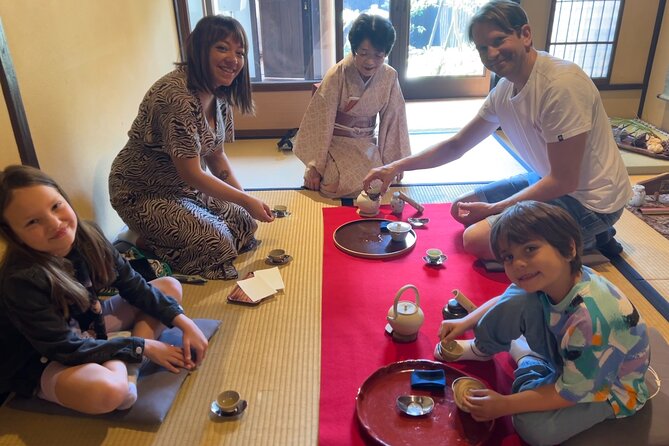
At $107.45 per person, this is a premium short activity. You are paying more than the cost of tea and sweets alone. The price reflects the small group, instruction by a master of the Higashi Abe school, access to the utensils, and the chance to take part in a formal tradition.
For me, the value is strongest when you want cultural context and personal attention. A quick tea tasting would not justify the cost. A hands-on lesson with only a few participants is a different purchase.
The class also includes something difficult to recreate independently. You could buy sencha and prepare it at your accommodation, but you would not have the school’s guidance, the ceremonial sequence, or the explanation of why the actions matter.
Group discounts are available, which may improve the value for families or friends booking together. Since the class is capped at four people, larger groups may not all fit into one session. The activity is booked, on average, about 23 days ahead, so I would reserve early if your Kyoto dates are fixed.
Who will enjoy this Kyoto tea workshop most?
I would recommend it to you if you fit one of these descriptions:
- You want to participate in a Japanese tradition rather than only watch it.
- You are curious about sencha and want to understand how it differs from matcha.
- You enjoy small classes with room for questions.
- You are visiting the Kitano area and want a calm indoor activity.
- You are traveling with children who can follow a guided, formal activity.
- You have an interest in tea, religion, etiquette, food, or Japanese craft.
It may be less suitable if you want a casual drop-in tasting with no ceremony. The process is precise and ritualized. It also may not suit a tightly packed sightseeing day because finding the studio can take extra effort.
Most people can participate, and service animals are allowed. The supplied information does not describe seating, language arrangements, or specific mobility conditions, so you should confirm those points before booking if they matter to your group.
Booking, cancellation, and weather details
You receive confirmation when you book, and a mobile ticket is available. Free cancellation applies up to 24 hours before the scheduled start time. Changes or cancellations inside that 24-hour window are not accepted for a refund.
The activity requires a minimum number of participants. If that minimum is not met, you are offered another date or activity, or a full refund. Poor weather can also lead to cancellation, with the same choice of another date or a full refund.
That policy is fairly flexible, but remember that the cutoff uses Kyoto local time. Keep the booking details handy on the day, especially since the location may require a little extra work to find.
Should you book the Sencha-do workshop?
I would book this workshop if you want a focused, personal lesson in a less familiar side of Japanese tea culture. The best parts are the tiny group, the hands-on use of the utensils, the patient teaching associated with Kyo and the Higashi Abe school, and the chance to taste sencha with wagashi.
I would skip it if your main goal is simply to drink matcha, take a quick photo, or fit in a last-minute activity with no navigation cushion. The price is high for 90 minutes, and the directions may need improvement.
For a thoughtful Kyoto itinerary, though, this is a strong choice. Give yourself time to find the school, arrive ready to follow the formal steps, and let the tea take its time. You will leave with more than a cup of green tea. You will understand why brewing it can become a discipline of its own.
FAQ
How long does the Sencha-do workshop last?
The workshop lasts approximately 1 hour and 30 minutes.
Where does the tea ceremony workshop meet?
It meets at Higashi Abe Ryu, also identified as Gasuian, at 668-12 Toriimaecho, Kamigyo Ward, Kyoto, postal code 602-8393. The activity ends at the same location.
What is included in the price?
Green tea and Japanese sweets are included.
Is transportation included?
No. Private transportation is not included. The meeting point is near public transportation.
How many people can join the workshop?
The activity has a maximum of four participants.
Can I take part in the tea preparation?
Yes. The workshop is hands-on. You learn to prepare and serve sencha and are allowed to handle the tea utensils under the instructor’s guidance.
Can I cancel for a refund?
Yes. You can cancel at least 24 hours before the start time for a full refund. Cancellations or changes made less than 24 hours before the start are not accepted, and poor weather or an unmet minimum may result in a different date or a full refund.
More Green Tea Tours in Kyoto
- Matcha Green Tea Plantation and Matcha Factory Visit
★ 5.0 · 6 reviews - Family Mitsui House Museum with green tea admission ticket
★ 4.0 · 5 reviews - Experience all of Japanese culture and Japanese food experience classes “origami, udon, Japanese food, green tea, calligraphy” in 4 hours
★ 5.0 · 105 reviews - Uji: Green Tea Tour with Byodoin and Koshoji Temple Visits
★ 4.8 · 72 reviews
Just added around Kyoto
- Uji Walking Tour – Byodo-in temple and Tea Ceremony from Kyoto★ 3.5 · 3 reviews
- Tea ceremony at Kyoto’s Zen Temple Teahouse★ 5.0 · 2 reviews
- Kyoto: Authentic Tea Ceremony in a Small Group★ 5.0 · 7 reviews
- Tea Ceremony in 150 Years Old Townhouse with Tables and Chairs★ 5.0 · 22 reviews
- Silent Beauty of Kyoto Zen Walk and Tea Experience★ 5.0 · 2 reviews
- Tea Ceremony Experience in Traditional Kyoto Townhouse★ 5.0 · 19 reviews
- Traditional Tea Ceremony in Kyoto★ 4.5 · 3 reviews
- Kyoto Private Tea Ceremony at a Japanese Inns★ 5.0 · 12 reviews
Tea Ceremonies in Kyoto, compared.
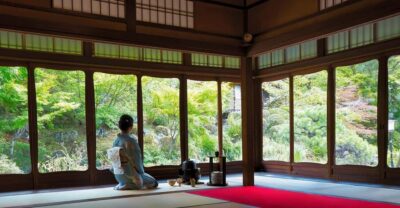
Tea Ceremony in a Traditional Tea House in Kiyomizu
Read our review →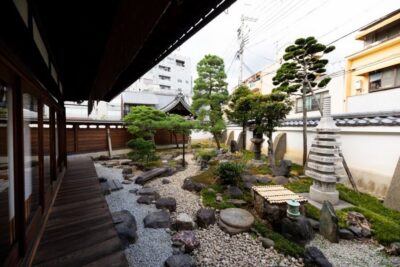
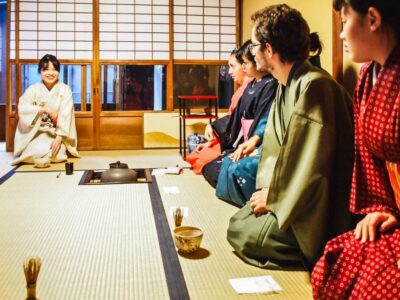
Tea Ceremony in 100-year-old Kyo-Machiya Townhouse
Read our review →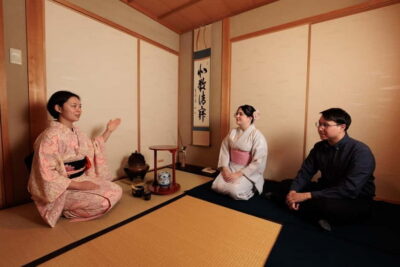
Browse the lists this tour appears in