
Review · KYOTO
7hr Private Wazuka True Hidden Kyoto Matcha Farm Experience
Tea country is Kyoto’s quiet side. This private Wazuka outing takes you beyond the city to rolling matcha fields, family farms, tea tasting, and a traditional Japanese-style lunch. I especially like the fifth-generation tea farmer host and the chance to visit two local farms rather than simply sampling a cup in a shop. I also like that the experience follows matcha from picking and processing to tasting and ceremony.
The main consideration is the price: $520 per person is a serious splurge, even for a private day. You should also be ready for bumpy, muddy farm access, and the published timing is slightly unclear, with the title saying seven hours and the tour details describing about six.
Key points at a glance
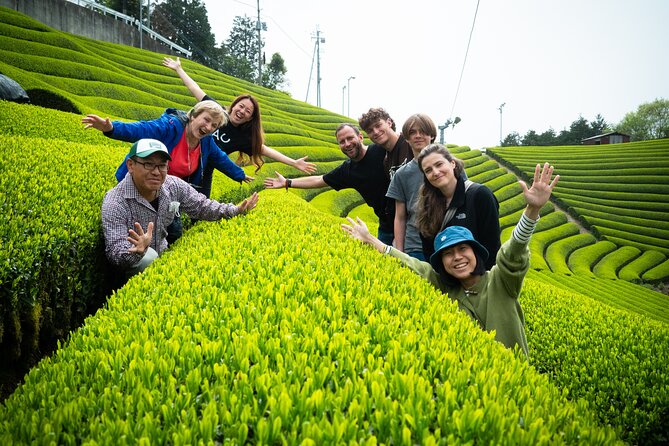
- Meet a fifth-generation matcha farmer who can explain tea production as a family tradition, not just a packaged product.
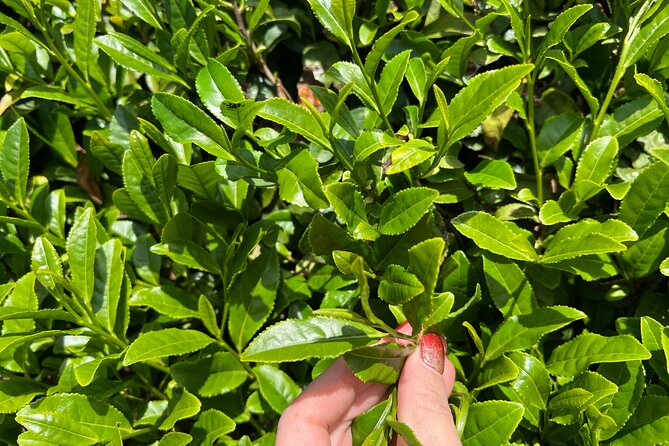
- Visit two local matcha farms and walk through the fields around Wazuka, one of Kyoto Prefecture’s best-known tea-growing areas.
- Follow the tea-making process from picking and processing to tasting and ceremony.
- Eat a delicate matcha lunch set in a traditional Japanese-style home.
- Use all five senses through matcha tasting, tea tasting, field walks, and a hands-on workshop.
- Take home premium matcha from a farm once owned by the Imperial Family.
Why Wazuka makes a better tea day than another Kyoto café
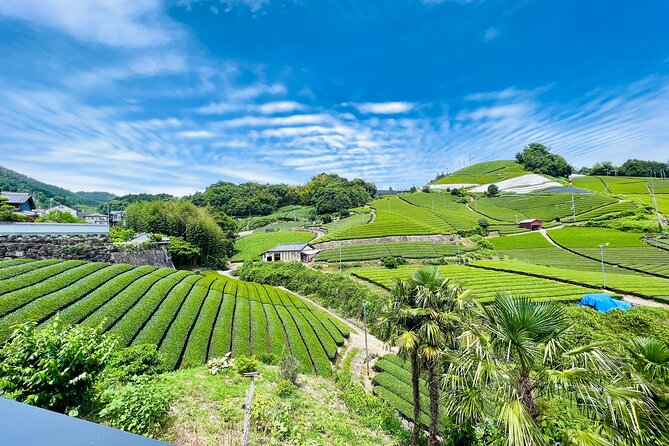
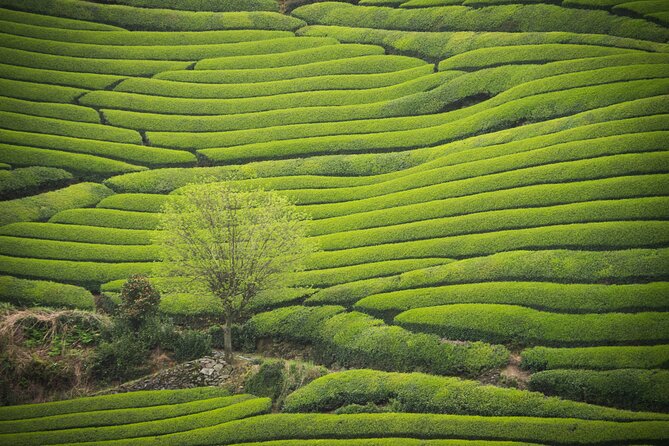
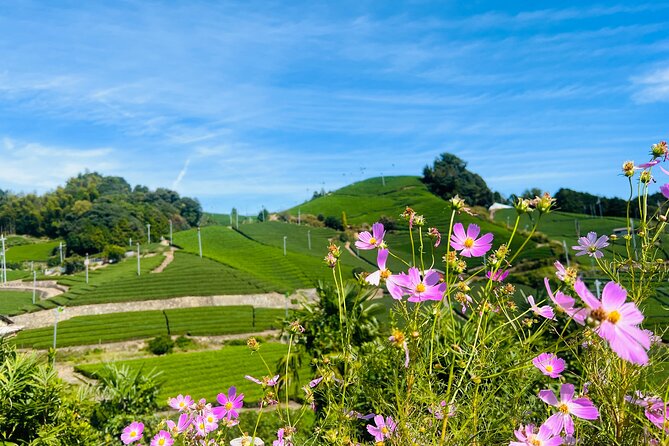
Kyoto has no shortage of matcha sweets, drinks, and polished tea counters. Those are easy to fit into a city itinerary, but they tell you little about where the tea comes from. Wazuka gives you the setting behind the cup: steeply arranged tea fields, quiet country roads, local farms, and a community shaped by tea production over roughly 800 years.
I like this experience because it asks you to slow down. You are not rushing between several famous sights. You are paying attention to the smell of the leaves, the look of the fields, the feel of the farm paths, and the taste of tea prepared in different ways.
The setting also changes your understanding of matcha. In Kyoto city, matcha can feel like a flavor added to cakes, ice cream, and lattes. In Wazuka, you see it as the result of land, weather, careful work, and family knowledge passed down over generations.
The scenery is one of the strongest reasons to make the trip. The rolling tea fields provide the peaceful rural views that many people hope to find in Japan but never reach beyond the major sightseeing routes. If you want a quiet break from temples and crowded lanes, this is a useful change of pace.
More Matcha Experiences in Kyoto
- Kyoto: Arashiyama Bamboo Forest, Monkeys, Matcha & Temple Tour
★ 5.0 · 759 reviews - Kyoto: Tea Ceremony Meditation – Make Matcha with Tea Master
★ 4.8 · 406 reviews - Kyoto: Kimono Tea Ceremony with Matcha and Sweet
★ 4.9 · 249 reviews
Meeting at Wazuka-cha Cafe at 10 a.m.
Your day begins at 10 a.m. at Wazuka-cha Cafe in Wazuka, Kyoto Prefecture. The listed address is in the Shirasu area of Wazuka, at Green Tea Wazuka, first floor, postal code 619-1222.
Pickup is offered, but you should check the exact arrangement when booking. The provided meeting point remains important, since the tour ends there and transport details are not fully spelled out. If you are planning to reach Wazuka by public transportation, allow time to get your bearings before the 10 a.m. start.
This is a private activity, so only your own group takes part. That matters here. Tea production is easier to understand when you can ask questions freely rather than wait for a large group to move along. A private format also makes the day a better fit for families, couples, or small groups with a shared interest in food and local culture.
The tour is described as approximately six hours, while its title refers to seven hours. I would confirm the expected finish time before arranging a train or another reservation. The activity returns to the same meeting point.
Walking through two working matcha farms
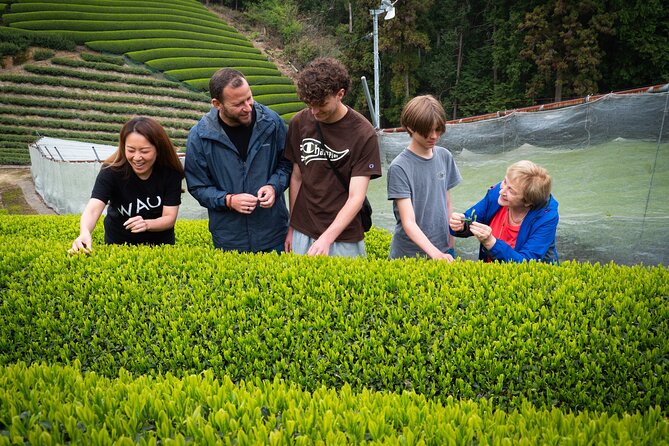
The farm visits are the heart of the day. You visit two local matcha farms and walk through the tea-growing area while learning how matcha is made.
The value here is the connection between the field and the finished powder. You get to see where the leaves begin, hear how they are handled, and place the later tasting in context. The experience is not limited to a formal demonstration in a visitor center.
The host is a local matcha farmer from the fifth generation of the family business. That background should give the explanations a personal focus. You are learning about tea through one family’s continuing work, while also meeting other local farmers along the way.
The tea fields are scenic, but this is still a farm visit. Access can be bumpy and muddy. Wear shoes that can handle uneven ground and dirt, and avoid clothing that you would hate to stain. The supplied information does not promise a specific amount of walking, so you should be comfortable moving through rural farm areas.
The tour also connects Wazuka’s tea production with an approximately 800-year tradition. That historical context is useful because it shows why the area matters, but the real strength is seeing a living practice rather than only hearing dates and facts.
From picking and processing to the final cup
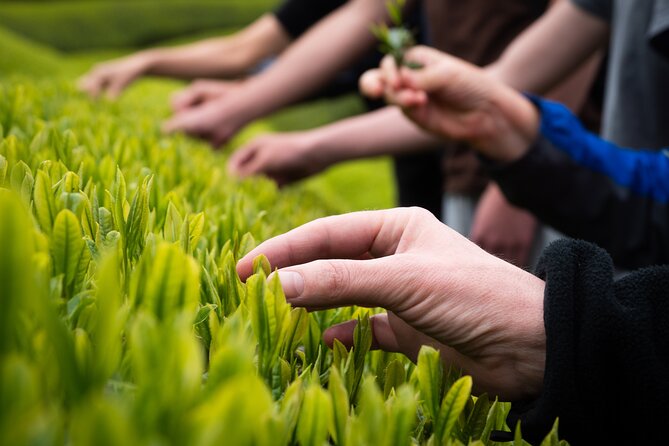
The stated aim is to cover the full path of matcha making: tea picking, processing, and ceremony. You should think of this as a hands-on introduction rather than a technical farming course.
The picking stage links the tea plant to the people who care for it. Processing explains why the final matcha has a different character from ordinary loose-leaf tea. The tasting then gives you a chance to notice those differences directly.
You also take part in matcha tasting and tea tasting. That wording suggests more than one way of experiencing tea, which is helpful for first-time visitors. You can compare aroma, flavor, and texture rather than treating all green tea as the same drink.
The experience is designed around all five senses. You smell the leaves and tea, look closely at the farms, taste the drinks and food, feel the rural surroundings, and take part in a workshop. This sensory approach makes the subject easier to remember than a lecture alone.
You should not expect a museum-style display or a scripted city tour. The appeal is the farm setting and the chance to ask about the process as you encounter it. If you prefer a polished attraction with fixed exhibits and frequent photo stops, this may feel more informal.
Same place, a different pot:
- Kyoto: Tea Ceremony in a Traditional Tea House in Kiyomizu
★ 4.9 · 3,519 reviews - Kyoto: Tea Ceremony Ju-An at Jotokuji Temple
★ 4.9 · 3,207 reviews - Kyoto: 45-Minute Tea Ceremony Lesson Experience
★ 4.3 · 2,378 reviews - Kyoto: Table-Style Tea Ceremony at a Kyo-Machiya
★ 4.9 · 1,211 reviews
A matcha lunch inside a traditional Japanese home
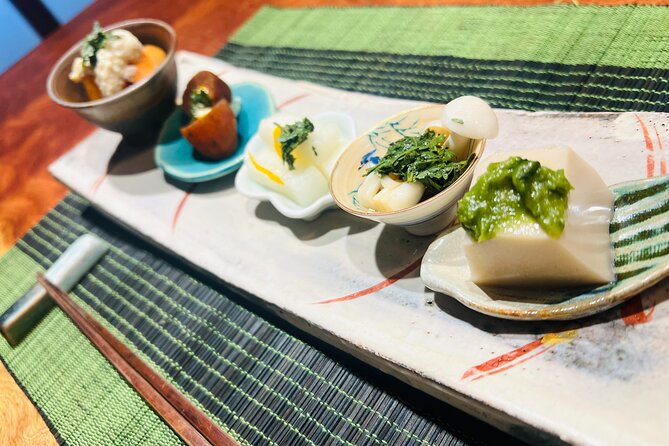
One of the most distinctive parts of the day is a delicate matcha lunch set served in a traditional Japanese-style home. The available details do not specify every dish, so you should not book this expecting a particular menu.
Still, the setting matters. A meal in a local home gives the food a stronger connection to place than a quick restaurant stop. It also creates a natural pause between the farm visits, tasting sessions, and workshop.
The lunch is part of the cultural experience, not just a way to fill time. Matcha appears in the wider food culture of the area, and a carefully prepared set meal lets you experience that tradition beyond a sweet drink.
If you have dietary restrictions, ask the provider before booking. No special menu information is provided, and this experience is non-refundable, so it is better to confirm food needs early.
The matcha workshop and tea ceremony connection
The workshop gives the day a practical finish. You are not only watching tea production, but taking part in an activity tied to matcha preparation.
The supplied details do not explain exactly what you will make or how long the workshop lasts. You should therefore see it as an introduction rather than a professional lesson. Its value is in helping you understand the care involved in preparing matcha and the relationship between the powder, the water, the tools, and the person serving it.
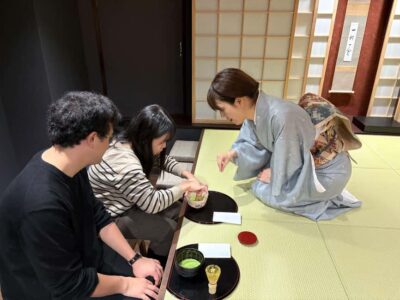
The reference to ceremony also adds an important cultural layer. Matcha is not only an ingredient. The act of preparing and presenting it carries its own rhythm and manners.
For many visitors, this will be more memorable than buying a tin at the end of a sightseeing stop. You learn why the drink matters, taste it in its home area, and connect the preparation to the wider tea tradition.
The Imperial Family connection and what you take home
A particularly unusual detail is the chance to take home premium matcha from a farm previously owned by the Imperial Family. That gives the final purchase a clear connection to Wazuka and to the region’s status as a serious tea-producing area.
The wording does not specify how much matcha is included or whether it is part of the price, so confirm that before booking. Even so, taking home tea from the farm can extend the experience after you return home.
I like souvenirs that help me remember a place through daily use. A small amount of matcha can do that better than a generic magnet, provided you learn how to store and prepare it. Ask the host for handling advice if that information is offered during the visit.
Is $520 per person a fair price?
At $520 per person, this is not a budget excursion. The price needs to be judged against the private format, the local host, two farm visits, the meal, tastings, workshop, and the time spent in rural Kyoto.
For a single visitor, the cost may be difficult to justify. You are paying for access and personal attention rather than a long list of major sights. If your main goal is simply to drink matcha, Kyoto offers cheaper options.
The value improves for a group that wants a private cultural day and can use any available group discount. You avoid a generic tea stop and gain a more personal connection to Wazuka’s farms and tea-making traditions.
I would book this for someone who treats food and agriculture as central parts of travel. I would skip it if you have little interest in how tea is produced, since the rural setting and farming explanations make up much of the day.
The perfect comparison is not a standard sightseeing tour. It is a private food and culture experience in the countryside. Against that measure, the price is easier to understand, though still substantial.
Who will enjoy this Wazuka day most?
This experience suits you if you enjoy local food, farming, rural scenery, and conversations with people who continue a family craft. It is also a good choice if you have already seen Kyoto’s major temples and want a quieter day outside the city.
It should appeal to tea drinkers who want more than a matcha dessert. You will get the most from the day if you are curious about taste, production, and ceremony.
The private setup is useful for couples, families, and small groups. Group discounts may help with the cost, but the exact terms are not provided, so check before booking.
You should think twice if muddy paths are a problem or if you need a tightly timed itinerary. The farm access can be rough, and the stated duration needs clarification. The non-refundable policy also means you should be confident about your date before paying.
Service animals are allowed, and the meeting point is near public transportation. Those are helpful practical details, but the uneven farm access may still require careful planning.
Should you book the private Wazuka matcha experience?
Book it if you want to understand matcha at its source. The fifth-generation farmer host, two farm visits, traditional home lunch, tastings, workshop, and premium tea souvenir create a full day around one local tradition.
Skip it if your interest ends with a café cup or if you need a low-cost, short activity. At $520 per person, this is a special-occasion outing. Confirm the pickup plan, final duration, meal details, and what matcha you take home before committing.
For the right visitor, Wazuka offers something Kyoto city cannot: a quiet tea-growing region where the drink, the fields, the food, and the people all belong to the same story.
FAQ
Where does the experience begin?
It begins at 10 a.m. at Wazuka-cha Cafe, Green Tea Wazuka, first floor, Wazuka, Shirasu, Soraku District, Kyoto 619-1222.
Where does the experience end?
The activity ends back at the meeting point.
How long does the experience last?
The tour details describe the activity as approximately six hours. The title refers to seven hours, so confirm the exact duration with Matcha Tourism before booking.
Is transportation or pickup available?
Pickup is offered, and the meeting point is near public transportation. The provided information does not specify the pickup area or exact transport arrangement.
Is this a private tour?
Yes. Only your group participates in the activity.
How many matcha farms will you visit?
You will visit two local matcha tea farms.
Is food included?
The experience includes a delicately prepared matcha lunch set served in a traditional Japanese-style home.
Can I bring a service animal?
Yes. Service animals are allowed. Keep in mind that farm access can be bumpy and muddy.
Can I cancel for a refund?
No. The experience is non-refundable and cannot be changed for any reason.
More Farm Visits in Kyoto
- Nairobi to Kiambethu Tea Farm Tour
★ 5.0 · 51 reviews - Private Day Trip to Kiambethu Tea Farm in Limuru from Nairobi
★ 5.0 · 31 reviews - Day Tour To Kiambethu Tea Farm in Limuru
★ 5.0 · 22 reviews - Uji and Wazuka Matcha Farm Half Day Private Guided Tour
★ 5.0 · 21 reviews
Just added around Kyoto
- Uji Walking Tour – Byodo-in temple and Tea Ceremony from Kyoto★ 3.5 · 3 reviews
- Tea ceremony at Kyoto’s Zen Temple Teahouse★ 5.0 · 2 reviews
- Kyoto: Authentic Tea Ceremony in a Small Group★ 5.0 · 7 reviews
- Tea Ceremony in 150 Years Old Townhouse with Tables and Chairs★ 5.0 · 22 reviews
- Silent Beauty of Kyoto Zen Walk and Tea Experience★ 5.0 · 2 reviews
- Tea Ceremony Experience in Traditional Kyoto Townhouse★ 5.0 · 19 reviews
- Traditional Tea Ceremony in Kyoto★ 4.5 · 3 reviews
- Sencha-do the Japanese Tea Ceremony Workshop in Kyoto★ 5.0 · 21 reviews
Matcha Experiences in Kyoto, compared.

Arashiyama Bamboo Forest, Monkeys, Matcha & Temple Tour
Read our review →
Tea Ceremony Meditation – Make Matcha with Tea Master
Read our review →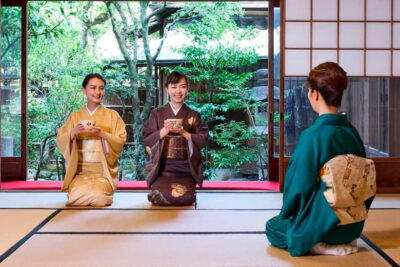
Arashiyama Bamboo, Temple, Matcha, Monkeys & secret spots
Read our review →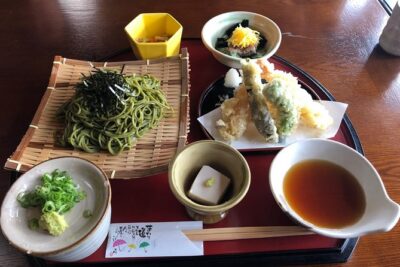
Traditional Tea Ceremony with Matcha & Sweets in Gion
Read our review →
Matcha Grinding Experience and Walking Tour in Uji Kyoto
Read our review →
Browse the lists this tour appears in