
Review · TOKYO
Tea Session《1200 Years of History in 80 Min》Tokyo
Tea tells a bigger story than matcha. This relaxed 80-minute tasting introduces seven Japanese teas, from sencha and hojicha to Japanese-style oolong and black tea, while explaining how farmers grow, craft, and brew them. I like the broad range of teas, and I like that A Drop. Kuramae grows and makes tea in Saitama rather than simply selling bottles and packets from elsewhere. The main consideration is simple: at $44 per person, this is a focused tasting, not a full meal or a long cultural workshop.
The setting is casual, with no formal tea ceremony rules to worry about. You learn how water temperature, brewing time, and the amount of tea change the cup, then have the chance to buy favorites afterward. If you want food, transportation, or a private session, you will need to arrange or pay for those separately.
Key points at a glance
- Seven distinct teas in 80 minutes: Taste sencha, hojicha, Japanese-style oolong, black tea, bancha, and other Japanese teas in one sitting.
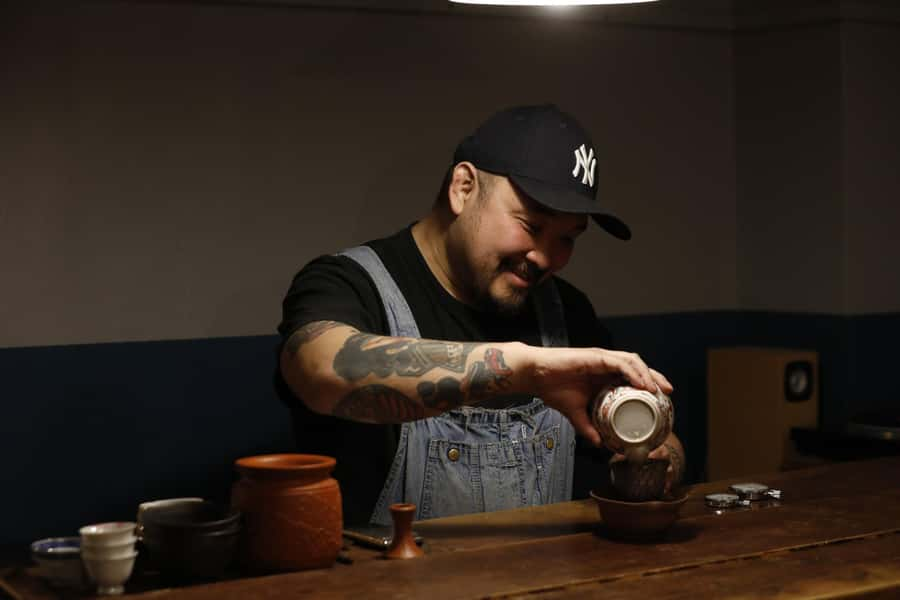
- A tea maker’s point of view: A Drop. Kuramae grows and crafts traditional tea in Saitama, adding practical farm experience to the discussion.
- Tea beyond matcha: The session shows how broad Japanese tea can be, with roasted, fermented, lightly oxidized, and everyday styles.
- Brewing skills you can use: Learn how temperature, steeping time, and tea quantity affect flavor.
- Kuramae location: Meet at Room 204 on the second floor of the Uguisu Building, a short walk from Asakusa.
- Souvenirs are available: Selected teas from farms around Japan can be purchased after the tasting, but they are not included in the price.
What the 80-minute tea journey covers
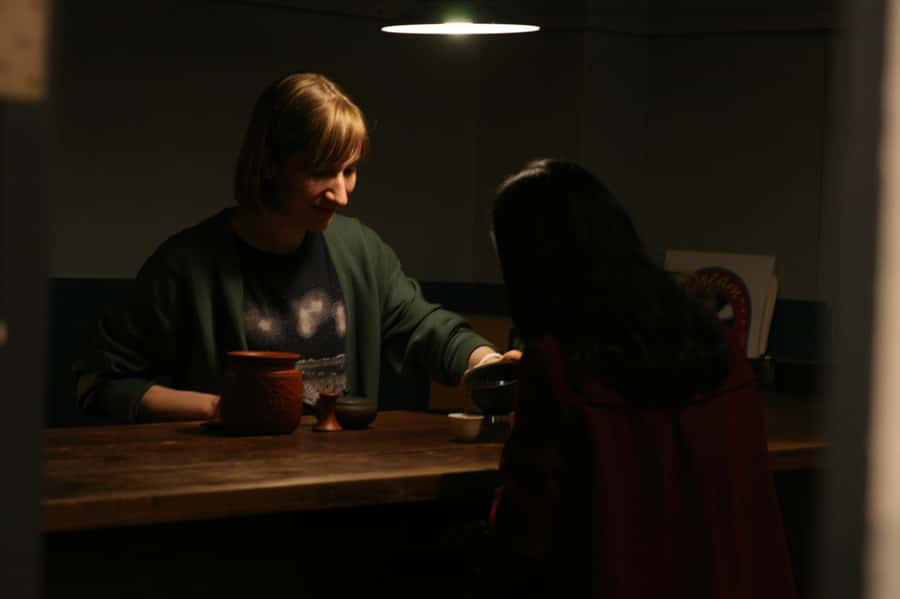
The session is built around a simple idea: Japanese tea is not one flavor. Many visitors arrive in Japan knowing matcha, perhaps sencha, and little else. This tasting gives you a wider map in a short period.
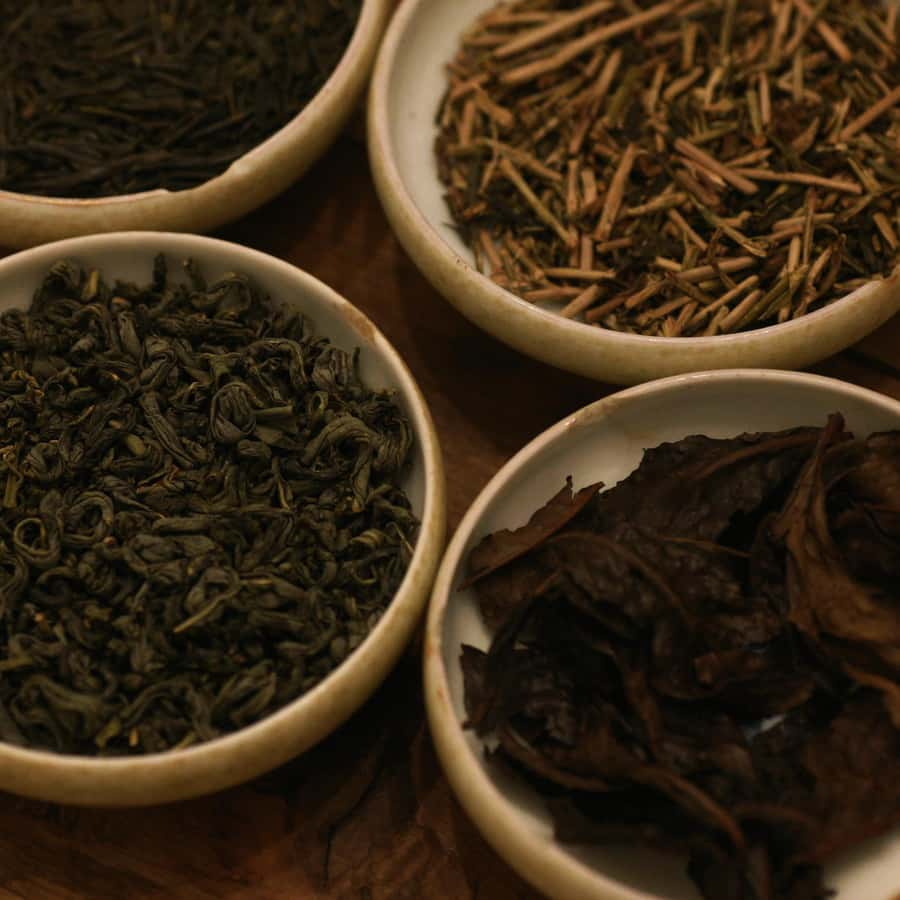
You sample seven teas from different parts of Japan. The exact order can shape how your palate reads the later cups, but the important point is the range. You are not simply drinking seven versions of green tea. The selection includes sencha, Japanese-style oolong, black tea, hojicha, bancha, and additional regional styles.
That variety matters. Sencha can show the fresh, grassy side of Japanese tea. Hojicha brings a roasted character and is often a gentler introduction for people who find green tea too sharp. Bancha offers an everyday style with a different balance from higher-grade sencha. Japanese black tea and oolong show how local producers work with methods often linked in the public mind to other tea-producing countries.
I appreciate this format because it gives you comparisons. A single cup can be pleasant, but several cups served with explanation help you notice why they differ. You can compare aroma, color, strength, roast, sweetness, and aftertaste without needing a trained palate.
More History Tours in Tokyo:
- World Heritage Kyoto & Nara Uji Authentic Matcha Experience
★ 5.0 · 1,573 reviews - Beijing Culture: Tea Ceremony, Heritage Instrument & Calligraphy
★ 5.0 · 57 reviews - Uji: UNESCO Heritage & Tea Ceremony Walking Tour
★ 4.6 · 54 reviews
From Saitama farms to a Tokyo teashop
A Drop. Kuramae is not presenting tea only as a finished retail product. The team also grows and crafts traditional tea in Saitama. That detail gives the talk a useful practical angle.
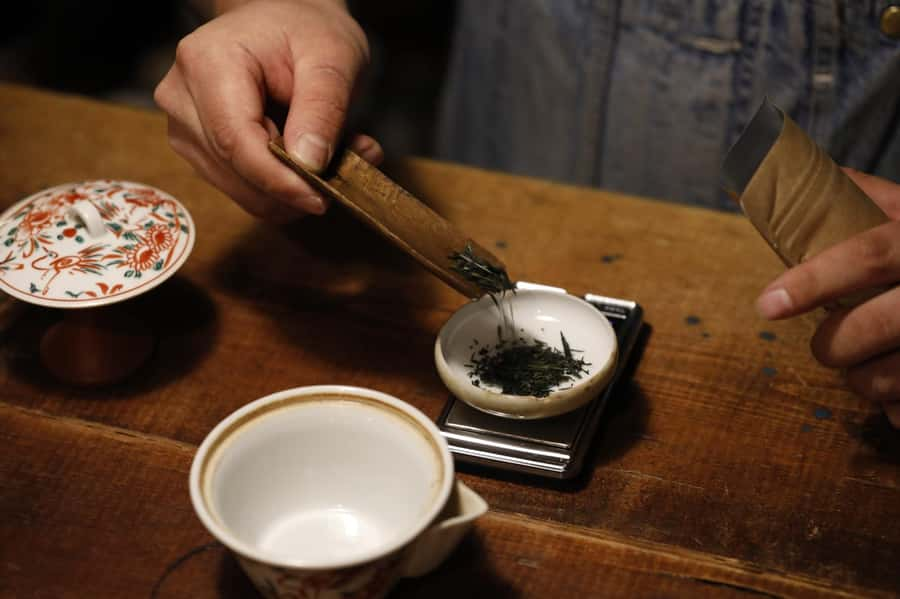
You learn about tea as an agricultural product first. Growing conditions, harvesting, processing, and roasting all shape what reaches your cup. The session uses photos and videos from real tea farms to connect the tasting with the places where the leaves are grown.
I find this especially useful for anyone who has wondered why two teas both labeled Japanese can taste so different. Region matters, but so do production choices. A tea may be handled to preserve fresh green notes, roasted for a warmer taste, or processed in a way that creates an oolong or black tea style.
The farm material also keeps the experience from becoming a generic tea lecture. You are not only hearing dates and terminology. You are seeing the work behind the drink and learning how a producer thinks about the final cup.
Sencha, hojicha, bancha, and more
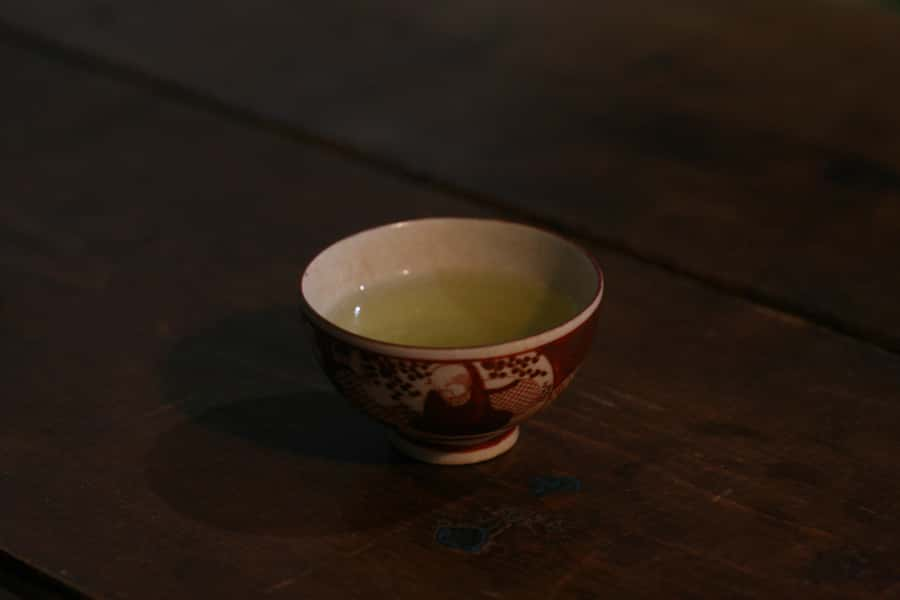
The strongest part of the tasting is the chance to move across several tea families in one sitting. Here is what each named style adds to the experience.
Sencha is one of the best reference points for Japanese tea. It helps you notice the clean, green flavors associated with many familiar Japanese teas. Its character can change greatly depending on how it is brewed, which is why the preparation lesson matters.
Hojicha is roasted, giving it a darker aroma and a warm, toasted profile. If you are new to tea, this may be one of the easiest styles to understand because it feels so different from a fresh green tea.
Bancha is an everyday Japanese tea style. It helps put Japanese tea culture into daily context rather than treating every cup as a luxury product. You get a better sense of how tea can be a routine drink, not only a special occasion purchase.
Japanese-style oolong brings a different level of oxidation and flavor. It broadens your idea of what Japanese producers make and offers a useful comparison with green tea.
Japanese black tea adds another clear contrast. Tasting it beside the greener and roasted teas lets you see how processing changes the leaf.
The remaining teas complete the seven-cup lineup. Since the selection is drawn from farms across Japan, the tasting is also a regional sampler, not just a lesson in tea categories.
Brewing lessons that change the cup
A major strength is the attention to brewing details. The session explains water temperature, steeping time, and the amount of leaf to use. Those sound like small points, but they can change a tea from thin to full, bitter to balanced, or flat to aromatic.
This is where the $44 price begins to make more sense. You are not just paying for seven small drinks. You are getting a method you can use after leaving Tokyo. Once you understand why one tea needs cooler water or a shorter steep, your tea purchases become less of a guess.
You should pay close attention during this part, even if you normally drink tea without thinking about preparation. The information is practical rather than ceremonial. You do not need special equipment or a formal Japanese tea background to benefit from it.
The relaxed style is another plus. This is not presented as a formal tea ceremony, so you can ask questions, compare impressions, and share your own tea habits. That makes it a better fit for curious beginners than for someone seeking strict etiquette or a staged traditional performance.
A few more tea experiences around Tokyo worth a look
- Matcha Making Class in Tokyo with Authentic Japanese Sweets Set
★ 5.0 · 744 reviews - Kimono Tea Ceremony at Tokyo, Asakusa Maikoya
★ 5.0 · 638 reviews - Tokyo: Traditional Tea Ceremony with a Tea Master
★ 5.0 · 528 reviews - Tokyo: Matcha Making Experience with Mochi Sweets in Asakusa
★ 4.9 · 388 reviews
The atmosphere at A Drop. Kuramae
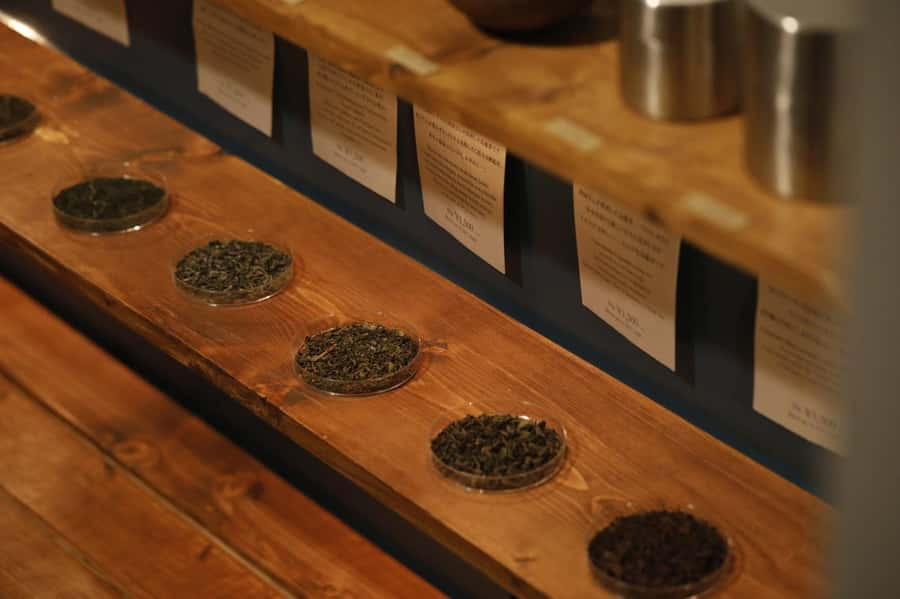
The shop is in Kuramae, Tokyo, on the second floor of the Uguisu Building. A café and bookstore occupy the first floor, and the entrance to the building is to the left of the bookstore. The tea session takes place in Room 204.
This is useful arrival information because the location is not described as a large street-facing attraction. You should look for the building, find the entrance beside the bookstore, and go upstairs to the second floor. The session ends back at the same meeting point.
Kuramae is a practical base if you are spending time around Asakusa. The shop is a short walk from Asakusa, so you can pair the tea session with sightseeing in that part of Tokyo. You arrange your own transportation, and no travel between tea farms is included. That is not a problem for a compact city session, but it is worth understanding: the countryside reaches you through the stories, images, and videos rather than a bus ride to the fields.
The small-group format should help keep the discussion personal and interactive. The available information does not give a fixed maximum group size, so I would not book this expecting a one-on-one lesson unless you arrange a private option separately.
How the tea stories add value
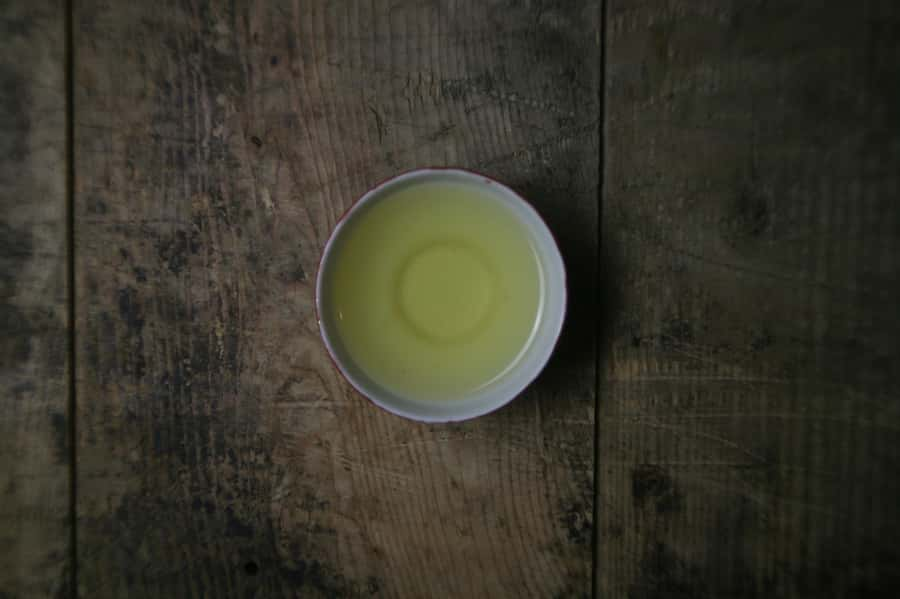
The session places Japanese tea within about 1,200 years of cultural development. That long time span gives the tasting a sense of context, but the real value is how the history connects to what is in your cup.
You are not simply told that tea has been important in Japan for centuries. You can connect the past with modern farming, regional production, retail tea, and everyday drinking habits. The session also helps correct a common misunderstanding: Japanese tea culture is not only matcha and formal ceremony.
That broader view is one of the best reasons to book. If you have already visited a tea ceremony, this offers a different side of Japanese tea. If you have never tried one, it gives you an approachable introduction without asking you to learn a set of formal movements.
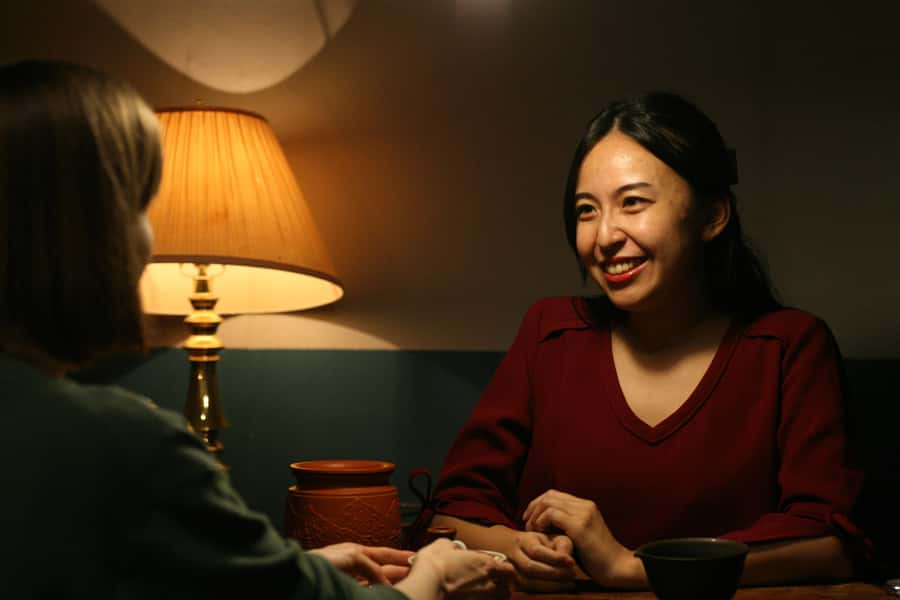
I also like the invitation to share your own story. The session is meant to be a conversation as well as a tasting. You can talk about the teas you drink at home, ask about preparation, or compare the flavors with tea from your own country.
Buying tea after the tasting
Tea purchases are optional and cost extra. The shop offers rare and high-quality Japanese teas selected from farms around Japan, including many of the kinds you may taste during the session.
This is a sensible place to buy souvenirs because you have already tried the products. You can choose based on flavor rather than packaging or guesswork. If you enjoy the roasted cup, you can seek out hojicha. If you prefer fresh green notes, sencha may be the better choice. If the unusual styles catch your attention, Japanese oolong or black tea may be worth taking home.
Keep the extra cost in mind. The $44 covers the guided tasting and instruction, not take-home tea. Since no food or snacks are included either, you should not treat this as a café visit or a replacement for lunch.
Is $44 a fair price?
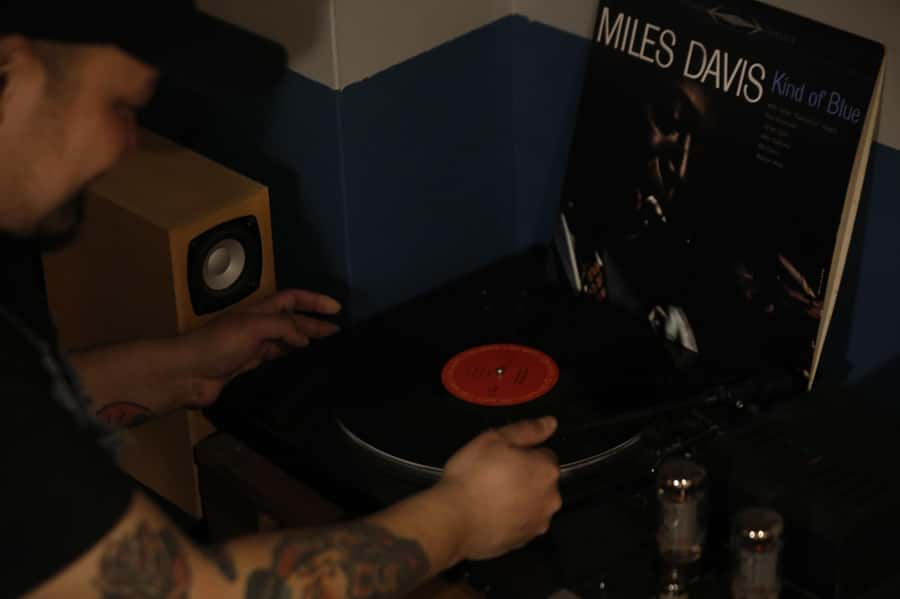
For a short tea tasting, $44 is not the cheapest way to drink tea in Tokyo. You can find inexpensive cups elsewhere. The value comes from the comparison, instruction, farm stories, and access to teas you might not encounter on your own.
I would consider it fair if you are genuinely interested in tea, want to understand Japanese production, or hope to buy good tea with some guidance. The brewing lesson alone can save you from wasting a packet of tea through poor water temperature or steeping time.
The price is harder to justify if you only want a quick drink, a snack, or a formal cultural show. There is no food, transportation, or private guide included. It is also a compact session, so you should not expect a full-day visit to a tea-growing region.
The strongest value comes when you use the experience as both a tasting and a shopping guide. Try the teas, remember your favorites, ask how to brew them at home, and then decide if you want to buy anything.
Who should book this Kuramae session?
I would recommend it most strongly to tea lovers, curious beginners, and anyone who wants a cultural activity that fits neatly into a Tokyo schedule. The relaxed tone suits solo visitors, couples, and small groups who prefer conversation over a formal performance.
It is also a good choice if you have already tasted matcha and want to see what else Japan produces. The session gives you seven points of comparison in 80 minutes, which is efficient without feeling like a rushed checklist.
Families with young children may find the quiet tasting format less engaging, though the provided information does not set an age limit. Food-focused visitors should also choose carefully because snacks are not part of the experience.
If you need accessibility details, ask the provider before booking. The meeting room is upstairs in Room 204, but no specific accessibility information is provided.
Booking is flexible: you can reserve and pay later, and cancellation up to 24 hours before the start allows a full refund. That makes it easier to place the session into a changing Tokyo plan.
Final verdict: a smart choice for tea-curious visitors
Book this if you want more than matcha and would enjoy learning how tea changes from farm to cup. The seven-tea lineup, Saitama growing experience, farm images, and practical brewing advice give the session real substance.
Skip it if you are looking for a meal, a formal tea ceremony, or a trip into the countryside. For everyone else, A Drop. Kuramae offers a friendly and compact way to understand Japanese tea, taste unusual regional styles, and leave with a better idea of what to buy and how to brew it.
FAQ
How long does the tea session last?
The experience lasts 80 minutes.
How many Japanese teas will I taste?
You will taste seven distinct Japanese teas.
Which teas are included?
The named teas include sencha, hojicha, Japanese-style oolong, black tea, and bancha, along with additional Japanese teas.
Is this a formal Japanese tea ceremony?
No. It is a casual, relaxed tasting focused on tea flavors, history, production, and brewing.
Where does the experience begin and end?
It begins and ends at A Drop. Kuramae, located in Room 204 on the second floor of the Uguisu Building in Kuramae, Tokyo.
Are food and take-home tea included?
Food and snacks are not included. Tea purchases are also separate, but you can buy selected teas after the tasting.
Just added around Tokyo
- Yokohama : Tea Ceremony with Sweets and Souvenir★ 5.0 · 5 reviews
- Walking Tour: Yanaka,Nezu& Sendagi: Tea Ceremony & Old Tokyo★ 5.0 · 3 reviews
- Private Kimono and tea ceremony at local home near Tokyo Disney★ 5.0 · 6 reviews
- Private Mochi・Matcha sweets Making Class Near Shibuya Area★ 5.0 · 22 reviews
- Kimono and Tea Ceremony in Asakusa Private Food Tour With Guide★ 5.0 · 4 reviews
- 2 Hours Mochi &Nerikiri Making & Matcha Class in Bunkyo★ 5.0 · 21 reviews
- Tokyo Sweets Tour: Hidden Gems & Matcha at an Old Tea House★ 5.0 · 6 reviews
- Tokyo Tea Ceremony Class at a Traditional Tea Room★ 5.0 · 2 reviews
Historical Tours, compared.
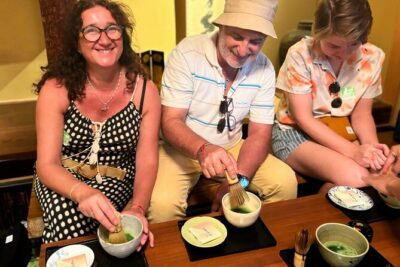
World Heritage Kyoto & Nara Uji Authentic Matcha Experience
Read our review →
Beijing Culture: Tea Ceremony, Heritage Instrument & Calligraphy
Read our review →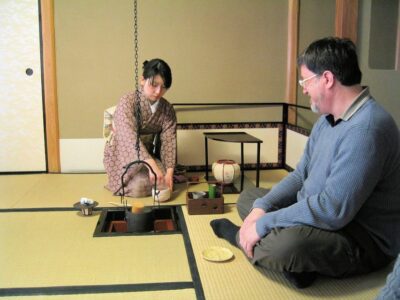
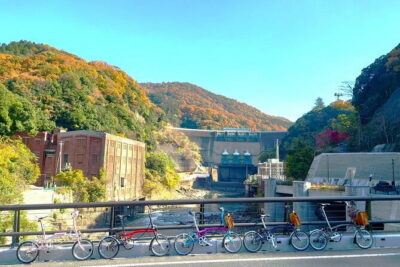
Slow Cycling Tour at Uji’s Matcha Green Tea Fields and Heritage
Read our review →
Uji Tea Ceremony and UNESCO Heritage Walking Tour
Read our review →
Tea and Doughnuts: Historic Walking Food Tour of Southwark
Read our review →
Cycling Tour at Uji’s Matcha Green Tea Fields and Heritage
Read our review →Browse the lists this tour appears in