
Review · JAPAN
Tea Ceremony Experience
Tea begins with a quiet pause. This 30-minute experience gives you a simple way to learn about Japanese tea while sightseeing in Nagoya, without committing to a long formal ceremony. I like the single-origin matcha and the chance to prepare your own cup, and the included ohigashi sweets add a pleasant traditional touch. The $7 price also makes this an easy cultural stop.
The main consideration is that this is a short, casual introduction rather than a full ceremonial performance. The room is on the third floor with no elevator, English support is provided as much as possible, and one disappointed participant felt the setting and quick pace did not feel like a true tea ceremony.
Key details before you book
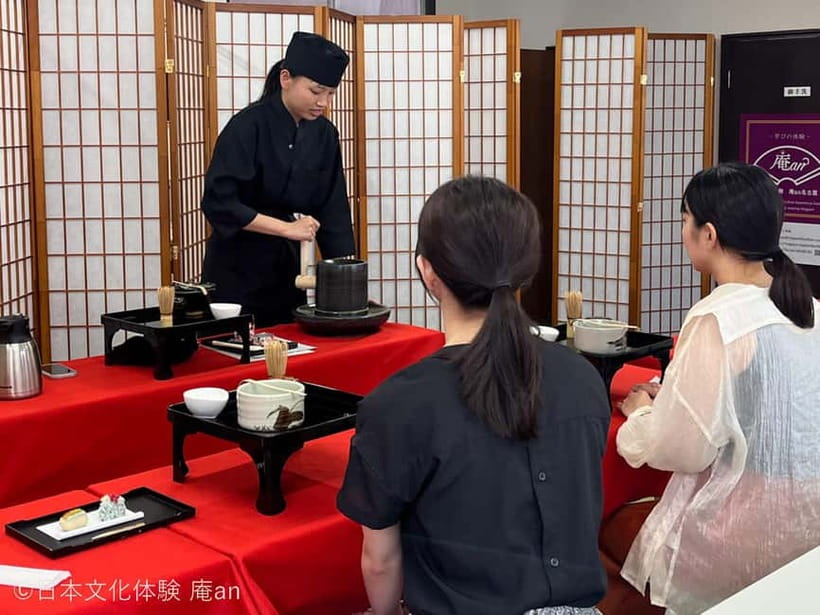
- Matcha is prepared by you: After a short explanation, you make your own tea instead of only watching a demonstration.
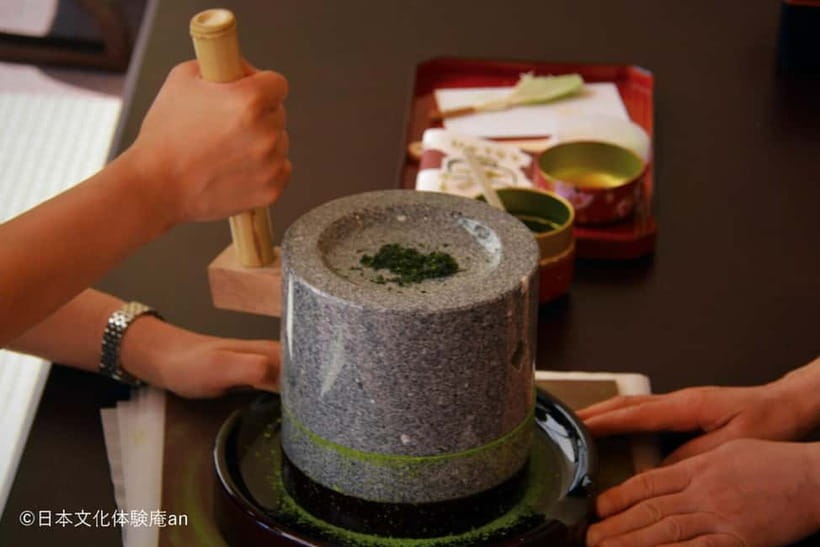
- A grinding demonstration is included: You see how matcha is prepared before the tea-making portion begins.
- Single-origin matcha is used: The tea is presented as a special, focused product rather than an unnamed powdered drink.
- Ohigashi comes with the tea: These traditional Japanese sweets give you something delicate and sweet to eat with the matcha.
- The meeting point is central: Kokusai Center Station is one minute away, and Nagoya Station is about a 13-minute walk.
- The full visit lasts 30 minutes: It fits neatly into a sightseeing day, though the short schedule leaves little room for delays or a slow ritual.
A small tea lesson in central Nagoya
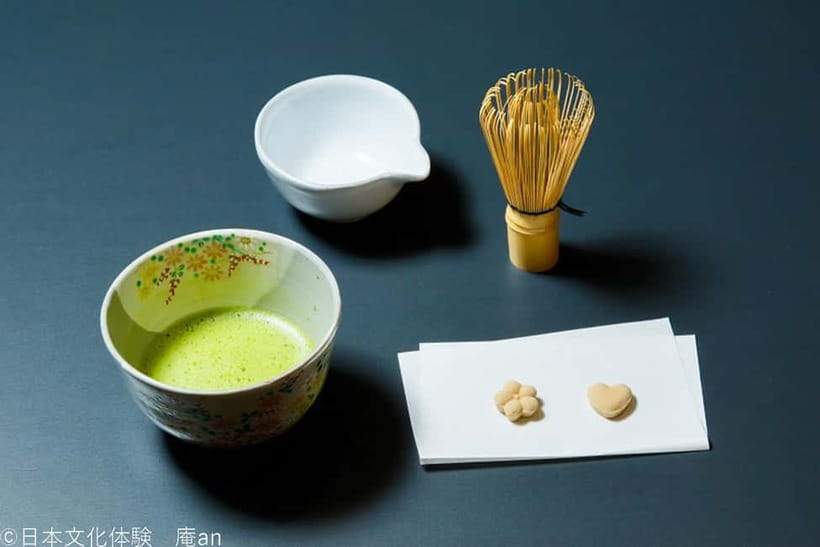
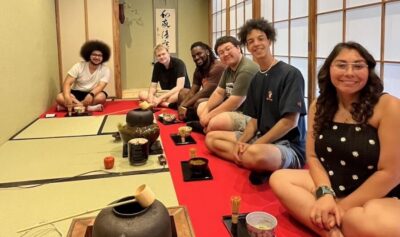
This experience is designed for people who want a taste of Japanese tea culture without spending half a day in a formal tea school. You receive a short introduction, watch matcha being ground, prepare your own tea, and have time to drink it with a Japanese sweet.
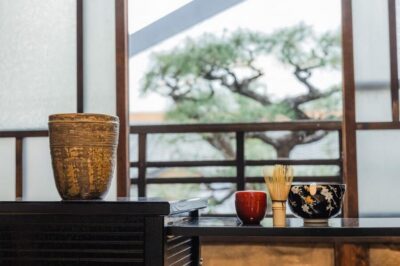
That structure matters. A formal tea ceremony can include set movements, carefully arranged utensils, traditional manners, and long periods of quiet attention. Here, the goal is more practical: give you enough background to understand what you are doing, then let you try it yourself.
I like that balance for a busy Nagoya itinerary. You do not need special knowledge, and you do not need to know the correct movements before arriving. A solo visitor can take part, as can a group, so the activity works for a single person looking for a calm break or a family wanting a short cultural activity.
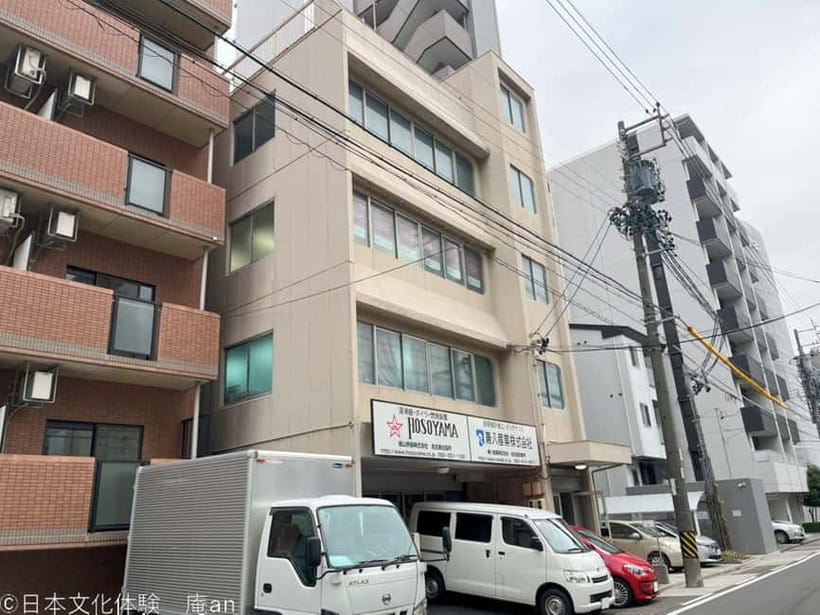
The experience is offered at AN Japanese Culture Experience, close to Kokusai Center Station on the Subway Sakura-dori Line. From Exit 3, the walk is about one minute. If you are coming from the Sakura-dori side of Nagoya Station, allow around 13 minutes on foot.
More Tea Ceremonies in Japan:
- Kyoto: Tea Ceremony in a Traditional Tea House in Kiyomizu
★ 4.9 · 3,519 reviews - Kyoto: Tea Ceremony Ju-An at Jotokuji Temple
★ 4.9 · 3,207 reviews - Kyoto: 45-Minute Tea Ceremony Lesson Experience
★ 4.3 · 2,378 reviews
What happens during the 30-minute visit
The schedule is compact and easy to follow. At the start, the instructor explains tea and introduces the activity. This opening gives you a basic idea of what matcha is and how the tea-making process fits into Japanese culture.
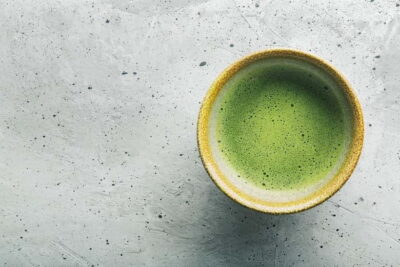
Next comes the matcha grinding demonstration. This is an important part of the visit because it shows that matcha is not simply ordinary green tea placed in a blender. The tea is ground into a fine powder, which is then whisked with water. Seeing that process gives the drink a little more meaning before you prepare it yourself.
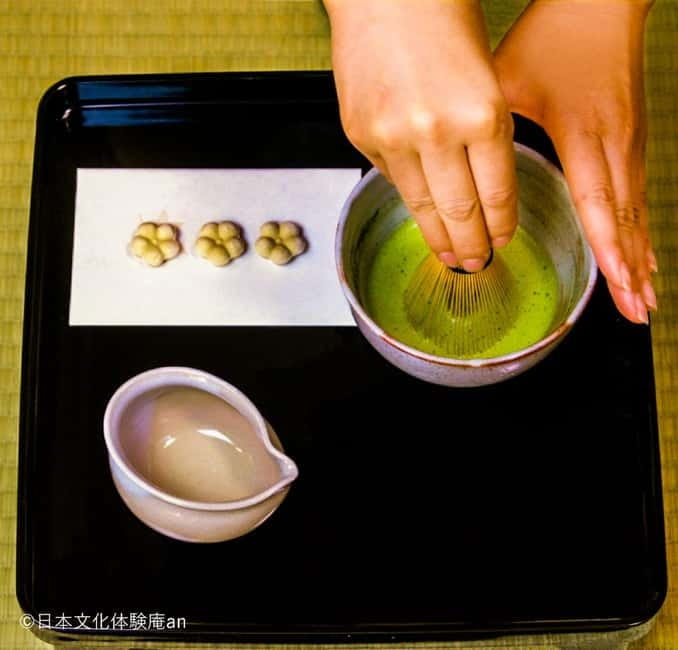
The tea ceremony portion follows. You make your own matcha after the brief lesson, with guidance from the instructor. The wording of the program suggests a relaxed approach, so you should expect instruction that helps you participate rather than a demanding test of traditional form.
After the tea preparation, there is picture time. This gives you a chance to record the moment before the final eating and drinking period. The activity reaches its end at about 20 minutes, followed by time for the matcha and ohigashi sweets. You leave at the 30-minute mark.
That timing is useful, but it is also the experience’s limit. If you want a slow ceremony with long explanations and a strong sense of ritual, 30 minutes will feel brief. If you want a clear introduction and the chance to make a cup yourself, the short format works well.
Why the single-origin matcha matters
The use of special single-origin matcha is one of the more appealing details here. You are not simply buying a green drink during a sightseeing break. The tea has a stated source and identity, which gives the tasting part more purpose.
Matcha can taste unfamiliar if you are used to regular tea. It is powdered, so you drink the tea itself rather than filtering out the leaves. The flavor can be strong, and the ohigashi provides a sweet counterpoint. That pairing is part of the pleasure of the activity.
The sweets are called ohigashi, a type of dry Japanese confection often served with tea. The information provided does not specify the exact shape or flavor served on the day, so you should treat them as a traditional accompaniment rather than expect a particular sweet.
I especially like that the tea is not presented alone. The combination of preparation, tasting, and a small sweet helps you understand how tea is enjoyed in a Japanese setting. It also makes the $7 cost feel generous, especially if you are already near Nagoya Station or Kokusai Center Station.
The room, pace, and feel of the ceremony
The setting deserves a clear warning. The venue is on the third floor, and there is no elevator. If stairs are difficult for you, contact the provider before booking so you can confirm if the activity will work for your needs.
The room may not match the image you have of a traditional tea house. One participant who gave the experience three stars felt the space did not suit a tea ceremony and that the visit moved too quickly. That criticism is worth taking seriously, particularly if atmosphere matters as much to you as the tea itself.
At the same time, the other available ratings were strongly positive, with a 4.8 score from seven reviews. The most praised features were the clear explanation, calm tone, English ability, and the chance to put the lesson into practice. One person specifically said the explanation was very good and appreciated being able to use what they had learned.
The best way to set your expectations is to think of this as a hands-on tea introduction in a central activity room. You may find it calm and useful. You should not book it expecting an elaborate, highly formal performance in a historic tea house.
A few more tea experiences around Japan worth a look
- World Heritage Kyoto & Nara Uji Authentic Matcha Experience
★ 5.0 · 1,573 reviews - Osaka: Tea Ceremony Experience
★ 4.9 · 1,426 reviews - Kyoto: Table-Style Tea Ceremony at a Kyo-Machiya
★ 4.9 · 1,211 reviews - Kanazawa: Kenrokuen Tea Ceremony Experience
★ 4.8 · 1,139 reviews
Language help and the instructor
The listed language is Japanese, but English translation is provided as much as possible if you request it. It is wise to contact the provider ahead of time if English explanation is important to you.
The available feedback gives some reason for confidence. One English-speaking participant described the guide’s English as great and said they learned a lot about matcha. Another said the English was good and the experience was calm. Those comments suggest that communication can work well, though the official information does not promise a fully English-language session.
The instructor is Japanese. That may be part of the appeal if you want a direct connection to the culture rather than a general sightseeing talk. Still, do not assume every explanation will be delivered in fluent English unless you arrange language help in advance.
Is $7 good value in Nagoya?
At $7 per person, this is a low-cost cultural activity. You receive the tea ceremony experience, the matcha grinding demonstration, your own matcha preparation, and ohigashi sweets. The price is especially attractive for a short stop near the center of Nagoya.
The value is strongest if you want three things: a taste of matcha, a simple cultural lesson, and an activity that fits between larger sightseeing plans. You can spend 30 minutes here and still have most of the day available for Nagoya Station, museums, shopping, or other city sights.
The price is less convincing if your main goal is a formal tea ceremony with a polished traditional setting. In that case, the short length and plain venue may leave you wanting more. The lower price reflects the compact format.
An experience completion certificate costs an extra 300 JPY. It is not included in the regular price. If you want a certificate with your name on it, provide your names in advance. Otherwise, the name section will be left blank.
Who will enjoy this experience most?
I would recommend this activity to first-time visitors who want an easy introduction to matcha. It is also a good fit for people with a tight schedule, since the entire program takes only 30 minutes and the meeting point is close to major transport.
It suits solo participants because the program accepts one person. Groups can also take part, making it a simple shared activity for friends or family. Children under two who sit on a parent’s lap are free, while the supplied information does not list broader child pricing.
This is also a good choice if you like doing rather than only watching. You will prepare your own tea after the explanation, and that small act makes the lesson more memorable than a talk alone.
I would be more cautious if you need guaranteed English, have trouble with stairs, or want a long, highly traditional ceremony. I would also avoid arriving with only a few minutes to spare. The event cannot be held for late arrivals, regardless of the reason.
Planning your visit near Kokusai Center Station
The easiest arrival point is Exit 3 of Kokusai Center Station on the Subway Sakura-dori Line. From there, the venue is about a one-minute walk. The location is also reachable from Nagoya Station, with a walk of roughly 13 minutes from the Sakura-dori side.
The venue operates from 10:00 to 17:00. Reservations received after 17:00 are processed the next day, so do not expect a late-evening tea session. Check the available starting times before you build the rest of your sightseeing day around it.
Arrive early enough to find the building and climb to the third floor. The activity has a fixed rhythm, and delays can mean missing part of the explanation or losing the booking altogether.
Free cancellation is available up to 24 hours in advance for a full refund. After that point, cancellation charges apply, and changing the date or time after a fee has been incurred can bring another specified charge. The provider does not cover your travel costs if you cancel, so read the cancellation terms before booking.
Should you book this Nagoya tea experience?
Book it if you want a cheap, short, hands-on matcha lesson near central Nagoya. The single-origin tea, grinding demonstration, ohigashi sweet, and chance to prepare your own cup offer real value for $7. Positive feedback also points to calm instruction and helpful English in at least some sessions.
Skip it if the room and ceremony setting matter more to you than the tasting itself. This is not a long formal ritual, and the 30-minute schedule can feel rushed. Contact the provider about English support before you reserve, and plan extra time for the stairs and arrival.
For most visitors, the right expectation makes this a worthwhile stop: a friendly introduction to matcha, not a grand tea-house performance.
FAQ
Where is the tea ceremony experience located?
It is at AN Japanese Culture Experience in Honshu, Japan, near Nagoya. The venue is one minute on foot from Exit 3 of Kokusai Center Station on the Subway Sakura-dori Line.
How far is the venue from Nagoya Station?
The venue is about a 13-minute walk from the Sakura-dori side of Nagoya Station.
How long does the tea ceremony experience last?
The full experience lasts 30 minutes. The program reaches its end at about 20 minutes, followed by eating and drinking time before departure.
What is included in the price?
The price includes the tea ceremony experience and a matcha grinding demonstration. Matcha preparation and Japanese ohigashi sweets are part of the activity.
Can I make my own matcha?
Yes. After a brief explanation and the grinding demonstration, you can prepare your own matcha.
Is the experience offered in English?
The listed language is Japanese. English translation is provided as much as possible, and you should contact the provider in advance if you would like English support.
Is there an elevator at the venue?
No. The venue is on the third floor, and there is no elevator.
Can I cancel for a full refund?
You can cancel up to 24 hours in advance for a full refund. Cancellation fees apply after that point.
Is a completion certificate included?
No. A completion certificate costs an additional 300 JPY. For a certificate with your name, provide your names in advance.
Just added around Japan
- Yokohama : Tea Ceremony with Sweets and Souvenir★ 5.0 · 5 reviews
- Walking Tour: Yanaka,Nezu& Sendagi: Tea Ceremony & Old Tokyo★ 5.0 · 3 reviews
- Visit local home for music and tea ceremony near Disney★ 4.9 · 13 reviews
- Trip to Kamakura & Enoshima: Shrines, Seaside, Temples &Tea★ 5.0 · 11 reviews
- Yokohama: Sushi & Gyoza Cooking with Matcha & GreenTea Experience★ 5.0 · 3 reviews
- Kyoto tea town for matcha lovers★ 5.0 · 16 reviews
- Uji: Private immersion into Kyoto’s tea and reglious culture★ 5.0 · 17 reviews
- Uji Tea Ceremony and UNESCO Heritage Walking Tour★ 5.0 · 20 reviews
Tea Ceremony Experiences, compared.
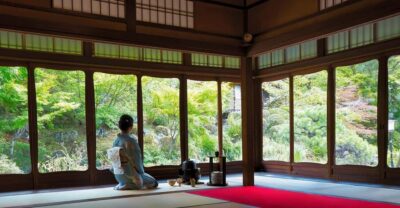
Tea Ceremony in a Traditional Tea House in Kiyomizu
Read our review →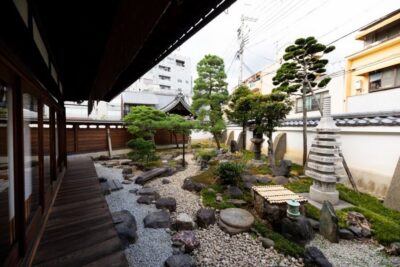
Browse the lists this tour appears in