
Review · KYOTO
Tea Ceremony Experience in Kyoto
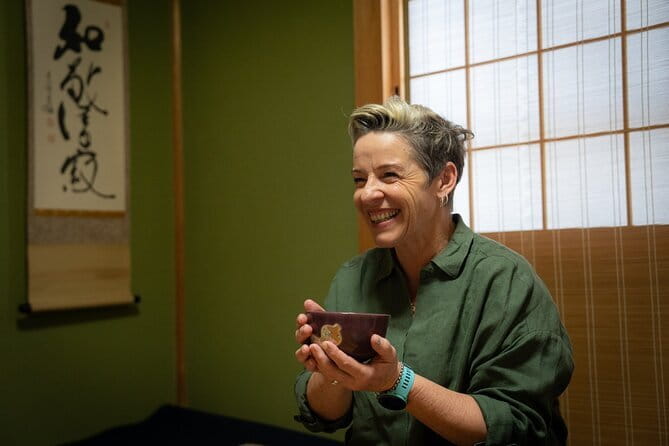
Matcha rewards attention. This one-hour Kyoto tea ceremony gives you a calm, friendly introduction to Japanese tea, with a chance to prepare your own bowl under the guidance of Chisato, a teacher with more than 30 years of experience. I like the small group size, capped at six, and the fact that the session welcomes complete beginners rather than assuming you already know the rules.
I also like the setting near the Kamogawa Delta and Demachiyanagi Station, which makes this easy to pair with a walk along the river. The main consideration is the English communication: the entire session is conducted in English, but one review notes that you may need to keep questions simple at times. The experience is also not wheelchair accessible.
Key points about this Kyoto tea ceremony
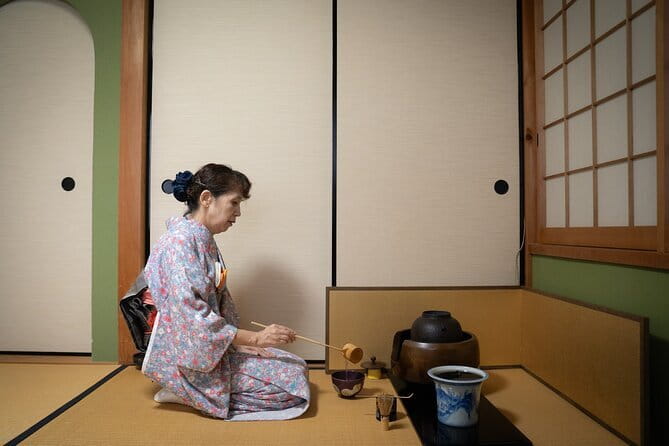
- You can make your own matcha: Learn the basic whisking method and the careful movements behind the ceremony.
- Chisato leads the session: She has more than 30 years of experience with the tea ceremony and offers a patient, welcoming introduction.
- The group is limited to six people: This gives the session a personal feel and leaves room for questions.
- Matcha and wagashi are included: You taste powdered green tea with a traditional Japanese sweet.
- The location suits a northern Kyoto day: It is about a 15-minute walk from both the Kamogawa Delta and Demachiyanagi Station.
- The visit lasts about one hour: It is short enough to fit between sightseeing stops, but long enough to learn and practice.
A calm introduction to Kyoto tea culture
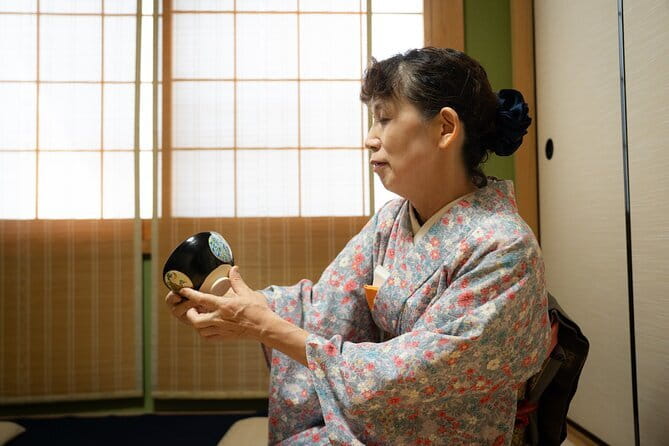
Kyoto offers many ways to experience Japanese culture, but some can feel formal or intimidating. This tea ceremony takes a gentler approach. You do not need prior experience, special knowledge, or a polished understanding of Japanese etiquette. The stated aim is to make the tradition easy to enter, which matters if you are curious but worried about doing something incorrectly.
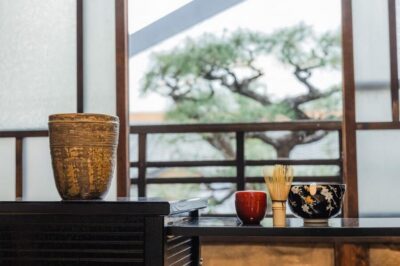
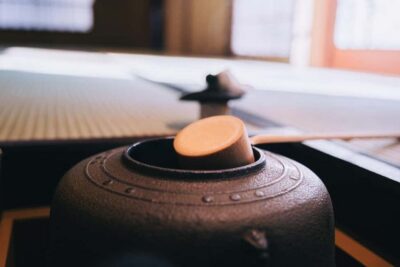
The session focuses on the preparation of matcha, the powdered green tea used in the ceremony. You learn that the process is not simply a matter of stirring a drink. The whisking, hand position, pace, and movements all carry a sense of care and attention.
That idea of being present is central to the experience. Chisato explains how to show respect for Japanese culture and how to pay attention to the moment in front of you. The lesson is practical, but it also gives you a small window into the values behind the ceremony.
I would not choose this activity if you want a long formal performance with an elaborate historical presentation. At about one hour, it is a compact introduction. Its strength is accessibility, not ceremony on a grand scale.
More Tea Ceremonies in Kyoto
- Kyoto: Tea Ceremony in a Traditional Tea House in Kiyomizu
★ 4.9 · 3,519 reviews - Kyoto: Tea Ceremony Ju-An at Jotokuji Temple
★ 4.9 · 3,207 reviews - Kyoto: 45-Minute Tea Ceremony Lesson Experience
★ 4.3 · 2,378 reviews
Meeting Chisato and settling into the experience
The meeting point is at Tea Ceremony Experience Chisato, at 67-23 Shimogamo Matsunokicho in Sakyo Ward. The activity begins and ends at this same location. You receive a mobile ticket, so you do not need to manage a printed voucher.
Chisato is the host named in the experience details and is described as having more than three decades of experience. The available comments paint a consistent picture of someone kind, patient, and accommodating, including with small children. One person noted that Chisato seemed a little nervous at first, but also said she clearly knew the ceremony well.
That is useful context. You may not get the highly polished delivery of a large commercial cultural show. Instead, you can expect a more personal session led by someone who cares about making the ritual understandable.
The group limit of six is important here. A small group gives you a better chance to watch the hand movements closely and ask for help when it is your turn. It also keeps the atmosphere quiet, which suits a ceremony built around focus and restraint.
The experience is conducted in English. Communication may occasionally require simple questions, especially if you want to explore a complicated point about Japanese culture. Still, the activity is designed for people without previous tea ceremony experience, so the main instructions should be approachable.
Learning the movements behind matcha
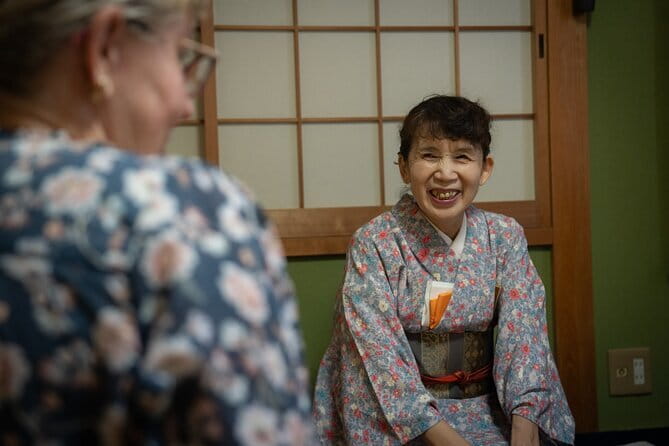
The central part of the hour is the preparation of matcha. You see how powdered tea becomes a smooth drink through whisking, then you have the option to prepare your own bowl.
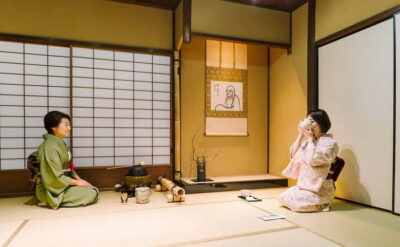
That option is worth noting. Some cultural demonstrations ask you to watch from the side, but this one allows you to take part. Under Chisato’s guidance, you learn the sequence and the precise movements that give the ceremony its character.
You should expect the lesson to focus on care rather than speed. The point is not to produce a drink as quickly as possible. It is to notice how each action fits into the larger ritual, from handling the tea to whisking it properly.
For a first-time visitor, this hands-on element gives the hour real value. You leave with more than a taste of matcha. You have practiced one of the ceremony’s key actions and gained a better sense of why the process is deliberate.
The activity is also forgiving. You are not expected to arrive with perfect technique. The teacher guides you through the preparation, and the welcoming format is meant to lower the pressure that can surround formal Japanese customs.
Families may find this especially helpful. A review describes Chisato as patient and accommodating with small children. The session still asks for quiet attention, but children can take part instead of only watching an adult perform the ritual.
Matcha and wagashi: a simple but important pairing
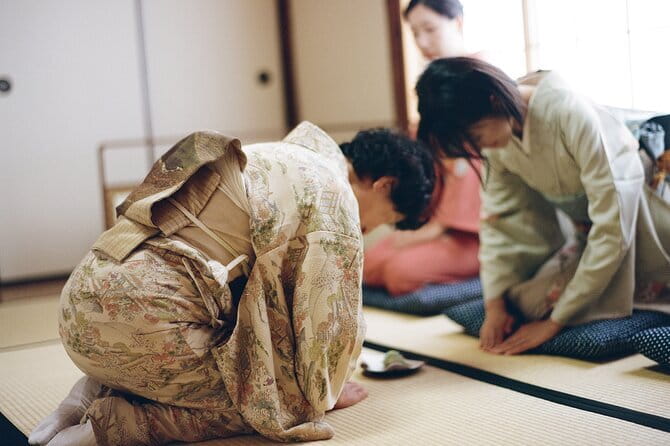
Matcha is served with wagashi, a traditional Japanese sweet. The sweet is not just a snack added to the booking. It helps balance the strong, grassy flavor of the tea and is part of the customary tea experience.
The available comments specifically praise both the matcha and the sweet. One family found the Japanese treats and tea delicious, while another enjoyed the sweet cake with the matcha. Exact flavors are not specified, so you should not expect a particular type of wagashi.
The pairing also helps explain how the ceremony works as a shared experience. You taste something sweet, then take the tea with its sharper, more earthy flavor. The contrast makes the matcha easier to appreciate, especially if powdered green tea is new to you.
If you already enjoy matcha, you may value the preparation lesson more than the tasting itself. If you usually find green tea too strong, the wagashi gives you a more pleasant way to approach it.
Same place, a different pot:
- Kyoto: Table-Style Tea Ceremony at a Kyo-Machiya
★ 4.9 · 1,211 reviews - Kimono Tea Ceremony at Kyoto Maikoya, NISHIKI
★ 5.0 · 911 reviews - Kyoto: Arashiyama Bamboo Forest, Monkeys, Matcha & Temple Tour
★ 5.0 · 759 reviews - Kyoto: Kimono Tea Ceremony at Orizuruya Gion
★ 4.9 · 618 reviews
Why the one-hour length works
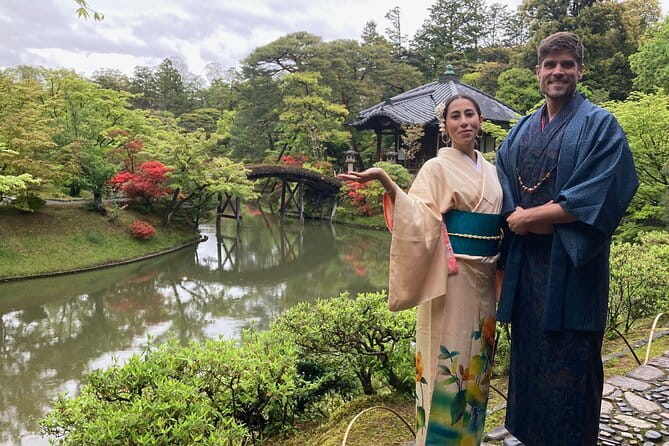
The session lasts approximately one hour. That is long enough for an introduction, instruction, preparation, tasting, and practice, but short enough to fit into a busy Kyoto schedule.
I see this as a good choice for a day when you are already exploring northern Kyoto. You can schedule it around the Kamogawa Delta, which is about a 15-minute walk away. The delta is a pleasant riverside spot, and combining a quiet walk with a quiet tea session creates a natural rhythm.
The location is also about a 15-minute walk from Demachiyanagi Station. That station is a useful starting point for exploring areas connected with Kibune Shrine and Rurikou Temple. The tea ceremony can therefore work as an addition to a larger day rather than a separate cross-town trip.
Allow yourself enough time to find the meeting point and arrive without rushing. The ceremony emphasizes calm and attention, so arriving breathless from a last-minute walk would work against the mood.
Because the experience ends back at the meeting point, you can plan your next stop from the same area. There is no complicated transfer at the end and no need to collect belongings at a second location.
What the price includes at $39.09
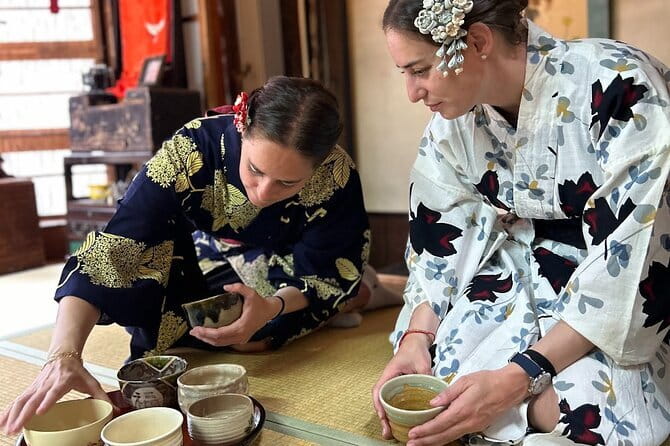
At $39.09 per person, this is a reasonably priced cultural activity for Kyoto, especially because the cost includes the matcha, wagashi, and guide. You are paying for instruction and participation, not just a cup of tea.
The small group limit improves the value. In a large demonstration, your view of the preparation could be limited and your chance to practice might be small. With no more than six people, the instruction should feel more direct.
The price is less compelling if you are only looking for a quick drink. Kyoto has many places to buy matcha without booking an experience. This activity earns its cost through the explanation, the cultural context, and the chance to make the tea yourself.
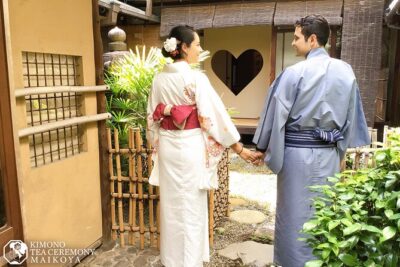
A kimono is not included. That is helpful to know before booking, since some tea ceremony experiences build the clothing into the main attraction. Here, the focus is on the tea, the movements, and the meaning behind the ritual.
Tips are also not included. No separate tip amount is specified, so you can decide for yourself based on the quality of the session and the help you receive.
Who will enjoy this experience most
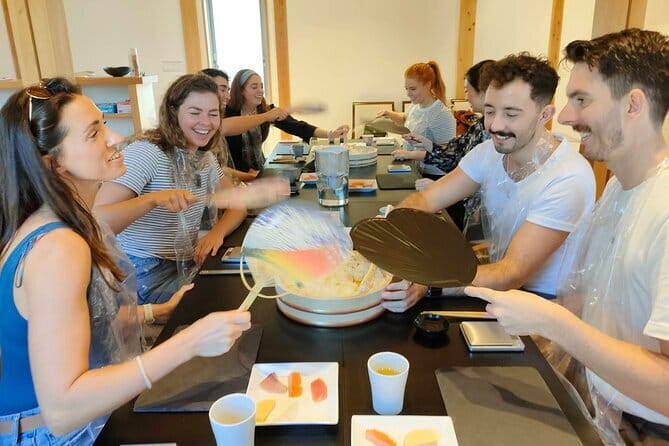
I would recommend this activity to you if you want a short cultural lesson with real participation. It suits first-time visitors who are curious about Japanese customs but do not want a rigid or intimidating ceremony.
It is also a good fit for:
- Couples looking for a quiet break from sightseeing
- Families with children who can follow simple instructions
- Solo visitors who prefer a small group setting
- Anyone interested in Japanese food and drink
- People planning time around Demachiyanagi or the Kamogawa Delta
- Visitors who want an indoor cultural activity lasting about one hour
The experience may be less suitable if you need wheelchair access, since it is not wheelchair accessible. It may also disappoint you if you expect a kimono fitting, a long formal performance, or an elaborate multi-course tea gathering.
The English delivery should work for most basic instruction, but keep in mind that one comment recommends using simple questions at times. If you want a highly technical discussion of tea history or ceremony schools, this may not go far enough.
A useful stop before or after northern Kyoto sights
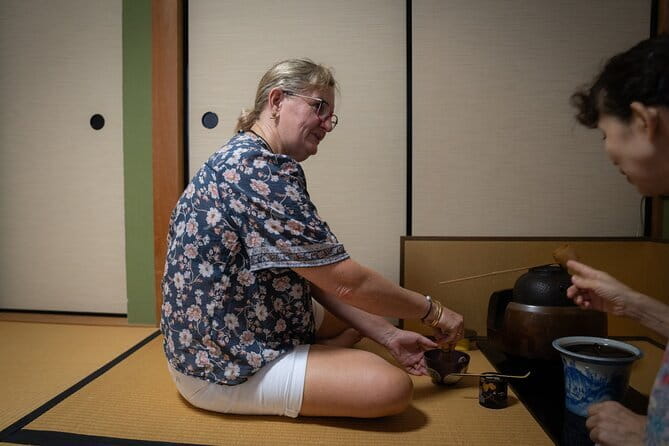
The location gives this activity more planning value than a ceremony placed far from other sights. From the tea room, the Kamogawa Delta is roughly a 15-minute walk. You can use the riverside area as a quiet place to walk before the appointment or to reflect afterward.
Demachiyanagi Station is also about 15 minutes away on foot. The area connects naturally with outings toward Kibune Shrine and Rurikou Temple, so the tea ceremony can be folded into a wider day in northern Kyoto.
Do not treat the ceremony as a replacement for those sights. It is a one-hour cultural stop, not a full-day tour or transportation service. You arrange your own route to the meeting point and continue independently when the activity ends.
That independence is useful if you prefer building your own Kyoto day. You can place the ceremony between other plans rather than surrendering several hours to a fixed group itinerary.
The atmosphere: kind, calm, and personal
The strongest praise centers on the tone of the session. The teacher is described as sweet, kind, patient, and accommodating. Those qualities matter in a tea ceremony because the details can feel unfamiliar at first.
You may need help with the whisk or with the order of the movements. A patient instructor makes the difference between feeling self-conscious and enjoying the practice. Chisato’s long experience gives the lesson a firm base, while her friendly manner keeps it from feeling stiff.
The calm setting also suits the subject. Several comments describe the experience as relaxed and focused on the intention behind making matcha. That does not mean every moment will feel perfectly polished. One note mentions some initial nervousness and occasional need for simpler questions in English.
I see that as a fair trade for a small, personal session. You are not booking a stage show. You are meeting a teacher who explains a traditional practice directly and lets you try it.
Booking and cancellation details
Confirmation is provided at the time of booking, and the mobile ticket makes the activity easy to carry on your phone. The group is limited to a maximum of six people, so early booking may be sensible if your Kyoto dates are fixed.
Free cancellation is available up to 24 hours before the start time for a full refund. Cancellations or changes made less than 24 hours before the start time are not accepted for a refund, and the cut-off follows local Kyoto time.
This policy is fairly clear, but pay attention to the time difference if you are booking from abroad. The provider is Travel Japan Together.
Should you book this Kyoto tea ceremony?
Book it if you want a friendly, hands-on introduction to matcha and Japanese tea etiquette, especially if you are staying near Demachiyanagi or planning a day around the Kamogawa Delta. The combination of a six-person limit, included wagashi, personal instruction, and a teacher with more than 30 years of experience makes the $39.09 price sensible.
Skip it if you need wheelchair access, want to wear a kimono, or are looking for a grand formal ceremony lasting several hours. For everyone else, this is a compact and thoughtful way to slow down in Kyoto, learn the basic movements, and understand why making tea can be an act of respect as much as refreshment.
FAQ
How long does the tea ceremony last?
The experience lasts approximately one hour.
Where does the experience begin?
It begins at Tea Ceremony Experience Chisato, located at 67-23 Shimogamo Matsunokicho, Sakyo Ward, Kyoto, 606-0816, Japan.
Where does the activity end?
The activity ends back at the meeting point.
Is matcha included?
Yes. Matcha is included in the experience price.
Is a Japanese sweet included?
Yes. Wagashi, a traditional Japanese sweet, is included.
Can I make my own tea?
Yes. You have the opportunity to prepare your own matcha under the teacher’s guidance.
How many people can join the session?
The activity has a maximum of six people.
Is the experience wheelchair accessible?
No. The experience is not wheelchair accessible.
What is the cancellation policy?
You can cancel up to 24 hours before the start time for a full refund. Cancellations or changes made less than 24 hours before the start time are not accepted for a refund.
Just added around Kyoto
- Uji Walking Tour – Byodo-in temple and Tea Ceremony from Kyoto★ 3.5 · 3 reviews
- Tea ceremony at Kyoto’s Zen Temple Teahouse★ 5.0 · 2 reviews
- Kyoto: Authentic Tea Ceremony in a Small Group★ 5.0 · 7 reviews
- Tea Ceremony in 150 Years Old Townhouse with Tables and Chairs★ 5.0 · 22 reviews
- Silent Beauty of Kyoto Zen Walk and Tea Experience★ 5.0 · 2 reviews
- Tea Ceremony Experience in Traditional Kyoto Townhouse★ 5.0 · 19 reviews
- Traditional Tea Ceremony in Kyoto★ 4.5 · 3 reviews
- Sencha-do the Japanese Tea Ceremony Workshop in Kyoto★ 5.0 · 21 reviews
Tea Ceremonies in Kyoto, compared.
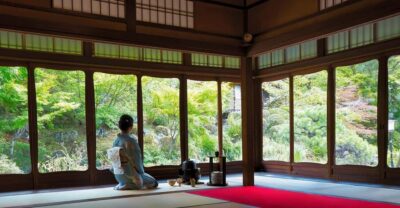
Tea Ceremony in a Traditional Tea House in Kiyomizu
Read our review →
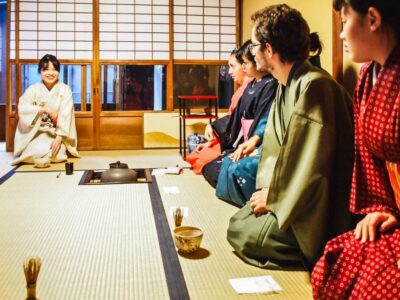
Tea Ceremony in 100-year-old Kyo-Machiya Townhouse
Read our review →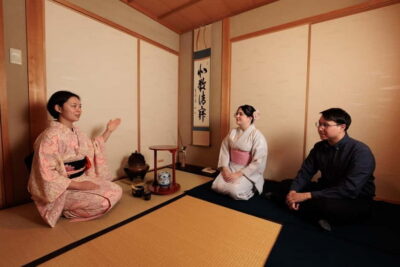
Browse the lists this tour appears in