
Review · KYOTO
Tea ceremony by the tea master in Kyoto SHIUN AN
Slow down over a bowl of matcha. This 45-minute tea ceremony at SHIUN AN gives you a close look at one of Kyoto’s most careful traditions, in a quiet neighborhood near Daitoku-ji Temple. I like the small group size, usually no more than six people, and the chance to prepare your own matcha after watching the tea master. The price, about $33.03, is also fair for two bowls of tea, two sweets, instruction, and the use of traditional utensils.
The main drawback is the location. SHIUN AN is north of Kyoto’s busiest sightseeing areas, and several people have found the house difficult to locate. You’ll also sit on a tatami floor, and one person found the stairs challenging, so this is worth considering before you book. Still, with a 4.8 rating from 76 reviews and 96 percent recommending it, the experience offers a personal and thoughtful introduction to Kyoto tea culture.
Key points at a glance
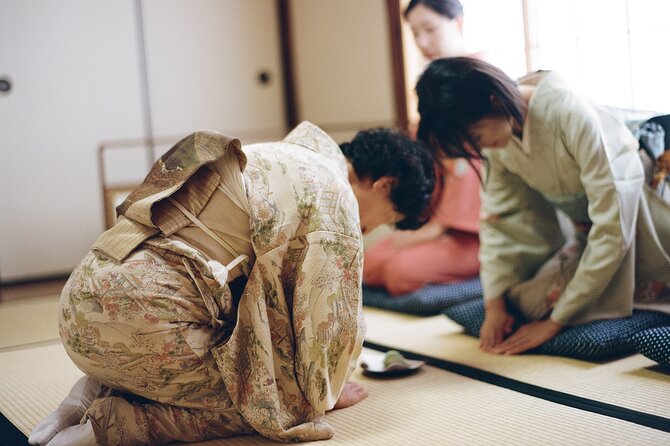
- Near Daitoku-ji Temple: The ceremony takes place close to a Zen temple with a strong connection to Japanese tea culture.
- Usually six people or fewer: Small sessions allow time for questions and personal instruction.
- Two bowls of matcha: You watch the formal preparation, then make your own bowl.
- Two Japanese sweets: Seasonal sweets accompany the tea and help balance matcha’s bitterness.
- Traditional details included: Tea bowls, a tea container, scoops, whisks, white socks, and a folding fan are provided.
- Allow extra time for arrival: The residential setting can be tricky to find, especially if you rely on a local bus.
A Kyoto tea ceremony away from the crowds
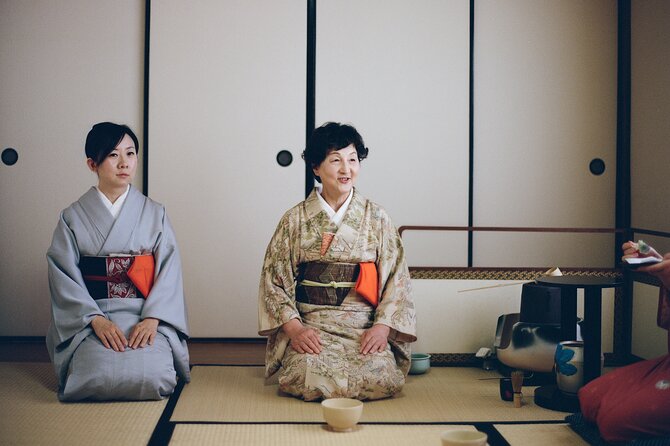
SHIUN AN offers a more intimate alternative to a large cultural demonstration. The ceremony takes place at 955-1 Idacho in Kyoto’s Kamigyo Ward, near Daitoku-ji Temple and about four bus stops from Kinkaku-ji, the Golden Pavilion.
That setting matters. Daitoku-ji is a Zen Buddhist monastery with a long connection to tea practice. Several important priests studied there, and the temple helped shape the relationship between Zen, tea, architecture, and Japanese arts. You are not simply drinking matcha in a room arranged for tourists. You are visiting a part of Kyoto where the tea tradition makes cultural sense.
The setting is a small house in a quiet residential area. That gives the experience a calm tone, but it also means you should not expect a prominent storefront or a major attraction entrance. Use a map, leave early, and pay attention to the address. One helpful tip is to use public transportation to reach the area and allow extra time for the final walk.
The experience lasts about 45 minutes, although several descriptions refer to it as roughly an hour. Either way, it fits well before or after a visit to Daitoku-ji. It is also a practical addition to a day at Kinkaku-ji, though the two locations are not next door to each other.
More Tea Ceremonies in Kyoto
- Kyoto: Tea Ceremony in a Traditional Tea House in Kiyomizu
★ 4.9 · 3,519 reviews - Kyoto: Tea Ceremony Ju-An at Jotokuji Temple
★ 4.9 · 3,207 reviews - Kyoto: 45-Minute Tea Ceremony Lesson Experience
★ 4.3 · 2,378 reviews
Entering the tea room and reading its details
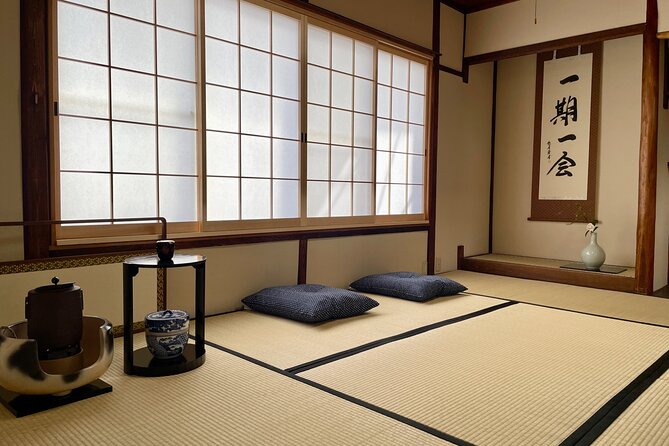
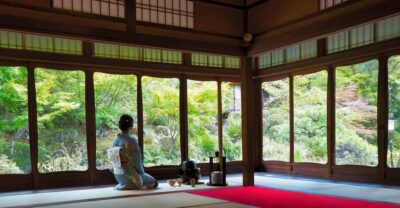
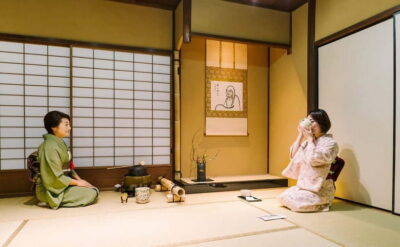
The ceremony begins when the host brings you into the tea room. Before any tea is served, you have time to look at the hanging scroll and flower arrangement.
These details are not random decoration. In tea practice, the scroll, flowers, room layout, utensils, and seasonal touches help shape the mood. The point is to notice the room before the action begins. You are encouraged to slow down and look closely, which can feel very different from racing between Kyoto’s major temples.
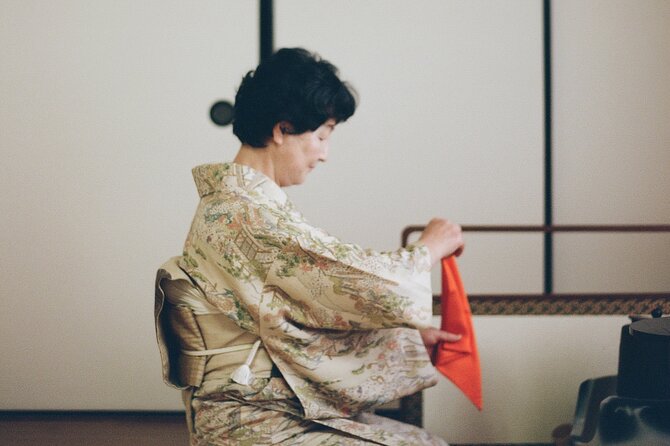
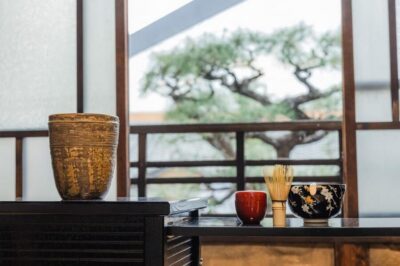
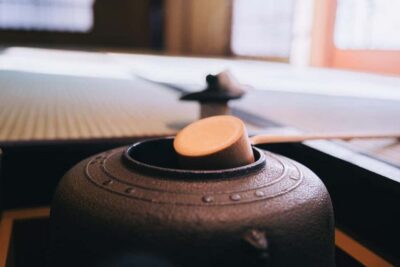
The tea master then explains the basic steps and introduces the equipment. You will see the tea container, bowl, scoop, and bamboo whisk used during the ceremony. A folding fan and white socks are also provided. The socks are a useful touch because the ceremony takes place on tatami, where shoes are not worn.
All of the tea masters have a Tea Name, described as a full professor qualification. That signals formal training within the tea tradition, rather than a simple demonstration prepared for a sightseeing group. The presentation is precise, but it is not presented as a test. You are guided through the customs and can ask questions.
An English translator helps explain the ceremony and its background. This is important because many of the gestures are easy to miss if you only watch silently. The translator also helps with questions after the demonstration and during the hands-on portion.
Watching the formal preparation
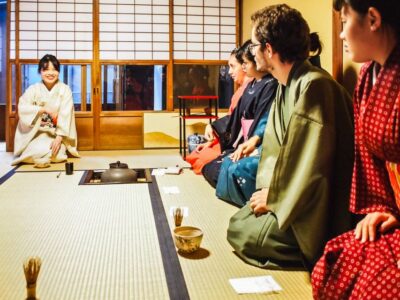
The first bowl of matcha is prepared for you. This is the part where you can see the care given to every movement: the handling of the bowl, the use of the scoop, the whisking, and the way the tea is presented.
You may already know matcha as a modern drink, but the ceremony gives you a different view of it. The focus is not speed or convenience. Each motion has a place, and the host explains why the order matters.
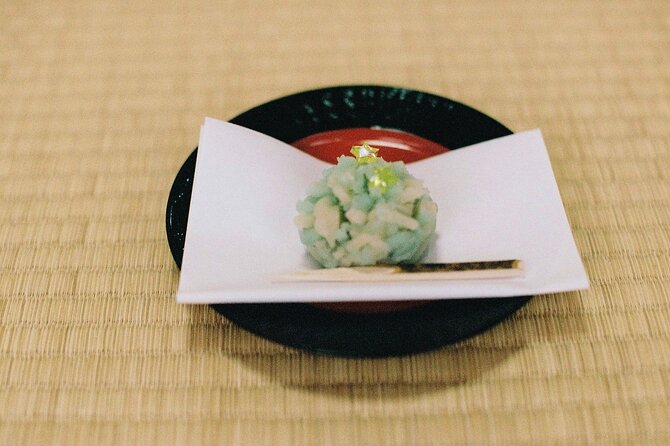
You also receive a Japanese sweet with the tea. The sweetness is not an extra snack added to the side. It helps prepare your palate for matcha, which has a strong, grassy bitterness. Two kinds of Japanese sweets are included during the session, with a seasonal sweet served alongside the tea.
The ceremony is connected to a Zen idea of discovering meaning through attentive practice. You do not need a background in Buddhism or Japanese history to appreciate this. The value is in seeing how ordinary actions, such as scooping powder and whisking water, become a disciplined form of attention.
The tea master’s presentation is formal, but the atmosphere is warm. Several descriptions of the experience point to the patience and kindness of both the host and translator. That is especially useful if you are new to Japanese customs or worry about making a mistake.
Making your own bowl of matcha
The most rewarding part for many people is the hands-on section. After watching the tea master, you receive the tools and learn how to prepare your own bowl.
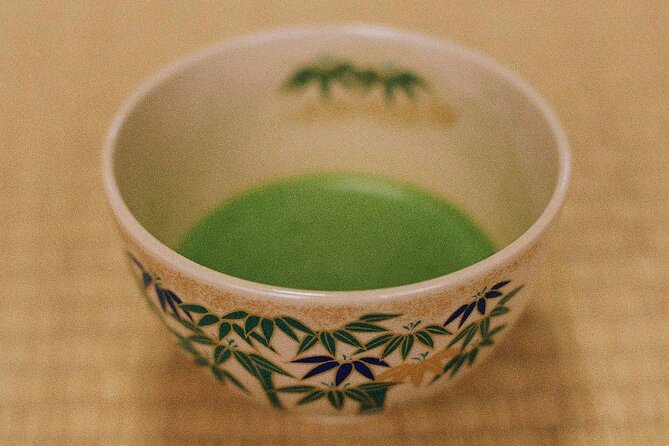
You are provided with a tea bowl, container, scoop, and whisk. The host explains the basic technique, then gives you time to try it. Your bowl will probably not look exactly like the tea master’s, and that is part of the fun. The contrast lets you see how much control and practice the process takes.
This section gives the ceremony a practical edge. You are not only watching an old custom from across the room. You are learning enough to repeat the basic steps later, perhaps with matcha bought in Kyoto or at home.
You also receive a second bowl of matcha. That means you can compare the tea prepared by the master with the tea you make yourself. One description praised the master’s tea as especially smooth compared with the homemade bowl, which is a useful reminder that the technique takes practice.
The small group format helps here. Sessions usually hold up to six people, though peak periods can raise the maximum to eight. A smaller group gives you more room to watch the demonstration and ask questions. If you happen to be alone or in a very small session, the experience can feel especially quiet and personal.
Same place, a different pot:
- Kyoto: Table-Style Tea Ceremony at a Kyo-Machiya
★ 4.9 · 1,211 reviews - Kimono Tea Ceremony at Kyoto Maikoya, NISHIKI
★ 5.0 · 911 reviews - Kyoto: Arashiyama Bamboo Forest, Monkeys, Matcha & Temple Tour
★ 5.0 · 759 reviews - Kyoto: Kimono Tea Ceremony at Orizuruya Gion
★ 4.9 · 618 reviews
Sitting on tatami: comfort and practical concerns
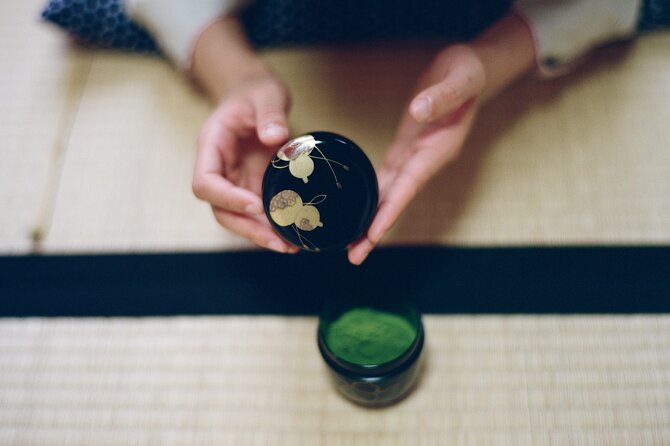
This is a traditional tea room, so expect to sit on a tatami floor. The standard position may be difficult if you are not used to sitting on the floor for an extended period.
One person could not remain in the preferred position for the full time, while another praised the staff for accommodating a husband who could no longer sit on the floor. That suggests you should mention your needs when booking or arriving. The information provided does not promise a specific chair or alternate seating arrangement, so do not assume one is guaranteed.
The stairs are another point to consider. One description specifically found them difficult. The activity information does not provide detailed accessibility information, so anyone with mobility concerns should contact SHIUN AN before booking.
White socks are included, which is helpful on tatami. You should still wear comfortable clothing that allows you to sit easily. There is no need to dress formally, but very stiff clothing could make the floor seating less comfortable.
Service animals are allowed. Pickups and drop-offs are not included, so you must make your own way to the meeting point and return from there.
Reaching SHIUN AN near Daitoku-ji
The address is 955-1 Idacho, Kamigyo Ward, Kyoto, 602-8302. The area is served by public transportation, but the quiet residential streets can make the final approach less obvious.
You should not plan to arrive at the last minute. Several people found the location difficult to find, and one noted that the house is not near Gion. The best approach is to check the route before leaving your hotel and keep the full address available on your phone.
Public buses can be useful from Kyoto’s central areas. One person found the location manageable by local bus from the train area. Another suggested taking the subway to the nearest station and using a taxi or ride service for the final stretch. The exact route depends on where you start, so the practical lesson is simple: build in extra time.
The location is an advantage if you want to pair the ceremony with Daitoku-ji. It is also within reach of Kinkaku-ji, described as four bus stops away. It is less convenient if your Kyoto plans are centered on Gion, Higashiyama, or the station area.
The ceremony finishes back at the same meeting point. There is no hotel pickup, so plan the rest of your day around returning to that neighborhood.
What the $33.03 price includes
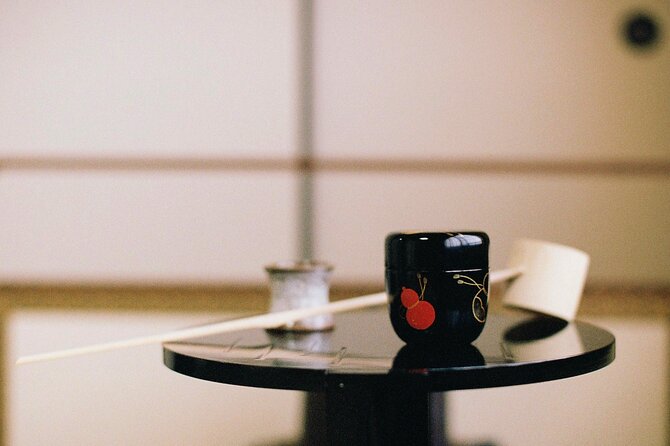
At about $33.03 per person, this is reasonably priced for a small-group cultural activity. The fee includes the tea room experience, the tea master’s demonstration, English interpretation, two bowls of matcha, two kinds of sweets, instruction, and the use of the traditional equipment.
The value is strongest if you want more than a quick taste of matcha. You receive an explanation of the room, utensils, customs, and cultural meaning, followed by a chance to make tea yourself. A larger demonstration may cost less, but it may not give you the same hands-on time.
The small group also improves the value. At the normal maximum of six people, the host has a better chance to answer individual questions and help with the whisking technique. During peak seasons, the group can grow to eight, so the experience may feel a little less personal at busy times.
Food is limited to the included Japanese sweets. This is not a meal, and you should not book it expecting a full snack service. You should tell SHIUN AN about food allergies in advance.
Who will enjoy this experience most
I would choose SHIUN AN if you want a quiet, traditional introduction to Japanese tea and prefer participation over a quick photo opportunity. It suits first-time visitors who want cultural context without committing to a long class.
It is also a good match for matcha fans, families with an interest in Japanese culture, and anyone who likes learning by doing. A young child may enjoy making the tea, although the ceremony requires quiet attention and sitting on the floor.
You will probably appreciate it most if you are willing to follow the pace of the room. The ceremony is deliberate. It is not designed as a loud, fast-moving attraction, and there is no long list of sights to check off.
I would be more cautious if you have difficulty with stairs, cannot sit on a tatami floor, or have a tightly packed schedule in central Kyoto. The location takes planning, and a rushed arrival would work against the calm mood of the ceremony.
Booking, timing, and cancellation
Confirmation is provided when you book, and the activity uses a mobile ticket. Free cancellation is available if you cancel at least 24 hours before the start time. Changes or cancellations inside that window are not accepted for a refund.
The activity requires a minimum number of participants. If SHIUN AN cancels because that minimum is not reached, you are offered another date or experience, or a full refund.
Because the meeting point is in a residential area, I would save the address before leaving and arrive early. The activity is short, but the transportation time can be longer than the ceremony itself.
Should you book SHIUN AN?
Book it if you want a small, traditional tea experience with clear instruction, a welcoming host, and time to prepare your own matcha. The combination of two bowls of tea, two sweets, the utensils, and the tea master’s explanation makes the price reasonable.
Think twice if you need easy access, central Kyoto convenience, or a chair instead of tatami seating. For everyone else, SHIUN AN offers a meaningful pause near Daitoku-ji, with enough history and hands-on practice to make the ceremony more than a staged cup of tea.
FAQ
How long does the tea ceremony last?
The experience lasts approximately 45 minutes. Some descriptions characterize the session as about an hour.
Where does the tea ceremony take place?
It takes place at 955-1 Idacho, Kamigyo Ward, Kyoto, 602-8302, Japan, near Daitoku-ji Temple.
How many people can join each session?
The usual maximum is six people. During peak seasons, the maximum may increase to eight.
Are matcha and Japanese sweets included?
Yes. You receive two bowls of matcha and two kinds of Japanese sweets.
Can I make my own matcha?
Yes. After watching the tea master, you are taught the basic method and prepare your own bowl using the provided tea bowl, scoop, container, and whisk.
Are transportation and hotel pickup included?
No. Pickup and drop-off are not included. You must travel to and from the meeting point yourself.
Is cancellation free?
You can cancel for a full refund if you cancel at least 24 hours before the experience start time. Cancellations or changes made less than 24 hours beforehand are not refunded.
Just added around Kyoto
- Uji Walking Tour – Byodo-in temple and Tea Ceremony from Kyoto★ 3.5 · 3 reviews
- Tea ceremony at Kyoto’s Zen Temple Teahouse★ 5.0 · 2 reviews
- Kyoto: Authentic Tea Ceremony in a Small Group★ 5.0 · 7 reviews
- Tea Ceremony in 150 Years Old Townhouse with Tables and Chairs★ 5.0 · 22 reviews
- Silent Beauty of Kyoto Zen Walk and Tea Experience★ 5.0 · 2 reviews
- Tea Ceremony Experience in Traditional Kyoto Townhouse★ 5.0 · 19 reviews
- Traditional Tea Ceremony in Kyoto★ 4.5 · 3 reviews
- Kyoto Private Tea Ceremony at a Japanese Inns★ 5.0 · 12 reviews
Tea Ceremonies in Kyoto, compared.
Tea Ceremony in a Traditional Tea House in Kiyomizu
Read our review →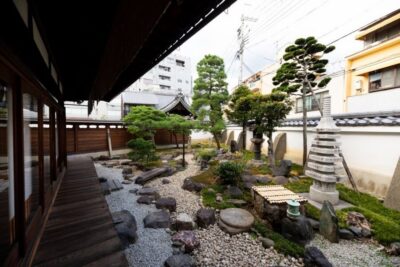
Tea Ceremony in 100-year-old Kyo-Machiya Townhouse
Read our review →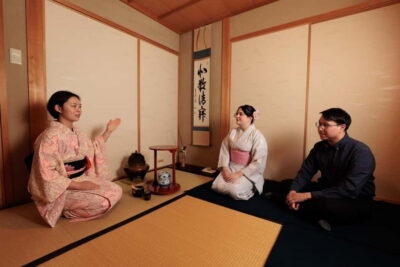
Browse the lists this tour appears in