
Review · KYOTO
Tea ceremony and kimono experience at Kyoto, Tondaya
Step into old Kyoto. Tondaya offers a rare chance to wear an authentic silk kimono inside a Meiji-period machiya, then watch a traditional tea ceremony in the same historic home. I like the setting and the chance to see a part of Kyoto that is easy to miss beyond the main sightseeing districts.
I also like the simple, photo-friendly format: kimono fitting, house tour, gardens, and matcha served in a traditional room. The main concern is the group size, which can reach 20 people and may make the ceremony hard to see, hear, or enjoy quietly.
- A genuine Meiji-era machiya: Tondaya is a working historic home and cultural museum, not a modern studio dressed up for tourists.
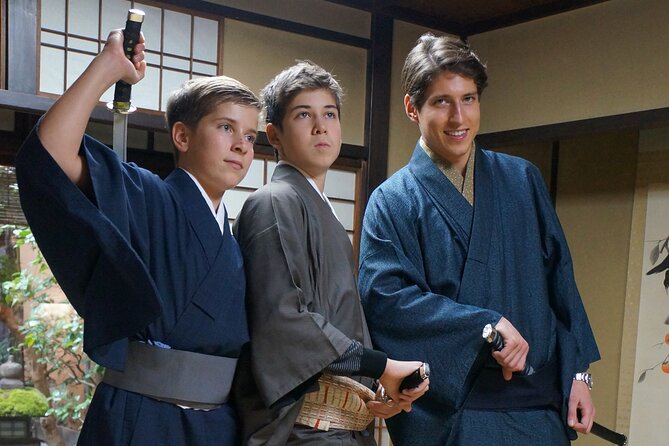
- Kimono fitting included: You wear an authentic silk kimono over your own clothes, though hair styling, makeup, socks, and geta sandals cost extra or are not provided.
- A short tea ceremony: The demonstration may last only a few minutes, so expectations matter.
- Photos are welcome: You can photograph the house, garden, kimono, and tea equipment.
- Group size changes the experience: A small group can feel personal, while a crowded session can feel rushed and difficult to follow.
- Plan extra time to find it: The signage is limited, and the entrance can look like an ordinary house before opening.
What Tondaya Offers in 90 Minutes
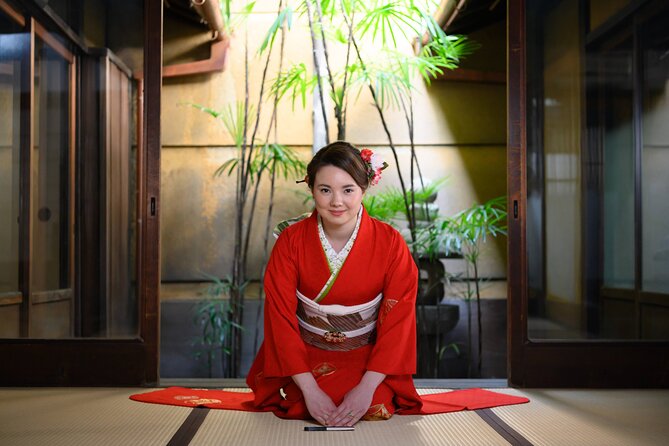
The experience takes place at Tondaya, also called the Nishijin Japanese Cultural Experience Museum, at 697 Ishiyakushicho in Kyoto’s Kamigyo Ward. The activity begins and ends there, with no sightseeing transfer through the city.
The advertised duration is about 1 hour and 30 minutes. In practice, the timing can shift with late arrivals, the number of people being dressed, and crowding inside the house. Some sessions have ended earlier than expected, while others have used the full time.
That variation matters because the price is about $178.34 per person. You are not paying simply for a bowl of matcha. You are paying for the historic building, the kimono fitting, the cultural setting, and the staff needed to handle a group.
If you want a calm, highly detailed tea lesson, the standard group format may not deliver enough for the cost. If your main wish is to dress in a kimono, take photographs, see a traditional home, and receive a short introduction to tea customs, the package makes more sense.
Finding the Historic House in Nishijin
Tondaya is in Nishijin, an area associated with Kyoto’s textile traditions. It is not in Gion, and you should not expect a large cultural center with a prominent sign. The entrance is a traditional Japanese house, which can be easy to miss if you arrive before opening time.
Use the exact address and allow a little extra time. Several people have found the location difficult to identify, especially because the signage is limited. Arriving flustered is not ideal when you are about to be fitted into formal clothing.
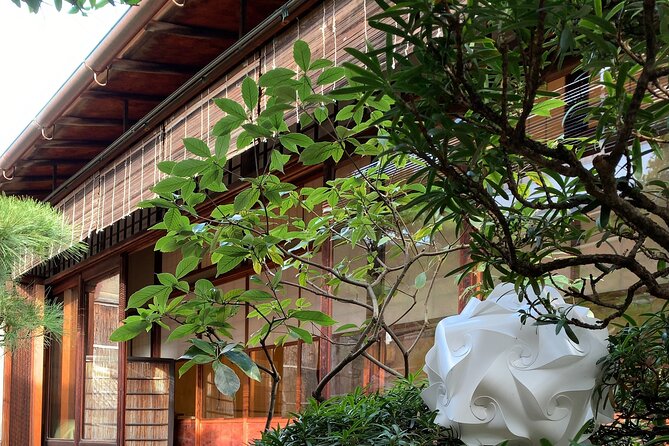
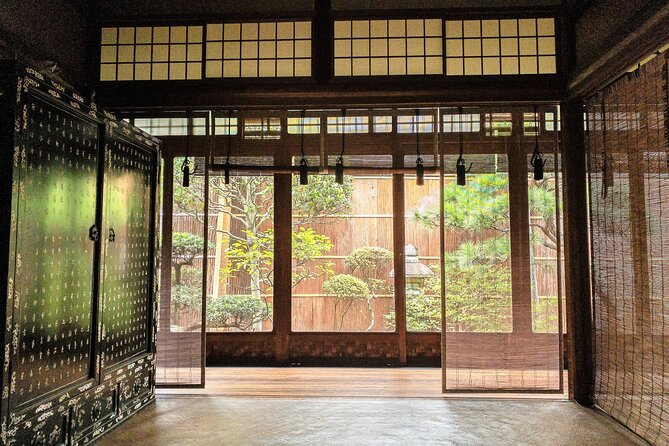
The building itself is part of the appeal. Tondaya was originally built during the Meiji period and retains the narrow rooms, wooden details, and quiet interior flow typical of a traditional machiya. You may notice seasonal air moving through the house, a small but telling reminder that these homes were designed around natural ventilation rather than modern climate control.
That charm comes with practical limits. Rooms are compact, stairs may be busy, and a large group can make the house feel crowded. This is an old private-style residence, not a spacious museum built for large tours.
More Kimono and Tea Ceremonies in Kyoto
- Kimono Tea Ceremony at Kyoto Maikoya, NISHIKI
★ 5.0 · 911 reviews - Kyoto: Kimono Tea Ceremony at Orizuruya Gion
★ 4.9 · 618 reviews - KYOTO Tea Ceremony with kimono near by Imamiya Jinjya Shrine
★ 5.0 · 343 reviews
Choosing and Wearing the Silk Kimono
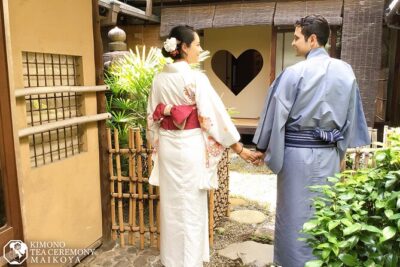
Your first main activity is the kimono fitting. Staff select and fit an authentic silk kimono over your own clothing, then help arrange the layers and accessories. You choose colors, and the garments are generally praised for their quality and appearance.
The fitting is not a full salon makeover. Makeup and hair styling are not included, and you should not expect an elaborate hairstyle unless you arrange it separately. Geta, the traditional wooden sandals, are also not included.
You must bring socks because you will be walking inside the historic house. Socks help protect the floors and other cultural materials. If you forget them, the information provided says you may be able to buy a pair at the venue.
The dressing process is one of the strongest parts of the experience, but it can also be hectic. Staff work quickly, particularly when many people arrive at once. That speed is useful, since nobody wants to spend the whole appointment waiting to get dressed, but it may leave you with few explanations about the kimono’s fabric, construction, or symbolism.
You will wear the kimono over your existing clothes, so dress in something comfortable and not too bulky. Loose layers can make fitting easier, though the provided information does not specify a formal dress code beyond bringing socks.
Exploring the Meiji-Era Machiya
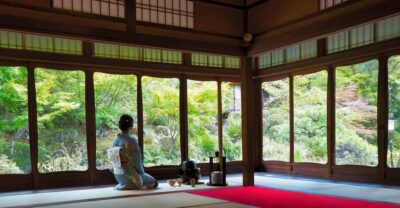
Once dressed, you can take photographs around the house. This is where Tondaya feels different from a basic tea demonstration held in a hotel or modern activity room.
The rooms, furniture, garden areas, and household objects give you a sense of how a traditional Kyoto residence was organized. The house is more than a backdrop for photographs. It is the setting in which the tea custom makes sense.
The tour may include an explanation of rooms and furnishings, though the amount of detail depends on the guide and the size of the group. Some sessions have included useful background on the house, the tea equipment, flowers, and Japanese customs. Other sessions have offered little beyond a quick walk through the rooms.
That inconsistency is important. A smaller group gives you a better chance to hear explanations and ask questions. In a full room, another group may be moving up the stairs while your guide is speaking, which can break the quiet mood.
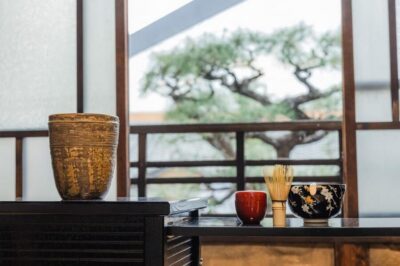
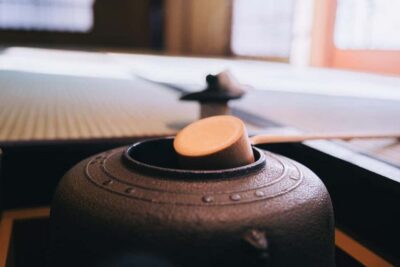
Photography is encouraged, including photographs of the tea equipment and ceremony. You can take pictures for personal memories, but your time in each room may be brief. If photographs matter most to you, move efficiently and take advantage of the house before the ceremony begins.
Watching the Matcha Ceremony
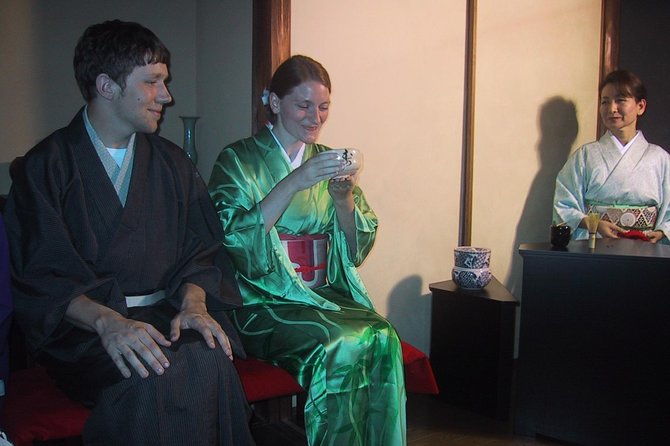
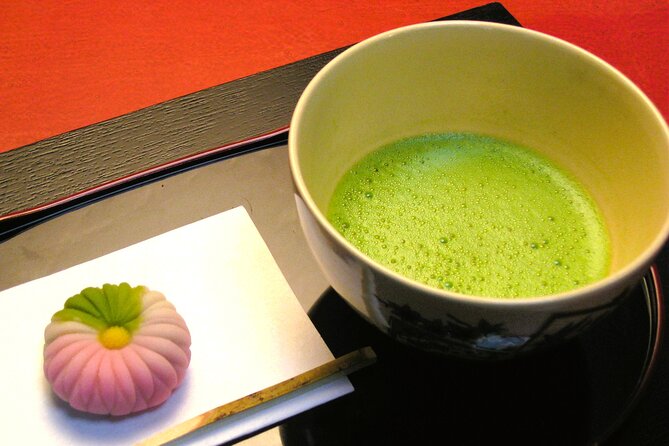
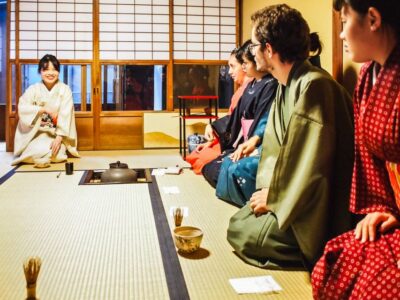
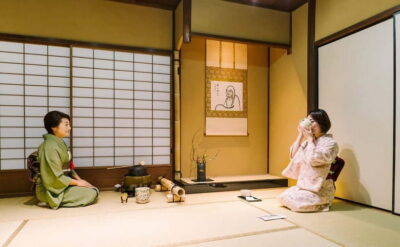
The tea ceremony is presented after the kimono fitting and house tour. You watch tea being prepared and served, then receive matcha with a traditional sweet.
The ceremony is a short introduction rather than a full tea-school lesson. You may be shown how to drink the tea properly, and the presenter may explain the movements and meaning behind the service. Some sessions have included a clear account of each step and why it is done. Others have given only a brief description before the tea was handed out.
The tea itself is served in small portions. Do not expect a long tasting session. The sweet may be packaged rather than freshly prepared, and the quality of the matcha and sweet has varied in people’s experiences.
Your view depends heavily on where you sit. In a crowded room, you might see only part of the preparation, and spoken explanations may be hard to follow. Heat can also be a problem when many people sit close together in a small room.
This is the central tradeoff at Tondaya. The historic room and formal clothing can make the ceremony feel special, but the standard group format may lack the calm and close view that many people imagine when they hear tea ceremony.
More Tea Ceremonies in Kyoto
- Kyoto: Tea Ceremony in a Traditional Tea House in Kiyomizu
★ 4.9 · 3,519 reviews - Kyoto: Tea Ceremony Ju-An at Jotokuji Temple
★ 4.9 · 3,207 reviews - Kyoto: 45-Minute Tea Ceremony Lesson Experience
★ 4.3 · 2,378 reviews - Kyoto: Table-Style Tea Ceremony at a Kyo-Machiya
★ 4.9 · 1,211 reviews
How Group Size Changes the Mood
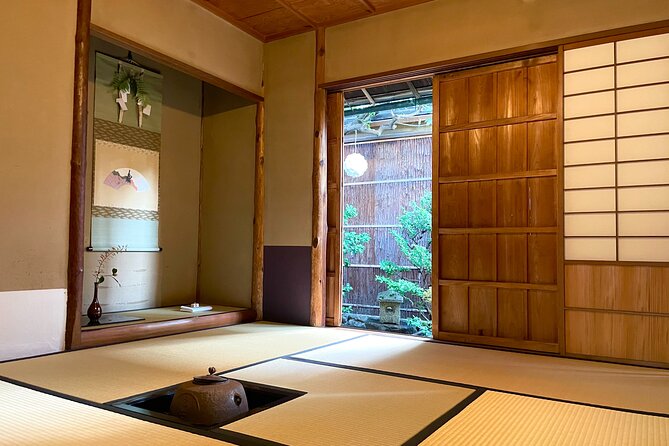
The maximum group size is listed as 20 people, but some accounts describe sessions that felt much larger because several groups moved through the house at the same time. Even at 20, a traditional room can feel tight.
A small group can create a pleasant, respectful atmosphere. You are more likely to see the tea preparation, hear the explanation, and ask a question without interrupting. A large group can turn the same room into a queue, with people shifting position to see and taking photographs over one another.
The experience is conducted as a group unless you choose a private option. If quiet surroundings and personal attention matter to you, the private version is the safer choice. It should also suit couples, families, and photographers who want more control over the pace.
The group arrangement is less troubling if you mainly want the kimono and house visit. It becomes a serious drawback if the tea ceremony itself is the main reason you are paying this price.
Is $178.34 a Fair Price?
At $178.34 per person, this is not a bargain tea stop. A cup of matcha and a few minutes of demonstration would not justify the price on their own.
The value comes from combining several elements: entrance to the historic Tondaya house, kimono dressing, access to rooms and gardens, photography, a cultural explanation, and the tea service. That bundle can be worthwhile if you want a convenient introduction to several Japanese traditions in one appointment.
I would call the price fair only when the session is well organized and not overcrowded. The building is authentic, the silk garments are a real benefit, and the setting has more character than a generic rental studio. Still, some people have felt that the tea portion was too short and the educational content too light for the fee.
Compare the price with your priorities. If you would otherwise pay for kimono rental and a separate historic-home visit, Tondaya may save effort and offer a more unified experience. If you care most about learning the details of tea ceremony etiquette, spend time checking the private option before booking.
The activity is often booked about 27 days ahead, so popular dates may require planning. Confirmation is provided at booking, and free cancellation is available up to 24 hours before the start time. Changes or cancellations inside that window are not accepted for a refund.
Who Will Enjoy Tondaya Most?
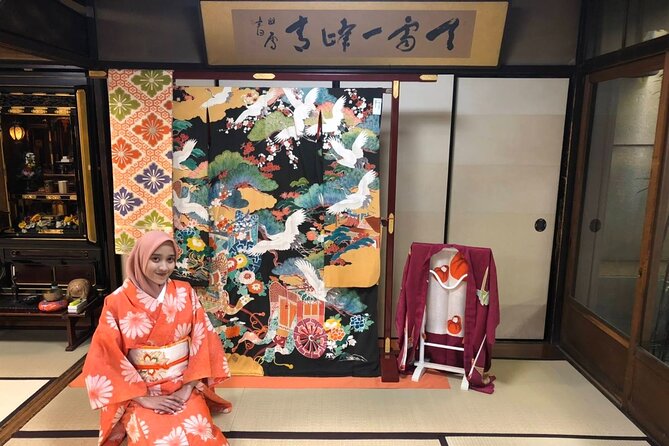
I would recommend this experience to you if you want photographs in a real Kyoto house rather than a modern photo studio. It also suits first-time visitors who want a gentle introduction to the visual and social side of Japanese culture without needing prior knowledge of tea etiquette.
Families may appreciate the short duration and clear structure. You arrive, dress, see the house, watch the tea service, and return to the meeting point. The activity is near public transportation, and most people can participate.
It is less suitable if you dislike tight clothing, warm rooms, stairs, or group activities. It may also disappoint you if you expect a long, meditative ceremony with detailed instruction about every gesture.
The standard option is not ideal for anyone who needs a quiet setting or a close view. For those priorities, the private experience is worth considering, even if it costs more.
Practical Tips Before You Go
Bring socks, and wear clothing that is comfortable under a kimono. You do not need to bring lunch because none is included, and the experience lasts only around 90 minutes.
Do not count on hair styling, makeup, or geta sandals. If you want a more polished look, arrange those details separately before arriving.
Use the precise address rather than searching for a large museum sign. Tondaya can look like a normal traditional home, and several people have found it hard to spot.
Arrive with realistic expectations about the tea. You will receive matcha and a sweet, but the ceremony may last only a few minutes. The educational portion can be excellent with a strong guide, yet it may be brief or difficult to hear in a crowded session.
Take photographs early. The kimono, garden, wooden rooms, furniture, and tea equipment are the most memorable visual parts, and the pace may become hurried once several groups are moving through the house.
Finally, ask for clarification if you cannot hear the explanation. English quality and delivery have varied, so a polite question may help you understand the main points before the group moves on.
Should You Book the Tondaya Experience?
Book it if you want the combination of silk kimono, historic machiya, photographs, and a short matcha ceremony. The house gives the visit a sense of place, and the clothing makes the occasion feel more special than a simple tea tasting.
I would choose the private option if the tea ceremony is your main goal. For the standard group experience, the biggest risks are crowding, weak sightlines, heat, limited explanation, and a shorter-than-expected program.
This is best viewed as a cultural introduction with a tea demonstration, not as an advanced study of Japanese tea practice. With that understanding, Tondaya can be a memorable part of a Kyoto visit. If you expect a slow, highly detailed ceremony for $178.34, you may find the value disappointing.
FAQ
Where does the Tondaya tea ceremony take place?
It takes place at Tondaya, the Nishijin Japanese Cultural Experience Museum, at 697 Ishiyakuchicho, Kamigyo Ward, Kyoto, Japan. The activity begins and ends at this location.
How long does the experience last?
The maximum advertised time is about 1 hour and 30 minutes. The actual duration may change depending on crowding and how many people are taking part.
Is the kimono included?
Yes. The experience includes a kimono fitting, and the kimono is worn during the house visit and tea ceremony. Hair styling, makeup, socks, and geta sandals are not included.
Do I need to bring socks?
Yes. Socks are required to help protect the historic house and its cultural materials. The provided information says socks may be available to buy at the venue if you forget them.
Is the tea ceremony private?
The standard experience is conducted with other participants, and the activity can have up to 20 people. A private option is available if you prefer a more personal setting.
Can I take photographs?
Yes. You are welcome to take photographs around the house and during the cultural experience, including photographs of the tea ceremony and equipment.
Is lunch included?
No. Lunch is not included, although the activity lasts about 90 minutes and includes matcha with a traditional sweet.
Can I cancel for a refund?
You can cancel up to 24 hours before the experience start time for a full refund. Cancellations or changes made less than 24 hours before the start time are not accepted for a refund.
Just added around Kyoto
- Uji Walking Tour – Byodo-in temple and Tea Ceremony from Kyoto★ 3.5 · 3 reviews
- Tea ceremony at Kyoto’s Zen Temple Teahouse★ 5.0 · 2 reviews
- Kyoto: Authentic Tea Ceremony in a Small Group★ 5.0 · 7 reviews
- Tea Ceremony in 150 Years Old Townhouse with Tables and Chairs★ 5.0 · 22 reviews
- Tea Ceremony Experience in Traditional Kyoto Townhouse★ 5.0 · 19 reviews
- Traditional Tea Ceremony in Kyoto★ 4.5 · 3 reviews
- Silent Beauty of Kyoto Zen Walk and Tea Experience★ 5.0 · 2 reviews
- Kyoto Private Tea Ceremony at a Japanese Inns★ 5.0 · 12 reviews
Tea Ceremonies in Kyoto, compared.
Tea Ceremony in a Traditional Tea House in Kiyomizu
Read our review →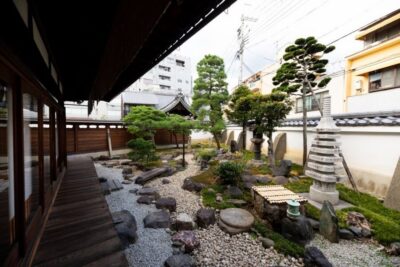
Tea Ceremony in 100-year-old Kyo-Machiya Townhouse
Read our review →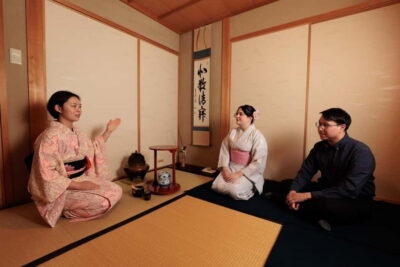
Browse the lists this tour appears in