
Review · KYOTO
Maiko Dance and Tea Ceremony on a Noh Stage in Kyoto
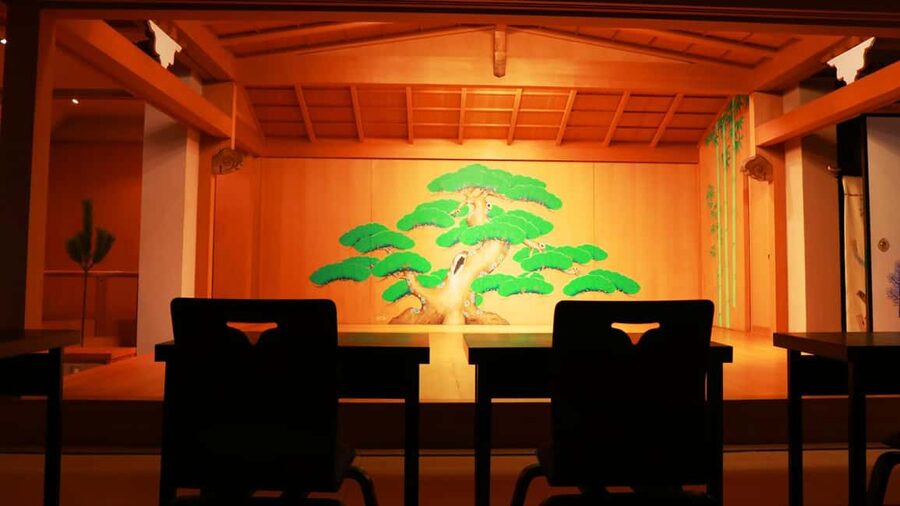
A maiko dances where Noh actors once performed. This Kyoto experience pairs a graceful maiko dance with a traditional tea ceremony on an authentic Noh stage, creating a calm cultural hour rather than a rushed sightseeing stop. I especially like the seasonal sweets served with freshly prepared matcha, and the chance to take photos and speak with the maiko in an intimate setting.
The English-speaking staff and professional interpreter make the ceremony easier to follow, especially if this is your first encounter with Japanese tea customs. The main consideration is price: at $141 per person, this is not a casual entertainment stop, and the one to 1.5-hour format may feel brief if you want a longer cultural program.
Key details before you book
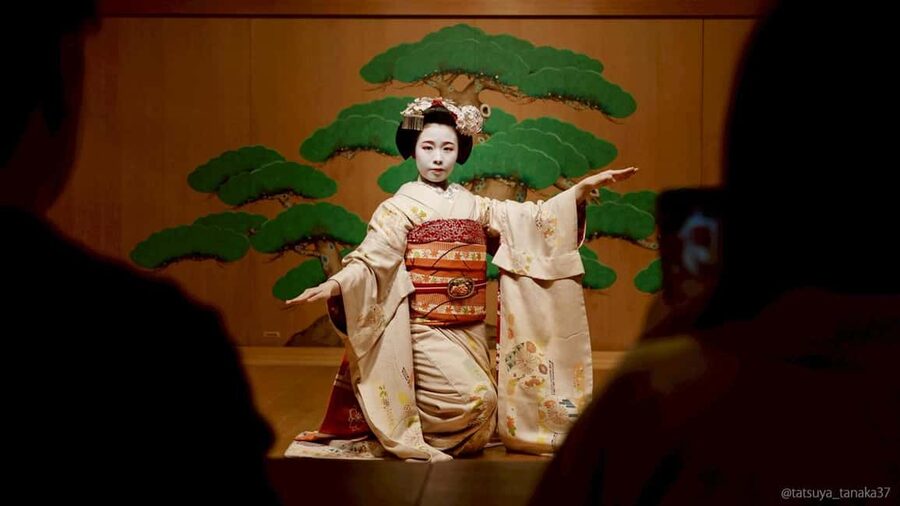
- The setting is a real Noh stage: You watch the maiko perform in a dignified theater space rather than in an ordinary dining room or tourist venue.
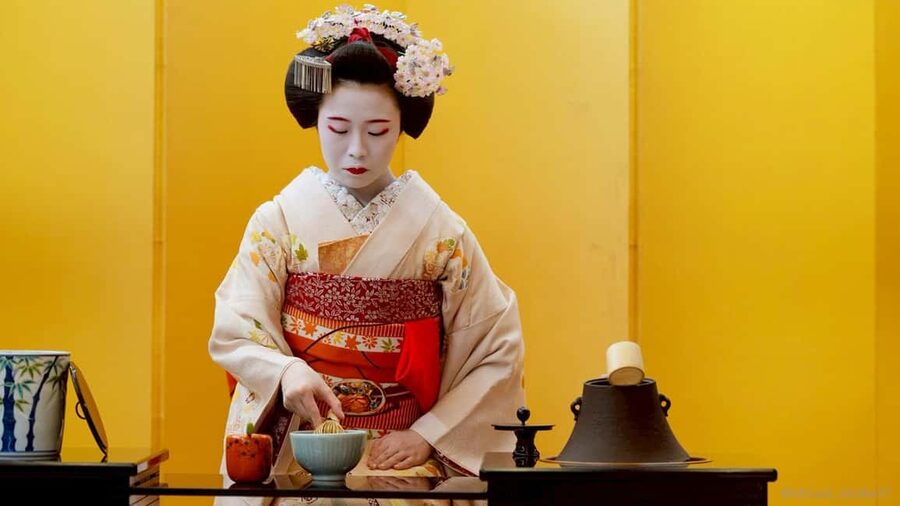
- The tea ceremony is part of the program: A maiko prepares matcha with careful movements, and seasonal Japanese sweets are included.
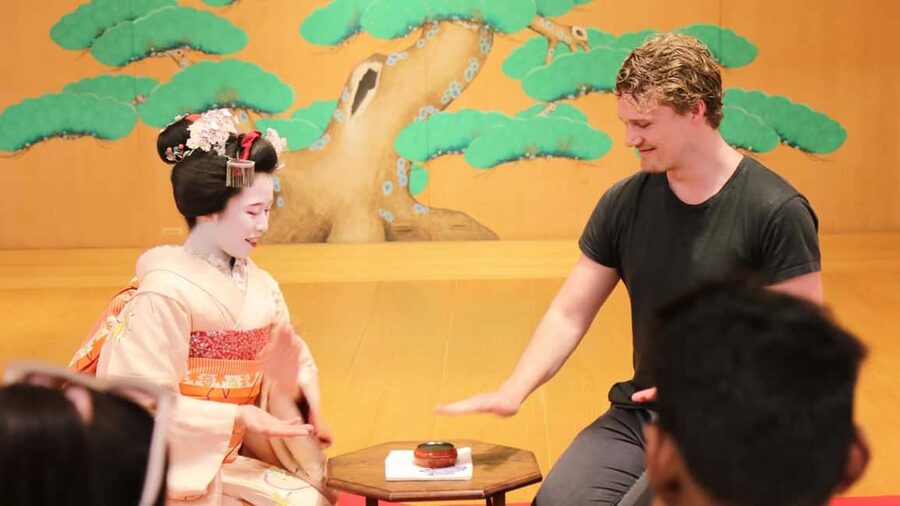
- You can speak with the maiko: Time is provided for conversation and photographs in a close, personal setting.
- English support is available: A professional English interpreter guide helps explain what you are seeing.
- Shoes come off indoors: Wear socks and arrive at the first-floor reception of Kurochiku Tensho-kan at least 15 minutes early.
- The price includes several extras: Matcha, sweets, a Japanese-patterned handkerchief, interpreter support, the Noh stage setting, and the maiko dispatch fee are included.
Why the Noh stage changes the experience
The location does much of the quiet work here. A Noh stage is built for controlled movement, formal presentation, and close attention to gesture. That makes it a fitting place for a maiko dance, where small movements can carry as much weight as large ones.
You are not simply watching a dance in a generic performance room. The stage gives the presentation a sense of ceremony. The setting is serene and dignified, so you can focus on the maiko’s posture, costume, hand movements, and measured pace.
This matters because a maiko performance is not only about spectacle. A maiko is an apprentice geisha, and her training includes traditional arts, hospitality, dance, and music. The program offers a short but direct look at that cultural world without asking you to commit to a full evening of entertainment.
The stage also gives you a strong sense of place. Kyoto is filled with polished cultural attractions, but this one links the performance to a specific Japanese theatrical tradition. If you care about architecture and setting as much as the activity itself, this is one of the strongest reasons to choose the program.
More Kimono and Tea Ceremonies in Kyoto
- Kimono Tea Ceremony at Kyoto Maikoya, NISHIKI
★ 5.0 · 911 reviews - Kyoto: Kimono Tea Ceremony at Orizuruya Gion
★ 4.9 · 618 reviews - KYOTO Tea Ceremony with kimono near by Imamiya Jinjya Shrine
★ 5.0 · 343 reviews
What happens during the maiko dance
The performance is the first major part of the experience, or one of its central features depending on the option and timing you book. You sit in comfortable seating arranged for relaxed viewing, then watch the maiko perform on the Noh stage.
Expect a presentation built around grace and restraint rather than fast movement. The description emphasizes the beauty and depth of Japanese tradition, so the appeal is in the detail: the way the maiko holds herself, moves across the stage, and uses formal gestures.
I would not book this expecting a long theatrical production. The total experience lasts about one hour to 90 minutes, and the dance is part of a wider cultural program that also includes tea, sweets, photographs, and conversation. That shorter length is useful if you have a packed Kyoto schedule, but it also means the performance itself may not fill the entire visit.
The professional interpreter helps give the dance context. That support is valuable because traditional performance can be easy to admire without fully understanding. You receive more than a silent display, while still keeping the atmosphere calm and respectful.
Matcha prepared with careful precision
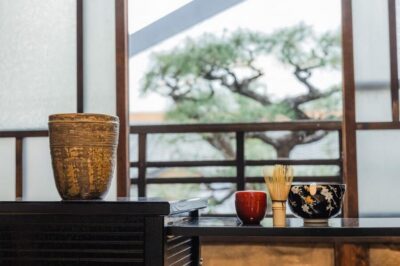
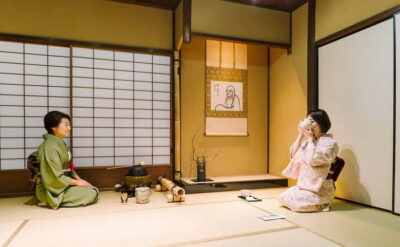
The tea ceremony gives you a second way to appreciate the maiko’s training. A maiko prepares matcha for you with refined, deliberate movements, turning a simple drink into a formal act of hospitality.
You will be served freshly prepared matcha alongside seasonal Japanese sweets. The sweets are not just a snack before the show. They are part of the balance of the ceremony, adding color, texture, and sweetness to the slightly bitter tea.
The seasonal element is especially appealing. Japan places great value on changing seasons, and Japanese sweets often reflect that idea through their shape, color, or ingredients. The exact sweet is not specified in advance, so you should treat it as a pleasant seasonal surprise rather than expect a particular item.
If you have never attended a tea ceremony, the interpreter is important. You can watch the movements, understand the basic meaning behind them, and take part without worrying that you have missed an unspoken rule. The point is not to perform perfectly. It is to pay attention to the care built into the moment.
The ceremony also slows the pace of your Kyoto visit. After busy streets and crowded temples, sitting indoors with tea and a sweet can feel like a welcome change. The program gives you a chance to observe rather than constantly move from one sight to another.
Conversation and photographs with the maiko
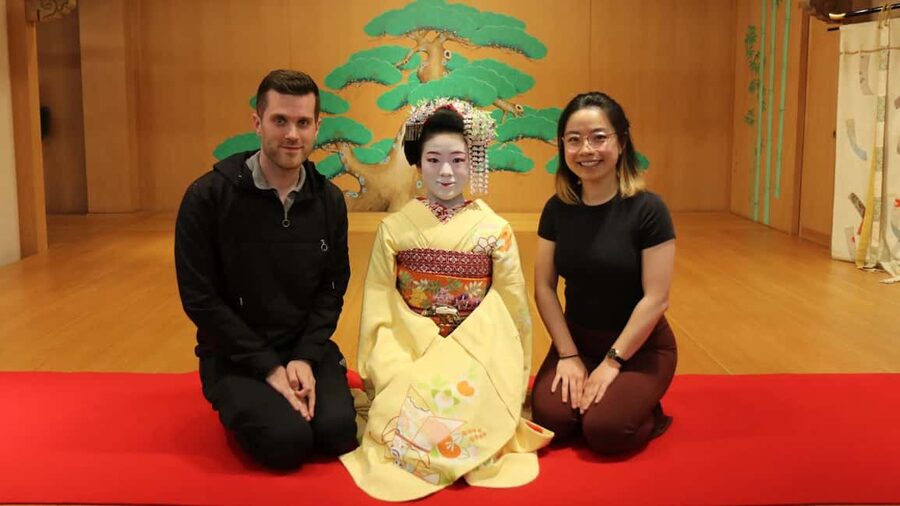
A major advantage is the chance to talk with the maiko and take photographs. Many cultural performances create distance between the audience and the person on stage. Here, the program is designed to give you a more personal connection after the formal presentation.
The conversation is supported by an English interpreter, with English and Japanese available. That removes much of the uncertainty for English-speaking visitors. You can ask questions and receive help understanding the maiko’s role and the ceremony.
Photography is included as part of the experience, but remember that this remains a formal cultural setting. Follow the staff’s instructions about when photos are appropriate. The best pictures may come after the performance, when the atmosphere is less formal and you have had a chance to settle into the setting.
This part may be especially rewarding if you are interested in Japanese dress, performance, or traditional hospitality. It also helps families and first-time visitors connect a little more easily with what they have just watched.
The available information does not state how much conversation time is provided or how large each session is. I would therefore book it for the cultural encounter as a whole, not on the assumption that you will receive a long private interview.
More Tea Ceremonies in Kyoto
- Kyoto: Tea Ceremony in a Traditional Tea House in Kiyomizu
★ 4.9 · 3,519 reviews - Kyoto: Tea Ceremony Ju-An at Jotokuji Temple
★ 4.9 · 3,207 reviews - Kyoto: 45-Minute Tea Ceremony Lesson Experience
★ 4.3 · 2,378 reviews - Kyoto: Table-Style Tea Ceremony at a Kyo-Machiya
★ 4.9 · 1,211 reviews
The practical rhythm of your visit
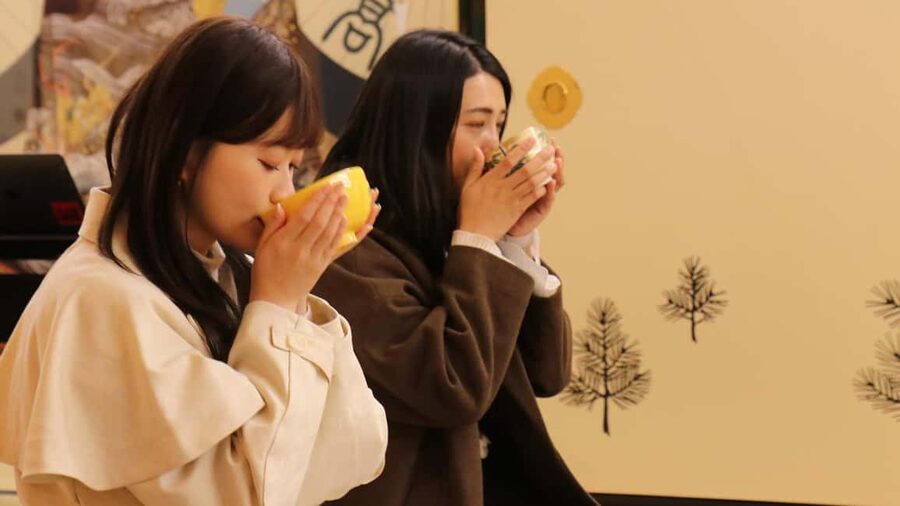
Plan on spending between one hour and 90 minutes indoors. That is enough time for a focused cultural experience, but short enough to fit before dinner, a temple visit, or another Kyoto activity.
Your meeting point can vary depending on the option you select. Check the exact details on your booking, then arrive at the first-floor reception of Kurochiku Tensho-kan at least 15 minutes before the scheduled start.
The shoe-free arrangement is important. You will remove your shoes before taking part, so wear clean, comfortable socks. This is not the place for bare feet if you want to follow the stated preparation advice.
Comfortable seating is arranged so you can enjoy the performance without needing to sit in an uncomfortable position for the entire program. The information provided does not specify whether seating is on chairs, cushions, or another arrangement, so contact the operator if that distinction matters to you.
Private transportation is not included. You will need to make your own way to the meeting point, and the exact location may change with the option booked. Build in extra time for finding the correct reception area, particularly if you are unfamiliar with the neighborhood.
Advance reservations are required. The activity can be booked with a reserve-now, pay-later option, and cancellation is allowed up to 24 hours before the start for a full refund. If the operator cancels because of low participation or operational problems, an alternative date or refund is provided.
What the $141 price really covers
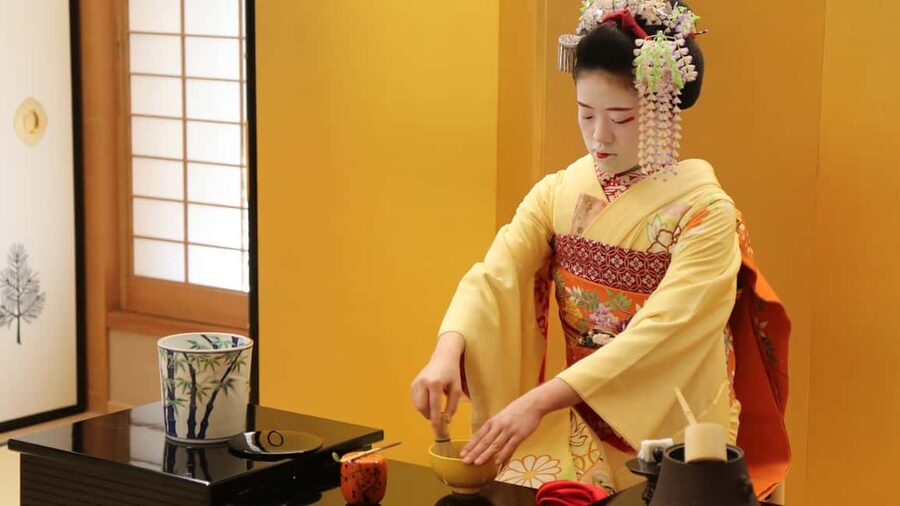
At $141 per person, this experience belongs in the special-occasion part of your Kyoto budget. It is more expensive than a simple tea tasting or a standard stage performance, but the fee covers several elements that are costly to arrange independently.
You are paying for:
- A maiko performance
- Use of an authentic Noh stage in Kyoto
- A tea ceremony with matcha and seasonal sweets
- Professional English interpretation
- Time for photographs and conversation
- The maiko dispatch fee
- A Japanese-patterned handkerchief for each participant
The maiko dispatch fee is worth noting. The price is not only admission to a room where a performance happens. It helps cover the arrangement that brings the maiko to the venue, along with the formal presentation and interpreter support.
The handkerchief is a small extra, but it gives you a useful souvenir rather than a disposable token. Still, it should not determine your decision. The value rests mainly in the stage setting, maiko performance, tea ceremony, and personal interaction.
I see the best value here for someone who wants a concentrated cultural experience and does not want to arrange separate activities. If you only want to see a short dance and are not interested in tea customs, the price may feel high. If you value the setting and personal contact, the package makes more sense.
Who will enjoy this most
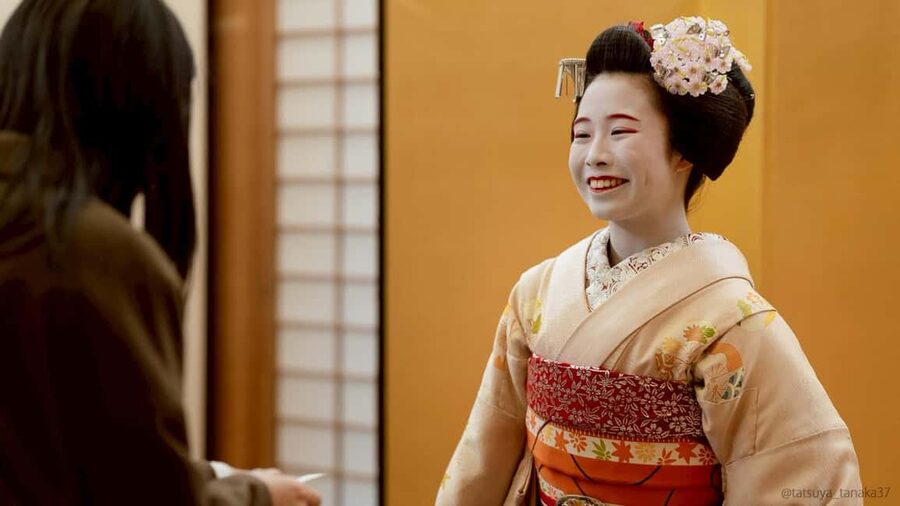
I would recommend this to first-time visitors who want an accessible introduction to traditional Japanese arts. The interpreter makes the experience easier to follow, and the program combines performance, food, conversation, and setting in one booking.
It is also a good choice for couples, families with older children, and anyone marking a special day in Kyoto. The calm format works well for people who want something refined rather than loud or highly interactive.
Photography-minded visitors should appreciate the chance to take pictures, especially because the Noh stage provides a more distinctive backdrop than an ordinary activity room. You should still follow the venue’s directions and wait for the appropriate time.
This may not suit you if you prefer a long performance, a highly active workshop, or a low-cost cultural stop. The experience is carefully paced and observational. You watch, listen, taste, and speak, but you are not learning to perform a full dance or conduct an entire tea ceremony yourself.
What the strong praise tells you
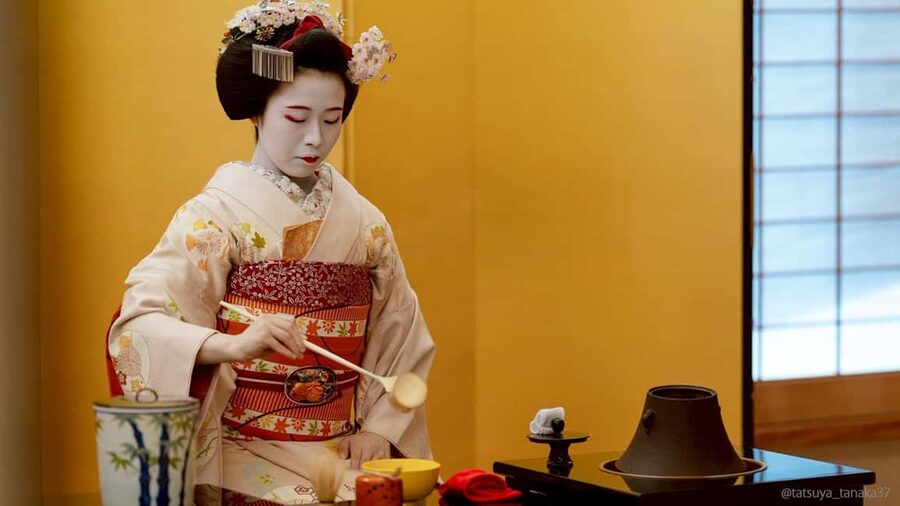
The available feedback is short, but its message is clear. Linda from the United States described the event as excellent and said she enjoyed every aspect. David from Australia also rated it excellent, calling it interesting and entertaining.
Those comments point to the program’s main strength: it successfully balances education with pleasure. It is not presented as a dry lecture, but it also goes beyond a brief photo opportunity. You receive context, a live cultural presentation, tea, sweets, and a chance to connect with the maiko.
That balance is useful in Kyoto, where some traditional activities can feel difficult to understand from the outside. Here, the English interpreter helps you follow the experience, while the performance and tea keep it engaging.
The sample of feedback is small, so I would not treat it as proof that every visitor will have the same reaction. Still, the strongest praise focuses on the complete event rather than just one feature, which supports choosing it when you want several cultural elements in one compact visit.
Should you book this Kyoto maiko experience?
Book it if you want a polished, respectful introduction to Japanese performance and hospitality in a memorable setting. The Noh stage, seasonal sweets, English interpretation, and chance to speak with the maiko make this more substantial than a quick photo stop.
Think twice if $141 feels too high for a one to 1.5-hour activity, or if you want a longer dance performance. Also check your meeting point carefully, wear socks, and allow time to arrive 15 minutes early.
For many visitors, the best reason to book is the combination. You watch a maiko dance, see matcha prepared, taste a seasonal sweet, ask questions, and leave with a small handkerchief. It is a compact Kyoto experience with enough ceremony to feel special and enough explanation to remain approachable.
FAQ
How long does the maiko dance and tea ceremony last?
The experience lasts approximately one hour to 90 minutes. Starting times depend on availability.
Where does the experience take place?
It takes place on a Noh stage in Kyoto. The meeting point can vary depending on the option booked.
Where should I go when I arrive?
Arrive at the first-floor reception of Kurochiku Tensho-kan at least 15 minutes before the scheduled starting time.
Is English available?
Yes. English and Japanese are available, and a professional English interpreter guide is included.
Is matcha included?
Yes. Matcha is prepared and served during the tea ceremony.
Are Japanese sweets included?
Yes. Seasonal Japanese sweets are included with the tea ceremony.
Can I take photographs?
Yes. The experience includes an opportunity to take photographs and speak with the maiko.
Do I need to bring anything?
You should bring socks because you will remove your shoes before taking part indoors.
Is transportation included?
No. Private transportation is not included, so you must arrange your own transportation to the meeting point.
Can I cancel my booking?
Yes. You can cancel up to 24 hours in advance for a full refund. If the activity is canceled because of insufficient participation or operational reasons, an alternative date or refund will be provided.
Just added around Kyoto
- Uji Walking Tour – Byodo-in temple and Tea Ceremony from Kyoto★ 3.5 · 3 reviews
- Tea ceremony at Kyoto’s Zen Temple Teahouse★ 5.0 · 2 reviews
- Kyoto: Authentic Tea Ceremony in a Small Group★ 5.0 · 7 reviews
- Tea Ceremony in 150 Years Old Townhouse with Tables and Chairs★ 5.0 · 22 reviews
- Silent Beauty of Kyoto Zen Walk and Tea Experience★ 5.0 · 2 reviews
- Tea Ceremony Experience in Traditional Kyoto Townhouse★ 5.0 · 19 reviews
- Traditional Tea Ceremony in Kyoto★ 4.5 · 3 reviews
- Sencha-do the Japanese Tea Ceremony Workshop in Kyoto★ 5.0 · 21 reviews
Tea Ceremonies in Kyoto, compared.
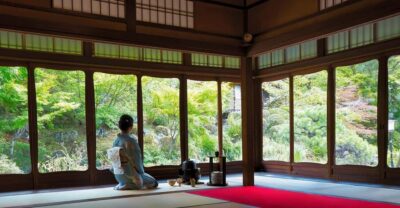
Tea Ceremony in a Traditional Tea House in Kiyomizu
Read our review →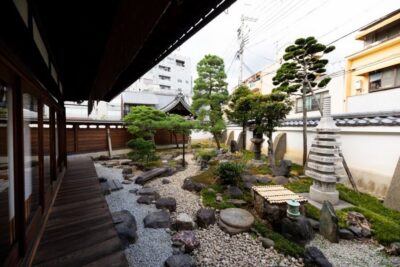
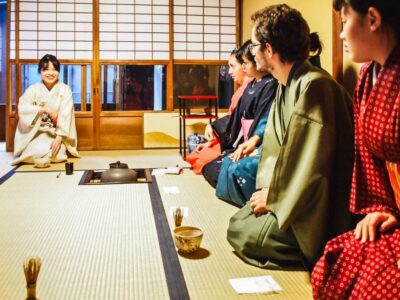
Tea Ceremony in 100-year-old Kyo-Machiya Townhouse
Read our review →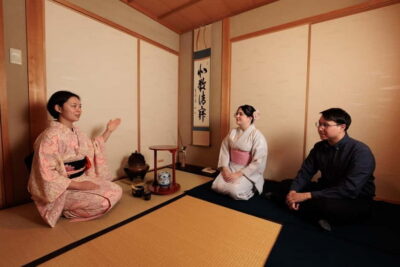
Browse the lists this tour appears in