
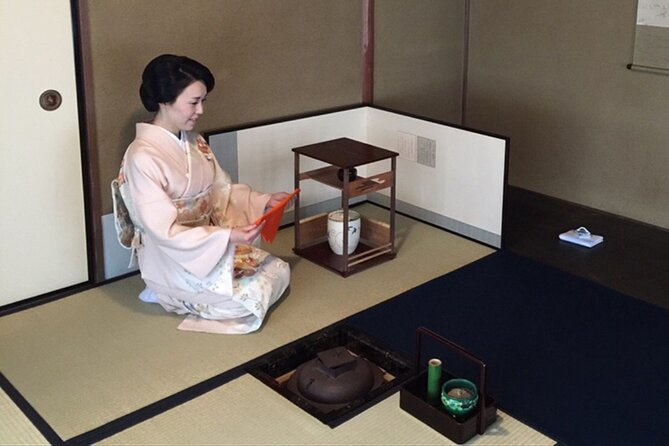
Review · KYOTO
Kyoto: Quiet and Graceful Tea Ceremony
Slow tea reveals Kyoto at its best. This 45-minute ceremony offers two things I especially like: a quiet, intimate setting capped at eight people, and a clear look at how a tea master prepares matcha. You also taste seasonal Japanese sweets and get the chance to prepare tea yourself.
The main consideration is price. At $56.49 per person, this is not the cheapest tea ceremony in Kyoto, especially since kimono rental is not included and photography is restricted during the main performance. Still, the calm atmosphere, personal instruction, and small group make it a better fit for curious visitors than for anyone seeking a large theatrical show.
Key points to know before booking
- The ceremony lasts about 45 minutes, making it easy to fit between Kyoto sightseeing stops.
- The group is limited to eight people, though the experience is also suited to couples and private groups.
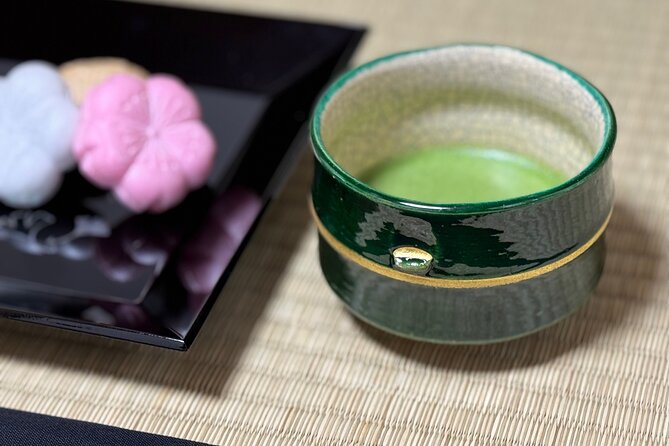
- You taste premium matcha and traditional seasonal sweets, then learn to prepare the tea yourself.
- The ceremony takes place in a private tea room, giving it a personal, home-like feel rather than a polished restaurant atmosphere.
- Kimono rental is not included, and photos or videos are not allowed during the tea performance.
- The meeting point is in central Kyoto, at 450-1 Sanbongichō in Nakagyo Ward, near public transportation.
A quiet introduction to Kyoto tea culture
Kyoto can be noisy, crowded, and tiring. A short tea ceremony gives you a useful change of pace. You remove yourself from the rush, sit in a tatami room, and watch a series of careful movements unfold at close range.
At Omotenashi Tea Ceremony, the focus is not on a grand stage or a costumed photo opportunity. The tea master prepares matcha with deliberate gestures while explaining the meaning behind the process. That makes the experience useful for first-time visitors who want more than a cup of green tea in a café.
I like the balance here. You are not expected to know Japanese customs before arriving, yet you are not treated as a passive spectator. The host explains how to enter the room, where to sit, how to receive the sweet, and how to drink the tea. You then have a chance to take part.
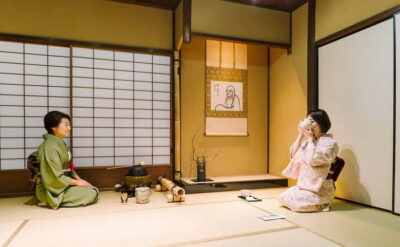
The setting is intentionally private and understated. Some people will find that appealing. Others may expect a more decorated tea house or a formal cultural show and feel the surroundings are too plain. The experience takes place in the tea master’s private house, specially arranged for tea ceremony, so the atmosphere is genuine but not luxurious.
More Tea Ceremonies in Kyoto
- Kyoto: Tea Ceremony in a Traditional Tea House in Kiyomizu
★ 4.9 · 3,519 reviews - Kyoto: Tea Ceremony Ju-An at Jotokuji Temple
★ 4.9 · 3,207 reviews - Kyoto: 45-Minute Tea Ceremony Lesson Experience
★ 4.3 · 2,378 reviews
Finding the meeting point in Sanbongichō
The listed meeting point is 南総合会計事務所, at 450-1 Sanbongichō, Nakagyo Ward, Kyoto, postal code 604-0871. The activity ends at the same place, and the location is near public transportation.
That address detail matters. This is not presented as a famous temple visit or a scenic garden stop. You are going to a specific urban address for a focused indoor activity. I recommend allowing enough time to identify the building and arrive without rushing, especially since the ceremony depends on a calm start.
The entrance may feel more like a private residence or small office than a traditional tourist venue. That is part of the character, but it also explains why the first impression may not match the polished images of Kyoto’s grand tea houses.
Confirmation is provided at booking, and the ticket is mobile, so you do not need to print a voucher. Service animals are allowed. The experience is close to public transportation, though the supplied information does not specify a station or exact walking time.
What happens during the 45-minute ceremony
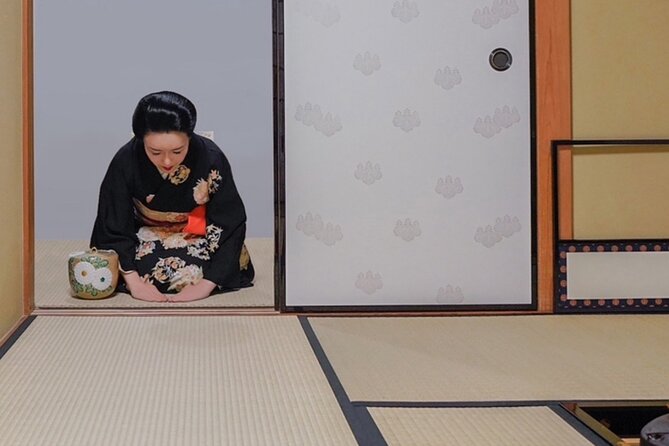
The session begins in the tea room, where the host introduces the ceremony and basic etiquette. You learn how to enter and sit properly, which gives the ritual some context before the tea preparation starts.
This orientation is important. Without it, the movements of a tea ceremony can seem mysterious or even overly formal. With a little explanation, you begin to notice the order of the utensils, the way the bowl is handled, and the pauses between actions.
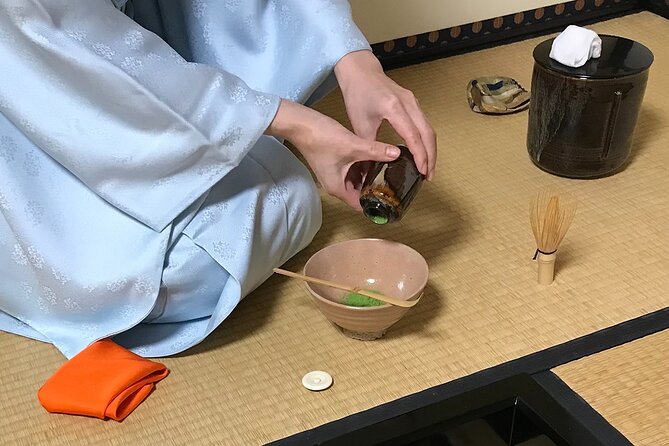
The tea master then prepares premium matcha sourced from Kyoto producers. The preparation is not rushed. You watch the host measure, whisk, and present the tea, with explanations along the way. One of the most praised parts of the experience is the host’s graceful movement and attention to detail.
The silence is also part of the experience. During the performance, you are asked to put away your camera and phone. That may disappoint anyone hoping to record every step, but it protects the quiet mood of the room. You can take photos before and after the ceremony, and one important distinction is that you can photograph the tea-making portion when you prepare your own matcha.
After the demonstration, you receive a traditional Japanese seasonal sweet. The sweet is meant to balance the bitter, grassy taste of matcha. The exact sweet changes with the season, so you should expect something traditional rather than a standard Western dessert.
Then comes the hands-on part. You learn to make your own matcha, following the host’s instructions. This turns the session from a demonstration into a short lesson. Families may appreciate this especially, since children can participate rather than simply sit and watch. One host even offered Oreos when children did not care for the traditional sweet, a small example of the relaxed hospitality you may encounter.
The ceremony finishes back at the meeting point. Since the full session is only about 45 minutes, you can pair it with nearby sightseeing, lunch, or another central Kyoto activity.
Why the host matters so much
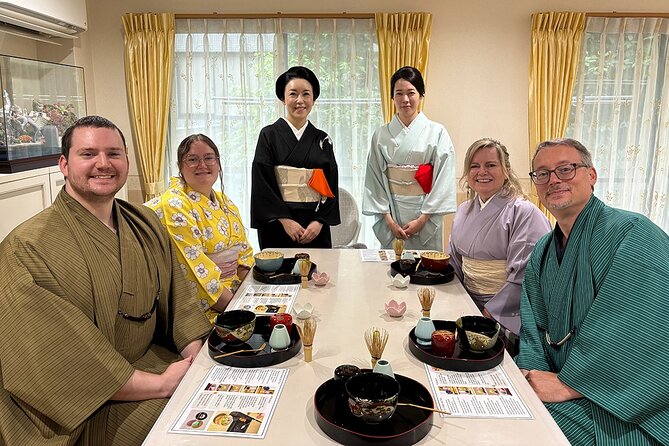
The quality of this experience depends heavily on the person leading it. The tea hosts are repeatedly praised for being warm, patient, and willing to answer questions.
Mai receives particularly strong praise for her precise movements, friendly manner, and clear explanations. One detailed account describes her as both professional and easy to approach, with a question-and-answer period that added useful cultural background. Another host was described as new but well prepared and open to questions.
English ability may vary by host, but at least one host has been praised for speaking clear, beautiful English and making the process easy to follow. That is worth noting because tea ceremony etiquette can be difficult to understand if the explanation is vague.
I would not expect a lecture on every branch of Japanese tea history. This is a compact introductory experience, not a full academic course. The strength is its personal scale. You can ask a direct question, receive help with the whisk, and feel less self-conscious about making a mistake.
The overall rating is 4.4 from 19 ratings, which suggests a generally strong experience with some clear limitations. The highest praise centers on calm, grace, tasty matcha, good instruction, and the warmth of the hosts.
Same place, a different pot:
- Kyoto: Table-Style Tea Ceremony at a Kyo-Machiya
★ 4.9 · 1,211 reviews - Kimono Tea Ceremony at Kyoto Maikoya, NISHIKI
★ 5.0 · 911 reviews - Kyoto: Arashiyama Bamboo Forest, Monkeys, Matcha & Temple Tour
★ 5.0 · 759 reviews - Kyoto: Kimono Tea Ceremony at Orizuruya Gion
★ 4.9 · 618 reviews
The private-room atmosphere: peaceful but simple
The room is designed for tea ceremony and includes tatami flooring. Its quiet, private character is one of the best reasons to book this activity.
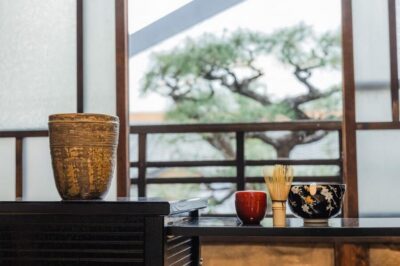
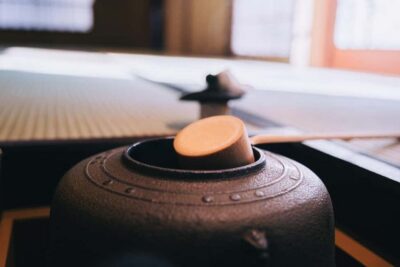
A tea ceremony works through restraint. The room does not need a large display or elaborate entertainment. The carefully placed utensils, the seasonal sweet, the tea bowl, and the host’s movements provide the focus.
Several aspects of the setting may surprise you. First, the room can feel like part of someone’s home. If you want a traditional tea house with a highly decorated interior, you may find this too modest. Second, the room may feel cold in November. Bring a layer if you visit during cool weather, since sitting quietly on tatami for 45 minutes can make a chilly room more noticeable.
One person also arrived early and found that the ceremony was slightly interrupted by people coming in ahead of schedule. This is a useful reminder to respect the arrival time and avoid entering too early. A calm ceremony depends on everyone arriving at the proper moment.
For me, the simplicity is more benefit than flaw, as long as you understand the product. You are paying for instruction, atmosphere, tea, sweets, and personal attention, not for a grand venue or costume package.
Matcha, sweets, and the hands-on lesson
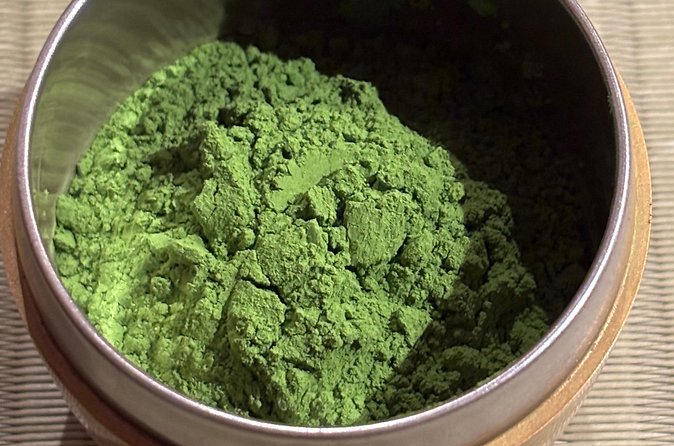
The tea is a central part of the value. You taste premium matcha from Kyoto producers, then learn the preparation process yourself.
Matcha has a distinctive flavor. It is strong, vegetal, and slightly bitter, with a fuller mouthfeel than ordinary steeped green tea. The sweet served with it helps soften that bitterness and gives you a better sense of the traditional pairing.
The seasonal sweet is not just a snack. In tea practice, sweets prepare your palate for the tea and add a visual seasonal element. You may enjoy it greatly, though traditional sweets are not to every taste. If you are traveling with children or someone who prefers familiar desserts, keep that in mind.
The hands-on lesson adds real value. Watching a tea master whisk matcha is one thing. Holding the whisk and preparing your own bowl gives you a practical memory of the ritual. You will probably not produce a perfect bowl immediately, and that is fine. The point is to understand the process and participate respectfully.
I like that the experience does not stop after the host serves you. You get to ask questions, try the technique, and connect the formal performance with an activity you can remember after leaving Kyoto.
What you do not get for the $56.49 price
At $56.49 per person, the price sits in the midrange for a short cultural activity. The value depends on what you want.
You are paying for:
- A 45-minute guided ceremony
- A small group of no more than eight people
- Matcha from Kyoto producers
- A traditional seasonal sweet
- Instruction in tea etiquette and preparation
- A chance to make your own tea
- A private, quiet setting
You are not paying for:
- Kimono dressing or rental
- A photo session during the main performance
- A grand historic tea house
- A long ceremony lasting several hours
- A meal or broader Kyoto sightseeing tour
This distinction matters. One disappointed person expected kimono rental, photos, and a more elaborate venue. Those features are not part of the experience. If you compare this with lower-priced activities that include fewer explanations, this ceremony may seem fair. If you compare it with a longer event that includes costumes, a more decorated setting, or additional cultural activities, the price may feel high.
I would book it for the personal instruction and peaceful setting, not for visual spectacle. Couples, solo visitors, families with older children, and small private groups are the best match. It also suits anyone who wants a gentle introduction before visiting a more formal tea school.
Practical expectations about etiquette and photos
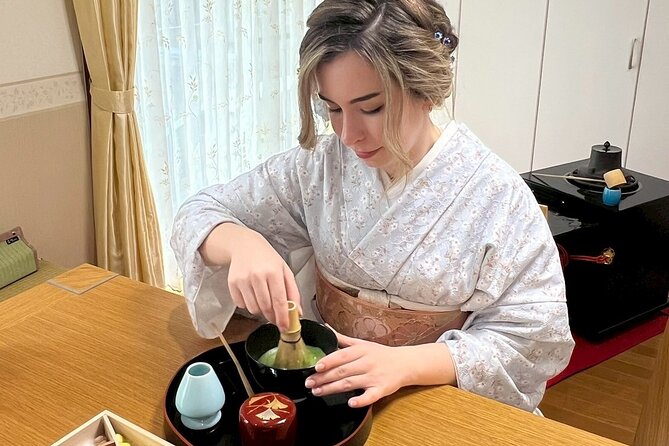
You do not need previous tea ceremony experience. The host explains the basic etiquette, and the tone is intended to be welcoming rather than intimidating.
You should be prepared to sit on tatami and follow instructions quietly during the main performance. The no-photo rule applies during the tea master’s preparation. Photos are allowed before and after the ceremony, and the information provided also indicates that you may take photos while making your own matcha.
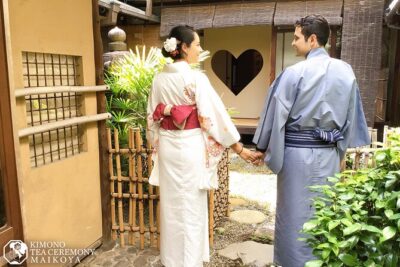
Do not assume that traditional clothing will be provided. Kimono rental is not included. Wear clothing that lets you sit comfortably, especially if you are not used to sitting on the floor.
The activity accepts service animals, and confirmation arrives at booking. The maximum group size is eight, although the experience is described as suitable for private groups of up to ten in its general presentation. Because the specific booking information gives a maximum of eight, I would rely on eight as the practical limit.
Free cancellation is available if you cancel at least 24 hours before the start time. Cancellations within 24 hours are not refunded, and changes inside that period are not accepted. The cut-off follows Kyoto local time.
Who should book this Kyoto tea ceremony?
I would choose this experience if you want a short, calm cultural activity with personal instruction. It works well after a busy morning at temples or before an evening meal.
It is also a good option for solo visitors. A small room and kind hosts can make it easier to join alone without feeling lost in a large tour group. Families may like the opportunity to prepare tea themselves, though children who dislike unfamiliar sweets may need a little encouragement.
Couples looking for a quiet shared activity should find the tone appealing. The experience also suits small groups who prefer cultural detail over costume changes and staged entertainment.
I would hesitate if your main goal is a kimono photo session. I would also look elsewhere if you want a formal tea school, a long ceremony, a large historic setting, or a full meal. This is a modest, intimate lesson, and its strengths depend on appreciating that scale.
Should you book it?
Book this tea ceremony if you value quiet, clear instruction, and genuine participation more than elaborate production. The hosts, especially Mai, appear to make the difference, and the chance to prepare your own Kyoto matcha gives the 45-minute session a satisfying shape.
Think carefully about the price and the missing extras. There is no kimono rental, no photography during the main performance, and no guarantee of a luxurious tea house setting. If you arrive expecting those things, you may leave disappointed.
If you arrive ready to sit still, listen, taste matcha, and learn a small piece of Japanese etiquette, this can be a peaceful and worthwhile pause in a busy Kyoto schedule.
FAQ
How long does the Kyoto tea ceremony last?
The ceremony lasts approximately 45 minutes.
How much does the experience cost?
The listed price is $56.49 per person.
Where does the tea ceremony take place?
The meeting point is 南総合会計事務所, 450-1 Sanbongichō, Nakagyo Ward, Kyoto, 604-0871, Japan. The activity ends at the same location.
What is included in the tea ceremony?
The experience includes matcha, a traditional Japanese seasonal sweet, an explanation of tea preparation and etiquette, and the chance to prepare your own tea.
Is kimono rental included?
No. Kimono rental is not included in this experience.
Can I take photos during the ceremony?
Photos and videos are not allowed during the tea performance. Photos are allowed before and after the ceremony, and the provided information says you can take photos while preparing your own matcha.
What is the maximum group size?
The stated maximum is eight people.
Can I cancel for a refund?
Yes, you can receive a full refund by canceling at least 24 hours before the experience start time. Cancellations or changes made within 24 hours are not accepted for a refund.
Just added around Kyoto
- Uji Walking Tour – Byodo-in temple and Tea Ceremony from Kyoto★ 3.5 · 3 reviews
- Tea ceremony at Kyoto’s Zen Temple Teahouse★ 5.0 · 2 reviews
- Kyoto: Authentic Tea Ceremony in a Small Group★ 5.0 · 7 reviews
- Tea Ceremony in 150 Years Old Townhouse with Tables and Chairs★ 5.0 · 22 reviews
- Silent Beauty of Kyoto Zen Walk and Tea Experience★ 5.0 · 2 reviews
- Tea Ceremony Experience in Traditional Kyoto Townhouse★ 5.0 · 19 reviews
- Traditional Tea Ceremony in Kyoto★ 4.5 · 3 reviews
- Kyoto Private Tea Ceremony at a Japanese Inns★ 5.0 · 12 reviews
Tea Ceremonies in Kyoto, compared.
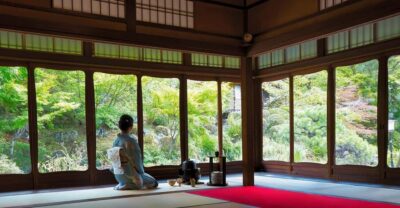
Tea Ceremony in a Traditional Tea House in Kiyomizu
Read our review →
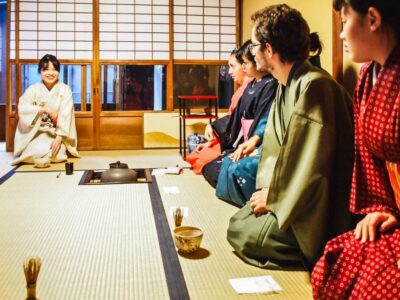
Tea Ceremony in 100-year-old Kyo-Machiya Townhouse
Read our review →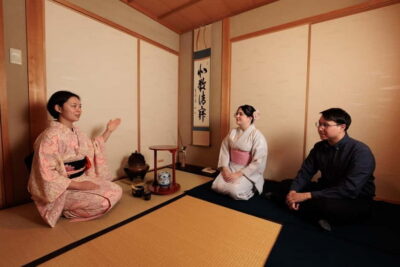
Browse the lists this tour appears in