
Review · KYOTO
Kyoto: Newly Opened Tea Ceremony – Sanjo Chasuian
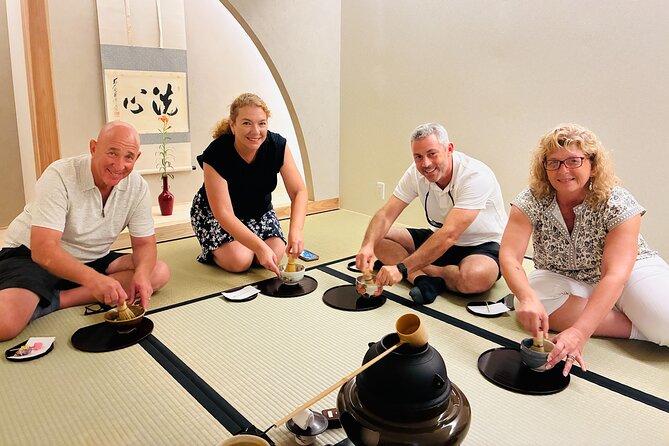
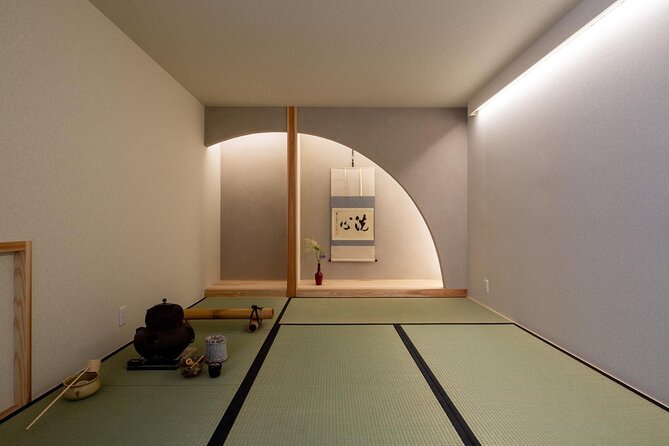
Kyoto slows down over a bowl of tea. Sanjo Chasuian gives you a gentle introduction to matcha, with clear English guidance, a host-prepared bowl, and a second bowl you whisk yourself. I especially like the two-part format and the seasonal wagashi from a Kyoto confectioner with more than a century of experience. The small tea room also has a nijiriguchi, the low crawl-in entrance that makes the ceremony feel more than a simple demonstration.
My other favorite detail is the calm, careful teaching. Hosts such as Yuko and Reina have been praised for explaining the meaning behind each movement before the quiet ceremony begins. The main consideration is access: the experience is not suitable for wheelchair users, children under six, or anyone likely to arrive late. The door is locked once the one-hour session starts.
Key details at a glance
- Two bowls of matcha: One is prepared by the host, and the second is whisked by you or your companion.
- A five-minute walk: Sanjo Chasuian is close to Subway Karasuma Oike Station in central Kyoto.
- Seasonal wagashi included: You receive a traditional Japanese sweet from a Kyoto shop with over 100 years of history.
- A real nijiriguchi: The crawl-in entrance leads into the tea room and gives the ritual a physical sense of entering another world.
- English instruction in a small group: Sessions are limited to 10 people, with explanations aimed at international visitors.
- One quiet hour: At $31 per person, the experience offers both cultural context and hands-on practice without taking half a day.
Why this one-hour tea ceremony works
Kyoto has no shortage of tea experiences. Some focus on costumes, some on photographs, and some on a quick cup of matcha. Sanjo Chasuian takes a more focused path: you learn what the ceremony means, watch it performed, then make tea yourself.
That order matters. You are not asked to copy a series of unfamiliar gestures without context. The host first explains the background of matcha and the role of the tea ceremony. You then understand why the room, bowl, whisk, movements, and silence matter.
I like this approach because it gives you enough information to appreciate the formal presentation without turning the hour into a lecture. Several hosts, including Yuko and Reina, are praised for speaking clearly, answering questions, and making people feel at ease. One useful detail is that the explanation comes before the formal part, so the ceremony itself can remain quiet.
The one-hour length is also sensible. You get a meaningful introduction, but you do not have to rearrange an entire day of sightseeing. It fits well before dinner, after a visit to central Kyoto, or during a slower morning between temples.
More Tea Ceremonies in Kyoto
- Kyoto: Tea Ceremony in a Traditional Tea House in Kiyomizu
★ 4.9 · 3,519 reviews - Kyoto: Tea Ceremony Ju-An at Jotokuji Temple
★ 4.9 · 3,207 reviews - Kyoto: 45-Minute Tea Ceremony Lesson Experience
★ 4.3 · 2,378 reviews
Finding Sanjo Chasuian near Karasuma Oike
The facility is about a five-minute walk from Subway Karasuma Oike Station, one of the most useful central transport points in Kyoto. That short walk makes this easier to fit into a city itinerary than a tea house far out in the suburbs.
At the address, look for a large plate bearing the Sanjo Chasuian name. Open the door, and staff will be waiting inside. This is not a street-side activity where you simply join a guide at a crowded landmark, so give yourself enough time to identify the entrance.
Plan to arrive early. Entry is allowed from five minutes before the start, and the door is locked when the session begins. The rules are strict: even one minute late means you cannot take part, and there is no refund. I would aim to reach the area at least 10 to 15 minutes early, especially if you are still learning Kyoto’s subway exits.
You do not receive hotel transfers, so getting to the facility is your responsibility. The nearby station keeps this simple, but the activity is best for people comfortable making their own way through central Kyoto.
Entering through the nijiriguchi
The nijiriguchi is one of the most memorable physical details here. It is a low, crawl-in entrance to the tea room. Traditionally, this design encouraged everyone to lower themselves before entering, leaving status and outside distractions behind.
You should not expect a grand doorway. Its importance is symbolic and practical. You make a small physical adjustment before joining the ceremony, and that helps signal that the room follows different rules from the street outside.
For some people, the low entrance will be part of the charm. For others, it may be awkward. The experience is not suitable for wheelchair users, and anyone with mobility concerns should think carefully before booking. Chairs are available inside for people who prefer not to sit on the floor, which is a welcome accommodation, but the venue still has the nijiriguchi and a traditional tea room layout.
You should bring or wear socks. Bare feet are not appropriate for the experience, and this is listed as an essential item rather than a minor suggestion.
The opening explanation: matcha, manners, and meaning
The session begins with an explanation of the tea ceremony’s background and the way matcha is prepared. You learn about the utensils, the bowl, and the measured movements used by the host.
This opening is especially helpful if you have never attended a tea ceremony. Japanese tea practice can appear mysterious when you see only the finished performance. The host’s explanation gives you a basic map: you know what to watch for, when to accept the tea, and why the process is deliberate.
The English guidance is designed for international visitors. The hosts have been praised for careful explanations and patient answers, and the overall tone is serious without being stiff. One person found the English pronunciation somewhat difficult to follow, so the clarity may vary slightly by host. Still, the strong pattern is one of attentive instruction and good communication.
I would use this time to ask your questions. Once the formal presentation starts, conversation is limited so the atmosphere can remain quiet. Asking early lets you enjoy the ceremony without interrupting it.
Same place, a different pot:
- Kyoto: Table-Style Tea Ceremony at a Kyo-Machiya
★ 4.9 · 1,211 reviews - Kimono Tea Ceremony at Kyoto Maikoya, NISHIKI
★ 5.0 · 911 reviews - Kyoto: Arashiyama Bamboo Forest, Monkeys, Matcha & Temple Tour
★ 5.0 · 759 reviews - Kyoto: Kimono Tea Ceremony at Orizuruya Gion
★ 4.9 · 618 reviews
The host-prepared bowl and seasonal wagashi
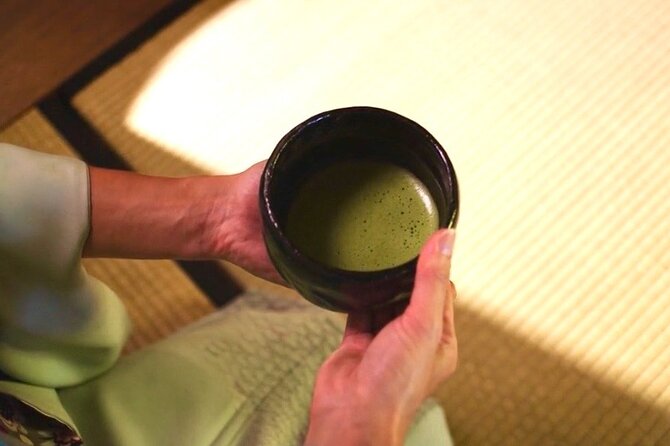
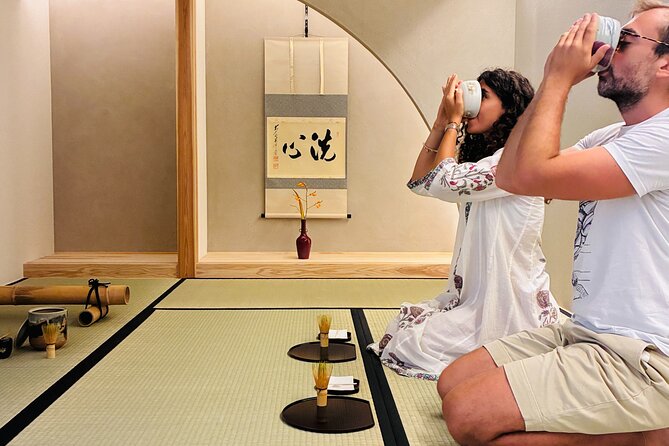
After the introduction, the host prepares a bowl of matcha for you. This is your chance to watch the process before trying it yourself.
The whisking is simple in principle, but it requires a light hand and steady attention. The host’s movements show the precision that can be easy to miss in a short demonstration. You also receive a seasonal wagashi, a traditional Japanese confectionery chosen from a Kyoto sweet shop with more than 100 years of history.
The sweet is not just a snack on the side. In a tea ceremony, its sweetness balances the bitter edge of matcha and prepares your palate for the tea. Seasonal design also connects the food to the time of year, one of the small ways Japanese culture pays attention to changing seasons.
The confectionery has received particular praise, along with the taste of the matcha itself. If you are unsure about powdered green tea, this pairing helps. The sweet softens the tea’s bitterness, while the ceremony gives you a reason to slow down and notice the flavor.
Your turn with the bamboo whisk
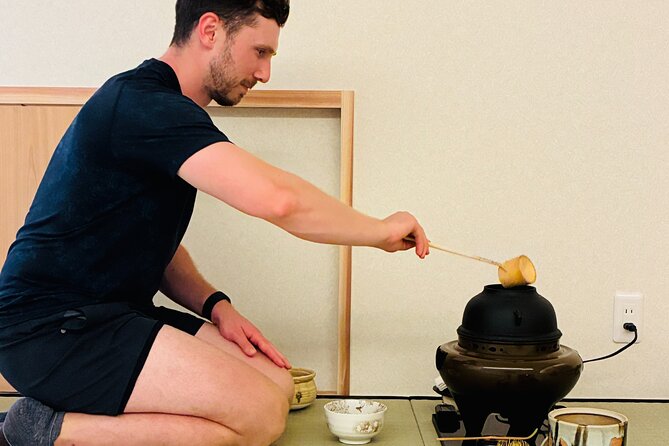
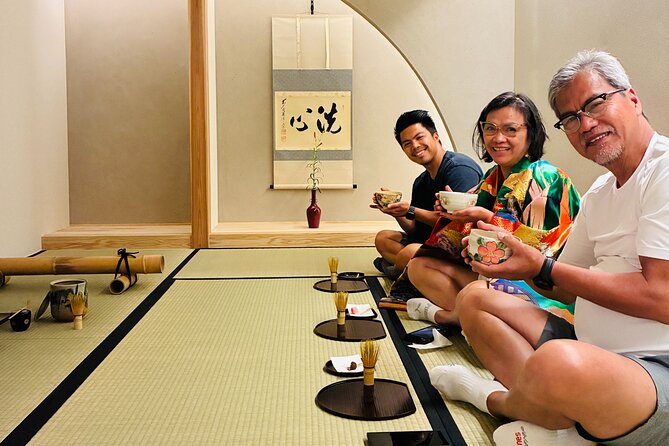
The second bowl is the hands-on part. You choose a tea bowl and whisk your own matcha, either for yourself or with your companion depending on how you book and share the activity.
This is where the ceremony becomes easier to understand. Watching an expert make tea can look effortless. When you hold the whisk, you discover that the correct movement requires concentration. You may produce a perfectly smooth bowl, or you may create something less refined. Either result gives you a better sense of the skill involved.
Hosts guide you through the process rather than leaving you to guess. Some have also taken photos and videos while participants prepared their tea, which is useful if you want a record without constantly reaching for your phone. I would still keep your phone away during the formal portion and bring it out only when the host indicates that photographs are fine.
The second bowl makes the $31 price easier to assess. You are not paying only to watch a ritual. You receive two servings of matcha, a traditional sweet, an English explanation, and a practical lesson with the utensils.
A quiet presentation rather than a photo stop
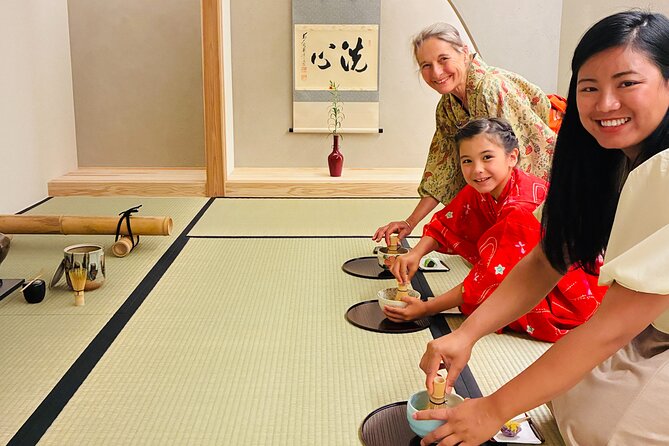
The strongest feature of Sanjo Chasuian is its mood. The experience is meant to be calm, and the hosts take the ceremony seriously. The opening explanation lets the formal section proceed without a running commentary, which preserves the feeling of the ritual.
That may not suit everyone. If you want constant conversation, costume changes, or a lively group activity, this could feel too restrained. The ceremony asks you to pay attention and accept a slower pace.
For many people, that is exactly the point. Kyoto sightseeing can become a parade of train platforms, temple gates, and camera stops. An hour of sitting quietly with tea gives your day a different rhythm. I especially like it as a pause between more active visits.
The shared plan includes other participants and is limited to 10 people. That keeps the group small enough for personal instruction, but it is not a private ceremony. If you need an interpreter or plan to bring a child under five, you must book the Private Plan. Incorrectly booking the Shared Plan in those cases can mean no participation and no refund.
Clothing, seating, and the optional uchikake
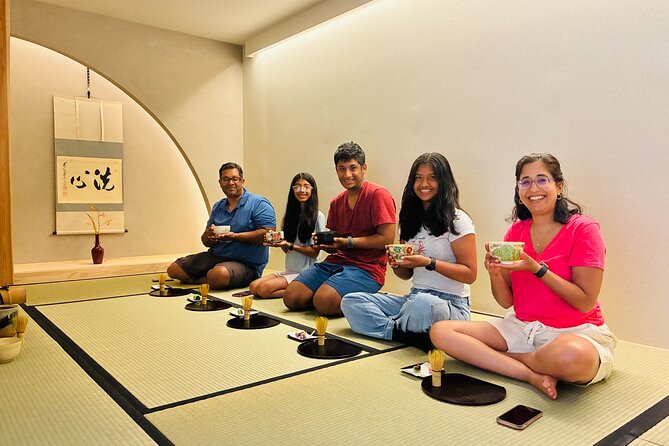
Wear comfortable clothing and remember your socks. Chairs are available if sitting in the usual position is uncomfortable, but you should still expect a traditional tea room rather than a modern classroom.
Sanjo Chasuian does not provide standard kimono rental or dressing services. An optional uchikake, a coat-style kimono, may be available for ¥1,500 including tax. You ask about it on the day, and advance reservations are not accepted. Quantities are limited, so treat it as an optional extra rather than a guaranteed part of the visit.
This distinction matters if you are booking specifically for a full kimono photo session. That is not what this experience offers. The focus is the tea ceremony, with the coat-style garment available only if there is stock and staff can arrange it.
You can also purchase matcha, tea bowls, and selected tea items afterward. The sales option is useful if the ceremony sparks an interest in making tea at home, but the experience does not depend on buying anything.
Is $31 a fair price in Kyoto?
At $31 per person, I consider this a good value for a one-hour cultural activity, particularly because the price includes two bowls of matcha and a seasonal confectionery. You also receive instruction in English and get to use the equipment yourself.
A cheaper cup of matcha elsewhere will not offer the same explanation or practical lesson. On the other hand, this is not a long temple tour, a full meal, or a complete kimono experience. If you want a larger production with costumes and extensive photography, you may prefer a different type of activity.
The facility offered a grand opening discount through September 15. Since that offer is tied to its opening period, check the current price before booking rather than assuming the discount still applies.
The cancellation terms are traveler-friendly: you can cancel up to 24 hours in advance for a full refund, and a reserve-now, pay-later option is available. These policies help if your Kyoto plans are still shifting, but they do not protect against arriving late.
Who will enjoy Sanjo Chasuian most?
I would recommend this experience to you if you want a first introduction to Japanese tea practice without committing to a long formal ceremony. It suits couples, solo visitors, and small groups who like learning by doing.
It is also a strong choice for anyone who wants a quiet break from sightseeing. The hosts are consistently described as warm, patient, and clear, with Yuko and Reina receiving particular praise for their welcoming manner and careful teaching.
You may want to choose something else if you need wheelchair access, are traveling with children under six, or cannot comfortably use the low entrance. It is also not ideal if you expect standard kimono rental or a highly social, talkative activity.
For families with younger children or visitors who need interpretation, ask for the Private Plan rather than trying to fit into the Shared Plan. The calm atmosphere depends on keeping the group and instructions manageable.
Should you book this Kyoto tea ceremony?
I would book Sanjo Chasuian if you want a focused, well-explained taste of Kyoto culture. The combination of the nijiriguchi, seasonal wagashi, two bowls of matcha, and hands-on whisking gives the hour real substance.
Book it early in your day if you like a calm start, or before dinner if you need a pause after sightseeing. Arrive well ahead of time, wear socks, and be realistic about the access limitations.
Skip it only if you are looking for a full kimono package, a private ceremony by default, or a wheelchair-accessible venue. For everyone else, this is a thoughtful one-hour introduction with enough tradition to feel meaningful and enough instruction to keep you involved.
FAQ
Where is Sanjo Chasuian located?
Sanjo Chasuian is about a five-minute walk from Subway Karasuma Oike Station in Kyoto. Look for the large plate displaying the Sanjo Chasuian logo and name.
How long does the tea ceremony last?
The experience lasts one hour. Starting times vary, so you need to check availability when choosing a session.
How much does the experience cost?
The listed price is $31 per person. A grand opening discount was offered through September 15, so check the current rate before booking.
How many bowls of matcha are included?
Two bowls are included. The host prepares the first, and you or your companion prepares the second with guidance.
Is the experience conducted in English?
Yes. The explanations and guidance are provided in English for international visitors.
Is the tea ceremony private?
The Shared Plan is a group session with other participants and allows up to 10 people. A Private Plan is required for children under five or anyone who needs an interpreter.
What should I bring?
You should bring or wear socks. Chairs are available if you prefer not to sit on the floor.
Can children take part?
Children under six are not suitable for this experience. Children under five must not book the Shared Plan and require the Private Plan, according to the activity rules.
What happens if I arrive late?
Entry is allowed from five minutes before the start. Once the session begins, the door is locked. Even one minute late means you cannot join, and no refund is provided.
Just added around Kyoto
- Uji Walking Tour – Byodo-in temple and Tea Ceremony from Kyoto★ 3.5 · 3 reviews
- Tea ceremony at Kyoto’s Zen Temple Teahouse★ 5.0 · 2 reviews
- Kyoto: Authentic Tea Ceremony in a Small Group★ 5.0 · 7 reviews
- Tea Ceremony in 150 Years Old Townhouse with Tables and Chairs★ 5.0 · 22 reviews
- Silent Beauty of Kyoto Zen Walk and Tea Experience★ 5.0 · 2 reviews
- Tea Ceremony Experience in Traditional Kyoto Townhouse★ 5.0 · 19 reviews
- Traditional Tea Ceremony in Kyoto★ 4.5 · 3 reviews
- Sencha-do the Japanese Tea Ceremony Workshop in Kyoto★ 5.0 · 21 reviews
Tea Ceremonies in Kyoto, compared.
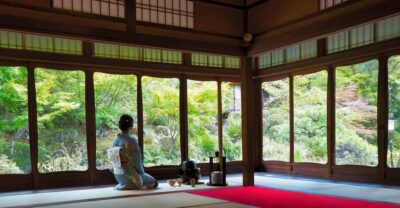
Tea Ceremony in a Traditional Tea House in Kiyomizu
Read our review →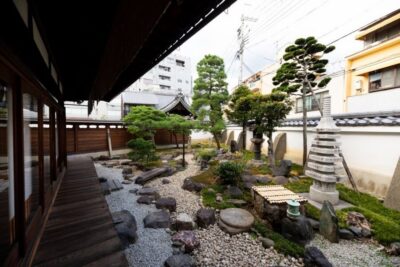
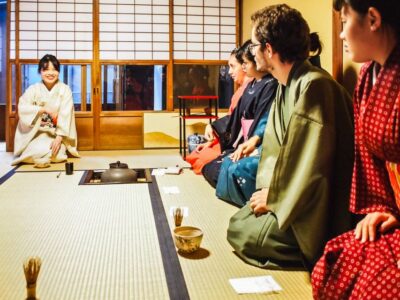
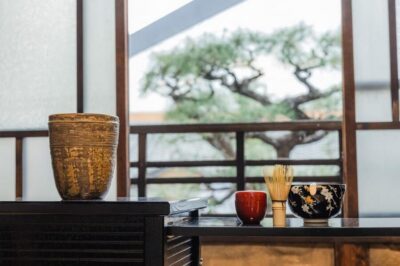
Tea Ceremony in 100-year-old Kyo-Machiya Townhouse
Read our review →
Browse the lists this tour appears in