
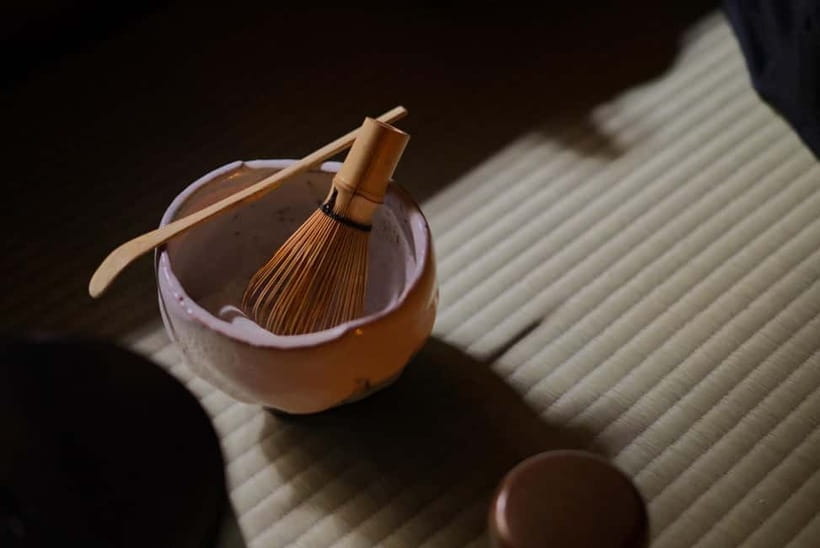
Review · KYOTO
Kyoto: Mindful Tea Ceremony in 100-Year-Old Teahouse
Slow down in an old Kyoto teahouse. Oboro’s 45-minute tea ceremony trades grand spectacle for candlelight, quiet, and careful attention to small things. You watch matcha being prepared, taste seasonal sweets, and learn why each movement matters without being pushed through a strict set of rules.
I especially like the candlelit room and the small group limit of eight, which make the experience feel calm rather than staged. The English guidance from hosts such as Taku and Naoki is another strong point. The main consideration is time: 45 minutes passes quickly, and the quiet format may feel too restrained if you want a hands-on class or a longer cultural program.
Key points at a glance

- A 100-year-old teahouse: Traditional rooms and a garden view give the ceremony a real sense of place.
- Candlelight instead of harsh lighting: The soft room helps you focus on water, fragrance, movement, and taste.
- A gentle introduction to matcha: You can watch closely, ask questions, or simply sit quietly without worrying about perfect etiquette.
- A small group of up to eight: The limited size suits anyone who wants personal attention and a peaceful setting.
- Seasonal sweets and a welcome tea: The opening drink and snack ease you into the ceremony before the main bowl of matcha.
- A handmade candle to take home: The parting gift gives you a simple reminder of the pause you took in Kyoto.
Entering Oboro’s 100-year-old teahouse
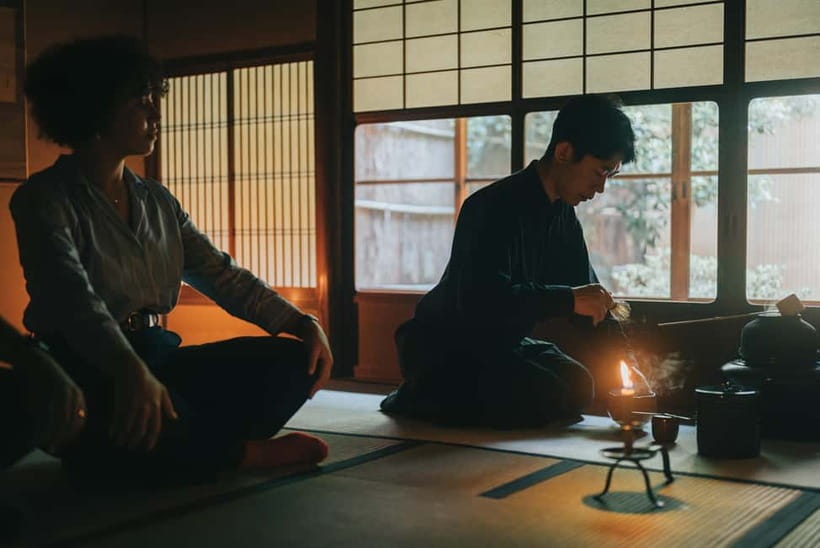
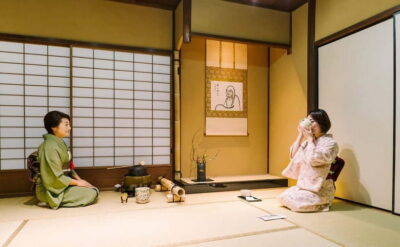
The setting does much of the work here. You arrive at Oboro, a traditional Japanese house with a history of roughly a century, and remove your shoes before entering. The room is softly lit by candles, not bright overhead lamps, so the first few minutes already feel different from an ordinary sightseeing stop.
You should arrive 10 minutes early. That gives you time to find the address, store belongings if needed, remove your shoes, and settle before the ceremony begins. Search for Oboro: Mindful Tea Ceremony on Google Maps if the address proves difficult to locate.
Socks are required, so pack a clean pair with comfortable clothing. This is not the place for bare feet or fussy clothes that make sitting still difficult. The experience is quiet, and smoking and flash photography are not allowed.
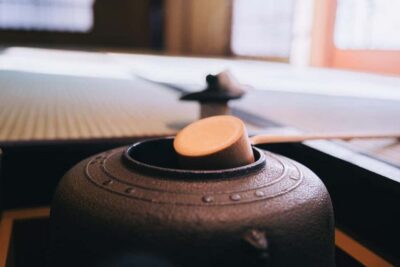
The old house is more than a backdrop. Its traditional interior, restrained decoration, and garden view help you notice things that a busy sightseeing schedule usually washes away. A simmering kettle, the scent of powdered tea, and the way light falls through a window become part of the experience.
That sense of quiet is one of the ceremony’s strongest features. If you have spent the day moving through crowded streets and noisy stations, Oboro gives you a clean break without asking you to commit half a day.
More Tea Ceremonies in Kyoto
- Kyoto: Tea Ceremony in a Traditional Tea House in Kiyomizu
★ 4.9 · 3,519 reviews - Kyoto: Tea Ceremony Ju-An at Jotokuji Temple
★ 4.9 · 3,207 reviews - Kyoto: 45-Minute Tea Ceremony Lesson Experience
★ 4.3 · 2,378 reviews
Welcome tea, sweets, and a slower pace
The session begins with a welcome tea and a seasonal sweet. This opening is useful because it gives you time to settle before the more formal preparation begins. You are not dropped straight into unfamiliar gestures or expected to know what to do.
The sweet is meant to complement the tea, not act as a meal. Do not arrive expecting lunch or a full tasting menu. Meals are not included, and the entire activity lasts only 45 minutes.
Still, this small pairing adds welcome texture. One visitor described the opening drink as a smooth cold green tea, with an unusual snack that made a memorable first impression. In summer, the ceremony uses chilled water and ice, so the temperature and feel of the tea can change with the season.
I like this opening because it introduces Japanese tea culture through taste before asking you to think about rules. You can enjoy the flavors, watch the host, and let the room quiet your attention. If you are not normally a matcha fan, the quality of the tea and the care in its preparation may give you a better introduction than a sweetened café matcha.
Watching matcha take shape
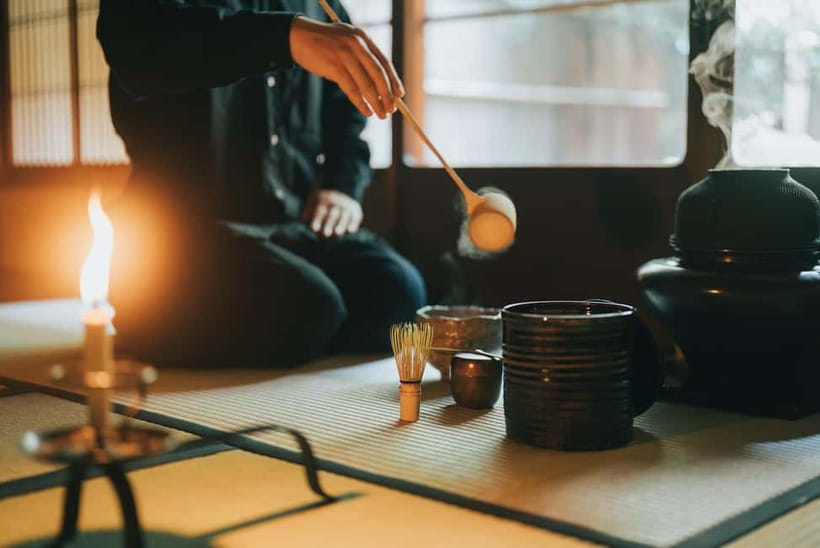
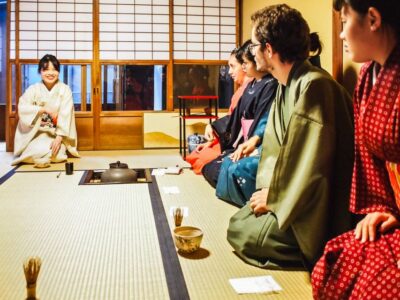
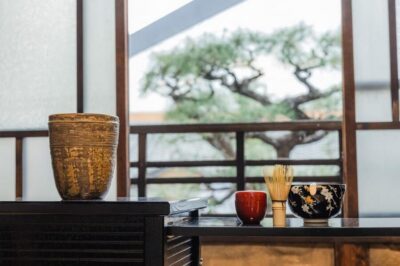
The main part of the activity moves into the tearoom, where the host prepares each bowl with measured care. You will see the utensils purified, the matcha whisked, and the bowl presented with a graceful bow.
The host explains the purpose behind the movements in English. Taku has been praised for clear explanations and a strong passion for the tradition, while Naoki has been described as warm and calming. Other sessions have included hosts referred to as Taiku and Noki, so the exact person leading your ceremony may vary.
The important point is the balance between instruction and ease. This is not a test of etiquette. You do not need to memorize every turn of the bowl or worry about making a mistake in front of the group. You can observe quietly, ask questions, or take part at a relaxed pace.
That approach works well for first-time visitors. The ceremony still respects its traditional roots, but the English explanations prevent it from becoming a string of mysterious gestures. You learn what you are seeing instead of merely watching a performance.
A particularly good feature is the focus on purpose. The host explains why the utensils are handled in a certain way, how the tea is prepared, and how to appreciate the bowl. That extra context turns a short cup of matcha into a lesson in attention, hospitality, and restraint.
The sensory side of a quiet ceremony
Oboro’s strongest idea is simple: remove distractions and let ordinary details become noticeable. Candlelight softens the room. Minimal decoration leaves space for the sound of water simmering. The fresh aroma of matcha arrives before the taste does.
You may find yourself paying attention to the warmth of the bowl, the texture of the tea, or the faint sweetness left after each sip. None of this requires special skill. The ceremony simply gives you permission to stop rushing.
Several people have described leaving in a calmer state of mind. One person called the session a silent meditation after a noisy day in Kyoto. Another said the combination of meditation and tea created a wholesome experience. That response makes sense, but you should know what kind of calm this is. It comes from quiet pacing and concentration, not from a guided meditation class with extended instruction.
Silence is requested during the ceremony. You should be comfortable with a room where conversation is limited and where other people may spend long stretches simply observing. Questions are welcome, but this is not a lively, constantly chatting food tour.
For many people, that restraint is the point. For others, it may feel a little formal. Think of it as a short reset rather than a high-energy cultural activity.
Same place, a different pot:
- Kyoto: Table-Style Tea Ceremony at a Kyo-Machiya
★ 4.9 · 1,211 reviews - Kimono Tea Ceremony at Kyoto Maikoya, NISHIKI
★ 5.0 · 911 reviews - Kyoto: Arashiyama Bamboo Forest, Monkeys, Matcha & Temple Tour
★ 5.0 · 759 reviews - Kyoto: Kimono Tea Ceremony at Orizuruya Gion
★ 4.9 · 618 reviews
Why the small group matters
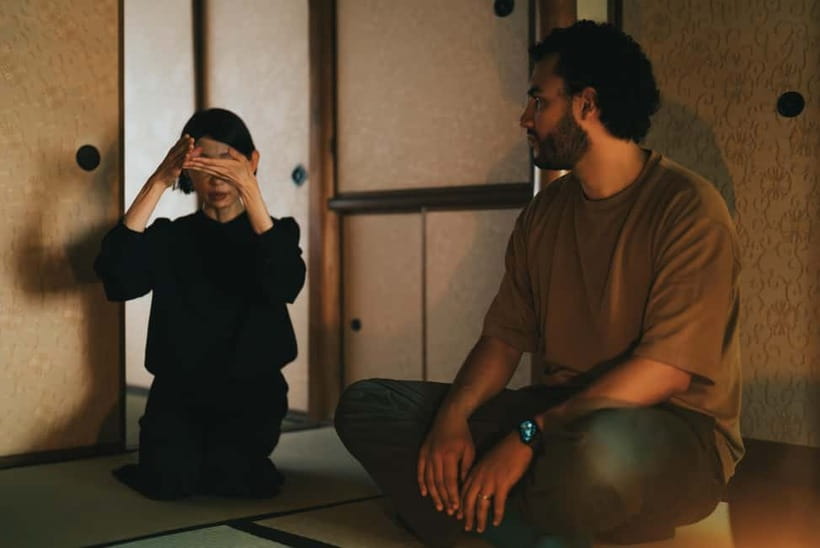
The group is limited to eight people. That number is large enough to create a shared atmosphere, but small enough that the host can explain the process and respond to questions.
A small group also protects the tone of the room. With fewer people, you are less likely to feel like you are watching from the back of a crowded demonstration. You can see the whisking, utensils, and bowl presentation more clearly.
The arrangement is especially useful if you are new to Japanese customs. You can follow the lead of the host and the people around you without feeling exposed. The atmosphere is gentle, not intimidating.
The tradeoff is that the ceremony depends on everyone respecting the quiet. A single late arrival or noisy conversation would affect the mood, which is why punctuality matters. Anyone more than 10 minutes late will not be admitted, so do not cut it close.
What the 45-minute schedule feels like
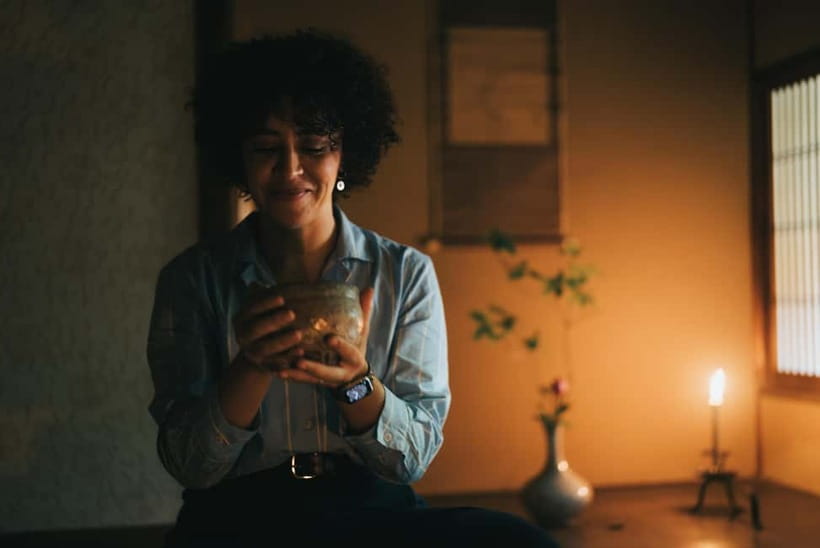
Forty-five minutes is a compact format. You receive a welcome tea and sweet, move into the main tearoom, watch the preparation of matcha, learn about the ceremony, drink the tea, and finish with a small handmade candle.
That schedule works well in a Kyoto itinerary. You can place it between larger sights without giving up an entire afternoon. It also suits visitors who want a cultural activity but know that children, tired companions, or short attention spans may struggle with a longer program.
The short duration does limit the depth. You are observing and tasting, not completing an extensive tea-school course. There is no promise of preparing multiple bowls yourself or spending hours learning every rule.
One person had to leave before the end because of a time constraint and found the hosts understanding after being told in advance. Even so, plan to remain for the full session. Leaving early can break the shared quiet and may mean missing the final reflection and candle gift.
Is $45 a fair price?
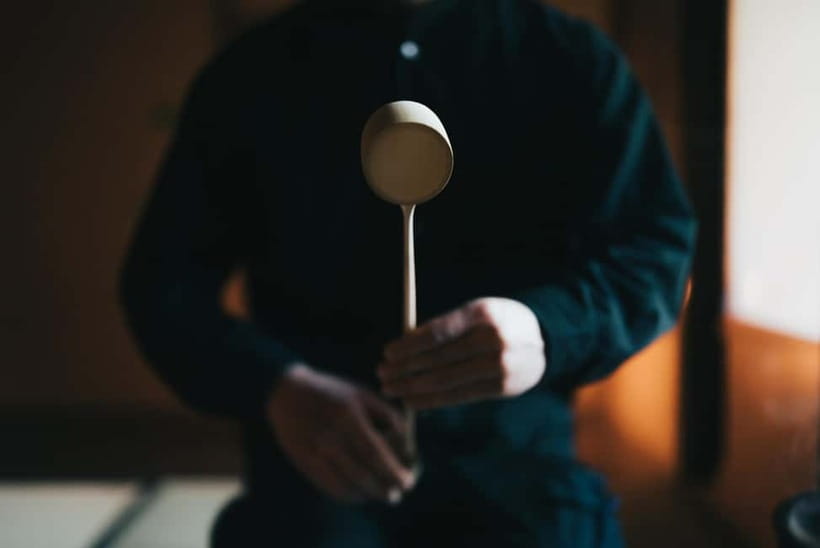
At $45 per person, this is not the cheapest way to drink matcha in Kyoto. You can find tea for less at a café. But the price is paying for more than the beverage.
You are also paying for an English-language explanation, the use of a traditional house, a small group, seasonal sweets, ceremony equipment, candlelight staging, and the host’s careful preparation. The handmade candle adds a thoughtful final touch rather than a disposable souvenir.
I consider the value good if you want a focused cultural experience with atmosphere. The setting and personal guidance make it different from simply ordering matcha at a shop. The value is less convincing if you mainly want to learn practical whisking skills, drink a large amount of tea, or keep your schedule extremely flexible.
The free cancellation policy, with a full refund available up to 24 hours before the activity, helps reduce the risk. You can also reserve now and pay later, which is useful when arranging a busy Kyoto schedule.
Who will enjoy this most?
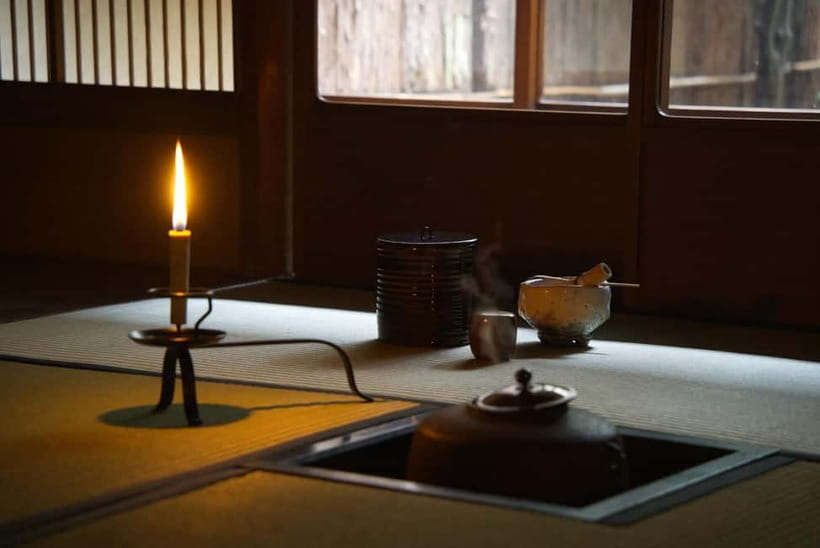
This ceremony suits first-time visitors who want an approachable introduction to Japanese tea culture. It is also a good choice for couples, solo visitors, and anyone looking for a peaceful pause after several busy sightseeing days.
You do not need to be a matcha enthusiast. The host explains the process, and the ceremony’s calm structure makes the tea easier to appreciate on its own terms. It also suits people interested in Japanese design, traditional houses, meditation, and small cultural rituals.
The experience is not suitable for children under six, wheelchair users, or people with back problems. Shoes must be removed, and you should wear socks. Since the setting is quiet, it is best for anyone who can sit calmly and respect silence for the duration.
If you want a hands-on cooking class, a large meal, or a long formal ceremony, choose something else. Oboro is deliberately modest. Its appeal comes from a few carefully handled moments, not a long list of activities.
Practical tips for a smoother visit
Wear comfortable clothes that make sitting easy, and bring socks even if the weather is warm. Shoes are removed, and bare feet are not allowed.
Arrive 10 minutes early. Use that time to confirm the location, put away belongings, and settle your mind. Late arrivals of more than 10 minutes cannot enter, so allow extra time if you are coming from another part of Kyoto.
Keep your phone quiet and leave the flash off. Photography is allowed without flash, but the ceremony asks for silence, so take pictures only when it does not interrupt the mood.
In summer, expect chilled water and ice in the tea preparation. This seasonal change offers a cooler version of the experience, rather than the warm bowl you may imagine from a classic tea ceremony.
Finally, do not rush the last moments. The handmade candle is a small item, but it fits the idea behind the session: take a bit of the calm home with you.
Should you book Oboro’s tea ceremony?
I would book it if you want a short, peaceful, English-language cultural experience in a traditional Kyoto house. The candlelight, garden view, small group, and thoughtful explanations give the 45 minutes real character. The hosts, including Taku and Naoki in some sessions, add warmth without turning the ceremony into a loud presentation.
I would skip it if you dislike quiet settings, have back problems, need wheelchair access, or want a practical class with lots of hands-on tea making. For everyone else, $45 is a fair price for a well-shaped pause in the middle of Kyoto. Come on time, wear socks, and let the small details do the work.
FAQ
How long does the Kyoto tea ceremony last?
The experience lasts 45 minutes.
How much does the tea ceremony cost?
The price is $45 per person.
Is the experience conducted in English?
Yes. Expert instruction is provided in English.
How many people can join the ceremony?
The group is limited to eight participants.
What is included in the price?
The price includes English instruction, tea ceremony equipment, seasonal sweets, and the candlelight matcha experience.
Do I need to bring anything?
Bring comfortable clothing and socks. Shoes must be removed before entering.
Can I take photographs?
Yes, photography is allowed without flash. Flash photography is not permitted.
How early should I arrive?
Arrive 10 minutes before the scheduled start time. Anyone more than 10 minutes late will not be allowed to enter.
Is the activity accessible to everyone?
The experience is not suitable for children under six, wheelchair users, or people with back problems.
Just added around Kyoto
- Uji Walking Tour – Byodo-in temple and Tea Ceremony from Kyoto★ 3.5 · 3 reviews
- Tea ceremony at Kyoto’s Zen Temple Teahouse★ 5.0 · 2 reviews
- Kyoto: Authentic Tea Ceremony in a Small Group★ 5.0 · 7 reviews
- Tea Ceremony in 150 Years Old Townhouse with Tables and Chairs★ 5.0 · 22 reviews
- Tea Ceremony Experience in Traditional Kyoto Townhouse★ 5.0 · 19 reviews
- Traditional Tea Ceremony in Kyoto★ 4.5 · 3 reviews
- Silent Beauty of Kyoto Zen Walk and Tea Experience★ 5.0 · 2 reviews
- Kyoto Private Tea Ceremony at a Japanese Inns★ 5.0 · 12 reviews
Tea Ceremonies in Kyoto, compared.
Tea Ceremony in a Traditional Tea House in Kiyomizu
Read our review →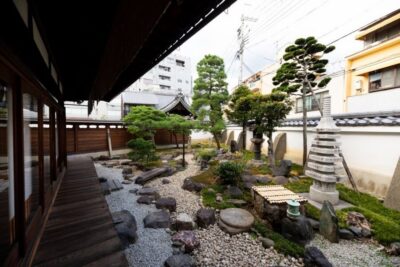
Tea Ceremony in 100-year-old Kyo-Machiya Townhouse
Read our review →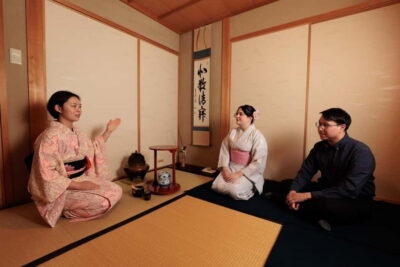
Browse the lists this tour appears in