
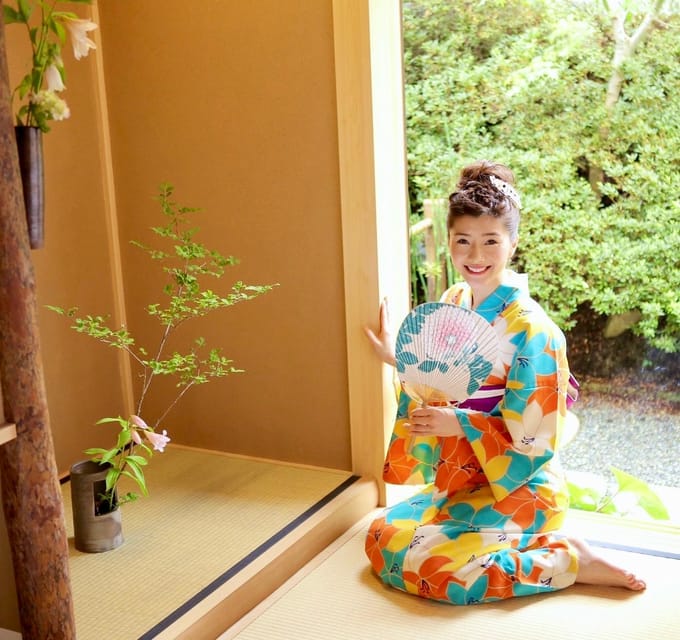
Review · KYOTO
Kyoto: Maiko, Samurai, or Kimono Rental and Tea Ceremony
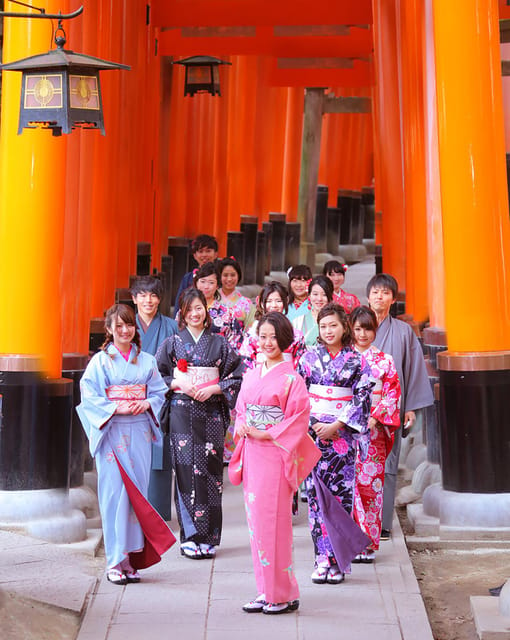
Kyoto makes dressing up part of the sightseeing. This experience pairs a maiko, samurai, or kimono rental with a short matcha tea ceremony near Kiyomizu-dera. I like the excellent location, just a three-minute walk from the temple area, and the family-friendly choice of costumes. The main catch is that the tea ceremony is brief and the schedule is strict.
You get the kimono, obi, bag, undergarments, sandals, matcha, and a sweet for about $77 per person. I also like that a standard kimono rental can continue until 5pm, giving you time to explore nearby lanes. Still, this is a tourist activity, not a full traditional tea-school lesson, and the busy setup may feel rushed at peak times.
Key details before you book
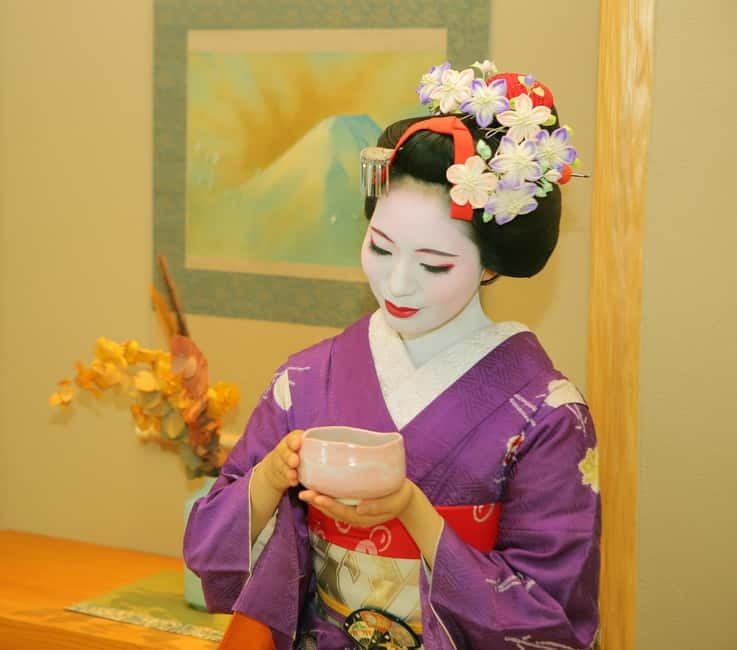
- Three costume choices: Pick a maiko look, samurai style, or a regular kimono or seasonal yukata.
- Tea near Kiyomizu-dera: The rental shop and tea parlor are only about three minutes apart on foot.
- Seven scheduled start times: Kimono appointments run from 9am through 3pm, with tea 90 minutes later.
- Explore until 5pm: The kimono rental gives you time for Kiyomizu-dera, Ninenzaka, Sannenzaka, and nearby shrines.
- Families of up to four: Children must be at least five years old, and pregnant women cannot take part.
- Hair styling costs extra: The supplied information lists hairstyling at 1,650 yen, so budget for it if you want a finished maiko or kimono look.
Dressing up beside Kyoto’s famous temple district
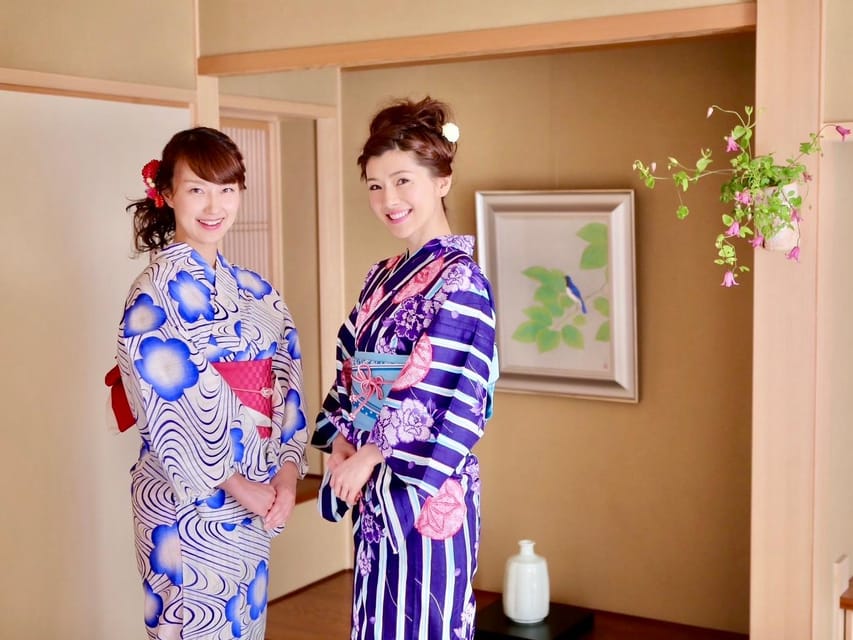
The experience begins at Studio Shiki, also called Rental Kimono Shiki Sakura. Its location is the biggest practical advantage. You are close to Kiyomizu-dera Temple, Yasaka Five-Story Pagoda, Yasaka Koshindo, Ninenzaka, Sannenzaka, Kodaiji Temple, and Yasaka Shrine.
That matters because the rental is not isolated from the rest of your day. You can dress here, attend the tea ceremony, and then continue through one of Kyoto’s most photogenic walking districts. The lanes around Kiyomizu-dera are packed with old-style buildings, souvenir shops, cafés, and small religious sites. You will find plenty to do after the formal part ends.
The shop is about a 10-minute walk from the Kiyomizu-michi bus stop. From central Kyoto, the bus ride takes roughly 20 minutes before that walk. Allow extra time. Kyoto’s buses can be slow, and arriving late creates real problems for this activity.
The tea parlor, Akebonotei, is about a three-minute walk from the rental shop. That short transfer is easy in a kimono, though you should still wear comfortable clothing underneath. You are not crossing town between the two parts, which keeps the day simple.
More Kimono and Tea Ceremonies in Kyoto
- Kimono Tea Ceremony at Kyoto Maikoya, NISHIKI
★ 5.0 · 911 reviews - Kyoto: Kimono Tea Ceremony at Orizuruya Gion
★ 4.9 · 618 reviews - KYOTO Tea Ceremony with kimono near by Imamiya Jinjya Shrine
★ 5.0 · 343 reviews
Choosing maiko, samurai, kimono, or yukata
Your costume choice changes the feel of the experience.
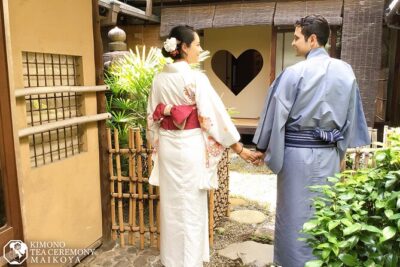
A maiko costume gives you the most theatrical Kyoto look. Maiko are apprentice entertainers associated with Kyoto’s traditional arts, and the styling is meant to create a polished stage image. This option suits you if photographs are your main goal and you want something more elaborate than an ordinary rental kimono.
The samurai option takes the activity in a different direction. It is playful and family-friendly, especially for children who may not be excited by a traditional kimono. The supplied information does not give a detailed breakdown of the samurai costume, so you should think of it as a themed rental rather than a historically exact reconstruction.
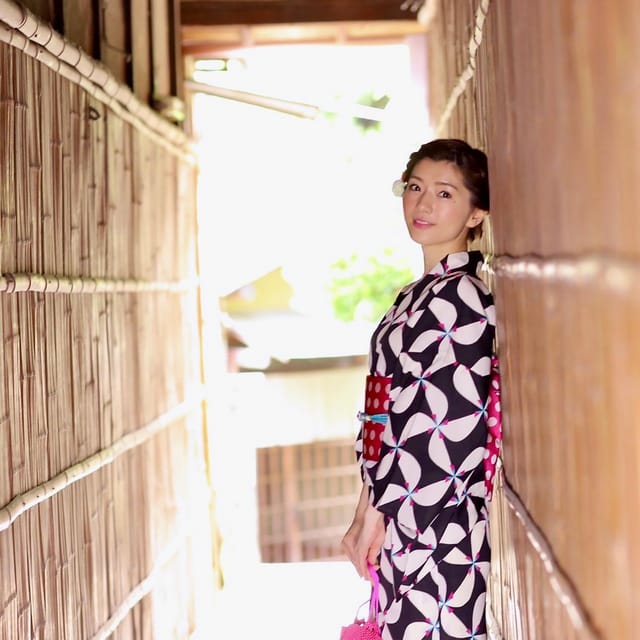
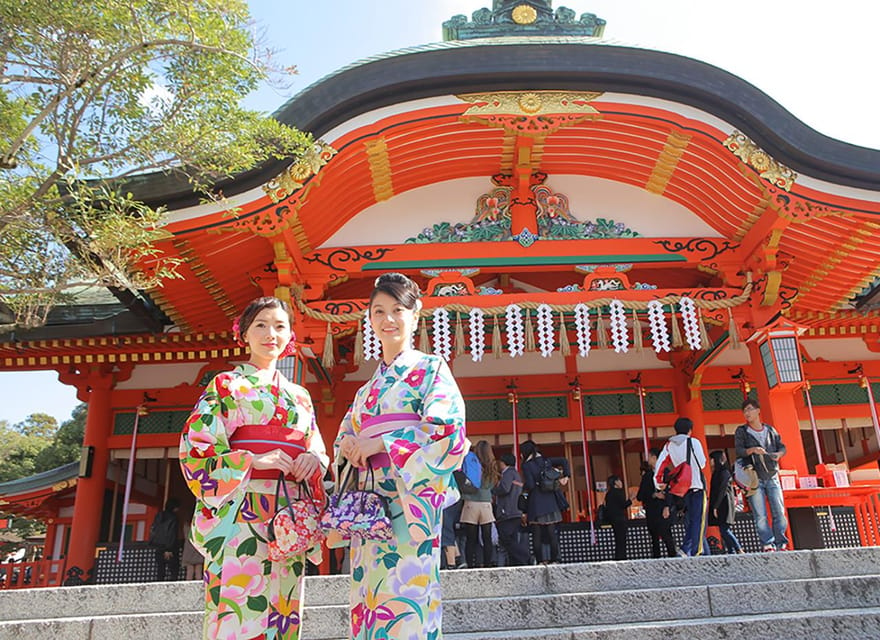
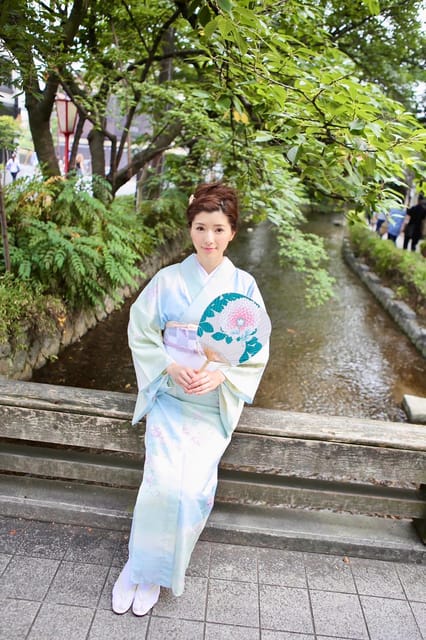
A regular kimono offers the simplest and most flexible choice. You receive the kimono, obi, bag, underwear, and sandals. This is probably the best fit if you want to walk around the temple district without making the costume the entire point of the day.
From June 1 through September 15, the seasonal yukata plan is available. Yukata are lighter summer garments and generally make sense in Kyoto’s hot months. They are less formal than a full kimono, but they can be more comfortable for walking around Ninenzaka and Sannenzaka.
Hair styling is not included. One direct price given for the service is 1,650 yen. If you select a maiko look, hairstyling may feel like an important part of the finished appearance. If you choose a regular kimono, you may decide that the extra cost is not necessary.
How the 150-minute to three-hour schedule works
The timing is easy to understand once you see the gap between appointments. You first have the costume rental, then the matcha experience 90 minutes later.
The available schedule is:
- 9am kimono appointment, 10:30am tea
- 10am kimono appointment, 11:30am tea
- 11am kimono appointment, 12:30pm tea
- Noon kimono appointment, 1:30pm tea
- 1pm kimono appointment, 2:30pm tea
- 2pm kimono appointment, 3:30pm tea
- 3pm kimono appointment, 4:30pm tea
The exact total length can vary from about 150 minutes to three hours. The later appointments leave less time for sightseeing afterward, especially since the rental period ends at 5pm. If you want to visit Kiyomizu-dera and walk the nearby streets in costume, an early or midmorning start is the smarter choice.
The 90-minute gap is useful. It gives you time to get dressed, walk to Akebonotei, and perhaps take a few photographs. It is not a promise of 90 minutes of free sightseeing, though. The activity requires punctuality for both appointments, so do not wander far from the area.
This is one of those Kyoto experiences where a watch helps. If you arrive late, you may have to join the tea ceremony after it has started, or you may miss it completely. The same applies to the costume appointment. Build in time for the bus, the walk from Kiyomizu-michi, and finding the shop.
What the matcha ceremony is really like
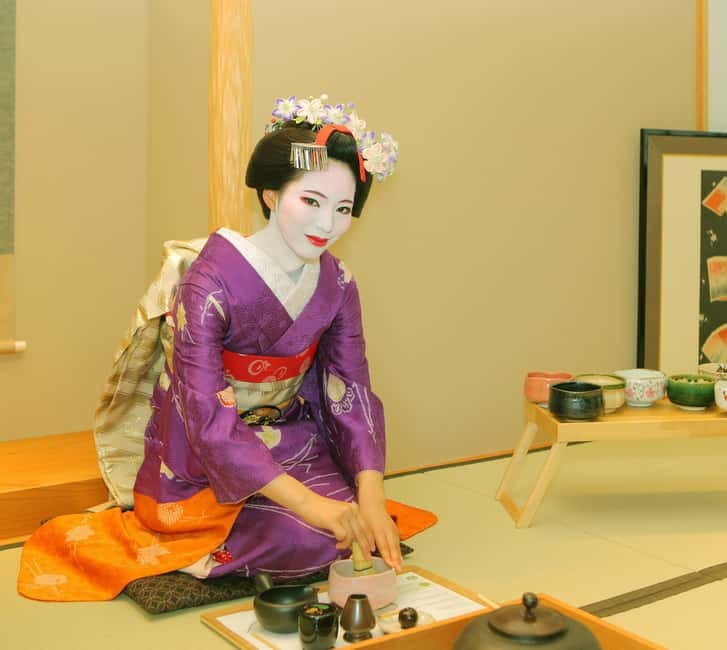
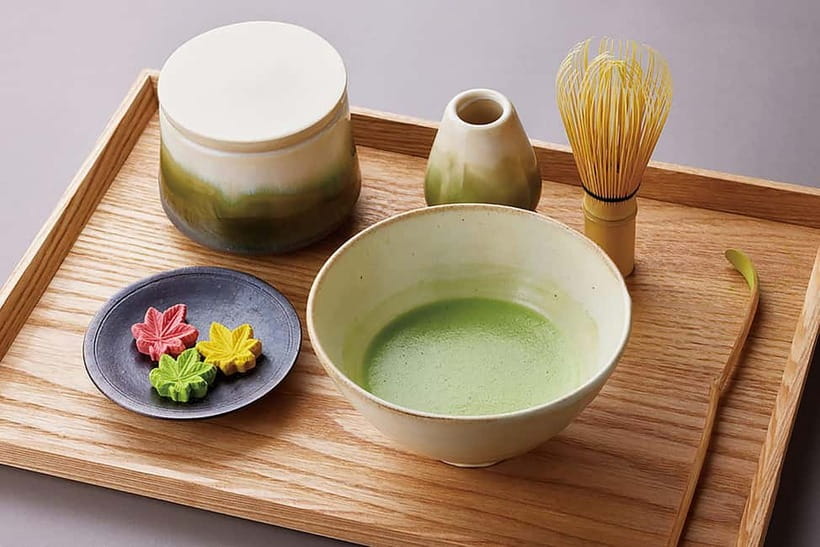
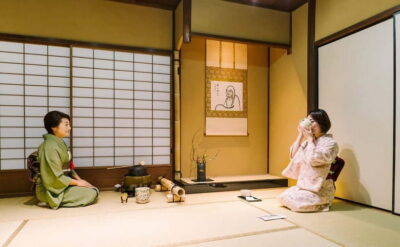
At Akebonotei, you receive matcha and a sweet as part of the experience. The ceremony introduces the basic atmosphere of a Japanese tea gathering without requiring you to commit to a long formal lesson.
One useful detail is that the tea session is described as a shorter version. That can be a strength if you are traveling with children or have a packed Kyoto schedule. Sitting through a compact ceremony is easier for a family than spending a large portion of the afternoon on formal procedures.
You should also set your expectations correctly. This is a visitor-focused presentation, not an advanced study of tea etiquette. Some people will enjoy the clear, accessible format. Others may find it too staged or too brief, particularly if they are looking for a quiet, highly traditional tea-school experience.
English support is available. A French customer specifically praised the woman leading the ceremony for speaking English very well. That can make a real difference when you are learning how matcha is prepared, served, and enjoyed.
The tea and sweet also give the costume rental a clear second part. Without them, the activity would be mainly a dressing and photo session. With them, you get at least a small cultural introduction, even if the ceremony does not attempt to cover every detail.
More Tea Ceremonies in Kyoto
- Kyoto: Tea Ceremony in a Traditional Tea House in Kiyomizu
★ 4.9 · 3,519 reviews - Kyoto: Tea Ceremony Ju-An at Jotokuji Temple
★ 4.9 · 3,207 reviews - Kyoto: 45-Minute Tea Ceremony Lesson Experience
★ 4.3 · 2,378 reviews - Kyoto: Table-Style Tea Ceremony at a Kyo-Machiya
★ 4.9 · 1,211 reviews
Exploring Kiyomizu-dera in costume

The best use of the rental is to treat the ceremony as the middle of a larger walk. Kiyomizu-dera is only one nearby stop. The route around it includes several compact sights that work well together.
Kiyomizu-dera is the headline attraction. Its temple grounds and views make it one of Kyoto’s essential visits, and arriving in a kimono gives your walk a more memorable shape. Admission is not included for people who do not participate in the tea ceremony, so check how your selected package handles temple entry.
From the temple area, you can walk through Ninenzaka and Sannenzaka. These sloping lanes are lined with traditional-style buildings and shops. They can be crowded, and the stone paving is not ideal for rushing in sandals, so take your time and watch your footing.
The Yasaka Five-Story Pagoda makes a strong photograph stop. Nearby Yasaka Koshindo adds a smaller, more colorful religious site. Kodaiji Temple and Yasaka Shrine extend the route if you still have energy and time.
You might also choose a slower afternoon with a café stop. The area has plenty of stylish cafés, and a drink or snack can give you a break from walking in formal clothing. The rental’s location lets you build the day around your energy rather than forcing you onto a fixed sightseeing bus.
Remember that the costume must be returned by 5pm under the stated rental arrangement. A morning booking gives you the greatest freedom. A 3pm costume appointment, followed by tea at 4:30pm, leaves almost no time for a proper sightseeing walk in the rental.
Is $77 good value?
At about $77 per person, the price is not cheap for a short activity. You are paying for more than a cup of matcha, though. The package includes the kimono or themed costume, obi, bag, undergarments, sandals, tea, and a sweet. A regular kimono rental can also remain with you until 5pm.
The location adds value. You do not need a separate trip across Kyoto for the ceremony, and you can combine the appointment with major sights that you may already plan to visit. For a family, the chance to dress up together and then walk through the temple district can make the cost easier to justify.
The value drops if you only want a quick photograph. In that case, a basic rental without the tea element might suit you better. The activity also does not include hair styling, and that extra charge matters if your preferred look depends on a formal hairstyle.
I would call the price fair for a family occasion or a first visit to Kyoto, but not a bargain. You are buying convenience, costumes, a short cultural activity, and a prime location. You are not buying a long, private, or highly traditional tea lesson.
Family suitability and group size
Children under five cannot join, and pregnant women are not allowed to participate. The activity is limited to families of up to four people, with participants aged five and older. The general group size is listed as up to six people, so a family booking and the overall small-group limit are not exactly the same thing.
For families with older children, the format works well because it changes pace. The costume rental is visual and active. The tea ceremony is quieter and shorter. The nearby temples and lanes then give everyone something else to see.
The samurai option may appeal to children who are not interested in wearing a kimono. A family can also mix costume choices, depending on availability. Check the booking details for the exact selection offered on your date.
The main family challenge is timekeeping. Children may need a snack, a restroom stop, or a break, but arriving late can mean missing part of the appointment. Plan the bus and walking time conservatively.
What could disappoint you
The experience is designed for tourists, and that is not automatically a bad thing. The instructions are accessible, the location is convenient, and the short tea format suits a busy sightseeing day. But if you want a serious lesson in Japanese tea culture, this may feel too packaged.
There is also a practical risk of crowding and rushed service. A sharply negative account described long waits, hurried handling, and an overly commercial atmosphere. Another complaint found the tea setting artificial and crowded. Those criticisms are worth taking seriously, especially during busy periods.
At the same time, the experience can still work well when you treat it for what it is: a themed Kyoto activity with a small taste of tea culture. A French family praised the location, the reasonable costume selection, and the short ceremony as a good fit with children. The English-speaking staff member was also a clear positive.
Your satisfaction will depend on your goal. If you want polished photographs, family memories, and a convenient starting point near Kiyomizu-dera, the setup makes sense. If you want silence, privacy, and a ceremony with little tourist staging, choose a more formal tea experience instead.
Practical planning for the day
Wear clothing that is easy to change out of and comfortable enough under a kimono. You will receive the needed undergarments and sandals, but you will still be walking through sloped streets and over stone paving.
Use the Kiyomizu-michi bus stop only if you have allowed for the full route: about 20 minutes by city bus and then about 10 minutes on foot. The stated three-minute walk refers to the distance between the rental shop and the tea parlor, not the journey from the bus stop.
Book an early appointment if you want the full benefit of the rental period. The 9am slot gives you tea at 10:30am and many hours to see Kiyomizu-dera and the surrounding district. A noon start can also work well. The 3pm option is better for someone who mainly wants the costume and tea, not a long afternoon walk.
Cancellation is free up to 24 hours before the activity for a full refund. You can also reserve and pay later, which helps if your Kyoto plans are still changing. These policies are useful, but punctuality on the day remains essential.
Should you book this Kyoto costume and tea experience?
Book it if you want an easy, photogenic introduction to Kyoto customs, especially with children or first-time visitors. The location near Kiyomizu-dera is excellent, the costume choices are fun, and the short tea ceremony keeps the activity from taking over your day.
I would choose a morning appointment, add hairstyling if the look matters to you, and leave plenty of time for the bus and walk. I would also accept that the ceremony is a short visitor presentation rather than a full traditional study.
Skip it if your priority is a quiet, deeply formal tea ceremony or a private cultural lesson. At $77, the experience earns its value through the costume rental and location. It makes the most sense when you use it as the starting point for a full afternoon around Kiyomizu-dera, not as a stand-alone cup of matcha.
FAQ
How long does the experience last?
The stated duration is about 150 minutes to three hours. The exact length depends on the selected starting time and how the kimono rental and tea appointments are handled.
How far apart are the rental shop and tea parlor?
The tea ceremony parlor, Akebonotei, is about a three-minute walk from Studio Shiki.
What costume choices are available?
You can choose a maiko costume, samurai style, or a regular kimono. A yukata plan is available from June 1 through September 15.
Is hair styling included?
No. Hair styling is not included. The supplied pricing information lists hairstyling at 1,650 yen.
Can I keep the kimono after the tea ceremony?
If you rent a kimono, you can enjoy it until 5pm under the stated rental arrangement.
Can children participate?
Children aged five and older can participate. Children under five are not allowed.
How late can I cancel for a full refund?
You can cancel up to 24 hours in advance for a full refund. The activity also offers a reserve-now, pay-later option.
Just added around Kyoto
- Uji Walking Tour – Byodo-in temple and Tea Ceremony from Kyoto★ 3.5 · 3 reviews
- Tea ceremony at Kyoto’s Zen Temple Teahouse★ 5.0 · 2 reviews
- Kyoto: Authentic Tea Ceremony in a Small Group★ 5.0 · 7 reviews
- Tea Ceremony in 150 Years Old Townhouse with Tables and Chairs★ 5.0 · 22 reviews
- Silent Beauty of Kyoto Zen Walk and Tea Experience★ 5.0 · 2 reviews
- Tea Ceremony Experience in Traditional Kyoto Townhouse★ 5.0 · 19 reviews
- Traditional Tea Ceremony in Kyoto★ 4.5 · 3 reviews
- Kyoto Private Tea Ceremony at a Japanese Inns★ 5.0 · 12 reviews
Tea Ceremonies in Kyoto, compared.
Tea Ceremony in a Traditional Tea House in Kiyomizu
Read our review →
Tea Ceremony in 100-year-old Kyo-Machiya Townhouse
Read our review →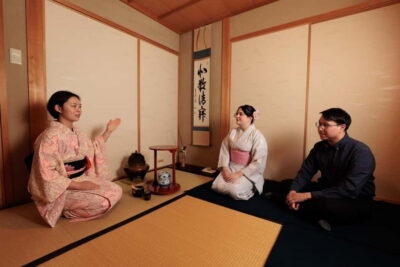
Browse the lists this tour appears in