
Review · KYOTO
Kyoto Japanese Tea Ceremony Experience in Ankoan
Kyoto’s tea ritual is easier to appreciate when you can try it yourself. I like the hands-on matcha preparation and the relaxed conversation with host Yuka, who explains customs in clear English. The small group, limited to eight people, also keeps the session personal. The main drawback is the location in northern Kyoto, which takes more effort to reach than tea houses near Gion.
I also like the welcome tea, the chance to serve your matcha to another participant, and the freedom to take photos indoors. Just note the timing: the experience is advertised at about an hour, while the detailed description says 90 minutes and some past sessions lasted closer to two hours. Plan your day with a little slack.
Key points at a glance
- You make your own matcha: After watching the tea master, you whisk matcha yourself with step-by-step guidance.
- Yuka is the warm center of the experience: She explains tea customs, Japanese culture, symbols, and phrases in English.
- A welcome tea eases you in: The opening conversation gives you time to settle down before the formal portion begins.
- The group is capped at eight: This is small enough for questions and personal instruction.
- Wagashi comes with the matcha: The traditional sweet balances the tea’s bitter edge.
- Knees matter here: Sitting and moving in a tea-room setting may not suit anyone with knee pain.
What makes this Kyoto tea ceremony different
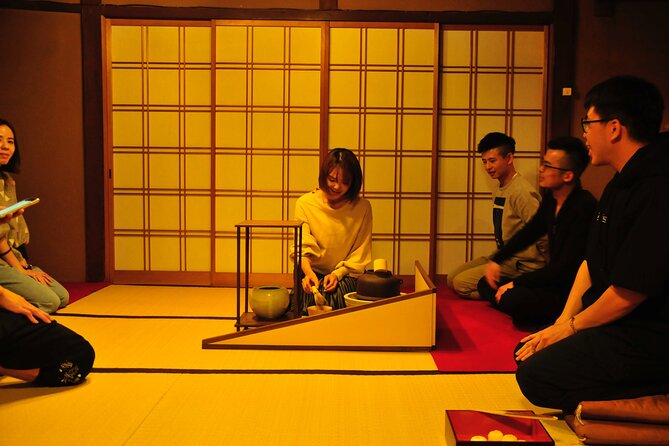
Many tea experiences ask you to watch quietly while an expert handles every important step. This one gives you a turn with the whisk. That simple change makes the ritual easier to understand because you feel how much care goes into a bowl of matcha.
The session takes place at Ankoan, a studio in Kyoto’s Kita Ward. Its address is 63 Murasakino Monzencho, near public transportation. The setting is away from Kyoto’s best-known central sightseeing streets, so you will need to allow time to get there. The upside is a calmer start, especially if you have spent the morning around busy temples.
The experience is designed for communication as much as ceremony. You can ask how Japanese people use tea, why certain movements matter, and how the culture developed around the ritual. That informal exchange is an important part of the hour or so you spend here.
The host is described as fluent in English and also able to support Chinese-speaking visitors. Her friendly style matters because tea ceremony etiquette can seem intimidating at first. You are not expected to know the correct movements before you arrive.
More Tea Ceremonies in Kyoto
- Kyoto: Tea Ceremony in a Traditional Tea House in Kiyomizu
★ 4.9 · 3,519 reviews - Kyoto: Tea Ceremony Ju-An at Jotokuji Temple
★ 4.9 · 3,207 reviews - Kyoto: 45-Minute Tea Ceremony Lesson Experience
★ 4.3 · 2,378 reviews
Arriving at Ankoan in northern Kyoto
The meeting point is Tea ceremony Japan at Ankoan, in Murasakino Monzencho. The studio is near public transportation, but it is not in the most convenient part of Kyoto for a quick stop between central attractions. I would group this with nearby temple visits rather than cross the city solely for a short appointment.
One useful tip comes from the experience itself: temples are just around the corner. If you are already planning time in northern Kyoto, the tea ceremony can fit neatly into a half-day. You might visit the surrounding temples first, then use the studio as a quiet change of pace.
The exact journey from your hotel will depend on where you are staying. Since private transportation is not included, you arrange your own route. Build in enough time to find the studio without rushing. Arriving flustered works against the calm mood this activity is meant to create.
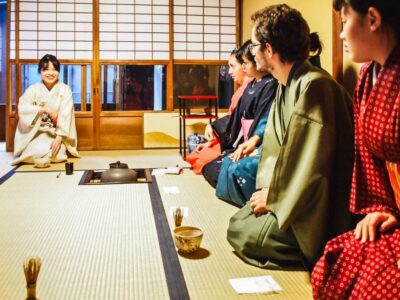
The small group limit is a real benefit once you are inside. With no more than eight people, you should have room to hear the explanations and a fair chance to make tea. It is not the same as a private ceremony, but it is more intimate than a large demonstration.
Welcome tea and conversation with Yuka
The experience begins with a welcome tea. This is not just a filler before the formal ceremony. It gives you a chance to sit down, recover from the trip across Kyoto, and begin talking with Yuka.
The conversation can cover tea ceremony customs or broader questions about Japan. That makes the opening approachable for first-time visitors. You do not need prior knowledge, and you do not have to pretend you understand every rule before the lesson starts.
Yuka’s strongest quality is her manner. She is warm, patient, and comfortable explaining ideas in English. The tone is friendly rather than stiff, so children and adults can take part without feeling that they are being tested.
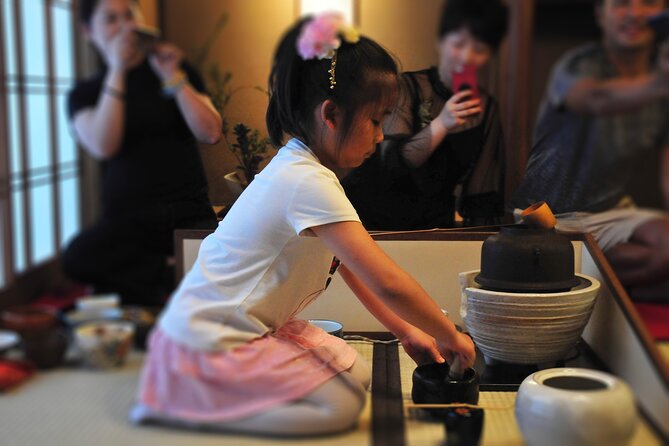
Families receive particular value here. Two young children have been able to participate, and an eight-year-old was given the chance to make tea. If you are bringing children, remember that the formal setting still requires some sitting and attention, but the hands-on portion gives younger visitors a clear role.
The opening tea also sets up one of the session’s central ideas: tea ceremony is about human connection, not only the drink. You are sharing time, offering tea to another person, and paying attention to small acts of respect.
Watching the tea master prepare matcha
After the welcome, you move into another matcha tea room for the main demonstration. The tea master shows the process before asking you to copy it. This watch first, try next, teach by doing structure works well for a ritual with several unfamiliar steps.
You learn how matcha is prepared and served, along with the manners connected to the ceremony. The details include symbols and phrases used during the ritual. These explanations give meaning to movements that might otherwise look slow or overly formal.
The point is not to turn you into a trained tea practitioner in one visit. Instead, you leave with a basic sense of the order, care, and intention behind the ceremony. That is enough to change how you look at matcha in Japan afterward.
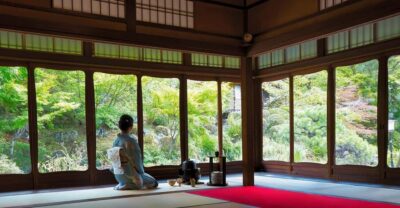
The demonstration is also a moment to slow down. Kyoto sightseeing can become a contest between temples, train stations, and packed schedules. Here, the pace is deliberate. You watch the host prepare the tea, listen to the explanation, and notice how the room’s calm depends on everyone paying attention.
Photography is allowed indoors, so you can record parts of the setting and your own preparation. Be considerate during the formal demonstration and follow the host’s lead about when to take pictures. The purpose is still to take part, not to turn the ceremony into a photo session.
Same place, a different pot:
- Kyoto: Table-Style Tea Ceremony at a Kyo-Machiya
★ 4.9 · 1,211 reviews - Kimono Tea Ceremony at Kyoto Maikoya, NISHIKI
★ 5.0 · 911 reviews - Kyoto: Arashiyama Bamboo Forest, Monkeys, Matcha & Temple Tour
★ 5.0 · 759 reviews - Kyoto: Kimono Tea Ceremony at Orizuruya Gion
★ 4.9 · 618 reviews
Making and serving your own matcha
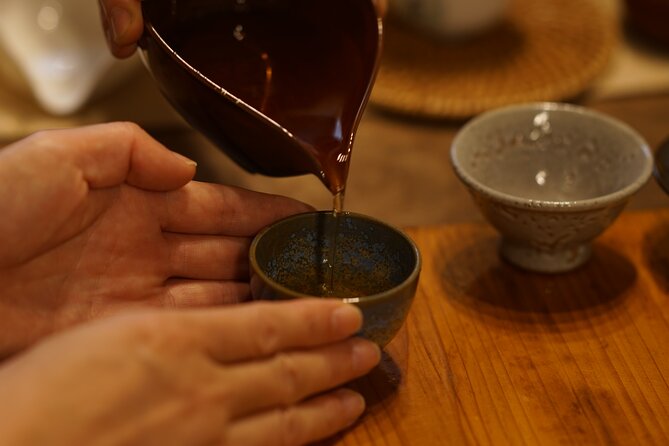
The most valuable part begins when you pick up the tools yourself. Yuka stays nearby to explain each step and correct you when needed. You are not left to guess how much effort to use or what to do next.
Making matcha is more physical than many people expect. You whisk the powdered tea rather than simply stirring it, and the process requires attention to technique. The lesson gives you a practical feel for the difference between preparing matcha and ordering it at a café.
The ceremony also includes an important social detail: you prepare tea to offer to another participant. Someone else then tastes what you have made. This exchange reflects the hospitable side of the ritual, where the person preparing the tea considers the comfort and experience of the person receiving it.
That shared tasting makes the activity more memorable than a demonstration alone. You notice the effort that goes into the bowl, and you become more aware of the person who prepared it for you. It is a modest but meaningful way to experience the ceremony’s focus on respect and harmony.
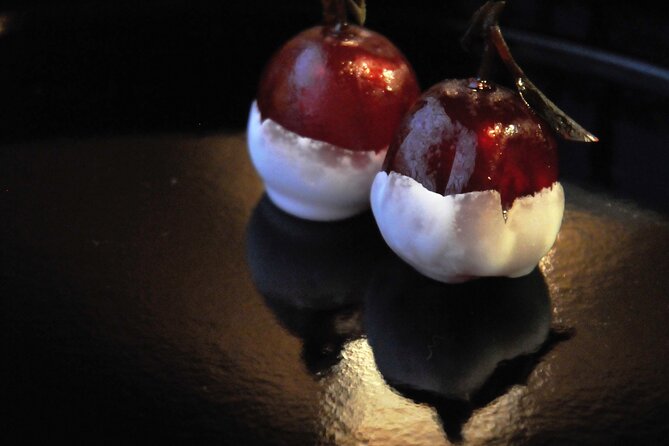
You also taste the matcha you prepared. The flavor may be new to you, especially if you usually drink sweetened tea. A Japanese wagashi sweet is served as part of the experience, giving you a pleasant contrast to matcha’s earthy bitterness.
Wagashi, matcha, and the taste of the ritual
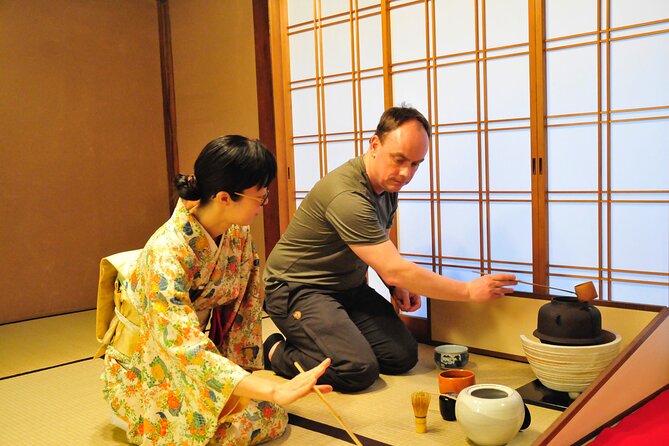
The sweet is not an afterthought. Wagashi is traditionally paired with matcha, and its sweetness helps balance the tea. You can appreciate the pairing more once you have made the drink yourself.
The included refreshment is listed as coffee and/or tea, with the detailed experience clearly centered on welcome tea and matcha. Do not book this expecting a meal. It is a cultural lesson with a small tasting, not a food tour.
The tasting also gives Yuka another chance to explain the meaning behind what you are doing. You can ask about Japanese habits, the place of tea in daily life, and the ideas that shaped the ceremony. The best part of the session is often this conversation around the bowl, not just the bowl itself.
If you already enjoy matcha, you will appreciate the preparation lesson and the chance to practice. If matcha is new to you, the session offers a gentle introduction without requiring a strong interest in tea beforehand.
The value of the one-hour to 90-minute session
The listed price is $32.84 per person. For that amount, you receive the welcome tea, the demonstration, matcha preparation, tasting, wagashi, instruction, and cultural discussion. You also get a small group rather than being placed in a large audience.
That is a fair price for Kyoto, especially if you value personal instruction. The experience is less about the quantity of food or the length of the appointment and more about access to a host who can explain the ritual and guide your hands through it.
The timing needs a little clarification. The headline duration is about one hour, while the full description says 90 minutes. Some past sessions have lasted around two hours. I would reserve at least 90 minutes in your schedule, and perhaps more if your group enjoys asking questions.
This flexible pace can be a strength. You are not pushed out immediately after making your tea. On the other hand, anyone planning a tightly packed temple route should avoid placing a timed attraction directly afterward.
The booking pattern suggests people tend to reserve about 12 days ahead on average. That is useful as a planning guide, especially if you need a particular date or want to attend with family. Confirmation arrives within 48 hours, subject to availability, so do not assume the appointment is final until you receive it.
Who will enjoy this experience most
I would recommend the tea ceremony to first-time visitors who want a cultural activity that is calm, social, and easy to follow. You gain more than a photo in traditional surroundings because you learn the basic actions and then perform them yourself.
It also suits couples. One person can prepare tea for the other, and the shared tasting gives the experience a pleasant sense of exchange. The small group keeps the mood personal without requiring the higher cost of a private booking.
Families can do well here too. Children who can listen, sit for a while, and follow simple instructions may enjoy the hands-on part. The host has shown flexibility with young participants, including an eight-year-old.
This is a good choice if you want to understand Japanese culture through conversation. The session can lead into questions about daily life, customs, language, and the meaning of hospitality. You do not need to be a serious tea enthusiast.
I would be more cautious if you dislike sitting on the floor, need a fast-paced activity, or have knee pain. The experience specifically is not recommended for people with knee problems. Ask about the physical arrangements before booking if sitting or rising from a tea-room position may be difficult.
How it fits into a Kyoto day
The northern location is the main planning issue. Since the studio is near temples and public transportation, I would place it beside other Kita Ward sightseeing rather than treating it as a quick detour from Kyoto Station or Gion.
A morning or afternoon appointment can work well after temple visits. The welcome tea gives you a chance to rest, and the ceremony offers a quiet contrast to walking through crowded religious sites. You leave with a new way to notice small gestures, seasonal sweets, and the care given to ordinary hospitality.
The activity ends back at the meeting point. There is no private transportation, so you continue your day from Ankoan using public transportation or your own arranged route.
Free cancellation is available up to 24 hours before the start time for a full refund. Changes or cancellations made inside that window are not accepted for a refund. The operator may also cancel for poor weather, in which case you are offered another date or a full refund.
What the experience does especially well
The host is the strongest reason to choose this activity. Yuka combines warmth, clear English, and a good grasp of tea customs. Her conversational approach helps you understand that the ceremony is not a performance detached from life. It is a way of expressing care through preparation and attention.
The lesson also gets the balance right between watching and doing. You see the correct method first, then practice with help. That structure avoids two common problems: a ceremony that is too passive, or a hands-on class that gives too little cultural context.
The atmosphere receives praise for being serene and comfortable. That matters in Kyoto, where even beautiful sights can leave you tired. A quiet room, a cup of tea, and an unhurried explanation can be the reset your schedule needs.
The session is not perfect for everyone. The out-of-the-way location takes planning, the timing may run longer than the headline suggests, and the physical setting may challenge anyone with knee pain. Those are manageable issues if you know about them before booking.
Should you book the Ankoan tea ceremony?
Book it if you want to do more than watch a formal tea ritual. You will see the process, learn the manners, prepare matcha, serve it to someone else, taste wagashi, and talk about Japanese culture with a friendly English-speaking host.
The price is reasonable for the amount of instruction and the small group size. I would especially choose it for a first Kyoto visit, a family seeking a shared activity, or anyone who wants a restful cultural stop near the temples of northern Kyoto.
Skip it if you need a very short appointment, cannot manage the sitting arrangements, or have no room in your schedule for the trip to Murasakino. For everyone else, Ankoan offers a thoughtful introduction to tea ceremony, with enough participation to make the lesson stick.
FAQ
Where does the tea ceremony take place?
It takes place at Tea ceremony Japan, Ankoan, at 63 Murasakino Monzencho, Kita Ward, Kyoto, postal code 603-8216.
How long does the experience last?
The experience is advertised as approximately one hour, while the detailed description gives 90 minutes. Some sessions have lasted around two hours, so allow extra time.
How many people can join?
The activity has a maximum of eight participants.
Is transportation included?
No. Private transportation is not included, but the meeting point is near public transportation.
Can children participate?
Yes. Young children have taken part, and an eight-year-old was able to make tea with the host’s help.
What is the cancellation policy?
You can cancel at least 24 hours before the start time for a full refund. Cancellations or changes made less than 24 hours before the start time are not refunded or accepted. If poor weather causes the operator to cancel, you can choose another date or receive a full refund.
Just added around Kyoto
- Uji Walking Tour – Byodo-in temple and Tea Ceremony from Kyoto★ 3.5 · 3 reviews
- Tea ceremony at Kyoto’s Zen Temple Teahouse★ 5.0 · 2 reviews
- Kyoto: Authentic Tea Ceremony in a Small Group★ 5.0 · 7 reviews
- Tea Ceremony in 150 Years Old Townhouse with Tables and Chairs★ 5.0 · 22 reviews
- Silent Beauty of Kyoto Zen Walk and Tea Experience★ 5.0 · 2 reviews
- Tea Ceremony Experience in Traditional Kyoto Townhouse★ 5.0 · 19 reviews
- Traditional Tea Ceremony in Kyoto★ 4.5 · 3 reviews
- Sencha-do the Japanese Tea Ceremony Workshop in Kyoto★ 5.0 · 21 reviews
Tea Ceremonies in Kyoto, compared.
Tea Ceremony in a Traditional Tea House in Kiyomizu
Read our review →
Tea Ceremony in 100-year-old Kyo-Machiya Townhouse
Read our review →
Browse the lists this tour appears in