
Review · HIROSHIMA
Hiroshima Local guided Hiking Tour&Open-air Tea Ceremony
Quiet Hiroshima is worth seeking out. This three-hour morning walk takes you from Hiroshima Station into the wooded Futaba Mountains, where shrines, a Peace Pagoda, forest bathing, and an open-air tea ceremony come together in one compact outing. I especially like the small group size of up to six people and the way the route adds cultural context to a part of Hiroshima many visitors miss. The mountain view toward the city, Seto Inland Sea, and Miyajima is another strong reason to go.
The main caution is physical. You must climb about 500 steps, and parts of the route can feel steep or uneven. The guide stops often, but this is still a hike, not a flat city walk. Hot weather can make the climb much harder.
The early starts are useful, too. The first departure is scheduled for 7:30 a.m., so you can finish at Hiroshima Station by about 10:30 a.m. and still have most of the day for Peace Memorial Park, Miyajima, or another activity. Guides including Nana, Michi, Naomi, and Micchi have been praised for their warmth, clear explanations, and care with the group.
Key points at a glance
- 500 steps lead into the Futaba Mountains: The climb is manageable for many people, but you should be ready for stairs and uneven ground.
- Shrines give the walk its meaning: Hiroshima Toshogu and Kinko Inari offer a chance to learn how Shinto customs work in practice.
- The Futabayama Peace Pagoda has the big view: From the summit, you can see Hiroshima, the Seto Inland Sea, and Miyajima.
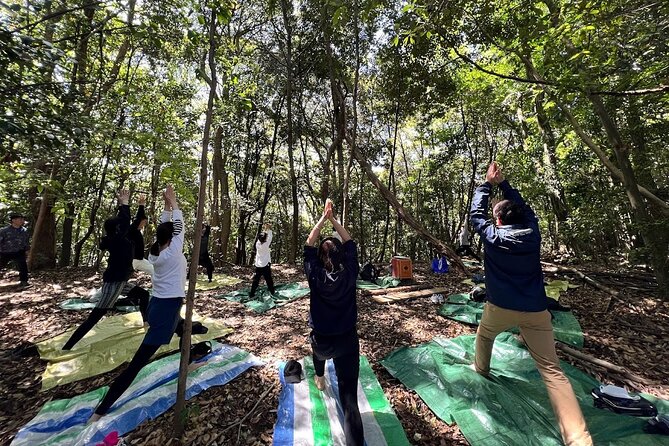
- Forest bathing slows the pace: A guided period of Shinrinyoku gives you time to focus on the forest and your senses.
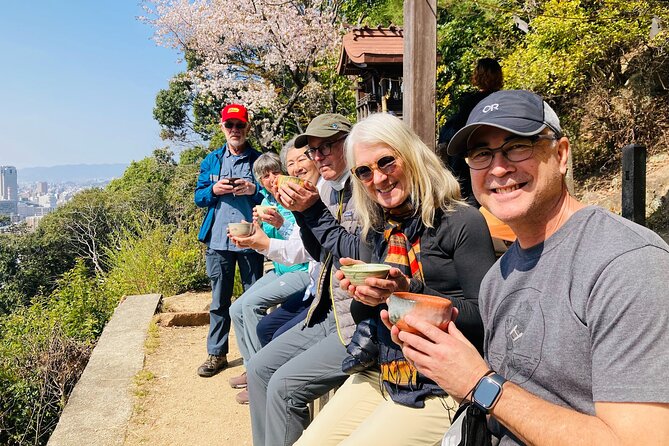
- Nodate brings tea outdoors: The ceremony takes place near the Okumiya Shrine, with the city spread out below.
- Five percent supports conservation: Part of your fee goes toward caring for Futaba Mountain.
Why this small Hiroshima tour works so well
Hiroshima is often planned around the Peace Memorial Park, Atomic Bomb Dome, and ferry trips to Miyajima. Those places matter, but they can also leave you moving from one major sight to the next. This walk gives you a quieter morning and a different way to understand the city.
I like that the experience is not simply a mountain hike with a view attached. Your guide explains shrine customs, points out cultural details, and connects the route to Hiroshima’s recovery. The setting helps those stories land. You are not sitting in a classroom hearing about Japanese religious practice. You are standing at a shrine, walking through a sacred route, and learning what the gestures and offerings mean.
The group limit of six is important. A guide can answer questions, adjust the pace, and pause when the steps become tiring. That personal feel comes through in the accounts of Nana, Michi, Naomi, and Micchi, all of whom are praised for being friendly, attentive, and easy to talk with.
The price is about $109.43 per person. That is not cheap for a three-hour activity, but the cost covers a private-feeling guided walk, several cultural stops, forest bathing, the tea experience, and a local conservation contribution. You are paying for interpretation and access to a route you might not find easily on your own, not just for transportation or admission.
More Tea Ceremonies in Japan:
- Kyoto: Tea Ceremony in a Traditional Tea House in Kiyomizu
★ 4.9 · 3,519 reviews - Kyoto: Tea Ceremony Ju-An at Jotokuji Temple
★ 4.9 · 3,207 reviews - Kyoto: 45-Minute Tea Ceremony Lesson Experience
★ 4.3 · 2,378 reviews
Starting at Hiroshima Station before the crowds
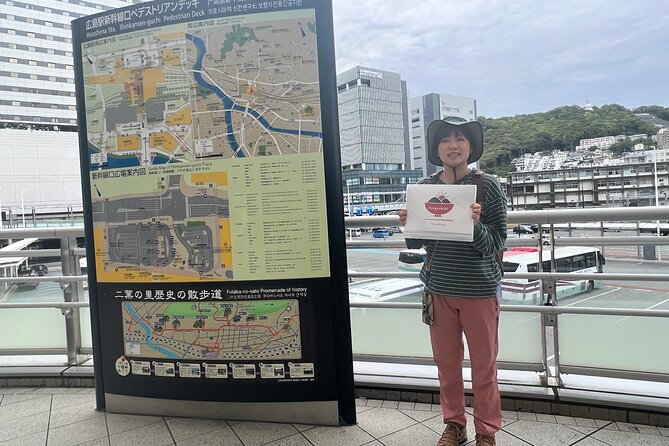
The meeting point is at the Shinkansen exit of Hiroshima Station, at 1-2-37 Matsubaracho in Minami Ward. This is practical if you arrive by train or are staying near the station. It also means you do not need to spend the morning finding a remote trailhead.
At the start, the guide introduces the route and explains how the morning will work. The scheduled departure times are 7:30 a.m., 10 a.m., and 1 p.m., though the early departure makes the best use of the tour’s short length. The morning option returns around 10:30 a.m.
Arrive early. If you are more than 10 minutes late without contacting the operator, the booking can be canceled with the full fee charged. That is a firm rule, and the station meeting point is busy enough that you should allow time to find the correct exit.
Hiroshima Toshogu, a cultural opening
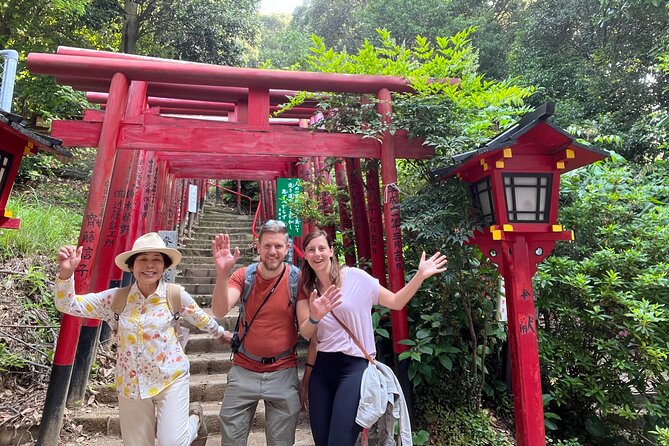
The first substantial stop is Hiroshima Toshogu, reached about 20 minutes after leaving the station. This shrine is a good introduction because the guide can explain the significance of the site and its cultural assets before you begin the more demanding climb.
The value here is not only the building itself. Your guide helps you notice the customs connected with entering a shrine, making an offering, and showing respect. One family even had the chance to make an offering and post a wish, which shows how participatory the visit can be.
If you have already visited several shrines in Kyoto or Tokyo, this stop may initially seem familiar. The difference comes from the explanation and the quieter setting. The route is less about collecting photographs and more about understanding what you are seeing.
Kinko Inari and the 500-step climb
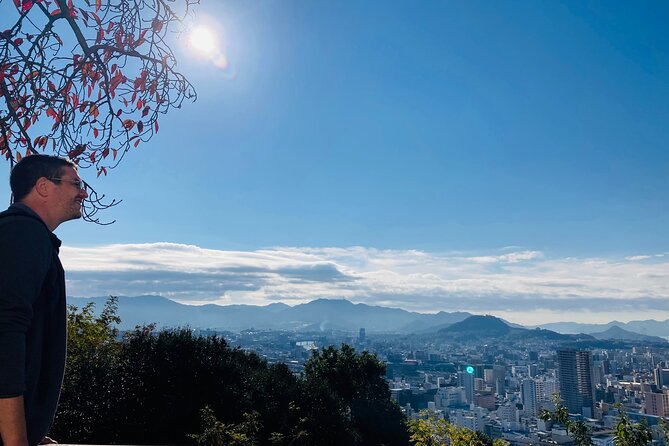
From Hiroshima Toshogu, the route continues to Kinko Inari Shrine and into Mt. Futaba. This is where you need to pay attention to the physical demands. The tour specifies about 500 steps, and accounts of the walk describe steep or uneven sections, even though the trails and stairs are well maintained.
The guide makes regular pauses and explains the shrine customs along the way. That rhythm helps. You climb, stop, listen, and continue rather than pushing uphill without a break. One account describes the hike as easy to moderate, while another calls the climbing strenuous but worthwhile. Both descriptions can be true, depending on your fitness, the heat, and how comfortable you are with stairs.
On a hot day, carry water and wear shoes with a solid grip. A guide has helped keep people hydrated and has adjusted the pace during extreme heat, but you should still prepare properly. Summer conditions can turn a pleasant forest walk into a sweaty workout.
More Walks and Hikes in Japan:
- Hiroshima: Morning Hiking Tour with Open-air Tea Ceremony
★ 4.8 · 58 reviews - Tuk-Tuk Safari Liptons seat,Tea Fields Hike,TeaFactory Tour
★ 4.8 · 46 reviews - Private Munnar Tea Trek
★ 4.6 · 38 reviews - NuwaraEliya Tea Factory,Plantation & Water Falls Hike Tour by Car
★ 5.0 · 12 reviews
Futabayama Peace Pagoda and the wide city view
The Futabayama Peace Pagoda is the visual high point of the outing. From the top, you can look over Hiroshima City, the Seto Inland Sea, and Miyajima. The view gives you a sense of how the city sits between mountains and water, and it provides a useful pause after the climb.
This stop also carries emotional weight. Hiroshima’s story is often told through destruction and remembrance. From Futabayama, you see the city as a place that recovered and continued. The guide connects the view with that recovery, giving the morning a broader perspective than a simple sightseeing stop.
Bring your camera, but do not rush the pause. The mountain setting is one of the reasons to choose this tour instead of another downtown activity. On clear days, the combination of city, sea, and Miyajima makes the climb feel worthwhile.
Forest bathing, or Shinrinyoku, on the way down
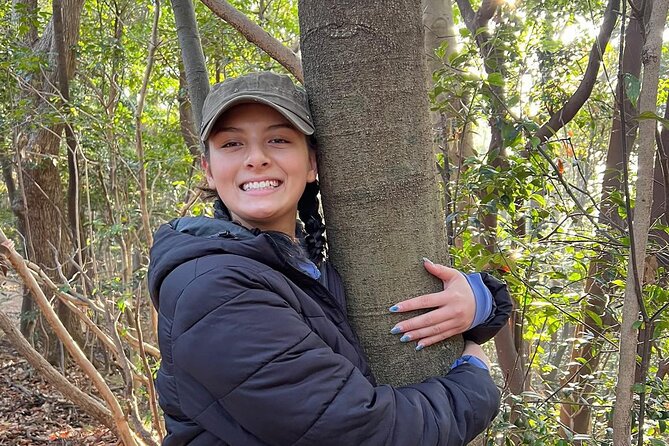
After the summit, the pace changes. The group takes time for Shinrinyoku, often translated as forest bathing. Here, the idea is to slow down and pay attention to the surrounding woods and your senses.
This is not a long wellness program. It is a guided pause within the hike, lasting about 35 minutes according to the schedule. The activity gives you a chance to sit or rest, notice the sounds and air around you, and let the physical effort settle.
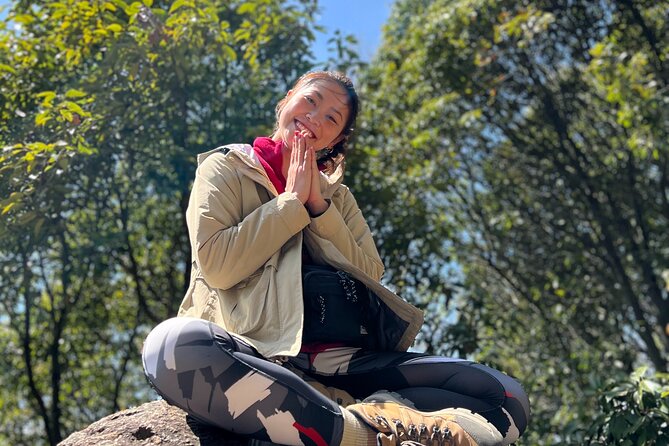
I see this as one of the tour’s more unusual elements. Most city excursions move quickly from one sight to the next. This one deliberately creates space for quiet. Some people will find that calming and memorable. Others may prefer more walking time or more historical commentary. The small group helps the guide shape the moment without making it feel like a large organized exercise.
An open-air Nodate tea ceremony near Okumiya Shrine
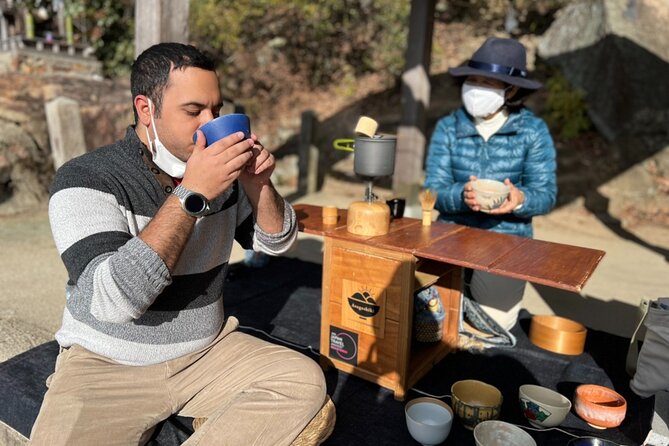
The tea ceremony takes place near Kinko Inari’s Okumiya Shrine, with a view over Hiroshima. Nodate means preparing and drinking tea outdoors, so the setting is central to the experience. You are not entering a formal tea room. You are taking part in a simple ceremony in the mountain air after the climb.
This is a cultural activity rather than a performance to watch from a distance. The guide prepares the tea and explains what is happening. Reports describe the tea as refreshing, with cold green tea especially welcome on a hot day. Exact serving details can vary, but the important point is that the tea is enjoyed outside, beside the shrine and above the city.
The ceremony gives the hike a gentle finish. You have learned about Shinto practices, walked a historic route, and reached a viewpoint. Then you sit with tea in hand and take in the setting. That combination is what makes this experience different from a standard guided walk.
Do not expect a full formal tea-school lesson. The supplied details describe an open-air tea ceremony led by the guide, not an extended study of tea preparation. If you want a highly technical lesson in tea utensils and etiquette, this may feel brief. If you want a welcoming, memorable introduction in a beautiful place, it fits well.
What the three-hour schedule really feels like
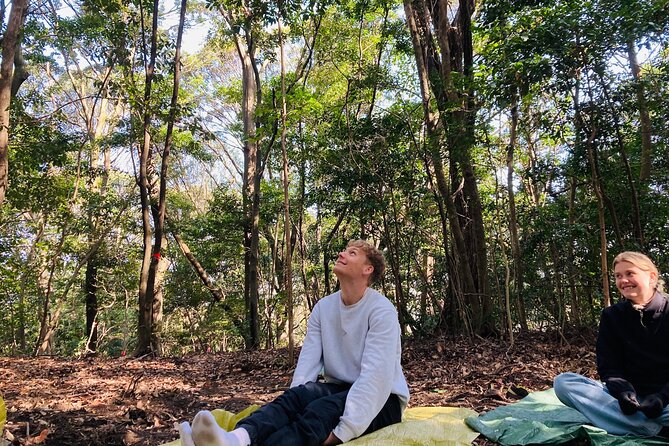
The full experience lasts about three hours, including the walk, shrine visits, pauses, view, forest bathing, and tea. The schedule lists about 20 minutes for the station introduction, 30 minutes at Hiroshima Toshogu, 25 minutes at Kinko Inari, around 35 minutes for the forest section, and an hour for the tea ceremony and related mountain stop.
Do not read those times as a strict minute-by-minute promise. A guide may pause longer for questions, weather, or the group’s pace. The key point is that this is a compact half-day activity, not an all-day mountain trek.
The return is to the Hiroshima Station Shinkansen exit. That makes the tour easy to combine with other plans. You could continue to Peace Memorial Park after the early departure, take a train later in the day, or use the rest of the morning for breakfast and city sightseeing.
Who should book this hike?
I would choose this tour if you want a quieter side of Hiroshima and enjoy learning through places rather than lectures. It suits couples, families with older children, and solo visitors who like a personal guide. A family group with teenagers found the experience especially rewarding, and children from birth through age five can participate free of charge.
It is also a good fit if you have already planned the major Hiroshima sights and want something less routine. The route can feel private, especially when there are few other people on the mountain path.
Think twice if stairs are difficult for you, if you dislike uneven ground, or if you want a completely relaxed morning. The climb is not extreme for an experienced hiker, but it is not effortless. People new to hiking can manage it with breaks, yet the 500 steps should be taken seriously.
Weather matters. The activity requires good conditions, and poor weather can lead to a new date or a full refund. If you book in summer, check the forecast and dress for heat. Comfortable walking shoes are essential.
Booking value, timing, and cancellation
At about $109.43 per person, the tour costs more than an unguided walk. Its value depends on what you want. If you only need a mountain view, you may prefer to find your own route. If you want shrine explanations, a local perspective on Hiroshima’s recovery, guided forest bathing, and an outdoor tea ceremony in a group of no more than six, the price is easier to justify.
Five percent of the fee goes to Futaba Mountain conservation activities. That adds a useful local benefit, although it should not be the main reason to book.
Free cancellation is available up to 24 hours before the start time. Cancellations or changes made later are not refunded. The activity is often booked well ahead, with an average booking time of 43 days, so reserve early if the date matters to your Hiroshima plans.
Should you book it?
Book this experience if you want Hiroshima beyond the central memorial sites. You will get a moderate mountain walk, shrine customs explained in context, a strong city view, a quiet forest pause, and tea outdoors with a guide who can make the morning personal.
Skip it if the 500 steps sound unpleasant or if you prefer a formal indoor tea ceremony. For everyone else, especially couples, families with older children, and visitors seeking a calm start to the day, this is a thoughtful use of three hours. Choose the earliest departure if possible. You will avoid the worst of the day’s heat and still have Hiroshima ahead of you.
FAQ
Where does the Hiroshima hiking and tea tour begin?
It begins at Hiroshima Station’s Shinkansen exit, at 1-2-37 Matsubaracho in Hiroshima’s Minami Ward.
Where does the tour finish?
The tour ends back at the Hiroshima Station Shinkansen exit, the same general meeting point.
How long does the experience last?
The tour lasts approximately three hours.
How many people can join the tour?
The maximum group size is six people.
How many steps are involved?
The hike includes about 500 steps as you go up Mt. Futaba.
What places are visited?
The route includes Hiroshima Toshogu, Kinko Inari Shrine, Futabayama Peace Pagoda, and the Okumiya Shrine area near Kinko Inari.
Is the tea ceremony indoors or outdoors?
It is a Nodate open-air tea ceremony held near the Okumiya Shrine with a view over the city.
Can young children participate?
Children from zero through five years old can participate for free. The tour information also says most people can participate, but the 500-step climb should be considered.
What happens if the weather is poor?
The activity requires good weather. If it is canceled because of poor conditions, you will be offered another date or a full refund. You can also cancel for a full refund up to 24 hours before the start time.
Just added around Japan
- Yokohama : Tea Ceremony with Sweets and Souvenir★ 5.0 · 5 reviews
- Walking Tour: Yanaka,Nezu& Sendagi: Tea Ceremony & Old Tokyo★ 5.0 · 3 reviews
- Visit local home for music and tea ceremony near Disney★ 4.9 · 13 reviews
- Trip to Kamakura & Enoshima: Shrines, Seaside, Temples &Tea★ 5.0 · 11 reviews
- Yokohama: Sushi & Gyoza Cooking with Matcha & GreenTea Experience★ 5.0 · 3 reviews
- Kyoto tea town for matcha lovers★ 5.0 · 16 reviews
- Uji: Private immersion into Kyoto’s tea and reglious culture★ 5.0 · 17 reviews
- Uji Tea Ceremony and UNESCO Heritage Walking Tour★ 5.0 · 20 reviews
Tea Ceremony Experiences, compared.
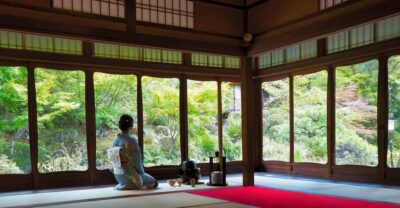
Tea Ceremony in a Traditional Tea House in Kiyomizu
Read our review →

Browse the lists this tour appears in