
Review · SRI LANKA
Tuk-Tuk Safari Liptons seat,Tea Fields Hike,TeaFactory Tour
Tea country is best seen at road level. This seven-hour trip from Ella combines a breezy tuk-tuk ride through the countryside with a guided walk through tea estates and a visit to Dambatenne Tea Factory. I like the mix of movement and explanation: you are not only looking at tea fields, you are learning how green leaves become black Ceylon tea. I also like that lunch is included and the route finishes in Haputale, rather than simply returning you to the same place.
The main drawback is the weather. Lipton Seat is a high viewpoint, and cloud or rain can hide the long views. The tour can still work in poor weather, but you should not book it only for a guaranteed panorama. Hotel drop-off is not included, so you need to plan your onward transport from Haputale.
Key points at a glance
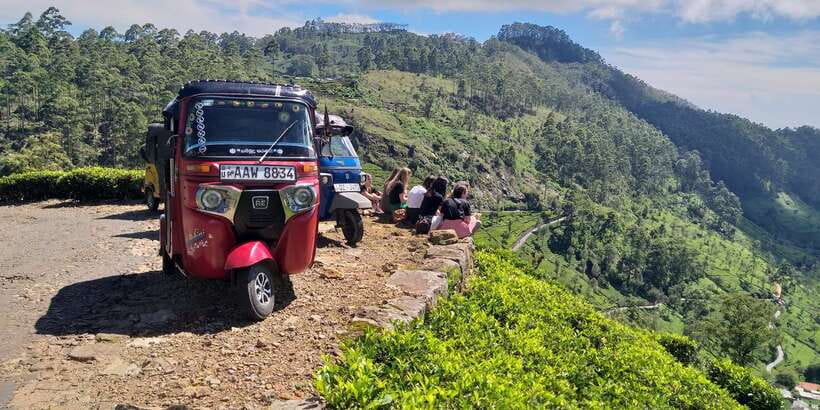
- A tuk-tuk route through tea country: Enjoy an open-sided ride through the countryside around Bandarawela or Haputale, with the wind and changing scenery adding to the day.
- A walk through working tea estates: The hike gives you a closer look at where Ceylon tea is grown, rather than treating the plantations as scenery viewed from a road.
- Lipton Seat with a seven-district view: At the viewpoint, your guide explains tea growing along the route before you look across one of Sri Lanka’s best-known highland viewpoints.
- A picnic in the countryside: Lunch includes sandwiches, bananas, mangoes, cake, and water, though heavy rain may move the meal indoors.
- Dambatenne’s tea-making process: The factory visit covers rolling, fermentation, drying, cutting, grinding, sieving, and grading.
- A practical Ella to Haputale day: Pickup is provided in Ella, while the tour ends in Haputale, making it useful if you are moving through the hill country.
Why this seven-hour trip works well
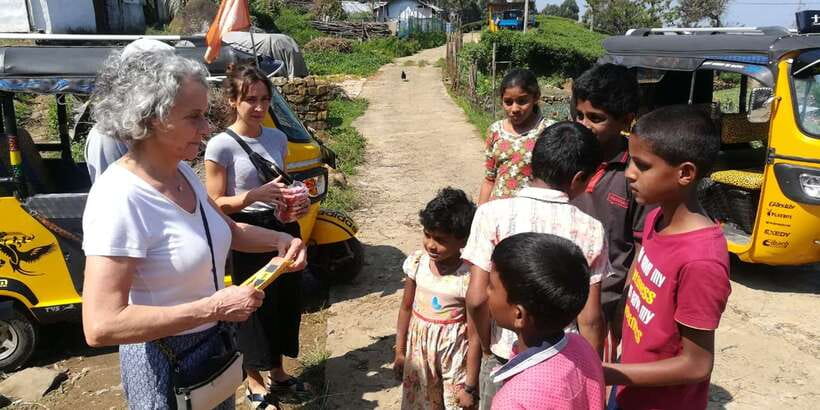
Many day trips from Ella focus on one viewpoint or one short walk. This one has a better rhythm. You ride, walk, eat, and then see the industrial side of tea production. Each part gives you a different way to understand the hill country.
I especially like the contrast between the open-air tuk-tuk ride and the factory visit. In the tuk-tuk, you see small roads, tea estates, and countryside at a relaxed pace. At Dambatenne, you move from the growing of the leaf to the machinery and methods that prepare it for sale.
The tour costs $60 per person. That is not the cheapest way to reach Lipton Seat, but the price includes hotel pickup, the tuk-tuk safari, a guided tea plantation hike, picnic lunch, entrance fees, and the factory visit. If you want transport, food, and a guide arranged in one booking, the package offers fair value.
The value depends on what you want from the day. If your only goal is to reach Lipton Seat, a simpler transport option may cost less. If you want context, a walk, and a look at tea production, this fuller route makes more sense.
More Tea Plantation Tours in Sri Lanka
- Tea Plantation Tour in Ella, Sri Lanka
★ 5.0 · 319 reviews - Tea Fields & Factory Tour
★ 5.0 · 67 reviews - Galle Day Tour and Tea Plantation from Bentota & Other Places
★ 5.0 · 19 reviews
Leaving Ella by tuk-tuk
The day begins with pickup at your accommodation in Ella. From there, the tuk-tuk takes you into the countryside, with the route passing through the wider areas around Bandarawela or Haputale.
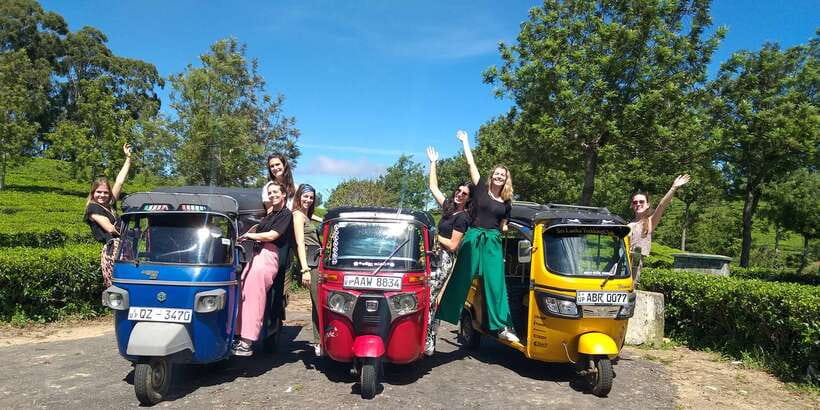
The tuk-tuk is part of the experience, not just a way to get from one stop to another. You sit close to the road, hear the countryside, and feel the air as you move between town areas and tea-growing country. It is more exposed than a car, so rain and cool highland weather matter. Bring a light waterproof layer, especially if your trip falls during a wet spell.
Your guide provides the English commentary during the day. The strongest part of the guiding appears to be the local explanation given while moving between stops. You can ask about the area, the tea estates, and the work involved in growing and processing tea instead of simply being delivered to viewpoints.
One useful detail is the flexible approach to bad weather. During one particularly rainy outing, the guide adjusted the plan and still kept the day interesting. That does not mean rain will leave the view untouched, but it suggests that the experience is not ruined the moment clouds arrive.
Walking through the tea fields
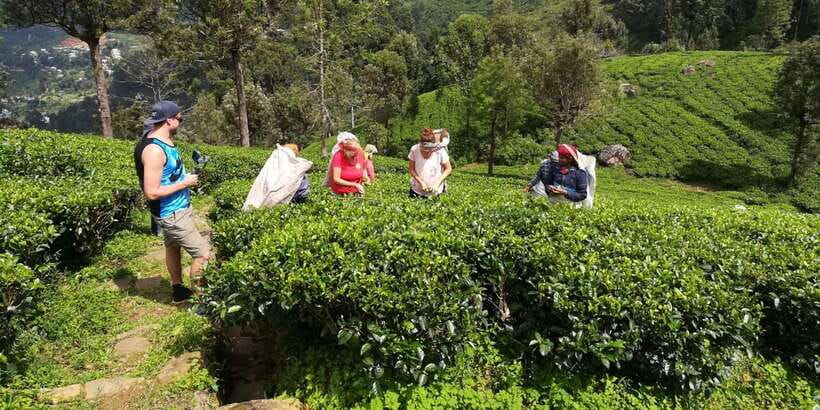
The guided hike takes you along tea estate paths and through the fields. This is the part of the day that gives the tour its strongest sense of place.
From a road, tea plantations can look like a single green carpet. On foot, you get time to notice the rows, slopes, and working paths. Your guide explains where the leaves are grown and how the plants connect to the factory process later in the day.
The walk is described as a tea plantation hike, but the available information does not give a distance, elevation gain, or difficulty rating. I would therefore treat it as a moderate countryside walk rather than assume it is suitable for every fitness level. Wear shoes that can handle estate paths, and expect the conditions to change if the ground is wet.
The walk also helps put the Lipton Seat viewpoint into context. Instead of seeing the viewpoint as an isolated photo stop, you learn about tea production while making your way through the very fields that supply the industry.
Lipton Seat and the seven-district view
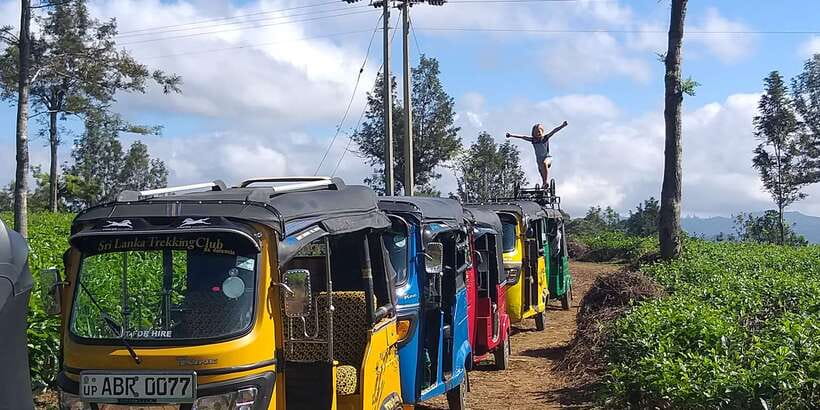
Lipton Seat is the visual high point of the outing. From this viewpoint, you can see seven districts at once when the weather is clear.
That final condition matters. The highlands often bring cloud and rain, and one outing had heavy rain throughout the day. The guide worked around the weather, but no guide can remove clouds from a mountain view. You should think of the viewpoint as a worthwhile stop with variable visibility, not a guaranteed wide-angle picture.
The route toward Lipton Seat also gives the guide a natural place to explain the tea country. You hear about the crop before seeing the machinery that processes it. That sequence makes the later factory tour easier to follow.
If the sky is clear, allow yourself time to look beyond the immediate tea fields. If the cloud closes in, the walk and the factory still provide substance. This is one reason I prefer the complete experience to a quick viewpoint transfer.
Same place, a different pot:
- Uva Halpewatte Tea Factory Tour in Ella Sri Lanka
★ 5.0 · 653 reviews - Nuwara Eliya: Tea Factory and Pickle Waterfalls Tuk Tuk Tour
★ 4.7 · 113 reviews - From Colombo: Kandy, Pinnawala and Tea Factory Full-Day Trip
★ 4.4 · 99 reviews - Ella: Tea Factory, Train, and Nine Arch Day Tour with Pickup
★ 4.8 · 98 reviews
A picnic lunch with a sensible weather backup
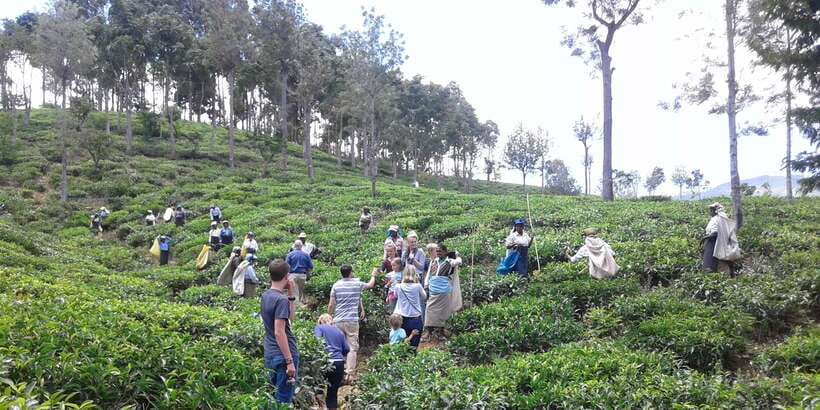
The included picnic is served in a countryside setting when conditions allow. A meal outdoors gives the day a welcome pause, particularly after the tuk-tuk ride and plantation walk.
The food is simple rather than elaborate. It includes sandwiches, bananas, mangoes, some cake, and water. That is enough for a midday meal, though you should not expect a restaurant spread or a choice of dishes.
Rain can change the plan. During one wet outing, the picnic could not take place outside, so the guide brought the group to a small covered restaurant instead. That was a sensible adjustment, and it kept lunch comfortable without wasting time waiting for the sky to clear.
I would pack a little extra water or a snack if you tend to eat more than a light lunch. Still, the included food covers the basic needs of a seven-hour day and saves you from arranging lunch on the road.
Inside Dambatenne Tea Factory
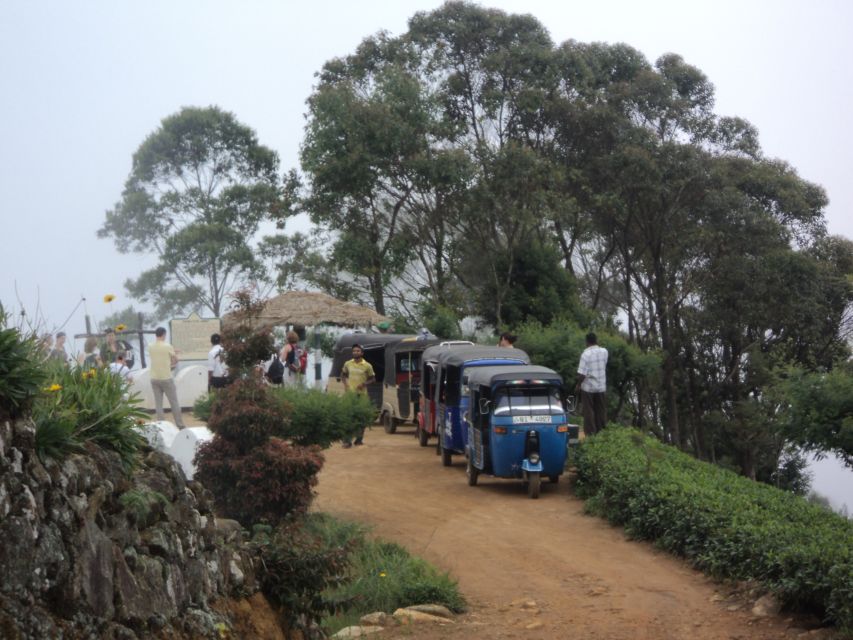
Dambatenne Tea Factory gives the day its strongest historical and practical stop. The factory was built in 1890 by Thomas Lipton, the businessman associated with Lipton tea. It is also described as the largest tea factory in Sri Lanka.
The factory visit explains how freshly picked green leaves become black tea. The process includes:
- Rolling the leaves
- Fermenting them
- Drying them
- Cutting and grinding
- Sieving
- Grading
This sequence is valuable because it corrects a common misunderstanding. Tea is not simply picked, dried, and packed. The leaf changes through a series of controlled steps, and the final grade depends on how it is processed and sorted.
The factory tour is also a useful counterpoint to the plantation walk. In the fields, you see the crop at its source. Inside the factory, you see the work, machinery, and decisions that shape the finished product. The factory guide has been praised for making the process clear and interesting, which is important because a production visit can otherwise become a fast walk past unfamiliar equipment.
If you are already a serious tea expert, the tour may not cover every technical detail you want. For most visitors, though, it provides a clear introduction to Ceylon tea and the making of Lipton Ceylonta black tea.
Finishing in Haputale
The tour ends in Haputale rather than including a return to your Ella accommodation. This is a practical feature if Haputale is your next base or if you are continuing through Sri Lanka’s hill country.
It is also the main logistical point to consider before booking. Hotel pickup in Ella is included, but hotel drop-off is not. You should arrange what happens after the tour before setting out, particularly if you have luggage, a train to catch, or a fixed evening plan.
One person was dropped at a homestay even though that was not meant to be included. Treat that as a kind gesture, not as part of the standard service. Plan on finishing in Haputale unless the operator confirms another arrangement.
Weather, comfort, and what to pack
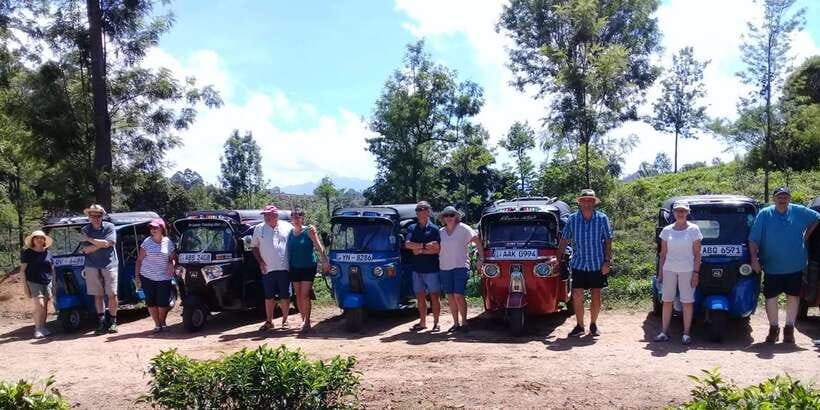
The weather can shape the day more than any other factor. Clear conditions make Lipton Seat especially rewarding, while rain can affect the view, the walking paths, and the picnic setting.
For a more comfortable outing, I would bring:
- A light waterproof jacket
- Shoes with a good grip
- A small bag for personal items
- Water and an extra snack if needed
- A camera protected from rain
The tuk-tuk is open to the weather, and the hike takes place outdoors. You should be happy with a day that includes fresh air, changing conditions, and some mud if necessary. This is not a polished indoor sightseeing tour.
The positive side is that rain does not automatically cancel the worthwhile parts. The factory is covered, the guide can adjust lunch arrangements, and the tea country remains interesting even when clouds cover the long view.
Who will get the most from this experience
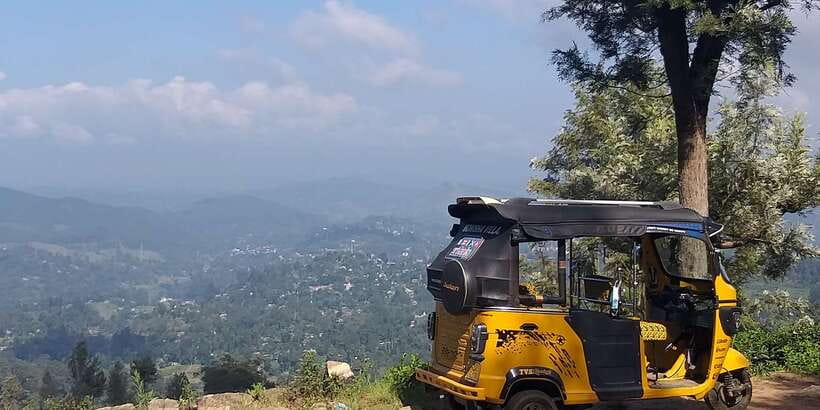
I would recommend this outing to anyone staying in Ella who wants more than a transfer to Lipton Seat. It suits you if you enjoy short guided walks, local production visits, and transport that feels connected to the countryside.
It is especially useful for:
- First-time visitors to Sri Lanka’s tea country
- People who want transport and sightseeing combined
- Tea drinkers curious about how black tea is made
- Couples or small groups looking for a full day outdoors
- Visitors moving onward to Haputale
You may want to choose another plan if you need a fully private schedule, dislike open-air transport, or want a guaranteed clear viewpoint. The tour is also less suitable if you require a stated walking distance or a detailed accessibility plan, since those details are not provided.
The English-speaking guide is a major part of the value. A friendly and helpful guide can turn the ride and walk into a lesson about the area, while a quiet guide would leave you with little more than scenery. The available feedback points to a guide who explains the region, assists with practical problems, and keeps the day enjoyable when weather interferes.
Is the $60 price fair?
At $60 per person, I see this as a good-value packaged day rather than a bargain excursion. You are paying for seven hours of transport, guiding, lunch, entrance fees, the plantation hike, and the factory visit.
The strongest value comes from combining three experiences that can be awkward to arrange separately: reaching Lipton Seat, walking through tea estates, and visiting Dambatenne Tea Factory. You also avoid spending time working out transport between each point.
The price makes less sense if you plan to skip the hike, do not care about tea production, or only want a quick photo at Lipton Seat. In that case, a simpler ride may suit you better. For a first visit to the region, though, the added explanation and structure justify the cost.
Free cancellation up to 24 hours before the start gives you some protection if your plans change, and reserve-now-pay-later booking keeps your cash available until closer to the date.
Should you book the Lipton Seat tuk-tuk safari?
I would book it if you want an active, informative day that connects the tea fields with the factory that processes them. The combination of tuk-tuk travel, a guided estate walk, picnic lunch, Lipton Seat, and Dambatenne Factory gives you much more than a single viewpoint.
Book with realistic weather expectations. Clear skies may provide the seven-district panorama, but rain can move the picnic indoors and hide the distant view. If you accept that uncertainty, the tour still has plenty to offer.
It is also a smart choice if you are traveling from Ella toward Haputale. Just remember that the standard tour ends in Haputale and does not include hotel drop-off. For tea, countryside, and a full day with a helpful English-speaking guide, this is a strong use of your time in Sri Lanka’s hill country.
FAQ
Where does the tour start?
Pickup is provided from your accommodation in Ella.
How long does the experience last?
The tour lasts approximately seven hours.
Where does the tour finish?
The tour finishes in Haputale.
Is hotel drop-off included?
No. Hotel pickup is included, but hotel drop-off is not included.
Is lunch provided?
Yes. A picnic lunch is included, with sandwiches, fruit, cake, and water. In rainy conditions, lunch may be moved to a covered local restaurant.
What transport is used?
The countryside portion of the trip is done by tuk-tuk.
Is the Lipton Seat viewpoint included?
Yes. The route goes to Lipton Seat, where you can see up to seven districts when conditions are clear.
Is the tea plantation walk included?
Yes. A guided hike through tea fields and estate paths is included.
Which tea factory will you visit?
You will visit Dambatenne Tea Factory, built in 1890 by Thomas Lipton.
What language does the guide speak?
The live guide provides the tour in English.
More Safaris in Sri Lanka
- Galle Day Tour with River Safari, Tea Plantation & Sea Turtle
★ 5.0 · 11 reviews - Bentota Village Tour with River Safari & Tea Plantation/Factory – All Inclusive
★ 5.0 · 9 reviews - Tuk Tuk safari and Picnic in The Tea Plantation from Ella,Haputale & Bandarawela
★ 5.0 · 7 reviews - Galle Day Trip with River Safari, Sea Turtles & Tea Factory
★ 5.0 · 6 reviews
More Walks and Hikes in Sri Lanka
- NuwaraEliya Tea Factory,Plantation & Water Falls Hike Tour by Car
★ 5.0 · 12 reviews - Trekking & Picnic in The Tea Plantation From Ella, Haputale & Bandarawela
★ 5.0 · 4 reviews - Hiroshima Local guided Hiking Tour&Open-air Tea Ceremony
★ 5.0 · 213 reviews - Hiroshima: Morning Hiking Tour with Open-air Tea Ceremony
★ 4.8 · 58 reviews
Just added around Sri Lanka
- Trekking & Picnic in The Tea Plantation From Ella, Haputale & Bandarawela★ 5.0 · 4 reviews
- Tea Experience Tour in Haputale with Lunch at a Village house★ 5.0 · 19 reviews
- Tuk Tuk safari and Picnic in The Tea Plantation from Ella,Haputale & Bandarawela★ 5.0 · 7 reviews
- Nandana Tea Walking Tour in Sri Lanka★ 5.0 · 16 reviews
- Tea Plucking and Tea Factory Visit from Nuwara Eliya.★ 3.5 · 3 reviews
- Explore Nuwara Eliya | Experience the Best Tea in the World★ 4.5 · 3 reviews
- Explore Nuwara Eliya – Waterfall & Tea Factory Tour★ 5.0 · 2 reviews
- Nuwara Eliya: All Inclusive Horton Plains & Tea Plucking Day Trip★ 4.5 · 10 reviews
Tea Plantation Tours in Sri Lanka, compared.
Galle Day Tour and Tea Plantation from Bentota & Other Places
Read our review →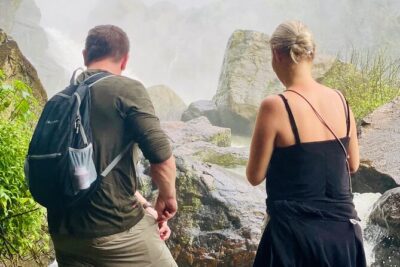
NuwaraEliya Tea Factory,Plantation & Water Falls Hike Tour by Car
Read our review →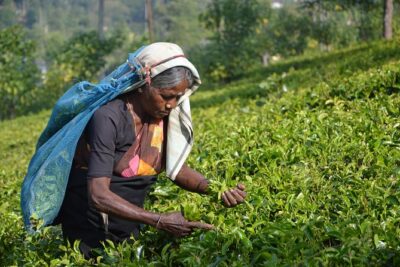
Shore Excursion From Colombo port to Ingiriya Tea Plantation & back for 2 People
Read our review →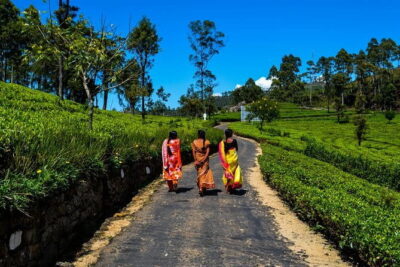
Lipton’s Seat and Tea Factory,Trail Amidst Tea Plantation Day Tour
Read our review →
Galle Day Tour with River Safari, Tea Plantation & Sea Turtle
Read our review →Browse the lists this tour appears in