
Review · KYOTO
A Unique Antique Kimono and Tea ceremony Experience in English
Tea tastes different when time slows down. This Kyoto experience combines a small-group tea ceremony with the rare chance to wear an antique kimono more than 80 years old. I like the personal welcome from Toku and his family, and I like that the ceremony takes place in a quiet 100-year-old home rather than a crowded tourist venue. The main drawback is that some visitors may find the $99.10 price high for 90 minutes, especially if they expect a full lesson on tea production or a grand garden setting.
The experience is best for visitors who want conversation, cultural context, and family hospitality more than a polished stage show. You will choose a kimono, learn the manners behind the ceremony, prepare matcha, and enjoy Japanese sweets. The setting is a residential neighborhood near Katsura Imperial Villa, so it feels removed from central Kyoto. That calm atmosphere is a strength, but the location and modest home setting may not suit anyone seeking an elaborate temple-style backdrop.
Key points to know before booking
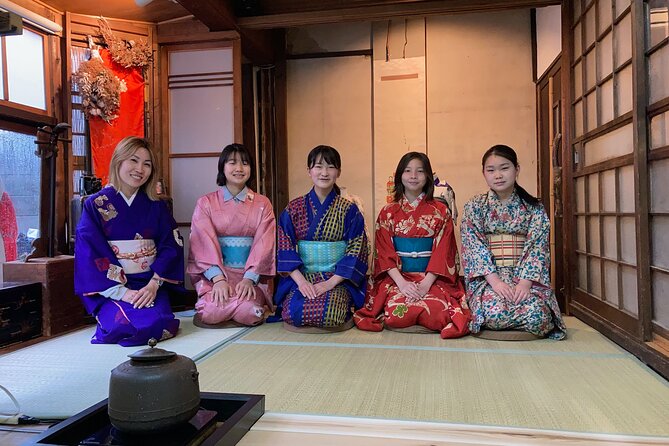
- Antique kimono selection: Choose from a collection that includes rare garments more than 80 years old, with help selecting an obi and accessories.
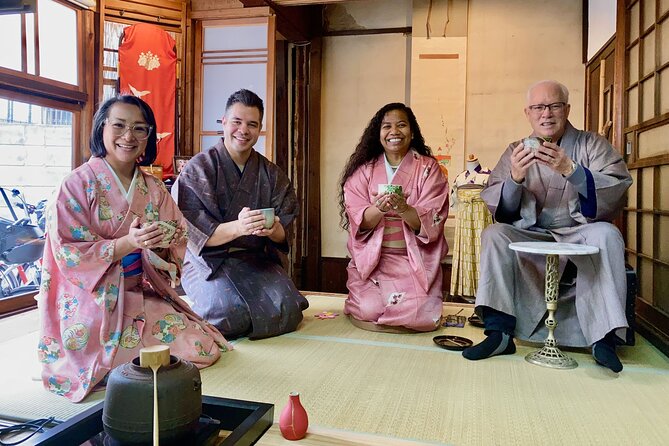
- Small group of six or fewer: The limited size allows Toku and his family to explain each step and adjust the ceremony for individual needs.
- Quiet location near Katsura Imperial Villa: You leave central Kyoto behind for a peaceful residential area and a traditional private home.
- Tea instruction in English: Learn basic etiquette, the meaning of the ceremony, and how matcha is prepared from a host with more than 20 years of experience.
- Family-run welcome: Toku, his wife, and an assistant help with dressing, hair accessories, photographs, and the tea ritual.
- About 90 minutes for $99.10: The cost includes the kimono rental, green tea, Japanese sweets, and the ceremony itself, but not meals or transportation.
Arriving at Miyagawa Tokusaburo Shoten
The experience begins at Miyagawa Tokusaburo Shoten, at 32-4 Katsuranozatocho in Kyoto’s Nishikyo Ward. The shop and home sit near Katsura Imperial Villa, away from the heavy sightseeing traffic around Gion, Kiyomizu-dera, and Arashiyama.
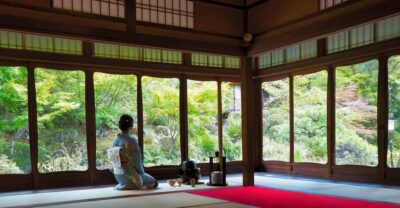
That location shapes the whole experience. You are not walking into a formal tea room surrounded by manicured gardens. You are entering a family-run space in an ordinary residential area, inside a house more than 100 years old. For many people, this is exactly the point: the activity offers a glimpse of daily cultural care rather than a performance designed for a large audience.
The setting also creates a possible mismatch. If you picture an ornate tea pavilion, sweeping garden views, or a large display of museum-quality costumes, you may find the surroundings plain. One dissatisfied visitor felt the home was too ordinary and the kimono collection less dramatic than expected. That criticism is useful. Book this for personal attention and access to family garments, not for architecture alone.
The activity ends where it begins, so you do not need to arrange a second meeting point. It is near public transportation, and one person described the trip as an easy taxi ride of about 15 minutes. The exact journey depends on where you start in Kyoto, so leave room for the ride and for finding the address in a residential neighborhood.
More Kimono and Tea Ceremonies in Kyoto
- Kimono Tea Ceremony at Kyoto Maikoya, NISHIKI
★ 5.0 · 911 reviews - Kyoto: Kimono Tea Ceremony at Orizuruya Gion
★ 4.9 · 618 reviews - KYOTO Tea Ceremony with kimono near by Imamiya Jinjya Shrine
★ 5.0 · 343 reviews
Choosing an antique kimono and obi
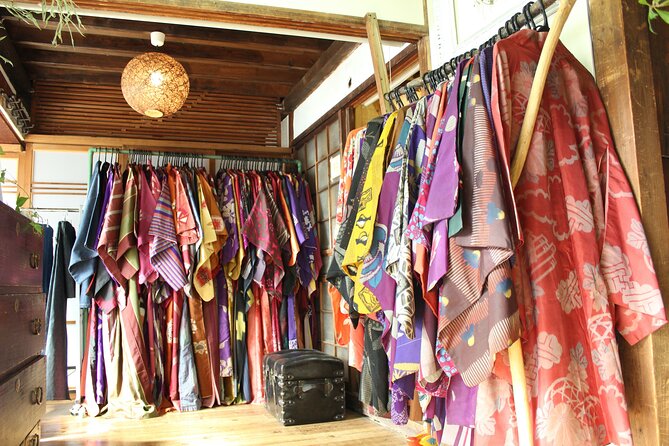
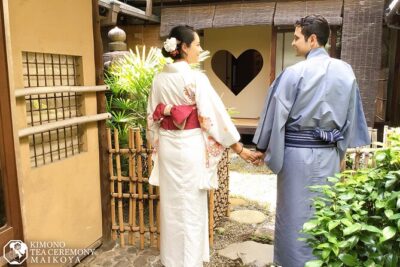
The clothing portion is a major part of the appeal. Toku helps you select a kimono from a large collection, then matches it with an obi and suitable accessories. The garments are not simply costumes handed out by size. The selection itself becomes a lesson in color, fabric, and presentation.
Several visitors especially enjoyed having time to choose what they would wear. Toku is also a kimono fitter, and his experience shows in the way he dresses participants. The process can include hair styling and decorative hair accessories, especially for women and children who want a more finished look.
The antique clothing is a genuine point of difference. The experience describes some pieces as more than 80 years old, giving them a connection to earlier generations of Japanese dress. You are not only posing in a rental outfit from a modern costume shop. You are being trusted with garments that have been preserved and used as part of a family tradition.
Do keep expectations practical. Antique fabric can look different from the bright, highly decorated outfits often seen in Kyoto rental districts. The collection may include garments that feel understated, traditional, or visibly old. One visitor praised the extensive collection, while another expected more elaborate costumes. Your enjoyment will depend on whether you value age and personal fitting over theatrical appearance.
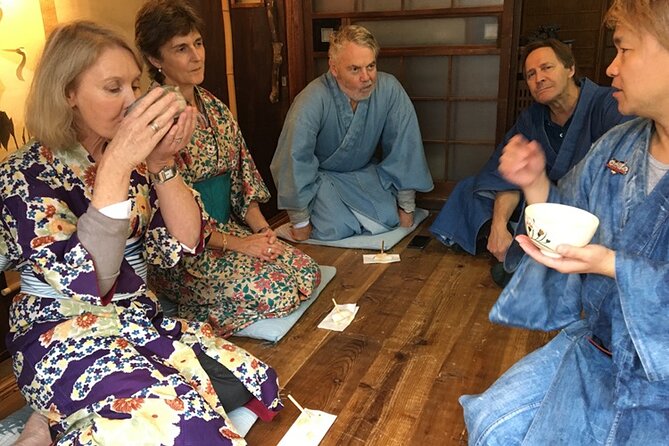
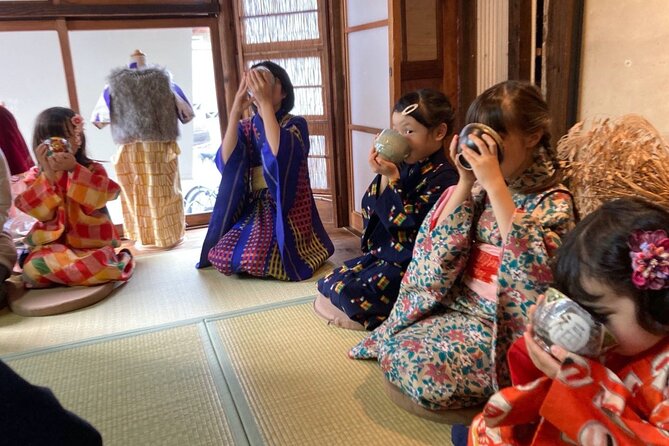
Men and children can take part as well. A number of families appreciated that children were included in the ceremony and treated with patience. One family had a two-and-a-half-year-old child, while another said their children had a particularly good time. The hosts also adapted the ceremony for a participant who could not kneel comfortably.
Learning the manners behind tea
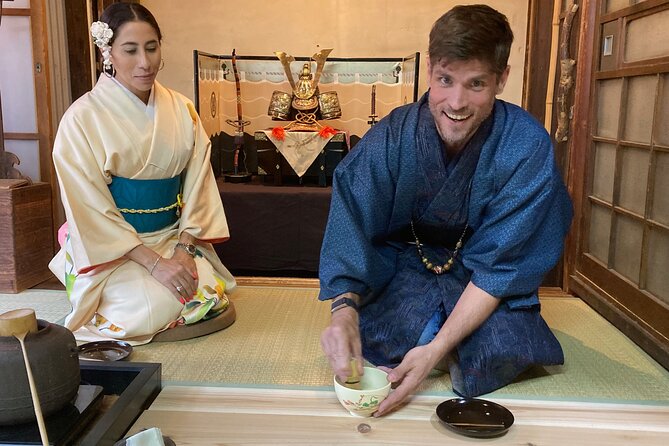
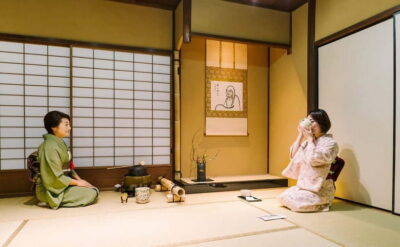
Once dressed, you move into the tea ceremony. Toku has more than 20 years of experience with tea ceremonies, and the instruction is given in English. That matters because the gestures can otherwise seem mysterious: how to sit, how to receive the bowl, how to show respect, and how to follow the host’s movements.
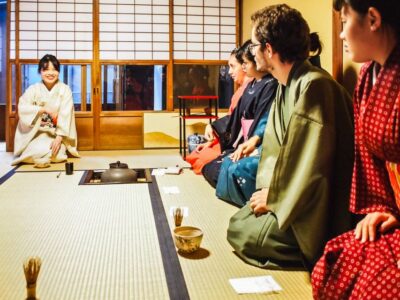
The ceremony is slow by design. You learn to pay attention to the small actions rather than rush toward the drink. The hosts explain the purpose of the steps and give you room to follow along. This is not simply a demonstration where you watch from a chair and take a photo at the end.
The lesson also touches on the relationship between samurai and tea culture. That detail gives the ceremony useful historical context without turning the experience into a lecture. You begin to understand that tea was tied to conduct, hospitality, restraint, and social relationships, not just to the taste of powdered green tea.
The format remains accessible. The hosts explain carefully and encourage photographs, so the ceremony does not require you to arrive with prior knowledge. At the same time, it is still a formal ritual. You should be willing to slow down, listen, and follow instructions rather than treat the entire session as a costume photo shoot.
If you have trouble kneeling, mention it to the hosts. The ceremony can be adapted, as it was for one participant who could not sit in the traditional position. The supplied information does not specify every seating option, so it is sensible to ask in advance if this is important for you.
Seeing how matcha becomes tea
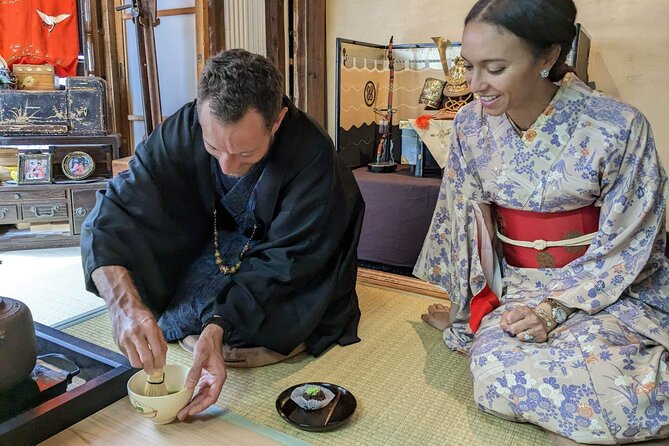
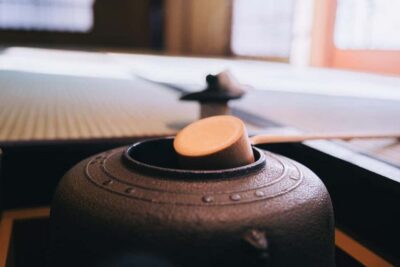
The experience includes a special opportunity to learn how matcha is made and to prepare it yourself. The focus is on the process and the meaning behind the movements, not on tasting a long list of different teas.
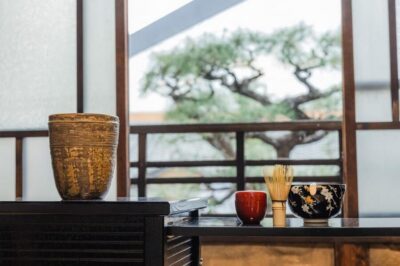
You will drink green tea with Japanese sweets as part of the ceremony. The sweet gives balance to the bitterness of matcha and helps you notice how the two are traditionally served together. You also learn how the host prepares and presents the tea, which makes the final bowl more meaningful than a quick café drink.
This is where the 90-minute duration needs an honest explanation. For some people, the time is enough for dressing, photographs, instruction, and the ceremony. For others, it may feel short if they hoped to study tea farming, processing, utensils, and several varieties in detail.
One disappointed participant expected more information about Japanese tea production and several special teas. That expectation was not met. You should think of this as a cultural ceremony with a matcha lesson, not as a specialist tea workshop. If your main interest is the complete journey from tea plant to finished powder, choose a different activity.
More Tea Ceremonies in Kyoto
- Kyoto: Tea Ceremony in a Traditional Tea House in Kiyomizu
★ 4.9 · 3,519 reviews - Kyoto: Tea Ceremony Ju-An at Jotokuji Temple
★ 4.9 · 3,207 reviews - Kyoto: 45-Minute Tea Ceremony Lesson Experience
★ 4.3 · 2,378 reviews - Kyoto: Table-Style Tea Ceremony at a Kyo-Machiya
★ 4.9 · 1,211 reviews
A family-run experience with room to talk
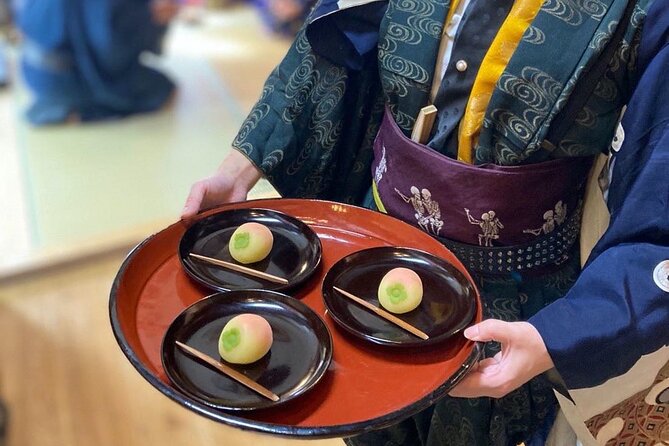
Toku, his wife, and their assistant create much of the atmosphere. The hosts explain their backgrounds, share the story of the family business, and help participants feel at ease in the home. Toku’s path from shop builder back to his family’s tea tradition adds a personal layer to the activity.
That family connection is one of the strongest reasons to choose this experience. You get conversation alongside the formal ceremony. The tone is warm and patient, and the small group size, capped at six people, gives the hosts time to answer questions.
The small group also helps families and mixed-age groups. Children can participate, and the ceremony can be adjusted when someone cannot kneel. If you are traveling with relatives who prefer a gentle pace, this is more suitable than a large group demonstration.
Photography is another practical advantage. The hosts take photographs during the costume and tea portions, so you can focus on the activity instead of asking a companion to document every step. Several people appreciated the number and quality of the pictures they received. The information does not specify how or when photos are delivered, so ask the hosts directly if that matters to you.
What the $99.10 price includes
At $99.10 per person, this is not the cheapest way to drink matcha in Kyoto. The price includes the antique kimono rental, dressing assistance, the tea ceremony, green tea, and Japanese sweets. It does not include lunch, dinner, or transportation to the meeting point.
The value depends on what you would otherwise pay for separately. A standard kimono rental, styling help, a cultural lesson, and a tea ceremony can quickly become several separate bookings in central Kyoto. Here, they are combined in one small-group visit, with the added benefit of a family home and an older collection of garments.
I think the price is easier to justify if you want the complete experience: choosing clothing, being dressed, taking photographs, learning etiquette, and preparing matcha. It is harder to justify if you only want to sample tea or take a few quick kimono pictures.
The strong overall rating of 4.9 from 109 reviews and the 97 percent recommendation rate suggest that the format works very well for most people. Still, the two negative experiences point to a real issue: expectations matter. A polished tourist attraction with a formal garden may offer better visual drama. This experience offers more personal contact and a quieter setting.
Who will enjoy this Kyoto activity most
I would recommend it most strongly to:
- Couples who want a calm cultural activity away from central Kyoto.
- Families with children who can benefit from patient, hands-on guidance.
- Visitors interested in Japanese clothing, etiquette, and personal stories.
- Photographers who want kimono portraits in a real home setting.
- First-time visitors who want an English explanation of tea ceremony manners.
- Anyone who prefers a small group over a large commercial presentation.
It may not be the best choice for you if you want a formal temple setting, a garden backdrop, many kinds of tea, or a detailed lesson on matcha production. It is also not a meal experience. The tea and sweets are included, but lunch and dinner are not.
The location works well as part of a day around western Kyoto, particularly if you already plan to visit Katsura Imperial Villa. It is less convenient if your schedule is packed with central Kyoto sights and you do not want to spend time getting to Nishikyo Ward.
Practical details before you reserve
The activity lasts about one hour and 30 minutes. The meeting and ending point are the same, at Miyagawa Tokusaburo Shoten. Mobile tickets are available, and confirmation is normally sent at booking. If you book within one day of the activity, confirmation arrives as soon as possible and depends on availability.
The maximum group size is six people. That limit is important because the quality of the session depends on attention from the hosts. A larger group would make the kimono fitting and tea instruction less personal.
Service animals are allowed, and the activity is near public transportation. The supplied information does not give details about every mobility need, so contact the provider if you require a particular seating arrangement or assistance.
Free cancellation is available until 24 hours before the start time for a full refund. Cancellations or changes made less than 24 hours ahead are not accepted for a refund, and the cut-off uses Kyoto local time.
Should you book this tea ceremony?
Book it if you want a personal, family-run introduction to tea ceremony with real antique clothing and plenty of explanation. Toku and his family appear to put care into the fitting, the ceremony, and the photographs, and the small group format gives the session a relaxed pace.
Skip it if your ideal Kyoto tea experience requires a grand garden, an ornate tea house, or an in-depth study of tea production. At $99.10, you are paying for the combined value of the kimono, fitting, instruction, ceremony, and hospitality, not for a long tasting menu.
For the right visitor, the ordinary home setting is part of the charm. You leave with more than a cup of matcha: you have learned how clothing, manners, hospitality, and family tradition come together in one quiet Kyoto afternoon.
FAQ
Where does the tea ceremony take place?
It takes place at Miyagawa Tokusaburo Shoten, at 32-4 Katsuranozatocho, Nishikyo Ward, Kyoto, near Katsura Imperial Villa.
How long does the experience last?
The activity lasts approximately one hour and 30 minutes.
Is the antique kimono rental included?
Yes. The price includes the antique kimono rental fee, along with the tea ceremony, green tea, and Japanese sweets.
Is the experience available in English?
Yes. The tea ceremony and explanations are available in English.
How many people can join?
The group is limited to a maximum of six participants.
Can I cancel for a full refund?
Yes, if you cancel at least 24 hours before the scheduled start time. Cancellations or changes made less than 24 hours before the activity are not refundable.
Just added around Kyoto
- Uji Walking Tour – Byodo-in temple and Tea Ceremony from Kyoto★ 3.5 · 3 reviews
- Tea ceremony at Kyoto’s Zen Temple Teahouse★ 5.0 · 2 reviews
- Kyoto: Authentic Tea Ceremony in a Small Group★ 5.0 · 7 reviews
- Tea Ceremony in 150 Years Old Townhouse with Tables and Chairs★ 5.0 · 22 reviews
- Tea Ceremony Experience in Traditional Kyoto Townhouse★ 5.0 · 19 reviews
- Traditional Tea Ceremony in Kyoto★ 4.5 · 3 reviews
- Silent Beauty of Kyoto Zen Walk and Tea Experience★ 5.0 · 2 reviews
- Kyoto Private Tea Ceremony at a Japanese Inns★ 5.0 · 12 reviews
Tea Ceremonies in Kyoto, compared.
Tea Ceremony in a Traditional Tea House in Kiyomizu
Read our review →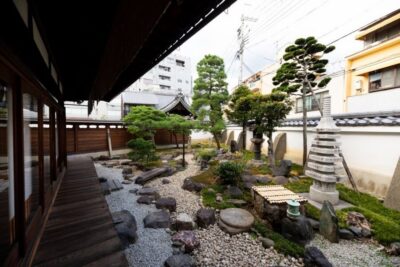
Tea Ceremony in 100-year-old Kyo-Machiya Townhouse
Read our review →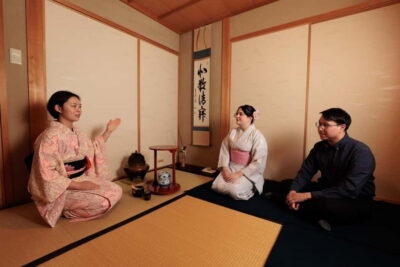
Browse the lists this tour appears in