
Review · BEIJING
Traditional Chinese Tea Ceremony Experience
Tea tells Beijing’s story. I like the low $9.90 price and the chance to taste five types of tea while a tea master explains the ritual behind each cup. The ceremony also works well for families, since it is short, hands-on, and easy to fit between larger sightseeing stops.
The main point to consider is the limited length. Thirty minutes gives you a neat introduction, not a full study of Chinese tea culture. There is also no tour guide, and any tea you buy afterward costs extra.
Key points at a glance
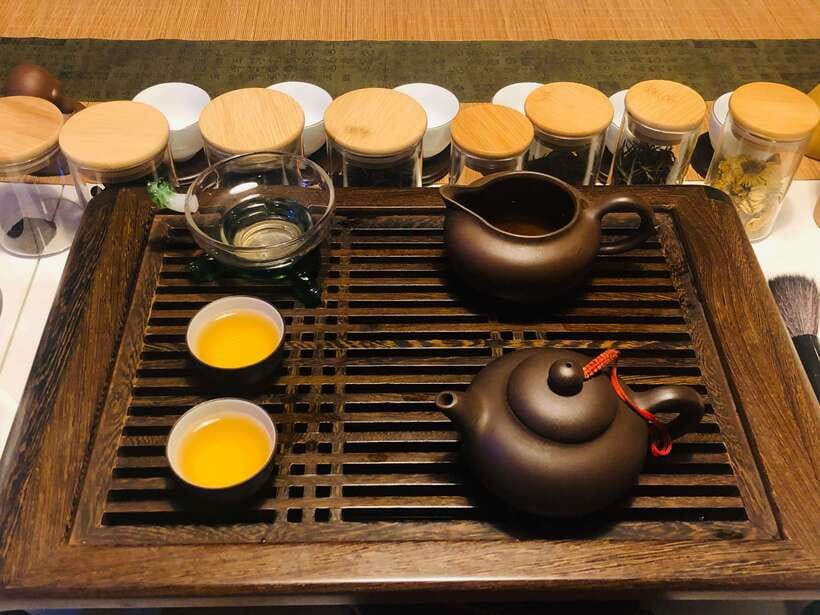
- Five mini cups are included, with tastings that may include Oolong, Pu-erh, green, jasmine, and flower tea.
- The ceremony lasts about 30 minutes, making it easy to add to a day in central Beijing.
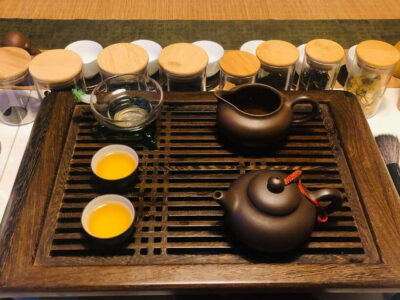
- A tea master demonstrates each step, from warming the pot to pouring the tea.
- The starting point is on Jian Nei Da Jie, with the activity listed at Chang An Grand Theater.
- The group can have up to 15 people, so this is a small shared experience rather than a private lesson.
- The price is $9.90 per person, with optional tea purchases available afterward.
A short ritual with a clear purpose
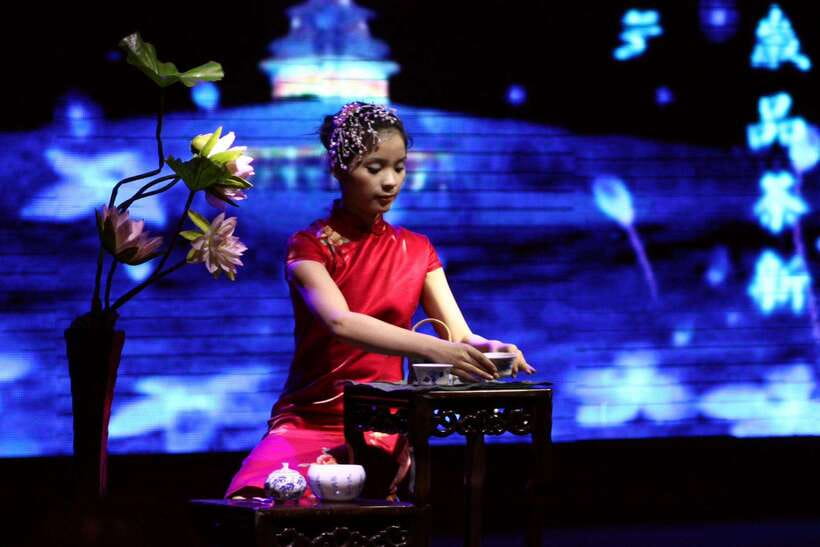
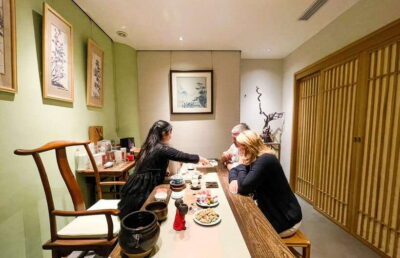
Chinese tea culture is not simply about having a drink. The ceremony focuses on how tea is prepared, served, smelled, tasted, and shared. Each movement has a reason, and the pace encourages you to pay attention rather than gulp down a cup and rush away.
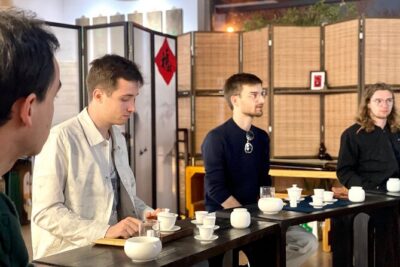
I like this format for a first introduction to tea in China. You get a friendly welcome, a demonstration, and several tastings without giving up half a day. The experience is also suitable for adults and children, although younger children may find the careful pace less exciting than a hands-on craft activity.
The tea master’s role is important. You are not left to guess what makes one tea different from another. The demonstration covers precise actions such as warming the teapot and pouring the tea, while the tasting engages your sight, smell, and taste.
The language in the experience description points to respect, harmony, and mindfulness. That makes this more than a quick sampling session. Still, you should keep your expectations in check. In thirty minutes, you will gain a useful introduction, but you will not become a tea expert.
More Chinese Tea Ceremonies in China
- Traditional Chinese Tea Ceremony Experience
★ 4.7 · 74 reviews - Chinese Tea ceremony in Beijing Hutong courtyard
★ 4.7 · 26 reviews - Beijing:Learn Calligraphy & Enjoy Kung Fu Tea Ceremony
★ 5.0 · 2 reviews
What happens at Chang An Grand Theater
The itinerary identifies Chang An Grand Theater as the stop for the ceremony. The meeting details give Jian Nei Da Jie, also written as Jiannei Avenue, in Dong Cheng District as the starting point. You should check the exact meeting instructions on your confirmation before setting out, since the details name both the street meeting point and the theater.
The activity ends back at the meeting point. After the tea session, the tea master manager can walk you back to that point or to Jianguomen Subway Station. That extra escort is useful if you are unsure of the local streets or want to continue by subway.
The available information does not describe a larger tour of the theater or nearby landmarks. Think of the location as the setting for the tea ceremony, not as a separate sightseeing stop. The visit is centered on the tea table.
Because the location is near public transportation, you can fit it into a day of sightseeing without arranging a private vehicle. The experience has mobile ticketing, so you can keep your confirmation on your phone.
Five teas, five small impressions
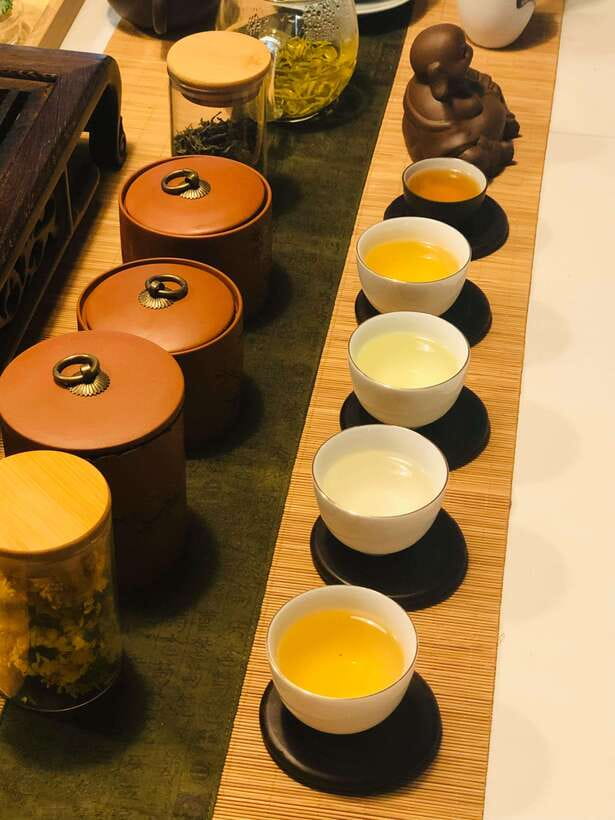
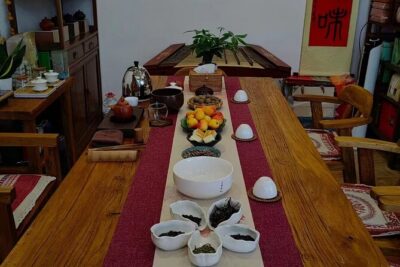
You receive five mini cups of tea. The exact tasting lineup is not presented as a guaranteed fixed menu, but the ceremony may include Oolong, Pu-erh, green tea, jasmine tea, and flower tea.
That range matters. It lets you compare broad styles instead of tasting five versions of the same drink.
Oolong is often valued for its careful processing and broad range of flavors. In a short session, it gives you a useful example of tea that sits between the lighter character of green tea and the deeper character associated with more heavily processed teas.
Pu-erh gives the tasting a different direction. It is a distinctive Chinese tea style, and its presence helps show that tea culture is not limited to delicate green teas or floral blends.
Green tea offers a familiar starting point for many people. You may notice a lighter, fresher character, though the precise taste depends on the tea served.
Jasmine tea adds fragrance to the session. It helps you see how aroma changes the drinking experience, even when the base tea is different from the floral scent.
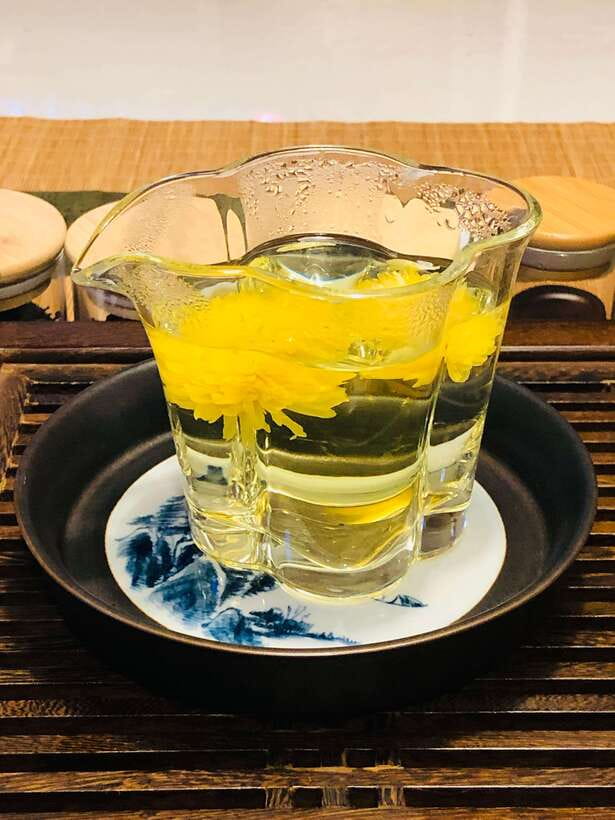
Flower tea brings another visual and aromatic element. This is often the sort of tea that appeals to children and first-time tea drinkers because the presentation is part of the experience.
You should not expect large cups. The five mini cups are designed for comparison and ceremony, not for drinking a full mug of tea. That is a plus if you want variety, but less satisfying if you are hoping for a long, leisurely tea service.
Watching the tea master work
The best part for me is the demonstration. The tea master performs each stage with care, including warming the teapot and pouring the tea. Those steps may seem small, but they show why the ceremony is treated as an art rather than a basic beverage service.
Watch the sequence closely. Notice how the pot is handled, how the tea is poured, and how the cups are used. The value is in seeing the process as a whole. You are learning a proper way to enjoy tea, not simply receiving five samples.
A friendly welcome also matters here. One published comment gives special praise to Richard and the tea master, describing both as very friendly and well informed. That personal welcome seems to be a key strength of the experience. The provider’s response also refers to sharing Eastern philosophy and culture, which matches the ceremony’s focus on mindfulness and respect.
However, the event does not include a tour guide. The tea master leads the ceremony, but you should not book this expecting a broad, citywide explanation of Beijing, Chinese history, or local architecture. Its subject is tea.
More Tea Ceremonies in China
- Beijing Culture: Tea Ceremony, Heritage Instrument & Calligraphy
★ 5.0 · 57 reviews - Beijing Culture Event: Tradition Music, Tea Ceremony, Calligraphy
★ 5.0 · 11 reviews - Beijing: Temple Of Heaven+Tai Chi Class+Tea Ceremony
★ 5.0 · 8 reviews - Beijing Tai Chi and Tea Ceremony Experience
★ 5.0 · 4 reviews
Is $9.90 good value?
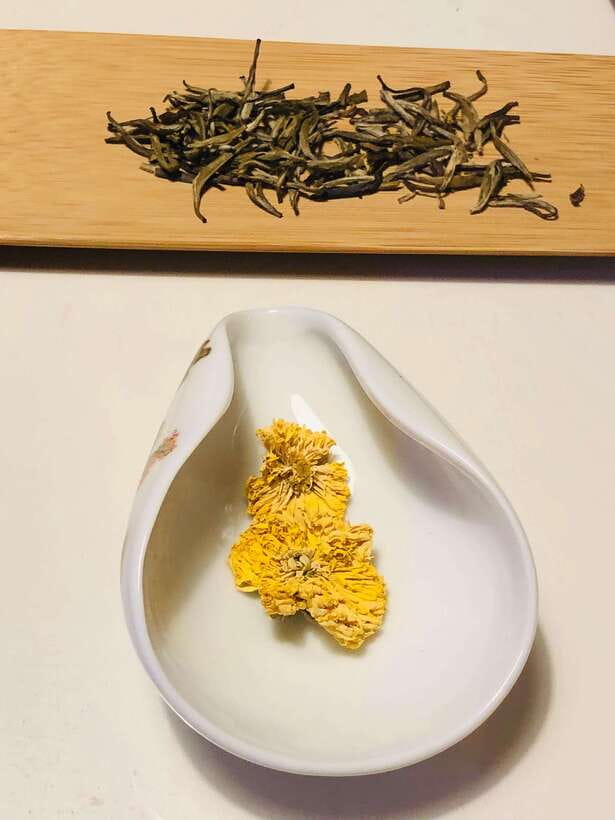
At $9.90 per person, I consider this an easy-to-justify cultural add-on. You receive the ceremony and five mini cups, and the short duration keeps the time commitment low. For the price of a simple snack or drink in many capital cities, you get an organized introduction to a major part of Chinese culture.
The value is strongest if you are already planning to be near the meeting point. You can add the session before or after other activities, then continue by subway from Jianguomen if needed. The value drops slightly if reaching the location requires a long, expensive journey, but the nearby public transport helps reduce that concern.
The low price does not mean the event covers everything. There is no guide, and tea purchases are not included. After the ceremony, you may buy tea to take home and share with family or friends, but that is entirely optional and at your own expense.
I would treat the shopping option as a choice, not as part of the main reason to book. Go for the tasting and instruction first. If you find a tea you truly like, then consider buying some.
A good choice for families and first-time tea drinkers
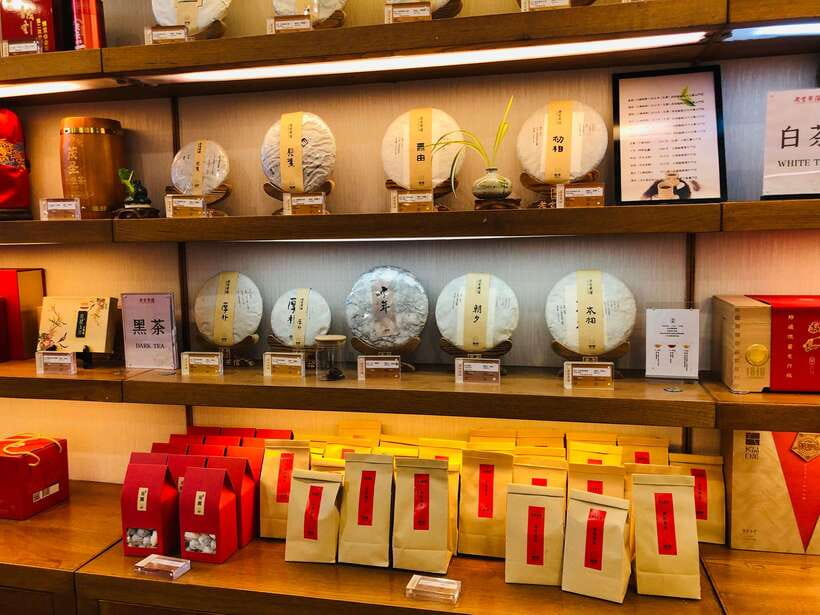
The short format makes this especially practical for families. Children can see the preparation, smell the different teas, and taste small portions without sitting through a long lecture. Flower tea and jasmine tea may be the easiest entries for younger participants, though individual tastes will vary.
Adults who already know a lot about Chinese tea may find the session too basic. The ceremony offers a sampling and introduction, not a specialist class. You should choose it for cultural context and a pleasant tasting, not for advanced brewing instruction.
It also suits people who want a quiet break from Beijing’s busy sightseeing schedule. The ceremony emphasizes calm movements and attention. That change of pace can be welcome after a morning spent moving between major sights.
The maximum group size is 15 people. That is small enough for a shared setting without the scale of a large coach tour, but it is not a private appointment. If you need one-on-one attention or want to set the pace yourself, confirm the arrangements before booking.
Timing, transport, and practical planning
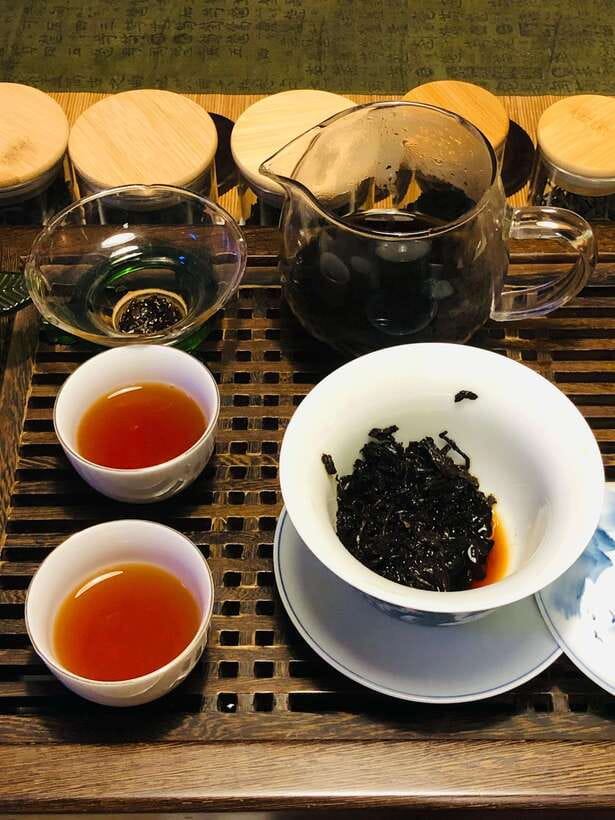
The session lasts approximately 30 minutes. Allow extra time to find Jian Nei Da Jie and locate the correct meeting point at or near Chang An Grand Theater. The supplied information does not give a separate check-in time, so your confirmation is the best source for arrival instructions.
The meeting details name the start as Jian Nei Da Jie in Beijing’s Dong Cheng District. The end is back at the meeting point, with the option of being walked to Jianguomen Subway Station. That makes the experience easy to connect with other plans.
A mobile ticket is included as a feature. Keep the booking confirmation ready on your phone. Since the activity is near public transportation, you do not need to plan around a private transfer based on the information provided.
The group limit is 15 people, and most people can participate. No special fitness requirement is given. The main practical issue is finding the meeting location and allowing enough time to arrive without rushing the opening welcome.
What is included, and what is not
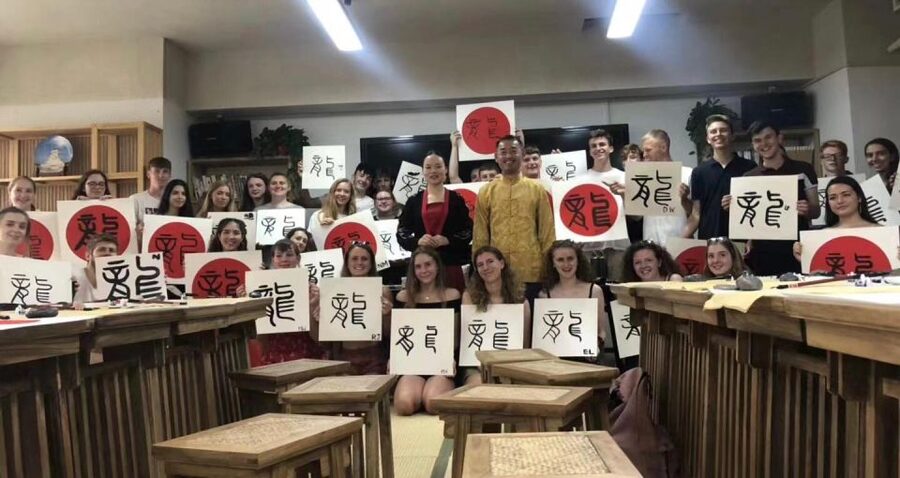
The included items are simple:
- The tea ceremony
- Five mini cups of tea
The tea itself is the center of the experience, but the price does not include a wider guided tour. There is no tour guide listed. Other expenses are also excluded, including any tea you decide to purchase afterward.
That clear division helps you budget. You can book the ceremony without committing to a shopping purchase. If you are bringing tea home, set aside extra money, but do not feel that buying something is required.
The walk back to the meeting point or Jianguomen Subway Station is part of the assistance offered after the ceremony. It is not described as a guided walk through Beijing, so use it mainly as help with finding your way onward.
Booking ahead and cancellation terms
The experience is booked an average of 33 days in advance. That suggests you should reserve early if the session fits a fixed Beijing itinerary, especially if your dates are limited.
Confirmation is received at the time of booking. The activity offers free cancellation if you cancel at least 24 hours before the start time. Cancellations made within 24 hours are not refunded, and changes within that same period are not accepted.
The cut-off uses Beijing local time. This matters if you are booking from another time zone or changing plans while traveling in China. A little attention to the deadline protects the full refund option.
My final call: book it for a gentle cultural stop
I recommend this tea ceremony if you want an inexpensive, compact introduction to Chinese tea culture. The strongest reasons are the five-tea tasting, the careful demonstration, the friendly welcome associated with Richard and the tea master, and the easy 30-minute schedule.
I would skip it if you want a long tea education, a city guide, or a private tasting with extensive discussion. The session is intentionally brief, and the absence of a tour guide limits the wider cultural commentary.
For most first-time visitors, this is a sensible add-on near central Beijing. Book it when you can reach Jian Nei Da Jie easily, arrive with realistic expectations, and treat the optional shopping as exactly that: optional.
FAQ
Where does the tea ceremony take place?
The itinerary identifies Chang An Grand Theater as the stop. The listed starting point is Jian Nei Da Jie, also written as Jiannei Avenue, in Dong Cheng District, Beijing.
How long does the experience last?
The tea ceremony lasts approximately 30 minutes.
How much does the experience cost?
The listed price is $9.90 per person.
What teas might I taste?
The tasting may include Oolong, Pu-erh, green tea, jasmine tea, and flower tea.
How many tea samples are included?
Five mini cups of tea are included.
Is a tour guide included?
No. The experience includes a tea ceremony, but no tour guide is listed.
How large can the group be?
The activity has a maximum group size of 15 people.
Where does the experience end?
The activity ends back at the meeting point. The tea master manager can also walk you to the meeting point or Jianguomen Subway Station.
Can I buy tea after the ceremony?
Yes. You have the option to purchase tea after the ceremony, but shopping expenses are not included in the price.
Can I cancel for a full refund?
Yes, if you cancel at least 24 hours before the experience start time. Cancellations or changes made within 24 hours are not accepted for a refund.
More Chinese Tea Ceremonies in Beijing
- One-Day Hangzhou Dragon Well Tea Culture & West Lake Private Tour
★ 5.0 · 98 reviews - Authentic Hangzhou Longjing Tea Culture Experience Tour
★ 5.0 · 32 reviews - Tainan Culture Trip: Chinese Tea Ceremony_Oolong Tea
★ 5.0 · 29 reviews - Unlock Chinese Tea: Culture, Science, Tasting & Hands-on Brewing
★ 5.0 · 12 reviews
More Tea Ceremonies in Beijing
- Beijing: Chinese Culture Tea Ceremony Reservation Service
★ 4.8 · 4 reviews - Private Beijing Spiritual Tour with Lunch and Tea Ceremony
★ 5.0 · 2 reviews - Kyoto: Tea Ceremony in a Traditional Tea House in Kiyomizu
★ 4.9 · 3,519 reviews - Kyoto: Tea Ceremony Ju-An at Jotokuji Temple
★ 4.9 · 3,207 reviews
Just added around Beijing
- Private Tour to the Temple of Heaven and Tea tasting at the Maliandao Tea city★ 5.0 · 3 reviews
- Beijing Tai Chi and Tea Ceremony Experience★ 5.0 · 4 reviews
- Private Beijing Spiritual Tour with Lunch and Tea Ceremony★ 5.0 · 2 reviews
- Temple of Heaven Private Tour and Tea Tasting at Maliandao Tea Street★ 5.0 · 2 reviews
- 3-Hour Private Hutong Walking Tour with Drum Show at Drum Tower and Tea Tasting★ 5.0 · 3 reviews
- 3-hour Morning/Afternoon Tea Tasting on Maliandao Street & Dimsum★ 5.0 · 7 reviews
- Beijing:Learn Calligraphy & Enjoy Kung Fu Tea Ceremony★ 5.0 · 2 reviews
- Beijing: Chinese Culture Tea Ceremony Reservation Service★ 4.8 · 4 reviews
Tea Ceremonies in China, compared.
Beijing Culture: Tea Ceremony, Heritage Instrument & Calligraphy
Read our review →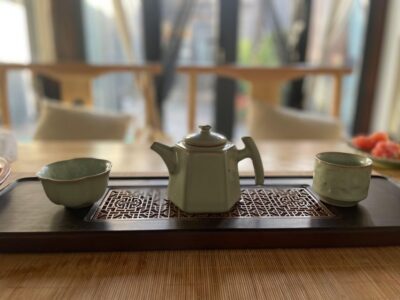
Chinese Tea ceremony in Beijing Hutong courtyard
Read our review →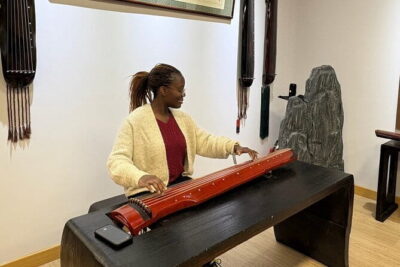
Beijing Culture Event: Tradition Music, Tea Ceremony, Calligraphy
Read our review →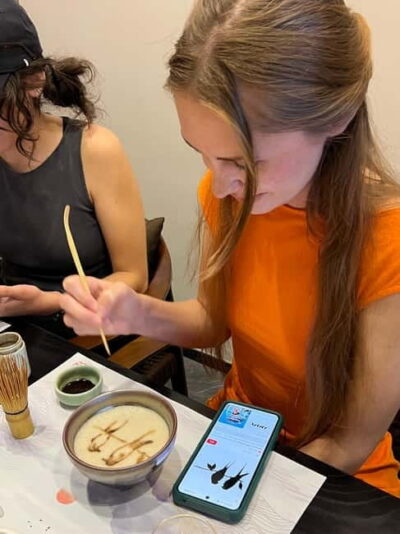
Browse the lists this tour appears in