
Review · SHANGHAI
Shanghai: Song Dynasty Tea Ceremony Experience
Slow tea reveals a different Shanghai. This 1.5-hour private experience focuses on the Song Dynasty way of preparing powdered tea, with hands-on whisking, traditional tools, and a tea master who explains why the ritual mattered in Chinese life. I like the hands-on format and the calm, attractive setting. I also like that you do not simply watch a ceremony, you make the tea yourself.
The main consideration is the price: $78 per person is a fair splurge for a private cultural activity, but it is not a bargain tea tasting. The meeting point is at a mall entrance rather than a famous historic teahouse, so you should keep your expectations focused on the ceremony itself, not on a grand sightseeing setting.
Key Points Before You Book
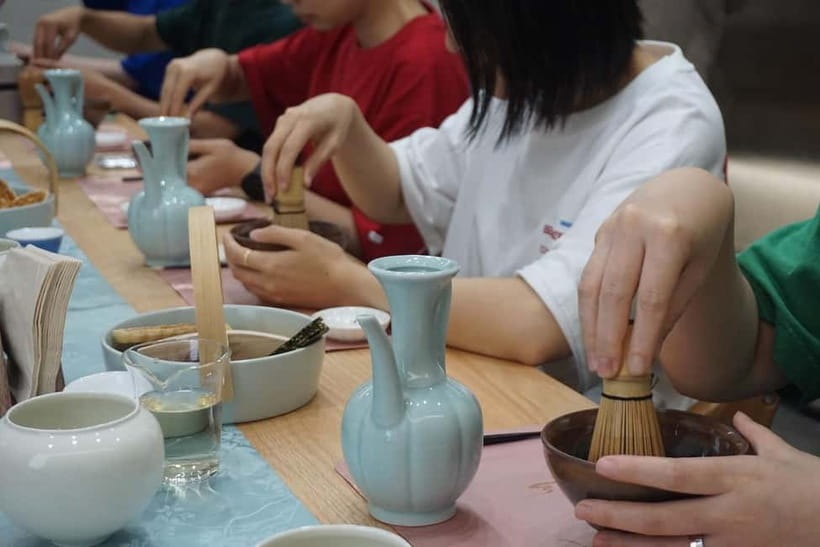
- Whisk your own powdered tea: You learn the Song Dynasty method with a tea whisk, tea bowl, scoop, and hot water.
- A private 1.5-hour session: This works well for couples, families, and small groups who prefer a personal pace.
- More than a tasting: The session connects tea with aesthetics, mindfulness, social life, and Song-era refinement.
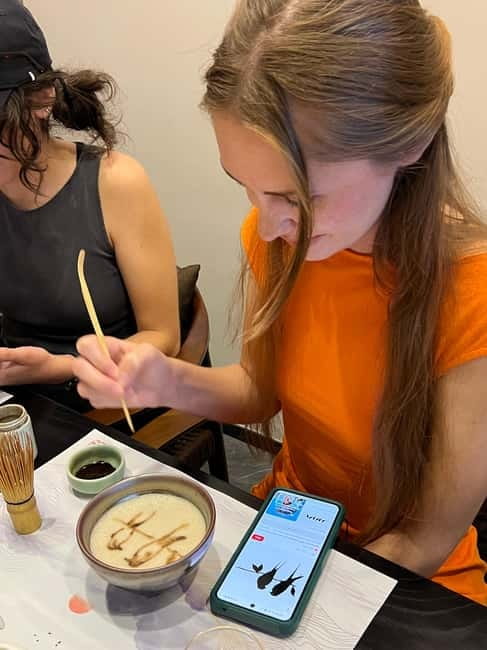
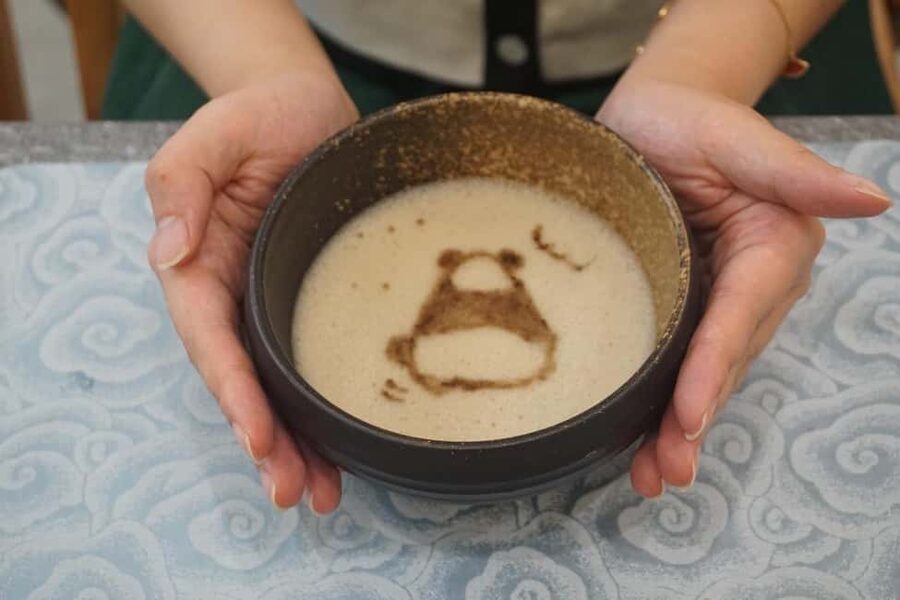
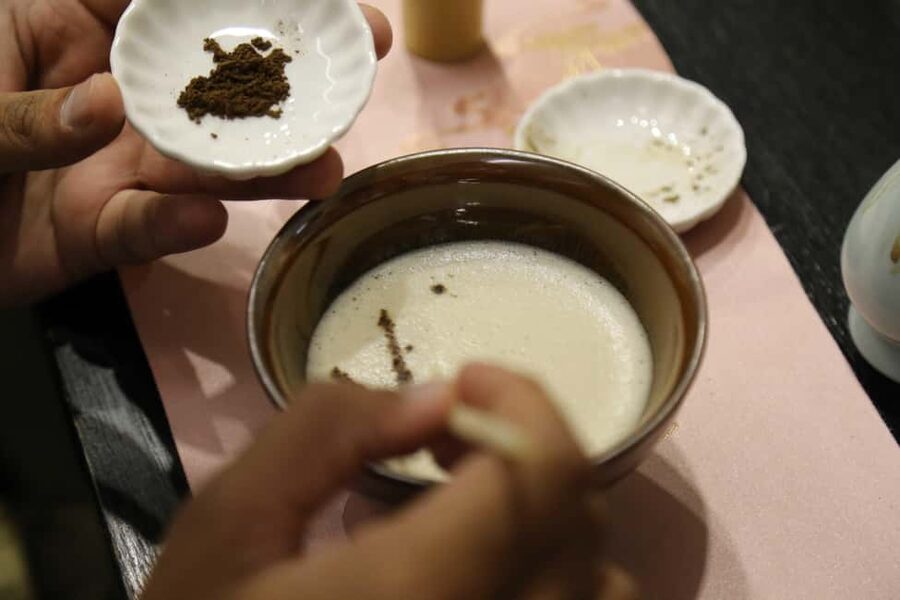
- The foam is part of the fun: Careful whisking creates a frothy surface, and some participants have even practiced making foam patterns.
- Several languages are available: Instruction is offered in English, Chinese, Japanese, Korean, Spanish, and Russian.
- Practical meeting point: Meet at the main entrance of the mall at 168 Aomen Road in Putuo District, looking for a guide in a white hat with a red Eto logo.
Why Song Dynasty Tea Feels Different
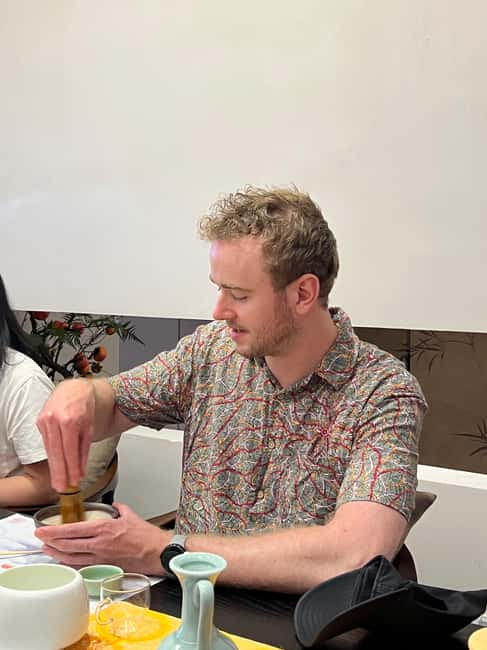
Many modern tea experiences center on steeped leaves poured from a pot. This one uses powdered tea, hot water, and a whisk. That difference changes the entire rhythm of the activity. Instead of waiting for leaves to release their flavor, you take part in turning tea powder into a smooth, foamy drink.
During the Song Dynasty, tea was important in both ordinary life and elite circles. Tea preparation could be social, artistic, and highly controlled. The tools mattered. The motion of the whisk mattered. The look of the foam mattered. This helps explain why the session feels closer to a small craft workshop than a standard beverage tasting.
I like this format because it gives you something to do with your hands. You are not left trying to remember a lecture about Chinese culture. You learn a technique, make a drink, and then taste the result. That physical connection makes the cultural explanation easier to remember.
The ceremony also has a quiet, reflective side. The repeated whisking motion asks you to slow down and pay attention. It is not a religious ceremony, but it carries a sense of order and focus. If your Shanghai schedule has been full of traffic, shopping, and crowded sights, 90 minutes of careful tea preparation can be a welcome change of pace.
More Tea Ceremonies in China
- Traditional Chinese Tea Ceremony Experience
★ 4.7 · 74 reviews - Beijing Culture: Tea Ceremony, Heritage Instrument & Calligraphy
★ 5.0 · 57 reviews - Chinese Tea ceremony in Beijing Hutong courtyard
★ 4.7 · 26 reviews
Arriving at 168 Aomen Road in Putuo
The meeting point is the main entrance of the mall at 168 Aomen Road, Putuo District, Shanghai 200071. This is useful to know because the experience does not begin at a major tourist landmark or a clearly named historic tea house.
After booking, the address and meeting details are sent through WhatsApp. Your guide wears a white hat with a red Eto logo, which gives you a simple visual clue in a busy public place. I would save the address, guide description, and WhatsApp contact before leaving your hotel.
The mall setting may feel less romantic than an old courtyard or traditional garden. That is the chief atmospheric drawback. Still, the indoor location can make the activity practical in poor weather, and the ceremony itself provides the traditional character once you are seated with the tea tools.
The host handles the activity as a private group. That matters. You can ask questions without worrying about holding up a large class, and the tea master can watch your whisking technique more closely. For families and friends, it also turns the session into a shared project rather than a performance you simply observe.
The Opening Cultural Introduction
The session begins with an introduction to tea in Chinese culture, with special attention to the Song Dynasty. You learn why powdered tea mattered, how tea fit into daily routines and high society, and why the preparation carried such importance.
This opening should help you understand what you are about to do. Without that context, whisking tea can seem like a pleasant but random craft activity. With it, the bowl, scoop, whisk, and foam become parts of a larger idea about taste, beauty, discipline, and social life.
The strongest part of the explanation is likely to be the link between ceremony and mindfulness. The host explains not just the steps, but the thinking behind them. That approach gives the activity more weight than a quick demonstration followed by a sample cup.
Language should not be a major barrier. Instruction is available in English, Chinese, Japanese, Korean, Spanish, and Russian. The information also describes WhatsApp support, which is useful if you need help finding the meeting point or confirming details before the session.
Traditional Tools on the Tea Tray
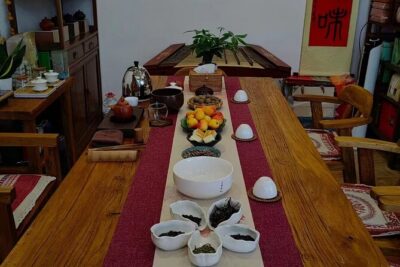
You work with a set of simple but distinctive tools:
- A tea bowl
- A bamboo-style tea whisk
- Powdered tea
- A tea scoop
- A tea tray
- A hot water kettle
- A tea cloth
The tools are not just props. Each one gives the process its shape. The bowl provides room for whisking. The scoop controls the amount of powdered tea. The whisk creates the foam. The cloth helps keep the preparation neat and orderly.
The tea master introduces the tools before you begin. This is a good point to ask questions about the equipment and how it differs from the pot-and-cup method more familiar to many modern tea drinkers.
The setting is designed around traditional aesthetics, so expect the visual side to matter. The utensils, tray, tea bowl, and movements are part of the experience. One participant described the utensils as exquisite, and that detail makes sense here: the objects help create the feeling of a careful ritual rather than a casual drink break.
Same place, a different pot:
- One-Day Hangzhou Dragon Well Tea Culture & West Lake Private Tour
★ 5.0 · 98 reviews - Tea Tasting and Pairing Concept Workshop
★ 5.0 · 57 reviews - Biking Real Shanghai& Tea Tasting Experience
★ 4.5 · 45 reviews - Authentic Hangzhou Longjing Tea Culture Experience Tour
★ 5.0 · 32 reviews
Learning to Whisk Powdered Tea
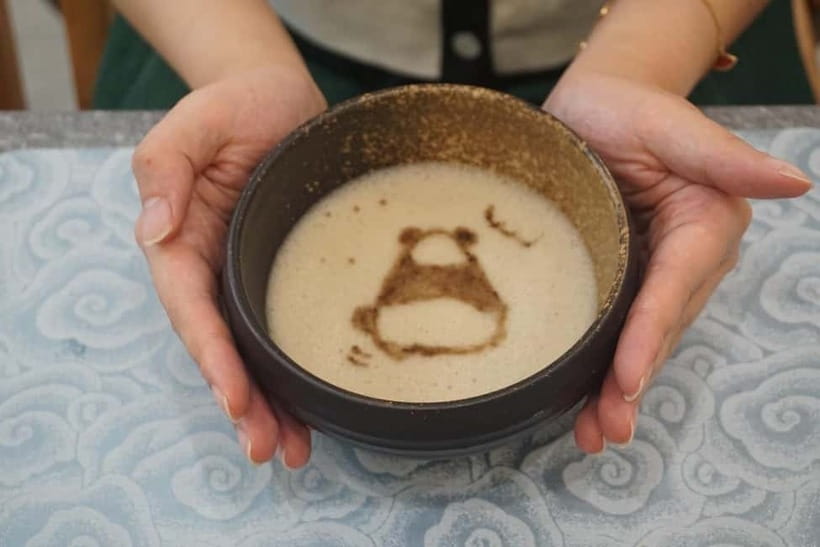
The central activity is learning how to whisk the tea properly. You add powdered tea to the bowl, introduce hot water, and use the whisk to create a smooth, frothy drink. The tea master guides the motion and helps you understand how to build the foam.
This is the part where patience helps. Your first attempt may not look perfect, and that is part of the charm. The goal is not to perform a flawless ceremony for an audience. It is to feel the movement, watch the surface change, and understand the care involved.
The foam gives you immediate feedback. Whisk too little and the drink may lack the desired texture. Keep working and you begin to see a fine froth appear. Some sessions may include playful foam designs or simple painting connected with favorite symbols, though those extras should not be treated as guaranteed parts of every booking.
I especially like that this turns the ceremony into collaborative fun. Friends can compare their foam, families can practice together, and children have a clear task instead of being asked to sit quietly through a long talk. The activity remains calm, but it is not stiff.
Tasting the Finished Tea
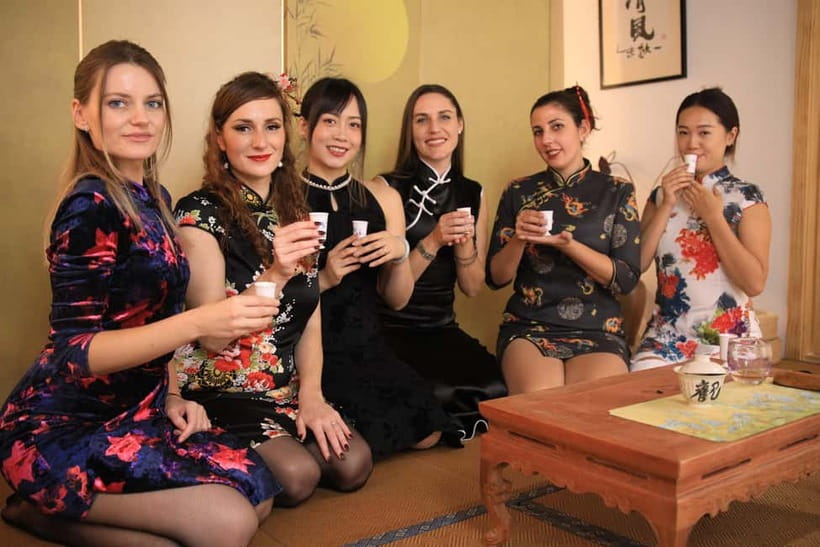
Once your tea is whisked, you taste it fresh. The flavor is described as smooth and rich, with a distinct aroma that differs from ordinary steeped tea. Since powdered tea remains in the drink rather than being removed like loose leaves, the mouthfeel is also part of the experience.
Your first cup may surprise you. The flavor is not the only point. You are tasting the result of your own preparation, which makes the drink feel connected to the work that came before it.
The ceremony encourages you to pay attention to small details: aroma, texture, foam, warmth, and the aftertaste. That slower tasting is useful even if you are not a serious tea enthusiast. It teaches you how much a drink can change when preparation becomes the main event.
I would not book this expecting a large range of teas or a full meal. The supplied details focus on powdered tea and the Song Dynasty method. This is a focused cultural lesson with a tasting, not a broad tea flight or a food tour.
What Makes the Private Format Worth $78
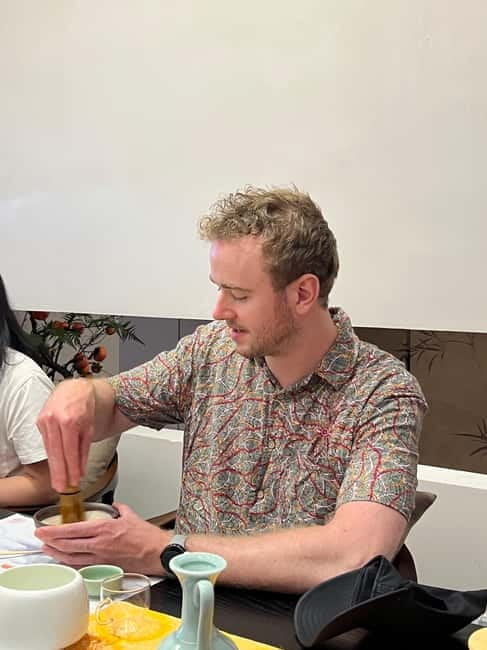
At $78 per person, the experience costs more than a casual cup of tea. The value comes from the private format, the tea master, the interpretation, the supplied tools, and the chance to practice the technique yourself.
You are also paying for a structured cultural activity that fits into a short Shanghai visit. At 90 minutes, it does not consume a full day, yet it gives you more substance than a quick photo stop. Photos are included, which is useful if you want a record of the ceremony without interrupting your own participation.
The price makes the most sense for people who value instruction and personal attention. If you only want to sample Chinese tea, you can likely find a less expensive option. If you want to understand one historic method and practice it with a private group, the cost is easier to justify.
I would consider it particularly good value for a group of friends. The private setting lets everyone take part, and the activity naturally creates conversation. It also suits a family that wants something educational without the formal feel of a museum visit.
Who Will Enjoy This Most
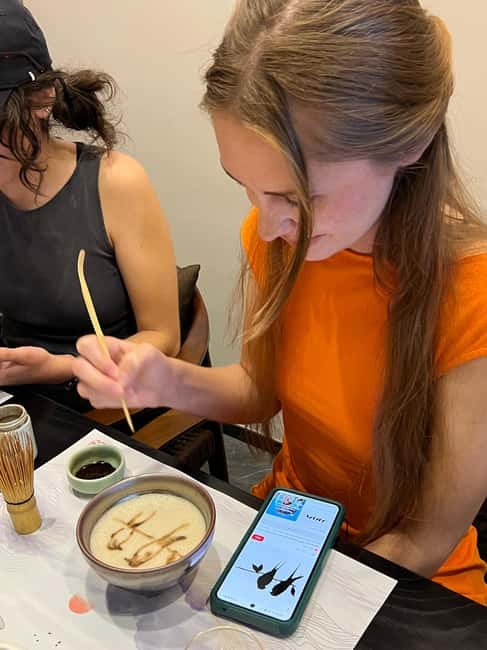
Tea lovers will appreciate the focus on aroma, texture, foam, and technique. You do not need prior tea knowledge, though. The activity is designed to teach beginners through clear steps and guided practice.
History enthusiasts will enjoy the Song Dynasty setting and the explanation of tea’s place in Chinese culture. The lesson is not a full academic history class, but it gives useful context for understanding why this preparation method mattered.
Families can treat the whisking as a gentle group activity. Teams and small work groups may also find it useful because everyone has a common task, and the process encourages patience and cooperation.
This is also a good choice if you want a quieter cultural experience. The mood is calm and focused rather than loud or rushed. The meditative rhythm of whisking may appeal to you if you prefer thoughtful activities to packed sightseeing schedules.
You may want to skip it if your main goal is a grand historic building, a long tea tasting, or a full day of sightseeing. The mall meeting point is practical, but it is not the main attraction. The value lies in the tea lesson and the atmosphere created inside the session.
Timing, Access, and Practical Details
The activity lasts 1.5 hours, and starting times depend on availability. Check the schedule before booking so you can fit it around meals, transport, and other plans in Shanghai.
The experience is wheelchair accessible. It is also offered as a private group, which can make movement and participation more comfortable than in a crowded public class.
There is no hotel pickup or drop-off. You are responsible for reaching the mall entrance at 168 Aomen Road. The white hat with the red Eto logo should help you identify the guide, while WhatsApp support is available if you need immediate assistance.
Tips are not included. You may cancel up to 24 hours in advance for a full refund, and the reserve-now, pay-later option gives you some flexibility while your schedule is still changing.
Final Verdict: Is This Shanghai Tea Experience Worth Booking?
I would book this if you want a focused, hands-on introduction to Chinese tea culture rather than a quick tasting. The strongest reasons are the private format, the expert guidance, the traditional tools, and the chance to make the powdered tea yourself.
The experience earns its price when you value cultural context and personal instruction. It is especially well suited to tea lovers, history-minded visitors, families, and friend groups looking for something calm, social, and different from Shanghai’s usual sightseeing stops.
I would pause only if you expect an old-world teahouse setting, a large selection of teas, or hotel transport. The mall meeting point is ordinary, and the activity is narrowly centered on one Song Dynasty method. For the right audience, though, that narrow focus is exactly what makes the session memorable.
FAQ
How long does the Song Dynasty tea ceremony last?
The experience lasts 1.5 hours.
How much does the experience cost?
The listed price is $78 per person.
Where do I meet the guide?
Meet at the main entrance of the mall at 168 Aomen Road, Putuo District, Shanghai, 200071.
How will I identify the guide?
Look for a guide wearing a white hat with a red Eto logo. Further meeting details are sent through WhatsApp after booking.
What is included in the experience?
The price includes WhatsApp live support, experience photos, an expert tea master, a tea bowl, tea whisk, powdered tea, tea scoop, tea tray, hot water kettle, and tea cloth.
Is hotel pickup included?
No. Hotel pickup and drop-off are not included.
What languages are available?
Instruction is available in English, Chinese, Japanese, Korean, Spanish, and Russian.
Is the activity wheelchair accessible?
Yes, the experience is wheelchair accessible.
Can I cancel the booking?
Yes. You can cancel up to 24 hours in advance for a full refund. You can also reserve now and pay later.
Just added around China
- Full-day Tour: Spectacular Sunrise, Tea Plantation & Sunset★ 5.0 · 3 reviews
- Chinese Tea Ceremony Experience★ 5.0 · 3 reviews
- Unlock Chinese Tea: Culture, Science, Tasting & Hands-on Brewing★ 5.0 · 12 reviews
- Shanghai Mahjong Experience in Local Tea Bar★ 5.0 · 4 reviews
- Private Tour Hangzhou West Lake and Tea Fields Discovery★ 5.0 · 3 reviews
- Half-Day Hangzhou Jiuxi Stream and Tea Plantation Experience★ 5.0 · 2 reviews
- Hangzhou West Lake and Tea Plantation Half Day Tour★ 5.0 · 4 reviews
- Private Hangzhou Day Tour to West Lake, Lingyin Temple, Tea Village, Old Pagoda★ 5.0 · 17 reviews
Tea Ceremonies in China, compared.
Beijing Culture: Tea Ceremony, Heritage Instrument & Calligraphy
Read our review →
Chinese Tea ceremony in Beijing Hutong courtyard
Read our review →
Beijing Culture Event: Tradition Music, Tea Ceremony, Calligraphy
Read our review →
Browse the lists this tour appears in