
Review · BEIJING
Beijing Tai Chi and Tea Ceremony Experience
Slow down before Beijing speeds up. This three-hour morning experience pairs a beginner-friendly Tai Chi lesson with a Chinese tea tasting near the former residence of Jixiaolan. I like the personal instruction from English-speaking master Eric, who adjusts the lesson to your experience level, and I like the quiet change of pace that follows at Alice Yang’s Tea House. The main consideration is value: at $95 per person, this is not a cheap exercise class or simple tea tasting, though the private format helps explain the price.
You meet at 9:00 a.m. at Jixiaolan Former Residence in the Xicheng district, then return to the same meeting point when the activity ends. You should wear comfortable walking shoes, and you will need to arrange your own transport to and from the start. This is a private activity, so only your group participates, which makes it a better fit for visitors who prefer personal guidance over a large class.
Key Points at a Glance
- Eric teaches Tai Chi at a beginner-friendly pace: He checks your experience level and adjusts the lesson rather than pushing everyone through the same routine.
- The one-hour class covers more than basic poses: You learn relaxation forms, typical Tai Chi movements, Taoist ideas, and self-massage methods.
- The tea portion includes four or five Chinese teas: A tea master helps you compare quality, taste, preparation, and style.
- Kungfu tea ceremony adds a cultural layer: You do not simply drink tea. You watch and take part in a careful brewing and serving tradition.
- The private setting suits couples, families, and small groups: Group discounts may be available, but private transportation and food are not included.
A Gentle Start Near Jixiaolan Former Residence
The morning begins at 9:00 a.m. at Jixiaolan Former Residence in Xicheng, near Qianmen. The location is close to public transportation, which is useful in central Beijing, but the experience does not include a ride from your hotel. Plan your route in advance and allow enough time to reach the meeting point without a last-minute dash.
The setting gives the outing a distinctly local starting point rather than dropping you into a hotel conference room. That matters here. Tai Chi is tied to Chinese culture and Taoist thought, and beginning near an old Beijing residence supports the sense that this is connected to place, not just a generic wellness class.
The supplied details do not specify an exact indoor or outdoor lesson setting, so you should not assume a particular courtyard, park, or studio. Ask the operator for current meeting instructions if the location is unclear. The practical requirement is simple: arrive in comfortable walking shoes and be ready for gentle movement.
The morning timing is one of the strongest parts of the plan. A 9:00 a.m. start leaves much of the day open for sightseeing, and one participant specifically found it a good way to begin a visit connected with the Temple of Heaven. The activity itself does not include Temple of Heaven admission or transport, but its timing may fit nicely before another central Beijing stop.
More Tea Ceremonies in China
- Traditional Chinese Tea Ceremony Experience
★ 4.7 · 74 reviews - Beijing Culture: Tea Ceremony, Heritage Instrument & Calligraphy
★ 5.0 · 57 reviews - Chinese Tea ceremony in Beijing Hutong courtyard
★ 4.7 · 26 reviews
What You Learn During the One-Hour Tai Chi Class
The Tai Chi section lasts about one hour. It is designed as an introduction, not a complete course in martial arts or a substitute for ongoing practice. You learn basic relaxation forms, typical Tai Chi movements, and simple self-massage methods.
Eric is the key figure here. He speaks English, explains the ideas behind the movements, and checks your prior experience before setting the pace. That personal adjustment is especially useful if you are a first-time student. Tai Chi can look effortless when practiced by an expert, but beginners often need help understanding where to place their feet, how slowly to move, and how to coordinate breath, balance, and attention.
The lesson also presents Tai Chi through Taoist ideas about relaxation, Qi, and harmony between the body and the natural world. You do not need to accept every traditional explanation literally to appreciate the practical point: the class asks you to slow down, release tension, and pay attention to how your body moves.
I like that the session includes self-massage rather than focusing only on a sequence of forms. That gives you something useful to remember after the activity ends. You may leave with a few movements you can repeat at home, although the available information does not promise a formal take-home guide or a long training program.
The class appears to work best for beginners and curious first-timers. One participant described Eric as patient and kind, and noted that he adapted the lesson to a beginner’s level. Another found the practice both relaxing and enjoyable, with attention directed toward the mind, eyes, and body. Those details suggest a calm teaching style rather than a stern martial arts workout.
Do not book this expecting strenuous exercise. Tai Chi is slow and controlled, and the emphasis here is on relaxation, awareness, and cultural context. If you already train regularly, you may find the basic forms too introductory. You may still value the explanation of Taoism and the chance to ask questions in English, but advanced practitioners should keep expectations modest.
The Taoist Ideas Behind the Movements
The cultural explanation is an important reason to choose this activity instead of a standard hotel wellness session. Tai Chi is presented as a Chinese exercise tradition influenced by Taoist thought, with movements intended to encourage a free flow of Qi and a calm relationship between body and mind.
The language around Qi and internal cultivation belongs to traditional Chinese philosophy and health practice. The experience introduces those ideas as part of the cultural meaning of Tai Chi. It does not claim to diagnose illness or replace medical care, and you should treat the health language as cultural and wellness-oriented rather than medical advice.
That distinction helps you get more from the class. You are not merely copying slow arm movements. You are learning why relaxation matters in the tradition, why steady breathing and concentration are valued, and how Tai Chi became popular far beyond China.
The best approach is to stay open but practical. You can enjoy the calm rhythm, posture work, and focus without needing to accept every traditional health claim. For many visitors, that balance makes the session more interesting than either a purely physical lesson or a lecture with no participation.
Four or Five Chinese Teas at Alice Yang’s Tea House
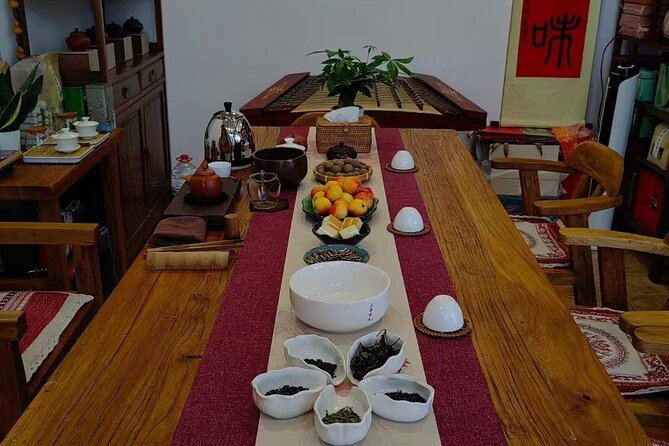
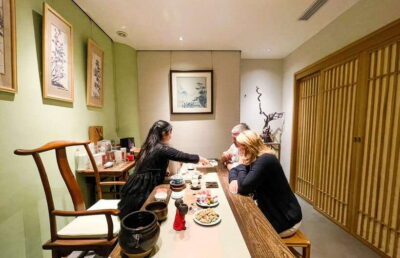
After Tai Chi, the experience moves to tea. The tea portion includes a tasting of four or five types of Chinese tea, guided by a tea master. You also learn how to distinguish tea quality and how tea fits into Chinese daily life and cultural practice.
Alice leads this part of the experience. The descriptions of her teaching emphasize warmth and a strong explanation of tea history, culture, and science. That combination is useful because tea can be confusing at first. Different varieties may look similar, and the way tea is prepared can change its aroma, strength, and character.
You should expect to compare several teas rather than sit down with one standard cup. The point is to notice differences and learn how to judge quality for yourself. The exact tea varieties are not specified, so you should not expect a guaranteed list of green, black, white, or oolong teas. The selection may change.
The experience also includes three to five snacks with the tasting. At the same time, the booking information lists food as not included and lists coffee and tea among the included items. That is a small but important ambiguity. The snacks are described as part of the tea-house experience, but if you need a substantial breakfast or have dietary restrictions, confirm what is supplied before booking. Do not treat this as a full meal.
The tea setting gives the morning a slower second half. Tai Chi asks you to control movement and attention. Tea asks you to notice aroma, temperature, timing, and taste. Together, the two parts make sense as a lesson in slowing down rather than a pair of unrelated activities.
More Tea Ceremonies in Beijing:
- Beijing Culture Event: Tradition Music, Tea Ceremony, Calligraphy
★ 5.0 · 11 reviews - Beijing: Temple Of Heaven+Tai Chi Class+Tea Ceremony
★ 5.0 · 8 reviews - Traditional Chinese Tea Ceremony Experience
★ 5.0 · 7 reviews - Beijing: Chinese Culture Tea Ceremony Reservation Service
★ 4.8 · 4 reviews
Watching a Kungfu Tea Ceremony
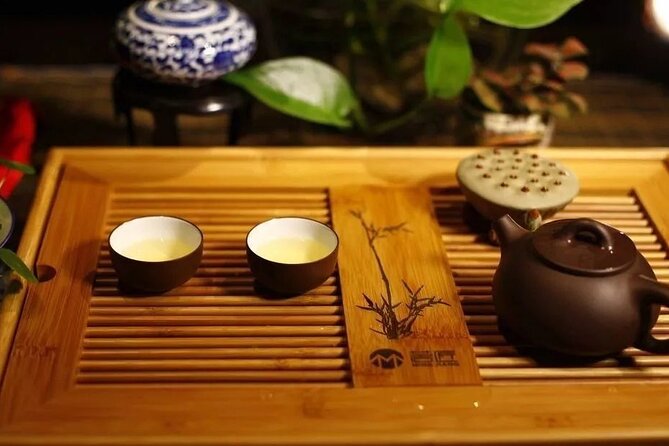
The tea master also demonstrates a Kungfu tea ceremony. Here, Kungfu refers to skill and careful practice, not a martial arts show. The ceremony focuses on precise preparation and presentation, giving you a look at how tea can become a social and reflective ritual.
You learn how tea is prepared and how to approach drinking it with more attention. The ceremony is also described as a way to relax and meditate while sipping tea. That does not mean you will be sitting in silence for hours. The tea portion remains instructional and social, with explanations and tasting.
I find this part particularly useful for visitors who want cultural context without committing to a long formal performance. You can see the process, taste the results, and ask questions in one sitting. The ceremony also gives you a better basis for ordering tea later in China, since you will have practiced comparing different types.
The tea section is likely to appeal more to food and culture enthusiasts than to anyone looking for a large meal. The snacks add a little substance, but the main focus remains tea. If you are sensitive to caffeine, plan accordingly since four or five tastings may be more than your usual morning cup.
How the Private Format Affects the Experience
This is a private tour, meaning only your own group takes part. That is a meaningful advantage for a physical activity. You can ask Eric to repeat a movement, explain a term, or slow the sequence without feeling that you are holding up a large class.
The same applies to tea. You can ask Alice about a particular flavor or preparation method, and your group can take its time with the ceremony. A private setting also works well for families or friends with mixed experience levels, since the lesson can be adjusted more easily than a fixed public class.
The drawback is the price. At $95 per person, the experience costs more than a drop-in Tai Chi class or an ordinary tea tasting. The value comes from combining two guided cultural activities, using English-speaking instructors, and keeping the group private. If you only want to try a few Tai Chi movements, the cost may feel high. If you want a personal introduction to both traditions, the price is easier to justify.
Group discounts may be available, which could improve the value for a small party. Since private transportation is not included, you should also add the cost of getting to and from Xicheng when planning your morning budget.
Timing, Transport, and Practical Details
The advertised duration is about three hours, starting at 9:00 a.m. and ending back at the meeting point. The exact split is clear enough for planning: approximately one hour of Tai Chi, followed by the tea-house experience and ceremony.
The activity is near public transportation, but no private transfer is provided. You will need to get yourself to Jixiaolan Former Residence and return from there. Since the meeting point is in central Beijing, check the route before leaving your hotel and keep the address in both English and Chinese if possible.
Mobile tickets are accepted, and confirmation is provided at booking. You can cancel for a full refund if you do so at least 24 hours before the local start time. Cancellations or changes made within 24 hours are not accepted for a refund.
Comfortable walking shoes are recommended. The information does not specify special accessibility arrangements, an exact venue layout, or weather procedures. If those points matter to you, ask the operator before paying.
Who Will Enjoy This Morning Most
I would choose this experience for someone who wants a calm, human-scale introduction to Chinese culture. It suits first-time Tai Chi students, couples, small groups of friends, and visitors who enjoy learning through participation rather than watching a standard show.
It is also a good match for anyone who wants to start a sightseeing day gently. The 9:00 a.m. schedule leaves time afterward for other Beijing sights, and the central meeting point may fit a day in the Qianmen or Temple of Heaven area.
You may want to skip it if you are seeking an advanced Tai Chi workout, a full breakfast, or a large-scale cultural performance. The lesson is introductory, the tea tasting is educational rather than meal-sized, and the price reflects private instruction.
The experience also works best when you have enough energy to listen and participate. You are not simply handed a cup of tea and sent on your way. You are expected to follow movements, pay attention to explanations, and taste several teas. That is part of the appeal, but it may not suit someone with only a short gap between major attractions.
Should You Book the Beijing Tai Chi and Tea Experience?
Book it if you want personal instruction, gentle exercise, and a thoughtful tea tasting in one morning. Eric’s patient approach gives beginners a clear entry into Tai Chi, while Alice’s tea session adds practical guidance on Chinese tea and the Kungfu ceremony.
At $95 per person, I see this as a specialized cultural experience rather than a bargain activity. The private format, English instruction, four or five teas, snacks, and two distinct teaching sessions make the cost reasonable for visitors who value depth and personal attention.
I would not book it solely for exercise or food. Choose it because you want to understand the ideas behind Tai Chi, practice a few basic forms, and slow down over carefully prepared tea. For the right visitor, that is a memorable way to begin a Beijing morning.
FAQ
Where does the experience begin?
It begins at Jixiaolan Former Residence, Ji Xiao Lan Gu Ju, in the Xicheng district of Beijing.
What time does the activity start?
The start time is 9:00 a.m.
How long does the experience last?
The experience lasts approximately three hours.
Is the Tai Chi lesson suitable for beginners?
Yes. The lesson covers basic relaxation forms, typical Tai Chi movements, and self-massage methods. Eric checks your experience level and organizes the lesson accordingly.
How long is the Tai Chi portion?
The Tai Chi experience lasts about one hour.
How many teas will I taste?
You will taste approximately four to five different types of Chinese tea.
Is transportation included?
No. Private transportation is not included. The meeting point is near public transportation, and you must arrange your own transport.
Can I cancel for a full refund?
Yes. You can cancel at least 24 hours before the local start time for a full refund. Cancellations made less than 24 hours before the start time are not refunded.
Just added around Beijing
- Private Tour to the Temple of Heaven and Tea tasting at the Maliandao Tea city★ 5.0 · 3 reviews
- Traditional Chinese Tea Ceremony Experience★ 5.0 · 7 reviews
- Private Beijing Spiritual Tour with Lunch and Tea Ceremony★ 5.0 · 2 reviews
- Temple of Heaven Private Tour and Tea Tasting at Maliandao Tea Street★ 5.0 · 2 reviews
- 3-hour Morning/Afternoon Tea Tasting on Maliandao Street & Dimsum★ 5.0 · 7 reviews
- 3-Hour Private Hutong Walking Tour with Drum Show at Drum Tower and Tea Tasting★ 5.0 · 3 reviews
- Beijing:Learn Calligraphy & Enjoy Kung Fu Tea Ceremony★ 5.0 · 2 reviews
- Beijing: Chinese Culture Tea Ceremony Reservation Service★ 4.8 · 4 reviews
Tea Ceremonies in China, compared.
Beijing Culture: Tea Ceremony, Heritage Instrument & Calligraphy
Read our review →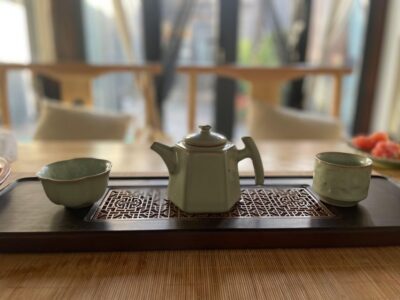
Chinese Tea ceremony in Beijing Hutong courtyard
Read our review →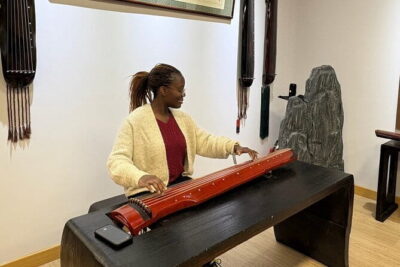
Beijing Culture Event: Tradition Music, Tea Ceremony, Calligraphy
Read our review →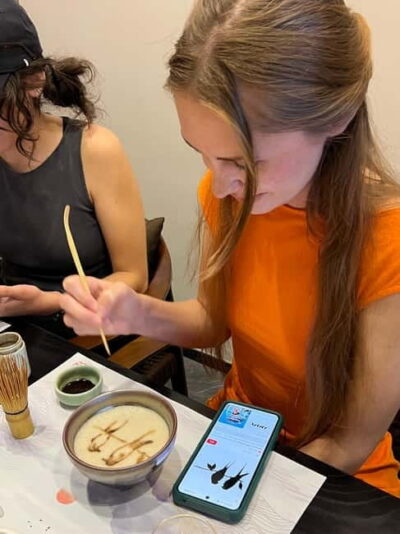
Browse the lists this tour appears in