
Review · TAIWAN
Tainan Culture Trip: Chinese Tea Ceremony_Oolong Tea
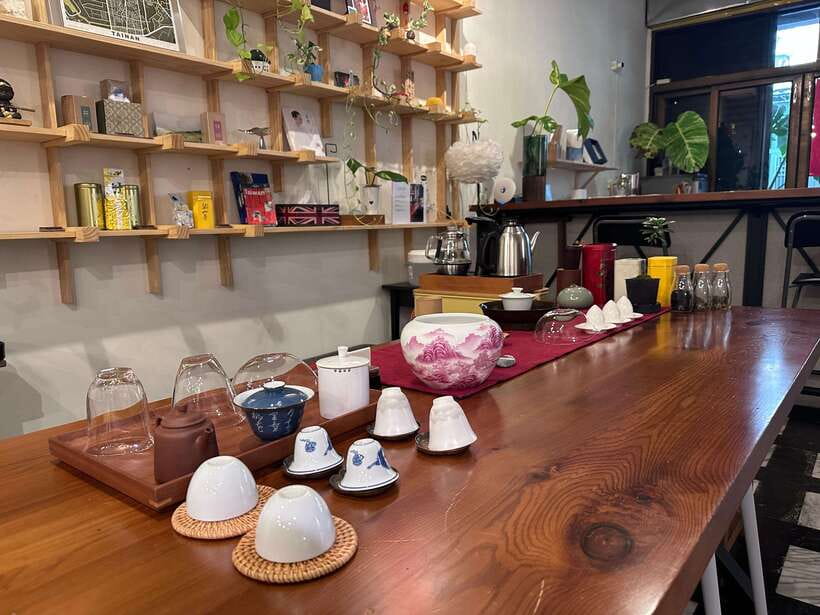
Tea can turn a busy afternoon quiet. At Tainan TOT House, King leads a private 90-minute Chinese tea ceremony that explains Taiwan’s tea culture through tasting, technique, and conversation. I like the chance to compare at least four Oolong teas, and I like that the session uses different brewing tools and cups rather than treating tea as a one-note drink. The main consideration is that the ceremony asks you to put away your phone and skip video recording, so this suits curious tea drinkers more than people seeking a casual photo stop.
You meet at a front door that looks like an ordinary home, then press the bell. That low-key setting fits the experience: personal, calm, and focused on the tea. King speaks English and adjusts the conversation for beginners or serious tea fans, but children under five are not accepted, people with mobility impairments may find it unsuitable, and strong perfume can interfere with the aromas.
Key points at a glance
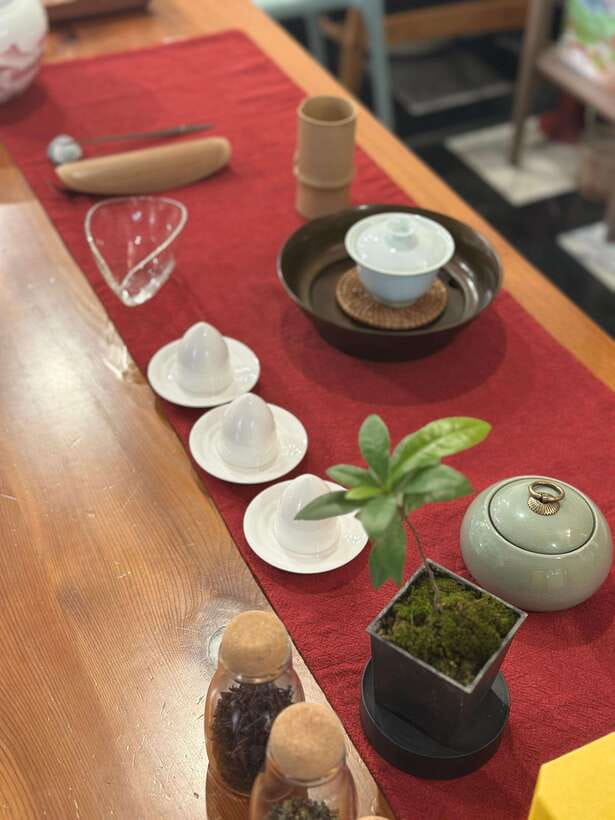
- Four or more Oolong teas: Compare floral, fruity, woody, and roasted notes as the tea changes from one infusion to the next.
- King’s personal teaching style: Expect clear English, easy conversation, and plenty of room for questions about tea, Taiwan, and Tainan.
- Traditional tools in your hands: See how a Gaiwan and terracotta teapot affect the preparation and presentation.
- Three or more cup styles: Different shapes and textures make the tasting feel more like a small lesson in ceramics and touch.
- Private value for two: The $50 group price works out to $25 each for two people sharing a guided session.
- A quiet break in Tainan: The ceremony slows your pace and gives you a calm cultural activity between temples, food stops, and city walks.
Arriving at the ordinary-looking tea house
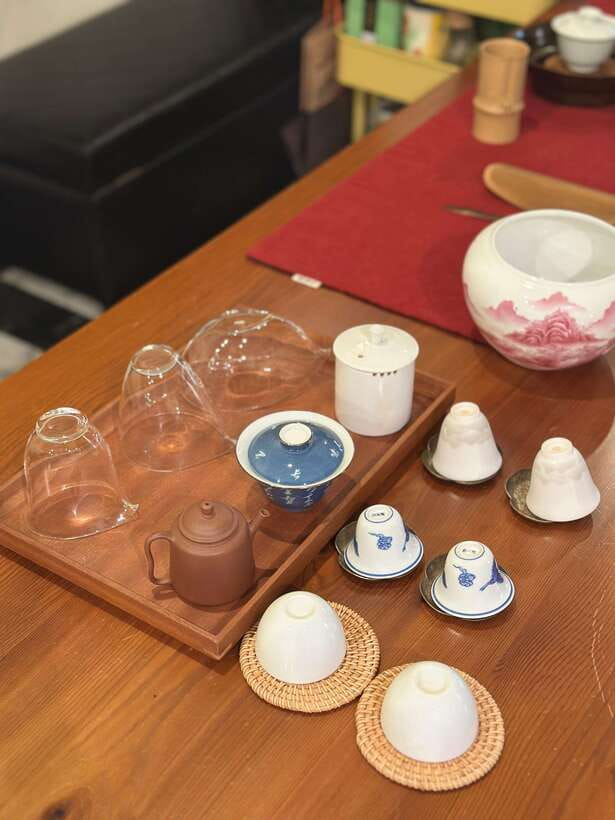
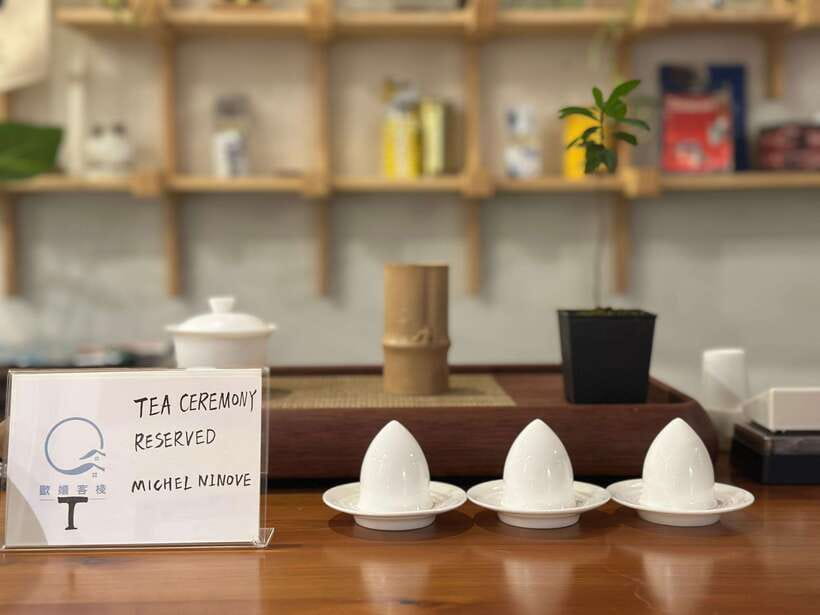
The meeting point is Tainan TOT House, short for Taiwan Oolong Tea House. The entrance looks like a normal household rather than a formal shop or tourist attraction. When you arrive, press the bell.
That detail matters because you should not expect a large sign or a busy storefront. Save the address and arrival instructions before setting out, and contact King by WhatsApp or email at [email protected] after booking, as requested. The provider does not include transportation, so you need to arrange your own way to the house.
The private format is one of the best parts. With a group of up to two, you can ask basic questions without feeling self-conscious, or spend the session discussing subtle flavors if you already know your way around tea. The setting also gives the ceremony a more personal feel than a large demonstration where everyone watches silently from the back.
More Chinese Tea Ceremonies in Taiwan:
- Taiwanese Baking Class with Oolong Tea Tasting in Taipei
★ 5.0 · 4 reviews - Pineapple Pastry with Egg Yolk, Longan Cake, High Mountain Oolong Tea. Taiwan Traditional Dessert Experience-D (Taipei Cooking Class)
★ 5.0 · 2 reviews - One-Day Hangzhou Dragon Well Tea Culture & West Lake Private Tour
★ 5.0 · 98 reviews
The first lesson: what makes Oolong different
King begins with the background of Chinese tea, including its origins, its place in daily life, and its role in social customs and traditional Chinese medicine. You also learn the broad types of tea and where Oolong fits among them.
The useful point is not simply memorizing names. You begin to understand that Oolong sits between less-processed and more-processed tea styles, with a wide range of aromas and tastes depending on how it is made. The selection may move from light floral notes to fruit, wood, or a toasted character. This range helps explain why two cups of Oolong can taste like entirely different drinks.
I would pay close attention to the way King describes aroma and texture. He encourages you to notice how the tea feels, not just whether you like it. You may smell one thing before drinking, find another flavor on the first sip, and discover a softer or more roasted note after another infusion.
That makes this a good introduction for someone who usually adds milk or sugar to tea. You are not being asked to pass a test. You are being shown how to slow down and identify what is already in the cup.
Learning the quiet rules of a Chinese tea ceremony
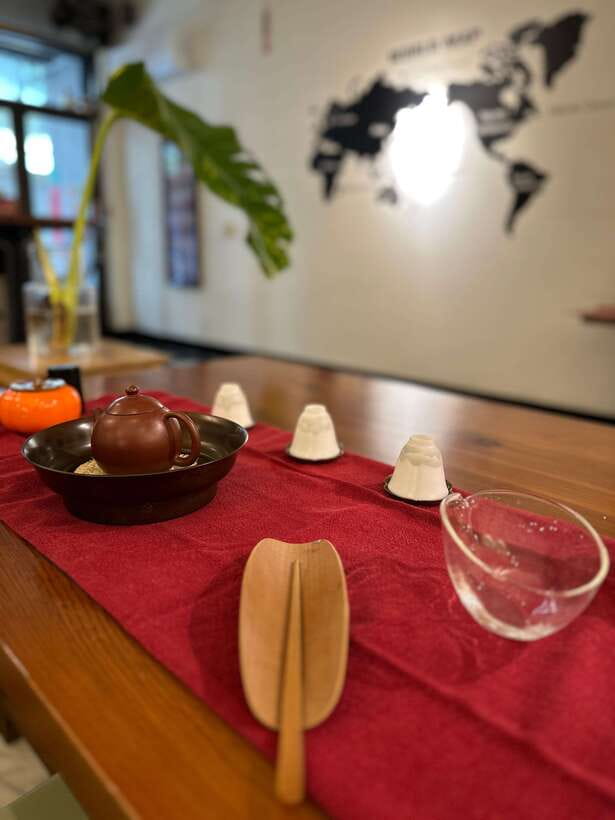
Tea ceremony etiquette can seem mysterious if you have never taken part. Here, King explains the courtesies in plain English, including how to accept your cup and how to show thanks.
These small actions are worth learning because they reveal how tea works as a social practice. The ceremony is not only about extracting flavor from leaves. It is also about attention, respect, and the exchange between the person serving and the person receiving.
The tone appears relaxed rather than stiff. You can ask questions and talk with King, but the process still has an orderly pace. That balance is helpful. You get a real sense of ceremony without needing to pretend you already understand every gesture.
The best approach is to follow King’s lead and avoid rushing. Put your phone away, listen to the sound and rhythm of the preparation, and give each cup a little time. Strong perfume is discouraged because it can cover the tea’s aroma. Smoking is not allowed.
Gaiwan, terracotta teapot, and the art of brewing
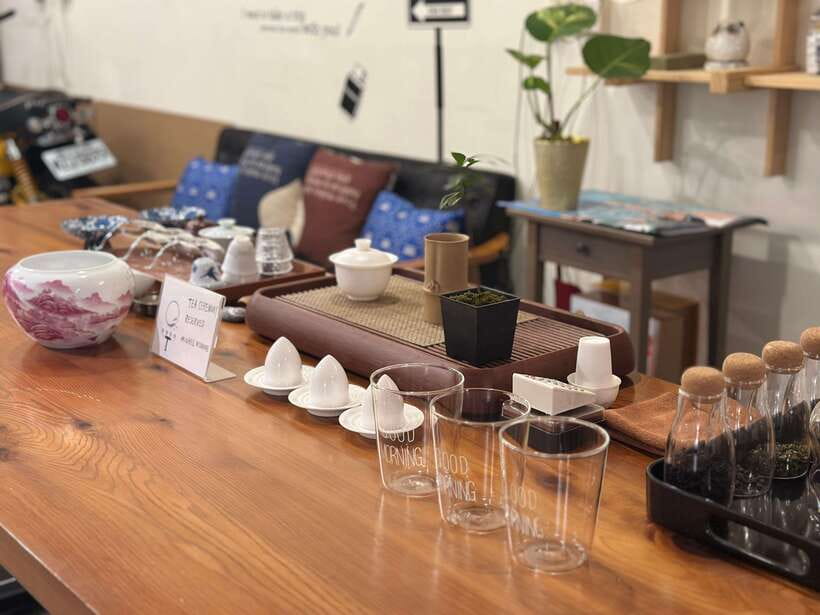
The equipment is part of the lesson. You will see and use at least two brewing tools, including a Gaiwan and terracotta teapots.
A Gaiwan is a lidded bowl used for brewing and pouring tea. Its open design lets you see the leaves and smell them closely. A terracotta teapot brings a different feel to the process, both in the hand and in the way the tea is presented.
King’s use of different pots is more than decoration. It gives you a practical comparison between brewing styles and shows why tea ware matters to people who take tea seriously. The pot, cup, tray, and serving tools have a purpose, but they also carry visual and tactile appeal.
You will also try at least three types of tea cups with different shapes and textures. A narrow cup may direct aroma toward your nose, while another shape may feel broader and easier to hold. The information provided does not promise a formal ceramics workshop, but it does give you a chance to notice how the wares change the act of drinking.
One of the most appealing details is King’s love of pottery and calligraphy. Those interests add cultural context without turning the session into a museum lecture. You see how tea connects with other forms of Taiwanese craft.
A few more tea experiences around Taiwan worth a look
- From Taipei: Thousand Island Lake and Pinglin Tea Plantation
★ 4.7 · 519 reviews - Thousand Island Lake and Pinglin Tea Plantation from Taipei
★ 4.5 · 172 reviews - Xiao Long Bao, Beef Noodles & Boba Tea Cooking Class in Taipei
★ 5.0 · 159 reviews - From Taipei: Pinglin Tea Culture and Maokong Guided Day Tour
★ 4.8 · 104 reviews
Tasting four or more Taiwanese Oolongs
The tasting is the heart of the session. At least four Oolong teas are served, and the experience may include five different Taiwanese Oolongs. You taste them one by one instead of receiving a single cup and a short explanation.
Oolong is known for a broad flavor range. Depending on the tea, you might find floral, fruity, woody, or roasted notes. The point is not to force a particular answer. King gives you a vocabulary, then lets you decide what you smell and taste.
Pay attention to how each tea changes. An infusion can become rounder, lighter, sweeter, or more aromatic as the leaves open. This slow progression is one reason the 90-minute length works well. A quick tasting would give you a sample, but not much time to understand how the tea evolves.
The session is also useful if you are thinking about buying Taiwanese tea. Akiko planned to visit a tea shop recommended by King after the ceremony. That kind of advice can help you shop with more confidence, particularly if you are faced with unfamiliar labels and a wide range of prices.
Do not expect a full meal. Food is not included, and the activity is a focused tasting rather than a tea-and-snack outing. Have a meal before or after if you need something substantial.
Why the conversation matters as much as the tea
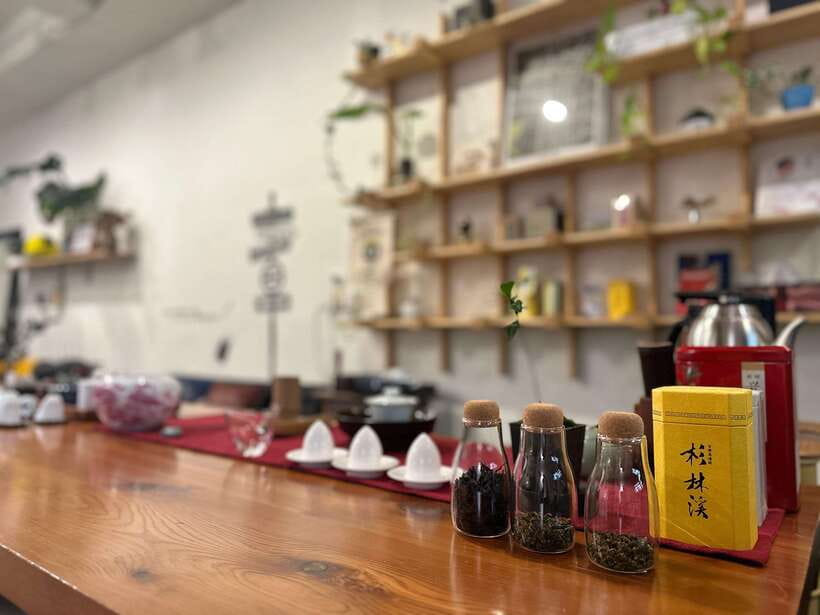
King’s role is central to the experience. He has been described as warm, funny, patient, and highly experienced with tea preparation. He speaks English clearly and answers questions from people at different levels.
That flexibility is important. Beginners can ask what may feel like obvious questions, while experienced tea drinkers can spend more time on flavor, brewing, and the differences between cups and pots. You are not left to guess what you should notice.
The conversation can also extend beyond tea. King discusses Taiwan and Tainan, and he has offered suggestions about food and places to visit. One person with a tight train schedule was able to rearrange the session time, though you should confirm any timing changes directly with him rather than assume they are always possible.
The experience may also include personal cultural touches such as calligraphy and pottery insights. One past participant even received help seeing nearby temples and hearing about them. That is not listed as a guaranteed part of the 90-minute ceremony, so treat it as a possible extra, not a promised itinerary item.
A calm pause in a busy Tainan schedule
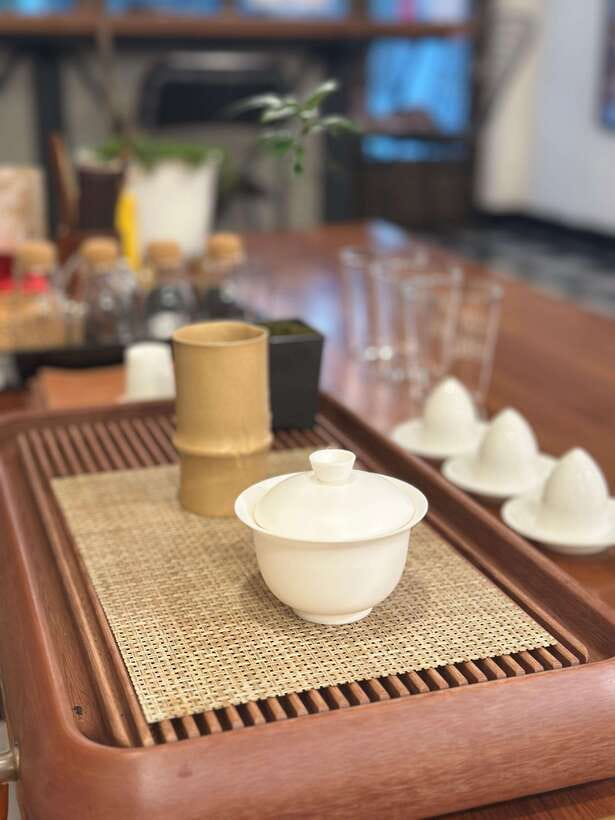
Tainan is known for food, temples, historic streets, and packed sightseeing days. A tea ceremony gives you a different kind of activity. Instead of collecting another sight, you spend time noticing aroma, temperature, texture, and small movements.
I like this as a counterpoint to a day of walking. William described feeling refreshed afterward and enjoying a walk through the city. The ceremony does not require athletic effort, and the atmosphere is designed to encourage calm and reflection.
Still, the activity is not a sightseeing tour. You will not be driven around Tainan, and transportation to the house is not included. If you want a packed schedule with several attractions, this may feel slow. If you want to understand one part of Taiwanese culture through direct experience, the slower pace is the point.
The supplied information calls the activity wheelchair accessible but also says it is not suitable for people with mobility impairments. That is a practical inconsistency. If you use a wheelchair or have specific access needs, contact the provider before booking and ask about the entrance, seating, and bathroom arrangements.
Is $50 a fair price for two people?
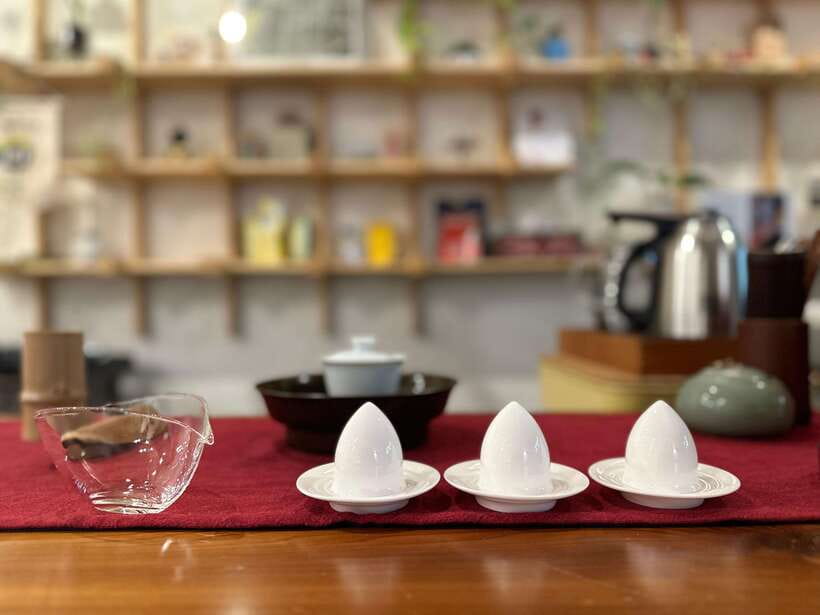
The price is $50 per private group of up to two, not $50 per person. For a couple or two friends, that means $25 each for 90 minutes of instruction, at least four tea tastings, several cup styles, and access to different brewing tools.
That is a reasonable price if you value personal teaching. A large public tasting might cost less, but it would not necessarily give you the same freedom to ask questions or compare equipment closely. You are paying for King’s time and guidance as much as for the tea.
The value is strongest for two people who will talk about the tasting together. You can compare what each person smells and tastes, then discuss which tea you would buy. For a solo visitor, the private format still offers a focused lesson, but the per-person cost is effectively the full $50.
Meals are not included, and there is no transportation. Plan for those separately when working out your Tainan budget.
Who should book this tea ceremony?
This experience suits you if you are curious about Taiwanese tea, enjoy hands-on cultural activities, or want a quiet break from sightseeing. You do not need prior tea experience. The session works for beginners, but the range of Oolongs and brewing tools also gives experienced tea drinkers something to compare.
It is especially good for:
- Couples or two friends who enjoy tasting and conversation
- Solo visitors who want a personal lesson in English
- Tea drinkers interested in buying Taiwanese Oolong
- People curious about etiquette, pottery, calligraphy, and serving traditions
- Visitors with a free 90-minute slot in Tainan
It is a weaker match if you want food, a large group atmosphere, or constant photography. Video recording is not allowed, and cellphones should be put away during the ceremony. Children under five are not suitable for the activity.
You can cancel up to 24 hours ahead for a full refund, and the reserve-now, pay-later option keeps your plans flexible. Check the available start times when booking, then message King afterward as requested.
Should you book the Tainan Oolong tea ceremony?
I would book it if you want to understand Taiwanese tea rather than simply drink it. The strongest reasons are the private format, the chance to taste four or more Oolongs, and King’s ability to connect brewing technique with everyday Taiwanese culture.
Book it before or after a busy sightseeing block, not in place of sightseeing. Arrive without strong perfume, leave your phone in your bag, and bring questions. If you approach the ceremony with patience, you will leave with more than a favorite tea. You will know how to look, smell, taste, and behave at a Chinese tea table.
FAQ
Where does the Chinese tea ceremony take place?
It takes place at the TOT House, also called the Taiwan Oolong Tea House, in southern Taiwan. The front door looks like a normal household, so press the bell when you arrive.
How long does the tea ceremony last?
The experience lasts 90 minutes. Starting times depend on availability.
How much does the experience cost?
The price is $50 per private group of up to two people.
How many teas will I taste?
You will taste at least four kinds of Oolong tea. The experience may include five different Taiwanese Oolongs.
Is the ceremony conducted in English?
Yes. The instructor, King, conducts the ceremony in English.
What tea equipment will I see?
You will use at least two brewing utensils, including a Gaiwan and terracotta teapots. You will also try at least three kinds of tea cups with different shapes and textures.
Can I record video during the ceremony?
No. Video recording is not allowed, and you should not use your cellphone during the ceremony.
Is smoking allowed?
No. Smoking is not allowed during the activity.
Are children under five allowed to attend?
No. The experience is not suitable for children under five.
Is transportation or a meal included?
No. Transportation to and from the venue and meals are not included.
Just added around Taiwan
- Xiao Long Bao, Chicken vermicelli with mushroom and sesame oil, Tofu strips salad, Bubble milk tea. Taiwan Traditional Delicacies Experience-A (Taipei Cooking Class)★ 5.0 · 8 reviews
- Xiao long bao, Pork thick soup, Bubble milk tea. (Taiwan Cooking Class)-B★ 5.0 · 18 reviews
- Taiwan Traditional Delicacies Experience, Xiao Long Bao, Chicken vermicelli with mushroom and sesame oil, Tofu strips salad, Bubble milk tea.★ 5.0 · 6 reviews
- Xiao Long Bao, Chicken vermicelli with mushroom and sesame oil, Tofu strips salad, Bubble milk tea. Taiwan Traditional Delicacies Experience-A (Taipei Cooking Class)★ 5.0 · 5 reviews
- Street Food Cooking Class in Taipei : Gua Bao/Lu Rou Fan/Boba Tea★ 5.0 · 22 reviews
- Taipei Fresh Market Tour and Colorful Bubble Tea Making★ 5.0 · 6 reviews
- Taiwanese Baking Class with Oolong Tea Tasting in Taipei★ 5.0 · 4 reviews
- Pineapple Pastry with Egg Yolk, Longan Cake, High Mountain Oolong Tea. Taiwan Traditional Dessert Experience-D (Taipei Cooking Class)★ 5.0 · 2 reviews
Chinese Tea Ceremony Tours, compared.

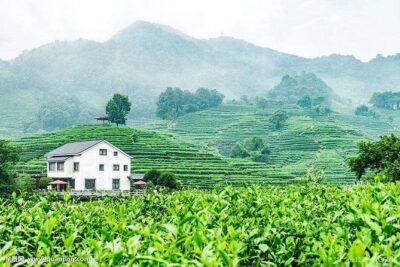
One-Day Hangzhou Dragon Well Tea Culture & West Lake Private Tour
Read our review →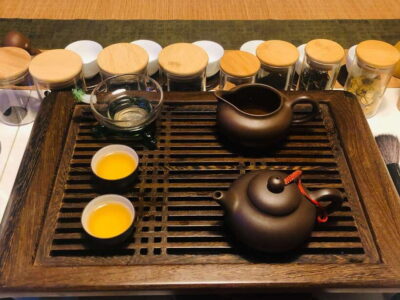
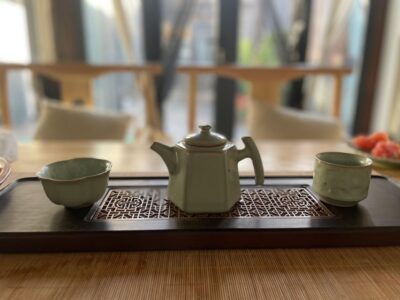
Chinese Tea ceremony in Beijing Hutong courtyard
Read our review →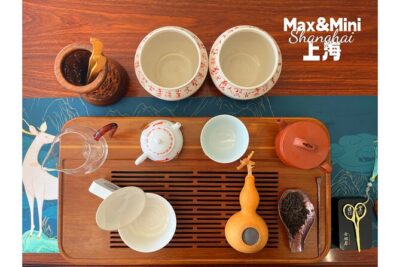
Unlock Chinese Tea: Culture, Science, Tasting & Hands-on Brewing
Read our review →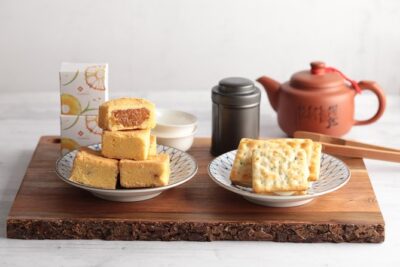
Taiwanese Baking Class with Oolong Tea Tasting in Taipei
Read our review →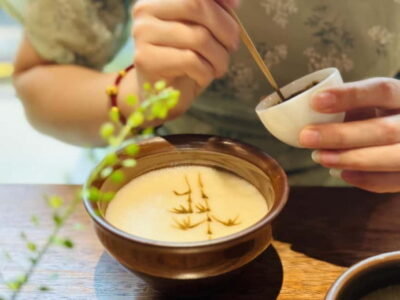
Browse the lists this tour appears in