
Review · SHANGHAI
Unlock Chinese Tea: Culture, Science, Tasting & Hands-on Brewing
Tea tells China’s story one cup at a time. This Shanghai workshop turns that idea into a practical afternoon of tasting, history, science, and brewing. I like the small group limit of seven, which gives Max time to answer questions, and I like the hands-on use of gaiwans and clay pots rather than a talk where you only watch. The main consideration is the price: at $72 per person, this is more costly than simply visiting a tea shop, so it suits curious learners more than casual sightseers.
The session lasts about two and a half hours in a private, air-conditioned tea room near Shanghai’s Old Town. Max leads every session, drawing on his work as a former PayPal ESG lead and senior trainer, along with his training as a certified English guide. Expect a focused class rather than a general city tour, with several teas, snacks, and plenty of conversation.
What makes this Shanghai tea workshop worth your time
- Five or more Chinese teas to taste and compare, with attention to flavor, aroma, color, and processing.
- A clear look at China’s six main tea categories, including green, black, and oolong tea.
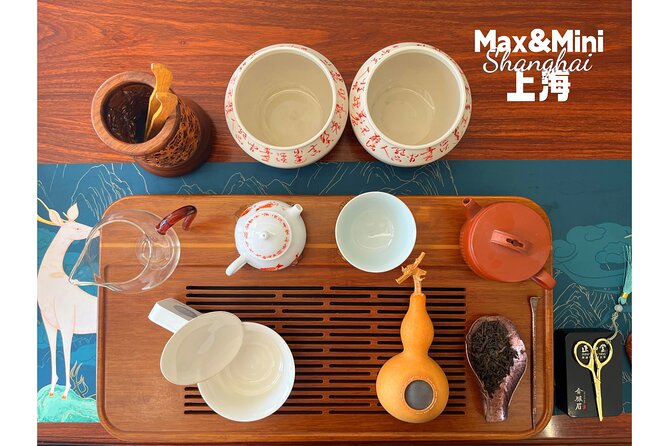
- Hands-on brewing with traditional tea ware, such as a gaiwan and clay pots.
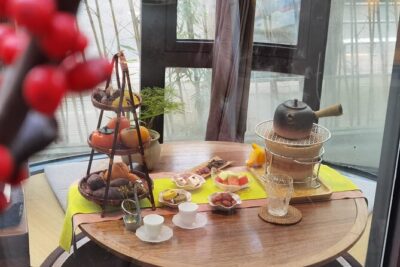
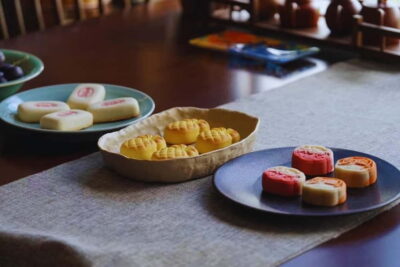
- Tea snacks and seasonal fruit, including pomelo, served alongside the tasting.
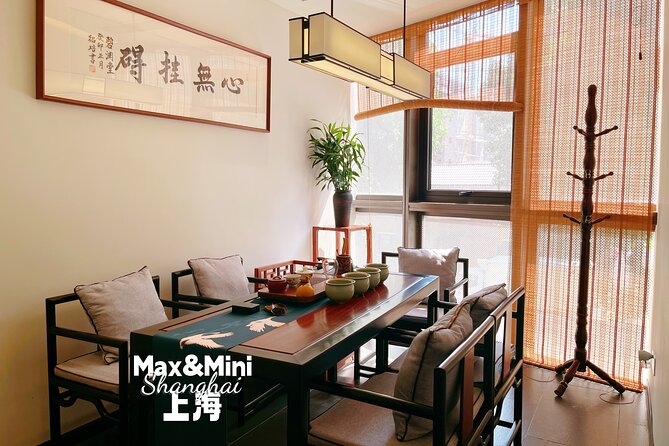
- A private room near Shanghai’s Old Town, with air conditioning and practice equipment.
- A very small group, capped at seven people, with occasional one-to-one sessions when scheduling allows.
Starting near Shanghai’s Old Town
The experience begins at Ninghai Guesthouse, listed at 149 Nong, 100 Nanchezhan Road, Huangpu District, Shanghai. The activity returns to this same meeting point, so you will not need to arrange a separate pickup at the end.
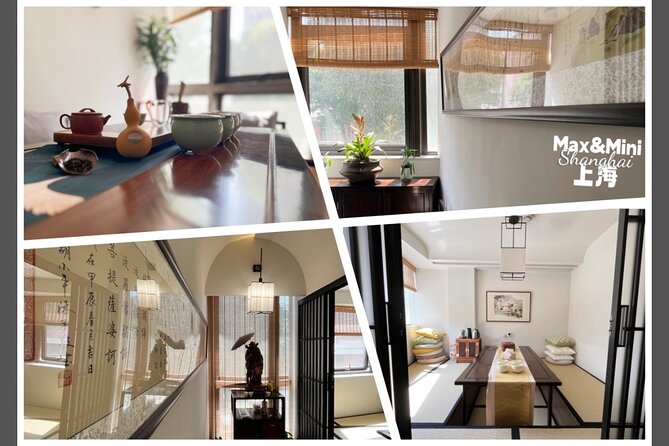
The setting matters here. You are not being led around several commercial tea shops while someone urges you to buy a gift box. Instead, the main activity takes place in a private, cozy tea room with brewing equipment ready for practice. The room has air conditioning, a useful detail during Shanghai’s warmer months.
The meeting point is near public transportation, but the supplied address is written in both Chinese and English transliteration. I would keep the Chinese address available on your phone and allow extra time to find the exact entrance. Mobile tickets are accepted, and confirmation is sent when you book.
The itinerary identifies Old Town as the stop, but this is not a walking tour of major historic sights. The neighborhood provides the Shanghai setting, while the tea room provides the main event. If you want temples, markets, or street photography, plan those separately.
More Chinese Tea Ceremonies in China
- One-Day Hangzhou Dragon Well Tea Culture & West Lake Private Tour
★ 5.0 · 98 reviews - Traditional Chinese Tea Ceremony Experience
★ 4.7 · 74 reviews - Authentic Hangzhou Longjing Tea Culture Experience Tour
★ 5.0 · 32 reviews
Max’s teaching style and the small-group advantage
Max is the sole guide for this experience. His background as a senior trainer helps explain the workshop’s organized, instructional feel. He is not simply pouring tea and naming each sample. He explains what you are tasting, why it tastes that way, and how the brewing method affects the result.
That teaching style suits you if you enjoy asking questions. Past sessions have included both groups and one-to-one appointments, and the format allows the pace to shift. Beginners can ask basic questions without feeling out of place, while experienced tea drinkers can discuss technique and compare ideas with Max.
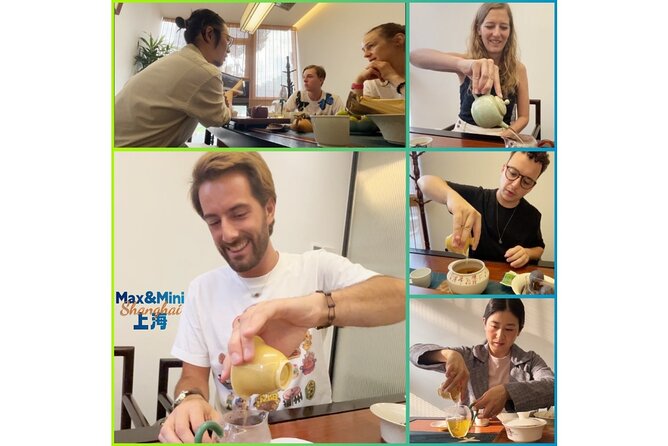
The maximum group size is seven. That is small enough for everyone to handle tea ware and receive individual guidance. It also creates a quieter setting than a large food tour or a crowded shop demonstration.
Still, the intimate format can make the session feel more like a class than entertainment. If you prefer a quick tasting with little explanation, two and a half hours may seem long. If you want to understand Chinese tea and leave with skills you can use, the length is one of the main benefits.
Tasting five or more teas side by side
The tasting is the heart of the workshop. You sample different Chinese teas and compare their most typical qualities. The exact selection can vary, but the session covers several tea styles and explains how their processing changes the final cup.
You may pay attention to:
- Leaf shape and appearance
- Liquor color
- Aroma before and after brewing
- Bitterness, sweetness, body, and finish
- How the same tea changes with water, time, and technique
This comparison is far more useful than tasting one tea in isolation. Green tea may seem light beside a darker tea, while oolong can show a wider range of aromas and texture. Black tea offers another point of comparison, especially for people who know it mainly from Western-style tea bags.
The session introduces China’s six major tea categories. The supplied information specifically identifies green, black, and oolong tea, along with other categories covered during the workshop. You learn that these names are not just labels on a menu. Processing, oxidation, shaping, drying, and roasting all influence what reaches your cup.
The workshop also connects tasting to basic science. You are not expected to memorize technical terms, but Max explains the reasons behind differences in flavor and appearance. That makes the tasting more useful after you leave. You can begin to ask better questions when buying tea, instead of choosing only by package design or price.
From medicinal herb to daily drink
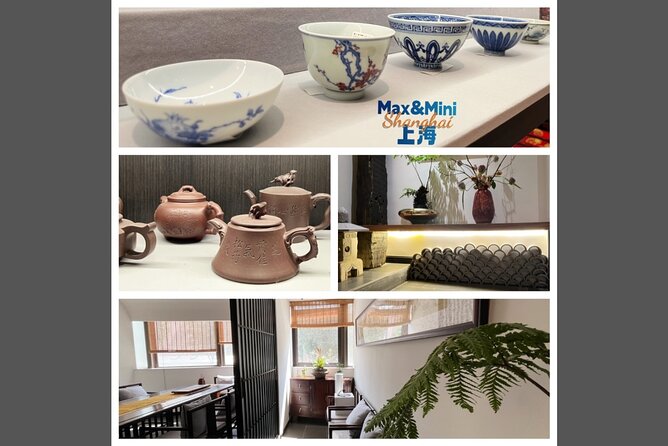
The history portion follows tea’s changing role in China. The workshop explains how tea began as an herb and developed into an everyday drink across different Chinese dynasties.
This is a helpful framework because tea is not only a beverage in China. It connects to hospitality, daily routines, regional habits, etiquette, and social customs. A lesson on tea therefore gives you a small but meaningful way to understand Chinese culture.
The historical section is presented alongside the tasting, not as a separate lecture. As you sample each type, you can place it within the larger story of Chinese tea production and use. That combination keeps the information grounded in something you can see, smell, and taste.
I would especially recommend this part to anyone who has already visited tea shops in Shanghai and felt unsure what they were seeing. The workshop gives you a vocabulary for understanding those displays. You can distinguish categories, ask how a tea was processed, and recognize why two teas with similar leaves may taste very different.
Same place, a different pot:
- Tea Tasting and Pairing Concept Workshop
★ 5.0 · 57 reviews - Beijing Culture: Tea Ceremony, Heritage Instrument & Calligraphy
★ 5.0 · 57 reviews - Biking Real Shanghai& Tea Tasting Experience
★ 4.5 · 45 reviews - Tea Village in lost Town and Buddha 1 day tour
★ 5.0 · 32 reviews
Learning with gaiwans and clay pots
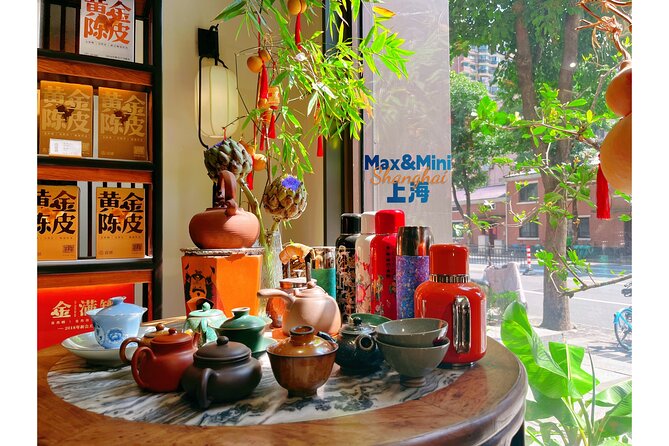
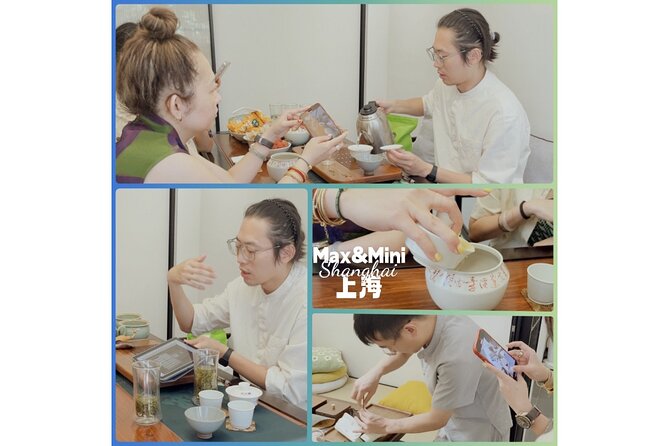
The most practical section is the brewing practice. You use traditional tea ware, including a gaiwan and clay pots, and learn how to handle the equipment.
A gaiwan is a lidded bowl used for brewing and pouring tea. It can look simple, but the first attempt may feel awkward. The lid, hot water, leaves, and pouring motion all require a little coordination. Practicing in the tea room lets you make mistakes without wasting a precious tea set at home.
Clay pots provide another point of comparison. Different tea ware can affect the brewing process and the way you experience a tea. Max explains the purpose of the equipment and demonstrates the associated etiquette.
The value here is practical. You are not just collecting facts about Chinese tea. You are building confidence with a brewing style you can repeat later. One of the strongest reasons to book this workshop is that the instruction is designed to continue helping you after the Shanghai visit.
The class is also interactive. You listen, watch, handle the tea ware, pour, taste, and ask questions. That learn-by-doing approach is better suited to most people than a long explanation without practice.
Tea snacks, pomelo, and the social side of the cup
Tea is served with snacks, including seasonal fruit such as pomelo. The snacks are not a major meal, so you should arrive expecting a tasting accompaniment rather than lunch or dinner.
They do add useful context. Tea snacks show how food and tea work together, and tasting fruit between samples gives you another way to notice how your palate changes. The simple act of sharing tea and snacks also reflects the social side of Chinese tea culture.
The included refreshments are listed as coffee and/or tea, with Chinese teas forming the main focus. If you have dietary restrictions, the supplied details do not specify a full snack menu, so ask Max before booking if that matters to you.
Is $72 a fair price?
At $72 per person, the workshop is not the cheapest way to drink tea in Shanghai. You could order tea at a local shop for much less. The question is what you want from the afternoon.
The fee includes the tea tasting, snacks, private room, brewing equipment, and Max’s instruction. You are paying for guided comparison, cultural background, and personal practice, not only for the drinks. With a group of no more than seven, the cost also buys access to a teacher who can respond to your questions.
I see the strongest value for people who have a real interest in tea, food culture, or Chinese customs. It is also a good choice if you want one polished indoor activity during a busy Shanghai itinerary.
The value is weaker if you are looking only for a short cultural photo stop. This is a two-and-a-half-hour commitment, and the experience rewards attention. You should be ready to listen, taste several samples, and practice brewing.
Group discounts are available, which can improve the price for friends or family traveling together. Tips are not included. You can leave one if Max provides the kind of thoughtful instruction you appreciate.
Who should book this experience?
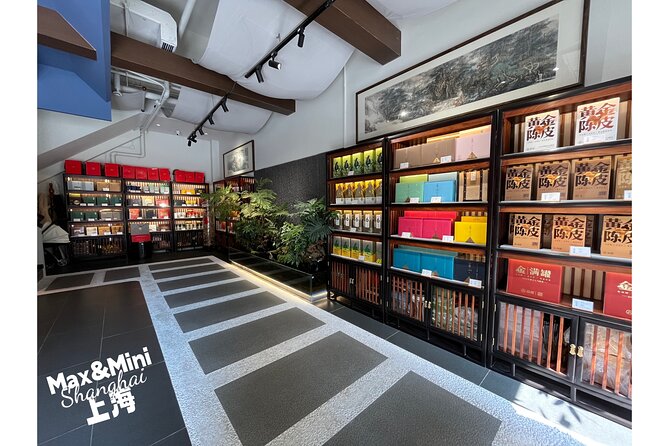
I would choose this workshop for:
- First-time tea drinkers who want a friendly introduction
- Tea lovers who want more confidence with Chinese varieties
- Visitors curious about Chinese customs beyond major attractions
- Couples, friends, or families who prefer a quiet indoor activity
- Solo visitors who enjoy conversation and structured learning
- Locals looking for an unusual cultural afternoon
It is less suitable if you want a sightseeing tour through Shanghai, a full meal, or a fast tasting with no teaching. It is also not the best fit for anyone who dislikes sitting in one place for an extended session.
The English-language format is important. Max’s role as a certified English guide makes the cultural explanations accessible to international visitors. You can ask about history, brewing, etiquette, and flavor without relying on translated labels.
Practical details before you go
The experience lasts approximately two hours and thirty minutes. It begins and ends at the listed meeting point near Shanghai’s Old Town.
The maximum group size is seven, though the format can sometimes be arranged as a one-to-one session. Confirmation arrives at booking, and a mobile ticket is accepted. Service animals are allowed, and the meeting point is near public transportation.
Free cancellation applies when you cancel at least 24 hours before the local start time. Cancellations within 24 hours are not refunded, and changes during that period are not accepted.
Bring your curiosity rather than special equipment. The tea ware is provided for the practice session. Since the experience includes several samples, snacks, and a fair amount of explanation, avoid scheduling it when you need to rush to another appointment.
Should you book Max’s tea workshop?
Book it if you want to understand Chinese tea rather than simply drink it. The strongest parts are Max’s clear instruction, the small group, the comparison of several tea types, and the chance to brew with traditional equipment yourself.
At $72, this is a specialist experience, not a bargain beverage stop. Yet for the right visitor, it offers more lasting value than a standard tasting because you leave with a clearer sense of tea categories, processing, etiquette, and technique.
I would put it high on the list for tea enthusiasts, culturally curious visitors, and anyone who wants a calm, thoughtful break from Shanghai’s busy streets. Skip it only if your schedule is tight or your interest ends after the first cup.
FAQ
Where does the Chinese tea workshop begin?
It begins at Ninghai Guesthouse, 149 Nong, 100 Nanchezhan Road, Huangpu District, Shanghai. The Chinese address is also provided as 宁海招待所, China, Shanghai, Huangpu District, 南车站路149弄100号.
Where does the activity end?
The activity ends back at the same meeting point.
How long does the experience last?
The workshop lasts approximately two hours and thirty minutes.
How many people can join?
The maximum group size is seven participants.
Who leads the workshop?
Max leads the workshop. He is a certified English guide, former PayPal ESG lead and senior trainer, and a specialist in Chinese tea and culture.
What teas will be included?
You will taste several Chinese teas, including examples from the country’s six major tea categories. Green, black, and oolong teas are specifically included among the styles discussed.
Is brewing equipment provided?
Yes. The private tea room includes practice tea ware, such as a gaiwan and clay pots, for the hands-on brewing portion.
Are snacks included?
Yes. Snacks are included, along with tea and/or coffee. Seasonal fruit such as pomelo may be served.
Can I cancel for a refund?
Yes, if you cancel at least 24 hours before the experience’s local start time. Cancellations or changes made within 24 hours are not refunded or accepted.
More Food and Drink Tours in China
- Shanghai 3-Hour Afternoon Tea Tasting and Dessert Tour
★ 4.9 · 15 reviews - Private Shanghai City and Zhujiajiao Combo Tour with Boating, Tea Tasting, Lunch
★ 5.0 · 15 reviews - 3-hour Morning/Afternoon Tea Tasting on Maliandao Street & Dimsum
★ 5.0 · 7 reviews - Puer Tea Picking and Tasting | 6 Hour Morning Trip
★ 5.0 · 7 reviews
More Breweries in China
- Tea Tasting & Brewing Experience
★ 5.0 · 10 reviews - Istanbul: World Teas & Turkish Tea Brewing, Tasting Workshop
★ 4.8 · 29 reviews - World Teas and Turkish Tea Brewing & Tasting Workshop in Istanbul
★ 5.0 · 5 reviews
Just added around China
- Full-day Tour: Spectacular Sunrise, Tea Plantation & Sunset★ 5.0 · 3 reviews
- Chinese Tea Ceremony Experience★ 5.0 · 3 reviews
- Shanghai Mahjong Experience in Local Tea Bar★ 5.0 · 4 reviews
- Private Tour Hangzhou West Lake and Tea Fields Discovery★ 5.0 · 3 reviews
- Half-Day Hangzhou Jiuxi Stream and Tea Plantation Experience★ 5.0 · 2 reviews
- Hangzhou West Lake and Tea Plantation Half Day Tour★ 5.0 · 4 reviews
- Private Hangzhou Day Tour to West Lake, Lingyin Temple, Tea Village, Old Pagoda★ 5.0 · 17 reviews
- Half-Day Hangzhou Tianzhu Buddhist Mountain Hiking Tour with Green Tea Village★ 5.0 · 2 reviews
Chinese Tea Ceremonies in China, compared.

One-Day Hangzhou Dragon Well Tea Culture & West Lake Private Tour
Read our review →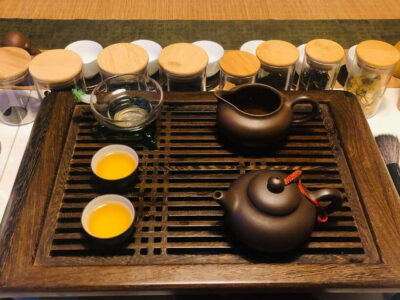

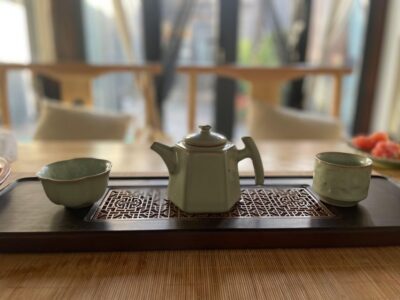
Chinese Tea ceremony in Beijing Hutong courtyard
Read our review →
Beijing:Learn Calligraphy & Enjoy Kung Fu Tea Ceremony
Read our review →Browse the lists this tour appears in