Review · BEIJING
Beijing:Learn Calligraphy & Enjoy Kung Fu Tea Ceremony
Tea and brushwork reveal another Beijing.
This two-hour cultural class gives you a quiet, hands-on look at Chinese tradition, either through a Kung Fu Tea Ceremony or Chinese calligraphy. I like the English-speaking instruction, which lets you ask real questions without depending on a translator. I also like that the calligraphy option ends with your own artwork to take home, while the tea class includes tastings, snacks, and a close look at Chinese tea tools.
The main drawback is simple: you must choose between tea and calligraphy. You do not get a full lesson in both during the same booking. The meeting point also changes by option, so check your confirmation carefully before setting out.
Key details at a glance
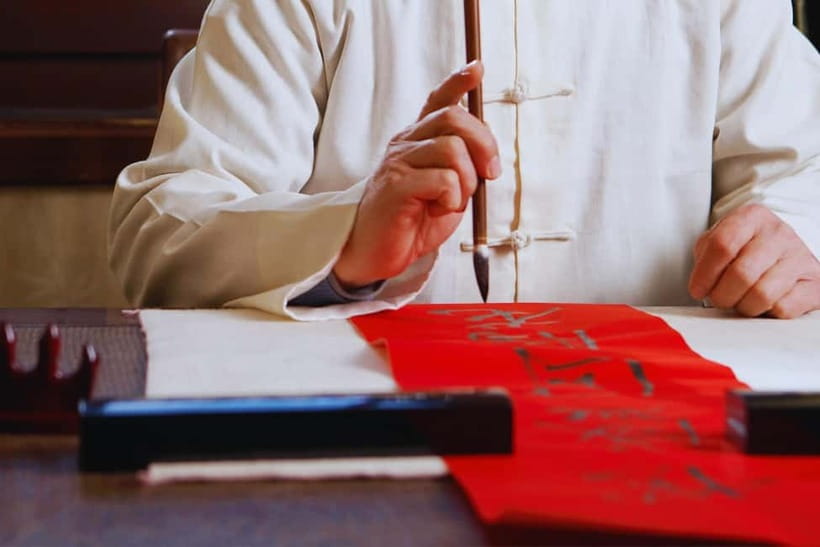
- Two focused choices: Pick a two-hour Kung Fu Tea Ceremony or a one to two-hour Chinese calligraphy class.
- English-speaking teachers: Instruction is provided in English and Chinese, with certified or professional English-speaking instructors.
- Hands-on learning: Brew and taste tea, handle traditional utensils, or practice with brush, ink, paper, and inkstone.
- A personal souvenir: The calligraphy class includes a scroll or artwork that you create yourself.
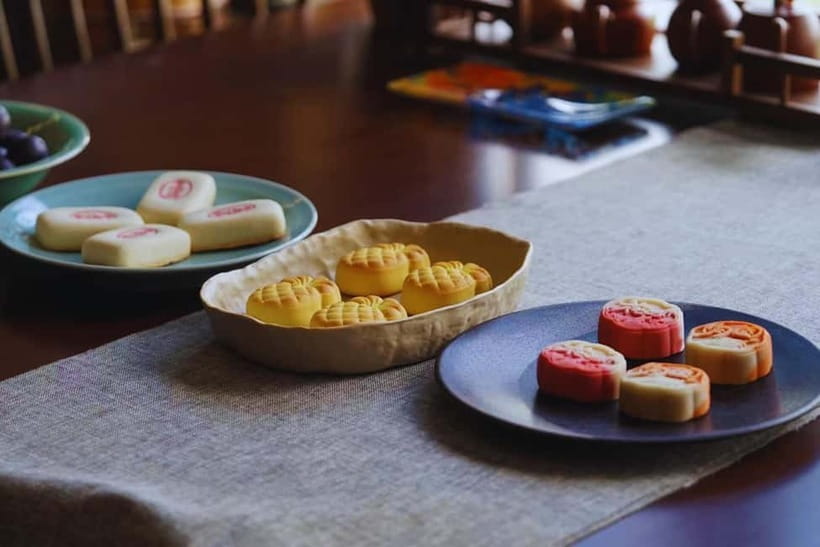
- Tea and snacks included: Both options include traditional Chinese tea and local snacks.
- Good value at $48: The price covers instruction, materials, tea, snacks, and the class itself, but not transportation or personal spending.
Choosing between tea and calligraphy
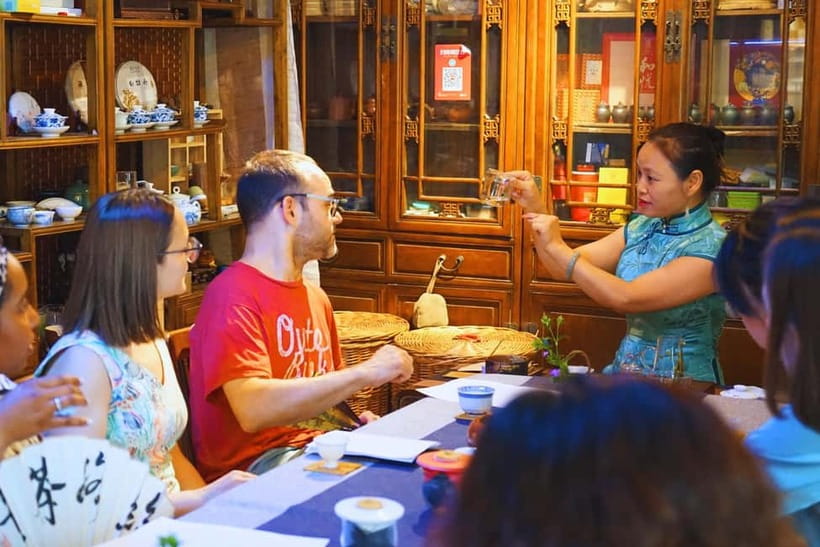
The first decision is the most important one. This is not a broad sightseeing tour with a short demonstration tacked on. You choose one cultural subject and spend the session working with it.
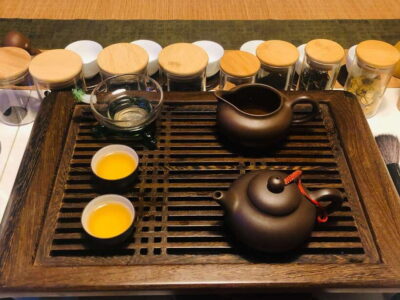
Pick the Kung Fu Tea Ceremony if you enjoy tasting, comparing, and asking questions about food or drink. You learn about the six major types of Chinese tea, how tea is stored and classified, and how brewing changes the final cup. You also examine the tools used to prepare tea, from simple gaiwans to more elaborate Yixing teapots.
Pick calligraphy if you want an activity that produces something tangible. You learn about the brush, ink, paper, and inkstone, then practice writing Chinese characters with guidance from an English-speaking teacher. The finished piece gives you a useful souvenir because it records your own effort, not just a picture of a famous place.
Both options take place in a traditional cultural setting rather than a large attraction. That matters. You are not rushing between monuments or watching a performance from the back of a crowd. The class gives you time to handle objects, make mistakes, and ask why a custom works the way it does.
More Chinese Tea Ceremonies in China
- Traditional Chinese Tea Ceremony Experience
★ 4.7 · 74 reviews - Chinese Tea ceremony in Beijing Hutong courtyard
★ 4.7 · 26 reviews - Traditional Chinese Tea Ceremony Experience
★ 5.0 · 7 reviews
What happens in the Kung Fu Tea Ceremony
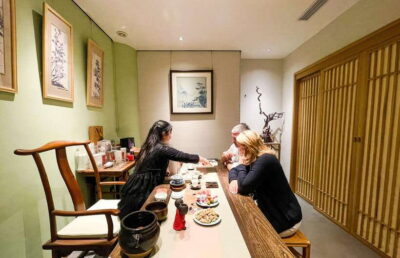
The tea session begins in a traditional tea space filled with the objects that make Chinese tea culture so visually appealing: teapots, cups, tea leaves, and brewing equipment. The room itself helps set the mood, but the real value comes from using the tools instead of simply looking at them.
Your teacher introduces the six main categories of Chinese tea. The class also covers storage, classification, and brewing methods. These subjects may sound technical, but they answer practical questions you might already have. Why are some teas kept in certain conditions? Why do two teas need different water or brewing times? How does a gaiwan differ from a Yixing teapot?
You taste several teas during the session. One verified five-star response praised the chance to sample many interesting teas and gain a large amount of useful information from the teacher. That combination is important. Tasting alone can be pleasant but vague. Explanation alone can feel like a lecture. Here, the two are paired.
The instructor also explains how tea is bought, consumed, and appreciated in Chinese society. That wider context turns a cup of tea into a way to understand daily life and social customs. You are not only learning how to pour tea. You are learning why the equipment, preparation, and setting matter.
The class includes tea leaves, ingredients, traditional tea, and snacks, so you do not need to budget for a separate tasting. Personal purchases are not included, and you should not assume the session includes a full meal. Lunch and dinner are specifically outside the price.
A small practical point: tea involves hot water, small cups, and careful pouring. Comfortable clothing is recommended, and a relaxed pace will serve you better than trying to photograph every step. Smoking is not allowed.
Why the tea tools matter
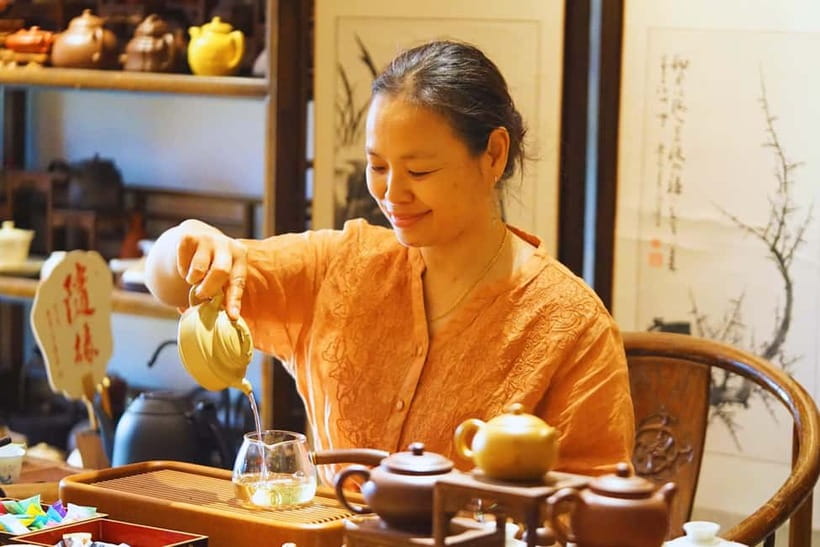
A highlight of the tea option is the look at Chinese utensils. A gaiwan is a lidded bowl used to steep and pour tea, while Yixing teapots are associated with a particular style of tea preparation and clay craftsmanship. You may not leave as a tea collector, but you should leave with a better eye for the tools displayed in Beijing tea shops.
This is also where the English-speaking teacher makes a real difference. You can ask about unfamiliar terms, compare teas, and request an explanation when the technique moves too quickly. The instructors speak English and Chinese, and the experience is designed for people with no previous tea training.
If you already know a lot about tea, expect a beginner-friendly introduction rather than an advanced certification course. The class covers a broad set of topics in about two hours. Its strength is access and clarity, not specialist depth.
What happens in the Chinese calligraphy class
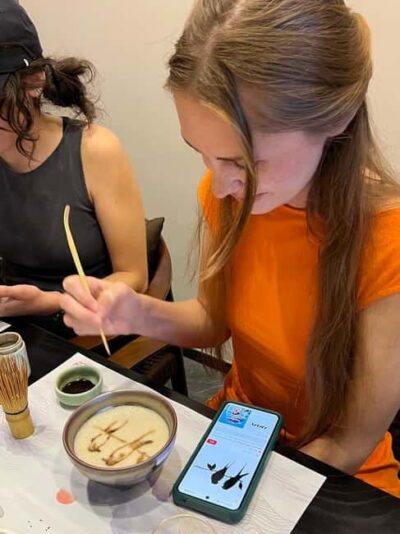
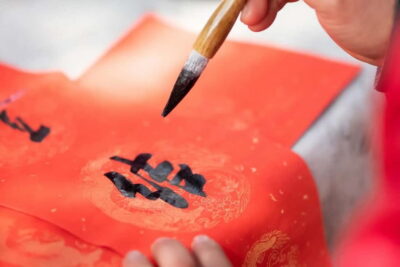
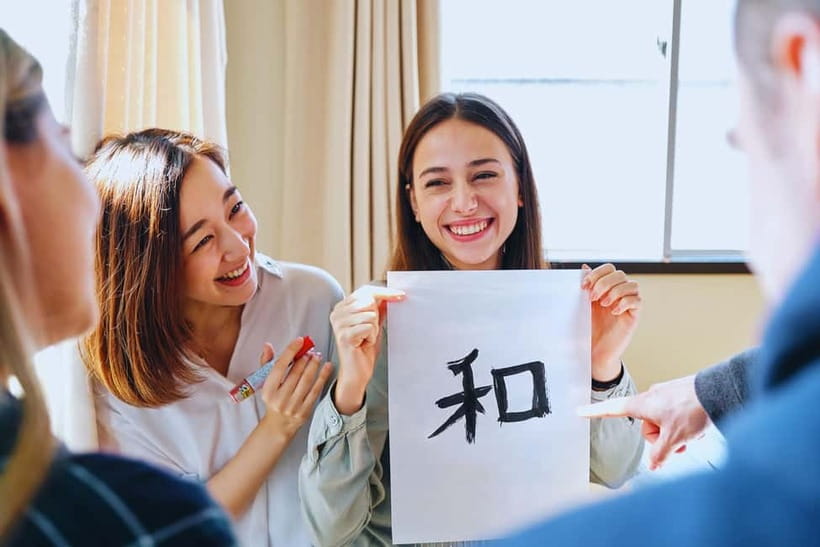
The calligraphy option begins by introducing the four basic tools used in the class: brush, ink, paper, and inkstone. You learn how these materials fit together and why calligraphy is treated as more than ordinary handwriting.
The teacher discusses the history and cultural role of Chinese calligraphy, then moves into technique. You practice handling the brush and forming Chinese characters under direct guidance. For many people, the hardest part will be slowing down. The brush responds to pressure, angle, and movement in ways that a ballpoint pen does not.
The class is suitable for beginners, so you do not need to know Chinese or have prior art experience. You may find that your first attempts look uneven. That is part of the point. The lesson gives you a chance to understand the discipline through your own hand instead of only seeing finished examples.
The instructor speaks excellent English, which is useful here because small corrections matter. You can ask how to hold the brush, where to begin a stroke, or how the parts of a character fit together. A translated demonstration might give you the basic steps, but direct conversation makes it easier to understand the reasons behind them.
At the end, you create a calligraphy scroll or artwork to take home. It will not be a museum piece, and the class does not promise professional mastery in one sitting. Still, it is a more personal souvenir than a standard shop purchase. You made it during a lesson tied to your time in Beijing.
The stated calligraphy instruction lasts one to two hours, while the overall experience is described as two hours. Allow the full two hours so you are not watching the clock during practice.
More Tea Ceremonies in China
- Beijing Culture: Tea Ceremony, Heritage Instrument & Calligraphy
★ 5.0 · 57 reviews - Beijing Culture Event: Tradition Music, Tea Ceremony, Calligraphy
★ 5.0 · 11 reviews - Beijing: Temple Of Heaven+Tai Chi Class+Tea Ceremony
★ 5.0 · 8 reviews - Beijing Tai Chi and Tea Ceremony Experience
★ 5.0 · 4 reviews
The setting and the teaching style
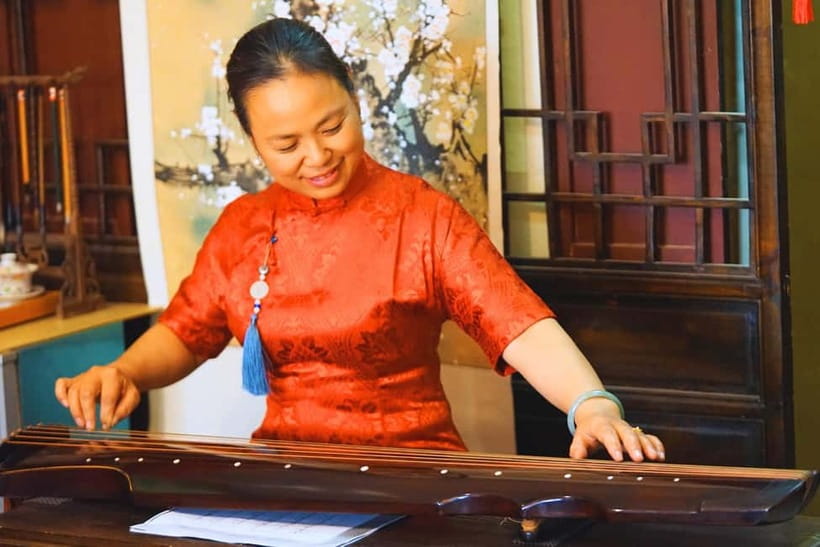
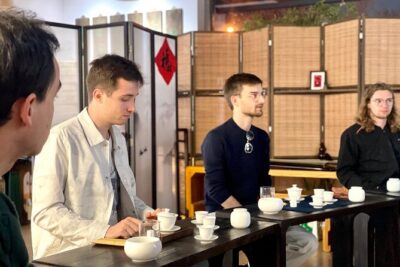
The room is part of the experience. In the tea option, you can expect a traditional tea space with rows of teapots, cups, and teas. One especially warm account described the room as having good energy and a welcoming atmosphere, with Charlotte providing a friendly reception and answering many questions.
That detail points to the tone you should expect: personal and conversational rather than formal and distant. You are encouraged to be curious. If you have wondered how tea is classified or why calligraphy tools have four specific names, this is the place to ask.
The teacher is central to the value of the class. Both options use professional English-speaking instruction, and the tea option is led by a certified tea instructor. This is a stronger fit for international visitors than a demonstration conducted mainly in Chinese with occasional translation.
Group size is not specified, so I would not book this expecting a private lesson unless your confirmation says so. The activity is suitable for solo visitors, couples, families, and small groups. Children under five are not permitted.
Is $48 a fair price?
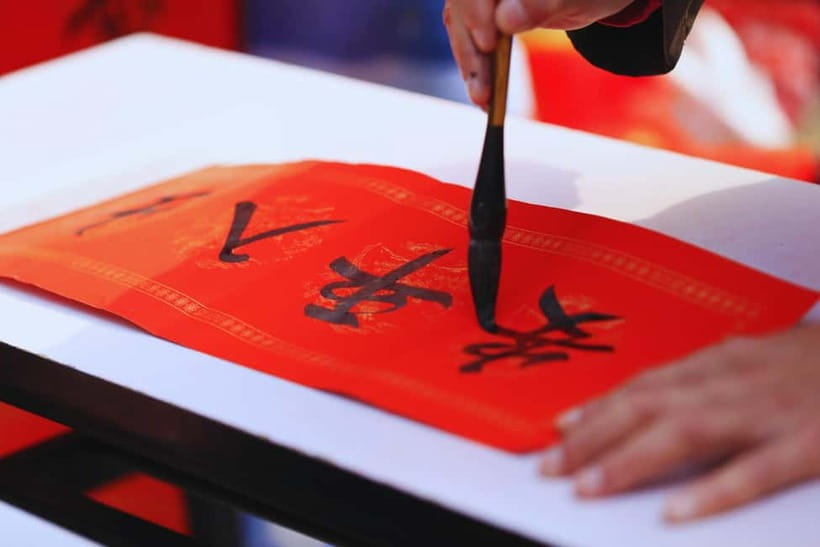
At $48 per person, the price is reasonable for a two-hour cultural class in Beijing, particularly because the essential materials and refreshments are included. In the tea option, you receive instruction, tea leaves, ingredients, tea, snacks, and use of the tea equipment during the class.
The calligraphy option offers a different kind of value. Your fee includes the teacher, practice materials, tea, snacks, and a piece of artwork you create. If you were to buy calligraphy materials and arrange instruction separately, you would also need to spend time finding an English-speaking teacher and a suitable cultural space.
The price does not cover transportation, hotel transfers, lunch, dinner, tips, or personal expenses. That keeps the headline cost clear, but you should add the price of getting to the meeting point. Since the meeting location may differ according to the option you select, check the exact details before planning your Beijing day.
This is not the best choice if you want a cheap snack stop or a quick photo opportunity. It is a good buy if you place value on instruction, conversation, and active participation.
Planning your two hours
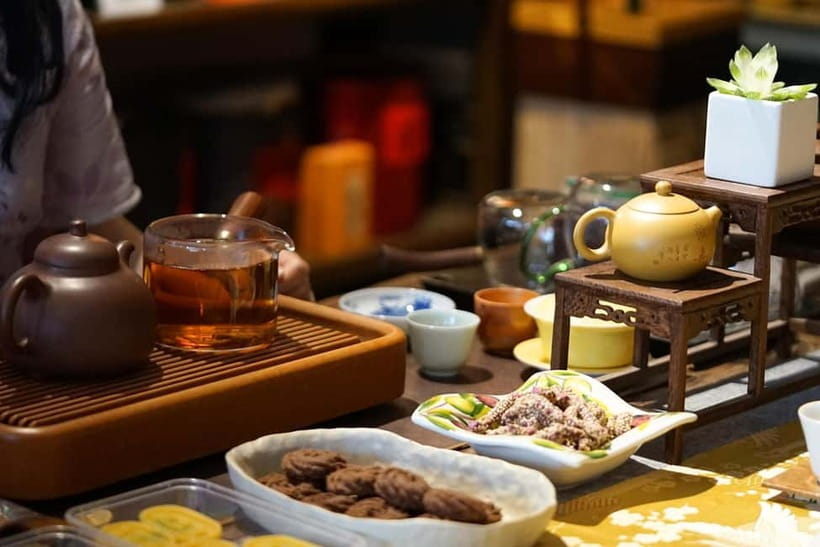
Wear comfortable clothing. You do not need special equipment, and all tea or calligraphy materials are provided. Avoid planning a tight appointment immediately afterward, especially if you want time to ask questions or finish your artwork without rushing.
The experience is wheelchair accessible, which is useful for visitors who need step-free access. Exact meeting arrangements still need attention because the location varies by option.
You can reserve now and pay later, which helps if your Beijing schedule is still changing. Free cancellation is available up to 24 hours in advance for a full refund. Those terms are practical, but the more important planning detail is choosing the correct option and confirming its meeting point.
Because the session is indoors and focused, it can work well during a hot, cold, or rainy Beijing day. It also fits nicely between major sightseeing stops, though transportation time is not included in the two-hour duration.
Who will enjoy this experience most?
I would recommend the tea option to anyone curious about Chinese food culture, especially if you like tasting several varieties and comparing preparation methods. It is also a good choice for couples or friends who want an easy activity with plenty of conversation.
The calligraphy class suits people who want to make something. It can be a thoughtful choice for families with older children, couples, or solo visitors looking for a quieter creative hour. Since children under five are not allowed, this is not a preschool activity.
You do not need Chinese language skills, art training, or tea experience. Beginners are welcome in both choices. If you already practice calligraphy or know a great deal about tea, you may find the class introductory, but you can still use the teacher’s English ability to ask more detailed questions.
The experience may be less suitable for anyone who wants a packed sightseeing schedule. Two hours is a meaningful amount of time, and the reward comes from slowing down.
My final recommendation
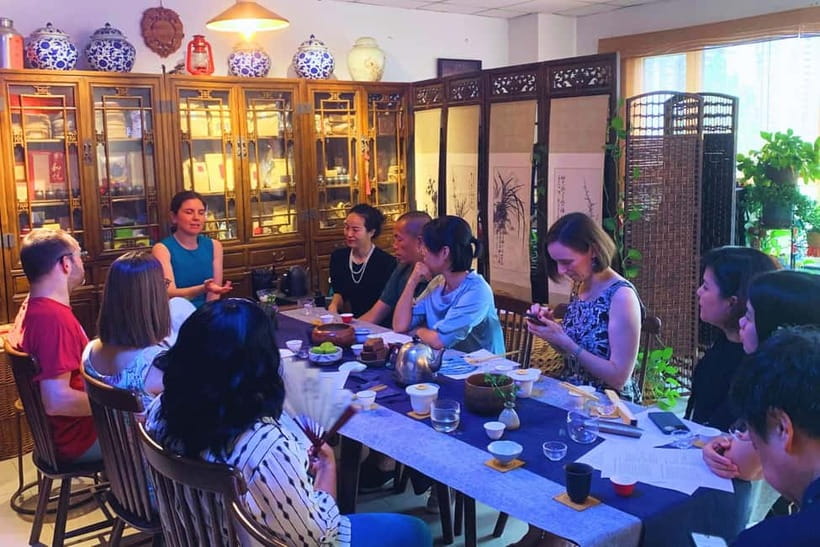
I would book this for a first visit to Beijing when you want more than landmarks and photographs. The English-speaking instruction, traditional setting, included refreshments, and hands-on format give you a clear way into Chinese culture without requiring prior knowledge.
Choose tea if you want variety, tasting, and a closer look at brewing tools. Choose calligraphy if you want a personal keepsake and a patient introduction to brushwork. At $48, both are fair-value choices, but check the meeting point and remember that you are selecting one class, not both.
FAQ
How long does the experience last?
The experience lasts two hours. The calligraphy instruction is described as lasting one to two hours, while the tea ceremony is a two-hour course.
Can I choose between tea and calligraphy?
Yes. You can select either the Chinese Kung Fu Tea Ceremony or the Chinese calligraphy experience with tea and snacks.
Is the class taught in English?
Yes. The instructors speak English and Chinese. The tea option includes a certified English-speaking tea instructor, and the calligraphy class is led by a professional Chinese teacher who speaks excellent English.
Are tea and snacks included?
Yes. Both options include traditional Chinese tea and local snacks. The tea option also includes the tea leaves and ingredients used during the class.
Do I get to take anything home?
The calligraphy option includes a calligraphy scroll or artwork that you create during the class. The tea option is focused on learning, tasting, and using the tea equipment.
Is transportation included?
No. Transportation and hotel transfers are not included. The meeting point may vary depending on the option you book, so check the details for your selected class.
More Chinese Tea Ceremonies in Beijing
- One-Day Hangzhou Dragon Well Tea Culture & West Lake Private Tour
★ 5.0 · 98 reviews - Authentic Hangzhou Longjing Tea Culture Experience Tour
★ 5.0 · 32 reviews - Tainan Culture Trip: Chinese Tea Ceremony_Oolong Tea
★ 5.0 · 29 reviews - Unlock Chinese Tea: Culture, Science, Tasting & Hands-on Brewing
★ 5.0 · 12 reviews
More Tea Ceremonies in Beijing
- Beijing: Chinese Culture Tea Ceremony Reservation Service
★ 4.8 · 4 reviews - Private Beijing Spiritual Tour with Lunch and Tea Ceremony
★ 5.0 · 2 reviews - Kyoto: Tea Ceremony in a Traditional Tea House in Kiyomizu
★ 4.9 · 3,519 reviews - Kyoto: Tea Ceremony Ju-An at Jotokuji Temple
★ 4.9 · 3,207 reviews
Just added around Beijing
- Private Tour to the Temple of Heaven and Tea tasting at the Maliandao Tea city★ 5.0 · 3 reviews
- Traditional Chinese Tea Ceremony Experience★ 5.0 · 7 reviews
- Beijing Tai Chi and Tea Ceremony Experience★ 5.0 · 4 reviews
- Private Beijing Spiritual Tour with Lunch and Tea Ceremony★ 5.0 · 2 reviews
- Temple of Heaven Private Tour and Tea Tasting at Maliandao Tea Street★ 5.0 · 2 reviews
- 3-hour Morning/Afternoon Tea Tasting on Maliandao Street & Dimsum★ 5.0 · 7 reviews
- 3-Hour Private Hutong Walking Tour with Drum Show at Drum Tower and Tea Tasting★ 5.0 · 3 reviews
- Beijing: Chinese Culture Tea Ceremony Reservation Service★ 4.8 · 4 reviews
Tea Ceremonies in China, compared.
Beijing Culture: Tea Ceremony, Heritage Instrument & Calligraphy
Read our review →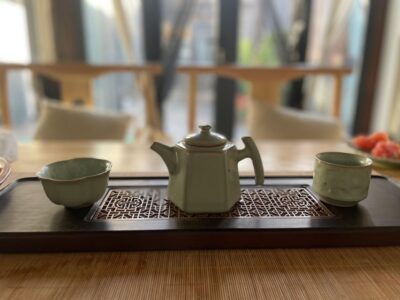
Chinese Tea ceremony in Beijing Hutong courtyard
Read our review →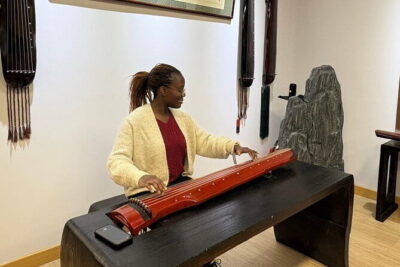
Beijing Culture Event: Tradition Music, Tea Ceremony, Calligraphy
Read our review →