
Review · TOKYO
Tokyo: Matcha and Kimono Experience
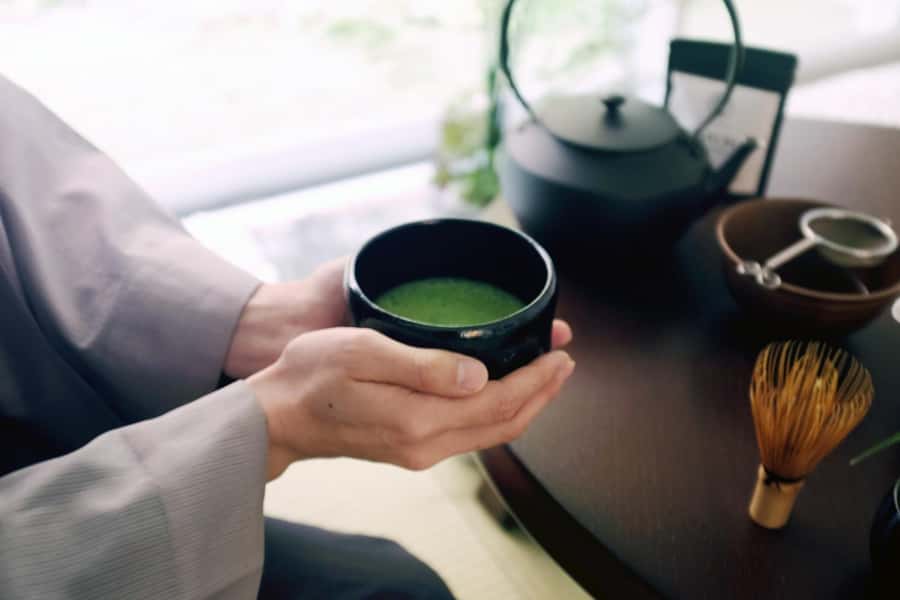
Matcha reveals more than its color. Near Shinjuku, this small-group cultural session combines easy-wear kimono with a clear lesson on matcha, tea ceremony, and the ideas behind Japanese tea culture. I like the chance to compare genuine Japanese matcha with lower-quality versions, and I like that you prepare your own bowl instead of simply watching a demonstration. The main consideration is that part of the session focuses on kimono dressing, so matcha fans who want a longer tea-making lesson may find the balance a little uneven.
Komei, the host, is the heart of the activity. His warm, funny teaching style makes unfamiliar customs easy to follow, and he takes time to answer questions. You should also bring socks, arrive early, and avoid strong fragrance, since the traditional flooring and quiet setting call for a little care.
Key points to know before you book
- Try first flush matcha from a collection of more than 100 teas: You use your eyes, nose, and tongue to compare flavors and learn what separates good matcha from poor imitations.
- Wear a kimono without the usual half-hour dressing routine: The easy-to-wear design gives you the look without the long, restrictive preparation of a formal kimono.
- Learn four connected parts of Japanese culture: The session covers tea ceremony, teaism, matcha, and kimono rather than treating tea as just a trendy drink.
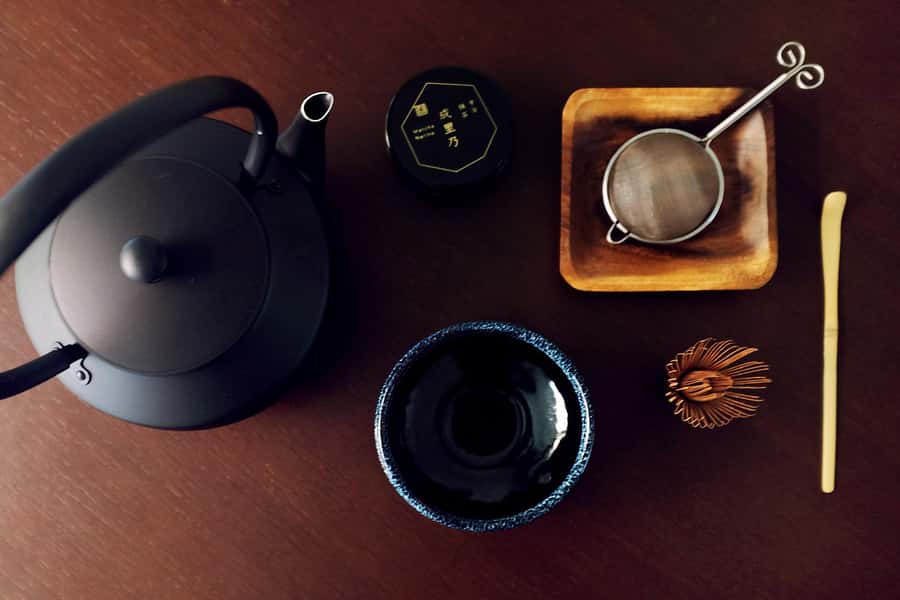
- Make your own bowl of matcha: You practice with traditional tea tools and learn four key points for preparing it at home.
- Meet near Yotsuya, close to Shinjuku: The workshop is about a six-minute walk from Yotsuya Station, with the activity returning to the same meeting point.
- Expect a personal class rather than a big show: Recent groups have been small, sometimes only five people, which gives you room to ask questions and get help.
A calm cultural break near Yotsuya Station
The meeting point is in front of the LUUP scooter stand next to the ACN Yotsuya Building. Look for the workshop sign and guide. From Yotsuya Station, allow about six minutes on foot, and do not confuse this with a meeting point directly inside Shinjuku Station.
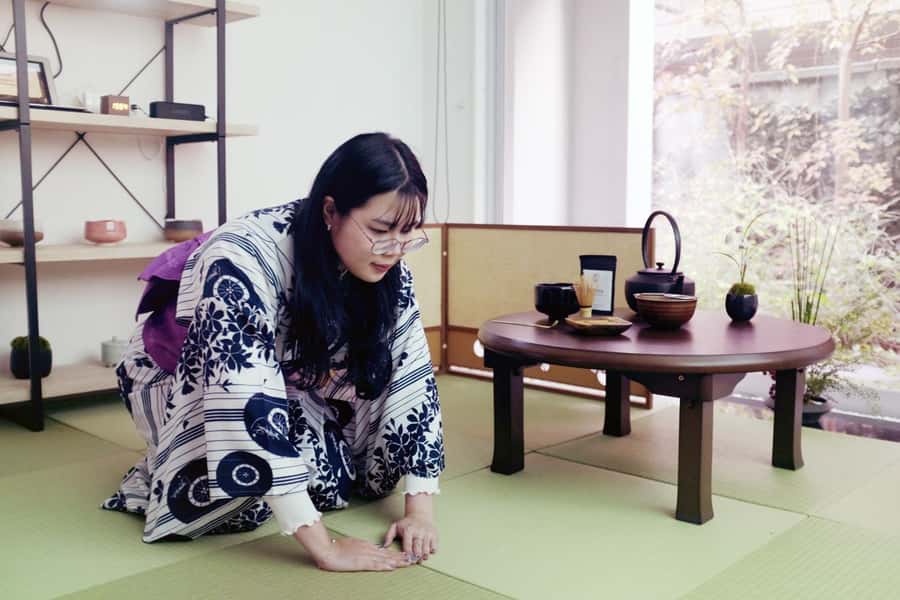
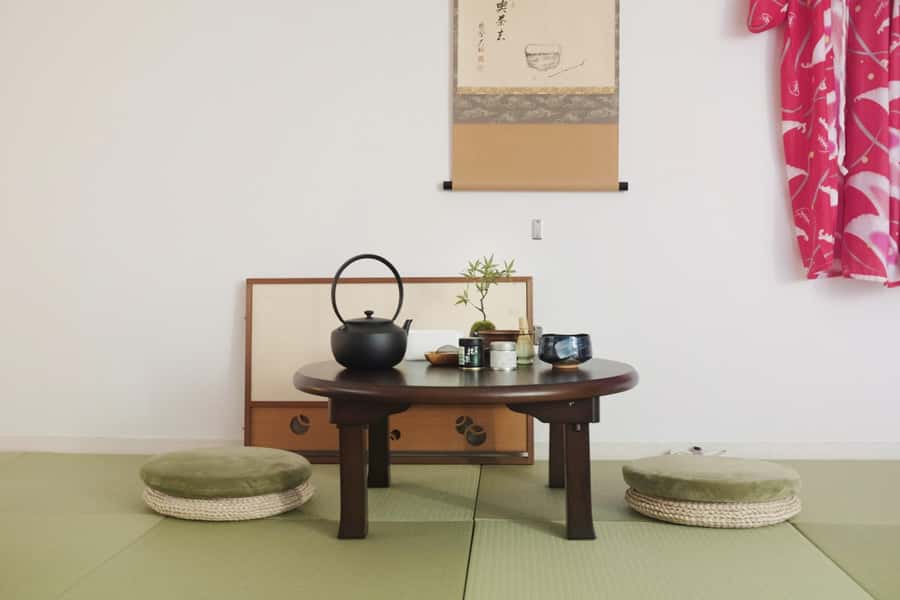
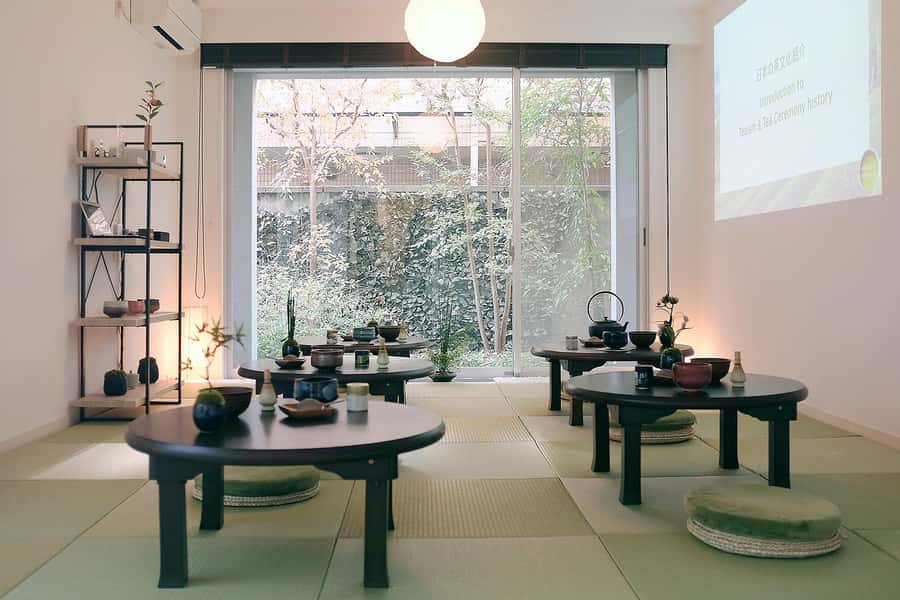
That location works well for a morning or afternoon cultural stop. You are close to one of Tokyo’s major visitor areas, but the activity itself takes place in a local flat with a small, decorated tea room. The setting helps the session feel personal rather than staged for a large crowd.
The activity ends back at the same point. No transfer is included, so you can plan your own next stop in Tokyo. Give yourself extra time to locate the building. This is especially important because the booking is canceled after 10 minutes of lateness, with no refund.
More Kimono and Tea Ceremonies in Tokyo
- Kimono Tea Ceremony at Tokyo, Asakusa Maikoya
★ 5.0 · 638 reviews - Tokyo: Asakusa Kimono Dressing and Matcha Experience
★ 4.9 · 173 reviews - Asakusa: Kimono Tea Ceremony with Matcha and Sweet
★ 4.9 · 153 reviews
Choosing a kimono without the long formal dressing process
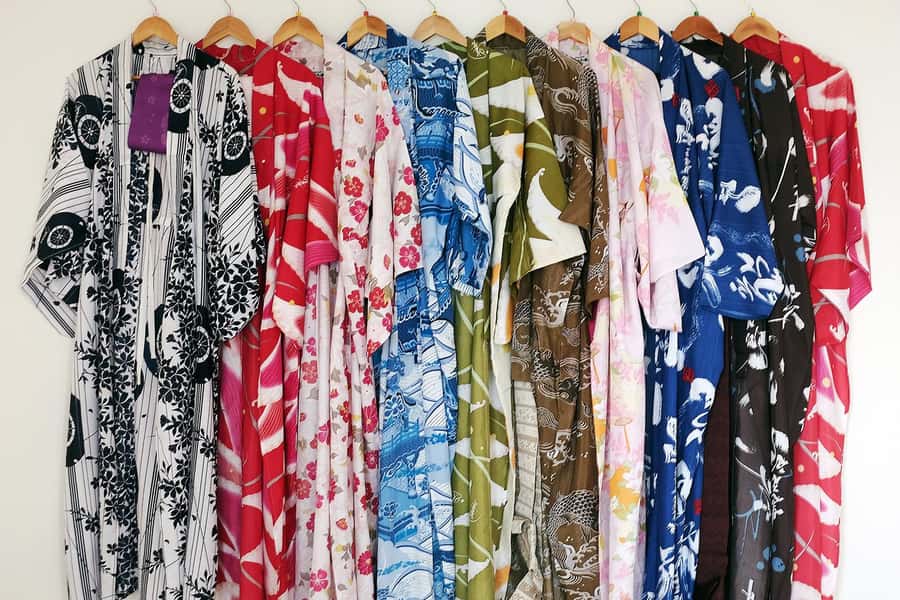
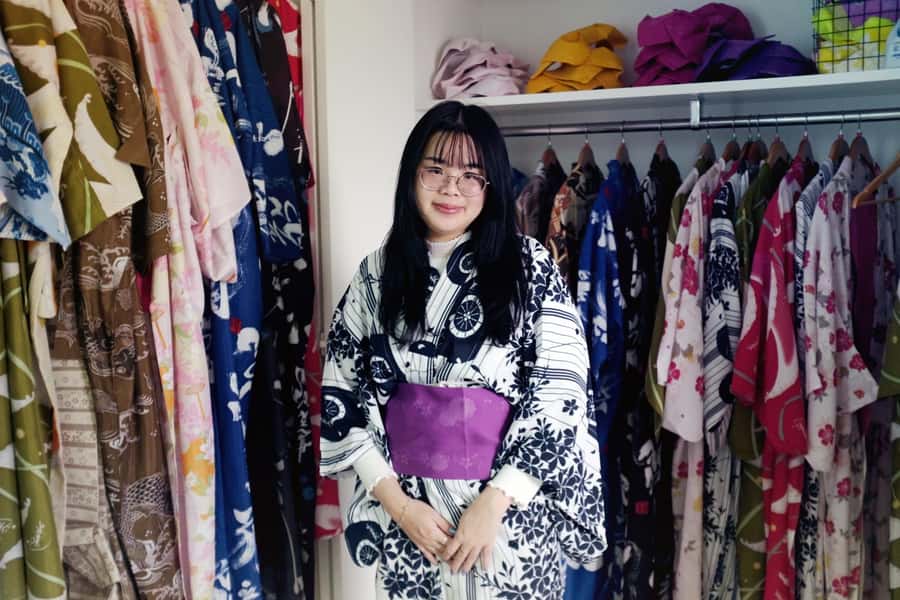
Before the tea lesson begins, you choose a kimono to wear throughout the session. The special feature here is the quick design. A standard kimono can take about 30 minutes to put on, while this version is made for easier self-directed use during a short cultural activity.
That distinction matters. You get the visual pleasure of wearing traditional Japanese clothing without committing to a full rental, fitting, and walking session. Several people found the kimono one of the most enjoyable parts of the afternoon, and it makes the later photographs more memorable.
The clothing also changes how you pay attention. You learn how the garment is worn correctly, rather than simply putting on a costume for a picture. The session explains some of the background of kimono and connects it to other Japanese customs.
Still, the kimono portion takes time. If your only goal is to taste several matchas or practice whisking again and again, you may prefer a class devoted to tea alone. For most first-time visitors, though, the clothing adds useful context and gives the activity a clear sense of place.
Wear socks. Bare feet are not suitable for the traditional flooring, and you may be asked to buy socks at the workshop if you forget them. Comfortable clothing underneath the kimono is a sensible choice, although the supplied information does not specify a required dress code.
Understanding matcha before you taste it
The tea lesson begins with ideas that many casual matcha drinkers never consider. You learn about the difference between Japanese matcha and matcha sold overseas, including why the two can taste and look very different.
You also compare real matcha with lower-quality or imitation products. The point is not just to memorize labels. You use your eyes, nose, and tongue to decide what you notice. That makes the lesson practical, since you can carry the same checks into a shop or cafe later.
The activity uses a first flush matcha selected from a collection of more than 100 teas gathered from across Japan. First flush refers to the earliest harvest, and the session presents it as the highest-quality selection. The exact farms and regions are not provided, so you should not expect a detailed producer-by-producer tasting menu. Instead, the value comes from learning how to pay attention to the tea in front of you.
The selection process is one of the most praised parts of the class. People who already enjoy matcha appreciated learning new facts and changing their view of the drink. If you normally think of matcha as a sweet cafe beverage, this class gives you a more careful way to judge it.
A welcome drink and Japanese traditional sweets are included. These small additions matter because matcha can taste strong, grassy, bitter, or savory to a first-time drinker. The sweets help balance the tea and make the tasting easier to enjoy.
Tea, teaism, and the meaning behind the gestures
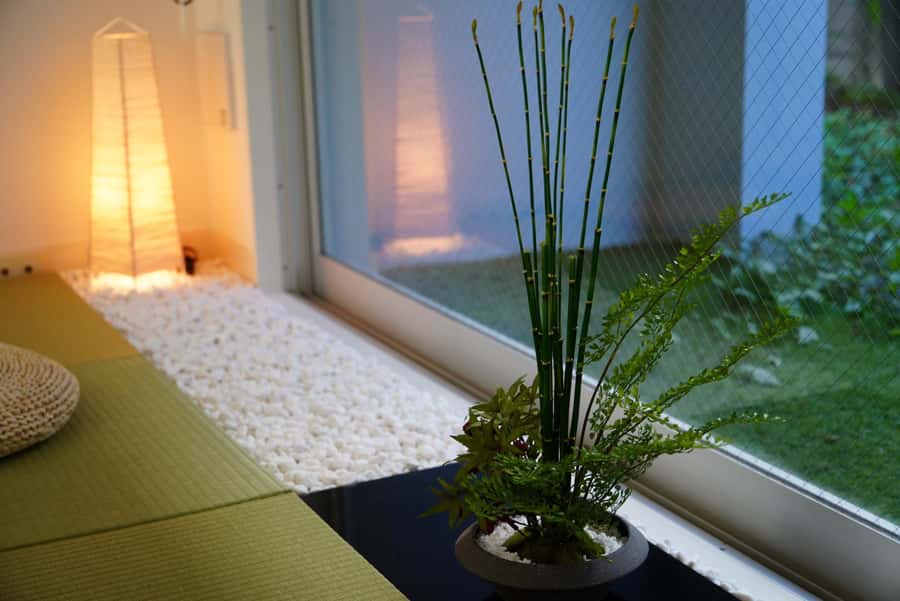
This is not only a lesson in making green powder taste pleasant. Komei explains tea ceremony and teaism, including the philosophy behind the actions. You learn why attention, manners, quiet behavior, and respect for the setting matter.
The class also compares different types of tea, including green tea, black tea, and Chinese tea. That wider look helps you place matcha in a larger tea tradition. It also keeps the session from becoming a narrow product sales pitch.
Komei’s teaching style receives repeated praise for being warm, humorous, and easy to follow. His presentation can include historical information and visual material, giving the lesson more structure than a simple demonstration. You can ask questions as you go, and the small format makes conversation a real part of the class.
The rules are simple but important. Alcohol and drugs are not allowed, and strong fragrances should be avoided. Perfume can interfere with the aroma of tea, while loud behavior works against the quiet character of the ceremony. Think of the room as a place for focused attention, not a noisy photo stop.
More Matcha Experiences in Tokyo
- Matcha Making Class in Tokyo with Authentic Japanese Sweets Set
★ 5.0 · 744 reviews - Tokyo: Matcha Making Experience with Mochi Sweets in Asakusa
★ 4.9 · 388 reviews - Asakusa Cultural Walk & Matcha Making Tour
★ 5.0 · 245 reviews - Make Traditional Nerikiri Sweets & Matcha experience in Shibuya
★ 5.0 · 130 reviews
Making a beautiful bowl of matcha
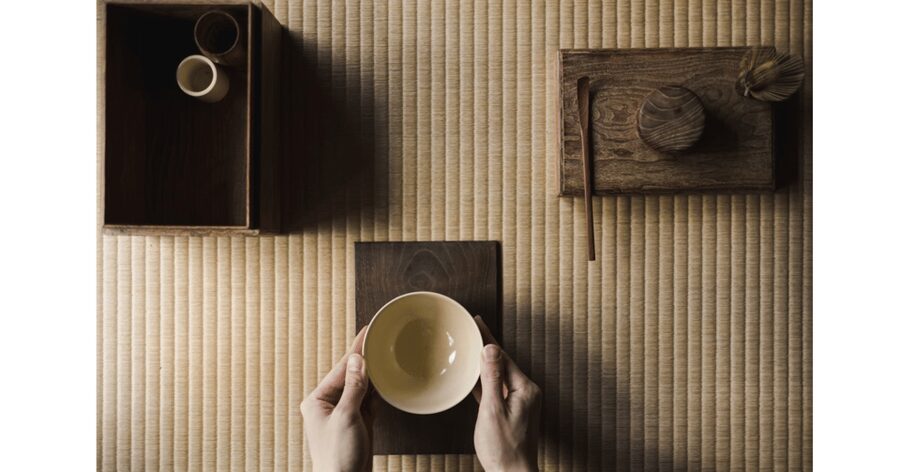
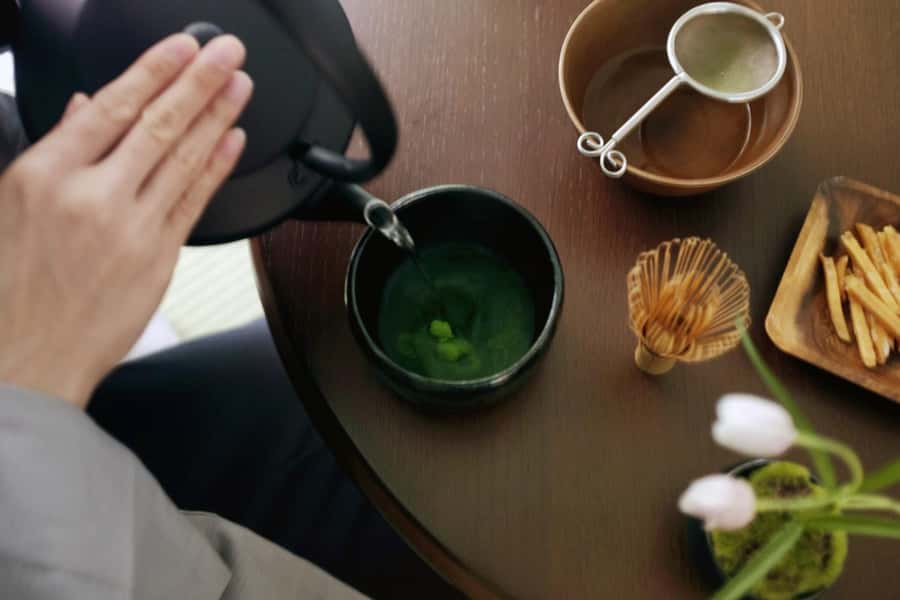
The hands-on section is where the class becomes most useful. You use traditional tea tools and prepare your own bowl of matcha under guidance. The lesson covers four key points for making a good bowl at home, so you leave with more than a memory and a photograph.
You also learn the basic manner for drinking matcha. This is helpful because tea ceremony gestures can seem mysterious when you first encounter them. Knowing how to receive, hold, and drink the tea lets you take part respectfully instead of copying others without understanding why.
Do not expect to become a tea master in one session. Matcha preparation has more detail than the simple cafe version suggests, and one attendee felt the class could have spent a little more time on tea making and less on dressing. That is a fair limitation to keep in mind.
Still, the lesson is designed as an introduction. You get enough practice to understand the tools, the order of actions, and the care required. If you want advanced whisking technique or a formal multi-hour ceremony, this will probably feel too short. If you want a friendly first step, it offers a good balance.
What the $57 price gets you
At $57 per person, the cost is reasonable for a cultural class that includes several separate elements. You receive the kimono, matcha lesson, tea ceremony and teaism lecture, matcha-making practice, first flush matcha, Japanese sweets, a welcome drink, and use of the tea tools.
The value is strongest if you would otherwise book a separate kimono activity and tea tasting. Here, the two are joined in one visit, and the clothing remains available during the full session. The personal instruction also matters more than a basic tasting flight, since you learn how to prepare matcha at home.
The price is less compelling if you want only a quick cup of tea. Tokyo has plenty of cafes where you can spend far less on a drink. You are paying for teaching, cultural background, tools, dressing help, and time with a host who explains the details.
The class has drawn more than 1,500 people in a year, while individual sessions can still be small. That combination suggests a well-established activity with a personal format, though group size can vary by date. English and Japanese are offered.
Who will enjoy this most
I would recommend this activity to first-time visitors who want a gentle introduction to Japanese customs. It also suits people already interested in matcha, since the tasting compares quality and gives you a better sense of what you are drinking.
It is a good choice for couples, friends, and small family groups with children aged five or older. The kimono photographs add a light, playful element, while the tea lesson gives the visit enough substance for adults.
You should choose another activity if you dislike sitting quietly, have little interest in cultural explanation, or want a formal kimono fitting. This is not a walking tour, and the supplied information does not describe a full traditional kimono dressing process. It is also not suitable for children under five.
Strong fragrance, noise, alcohol, and drugs are not compatible with the setting. Bring socks, arrive well before your appointment, and leave room in your schedule for a class that rewards attention rather than rushing.
Should you book this matcha and kimono session?
Book it if you want more than a tourist photograph. The best parts are the first flush tasting, the clear explanation of tea culture, and the chance to whisk your own matcha with traditional tools. Komei’s friendly style gives the class much of its appeal, and the small setting makes it easy to ask questions.
The main tradeoff is time. The kimono section may take attention away from tea preparation, and serious matcha students may want a more advanced class. For most visitors, that mixed format is the strength: you learn how clothing, manners, tea, and ceremony fit together.
At $57, this is a fair-value cultural activity near Shinjuku, especially if you want an easy introduction rather than a formal ceremony. Bring socks, avoid perfume, arrive early, and expect to leave with a better palate, a few new manners, and a more thoughtful way to make matcha at home.
FAQ
Where does the matcha and kimono activity meet?
The guide waits in front of the LUUP scooter stand next to the ACN Yotsuya Building, holding a workshop sign. The meeting point is about a six-minute walk from Yotsuya Station.
How much does the experience cost?
The listed price is $57 per person.
What is included?
The activity includes the matcha session, an easy-to-wear kimono, a lecture on teaism and matcha, a matcha-making lesson, first flush matcha, Japanese traditional sweets, a welcome drink, and rental of tea ceremony tools.
Do I need to bring anything?
Bring your own socks to protect the traditional flooring. If you forget them, you may be asked to buy socks at the workshop.
What languages are available?
The activity is offered in English and Japanese.
Can children join?
Children under five are not suitable for this activity.
What happens if I arrive late?
Your booking is automatically canceled after 10 minutes of delay from the appointment time, and no refund is accepted in that case.
Can I cancel for a refund?
You can cancel up to 24 hours in advance for a full refund.
What behavior is not allowed?
Alcohol and drugs are not allowed. Strong fragrances and making noise are also not permitted.
Just added around Tokyo
- Yokohama : Tea Ceremony with Sweets and Souvenir★ 5.0 · 5 reviews
- Walking Tour: Yanaka,Nezu& Sendagi: Tea Ceremony & Old Tokyo★ 5.0 · 3 reviews
- Private Kimono and tea ceremony at local home near Tokyo Disney★ 5.0 · 6 reviews
- Private Mochi・Matcha sweets Making Class Near Shibuya Area★ 5.0 · 22 reviews
- Tokyo Sweets Tour: Hidden Gems & Matcha at an Old Tea House★ 5.0 · 6 reviews
- Kimono and Tea Ceremony in Asakusa Private Food Tour With Guide★ 5.0 · 4 reviews
- 2 Hours Mochi &Nerikiri Making & Matcha Class in Bunkyo★ 5.0 · 21 reviews
- Tokyo Tea Ceremony Class at a Traditional Tea Room★ 5.0 · 2 reviews
Kimono and Tea Ceremonies in Tokyo, compared.
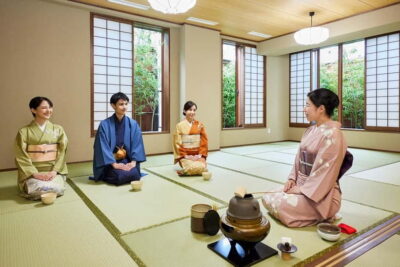
Asakusa: Kimono Tea Ceremony with Matcha and Sweet
Read our review →
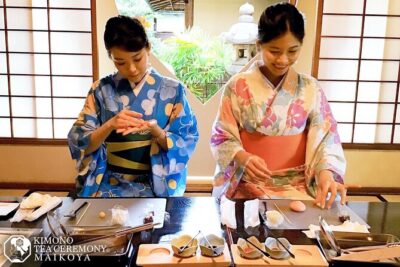
Sweets Making and Kimono Tea Ceremony at Tokyo Maikoya
Read our review →
Asakusa: Geisha Performance and Tea House Experience
Read our review →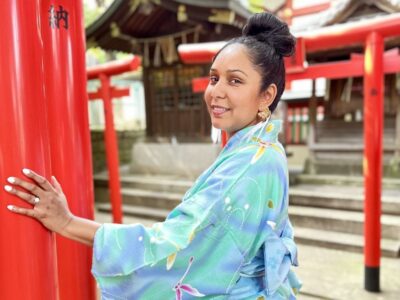
Genuine Tea Ceremony, Kimono Dressing, and Photography
Read our review →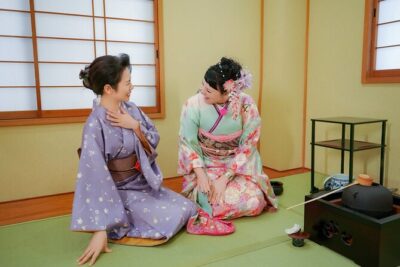
Japanese Matcha Tea Ceremony and Kimono Experience in Hanayaka
Read our review →Browse the lists this tour appears in