
Review · GREECE
Nafplio: Tea Tasting Experience with Greek Delicacies
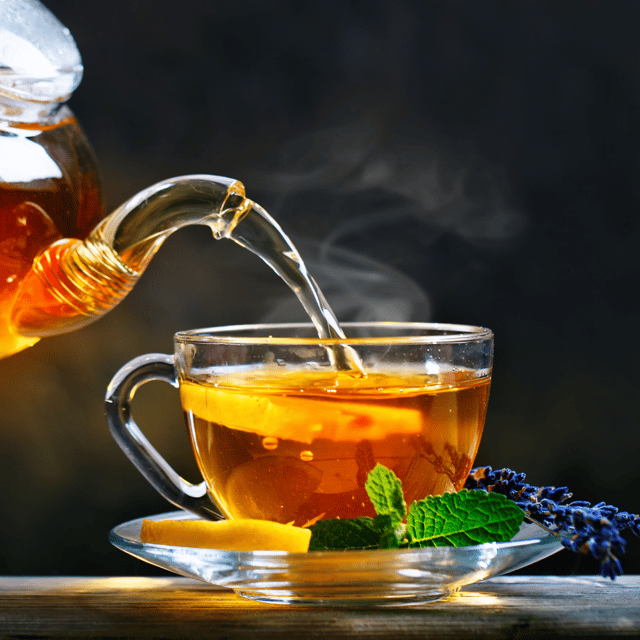
Nafplio has a sweet spot for tea lovers. This small tasting pairs four carefully selected teas with Greek treats, making it a pleasant pause from sightseeing rather than just another drink stop. I like the mix of two pure teas and two herbal blends, and I like the generous little parade of honey, nuts, orange spoon sweet, biscuits, and loukoumi. The main drawback is the short running time: you get a flavorful introduction, not a long tea ceremony or a full meal.
The meeting point at Filellinon Square is easy to find, beside the flags, and the private-group format should make the visit feel more personal than a large food tour. A guide praised for clear English and a warm welcome may even begin with an extra honey tasting before the tea. Keep in mind that the activity is not suitable for people with food allergies, and you should mention dietary restrictions before arriving.
Key points to know before booking
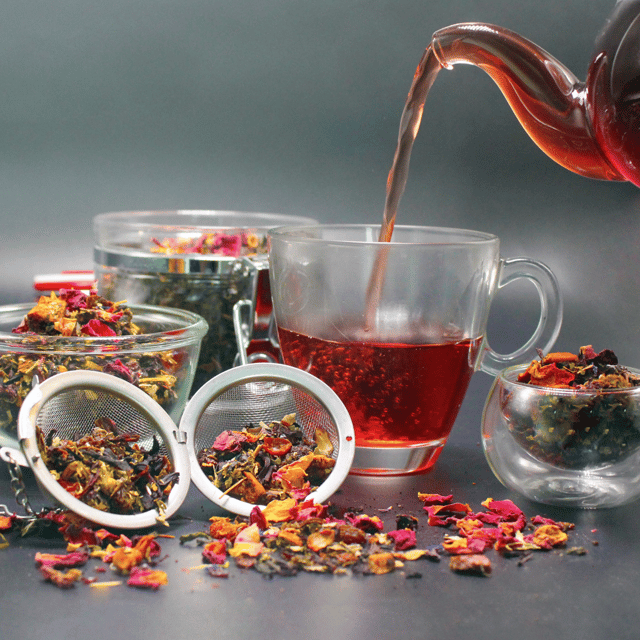
- Four teas in one short sitting: You taste two pure teas and two herbal blends, so you can compare tea leaves with Greek-inspired botanicals.
- Traditional pairings are part of the price: Honey, nuts, orange spoon sweet preserves, butter biscuits, and loukoumi are included.
- A small walk comes first: Meet beside the flags at Filellinon Square, then walk to the tea-tasting setting in Nafplio.
- Private and English-speaking: The activity is designed for a private group with an English-speaking instructor.
- Plan for 30 to 45 minutes: The stated duration is 40 minutes, though the tasting may run slightly shorter or longer.
- A 10 percent shop discount is included: Optional purchases range from 10 to 100 euros, so set a budget before browsing.
Starting beside Nafplio’s Filellinon Square
The experience begins at Filellinon Square, next to the flags. Your guide will be wearing a badge, which is useful in a central public square where several groups may be meeting at once.
This is a sensible place to begin. You do not need to find a distant shop or arrange transport. You meet in the center of Nafplio, get your bearings, and then take a short walk toward the tasting. If you are fitting this into a morning of sightseeing, the simple start helps keep your plans tidy.
One especially nice touch is the possibility of a honey tasting before the main tea session. It is not listed as one of the core inclusions, so you should regard it as an extra rather than a guarantee. Still, it gives the visit a friendly opening and introduces one of the flavors that later appears with the tea.
The guide and the shop owner have been praised for their kindness and hospitality. That matters here. A tasting depends on explanation and conversation, and a warm welcome can make a small 40-minute stop feel more worthwhile.
More Tea Tastings in the world:
- Twinings 2-Hour Tea Tasting Masterclass in London
★ 5.0 · 105 reviews - Tea Tasting and Pairing Concept Workshop
★ 5.0 · 57 reviews - Munnar: Tea trail, Tea Factory, and Tea Tasting Tour
★ 4.9 · 47 reviews
The short walk and the change of pace
After meeting the guide, you walk through Nafplio to the tasting location. The walk is part of the charm, since the activity takes place in the town rather than in an isolated venue outside it.
Do not expect a walking tour with a long list of monuments. The walk is simply the bridge between the square and the tea setting. That is a good thing if you want a quiet break from sightseeing, but it also means you should book this for the tasting itself, not for extensive historical commentary.
The schedule describes a local-snack and tea portion lasting about 45 minutes, followed by a 15-minute visit. The overall activity is advertised as 40 minutes, and the practical guidance says to allow 30 to 45 minutes. These figures are a little inconsistent, so I would plan around 45 minutes and avoid placing a tightly timed ferry, meal, or museum reservation immediately afterward.
Comparing two pure teas
The heart of the visit is the tasting of two pure teas. These are unblended teas, selected for their aromas and subtle differences.
That distinction is useful for anyone who usually adds milk, sugar, or lemon without thinking. Pure tea lets you focus on the character of the drink itself. You can compare aroma, strength, finish, and how the flavor changes when paired with sweet or crunchy foods.
I like this part because it gives the tasting a clear purpose. You are not simply handed four cups and told to enjoy them. The two pure teas provide a reference point before the herbal blends introduce a different style.
The supplied details do not identify the exact tea varieties, growing regions, or brewing methods. That means you should not book this expecting a technical tea master class with detailed production notes. Instead, expect an accessible introduction, with the guide explaining the traditional teas in clear English.
This format suits beginners as well as committed tea drinkers. If you already know your oolong from your chamomile, you may want more detail than the session provides. If you simply enjoy trying local flavors, the concise format should feel easy and relaxed.
Tasting two herbal blends inspired by nature
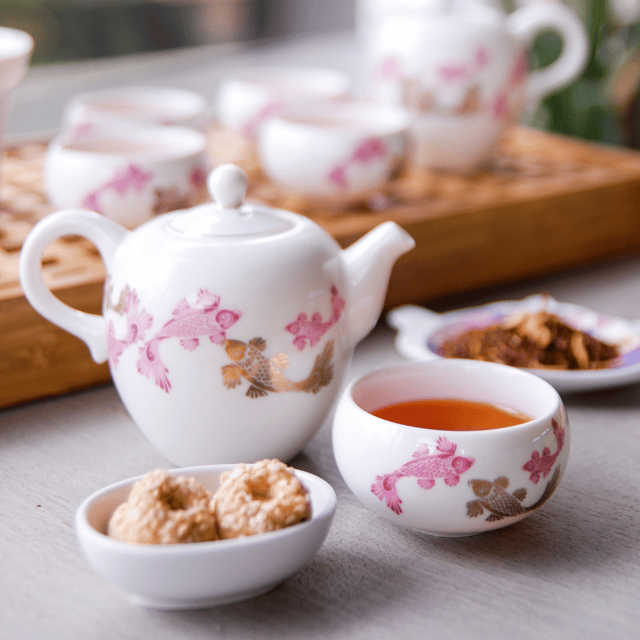
The next pair consists of two herbal blends. These are described as soothing and aromatic, with local herbs and botanicals shaping the flavor.
Herbal blends offer a useful contrast with pure teas. They often smell more immediately familiar, and their flavor can feel gentler or more fragrant. Here, the point is to show another side of Greek drinking culture, one connected to herbs and plants rather than only traditional tea leaves.
The exact ingredients are not provided, so I would not assume that every blend is caffeine-free or suitable for every dietary need. If caffeine, particular herbs, or cross-contamination matters to you, ask before tasting. The experience specifically asks you to mention allergies and dietary restrictions, and it is marked as unsuitable for people with food allergies.
This part should appeal to anyone who likes botanical drinks, mild flavors, or unusual pairings. It also gives you a fair comparison: two unblended teas for clarity, then two more aromatic blends for variety.
More Food and Drink Tours in the world:
- Jakarta: Volcano, Tea/Rice Fields, Hot Spring, Local Food
★ 4.9 · 515 reviews - Private Tea Ceremony and Sake Tasting in Kyoto Samurai House
★ 5.0 · 163 reviews - SF’s Chinatown: Tea & Dim Sum Food Tour – Includes full meal, 3hr
★ 5.0 · 153 reviews - Experience all of Japanese culture and Japanese food experience classes “origami, udon, Japanese food, green tea, calligraphy” in 4 hours
★ 5.0 · 105 reviews
Greek pairings that make the tasting memorable
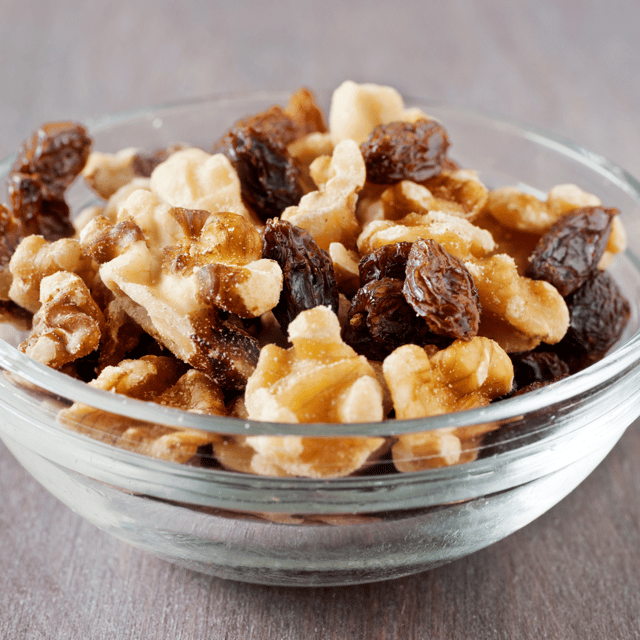
The food is small in size but important to the experience. Tea can feel rather thin when served alone. Honey, preserves, nuts, biscuits, and loukoumi give you different textures and levels of sweetness to try with each cup.
Honey and nuts
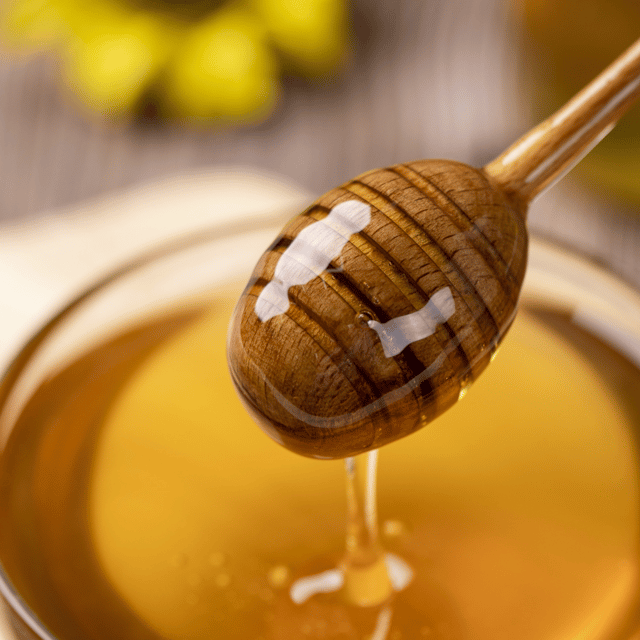
Honey brings a direct, rounded sweetness that can soften a strong tea or underline floral notes in a gentler blend. Nuts add crunch and a more savory contrast. Together, they create the most obvious sweet-and-textured pairing on the plate.
The extra honey tasting, if offered, is a pleasant bonus. It gives you a chance to focus on honey by itself before combining it with tea. Since it is not guaranteed as a listed inclusion, do not count on it when calculating the formal value of the booking.
Orange spoon sweet preserves
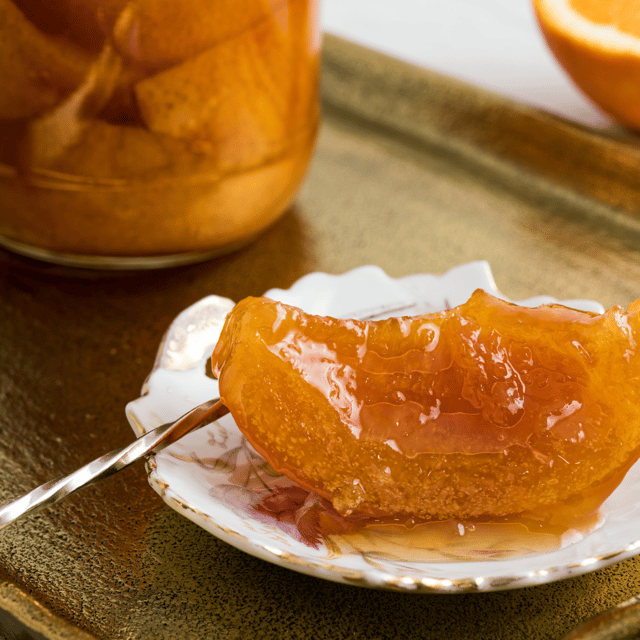
Orange spoon sweet is one of the most distinctly Greek items in the tasting. It is a preserved fruit sweet, traditionally served in a small portion, and it reflects the Greek habit of offering a sweet welcome to visitors.
The orange flavor should give the tea a bright citrus note, while the syrup brings extra sweetness. This is not a jam-heavy breakfast or a large dessert. Think of it as a tiny taste designed to be sampled slowly.
It also makes the session feel more connected to local hospitality. You are not just eating generic cookies beside a hot drink. You are trying a small traditional treat with a clear place in Greek food culture.
Butter biscuits
The butter biscuits provide an easy match for tea. Their mild flavor should not overpower the drinks, and their crisp texture gives you something familiar after the more distinctive spoon sweet and loukoumi.
They are especially useful for visitors who prefer restrained sweets. Not every pairing is intensely flavored, and the biscuit gives you a plain baseline between the more sugary tastes.
Traditional loukoumi
Loukoumi is also included. This soft, sweet confection is another classic Greek treat, and it gives the tasting a different texture from the biscuits and nuts.
With several sweet items on the plate, the overall balance may lean heavily toward dessert. That is worth noting if you prefer savory tastings. The activity includes local snacks, not a meal, so have lunch or dinner plans elsewhere.
What the guide adds to a short session
A 40-minute activity leaves little room for long lectures. The guide’s role is to make each tea and pairing understandable without slowing the tasting to a crawl.
The most important quality is clear English. The guide is expected to lead the tasting in English, and the experience has been praised for explanations that are easy to follow. That helps when discussing unfamiliar teas or traditional sweets.
The personal side matters just as much. The guide and owner have been praised for making visitors feel welcome, and that warmth is a major part of the appeal. In a short private-group visit, you can ask questions and respond to the food instead of waiting for a large group to catch up.
The group format is private, but the supplied details do not give a maximum number of participants. If group size matters to you, confirm it when booking. Private does not automatically mean one guide for one couple, though it does suggest a more focused setting than a large public tasting.
Is $44 a fair price?
At $44 per person, this is not the cheapest way to drink tea in Greece. You could order a hot drink and a pastry for much less. The value comes from the guided comparison, the range of Greek delicacies, the private format, and the chance to learn about traditional teas in a central Nafplio setting.
You receive four tastings, honey and nuts, orange spoon sweet preserves, butter biscuits, and loukoumi. You also receive the guide’s explanations and the structure that turns several small bites into a themed tasting.
I think the price makes the most sense for people who already enjoy tea, want a local food experience that takes less than an hour, or are looking for an indoor-style break during a day in Nafplio. It is harder to justify if you are mainly hungry, since the portions are tasting portions and extra food is not included.
Optional products on site range from 10 to 100 euros. A 10 percent discount is offered on these purchases, which is useful if you find a tea, honey, or other item you genuinely want. It can also encourage impulse buying, so decide in advance how much you want to spend. The discount does not turn an unnecessary purchase into a bargain.
Who will enjoy this Nafplio tasting?
This is a good fit for:
- Tea drinkers who want to compare pure teas with herbal blends.
- Couples and small private groups looking for a calm break.
- Visitors who enjoy trying traditional Greek sweets in small portions.
- People with a free 30 to 45 minutes in central Nafplio.
- Anyone who prefers a guided tasting to choosing products without context.
- Visitors who appreciate friendly English-language instruction.
It is less suitable for people with food allergies, since several food items are served and the activity is specifically marked as unsuitable for people with allergies. It may also disappoint anyone looking for a full lunch, a long walking tour, or a detailed lesson in tea production.
Pets are not allowed. The activity is wheelchair accessible, which makes it practical for visitors who need step-free access, though you may still want to confirm the exact walking route and tasting venue when reserving.
Timing, cancellation, and practical planning
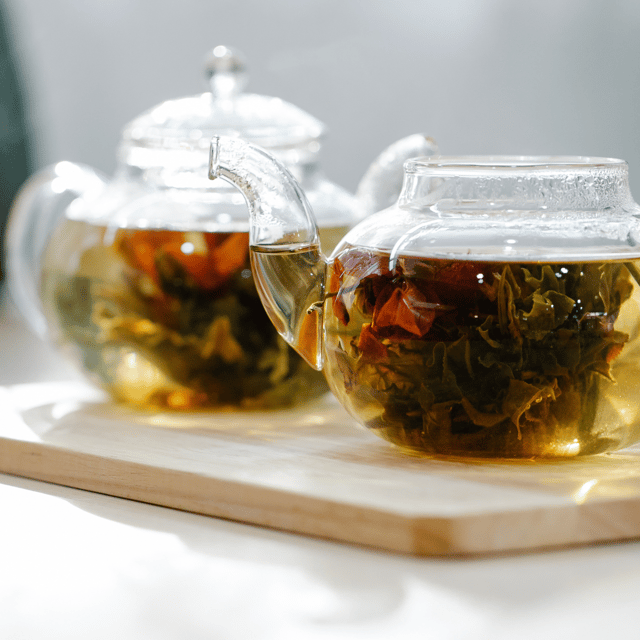
The advertised duration is 40 minutes, with the tasting itself described as lasting about 30 to 45 minutes. I would reserve about an hour in your day to allow for meeting the guide, walking to the venue, and finishing without a rush.
The meeting point is Filellinon Square, beside the flags. Look for the guide wearing a badge. Since this is a private-group activity, arriving on time is particularly important. A late arrival could affect the short schedule.
You can cancel up to 24 hours before the activity for a full refund. You can also reserve now and pay later, which is useful if your Nafplio plans may change.
The tour is offered in English. Food and drinks beyond the listed tasting items are not included, so do not arrive expecting a full café stop or a second round.
Should you book it?
Book this experience if you like tea, want to sample Greek sweets, and value a friendly, guided introduction more than a long tour. The four-tea format is well chosen, and the orange spoon sweet, honey, nuts, biscuits, and loukoumi give you plenty of small contrasts to explore.
Skip it if you have serious food allergies, need a substantial meal, or are hoping for an extended lesson about tea origins and preparation. At $44, the experience is best judged as a private cultural tasting, not as a cheap snack.
For the right visitor, it is a pleasant way to spend part of an hour in Nafplio. You leave with new flavors, a better sense of Greek hospitality, and the option to buy products at a 10 percent discount. Just keep your expectations focused: this is a compact tasting with a warm personal touch, not an all-day food tour.
FAQ
Where does the tea tasting begin?
The meeting point is Filellinon Square in Nafplio, next to the flags. The guide will be wearing a badge.
How long does the experience last?
The advertised duration is 40 minutes. The tasting may last around 30 to 45 minutes, and the schedule also includes a short walk and a visit in Nafplio.
How many teas are included?
You taste four teas in total: two pure teas and two herbal blends.
What food is included?
The tasting includes honey and nuts, orange spoon sweet preserves, butter biscuits, and traditional loukoumi.
Is the experience private?
Yes. It is offered as a private-group experience.
Is the tasting conducted in English?
Yes. The instructor language is English.
Can I cancel for a refund?
You can cancel up to 24 hours in advance for a full refund. Reserve-now, pay-later booking is also available.
Just added around the world
- Yogyakarta: Prambanan Tour, Sukuh Temple & Tea Plantation★ 5.0 · 3 reviews
- Yokohama : Tea Ceremony with Sweets and Souvenir★ 5.0 · 5 reviews
- York: Private Horse-Drawn Carriage Ride and Afternoon Tea★ 5.0 · 3 reviews
- Wadi Rum: 2-Hour Jeep Tour with Bedouin Tea★ 5.0 · 11 reviews
- Walking Tour: Yanaka,Nezu& Sendagi: Tea Ceremony & Old Tokyo★ 5.0 · 3 reviews
- Washington, D.C.: Tea Around Town Bus Tour with Landmarks★ 3.4 · 7 reviews
- Visit local home for music and tea ceremony near Disney★ 4.9 · 13 reviews
- Volcano, Hot Spring, Mud Bath & Tea plantation all included★ 5.0 · 5 reviews
Tea Tastings, compared.
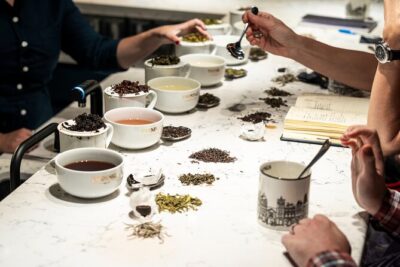
Twinings 2-Hour Tea Tasting Masterclass in London
Read our review →

Matcha Experience with of Japanese Tea Tasting in Tokyo
Read our review →

Montmartre Hill French Afternoon Tea Tasting Tour with Crepes and Macarons
Read our review →
Munnar Tea Trail Tour , Tea factory visit & Tea Tasting
Read our review →Browse the lists this tour appears in