Review · TOKYO
Authentic Japanese tea tasting: sencha, matcha and gyokuro
Tea tells a bigger story. This 90-minute tasting lets you compare seven senchas, four matchas, and one premium gyokuro in a small downtown Tokyo apartment. I like the careful range, from daily tea to hand-picked leaves, and I like that the host explains how each tea is made instead of simply passing cups around.
The main consideration is taste. Green tea can be grassy, bitter, sweet, or strongly savory, and the flavor may not suit everyone. At $87 per person, this is not a cheap drink stop, but the small group, 12 tastings, traditional confectionery, and guided instruction give it more value than a simple cup of tea.
Key points at a glance
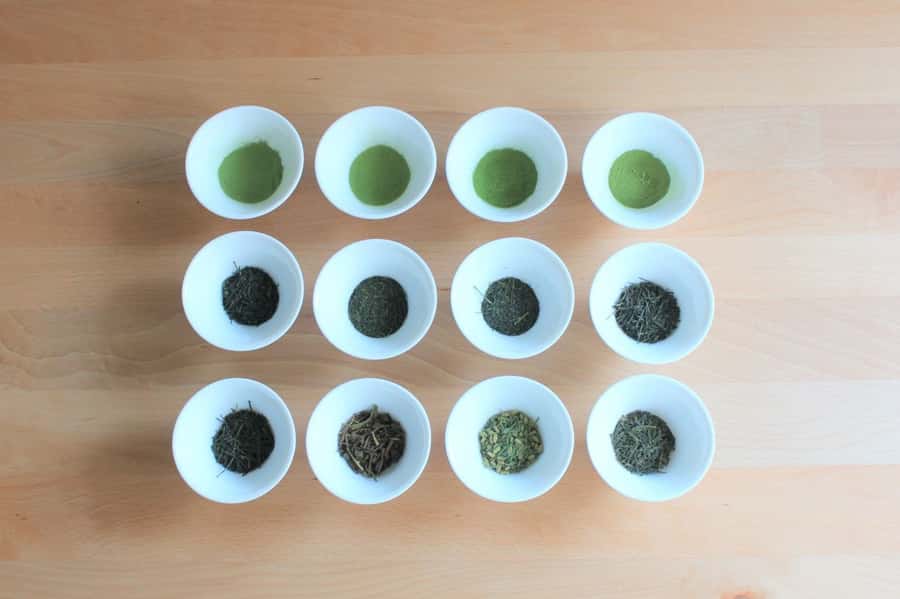
- Twelve teas in 90 minutes: Compare seven senchas, four matchas, and one premium gyokuro.
- A useful everyday-to-premium comparison: You taste ordinary daily tea beside higher-grade and hand-picked tea.
- Small group setting: With no more than four participants, the host can explain flavors and brewing clearly.
- Matcha with Japanese confectionery: The sweet pairing helps balance matcha’s stronger, more vegetal taste.
- Downtown Tokyo apartment setting: This is a quiet indoor break from the city, not a formal temple ceremony.
- English instruction: The session is designed for English-speaking participants and includes the story and history of Japanese tea.
What happens during the 90-minute tea tasting
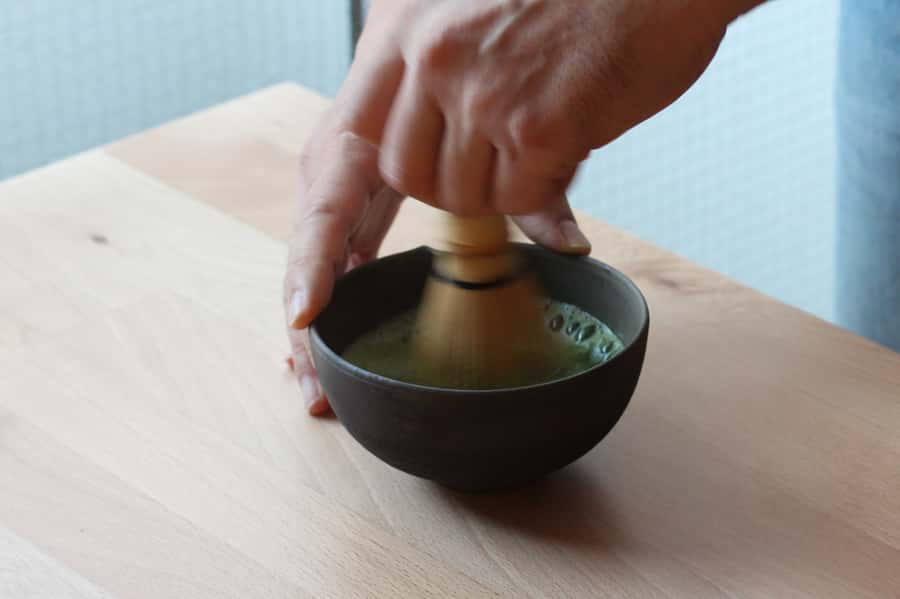
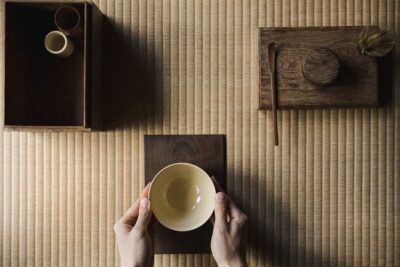
This is a tasting workshop rather than a quick demonstration. You sit down in a cozy apartment room in downtown Tokyo and work through 12 types of Japanese tea with an English-speaking tea expert.
The session covers the background of Japanese tea, how it developed, and why different teas taste so different. You are not simply told that one tea is better than another. The useful lesson is learning what changes the cup: the tea plant, the growing method, the grade, the picking process, and the way the leaves or powder are prepared.
The number of samples matters. One sencha can give you a general idea of Japanese green tea. Seven senchas let you compare several styles and grades side by side. Four matchas show that powdered tea is not one fixed flavor. The final gyokuro gives you a chance to try one of Japan’s most prized green teas.
The pace should feel steady rather than rushed, but 12 teas in 90 minutes is still a lot. I would avoid scheduling this immediately before a large meal if you are sensitive to caffeine. The experience is built around tasting and discussion, so you will get more from it if you are willing to pause, smell, sip, and compare instead of gulping each sample.
More Green Tea Tours in Japan
- Experience all of Japanese culture and Japanese food experience classes “origami, udon, Japanese food, green tea, calligraphy” in 4 hours
★ 5.0 · 105 reviews - Authentic Japanese tea tasting session: sencha, matcha, gyokuro
★ 5.0 · 11 reviews - Ginza Tokyo: Easy Matcha (Green Tea) Experience
★ 5.0 · 7 reviews
Seven senchas show how much one tea can change
Sencha is the most familiar tea in this tasting, and it receives the most attention with seven different types. That is a smart choice because sencha is often treated as one simple category, even though the flavor can shift greatly between everyday tea and higher-grade leaves.
You may notice differences in sweetness, bitterness, aroma, body, and the savory taste often linked with Japanese green tea. The host also explains how the tea is produced, which helps connect the flavor in your cup with the work behind it.
The comparison between daily tea and premium hand-picked tea is one of the strongest parts of the session. It gives you a practical frame of reference. Instead of hearing that a tea is premium because someone says so, you can taste how the more expensive style differs from a basic version.
That does not mean the premium tea will automatically be your favorite. Some people prefer the clean, direct character of an everyday sencha. Others enjoy the softer or more complex flavor of a higher grade. The point is to identify your own preference.
This part also helps if you plan to buy tea in Japan. You can ask better questions and recognize that price is connected to more than packaging. The tasting may save you from choosing a costly tea simply because it looks prestigious, or from dismissing a modestly priced tea that suits your palate better.
Four matchas explain powder, preparation, and pairing
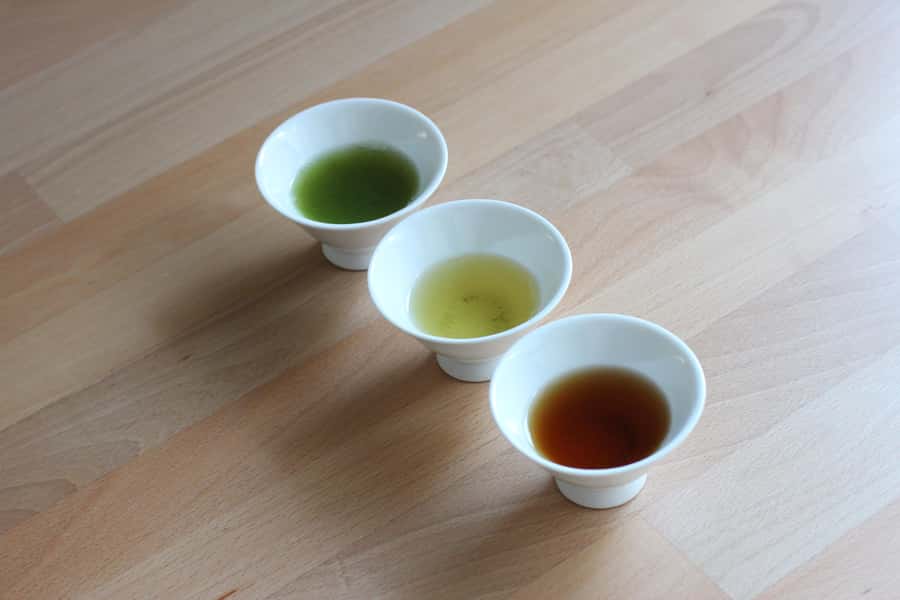
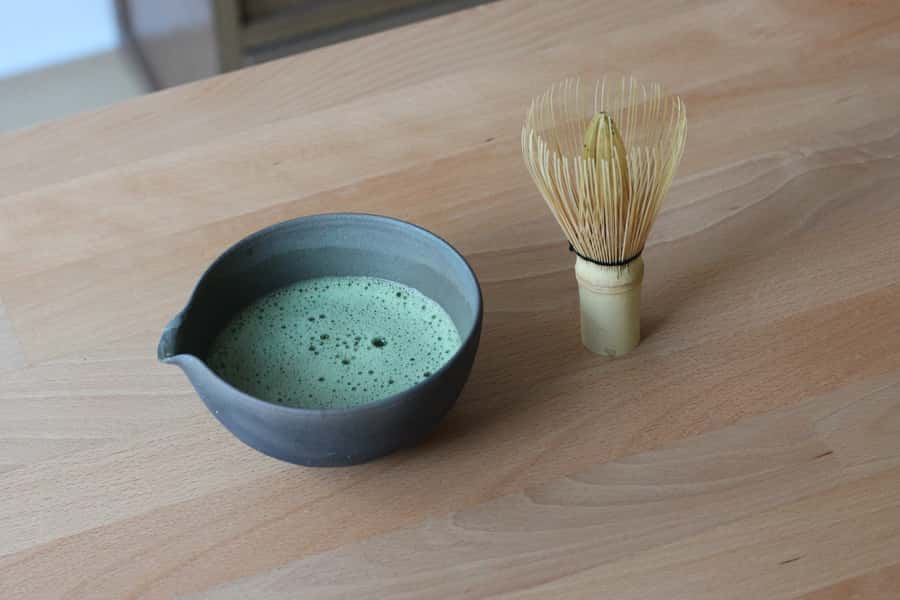
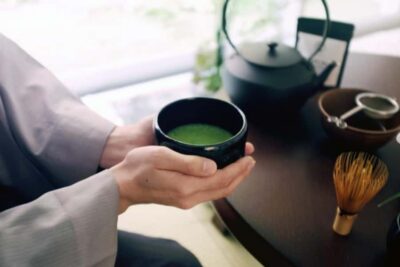
Matcha is different from sencha because you drink the powdered tea itself rather than infusing leaves and leaving them behind. Four matchas let you compare several grades and styles within that category.
Matcha can taste fresh and sweet, but it can also be grassy, intense, bitter, or savory. This is why the preparation matters. The tea expert prepares each tea in an appropriate way, giving you a fair chance to taste what the matcha offers rather than judging a poorly made cup.
The matcha is paired with a small portion of traditional Japanese confectionery. That pairing is not just decorative. The sweetness gives your palate a contrast to matcha’s sharper vegetal notes and helps show why Japanese tea service often places tea and sweets together.
You also learn how to have a tea ceremony, according to the experience details. Do not expect a long formal ceremony with elaborate costumes or a temple setting. This is a compact educational session in an apartment, but it can still introduce the movements, care, and attention associated with Japanese tea culture.
I would consider the matcha portion especially useful for first-time visitors. Many people have tasted matcha in desserts or sweet drinks, but powdered green tea served on its own is a different experience. The four samples give you a clearer sense of what matcha actually tastes like.
Gyokuro provides the premium comparison
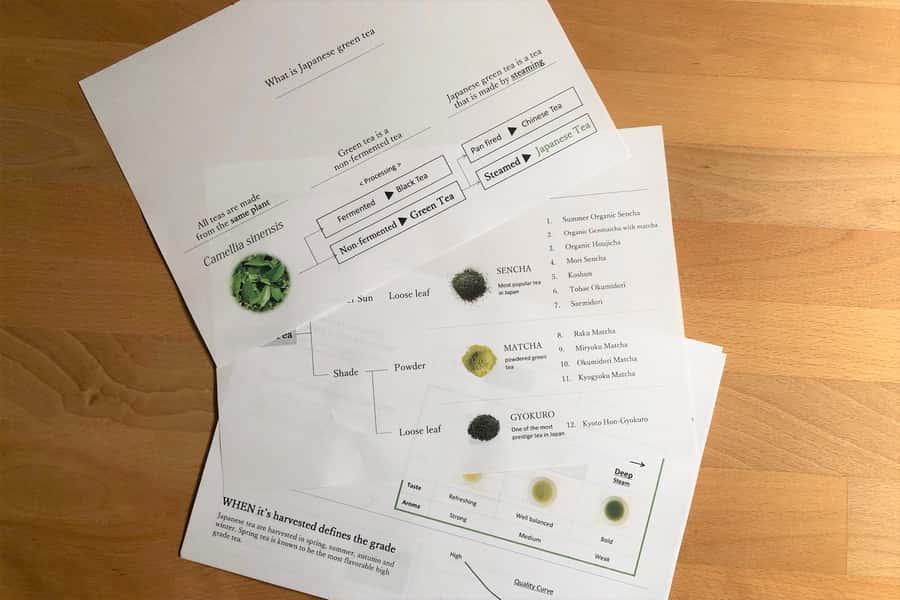
The final tea is a premium-grade gyokuro. Only one gyokuro is included, so this is not a broad gyokuro flight. Instead, it works as a special closing sample after the sencha and matcha comparisons.
Gyokuro is known for its strong savory character, and the experience presents it as a premium hand-picked tea. The value here is less about quantity and more about context. After tasting several senchas and matchas, you can approach gyokuro with a better understanding of what makes a tea feel distinctive and costly.
For some people, gyokuro’s deep umami will be the high point. For others, it may taste too powerful. That subjectivity is worth keeping in mind. The session does not promise that every tea will please you. It gives you the chance to discover which flavors you enjoy.
This is also where the workshop moves beyond a standard food-and-drink activity. You are learning that Japanese tea has grades, growing methods, preparation styles, and regional or farm differences. The tea becomes a product with a story, not just a hot drink.
More Matcha Experiences in Tokyo
- Matcha Making Class in Tokyo with Authentic Japanese Sweets Set
★ 5.0 · 744 reviews - Tokyo: Matcha Making Experience with Mochi Sweets in Asakusa
★ 4.9 · 388 reviews - Asakusa Cultural Walk & Matcha Making Tour
★ 5.0 · 245 reviews - Tokyo: Matcha and Kimono Experience
★ 4.7 · 219 reviews
Family farms and the story behind the cup
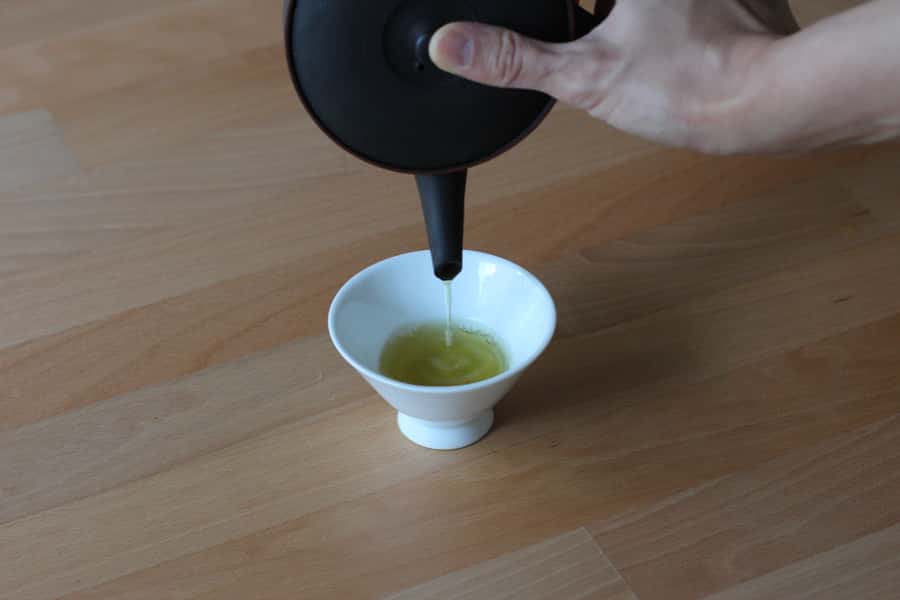
The teas are sourced from family farms. That detail adds a human scale to the tasting, especially when you are comparing daily tea with premium leaves.
You learn about the history of Japanese tea and how it evolved. The session does not provide a full national history course, but it gives enough background to explain why tea holds such an important place in Japanese food culture and daily life.
I value this kind of context because it keeps the tasting from becoming a list of tasting notes. You can understand why the host chooses different brewing methods and why two green teas may look similar yet taste completely different.
The farm connection also makes the tea more memorable. You are not just sampling anonymous products from a shelf. You are tasting teas selected from family producers and prepared by someone who can explain their differences.
A quiet apartment setting in central Tokyo
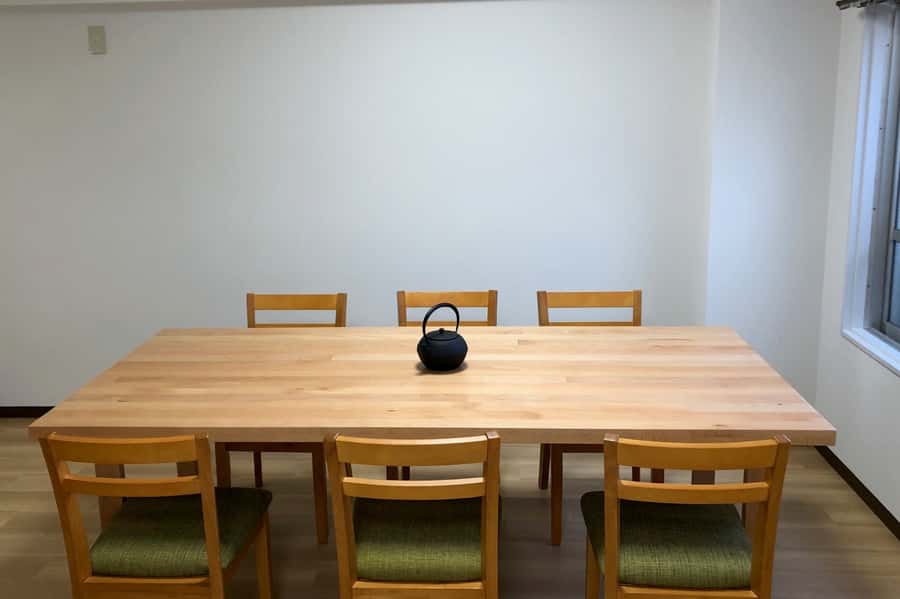
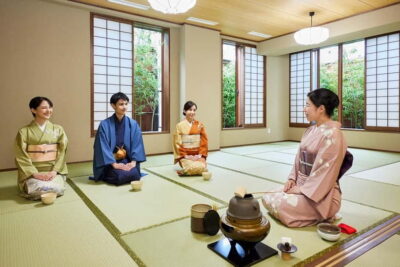
The setting is a cozy apartment room in downtown Tokyo. That creates a calm contrast with the noise and speed outside. If you want a quiet indoor activity between sightseeing stops, the format makes sense.
This is not a grand public tea house or a traditional garden. Some people may prefer a more formal Japanese setting, especially if they are looking for architecture, ceremony, or a highly visual cultural performance. You should book this for the teaching and tasting, not for a scenic backdrop.
The small group limit is four participants. That is a real advantage. A tea tasting becomes less useful when you cannot ask questions or see what the host is doing. With four people or fewer, the session should feel more personal, and the host has room to explain why one tea is brewed differently from another.
The meeting instruction is unusually specific: at the apartment entrance, push 202 and then the bottom-right button. Read this before you arrive, since you are meeting at a residential building rather than a clearly marked attraction. The supplied information does not provide a separate landmark or detailed transit directions, so allow enough time to find the address.
Is $87 per person good value?
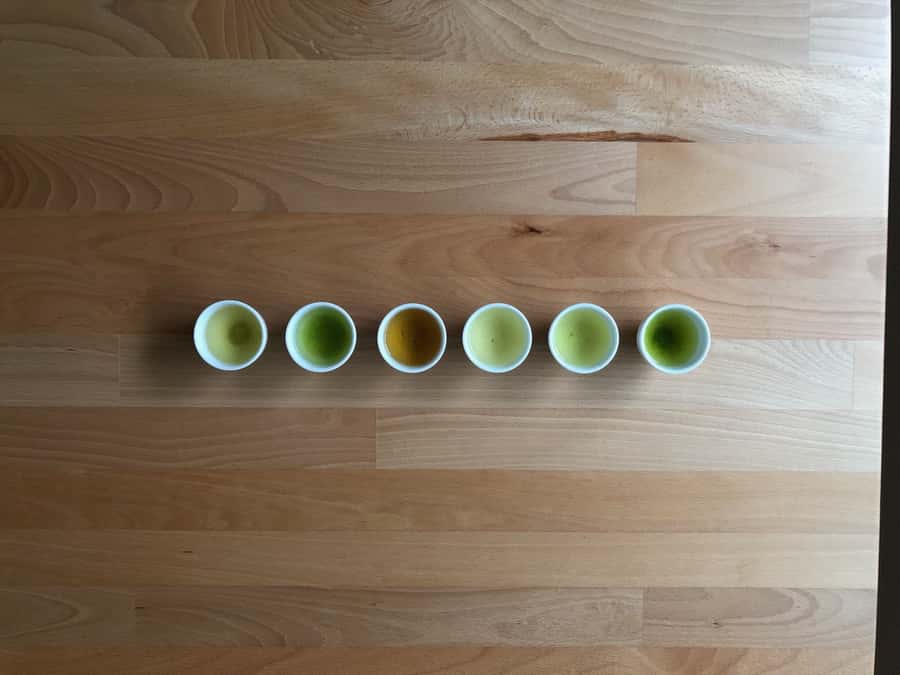
At $87 per person, the price is high for a beverage tasting. You are not paying for a meal, a long sightseeing tour, or transportation around Tokyo.
The value comes from the breadth and instruction. You receive 12 different teas, including seven senchas, four matchas, and one premium gyokuro. You also receive traditional confectionery with the matcha and 90 minutes of explanation from a tea expert.
A smaller group improves the calculation. You are paying for access to a focused session rather than a large public presentation. The host can discuss the teas, answer questions, and guide you through the differences.
I would call it good value for someone who already likes Japanese tea or wants a serious introduction. It is weaker value if you mainly want a sweet matcha drink, a photo opportunity, or a short cultural activity with little tasting.
The session may also help you shop with more confidence later. One participant received tea to take home, but that is not listed as an included part of the experience, so do not book it expecting a souvenir. The useful benefit is the knowledge of what you like and what to look for.
Who should book this experience?
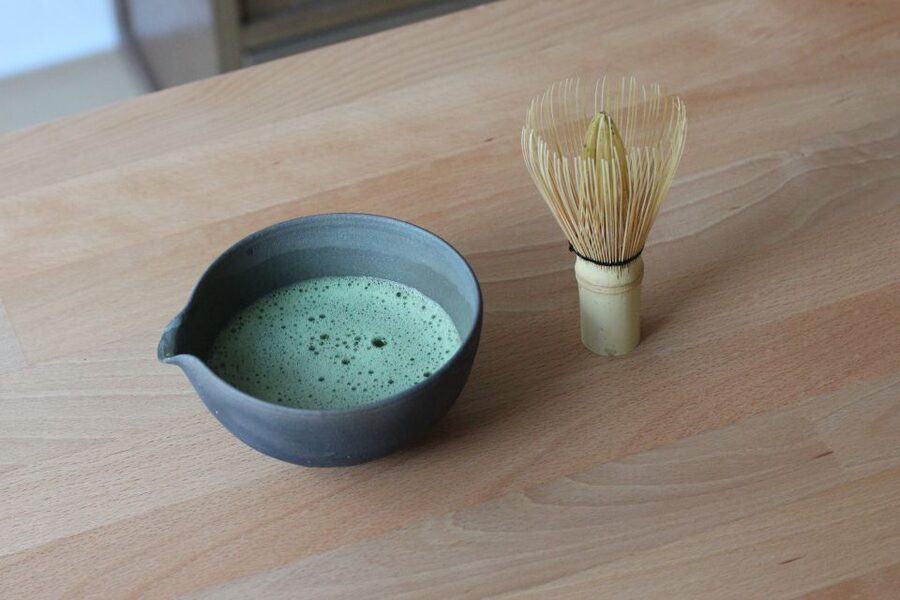
I would recommend it to adults who enjoy food education, Japanese culture, or careful tastings. It suits a solo visitor, a couple, or a small group of friends who want a slower activity in Tokyo.
It is especially good for:
- People who want to compare several kinds of Japanese green tea
- Matcha drinkers who have mostly tried matcha in sweets or café drinks
- Visitors interested in Japanese food traditions and tea preparation
- Anyone considering buying tea in Japan
- People who prefer small, quiet activities to large group tours
The session is not suitable for children under 18 or pregnant women, according to the supplied conditions. It is also not the best choice for someone who dislikes bitter, grassy, or savory flavors. You may enjoy some samples more than others, which is part of the point, but the tasting is firmly centered on green tea.
The activity is conducted in English. That makes the explanations accessible to English-speaking participants, particularly when the host discusses farming, grades, preparation, and the history of tea.
Practical advice before you go
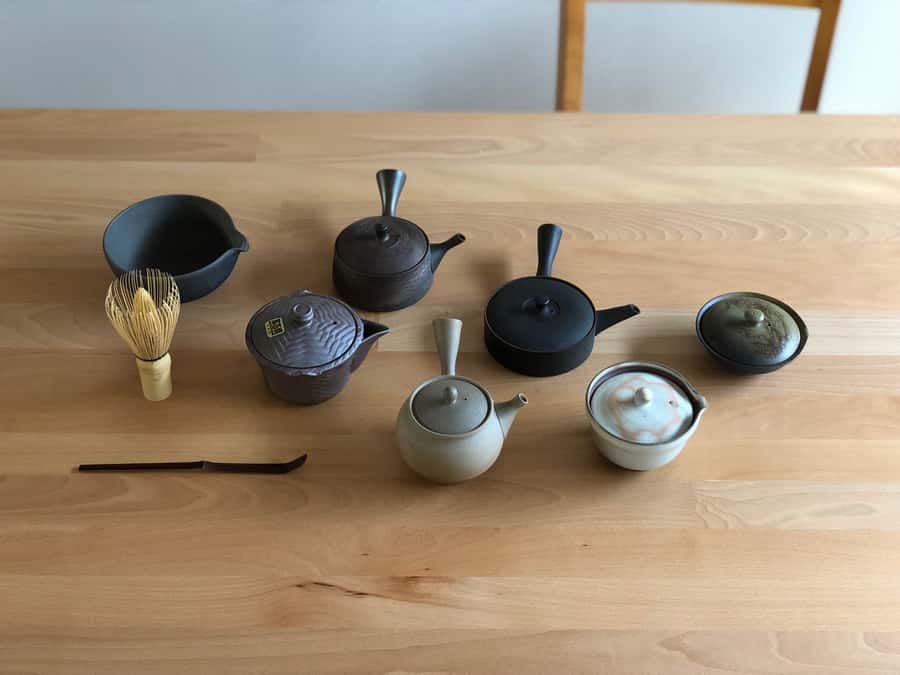
Schedule this when you can give it your full attention. A 90-minute tasting with 12 teas is more demanding than it sounds, especially if you want to compare flavors carefully.
Bring questions. You might ask which teas are best for daily drinking, how to store Japanese tea, or how to tell when a tea’s price reflects quality rather than presentation. The small group format should give you room to ask.
Do not assume the most expensive tea will be your favorite. The experience works best when you treat it as a personal comparison. Notice the tea you would actually want to drink again, not only the one with the highest grade.
Read the meeting instructions before leaving for the appointment. You will enter an apartment building and use the specified intercom buttons, so this is different from meeting outside a museum or station.
The booking terms are flexible: you can cancel up to 24 hours ahead for a full refund, and you can reserve now while paying later. Starting times depend on availability.
My verdict: a strong choice for serious tea beginners
I would book this experience if you want to understand Japanese tea rather than simply taste one cup. The seven senchas give the session its strongest educational value, while the four matchas and premium gyokuro add range.
The host’s clear explanations, small group size, family-farm sourcing, and traditional confectionery pairing all support the price. The setting is plain and residential, and the session may not suit people who dislike strong green tea, but those are fair trade-offs for a focused 90-minute workshop in downtown Tokyo.
Book it if you want a quiet, useful break from sightseeing and an informed starting point for buying or drinking Japanese tea. Skip it if you want a formal ceremony, a full meal, or a quick café-style matcha.
FAQ
Where does the Japanese tea tasting take place?
It takes place in a cozy apartment room in downtown Tokyo on Honshu, Japan.
How long does the tea tasting last?
The experience lasts 90 minutes.
How many teas will I taste?
You will taste 12 types of Japanese tea: seven senchas, four matchas, and one premium-grade gyokuro.
Is the session conducted in English?
Yes. The instructor language is English.
What food is included with the tea?
A small portion of traditional Japanese confectionery is paired with the matcha.
How many people can join the session?
The activity is limited to four participants.
Are children allowed to attend?
No. The experience is not suitable for children under 18.
Is the experience suitable for pregnant women?
No. The supplied activity information says it is not suitable for pregnant women.
Can I cancel the booking?
Yes. You can cancel up to 24 hours in advance for a full refund. You can also reserve now and pay later.
More Green Tea Tours in Tokyo
- Uji: Green Tea Tour with Byodoin and Koshoji Temple Visits
★ 4.8 · 72 reviews - Scenic Green Tea Fields of Hidden Kyoto & Local Tea Exp (Private)
★ 5.0 · 32 reviews - Osaka; Japanese Tea ceremony experience, Macha and Sencha
★ 4.9 · 29 reviews - Kyoto Matcha Green Tea Tour
★ 4.7 · 28 reviews
More Tea Tastings in Japan
- Matcha Experience with of Japanese Tea Tasting in Tokyo
★ 5.0 · 31 reviews - Nara:5 Type of Tea Tasting & Mindful Tea Ceremony
★ 5.0 · 28 reviews - Nara:Tea Tasting&Private Tea Ceremony -Master Matcha Making-
★ 5.0 · 19 reviews - Small Group Japanese Green Tea Tasting in Shizuoka
★ 5.0 · 7 reviews
Just added around Tokyo
- Yokohama : Tea Ceremony with Sweets and Souvenir★ 5.0 · 5 reviews
- Walking Tour: Yanaka,Nezu& Sendagi: Tea Ceremony & Old Tokyo★ 5.0 · 3 reviews
- Private Kimono and tea ceremony at local home near Tokyo Disney★ 5.0 · 6 reviews
- Private Mochi・Matcha sweets Making Class Near Shibuya Area★ 5.0 · 22 reviews
- Tokyo Sweets Tour: Hidden Gems & Matcha at an Old Tea House★ 5.0 · 6 reviews
- Kimono and Tea Ceremony in Asakusa Private Food Tour With Guide★ 5.0 · 4 reviews
- 2 Hours Mochi &Nerikiri Making & Matcha Class in Bunkyo★ 5.0 · 21 reviews
- Tokyo: Tea Ceremony & Japanese Sweets Making★ 5.0 · 10 reviews
Matcha Experiences in Tokyo, compared.

Matcha Making Class in Tokyo with Authentic Japanese Sweets Set
Read our review →
Matcha Making Experience with Mochi Sweets in Asakusa
Read our review →
Asakusa: Kimono Tea Ceremony with Matcha and Sweet
Read our review →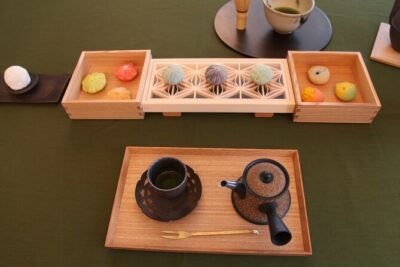
Make Traditional Nerikiri Sweets & Matcha experience in Shibuya
Read our review →