
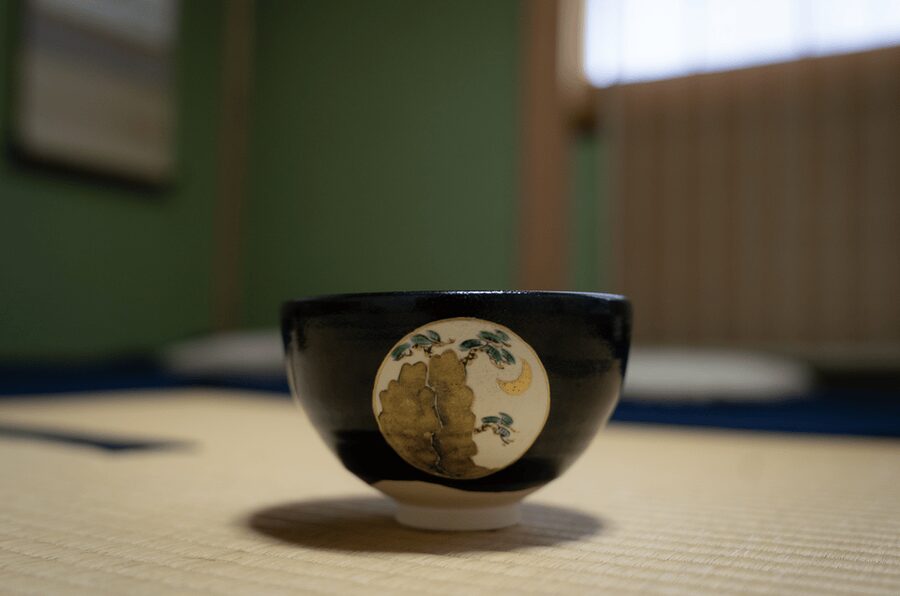
Review · KYOTO
Kyoto: Tea Ceremony Experience in a Small Tea Room
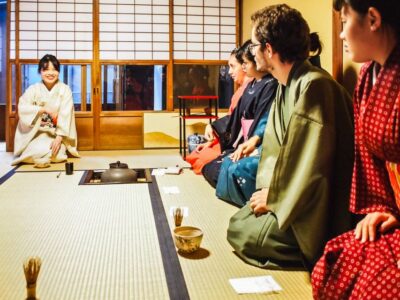
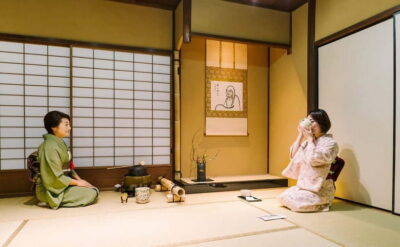
Slow down in Kyoto’s quietest hour. This one-hour tea ceremony brings you close to Japanese tradition without making you feel like you need a degree in tea etiquette. A teacher with more than 30 years of experience guides the session in English, explaining the meaning behind the gestures as well as the practical steps.
I especially like the chance to prepare your own matcha, and I like the small group limit of six people. That keeps the lesson personal and gives you room to ask questions. The only point to consider is the short duration: you get a focused introduction, not a full study of every tea-school custom.
The setting adds real value. The tea room is about a 15-minute walk from the Kamogawa Delta and roughly 15 minutes from Demachiyanagi Station, so you can pair the ceremony with a riverside walk or use it as part of a day heading toward Kibune Shrine and Rurikou Temple. Ms. Yamazaki has earned praise for her patience and clear teaching, which matters when unfamiliar movements are involved.
Key points at a glance
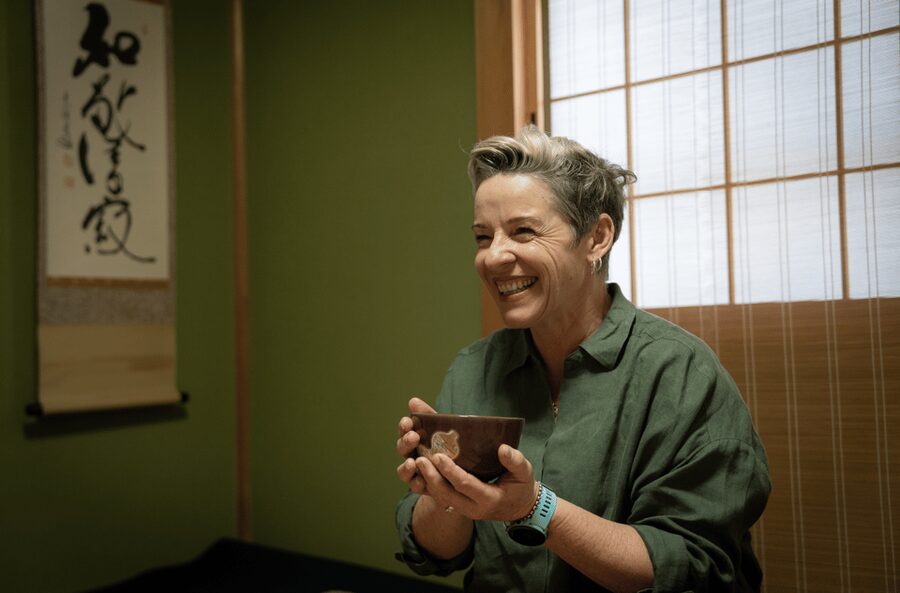
- A 30-year tea master: Learn from an instructor with decades of experience in Japanese tea culture.
- Your own bowl of matcha: You can whisk the powdered tea yourself, with guidance at each step.
- A six-person maximum: The small group size allows for questions and personal instruction.
- A calm northern Kyoto setting: The tea room is a 15-minute walk from the Kamogawa Delta and Demachiyanagi Station.
- English instruction: The ceremony is designed for beginners, with explanations throughout.
- A modest $38 price: For an hour of instruction, matcha, sweets, and a traditional setting, the cost is fair.
What the one-hour ceremony is really about
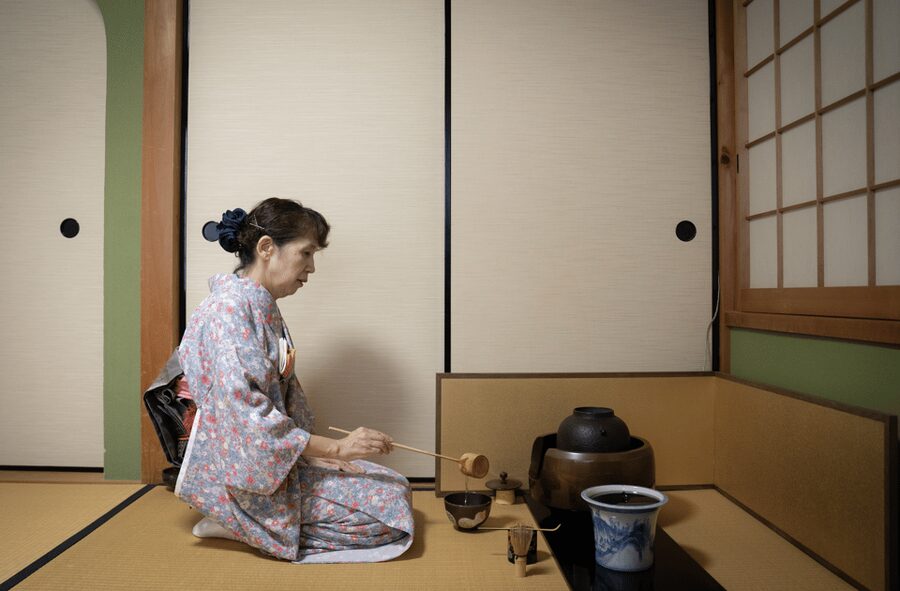
This is not simply a cup of green tea served in a pretty room. Japanese tea ceremony, known as chanoyu or sado, places value on careful movement, attention, hospitality, and the shared moment between host and guest.
You do not need prior knowledge. The instructor’s job is to make the customs understandable rather than mysterious. That is especially helpful in Kyoto, where some tea experiences can feel formal or intimidating to a first-time visitor.
The session is built for access. You can listen, watch, ask questions, and take part in preparing matcha if you wish. That last option is important. You are not just observing a performance. You get to understand the process through your own hands.
The lesson also gives you a better sense of why the tea ceremony moves slowly. The measured gestures are not there to waste time. They help focus attention on the tea, the host, the guest, and the small details of the room.
More Tea Ceremonies in Kyoto
- Kyoto: Tea Ceremony in a Traditional Tea House in Kiyomizu
★ 4.9 · 3,519 reviews - Kyoto: Tea Ceremony Ju-An at Jotokuji Temple
★ 4.9 · 3,207 reviews - Kyoto: 45-Minute Tea Ceremony Lesson Experience
★ 4.3 · 2,378 reviews
Finding the Tisato tea room near Kamogawa Delta
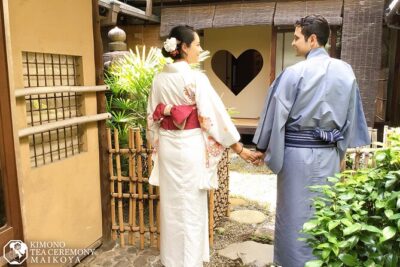
The meeting point is a Japanese house marked with a sign reading Tisato. That detail is worth noting before you leave, because a traditional residential street can be less obvious than a hotel lobby or large attraction entrance.
The location works well for a northern Kyoto itinerary. Kamogawa Delta is about a 15-minute walk away, offering a peaceful place beside the river where you can pause before or after the ceremony. Demachiyanagi Station is also about a 15-minute walk away.
That station is useful for reaching areas connected with Kibune Shrine and Rurikou Temple. The tea ceremony can therefore fit into a day of sightseeing rather than requiring a separate cross-city trip.
I would allow enough time to find the Tisato sign without rushing. The experience itself lasts only one hour, and arriving flustered would work against the calm mood the session is meant to create.
Meeting a teacher with 30 years of experience
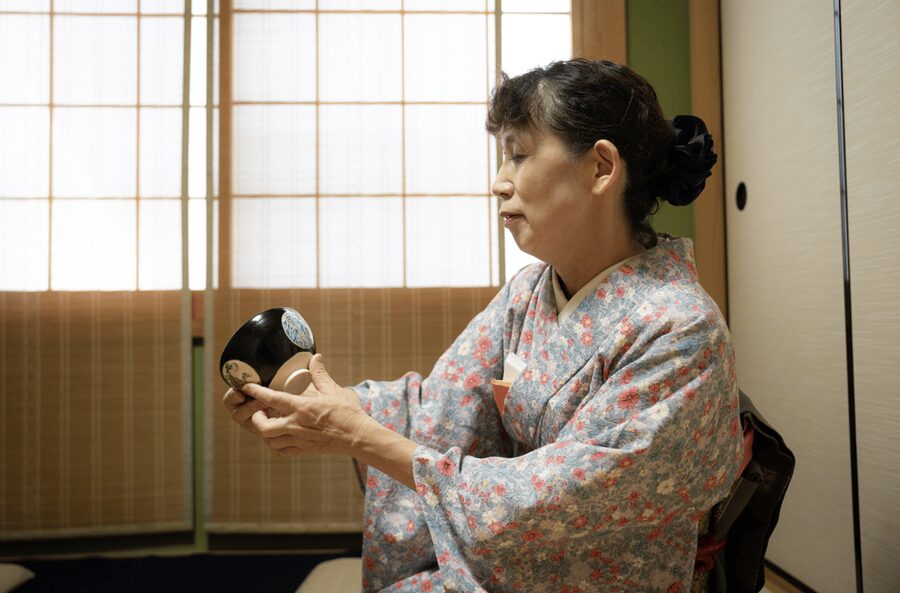
The main strength here is the instructor. Thirty years of practice gives the teacher more than technical skill. It also helps with the small adjustments that make a beginner feel comfortable.
A tea ceremony includes movements that may seem unusual at first. You may not know where to place your hands, how to hold the bowl, or when to move. The instructor explains the steps and helps you follow along, so you are not left guessing.
Ms. Yamazaki is specifically praised for being patient, kind, and clear. Those qualities matter more than grand presentation. A teacher who can explain the purpose behind each action will give you a better understanding than someone who simply performs the ritual in front of you.
The instruction is in English. That makes the experience useful for visitors who want cultural context rather than a silent demonstration. You can learn what you are doing and why it matters.
Preparing matcha with your own hands
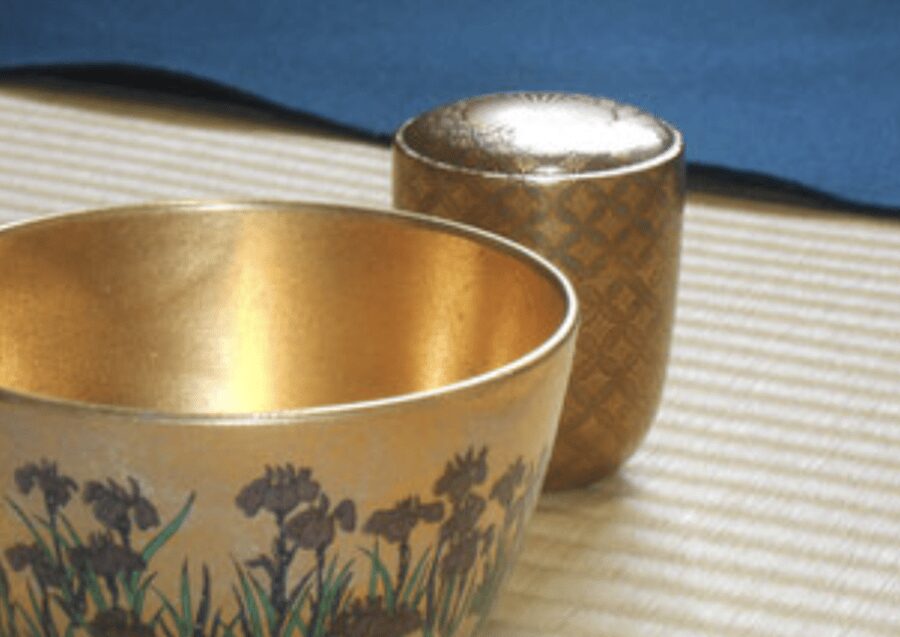
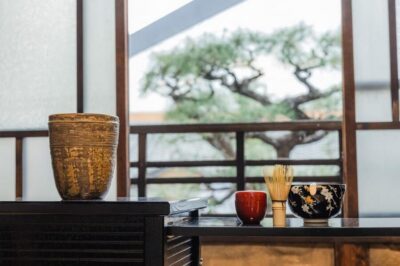
The hands-on part is the feature I find most appealing. Matcha is powdered green tea, and its preparation depends on more than stirring. The whisking motion, the handling of the bowl, and the order of the actions all have a place.
You are guided through the preparation instead of being expected to know the technique already. The teacher shows you the steps, then helps you make the tea yourself if you choose to participate.
Do not worry about producing a perfect bowl. The value is in learning the method and noticing the care involved. A beginner’s whisking may be uneven, but that is part of the experience. You are there to learn, not pass an examination.
The session also makes a useful distinction between ordinary tea drinking and tea ceremony. Matcha is not treated as a quick caffeine stop. The preparation gives the drink a sense of occasion, and the careful movements encourage you to pay attention to the present moment.
Same place, a different pot:
- Kyoto: Table-Style Tea Ceremony at a Kyo-Machiya
★ 4.9 · 1,211 reviews - Kimono Tea Ceremony at Kyoto Maikoya, NISHIKI
★ 5.0 · 911 reviews - Kyoto: Arashiyama Bamboo Forest, Monkeys, Matcha & Temple Tour
★ 5.0 · 759 reviews - Kyoto: Kimono Tea Ceremony at Orizuruya Gion
★ 4.9 · 618 reviews
Matcha and traditional dried sweets
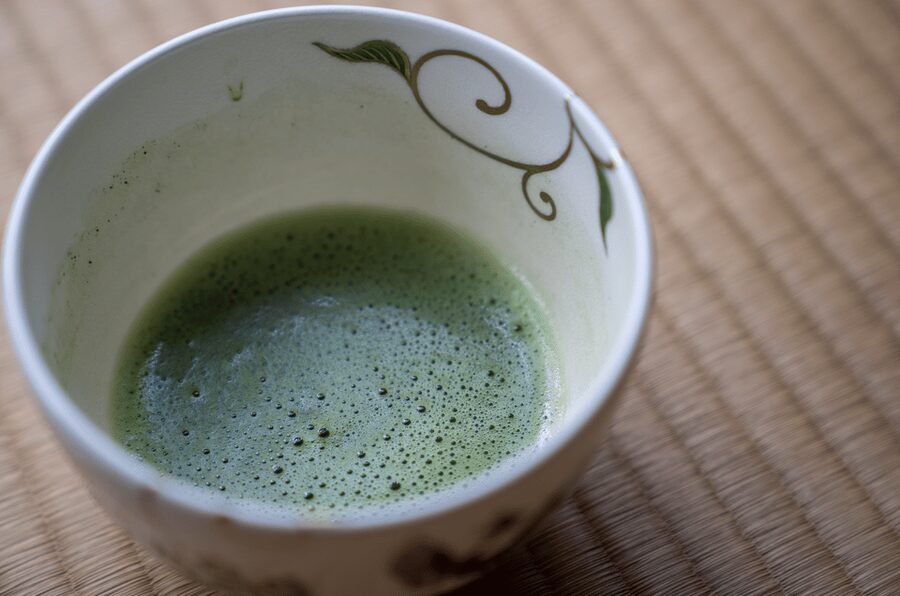
The experience includes matcha and traditional dried sweets. The sweets are an important part of the tasting, not just a small extra on the side.
Their sweetness helps balance matcha’s strong, grassy flavor. If you have only tried sweetened bottled green tea, the taste of traditional matcha may surprise you. The dried sweets give your palate a gentler introduction.
The tea and sweets have also received strong praise for their flavor. That is useful to know because the food element is simple rather than elaborate. You should expect a focused tea tasting, not a meal or a broad selection of Japanese desserts.
This simplicity suits the ceremony. The purpose is to notice the tea, the preparation, and the relationship between host and guest. A large spread would pull attention away from the central ritual.
Why the small group matters
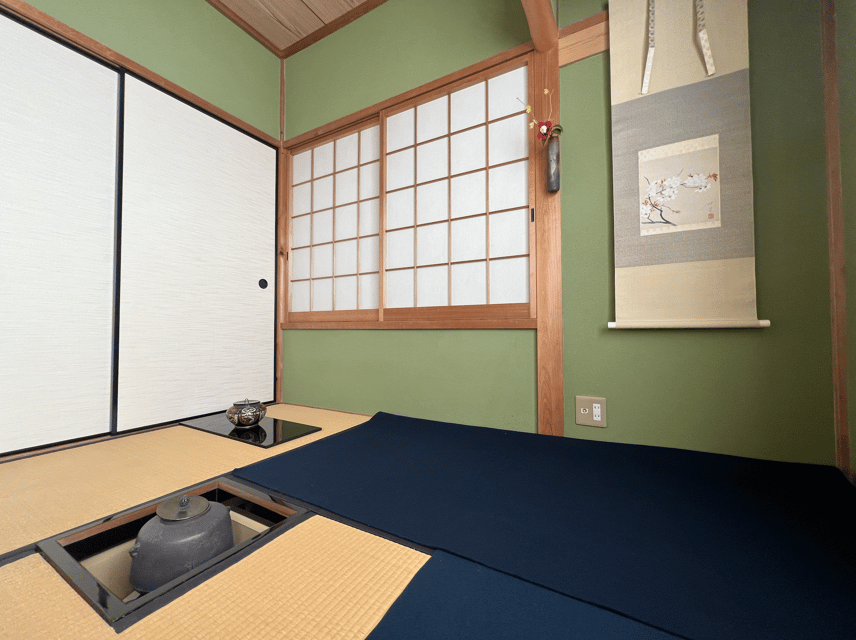
The experience is limited to six participants. That is a practical advantage in a tea room, where too many people could make the session feel crowded and make personal instruction difficult.
With a small group, you have a better chance to see the teacher’s movements clearly. You can also ask questions without interrupting a large presentation. If you decide to prepare matcha, the instructor has more room to guide you.
The group size can also shape the mood. Six people still gives you a shared experience, but it is less likely to feel like a staged demonstration for a busload of people.
There is one tradeoff. A small tea room and a six-person group may not suit someone looking for a grand ceremonial setting or a large cultural show. This experience is quieter and more intimate. Its appeal is close instruction, not spectacle.
The nearby Kamogawa Delta and northern Kyoto
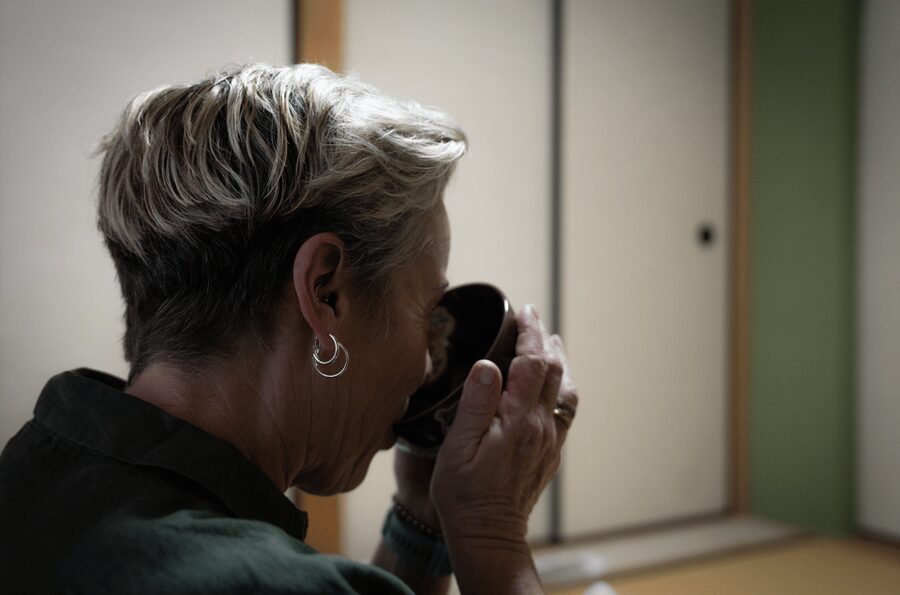
The location is one of the best reasons to fit this activity into your Kyoto plans. Kamogawa Delta is only about a 15-minute walk away, so you can connect the tea ceremony with a calm riverside visit.
The delta is a natural pause between busy sightseeing stops. You can walk beside the water, sit for a while, and then continue toward the tea room. The setting helps you shift out of sightseeing mode before the ceremony begins.
Demachiyanagi Station is also about 15 minutes away on foot. From there, the area provides a starting point for exploring places such as Kibune Shrine and Rurikou Temple.
The tea experience does not include transportation to those sites, and it does not claim to provide a guided tour of them. Think of the ceremony as a well-placed addition to your own route. Check your separate plans and travel times before combining everything into one day.
Is $38 a fair price?
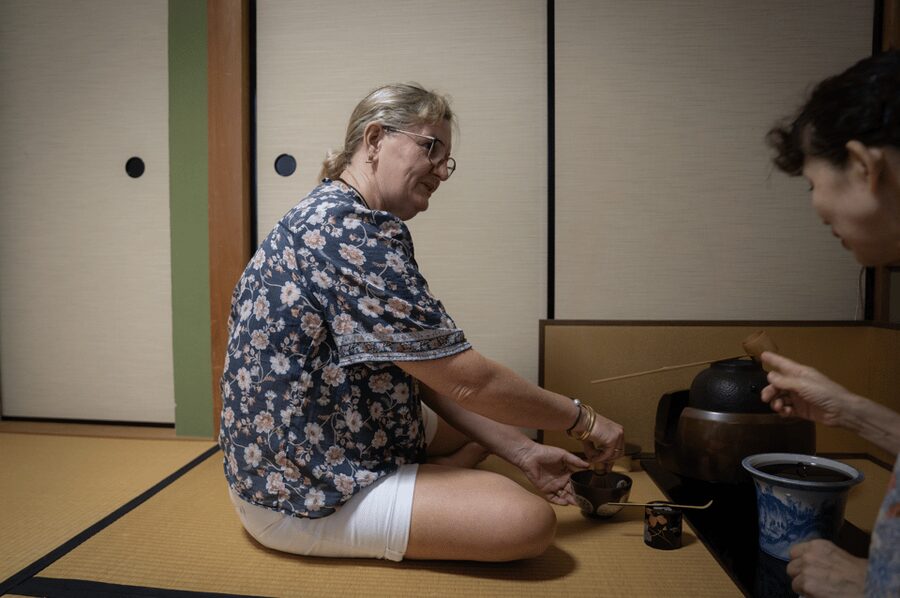
At $38 per person, the experience offers reasonable value for Kyoto. You receive one hour with an experienced instructor, English guidance, matcha, traditional dried sweets, and a hands-on activity in a small group.
The price makes more sense if you value instruction. You are paying for access to a teacher with 30 years of experience, not just for a prepared drink in a traditional room.
It is also less expensive than many lengthy cultural activities, while still giving you a meaningful introduction to one of Japan’s best-known traditions. The session is short, but it is focused.
The value is weaker if you want a long ceremony, a meal, or a full-day explanation of tea schools and Japanese history. None of those are part of the activity. At one hour, this is an efficient introduction.
For many visitors, that is the right amount. Kyoto offers a lot to see, and a compact cultural activity can fit between major sights without taking over your entire day.
Who will enjoy this tea ceremony most?
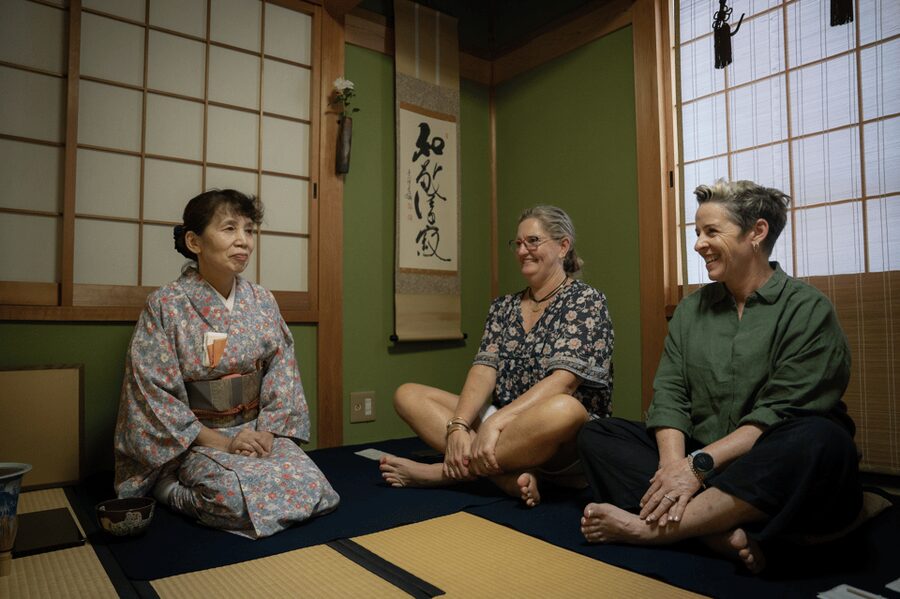
This experience suits first-time visitors to Japan who want a clear introduction to tea ceremony without feeling out of place. The English instruction and beginner-friendly approach remove much of the uncertainty.
It also works well for couples, solo visitors, and small groups of friends. The six-person limit keeps the event personal, while the one-hour length makes it easy to schedule.
Families may appreciate the chance to prepare tea, but the supplied information does not specify a minimum age or special arrangements for children. If you are planning to bring young children, check the current conditions before booking.
You should also choose this experience if you value cultural explanation. The strongest part is not simply drinking matcha. It is understanding the purpose behind the movements and trying them under careful guidance.
This may not be the best choice if you dislike sitting quietly, prefer fast-paced sightseeing, or want a large-scale cultural performance. The charm depends on patience and attention.
Timing, cancellation, and practical planning
The duration is one hour, and available starting times should be checked when you select your date. Build in walking time to the Tisato meeting point, especially since the entrance is identified by a sign on a Japanese house.
You can cancel up to 24 hours in advance for a full refund. A reserve-now, pay-later option is also available, which helps if your Kyoto schedule is still changing.
The instructor’s language is English, and the group type is small. Matcha, dried sweets, the ceremony, and instruction are included.
The available information does not provide details about seating style, accessibility, age limits, photography, or dietary substitutions. If any of those points affect your plans, ask before reserving rather than assuming.
What makes the experience feel authentic
Authenticity here comes from the teacher’s long practice and the attention given to the preparation. You are not simply handed a cup and told a few facts about Japanese culture.
The ceremony introduces the values of care, calm, and respect through action. You see how the host prepares the tea, then get the chance to repeat the steps yourself. That creates a stronger memory than a short explanation alone.
The setting also helps. A small Japanese house near the Kamogawa Delta feels more personal than a large visitor center. You get a quiet cultural stop in a part of Kyoto that can connect naturally with your wider itinerary.
Still, keep your expectations sensible. One hour cannot cover every form of tea ceremony or explain the differences among all Japanese tea traditions. What it can do is give you a thoughtful foundation and a practical first experience.
Should you book this Kyoto tea ceremony?
I would book this if you want a calm, well-explained introduction to matcha and Japanese tea culture. The combination of a seasoned teacher, English instruction, hands-on preparation, and a six-person limit gives the $38 price solid value.
It is especially useful near the start of your Kyoto visit, when you can carry a better understanding of tea customs into later cultural stops. It also fits neatly into a day around Kamogawa Delta and Demachiyanagi Station.
Choose another activity if you want a long ceremony, a full meal, or a large performance. For everyone else, this is a compact and welcoming way to slow down, learn a traditional skill, and see a quieter side of Kyoto.
FAQ
How long does the Kyoto tea ceremony last?
The experience lasts one hour.
How much does the tea ceremony cost?
The listed price is $38 per person.
Is the tea ceremony taught in English?
Yes. The instructor provides instruction in English.
How many people can join the group?
The activity is limited to six participants.
Can beginners take part?
Yes. The session is designed to welcome people with no previous tea ceremony experience.
Can I prepare my own matcha?
Yes. You can make your own tea if you wish, with guidance from the instructor.
What is included in the price?
The price includes the tea ceremony, instruction from an experienced teacher, matcha tea, and traditional dried sweets.
Where is the meeting point?
Enter the Japanese house marked with the sign reading Tisato.
How far is the tea room from Kamogawa Delta and Demachiyanagi Station?
The tea room is about a 15-minute walk from both Kamogawa Delta and Demachiyanagi Station.
More Afternoon Tea in Kyoto
- London: Afternoon Tea Cruise on the River Thames
★ 4.4 · 3,274 reviews - Afternoon Tea Bus Tour in Dublin
★ 5.0 · 2,791 reviews - London: Afternoon Tea Bus Tour – 1960s Routemaster Bus
★ 4.5 · 2,032 reviews - London: Afternoon Tea Bus with a Glass of Prosecco
★ 4.4 · 1,853 reviews
Just added around Kyoto
- Uji Walking Tour – Byodo-in temple and Tea Ceremony from Kyoto★ 3.5 · 3 reviews
- Tea ceremony at Kyoto’s Zen Temple Teahouse★ 5.0 · 2 reviews
- Kyoto: Authentic Tea Ceremony in a Small Group★ 5.0 · 7 reviews
- Tea Ceremony in 150 Years Old Townhouse with Tables and Chairs★ 5.0 · 22 reviews
- Tea Ceremony Experience in Traditional Kyoto Townhouse★ 5.0 · 19 reviews
- Traditional Tea Ceremony in Kyoto★ 4.5 · 3 reviews
- Silent Beauty of Kyoto Zen Walk and Tea Experience★ 5.0 · 2 reviews
- Kyoto Private Tea Ceremony at a Japanese Inns★ 5.0 · 12 reviews
Tea Ceremonies in Kyoto, compared.
Tea Ceremony in a Traditional Tea House in Kiyomizu
Read our review →
Tea Ceremony in 100-year-old Kyo-Machiya Townhouse
Read our review →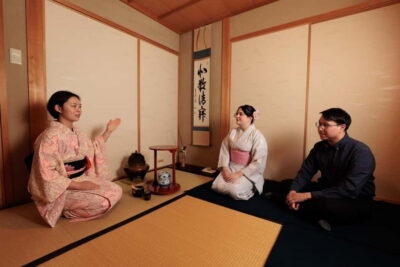
Browse the lists this tour appears in