
Review · KYOTO
Kyoto Fushimiinari:Wagashi Making & Small Group Tea Ceremony
Slow down in Kyoto for a while. This 75-minute experience combines hands-on wagashi making with a small, friendly tea ceremony in a local Japanese home near Fushimi Inari. You are not just watching a host prepare sweets and tea. You make one sweet yourself, learn how to whisk matcha, and sit in a traditional Japanese room with a garden view.
I especially like the small group of up to six people, which gives you room to ask questions and follow the demonstrations without feeling lost. I also like the calm setting: the house, tiny garden, tatami room, and seasonal sweets provide a welcome pause from Kyoto’s busy sightseeing streets. The main consideration is that you must be comfortable sitting on the floor unless you request a chair or table ahead of time.
This is a good choice if you want a gentle cultural activity rather than a formal performance. English-speaking licensed guide interpreters lead the session, and past participants have particularly praised the clear instructions, warm hosts, tasty mochi, and relaxed approach to tea ceremony.
Key Points Before You Book
- Make your own wagashi: Prepare one kind of Japanese sweet by hand, with the seasonal design and ingredients subject to change.
- Whisk your own matcha: You receive two bowls of matcha, including one you prepare yourself with a bamboo whisk.
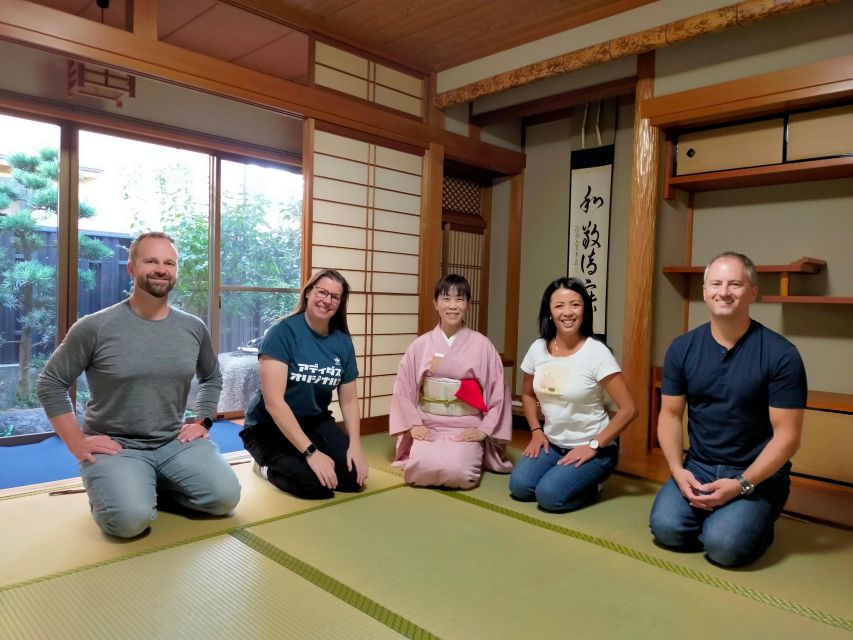
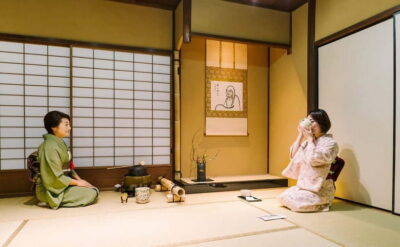
- Enter a traditional Japanese room: When weather allows, you walk through a small garden into an authentic room with tatami flooring and a decorative alcove.
- Learn the meaning behind the ritual: The instructor explains tea ceremony manners, the history of tea, and the meaning of the hanging scroll.
- Enjoy a quiet six-person setting: The limited group size makes it easier to ask questions and receive hands-on help.
- Plan for floor seating: Chairs and tables are available if requested in advance, but bare feet are not allowed. Bring socks.
A Quiet House Near Fushimi Inari
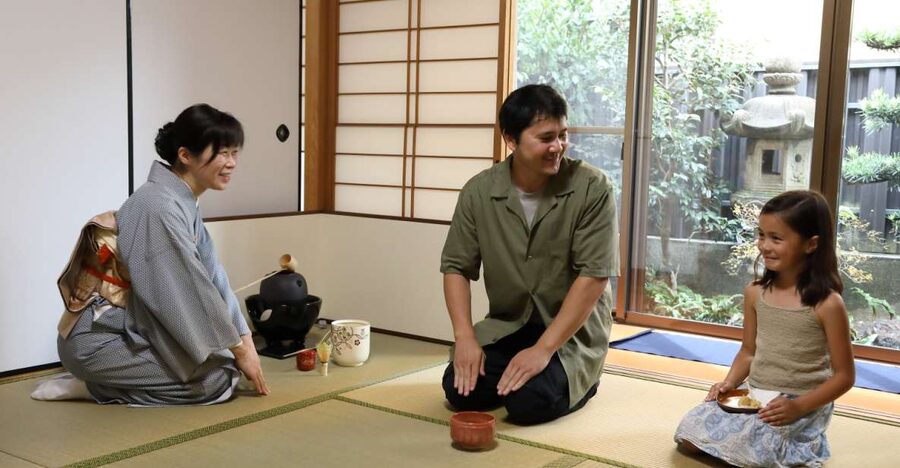
Fushimi Inari is famous for its long rows of red torii gates, but Kyoto can feel crowded around major sights. This experience gives you a different side of the area. Instead of another quick stop for photographs, you enter a local house with Japanese-style rooms and a garden view.
The setting matters. Tea ceremony is built around attention to place, season, and small actions. A quiet room helps you notice details that would be easy to miss in a busy attraction. The garden is tiny rather than grand, but that is part of the charm. You walk through it before entering the traditional room when the weather is suitable.
If it rains, the outdoor garden walk may not happen. The tea ceremony still takes place, but you should not book this expecting a large garden tour. The focus is the house, the room, the sweets, and the tea.
An English-speaking host welcomes you and leads you first to the kitchen. The instruction is designed for participation, not simply watching. That distinction gives the experience more value than a short demonstration because you leave with a practical skill and a better feel for the care involved in Japanese confectionery.
More Tea and Sweets Making in Kyoto
- Kyoto: Japanese Traditional Sweets Making and Tea Ceremony
★ 4.4 · 314 reviews - Kyoto: Traditional Tea Ceremony with Matcha & Sweets in Gion
★ 4.9 · 27 reviews - 2 Types of Japanese Sweets making and Tea Ceremony
★ 4.6 · 17 reviews
Making Wagashi in the Kitchen
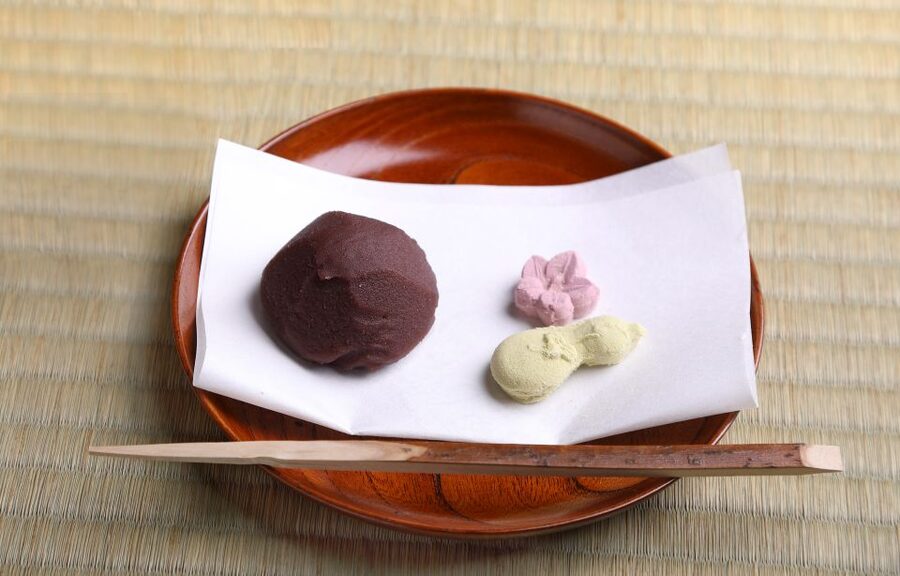
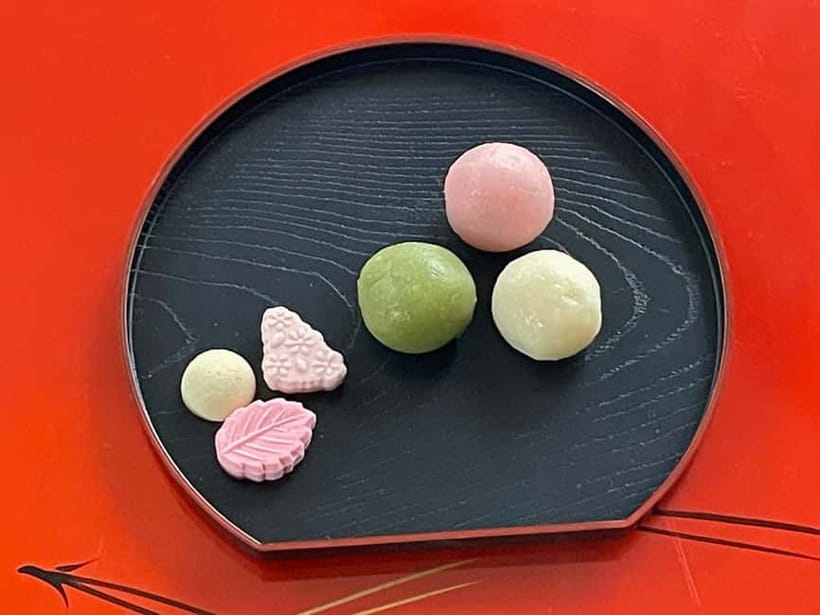
The first activity is a hands-on lesson in making one type of wagashi, the traditional Japanese sweet served with tea. The exact sweet can change with the season, so the finished treat may not look exactly like the pictures used when you book.
One useful detail from the session is that the sweet may be mochi filled with red bean paste and white bean paste. That combination gives you a chance to taste two familiar Japanese fillings rather than only learning about them in theory. The confection is not just a snack placed in front of you. You prepare it yourself and later eat it during the tea ceremony.
I like this order. You first work with the ingredients, then see the sweet in its proper setting beside matcha. It connects the kitchen lesson with the customs of the tea room. You also gain a souvenir that cannot be packed into a suitcase: the ability to prepare a Japanese sweet for friends or family at home.
The class is short, so do not expect to master many varieties of wagashi. You learn one kind. That is enough for a focused introduction, but anyone hoping for a full Japanese pastry course should choose a longer cooking class.
The hosts explain the steps in English, and the experience is intended to be easy to follow. Several participants have singled out the clear demonstrations and helpful instruction. The small group helps here. With no more than six people, you can watch the technique closely and ask for help if your sweet does not quite cooperate.
Walking Into the Tea Room
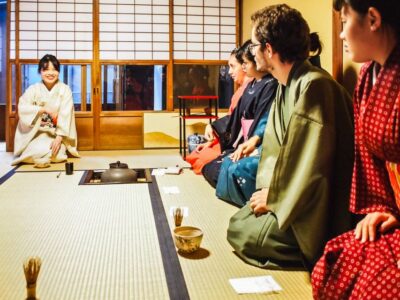
After the kitchen lesson, the tone changes. You receive an explanation of how to attend a tea ceremony and how to behave in the Japanese room. This preparation is important because the ceremony has its own manners, but the approach is not described as rigid or intimidating.
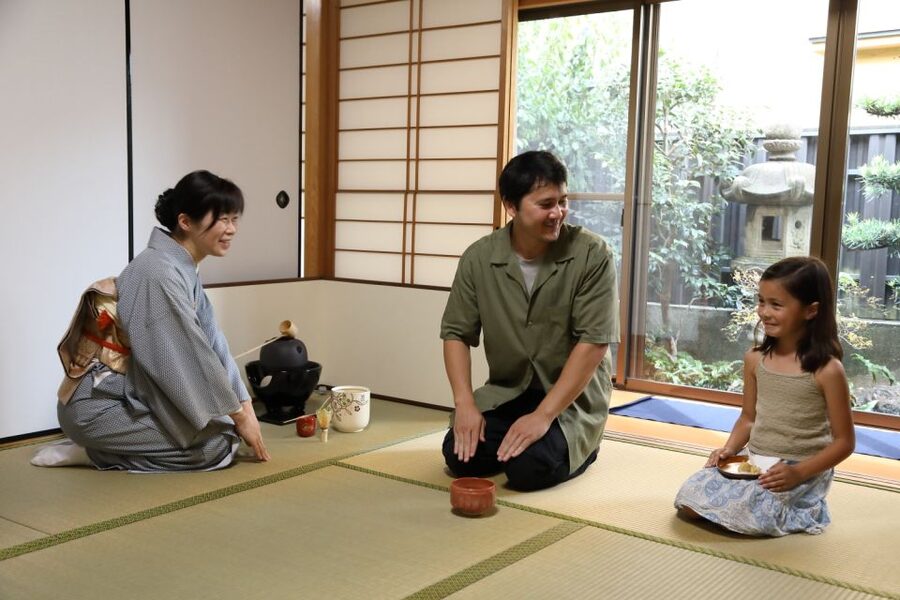
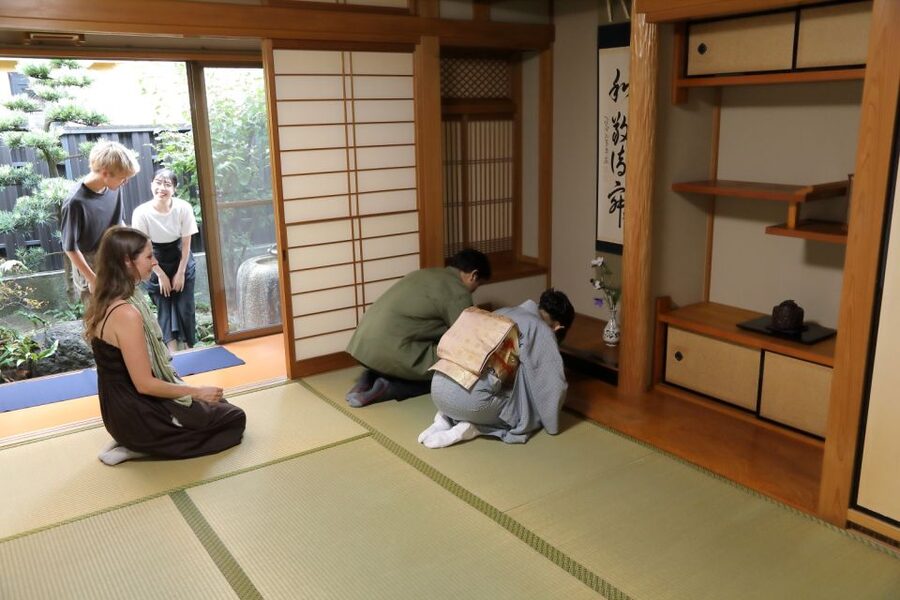
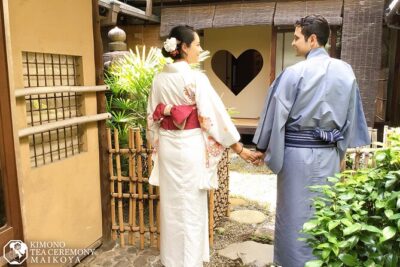
You then walk through the little garden, weather permitting, and enter an authentic Japanese-style room. You sit on the tatami floor, so wear comfortable clothes and bring socks. Bare feet are not permitted. If sitting on the floor is difficult, request chairs and tables before the session begins.
The room includes an alcove with a hanging scroll. The instructor explains its meaning, along with the role it plays in the room. This is a useful cultural detail. A tea room is not simply decorated to look Japanese. The objects and their placement carry meaning, and the explanation helps you see the room as a place prepared for a particular occasion.
The session also covers the history of tea and the purpose of tea ceremony. You should expect a clear cultural introduction rather than an academic lecture. The instructors are licensed guide interpreters, so the explanations are delivered in English and designed for international participants.
That language support is one of the strongest practical features. Tea ceremony has many small movements and customs. Good English instruction means you can understand what you are doing instead of copying gestures without knowing why.
Watching the Matcha Ceremony
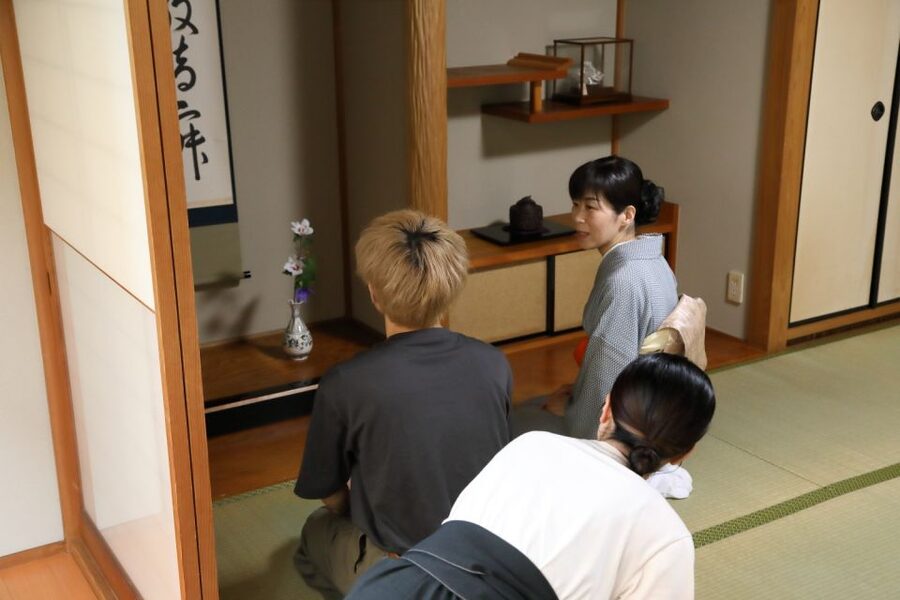
Once you are seated, the instructor demonstrates how to drink matcha. You first enjoy the wagashi you have made, then drink the tea in the customary way. The sweet comes before the matcha for a reason: its sugary flavor prepares your palate for the tea’s more bitter, grassy taste.
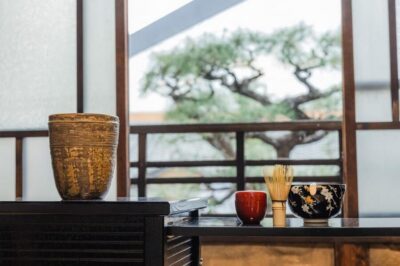
The host then demonstrates the ceremonial preparation of matcha. Watch the hand movements closely. The bamboo whisk, the bowl, the amount of powder, and the motion used to mix the tea all become part of the lesson.
This is not presented as a strict ceremony in which you must remain silent or fear making a mistake. The instruction allows participants to take part at their own pace, and questions about Japanese culture are welcome. That makes it a good first introduction for anyone who has felt nervous about formal etiquette.
The relaxed tone does not make the experience less meaningful. Instead, it lets you focus on the details. You can learn why the tea is prepared in a certain way, how to receive it, and how the room and sweets fit together.
The tea itself is included, with two bowls per person. One is prepared by the host or instructor, and one is prepared by you. That gives you a useful comparison between watching an experienced tea maker and trying the technique yourself.
More Tea Ceremonies in Kyoto
- Kyoto: Tea Ceremony in a Traditional Tea House in Kiyomizu
★ 4.9 · 3,519 reviews - Kyoto: Tea Ceremony Ju-An at Jotokuji Temple
★ 4.9 · 3,207 reviews - Kyoto: 45-Minute Tea Ceremony Lesson Experience
★ 4.3 · 2,378 reviews - Kyoto: Table-Style Tea Ceremony at a Kyo-Machiya
★ 4.9 · 1,211 reviews
Whisking Your Own Bowl of Matcha
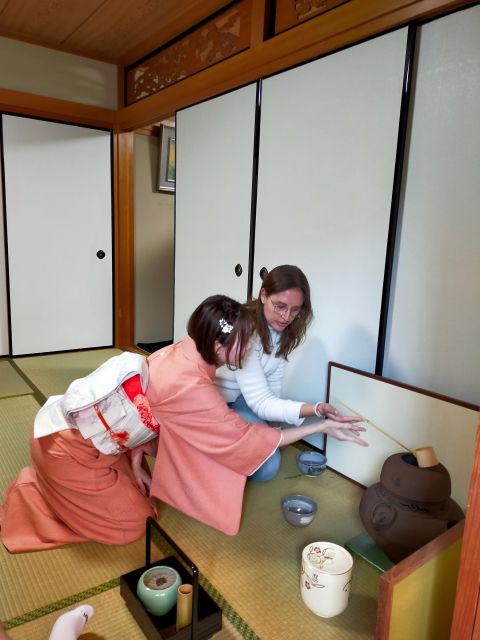
The most practical part comes near the end. After the demonstration, you prepare a bowl of matcha with a bamboo tea whisk. The instructor guides you through the process, giving you the chance to handle the tools and serve the tea correctly.
Your first bowl may not look like a tea master’s. That is fine. The point is to learn the basic method and understand the care behind the drink. You can take that knowledge home and prepare matcha for friends or family.
This hands-on step also helps explain why the experience costs more than simply visiting a café for a bowl of tea. At a café, you receive a finished drink. Here, the price includes instruction, ingredients, two bowls of matcha, wagashi preparation, cultural context, and access to a small private setting.
At $55 per person, the experience is not the cheapest way to taste matcha in Kyoto. But it offers more than food and drink. For a 75-minute activity, the price is reasonable if you value direct instruction and a quiet cultural setting. The value is strongest for people who would otherwise spend a similar amount on several small sightseeing stops without learning a skill.
What Makes the Small Group Worthwhile
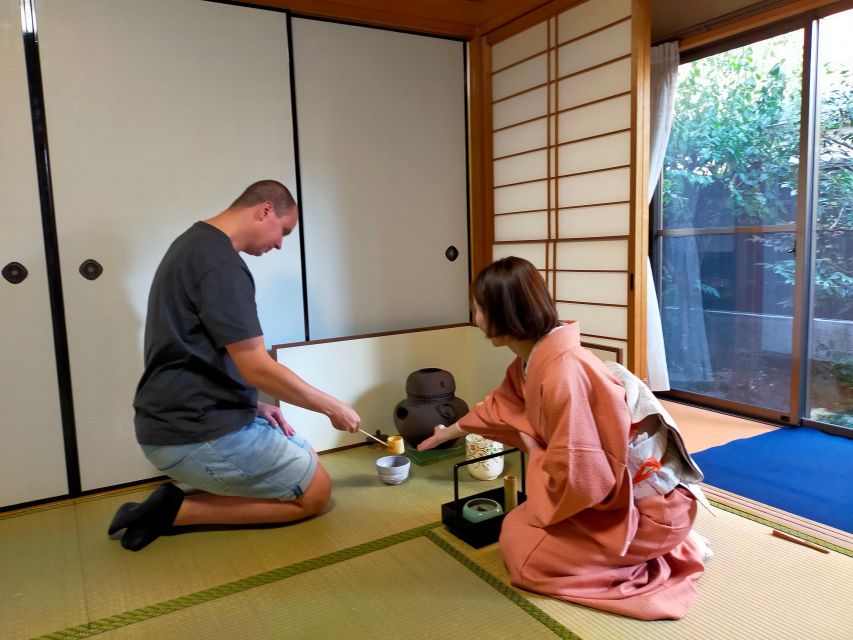
A group limit of six people changes the feel of the class. You are less likely to lose sight of the demonstration, and the host can answer individual questions. The format also suits people who want a personal exchange without committing to a private tour.
The hosts are repeatedly praised for being warm, welcoming, and happy to explain Japanese customs. Miho is one host named by participants, and the tea master is described as friendly and open to questions. These personal touches matter in an activity based on conversation and careful instruction.
You should still keep your expectations realistic. A small group does not mean a private lesson, and the 75-minute schedule leaves limited time for long discussions. The instructors need to keep the class moving so everyone can make the sweet and prepare the tea.
The balance appears to be informal but respectful. You learn the proper steps without being pressured to perform them perfectly. That is the right approach for a first tea ceremony, especially if you know little about Japanese etiquette.
Timing, Comfort, and Practical Details
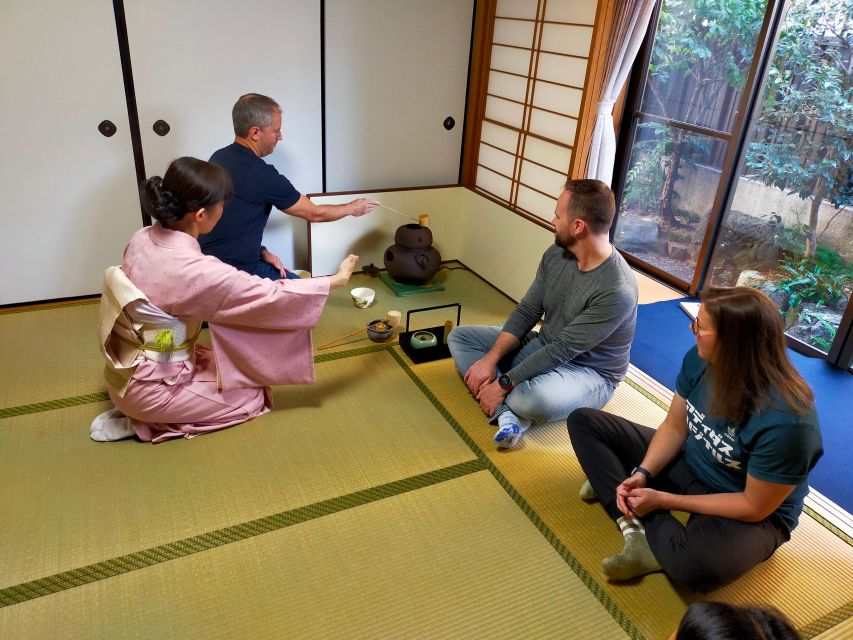
The activity lasts 75 minutes, making it easy to fit into a day around Fushimi Inari. You should allow enough time to arrive at the house and settle in, but the experience itself is short enough to combine with other Kyoto plans.
Hotel pickup and drop-off are not included. You are responsible for reaching the meeting point, and taxi arrangements are not part of the service. Check the exact location and starting time when you book rather than assuming it is inside the main Fushimi Inari shrine grounds.
Wear or bring socks. You cannot participate barefoot. Floor seating is part of the traditional room experience, but chairs and tables can be arranged for anyone who finds sitting on tatami difficult. You need to make that request in advance.
Children under eight are not permitted, and the experience is not suitable for wheelchair users. The information provided does not list a different option for mobility access, so contact the provider before booking if you have specific access needs.
Food restrictions and allergies should also be reported ahead of time. Wagashi may contain ingredients that matter to you, and seasonal sweets can change. The provider can then tell you if the activity is suitable.
Photography is limited. Flash photography and video recording are not allowed, and the hosts may ask you to put away your camera during parts of the session. This protects the atmosphere and allows everyone to pay attention, but it may disappoint anyone hoping to film the full lesson.
Who Will Enjoy This Experience Most?
I would recommend it to first-time visitors who want a clear introduction to tea ceremony without a highly formal atmosphere. It also suits couples, friends, solo participants, and small families with children aged eight and older.
It is especially useful for you if you like learning through action. You make a sweet, handle a bamboo whisk, and take part in the tea service. If you only want to watch a ceremony, you may find the hands-on format more than you need.
Food lovers will appreciate the chance to work with wagashi and taste fillings such as red bean and white bean paste. Culture-focused visitors will value the explanation of the scroll, room, manners, and tea traditions.
I would think twice if you dislike floor seating, cannot wear socks, or want a long, highly formal ceremony. The session is friendly and accessible, but it remains a short introduction rather than advanced tea training.
The activity has earned a perfect 5.0 rating from 14 reviews, with praise focused on the welcoming hosts, clear English, easy-to-follow instruction, tasty sweets, and relaxed ceremony. That pattern gives you a useful picture of the experience: its strength is not spectacle, but thoughtful teaching in a pleasant setting.
Should You Book It?
Book this experience if you want to do more than look at Kyoto’s famous sights. For $55, you receive a small-group lesson, one handmade wagashi, two bowls of matcha, and a guided introduction to tea ceremony inside a traditional Japanese home.
The best reason to book is the combination of activities. You cook, taste, listen, observe, and prepare tea yourself in less than an hour and a half. The main drawbacks are the short duration, floor seating, limited photography, and the fact that you learn only one kind of sweet.
If you have a free morning or afternoon near Fushimi Inari, I think this is a worthwhile cultural pause. Bring socks, report allergies in advance, request a chair if needed, and arrive ready to participate rather than simply watch. You will leave with a better understanding of matcha, a taste for wagashi, and a small skill you can share at home.
FAQ
How long does the wagashi and tea ceremony experience last?
The experience lasts 75 minutes.
How many people can join the group?
The group is limited to six participants.
Is the instruction available in English?
Yes. The instructor speaks English, and the instructors are licensed guide interpreters.
What is included in the price?
The price includes an English-speaking instructor, two bowls of matcha, instruction in making one kind of wagashi, one type of traditional Japanese confectionery, explanations of tea preparation and sweet-eating manners, and all fees and taxes.
Will I make my own Japanese sweet?
Yes. You take part in a hands-on lesson and learn to make one kind of wagashi. The type of sweet may change with the season.
Do I prepare my own matcha?
Yes. The host first demonstrates the ceremonial preparation, then you prepare one bowl yourself using a bamboo tea whisk.
What should I bring?
Bring socks. Bare feet are not allowed in the Japanese-style room.
Can I sit in a chair instead of on the floor?
Chairs and tables are available for people who find floor seating difficult. You should request them in advance.
Just added around Kyoto
- Uji Walking Tour – Byodo-in temple and Tea Ceremony from Kyoto★ 3.5 · 3 reviews
- Tea ceremony at Kyoto’s Zen Temple Teahouse★ 5.0 · 2 reviews
- Kyoto: Authentic Tea Ceremony in a Small Group★ 5.0 · 7 reviews
- Tea Ceremony in 150 Years Old Townhouse with Tables and Chairs★ 5.0 · 22 reviews
- Traditional Tea Ceremony in Kyoto★ 4.5 · 3 reviews
- Silent Beauty of Kyoto Zen Walk and Tea Experience★ 5.0 · 2 reviews
- Tea Ceremony Experience in Traditional Kyoto Townhouse★ 5.0 · 19 reviews
- Kyoto Private Tea Ceremony at a Japanese Inns★ 5.0 · 12 reviews
Tea Ceremonies in Kyoto, compared.
Tea Ceremony in a Traditional Tea House in Kiyomizu
Read our review →
Tea Ceremony in 100-year-old Kyo-Machiya Townhouse
Read our review →
Browse the lists this tour appears in