
Review · KYOTO
Kyoto: Japanese Traditional Sweets Making and Tea Ceremony
Kyoto has a sweet side worth shaping. This 95-minute class gives you two things I especially like: hands-on nerikiri making with bean paste from long-established Kyoto shops, followed by matcha prepared with single-origin Uji tea. At $18, it also offers unusually good value for a central Kyoto activity.
The main caution is that this is a practical introduction, not a formal tea ceremony in a quiet tea house. English help is provided as much as possible, but the instructor teaches in Japanese, and some sessions can be noisy or crowded. Still, the friendly teaching, seasonal designs, and easy access near Gojo Station make this a strong pick for families, curious food lovers, and anyone needing a calm indoor break.
Key points at a glance
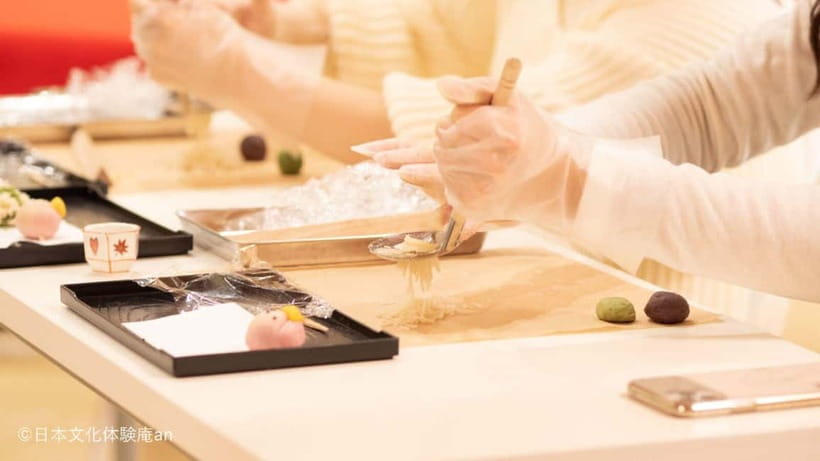
- Shape two seasonal nerikiri sweets: Color white bean paste and form it into designs based on flowers, fruit, or the season.
- Use Kyoto-made bean paste: The white and red bean paste comes from long-established local shops, giving the class a real connection to Kyoto’s confectionery tradition.
- Prepare Uji matcha yourself: You do not simply watch a tea demonstration. You make your own bowl of matcha and drink it with your sweets.
- Spend only $18 for 95 minutes: The low price makes this one of Kyoto’s more accessible cultural activities.
- Expect a Japanese-led class: English explanations vary, though instructors often demonstrate clearly and add English guidance when needed.
- Find it one minute from Gojo Station: The shop faces Gojo-dori and is easy to reach from Exit 1 of the Subway Karasuma Line.
Why nerikiri makes a fine Kyoto souvenir, even before you eat it
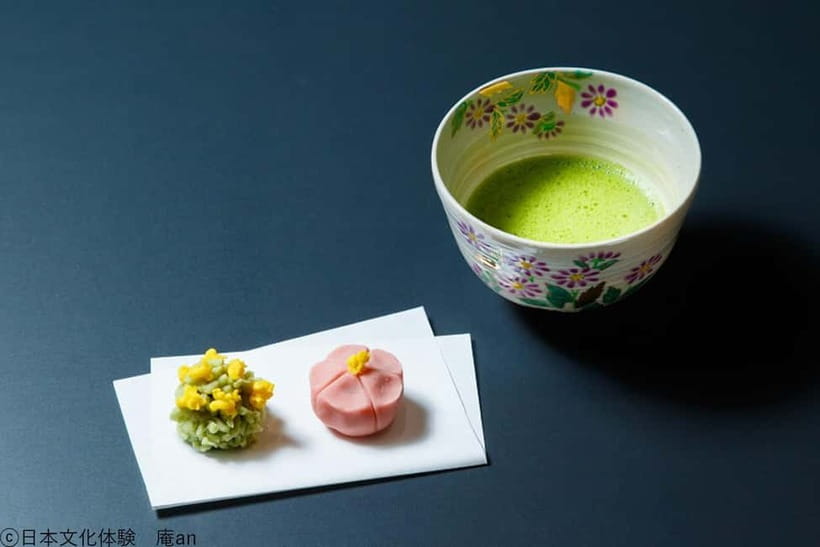
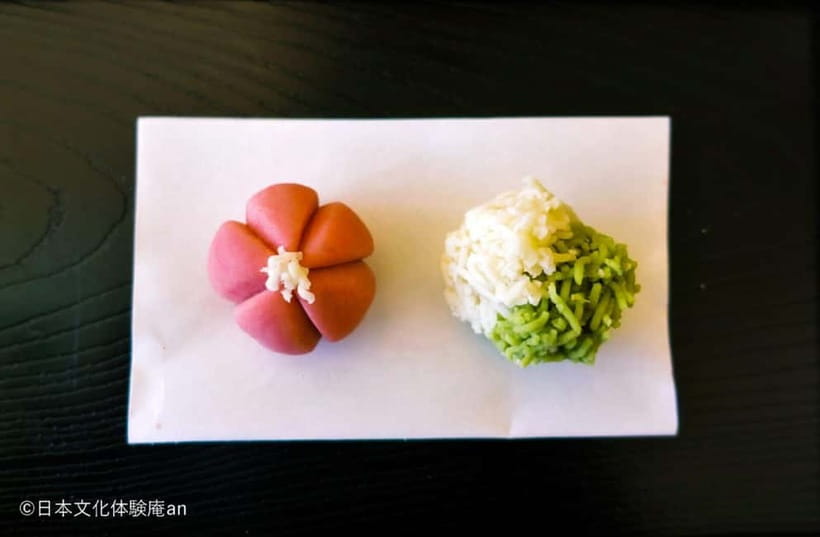
Nerikiri is a high-grade Japanese sweet made from colored white bean paste. Rather than looking like a standard cookie or cake, it is shaped to resemble a seasonal flower, fruit, or other natural form.
The appeal is visual as much as culinary. You begin with pale bean paste, add color, and then shape the pieces by hand. The work calls for patience and a little artistic judgment. Your finished sweet may not look exactly like the instructor’s, but that is part of the fun. You get to see how a few simple ingredients become something delicate enough for a tea setting.
The class includes two sweets, and the designs change with the season. An autumn session, for example, used autumn-themed shapes. This seasonal approach gives the lesson a stronger connection to Japanese customs than a fixed, year-round craft would.
You should know what kind of cooking class this is. The paste is prepared ahead of time, so you are not learning every stage of traditional confectionery production. Instead, you focus on coloring, shaping, and presentation. I think that is the right choice for a 95-minute activity, but anyone hoping to make bean paste from raw ingredients will find the scope limited.
More Tea and Sweets Making in Kyoto
- Kyoto: Traditional Tea Ceremony with Matcha & Sweets in Gion
★ 4.9 · 27 reviews - 2 Types of Japanese Sweets making and Tea Ceremony
★ 4.6 · 17 reviews - Kyoto near Fushimiinari Wagashi making&Small Group Tea Ceremony
★ 5.0 · 14 reviews
The first step: coloring Kyoto bean paste
The class begins with the making of nerikiri. You work with white bean paste, and red bean paste may also be part of the preparation, depending on the seasonal sweets being taught.
The coloring stage looks simple, but it has a noticeable effect on the final result. Too much color can make the sweet look heavy. Too little can leave the design indistinct. The instructor shows the process, and you copy the movements at your own station.
This part works well for children because it is hands-on without being physically demanding. A parent and child can share the process, though each participant needs to be booked unless a child under two is sitting on a parent’s lap. The class has also suited older children, with one family finding the level of challenge appropriate for children aged 10 and 14.
The bean paste is sweet, smooth, and central to the experience. If you dislike red bean paste or Japanese sweets in general, the tasting portion may not win you over. If you already enjoy wagashi, the chance to work with paste from Kyoto shops adds a pleasant sense of place.
Shaping two seasonal sweets by hand
Once the paste is colored, you shape two sweets. The instructor breaks the task into manageable stages, which helps if you have never handled nerikiri before.
You might press, pinch, layer, or mold the paste to create petals and other small details. The activity does not require special artistic skill, but your hands need to be gentle. Press too hard and the shape loses its definition. Work too slowly and the paste can become harder to manage.
I like that the class gives you two attempts. One sweet lets you learn the basic method. By the second, you have a better idea of how much pressure to use and how to arrange the colors. It is also useful to have two finished pieces for the matcha portion, rather than eating your only creation immediately.
The teaching style appears warm and patient. Several instructors have been praised for moving at a pace that lets the whole group keep up. Some have also used Japanese and English together, checking that international participants understood the next step. You may still need to watch closely and copy the demonstration, especially if your instructor speaks limited English.
One practical weakness is visibility. In a larger class, it can be hard to see small hand movements from the back. A past participant suggested a microphone headset and a screen showing the instructor’s hands. If you are short or have trouble hearing, try to sit where you can see the work surface clearly.
From sweet making to matcha preparation
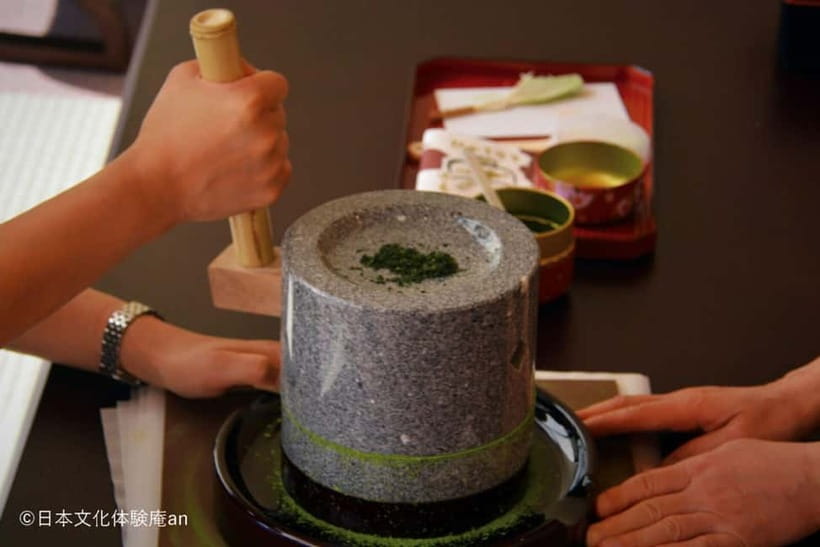
After the sweets are ready, the class turns to matcha. You prepare your own tea using Uji matcha, a major reason this activity feels more substantial than a simple confectionery workshop.
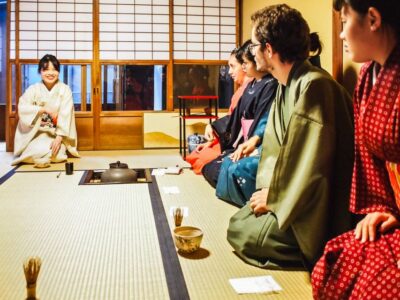
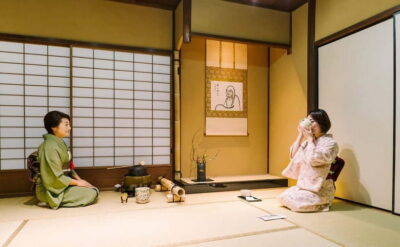
The instructor explains basic tea etiquette and the steps for preparing and drinking matcha. You learn how to handle the bowl and how to approach the tea in a respectful way. The details may include turning the cup before drinking and observing the manners associated with a tea setting.
This is not a full formal tea ceremony. It is closer to a short lesson in matcha preparation and etiquette, followed by a chance to drink the tea you made. That distinction matters. If you want a polished performance with a host in traditional dress, a silent room, and a long series of formal gestures, you should book a dedicated tea ceremony elsewhere.
For many people, the shorter format is a strength. You get a clear introduction without committing to a long seated ritual. The matcha section also gives the sweets a purpose. The bean paste’s sweetness balances the tea’s bitter, grassy flavor, and the combination is more satisfying than tasting either item alone.
A few people have found the tea segment rushed, especially when the class was busy or the instructor spent extra time explaining etiquette. In one case, the tea became cold before it could be enjoyed. That is not the usual description, but it is a useful warning: the pace can depend on the group and the room.
More Tea Ceremonies in Kyoto
- Kyoto: Tea Ceremony in a Traditional Tea House in Kiyomizu
★ 4.9 · 3,519 reviews - Kyoto: Tea Ceremony Ju-An at Jotokuji Temple
★ 4.9 · 3,207 reviews - Kyoto: 45-Minute Tea Ceremony Lesson Experience
★ 4.3 · 2,378 reviews - Kyoto: Table-Style Tea Ceremony at a Kyo-Machiya
★ 4.9 · 1,211 reviews
What the Uji matcha adds to the class
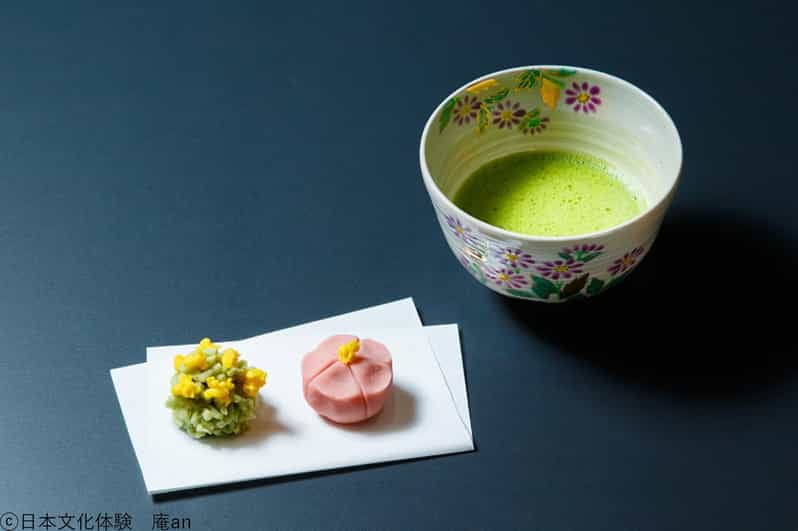
The matcha used here is described as single-origin and from Uji. That gives the tasting a clear regional link, since Uji is closely associated with high-quality Japanese tea.
You prepare the tea yourself rather than receiving a ready-made cup. This small act changes how you taste it. You notice the powder, the texture, the foam, and the contrast between the tea and the sweet. The instructor may also discuss how matcha is grown and made, though the amount of detail depends on the session and the language balance.
Several English-speaking participants found the matcha lesson easy to follow because the instructor demonstrated each action. Others felt that Japanese explanations received more detail than English ones. If matcha is a major reason for booking, contact the provider before arrival and request English support. The activity specifically says translation will be supplied as much as possible, but Japanese remains the operating language.
Take your time with the cup if the room allows it. The point is not to gulp down a trendy green drink. It is to notice the taste alongside the nerikiri and understand why such carefully shaped sweets are served with tea.
A friendly class with a local feel
One appealing feature is that the class does not necessarily feel like a polished tourist show. A session once included Japanese junior high students alongside international participants, creating a more ordinary classroom atmosphere. That kind of mixed group can make the activity feel connected to daily cultural learning rather than staged only for visitors.
The instructors are repeatedly described as friendly, welcoming, and willing to help. One particularly attentive apprentice spent time answering questions about matcha. Another instructor moved between Japanese and English and made sure international participants could follow.
That said, you should not expect a fully English-led class. The official language is Japanese, and English support varies from instructor to instructor. Some sessions have offered clear bilingual instruction from start to finish. Others have relied more heavily on demonstration and visual copying.
Noise can also affect the tea portion. The same room may host people doing only the sweets class, or another group may be leaving while the matcha lesson is underway. If you want silence and ceremony, this setting may feel casual. If you prefer a relaxed class where you can ask questions and work with your hands, the informal atmosphere is likely to suit you.
Location and the 95-minute schedule
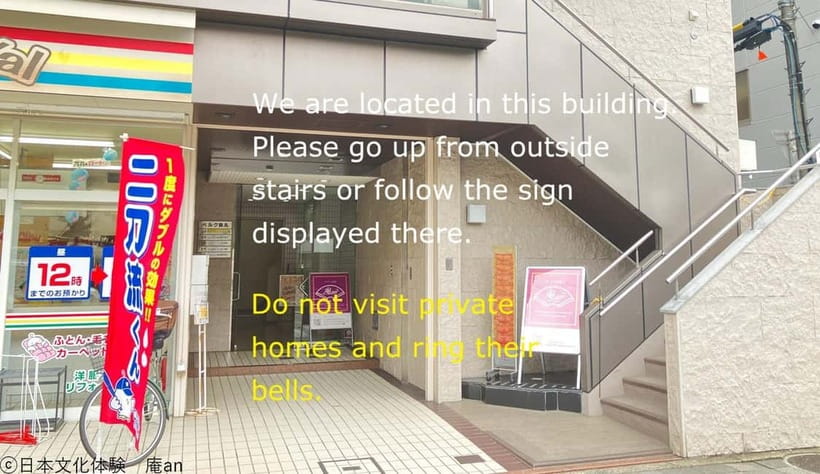
The meeting point is one minute from Exit 1 of Gojo Station on the Subway Karasuma Line. The entrance faces Gojo-dori, so you do not need to hunt through a back street or large temple complex.
The central location makes this easy to pair with other Kyoto plans. You can schedule it on a rainy afternoon, during a hot spell, or between visits in central Kyoto. One participant specifically appreciated the air-conditioned room after several days of very hot, humid weather.
Allow the full 95 minutes. The schedule includes sweet making, shaping, matcha preparation, etiquette, and tasting. It is not a drop-in demonstration that you can join halfway through. The operator does not hold the event for late arrivals, so leave extra time to reach Gojo Station and find the entrance.
The building has no elevator, and stairs are required to reach the venue. The activity is described as wheelchair accessible, but that note sits alongside the stair warning. If you use a wheelchair or have difficulty with stairs, confirm the exact access arrangements before booking rather than relying on the general accessibility label.
Is the $18 price good value?
At $18 per person, I consider this excellent value if you want to take part rather than simply watch. You receive a craft activity, two sweets to eat, a matcha preparation lesson, and a short introduction to tea etiquette.
The class does not include a take-out box. If you want one for your sweets, it costs 100 yen. A completion certificate is also optional at 300 yen. Neither extra is necessary for the core activity, so the advertised price remains close to the actual cost unless you want souvenirs or paperwork.
The value is strongest for families and first-time visitors to Kyoto. You get a clear cultural activity without the cost of a full cooking school or formal tea ceremony. It is also a good choice when weather disrupts outdoor plans.
The value is less clear if you already know how to make wagashi or prepare matcha. In that case, the lesson may feel basic. You are paying for a short introduction and a pleasant setting, not advanced instruction.
Who should book this Kyoto sweets class?
I would recommend it to:
- Families with children who enjoy making and eating food
- First-time matcha drinkers
- Visitors looking for an indoor activity near central Kyoto
- People who want a cultural lesson without a long formal ceremony
- Couples seeking a low-cost, hands-on date activity
- Anyone curious about seasonal Japanese sweets
You should think twice if you need fluent English instruction, a quiet formal setting, or full access without stairs. The activity can still work, but you should contact the provider about language and access before paying.
The class is also a good fit for a rainy afternoon. It gives you a place to sit, create something, and slow down. That may sound modest, but after several days of temples, trains, and crowded streets, a calm table with matcha can be exactly what you need.
Booking advice and practical details
You can cancel for a full refund up to 24 hours before the activity, and the reserve-now-pay-later option lets you keep your plans flexible. Cancellation fees apply after the stated cutoff, and late arrival does not pause the class.
Operation hours are 10:00 to 17:00. Requests made after 17:00 are handled the following day. Non-participants cannot enter, so everyone joining the room should be included in the reservation.
If you want stronger English support, ask for it in advance. If you are bringing children, explain their ages when booking. And if you plan to take your sweets with you, bring 100 yen for the optional box.
Should you book it?
Book this class if you want an affordable, hands-on taste of Kyoto’s confectionery and tea culture. The two seasonal nerikiri sweets, Kyoto bean paste, Uji matcha, and friendly teaching give you plenty for the price.
Skip it if your main goal is a formal tea ceremony with polished English narration and complete quiet. For everyone else, especially families and first-time visitors, this is a cheerful and practical way to spend 95 minutes near Gojo Station. Your sweets may come out a little lopsided, but they will be yours, and that is most of the point.
FAQ
How long does the Japanese sweets and tea activity last?
The activity lasts 95 minutes. It includes making two seasonal nerikiri sweets, preparing matcha, learning basic tea etiquette, and tasting the sweets with your tea.
How much does the experience cost?
The listed price is $18 per person. A take-out box costs an additional 100 yen, and an experience completion certificate costs 300 yen.
Is the class taught in English?
The operating language is Japanese. English translation is provided as much as possible if requested, and instructors often demonstrate clearly or add English explanations. The level of English support can vary by session.
Where is the meeting point?
The venue is a one-minute walk from Exit 1 of Gojo Station on Kyoto’s Subway Karasuma Line. The entrance faces the main street, Gojo-dori.
Can children join the activity?
Yes. The class has been suitable for children, including children aged 10 and 14. Children under two who sit on a parent’s lap are free.
Is the venue wheelchair accessible?
The activity is described as wheelchair accessible, but the building has no elevator and stairs are required to reach the venue. Contact the provider before booking to confirm whether the current arrangement meets your needs.
Just added around Kyoto
- Uji Walking Tour – Byodo-in temple and Tea Ceremony from Kyoto★ 3.5 · 3 reviews
- Tea ceremony at Kyoto’s Zen Temple Teahouse★ 5.0 · 2 reviews
- Kyoto: Authentic Tea Ceremony in a Small Group★ 5.0 · 7 reviews
- Tea Ceremony in 150 Years Old Townhouse with Tables and Chairs★ 5.0 · 22 reviews
- Silent Beauty of Kyoto Zen Walk and Tea Experience★ 5.0 · 2 reviews
- Tea Ceremony Experience in Traditional Kyoto Townhouse★ 5.0 · 19 reviews
- Traditional Tea Ceremony in Kyoto★ 4.5 · 3 reviews
- Kyoto Private Tea Ceremony at a Japanese Inns★ 5.0 · 12 reviews
Tea Ceremonies in Kyoto, compared.
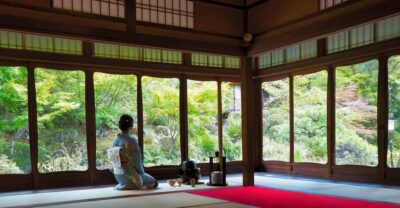
Tea Ceremony in a Traditional Tea House in Kiyomizu
Read our review →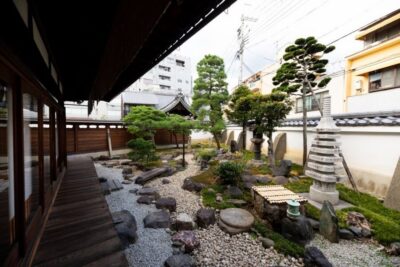
Tea Ceremony in 100-year-old Kyo-Machiya Townhouse
Read our review →
Browse the lists this tour appears in