
Review · BEIJING
Traditional Chinese Tea Ceremony Experience
Tea makes a fine first lesson in China. This short Beijing experience turns a simple cup into a hands-on look at Chinese tea culture, with careful brewing, tea aromas, and customs tied to respect and calm. I like the low price and the chance to taste several styles in one sitting. I also like that children aged 10 and 13 enjoyed it with their family. The main catch is that this is not a sightseeing tour, and the booking details can vary by option.
The tea master demonstrates each step, from warming the pot to controlling water temperature and steeping time. English is available, and hosts such as Richard Li and Feye have been praised for clear explanations and a friendly manner. You should allow extra time for the optional tea shop, since buying tea or porcelain is not included and can change a 30-minute visit into a much longer stop.
Key things to know before you book
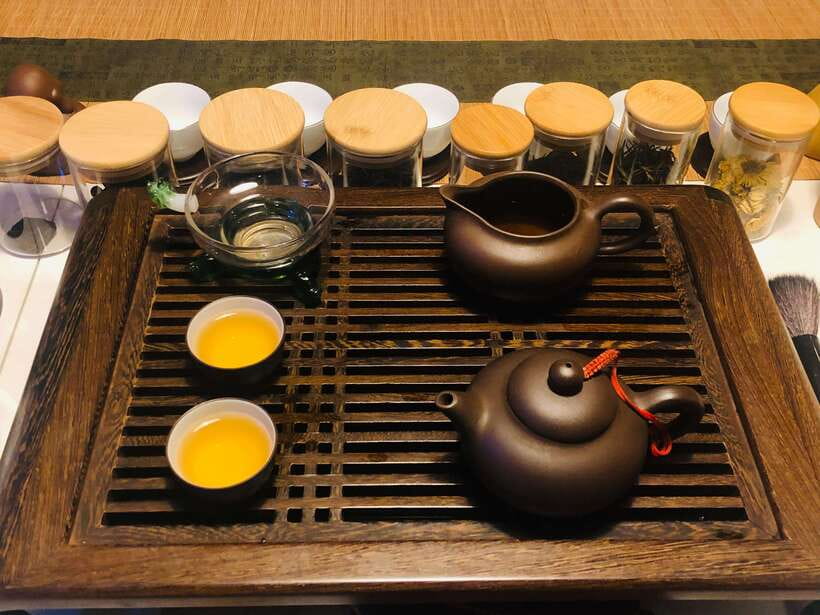
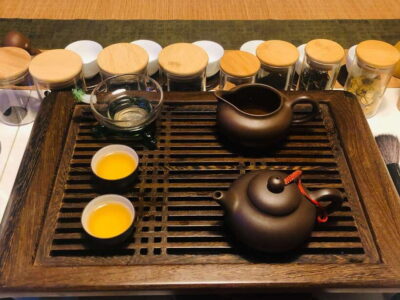
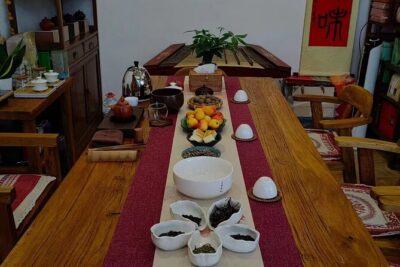
- Five mini cups are included: You taste a selection that may include Oolong, Pu-erh, green, jasmine, and flower tea.
- The brewing is the lesson: You learn why water heat, steeping time, and pouring style affect the final cup.
- English help is available: The tea master or host speaks English, with some sessions also offering other language support.
- The price is unusually modest: At $9 per person, this is one of the easier Beijing cultural activities to fit into a busy day.
- The meeting point can change: Check your exact booking details and leave a WhatsApp number so the host can contact you.
- Shopping is optional: Tea and porcelain may be available afterward, but purchases cost extra.
Why a tea ceremony belongs on a Beijing itinerary
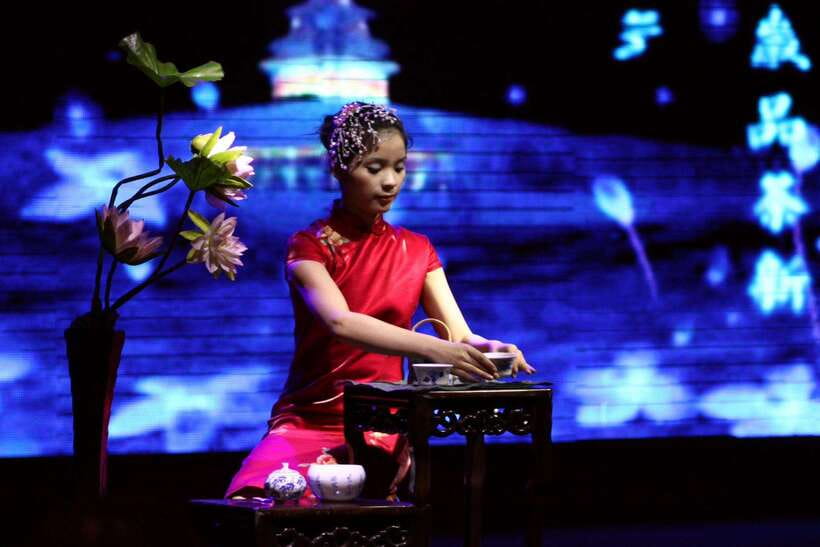
Beijing can fill your day with grand sights, crowded streets, and long walks. A tea ceremony gives you a quieter half hour, while still teaching you something you can notice for the rest of your trip.
Tea in China is not treated only as a drink. The ceremony pays attention to the pot, the leaves, the water, the pouring, and the order of service. The point is not to rush through a large mug. It is to notice how small changes affect smell and taste.
That makes this activity useful even if you do not consider yourself a tea enthusiast. You do not need a trained palate. The tea master gives you a way to compare different teas, and the tasting format lets you try several without buying a full package.
I especially like the sensory side. You smell dry leaves before they are brewed, watch the leaves open in hot water, and taste the result in small cups. The process gives children something concrete to follow, too. They can watch the pot, count the pours, and compare flavors instead of sitting through a long lecture.
The ceremony also offers a bit of cultural context. Its gestures express respect, harmony, and mindfulness. Those ideas may sound grand on paper, but they become easier to understand when you see the careful handling of the pot and the deliberate pace of the service.
More Chinese Tea Ceremonies in China
- Chinese Tea ceremony in Beijing Hutong courtyard
★ 4.7 · 26 reviews - Traditional Chinese Tea Ceremony Experience
★ 5.0 · 7 reviews - Beijing:Learn Calligraphy & Enjoy Kung Fu Tea Ceremony
★ 5.0 · 2 reviews
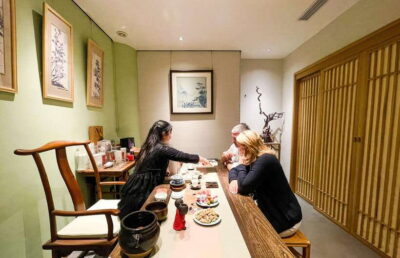
Arriving at the tea house and meeting the host
The exact meeting point depends on the option you book. There is no transportation included, so you need to make your own way there unless your particular arrangement provides some meeting assistance.
This detail matters in Beijing. Do not assume the tea house is beside your hotel or a major sight. Check the meeting instructions carefully, and keep your WhatsApp active. The booking information specifically asks you to provide your WhatsApp number, which suggests the host may use it for directions or contact on the day.
The host or greeter speaks English. Several sessions have been led or supported by people called Richard Li, Feye, and other tea masters. Richard is praised for being friendly, patient, and fluent in English. Feye has also been described as warm, humorous, and able to explain Chinese tea clearly.
The exact role may vary. The experience itself includes the tea ceremony, but it does not include a general tour guide or city transportation. Some people have received help from the meeting point or subway area, while the formal inclusions do not promise pickup. Treat any extra assistance as dependent on the option and day, not as a guaranteed transfer service.
If you arrive late, the host may still be able to accommodate you, but I would not plan on testing that kindness. A tea ceremony works best when you arrive calm and on time.
The first tasting: smelling the leaves before brewing
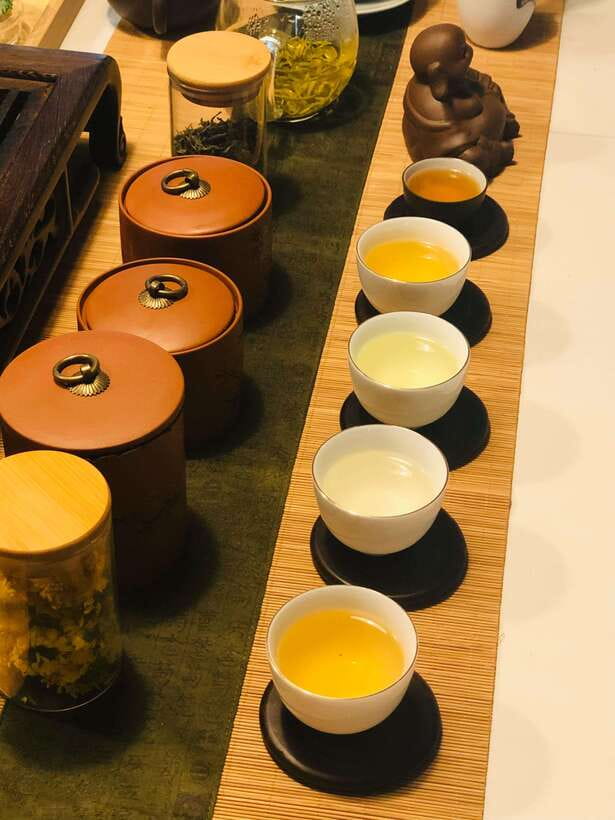
The ceremony begins with an introduction to the tea and its preparation. Rather than handing you a finished cup, the tea master shows you the leaves and explains what happens next.
You may smell high-quality leaves before hot water touches them. This small step is worth paying attention to. The dry leaves can have a very different scent from the brewed tea, and the change helps you understand why tea is treated as a crafted product rather than a generic hot drink.
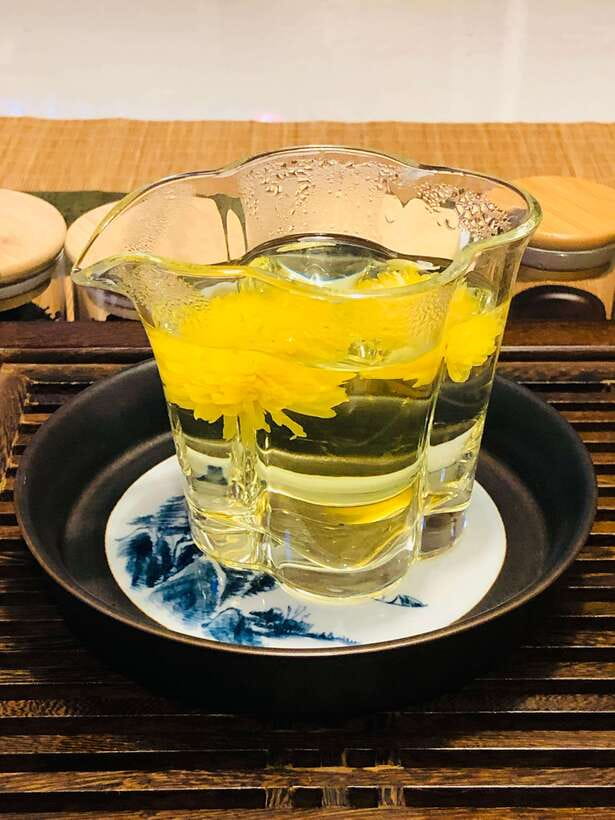
The selection can include Oolong, Pu-erh, green tea, jasmine tea, and flower tea. These categories give you useful contrasts. Green tea is often approached for its fresh character, jasmine tea brings fragrance, and flower tea adds a visual element as the flowers open in the cup. Pu-erh and Oolong offer another way to think about tea, especially when you compare their aroma and finish with lighter varieties.
The included tasting consists of five mini cups. One session was described as offering six different teas, so the number may vary slightly by arrangement. The safe expectation is five small servings, with the possibility of a broader tasting in some sessions.
Do not expect large cups. The small portions are intentional. They allow you to taste several types without becoming overloaded, and they keep the focus on comparison rather than quantity.
Watching the pot, water, and timing
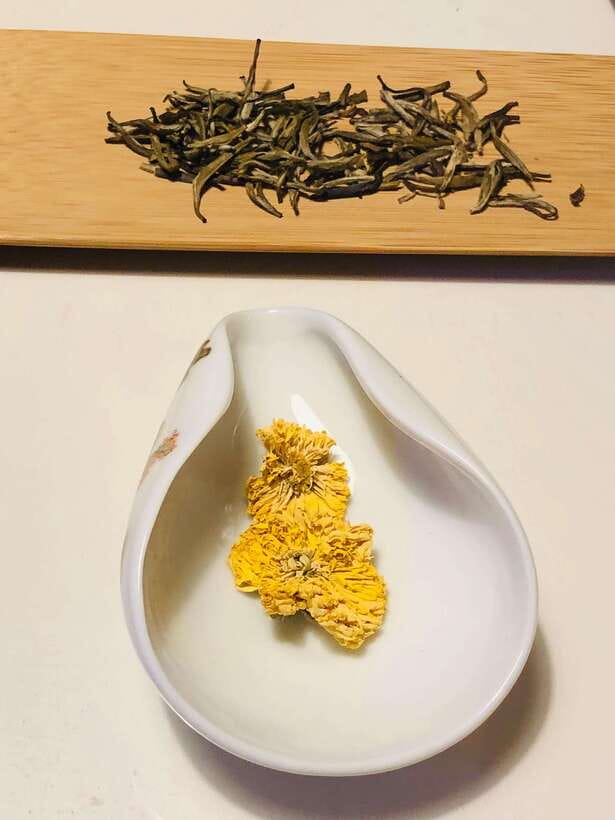
The heart of the session is the brewing demonstration. The tea master shows you how water temperature and steeping time change the cup.
This is where the experience becomes more than a tasting. Boiling water may suit one tea but overpower another. A short steep can leave a tea light, while a longer steep can bring out stronger flavors. The demonstration gives you practical information you can use later if you buy tea or order it in China.
You also watch the pot being warmed before tea is added. The pouring is performed with care, and each step has a purpose. The movements are attractive, but the real value is that they make the rules visible. You see how the tea master controls the process instead of treating brewing as an afterthought.
I would pay close attention to the explanation of steeping time. It is the kind of detail that disappears when you simply drink tea in a restaurant. Here, it becomes the central lesson.
The ceremony engages sight, smell, and taste at once. That makes the short format work well. You are not expected to memorize a long list of dates or names. You simply notice differences, ask questions, and learn a few principles.
More Tea Ceremonies in China
- Beijing Culture: Tea Ceremony, Heritage Instrument & Calligraphy
★ 5.0 · 57 reviews - Beijing Culture Event: Tradition Music, Tea Ceremony, Calligraphy
★ 5.0 · 11 reviews - Beijing: Temple Of Heaven+Tai Chi Class+Tea Ceremony
★ 5.0 · 8 reviews - Beijing Tai Chi and Tea Ceremony Experience
★ 5.0 · 4 reviews
What makes the ceremony feel personal
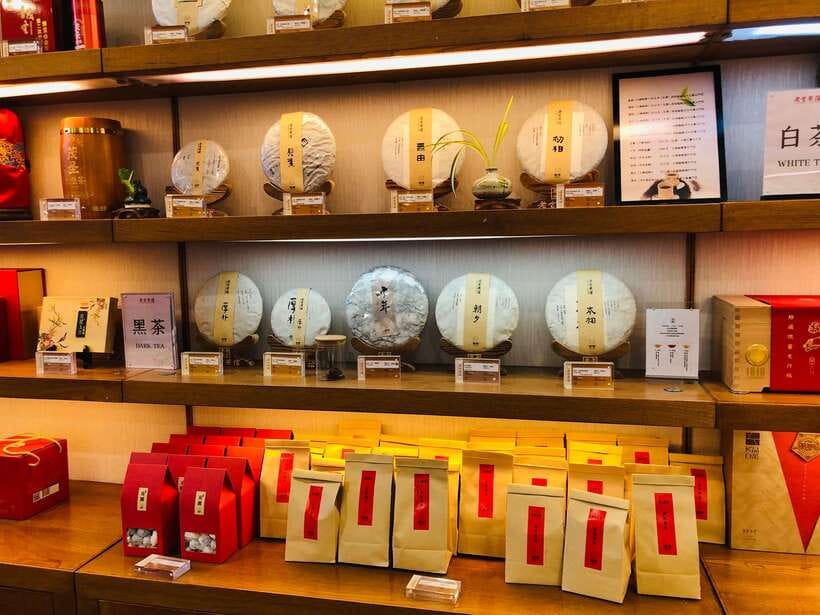
The best sessions seem to depend heavily on the person leading them. English ability is important because the value comes from explanation, not just presentation.
Richard Li has been praised for patiently helping beginners and taking care of small details. Feye has been described as funny and accommodating, with strong English and a clear grasp of Chinese tea. Other sessions have included a Russian-speaking tea master named Kostya.
That range is useful to know. The tea house may offer a warm, social experience rather than a formal performance. Hosts have sometimes taken photographs during the ceremony and provided small welcome gifts or souvenirs. These extras are not listed as guaranteed inclusions, so enjoy them if offered, but do not book solely for them.
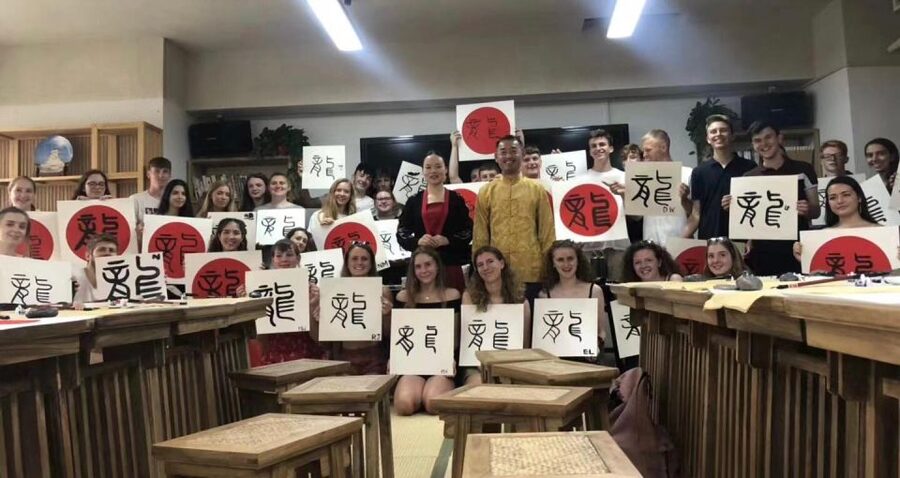
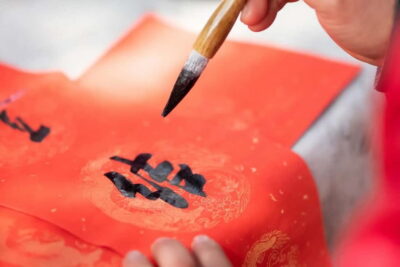
The session can also connect with other activities. Some bookings have included calligraphy, dumpling lunch, or a typical Beijing food experience. Those additions are not part of the basic tea ceremony described here, so check your chosen option carefully. If you are paying $9 for the tea activity, do not assume calligraphy or food is included.
The option to continue with calligraphy can appeal to families and culture-focused visitors. Still, the core experience remains the tea tasting and brewing lesson.
The optional tea shop and buying tea
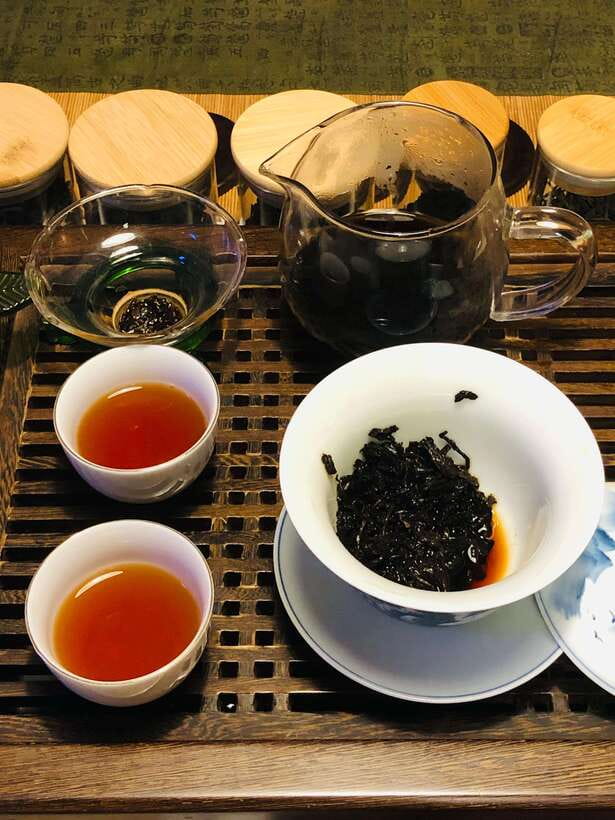
After the ceremony, you may have the chance to buy tea or other items. Tea, porcelain, and high-grade leaves may be available, but shopping expenses are not included.
This can be useful if you discover a tea you genuinely like. The tea master can help you identify what you tasted and may explain how to prepare it at home. That advice is one of the more practical reasons to consider a purchase.
You should also keep your budget in mind. The activity is inexpensive at $9, but the final cost can rise if you buy tea, porcelain, or gifts. You are not required to shop, and the ceremony should be worthwhile without making a purchase.
I recommend deciding in advance what you want. If you are looking for a small edible souvenir, tea may be a sensible choice. If you already have limited luggage space, enjoy the tasting and leave the shop without feeling obliged.
Is $9 good value for Beijing?
At $9 per person, this is strong value if you want a short cultural activity with a clear focus. The price includes the ceremony and five mini cups of tea. It does not include a guide for the wider city, transportation, shopping, or any other unlisted expense.
The value comes from access to an explanation you might not get by ordering tea alone. You learn how the leaves are handled, how the water is chosen, and how timing affects the drink. You also get a calm break from Beijing sightseeing.
The duration requires a closer look. The activity is listed as lasting from 30 minutes to 3 hours. That is a wide range, so check the option and starting time before booking. A basic ceremony can fit neatly between sights. A longer version may include shopping, calligraphy, food, or additional instruction.
This is not the right purchase if you want a full guided outing with hotel pickup and city commentary. It is a focused cultural stop. For that purpose, the price is hard to argue with.
Who should book, and who should skip it?
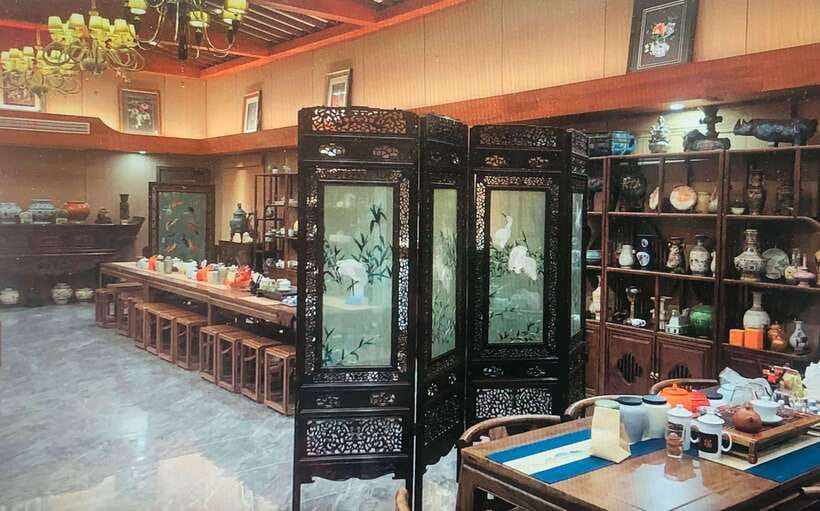
I would recommend this for first-time visitors who want an easy introduction to Chinese tea. It also suits people who have already visited major Beijing sights and want something slower in the afternoon.
Families with children aged seven and above should check the exact age rule. The activity is listed as unsuitable for children under seven, while older children have enjoyed the tasting. The small cups and visual brewing process can work well for children who like hands-on activities.
It may also suit couples, solo visitors, and anyone who wants help choosing tea to take home. English-speaking support is a major benefit if you want to ask questions rather than simply watch.
Pregnant women are listed among those who should not take part. The activity is also a poor fit if you dislike tea, have no interest in cultural demonstrations, or want constant sightseeing action.
Practical booking advice for a smooth visit
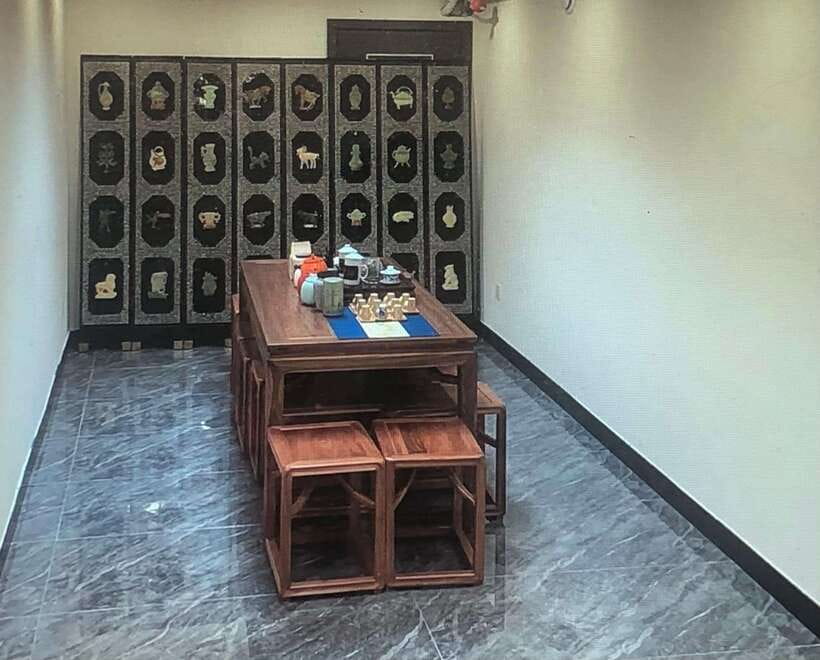
Check the meeting point instead of relying on a general Beijing map. The location can vary by option, and transportation is not included.
Leave your WhatsApp number when you book. Keep the phone available on the day, since the host may need to clarify the meeting point.
Plan around the duration shown for your specific option. The broad 30-minute to 3-hour range makes it risky to squeeze the experience into a tight connection between attractions.
You can cancel up to 24 hours in advance for a full refund, and the reserve-now, pay-later choice keeps you from paying at the time of booking. Those terms are helpful if your Beijing schedule is still changing.
The overall rating is 4.7 from 74 reviews, and the most consistent praise centers on the friendly English-speaking tea experts, clear instruction, good tea, and reasonable price. Those are the qualities I would use to judge the experience, rather than expecting a large-scale tour.
Should you book the Traditional Chinese Tea Ceremony?
Book it if you want a low-cost, well-focused cultural lesson and a chance to taste several Chinese teas in one sitting. The English explanations, careful demonstrations, and friendly hosts make it accessible even if you know little about tea.
Skip it if you need transportation, a general Beijing guide, or a tightly fixed schedule. Also watch your spending in the shop, since tea and porcelain cost extra.
For most visitors, I would place this after the major sights and before dinner. It gives you a quiet pause, teaches you how to pay attention to Chinese tea, and costs little enough to make the experiment worthwhile.
FAQ
Where does the tea ceremony take place?
It takes place in Beijing, in northern China. The exact meeting point may vary depending on the option you book.
How much does the experience cost?
The listed price is $9 per person.
How long does the tea ceremony last?
The available duration ranges from 30 minutes to 3 hours. Check the specific option for its exact length.
What is included?
The tea ceremony and five mini cups of tea are included.
Which teas might I taste?
The tea selection may include Oolong, Pu-erh, green tea, jasmine tea, and flower tea.
Is an English-speaking host available?
Yes. The host or greeter language is English, and the tea masters described for the experience speak English. One session also featured a Russian-speaking tea master.
Is transportation included?
No. Transportation is not included, and the experience does not include a general tour guide.
Can I buy tea after the ceremony?
Yes, you may have the option to purchase tea or other items afterward. Shopping costs are not included.
Are young children allowed?
Children under seven are listed as unsuitable for this activity. Older children can attend, and children aged 10 and 13 have enjoyed the experience.
What happens if I need to cancel?
You can cancel up to 24 hours in advance for a full refund. You can also reserve now and pay later to keep your plans flexible.
More Chinese Tea Ceremonies in Beijing
- One-Day Hangzhou Dragon Well Tea Culture & West Lake Private Tour
★ 5.0 · 98 reviews - Authentic Hangzhou Longjing Tea Culture Experience Tour
★ 5.0 · 32 reviews - Tainan Culture Trip: Chinese Tea Ceremony_Oolong Tea
★ 5.0 · 29 reviews - Unlock Chinese Tea: Culture, Science, Tasting & Hands-on Brewing
★ 5.0 · 12 reviews
More Tea Ceremonies in Beijing
- Beijing: Chinese Culture Tea Ceremony Reservation Service
★ 4.8 · 4 reviews - Private Beijing Spiritual Tour with Lunch and Tea Ceremony
★ 5.0 · 2 reviews - Kyoto: Tea Ceremony in a Traditional Tea House in Kiyomizu
★ 4.9 · 3,519 reviews - Kyoto: Tea Ceremony Ju-An at Jotokuji Temple
★ 4.9 · 3,207 reviews
Just added around Beijing
- Private Tour to the Temple of Heaven and Tea tasting at the Maliandao Tea city★ 5.0 · 3 reviews
- Traditional Chinese Tea Ceremony Experience★ 5.0 · 7 reviews
- Beijing Tai Chi and Tea Ceremony Experience★ 5.0 · 4 reviews
- Private Beijing Spiritual Tour with Lunch and Tea Ceremony★ 5.0 · 2 reviews
- Temple of Heaven Private Tour and Tea Tasting at Maliandao Tea Street★ 5.0 · 2 reviews
- 3-Hour Private Hutong Walking Tour with Drum Show at Drum Tower and Tea Tasting★ 5.0 · 3 reviews
- 3-hour Morning/Afternoon Tea Tasting on Maliandao Street & Dimsum★ 5.0 · 7 reviews
- Beijing:Learn Calligraphy & Enjoy Kung Fu Tea Ceremony★ 5.0 · 2 reviews
Tea Ceremonies in China, compared.
Beijing Culture: Tea Ceremony, Heritage Instrument & Calligraphy
Read our review →
Chinese Tea ceremony in Beijing Hutong courtyard
Read our review →
Beijing Culture Event: Tradition Music, Tea Ceremony, Calligraphy
Read our review →
Browse the lists this tour appears in