
Review · YOKOHAMA
Japanese Tea Ceremony at Private Home in Yokohama, suburban Tokyo
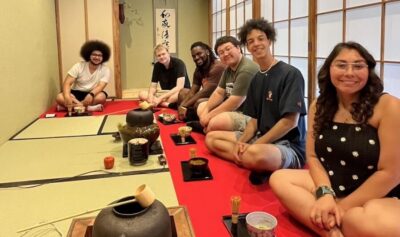
Tea here is served in a family home. This private Yokohama workshop gives you a close look at Japanese tea culture without a large tour group or staged museum setting. I like the tatami tea room and the chance to make your own matcha, and I also like that the seasonal sweets are handmade by the tea master. The main consideration is location: you need to travel to suburban Yokohama rather than staying in central Tokyo.
The 90-minute visit is a good fit if you want more than a quick demonstration. You watch the formal procedures, eat wagashi and dried sweets, hear about tea ceremony history, and prepare a second bowl of matcha yourself. The $52.71 price feels fair for a private activity, though travelers who only want a brief cultural photo stop may find it longer than needed.
Key points at a glance
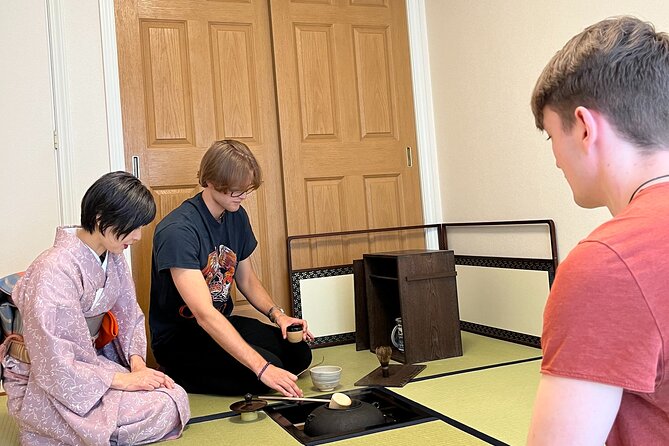
- A real private-home setting: You enter a traditional tatami room at the teacher’s home in Aoba Ward, Yokohama.
- More than a tea tasting: The session covers guest etiquette, ceremony procedure, history, questions, and hands-on matcha preparation.
- Rare charcoal procedure: You can watch charcoal being added to heat the water, an uncommon sight even for many Japanese people.
- Seasonal handmade sweets: Wagashi may include nerikiri, gyuhi, or manjyu, with options suitable for vegan and gluten-free diets.
- A private group experience: Only your own party participates, which gives the session a personal pace.
- Plan your clothing: Socks are required before entering the tatami room.
A private Yokohama home, not a staged attraction
The experience begins at Dresse Azamino Gardens in Aoba Ward, Yokohama, at postal code 225-0023. This is suburban Yokohama, so you should allow time to reach the meeting point and avoid treating it as a quick walk from central Tokyo. Pickup is offered, but the exact arrangement should be confirmed after booking.
That suburban setting is part of the appeal. You are not sitting in a hotel conference room with a dozen other groups. You enter a private Japanese home and take part in a small, personal cultural lesson. The activity is private, meaning only your group participates. That matters because tea ceremony includes small movements and rules that are easier to follow when the teacher can focus on you.
The meeting point is near public transportation. An additional idea is to pair the visit with the Shin-Yokohama area and the Yokohama Ramen Museum. From Azamino Station, the closest Shin-Yokohama station is about 15 minutes by Yokohama subway. Treat this as a possible nearby plan, not as part of the tea ceremony itself.
More Tea Ceremonies in Japan:
- Kyoto: Tea Ceremony in a Traditional Tea House in Kiyomizu
★ 4.9 · 3,519 reviews - Kyoto: Tea Ceremony Ju-An at Jotokuji Temple
★ 4.9 · 3,207 reviews - Kyoto: 45-Minute Tea Ceremony Lesson Experience
★ 4.3 · 2,378 reviews
What the first 30 minutes teach you
The session opens with a demonstration by an experienced tea master. The teacher has studied Japanese tea ceremony for more than 40 years and has taught it for more than 15 years. That long practice is important because the ceremony can look simple at first glance, but the movements, order, and handling of the utensils carry meaning.
You learn how to behave as a guest in the tatami room. This includes watching the procedure carefully, eating the sweet at the proper stage, and drinking the tea in the expected manner. You do not need to arrive with prior knowledge. The point is to let the teacher explain the customs as you see them happen.
This is where the private format earns its keep. In a large demonstration, you might see the motions but miss why they matter. Here, you can ask questions as the ceremony unfolds. The teacher also explains the history of Japanese tea ceremony, giving you a useful cultural frame instead of leaving you with a set of gestures to copy.
Keep in mind that traditional tea ceremony is deliberate. The pace is calm rather than rushed. If you prefer quick sightseeing with constant movement, 90 minutes in one room may feel slow. If you enjoy learning through observation, the quiet pace helps you notice details.
The charcoal procedure is the rare highlight
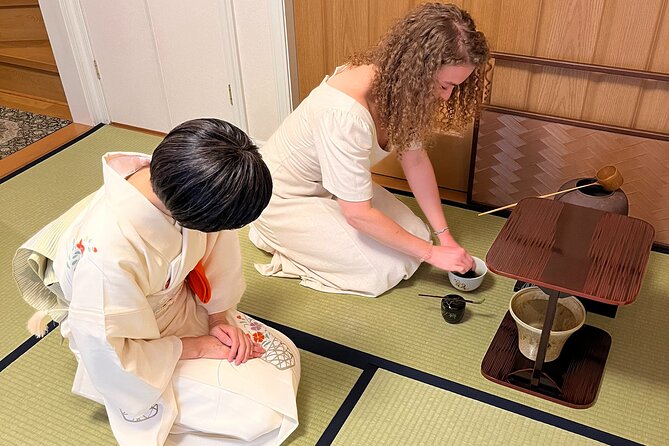
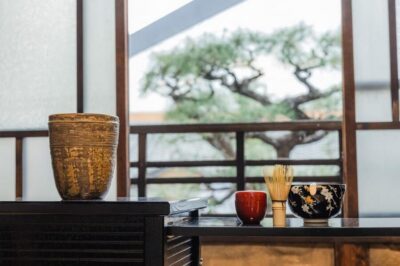
One of the most unusual parts is the charcoal procedure. The teacher adds charcoal to heat the water used for the tea. This is not just a practical step. It shows an older way of preparing the setting and gives you a clearer sense of how tea ceremony developed around fire, water, utensils, and careful timing.
The charcoal portion is particularly valuable because it is described as rare even for Japanese people. Many visitors see matcha prepared with modern equipment, but fewer get to watch the traditional heating process inside a tea room. You should pay close attention here, since it is one of the parts you are unlikely to reproduce through a standard café visit.
While this procedure takes place, the teacher prepares matcha for you. You also receive wagashi, or Japanese sweets, along with dried Japanese sweets. The sweet is not an afterthought. In tea ceremony, wagashi balances the bitterness of matcha and prepares your palate for the drink.
Seasonal wagashi and a first bowl of matcha
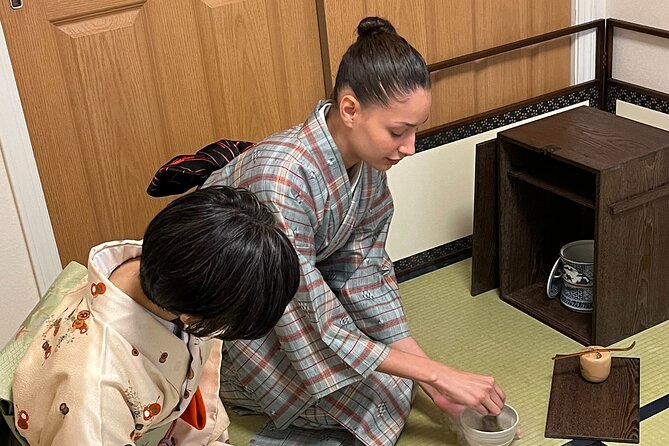
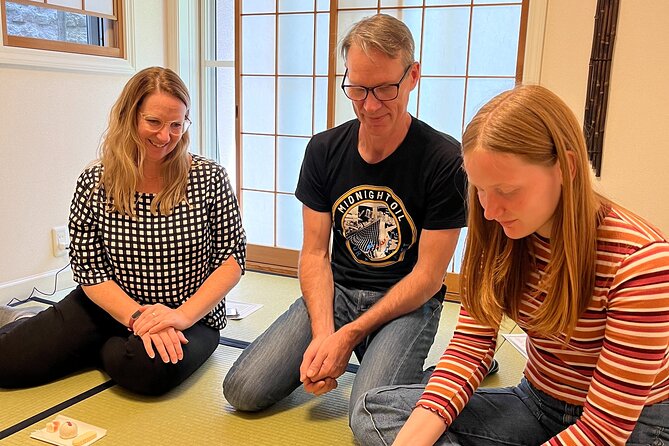
The tea master makes the wagashi personally. Depending on the season, you might receive nerikiri, gyuhi, manjyu, or another Japanese sweet. Nerikiri is often shaped and colored to reflect the season, while gyuhi has a soft mochi-like texture and manjyu is a filled steamed sweet.
The exact sweet is chosen by the teacher, so you should not expect to select from a menu. That lack of choice is part of the traditional approach. The food follows the season rather than a fixed package.
The sweets are suitable for vegan and gluten-free diets according to the experience details. If you have a serious allergy or strict dietary need, it is still sensible to confirm the ingredients in advance. The available information identifies the sweets as suitable for vegan and gluten-free diets, but it does not provide a full ingredient list.
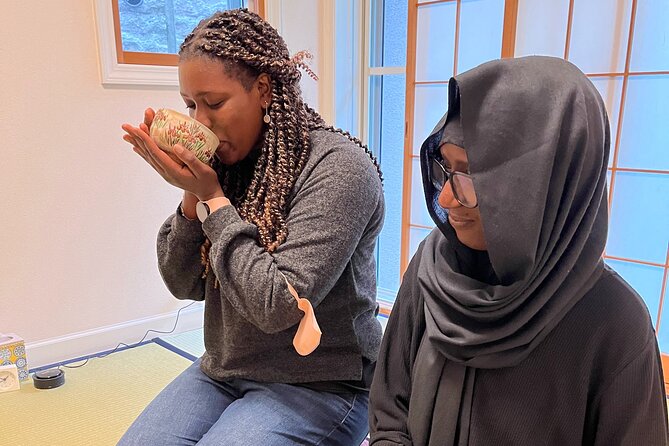
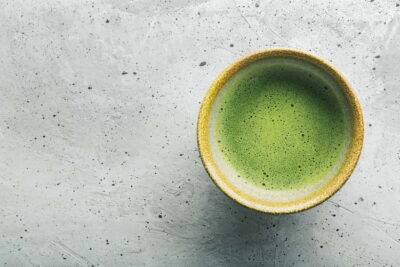
You drink the first bowl of matcha after watching the demonstration. The teacher guides you through the guest side of the ceremony, so you can focus on the correct order without guessing. Matcha has a strong, grassy taste that may surprise you if you are used to sweetened tea. The wagashi helps soften that first impression.
A few more tea experiences around Japan worth a look
- World Heritage Kyoto & Nara Uji Authentic Matcha Experience
★ 5.0 · 1,573 reviews - Osaka: Tea Ceremony Experience
★ 4.9 · 1,426 reviews - Kyoto: Table-Style Tea Ceremony at a Kyo-Machiya
★ 4.9 · 1,211 reviews - Kanazawa: Kenrokuen Tea Ceremony Experience
★ 4.8 · 1,139 reviews
Making your own matcha
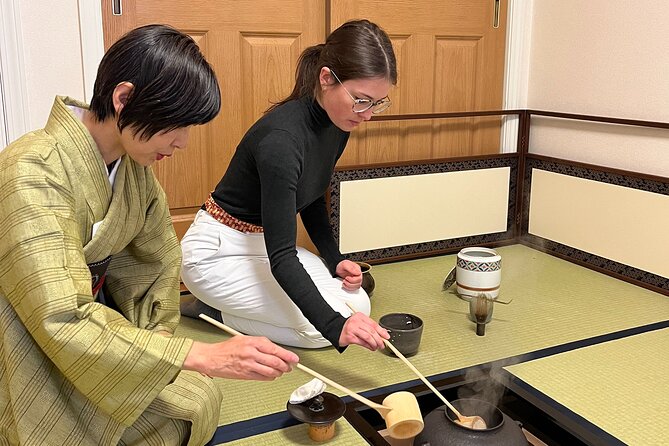
After the demonstration and charcoal procedure, you get to prepare matcha yourself. This hands-on section makes the experience more than a show. You mix the green tea and drink your own bowl, giving you a direct feel for the work behind the smooth foam and concentrated flavor.
The program includes two cups of matcha in total: one prepared for you during the demonstration and one that you make yourself. That is a useful amount. One bowl lets you observe the proper technique, and the second lets you try it without the pressure of getting everything right immediately.
Do not expect a full professional certification lesson. The activity is a short cultural workshop, not an advanced tea-school course. Still, you gain a practical understanding of how matcha is mixed and how the guest participates in the ceremony.
The teacher also welcomes questions. You can ask about the history, the meaning of the gestures, the sweets, or the equipment used in the room. Since the experience is private, your questions do not have to compete with a large group.
Why the tatami room matters
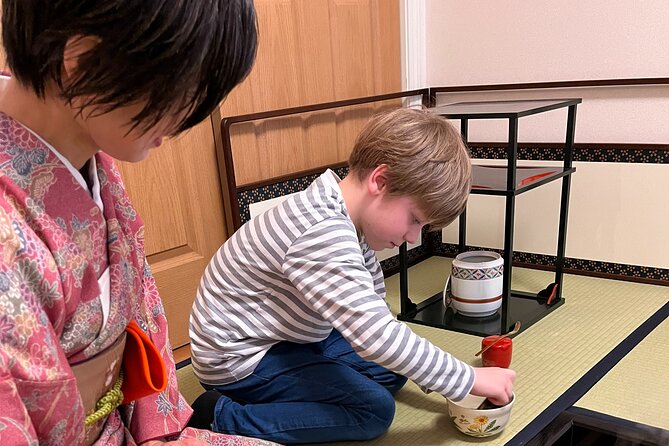
The tatami room gives the ceremony its proper setting. Tatami changes the experience from simply drinking powdered green tea to practicing a traditional form of hospitality in a defined space. You sit and move according to the room, with attention to manners and the objects being used.
You must bring socks before entering the tatami room. This is an easy detail to miss, especially during a warm-weather visit when you might wear sandals. Pack a clean pair in your day bag if you are not already wearing them.
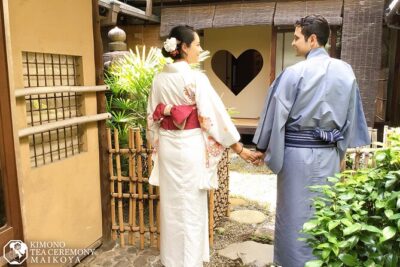
The requirement also signals the tone of the session. This is not a casual tea tasting where you wander in from the street. You are entering a traditional room and taking part in customs that call for care. The experience does not require formal clothing, based on the information provided, but modest, comfortable clothes that let you sit on tatami are a sensible choice.
Because the activity takes place in a private home, you should respect the household setting. The available information does not specify every house rule, so follow the teacher’s instructions on footwear, photography, and where to place personal items.
A warm family connection
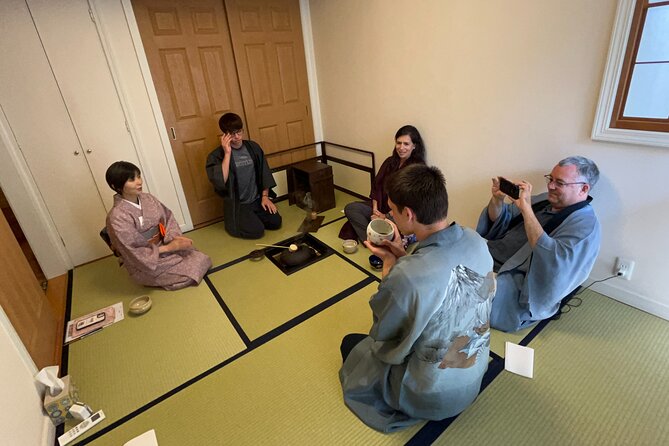
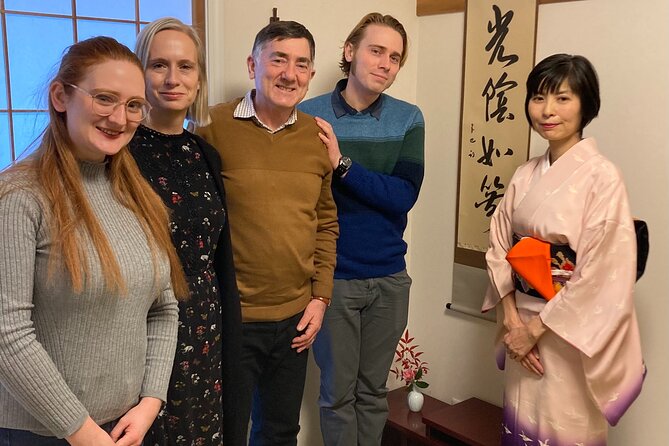
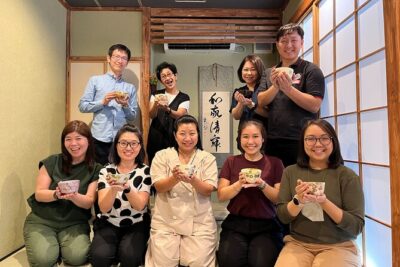
The personal side of the experience is one of its strongest features. The tea master is associated with the Kono family, and one note from a family visit describes an enjoyable conversation with them. The group included a baby, and the teacher expressed hope that the family would return with the child.
That detail gives you a useful sense of the atmosphere. The visit is not only a formal lesson. Conversation with the family forms part of the welcome, and the setting can feel more like being received into someone’s home than attending a commercial class.
This can be a good choice for families, couples, and small groups who want cultural contact in a relaxed setting. The exact age suitability of the activity is not stated, so families with very young children should consider whether a quiet 90-minute tea session will suit their child.
The private format also helps mixed-interest groups. One person can ask about history, another can focus on sweets, and another can concentrate on making matcha. You are not locked into a one-size-fits-all explanation.
Price, timing, and overall value
At $52.71 per person, the experience costs more than buying matcha and wagashi at a café. That comparison misses the main value, though. You are paying for roughly 90 minutes of instruction, a private setting, two bowls of matcha, handmade sweets, a demonstration, the charcoal procedure, and the chance to ask questions directly.
The price makes the most sense for you if you want context and participation. A café gives you a drink. This workshop shows you how tea ceremony works, explains your role as a guest, and lets you practice the preparation yourself.
It may feel less worthwhile if you are already familiar with Japanese tea ceremony or mainly want a quick taste of matcha. The suburban location also adds travel time from central Tokyo. You need to value the lesson itself, not just the refreshments.
The experience is commonly booked well ahead, with an average booking time of 38 days in advance. That suggests planning early, particularly if your schedule in Tokyo or Yokohama is tight. Confirmation is sent within 48 hours, subject to availability.
Free cancellation is allowed up to 24 hours before the start time for a full refund. Changes or cancellations made less than 24 hours before the activity are not accepted for a refund, and the cutoff uses local time.
Who should book this tea ceremony
I would point this experience toward you if you want personal contact with Japanese culture and prefer a small lesson to a large sightseeing group. It works especially well for first-time visitors who want to understand the rules of tea ceremony rather than simply watch someone whisk matcha.
It also suits people interested in Japanese sweets, traditional rooms, and seasonal customs. The handmade wagashi gives the visit a changing element, since the teacher selects sweets according to the season.
You should think twice if you dislike sitting quietly, have very limited time, or are staying far from Yokohama with no room in your schedule for suburban transport. The activity ends back at the meeting point, so you also need to plan your onward journey from there.
For families, the private format is helpful, but the available details do not promise special child activities. Bring socks, keep your expectations focused on a calm cultural lesson, and ask about any dietary or family needs before arrival.
The final call
I recommend booking this if you want an intimate, hands-on introduction to tea ceremony. The charcoal procedure, seasonal homemade wagashi, traditional tatami room, and second bowl of matcha give you more substance than a basic tea tasting.
The drawbacks are clear: the meeting point is outside central Tokyo, the pace is formal and unhurried, and you must remember socks. For the right person, those are small tradeoffs for a private visit with an experienced teacher and the Kono family. If authentic home-based culture matters more to you than convenience, this is a strong choice.
FAQ
Where does the tea ceremony take place?
It takes place at a private Japanese home in Yokohama, at Dresse Azamino Gardens in Aoba Ward, Kanagawa, postal code 225-0023.
How long does the experience last?
The tea ceremony workshop lasts about 1 hour and 30 minutes.
What is included in the price?
The experience includes matcha, handmade wagashi, and dried Japanese sweets.
How many cups of matcha will I drink?
You can drink two cups of matcha. The teacher prepares one, and you prepare the second yourself.
Can I make matcha myself?
Yes. After the demonstration, you can try mixing the matcha and drink the bowl you prepare.
What is the charcoal procedure?
The teacher adds charcoal to heat the water used for the tea. This is presented as a rare experience, even for many Japanese people.
Do I need to bring anything?
You need to bring socks to enter the tatami room.
Is the experience private?
Yes. Only your own group participates in the activity.
Are the sweets suitable for vegan and gluten-free diets?
The experience information says the wagashi and snacks are suitable for vegan and gluten-free diets. For strict dietary needs, confirm ingredients in advance.
Is pickup available?
Pickup is offered, but the exact pickup details are not provided. Confirm the arrangement after booking.
Can I cancel for a full refund?
Yes, if you cancel at least 24 hours before the local start time. Cancellations or changes made less than 24 hours before the start time are not accepted for a refund.
Just added around Japan
- Yokohama : Tea Ceremony with Sweets and Souvenir★ 5.0 · 5 reviews
- Walking Tour: Yanaka,Nezu& Sendagi: Tea Ceremony & Old Tokyo★ 5.0 · 3 reviews
- Visit local home for music and tea ceremony near Disney★ 4.9 · 13 reviews
- Trip to Kamakura & Enoshima: Shrines, Seaside, Temples &Tea★ 5.0 · 11 reviews
- Yokohama: Sushi & Gyoza Cooking with Matcha & GreenTea Experience★ 5.0 · 3 reviews
- Kyoto tea town for matcha lovers★ 5.0 · 16 reviews
- Uji: Private immersion into Kyoto’s tea and reglious culture★ 5.0 · 17 reviews
- Uji Tea Ceremony and UNESCO Heritage Walking Tour★ 5.0 · 20 reviews
Tea Ceremony Experiences, compared.
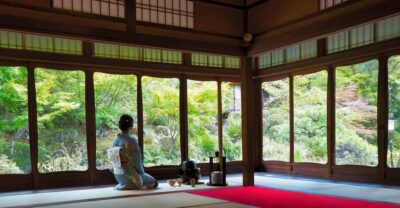
Tea Ceremony in a Traditional Tea House in Kiyomizu
Read our review →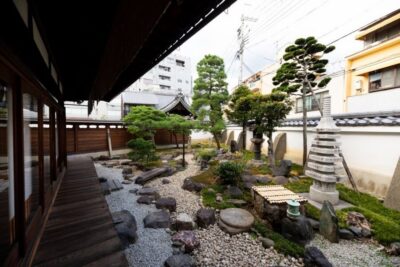
Browse the lists this tour appears in