
Review · UJI
Kyoto tea town for matcha lovers
Matcha tastes better where it is made. This five-hour walking tour takes you through Uji, Japan’s famous tea town, with stops for matcha sweets, tea production, old shrines, a tea-based lunch, and a traditional tea ceremony. I like the hands-on matcha grinding and the chance to see more than the usual tourist sights. I also like the small group, limited to seven people, which gives guide Terumi room to answer questions and adjust the pace.
The main caution is the price: $157.65 per person is a serious investment for half a day, and much of the program involves walking outdoors. A June visit can feel hot, so comfortable shoes, water, and sun protection matter. For a casual sampler, it may cost more than you need. For a tea lover who wants context, tastings, local contact, and a proper ceremony, the price becomes easier to justify.
Key points to know before you book
- Matcha is the central theme: You may grind your own tea with a stone mill, taste matcha treats, and learn how tea fits into Japanese culture.
- Uji’s old tea trade comes alive: The tour includes Tsuen Main Branch, a tea shop with more than 850 years of history, plus tea fields and historic stores.
- The group is very small: With a maximum of seven people, you get a more personal walk than on a large city tour.
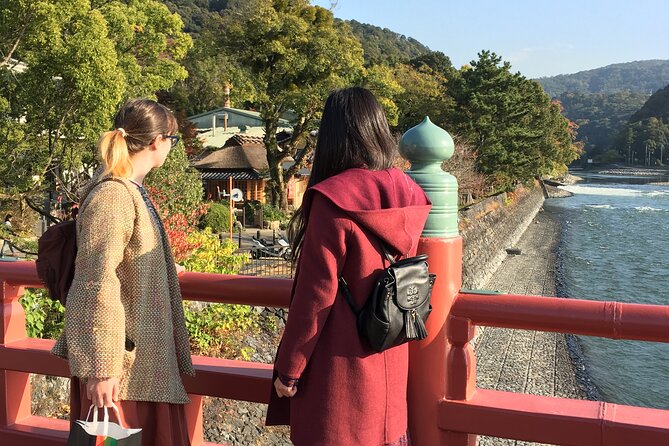
- The day mixes landmarks and local life: Uji Shrine, tea shops, food, tea producers, and a traditional tea house all appear in the program.
- Terumi is a major part of the appeal: She is praised for her patience, warmth, local knowledge, thoughtful pacing, and willingness to help with translation.
- Plan for a full half-day: The tour lasts about five to five and a half hours, begins at 9:30 a.m. at Uji Station, and finishes back there.
Why Uji makes a better tea day than a quick Kyoto tasting
Uji is close enough to visit from Kyoto, but it feels like a different kind of place. Here, tea is not just a drink served in a café. It appears in sweets, meals, shops, farming, pottery, ceremony, and local identity.
That wider view is what makes this tour useful. You are not simply handed a bowl of matcha and told to enjoy it. You get a chance to connect the powder in your cup with the town that produces, sells, prepares, and celebrates it.
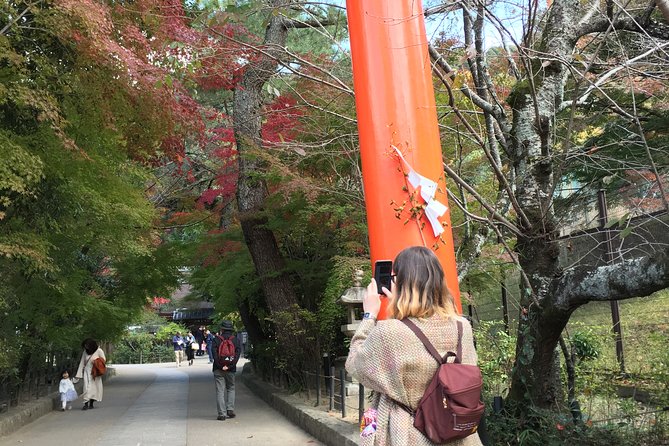
The program also includes some of Uji’s older religious sites. Uji Shrine provides a change of pace from tea shops and tasting counters. You can look at the setting through two lenses at once: as a historic Japanese district and as a working tea center.
I especially like that the tour is designed around several kinds of tea experience. You can taste prepared products, learn about production, make matcha yourself, and watch a formal ceremony. Each part answers a different question: What does matcha taste like? How is it made? How is it used in food? How should it be prepared in a ceremonial setting?
More Matcha Experiences in Uji:
- Kyoto: Tea Museum Tickets and Matcha Grinding Experience
★ 4.9 · 739 reviews - Slow Cycling Tour at Uji’s Matcha Green Tea Fields and Heritage
★ 5.0 · 25 reviews - Kyoto Matcha Green Tea Tour
★ 4.5 · 23 reviews
Starting at Uji Station at 9:30 a.m.
The meeting point is Uji Station, at 17 Uji Umonji, Uji, Kyoto 611-0021. Starting at the station is practical because you do not have to hunt for a small shop or private meeting place in an unfamiliar town.
The tour takes about five to five and a half hours and ends back at the same meeting point. That makes it easy to continue exploring Uji afterward, return to Kyoto, or make your own plans nearby.
You should arrive ready to walk. The tour requires a moderate level of physical fitness, and the program moves between shrines, shops, tea-related sites, and outdoor areas. It is not an exhausting hike, but it is also not a seated tasting session.
The small maximum of seven people matters here. A group that size can gather inside a tea shop, ask questions without shouting, and keep a reasonable pace through town. It also gives Terumi the chance to respond to individual interests. Several guests appreciated that she took photographs, answered questions patiently, and adjusted the day to the group.
Uji Shrine: a quiet start among the town’s oldest sights
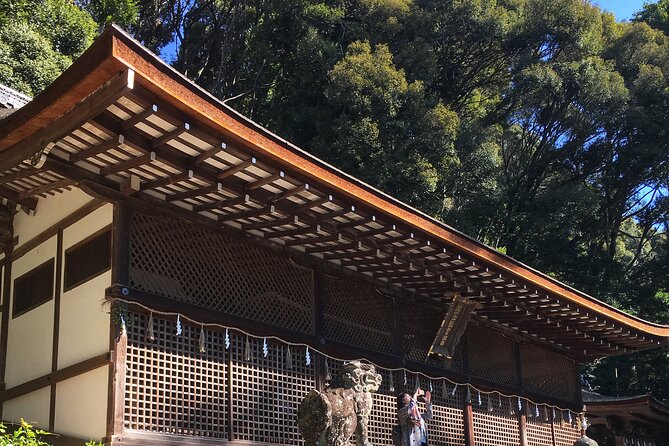
Uji Shrine is listed as an early stop, with about 20 minutes set aside and no admission charge. The shrine introduces the cultural side of Uji before the tour turns fully toward tea.
This is a short visit, so do not expect a long temple or shrine tour. Its value comes from the setting and the explanation. Uji is more than a backdrop for cafés selling green tea ice cream. The shrines help you see the town as a place with its own religious and cultural traditions.
The brief stop also breaks up the food-focused parts of the day. I appreciate that balance. A tour made entirely of tastings can feel repetitive, even when the food is good. The shrine gives you time to look around and place the tea trade within a broader picture of Japanese life.
Tsuen Main Branch and the taste of old Uji
One of the most distinctive stops is Tsuen Main Branch, an Uji tea shop that has operated for more than 850 years. The scheduled stop lasts about 10 minutes and has no separate admission charge.
The short timing suggests a focused visit rather than a long lecture. You will have an opportunity to see one of Uji’s oldest tea businesses and taste a matcha rice cake skewer made with matcha powder. This is exactly the kind of small local detail that can be hard to find on your own, especially when you do not speak Japanese.
The skewer also shows how Uji uses tea beyond the teacup. Matcha appears in sweets and snacks, with a flavor that can be earthy and slightly bitter rather than simply sweet. If you already love matcha, this should be one of the fun stops. If you only know green tea as a mild drink, it offers a sharper introduction.
A short stop means you should not expect an extensive tea purchase session here. You will have other chances to visit tea shops and local stores during the day, and several people specifically enjoyed the shopping opportunities.
A few more tea experiences around Uji worth a look
- Uji: Green Tea Tour with Byodoin and Koshoji Temple Visits
★ 4.8 · 72 reviews - Uji: UNESCO Heritage & Tea Ceremony Walking Tour
★ 4.6 · 54 reviews - Uji and Wazuka Matcha Farm Half Day Private Guided Tour
★ 5.0 · 21 reviews - Uji Tea Ceremony and UNESCO Heritage Walking Tour
★ 5.0 · 20 reviews
Tea fields, producers, and the work behind the powder
The program includes tea fields and a visit connected with one of Uji’s oldest tea farms. That part gives the day a useful sense of place. Matcha can seem like a fashionable ingredient when it appears in pastries and drinks abroad. Seeing tea-growing areas helps connect the finished powder with farming and production.
The exact amount of time spent in the fields can vary, and the supplied schedule does not give a detailed minute-by-minute plan for every stop. You should think of this as a guided introduction rather than a full agricultural tour.
Still, this is an important part of the experience. You can ask how tea is grown, prepared, and turned into the powder used in the tasting and workshop. The small group makes questions easier, and Terumi’s role is particularly valuable for explaining details and helping you communicate with local merchants.
The local side of Uji is one of the tour’s strongest features. You are not limited to the most photographed street or a single famous monument. The route includes tea businesses and people connected with different stages of the tea trade.
Grinding your own matcha by hand

The hands-on workshop is likely to be the highlight for anyone who enjoys learning by doing. You get to grind matcha using a stone mill before preparing or tasting the tea.
This changes your understanding of the powder. Matcha is often treated as an instant ingredient, but grinding it by hand makes the process slower and more physical. You can see why the preparation of tea has traditionally involved care, attention, and a measured pace.
The workshop also gives families a reason to book this tour. One family described the combination of matcha making, tea farms, local shops, and ceremony as a true highlight. Children and adults can take part rather than simply watch a guide demonstrate something.
Do not expect a factory visit or professional tea-making course. The workshop is part of a broader walking program, so its purpose is to give you a direct taste of the process. That is enough to make the powder in your bowl feel less anonymous.
Tea dishes for lunch
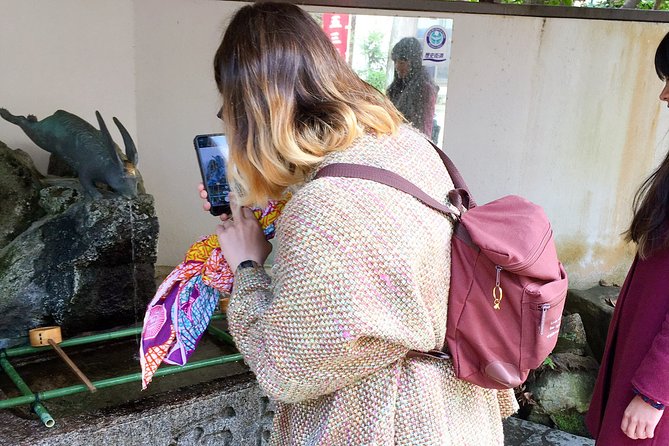
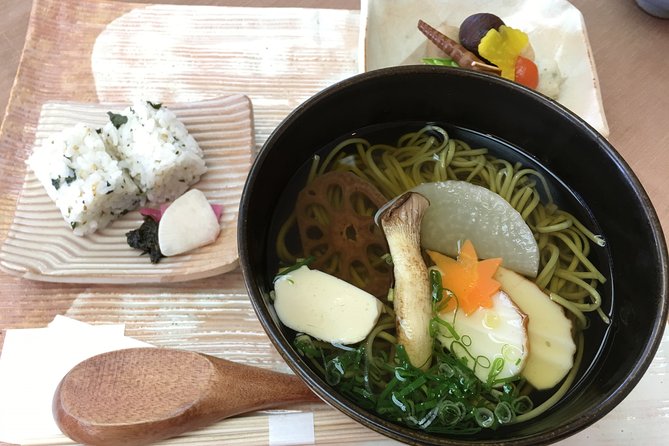
Lunch takes place at a famous tea house, where you enjoy tea dishes. This is an important inclusion because it shows how tea can shape a meal, not just a snack or drink.
The available information does not list every dish, portion size, or dietary option, so you should confirm food needs when booking if they matter to you. The lunch is best viewed as part of the cultural program rather than a reason to book the tour as a gourmet meal.
For me, the meal adds a welcome pause in the middle of a walking day. It also gives you a chance to compare the flavor of tea in food with the taste of freshly prepared matcha. Some people like the bitterness and herbal notes; others may find tea dishes more subtle than expected.
The traditional tea ceremony in a real tea house
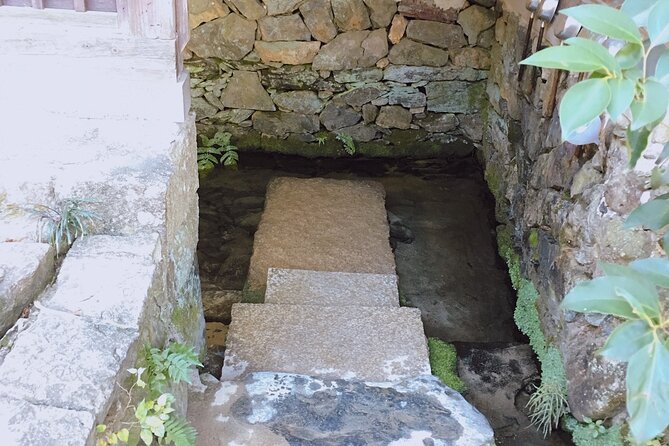
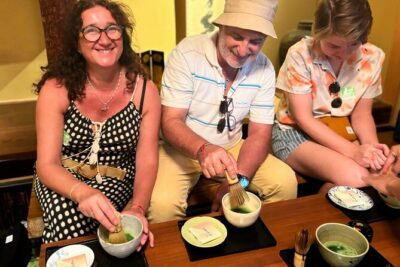
The formal tea ceremony is the emotional center of the day. After walking, tastings, and the workshop, you experience matcha in a traditional tea house, where preparation and presentation follow a more deliberate pattern.
This is not the same as ordering a matcha drink at a modern café. The ceremony gives you a chance to notice the gestures, utensils, setting, and quiet attention that shape the ritual. It also helps explain why tea in Japan can carry social and cultural meaning beyond taste.
Several guests described the ceremony as one of the strongest parts of the day, but the praise was often tied to the wider program. You are not simply dropped into a formal ritual without context. By the time you reach this stop, you have already seen tea as a crop, a shop product, a sweet, a meal, and a handmade powder.
The exact ceremony format and amount of instruction are not fully specified, so I would avoid booking if you need a highly formal or advanced tea-school lesson. Book it if you want an authentic introduction that fits into a broader Uji visit.
Terumi’s guiding makes the difference
Terumi receives unusually warm praise throughout the supplied comments. Her strengths are practical: she explains clearly, answers questions, walks at the group’s pace, takes photographs, and helps with translation when needed.
That last point can be especially useful after the tour. One guest wanted to visit a tea shop after the official program ended, and Terumi went along as an interpreter. That is not something you should assume is included every time, but it shows the personal care people associate with her hosting.
Her role also helps tie separate stops together. Without a guide, Uji’s tea shops, shrines, farms, and food can feel like a string of pleasant but disconnected visits. With explanation, the town becomes easier to read.
The small group supports this style. You can ask about tea, pottery, temples, local customs, or shopping without losing the guide’s attention to a crowd of 20 or 30 people.
What the $157.65 price really buys you
At $157.65 per person, this is not a budget walking tour. The value depends on how much you want from the day.
You are paying for roughly five hours of guiding, a small group, tastings, the workshop, tea-related visits, lunch, and a traditional tea ceremony. You also receive help navigating local businesses and cultural settings that may be difficult to manage alone.
If you only want to taste matcha and take photos in Uji, you can spend less by visiting on your own. Uji has tea shops, shrines, and cafés that you can explore without a guide.
I think the price makes the most sense for three kinds of people:
- You love matcha and want several forms of it in one day.
- You want cultural explanation rather than independent sightseeing.
- You value a small group and personal assistance with local communication.
The value is weaker if you dislike tea, prefer a fast sightseeing schedule, or want a full restaurant lunch with many choices. It may also feel high if you plan to buy substantial tea products separately, since shopping costs would be extra.
Heat, walking, and practical planning
The most useful warning is the weather. A June visit was described as hot for walking around, and much of the program takes place outside. Wear comfortable shoes and bring water. Light clothing and sun protection will make the day easier.
The moderate fitness requirement should be taken seriously. You move around a historic town and visit several kinds of sites. Exact distances and step counts are not provided, so anyone with mobility concerns should ask the operator for current route details before booking.
The tour is near public transportation and begins and ends at Uji Station, which keeps the logistics simple. Confirmation is provided at booking. The activity requires good weather and a minimum number of participants. If poor weather or insufficient participation cancels the tour, you are offered another date or experience, or a full refund.
Free cancellation is available if you cancel at least 24 hours before the 9:30 a.m. start time. Changes or cancellations made inside that window are not refunded.
Who should book this Uji matcha tour?
Book this tour if you want Uji explained through tea rather than simply photographed. It suits couples, families, solo visitors, and small groups who enjoy food, culture, local shops, and hands-on activities.
It is especially good for someone visiting Kyoto for the first time who wants a structured day outside the city center. The guide takes care of the route and interpretation, while you get a broad look at Uji without needing to research each stop in advance.
I would skip it if you are not interested in matcha, dislike walking in warm weather, or want a low-cost independent outing. I would also ask about the menu and physical demands before booking if you have dietary or mobility needs.
For the right person, this is more than a tasting tour. You grind tea, eat tea, visit an old tea shop, see the tea-growing side of Uji, learn about shrines and local culture, and finish with a formal ceremony. Book it for the full story of Uji tea, not just for a sweet matcha snack.
FAQ
Where does the tour start and finish?
The tour starts at Uji Station in Uji, Kyoto, at 9:30 a.m. It ends back at the same meeting point.
How long does the experience last?
The tour lasts approximately five to five and a half hours.
How many people can join the tour?
The activity has a maximum of seven participants.
Does the tour include a tea ceremony?
Yes. The program includes an authentic Japanese tea ceremony at a traditional tea house.
Is lunch included?
The itinerary includes lunch at a famous tea house, with tea dishes.
Can I cancel for a full refund?
Yes, if you cancel at least 24 hours before the experience start time. Poor weather or failure to meet the minimum number of participants can also lead to an alternative date or a full refund.
Just added around Uji
- Uji: Private immersion into Kyoto’s tea and reglious culture★ 5.0 · 17 reviews
- Uji Tea Ceremony and UNESCO Heritage Walking Tour★ 5.0 · 20 reviews
- Uji and Wazuka Matcha Farm Half Day Private Guided Tour★ 5.0 · 21 reviews
- Kyoto Matcha Green Tea Tour★ 4.5 · 23 reviews
- Utilising upcycled Matcha! Creating matcha incense (Uji, Kyoto)★ 5.0 · 6 reviews
- 7 Hours Private Guided Tour Uji and Wazuka Matcha Farm★ 5.0 · 2 reviews
- Half Day Matcha Tour in Uji, home of culture, with a local★ 4.8 · 14 reviews
- Kyoto: Tea Museum and Tsuen Teahouse Guided Tour★ 5.0 · 2 reviews
Matcha Experiences, compared.
World Heritage Kyoto & Nara Uji Authentic Matcha Experience
Read our review →
Arashiyama Bamboo Forest, Monkeys, Matcha & Temple Tour
Read our review →
Matcha Making Class in Tokyo with Authentic Japanese Sweets Set
Read our review →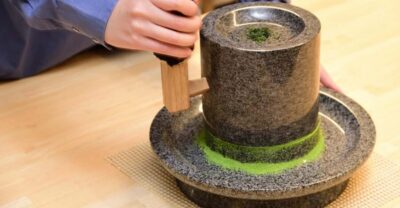
Tea Museum Tickets and Matcha Grinding Experience
Read our review →
Matcha Making Class in Osaka with Authentic Japanese Sweets Set
Read our review →
Tea Ceremony Meditation – Make Matcha with Tea Master
Read our review →
Matcha Making Experience with Mochi Sweets in Asakusa
Read our review →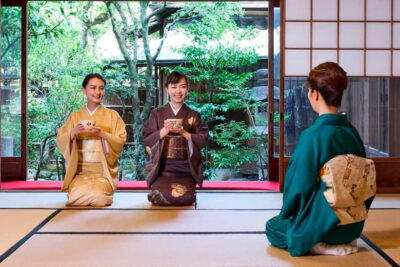
Browse the lists this tour appears in