
Review · UJI
7 Hours Private Guided Tour Uji and Wazuka Matcha Farm
Tea tells the story of Uji. I like the mix of Byodo-in and old Uji with a quiet farm visit in Wazuka, and I especially like that Masae introduces you to local tea makers rather than keeping the day in a shop. The main drawback is price: at $520 per person, this is a serious splurge, and the farm road can be muddy and bumpy.
I also appreciate the private format. Your group gets Masae’s full attention, with time for questions about matcha, tea rituals, farming, and Japanese culture. The tour is advertised at about six hours, though its title says seven hours, so confirm the expected length when you book.
Key points at a glance
- Start in historic Uji: Visit Byodo-in and walk through a town known for Japan’s oldest bridge and long tea tradition.
- Reach Wazuka’s tea country: See rolling tea fields and learn about an 800-year tea-growing tradition.
- Meet a fifth-generation farmer: Hear directly about farming and the work behind premium matcha.
- Taste at least three teas: Compare ceremonial-grade matcha and other local teas instead of drinking only one sample.
- Eat a Japanese lunch at a traditional home: A vegetarian meal is possible with advance notice.
- Enjoy a truly private day: Only your party takes part, with group discounts available.
Why Uji makes a smart starting point
Uji is a natural place to begin a tea-focused day. It is a small town south of Kyoto, known for tea, temples, and the Uji River. The town’s old bridge gives the opening walk a clear sense of place, rather than making the tour feel like a visit to a detached farm attraction.
The day includes a guided look at Uji and a visit to Byodo-in, one of Japan’s best-known Buddhist temples. Byodo-in is especially important because it connects the tea country to Japan’s religious and artistic past. Its Phoenix Hall is widely recognized, but the value here is also the setting: Uji gives you context before you see where the tea itself is grown.
I like this order. You first meet the polished, historic face of Uji, then move into the working countryside of Wazuka. That shift helps you understand that matcha is not simply a fashionable green powder. It comes from farms, families, seasonal work, careful processing, and a local culture built over many centuries.
The precise admission arrangements for Byodo-in are not specified, so you should confirm whether the temple entry fee is covered by the tour price. The included details clearly cover the guided town visit, but they do not list every possible admission separately.
More Matcha Experiences in Uji:
- Kyoto: Tea Museum Tickets and Matcha Grinding Experience
★ 4.9 · 739 reviews - Slow Cycling Tour at Uji’s Matcha Green Tea Fields and Heritage
★ 5.0 · 25 reviews - Kyoto Matcha Green Tea Tour
★ 4.5 · 23 reviews
Wazuka tea fields and an 800-year tradition
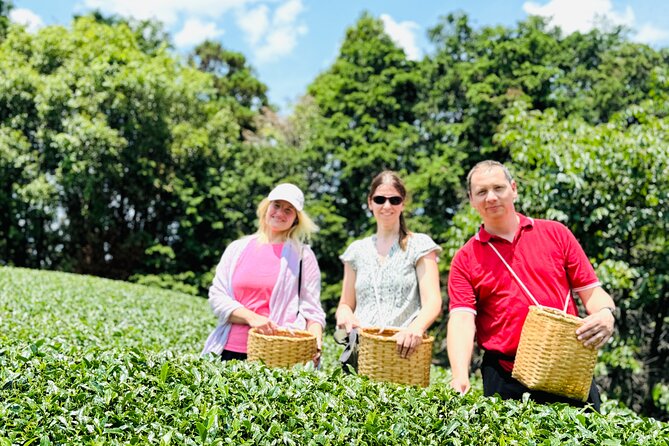
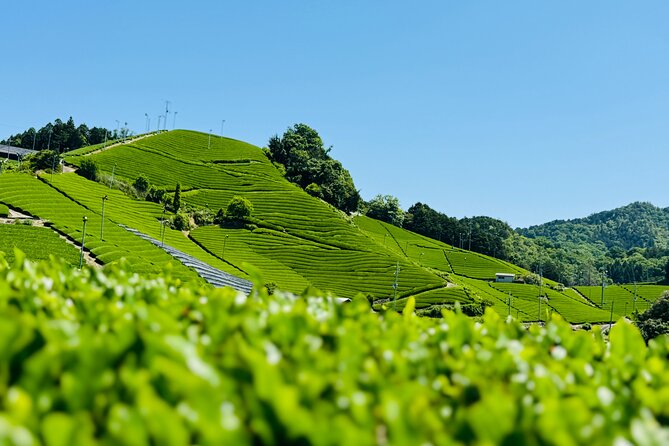
From Uji, the experience continues to Wazuka, a tea village in the surrounding hills. This is the part that gives the day its strongest sense of place. Instead of seeing packaged tea in a Kyoto shop, you walk among the fields where the leaves begin their journey.
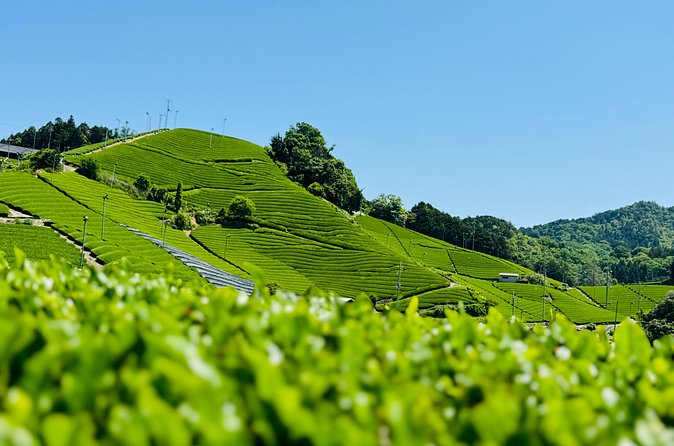
The tea fields are described as rolling and highly scenic, with a viewpoint included in the day. You can expect wide green views and a rural setting that feels far removed from central Kyoto. The exact viewpoint is not named, so the appeal is best understood as a chance to see Wazuka from above and take in the shape of the tea-growing area.
Wazuka has produced high-quality tea for more than 800 years. The farm visited on this experience was previously associated with the Imperial Family, which gives the visit unusual historical weight. That detail does not mean every cup will suit every palate, but it does help explain why the area carries such status in Japanese tea culture.
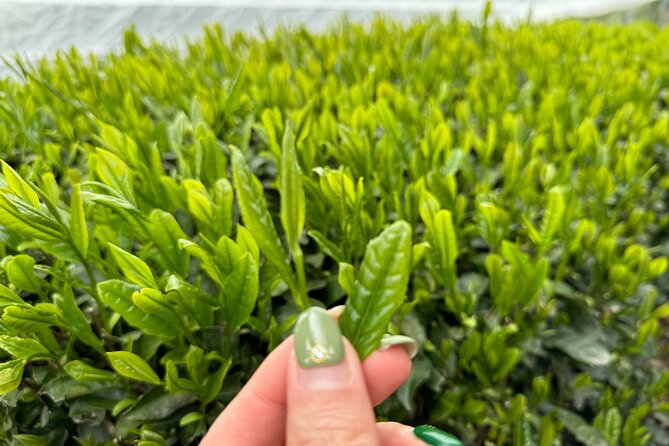
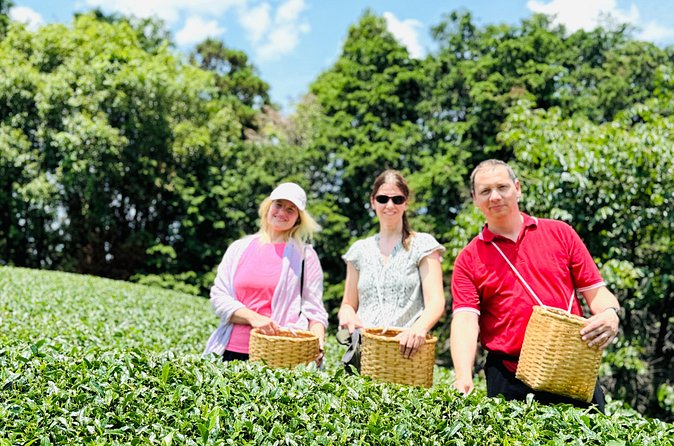
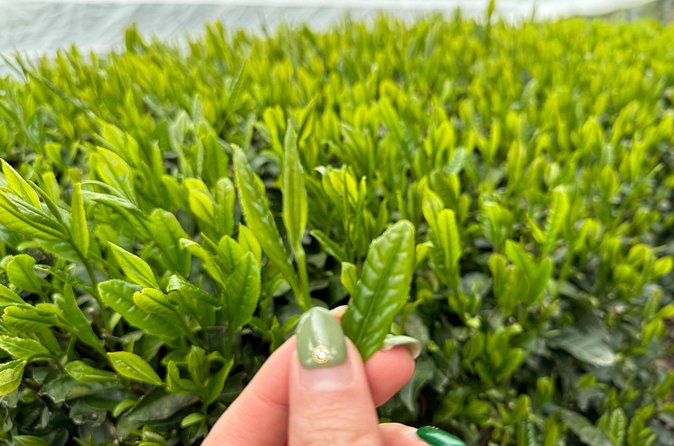
You may also get to hand-pick tea leaves. Since the description presents this as part of the experience, it is one of the more hands-on elements of the day. Do not expect to harvest enough tea for a full pot. The point is to feel the leaves, see how they grow, and gain a little respect for the work behind a small cup of matcha.
The farm access can be muddy and uneven. Wear shoes that you can walk in comfortably and that you do not mind getting dirty. This is not a major problem for most active visitors, but it matters if you have mobility concerns or expect smooth paths throughout the day.
Meeting a fifth-generation tea farmer
One of the strongest parts of the experience is the chance to speak with a fifth-generation tea farmer. A farm walk becomes much more useful when you can connect the plants and fields to a family’s work. You can ask about cultivation, tea quality, the difference between matcha and other green teas, and the demands of keeping a traditional farm going.
The experience also focuses on sustainable tea farming. The available details do not spell out particular farming methods, so you should not expect a technical agriculture class. Still, the farmer’s perspective should give you a better sense of how local production fits into the wider tea tradition.
This personal connection is a major reason to consider the private option. With only your group taking part, you can ask questions at your own pace. A larger scheduled group might move quickly from one stop to the next, while this format allows more room for conversation.
Masae is the guide and host. She has traveled to more than 40 countries, lived overseas for more than seven years, and returned to her home area to share Japanese culture and matcha. The available feedback gives her high marks for friendly service and fluent English. One person particularly valued the depth of the explanations about how matcha is made, how to appreciate it, different tea types, and tea ritual.
That background matters. Masae can act as a bridge between local customs and the questions you are likely to bring from outside Japan. She also has a personal connection to the area, which should make the day feel less like a standard sightseeing circuit.
Matcha tasting and the art of comparison
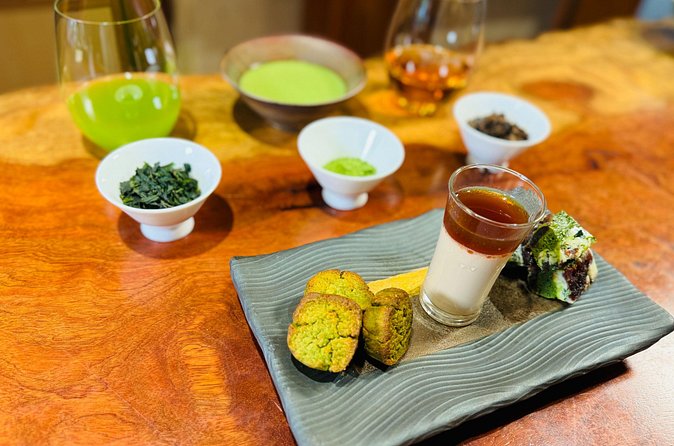
The tasting includes at least three kinds of local tea, with coffee and tea options available. The experience focuses on premium, ceremonial-grade matcha, so you should get more than a single sweetened drink served for novelty.
The real value comes from comparison. Matcha can vary in aroma, bitterness, sweetness, texture, and finish. Tasting several versions side by side helps you notice these differences. You may not leave with a professional palate, but you should leave better able to describe what you like.
You will also learn to whisk matcha in the traditional style. This is a small action, but it gives the tea ritual a physical dimension. You see how the powder and water come together, and you can think about the care given to preparation rather than treating matcha as an instant beverage.
The tea tasting may also include other types of Japanese tea. That is useful because it places matcha within a broader tea culture. You can compare the powdered preparation with brewed tea and understand that Japanese tea is not one single flavor or method.
Snacks, extra drinks, and purchases on the street are not included. Bring some spending money if you want refreshments or souvenirs in Uji. The tour does include tea to taste and some premium matcha to take home, according to the experience description, but the exact amount and packaging are not specified.
More Farm Visits in Uji:
- Uji and Wazuka Matcha Farm Half Day Private Guided Tour
★ 5.0 · 21 reviews - Nairobi to Kiambethu Tea Farm Tour
★ 5.0 · 51 reviews - Private Day Trip to Kiambethu Tea Farm in Limuru from Nairobi
★ 5.0 · 31 reviews - Day Tour To Kiambethu Tea Farm in Limuru
★ 5.0 · 22 reviews
Lunch inside a traditional Japanese home
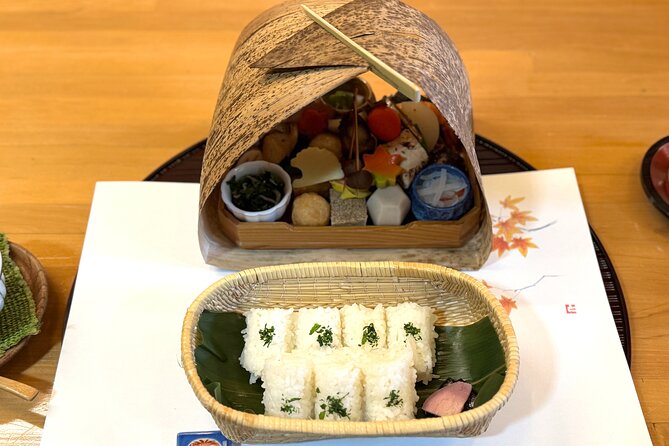
Lunch is a Japanese set meal served in a traditional-style home. This is a pleasant change from eating at a busy restaurant, particularly during a day that is meant to connect tea with local life.
A set lunch also makes practical sense. You do not have to stop and choose from a menu in the middle of the tour, and the meal becomes part of the cultural experience. The description calls it a delicately prepared bento-style Japanese lunch, so expect a selection of small portions rather than one large dish.
Vegetarian food is available with advance notice. You should request it before the tour, not on the morning of departure. No other dietary details are provided, so anyone with allergies or more specific food needs should ask the provider before booking.
The home setting may be one of the most memorable parts of the day, but it is worth keeping expectations realistic. This is a hosted cultural meal, not a cooking class, and no cooking activity is listed. The reward is the setting, the food, and the chance to pause between the farm and tea sessions.
What the $520 price really buys
At $520 per person, this is expensive for a day in the Uji area. The price is easier to justify if you value personal guiding, private access, tea education, a farm visit, lunch, and a direct connection with local producers.
You are paying for more than transport between sights, though transport details are not provided and should be confirmed. The package includes a private guide, a Uji walking tour, a viewpoint, the tea farm walk, at least three tea tastings, a Japanese lunch, and matcha-related activities. Group discounts may improve the value if you are traveling with family or friends.
For a solo visitor, the cost is harder to absorb. The benefit is that the private format gives you individual attention, but you do not have other people sharing the per-person expense. For a couple or small group, the personal format may feel more reasonable, especially if everyone is genuinely interested in tea.
I would not book this simply because you want attractive photographs of tea fields. You can find scenic countryside in other ways. I would consider it if you want to understand production, taste several high-quality teas, ask detailed questions, and meet people connected to the work.
The price also covers a full day of planned activities, which reduces the need to arrange separate visits to Uji and Wazuka. Still, because the tour does not state that all transportation, temple admission, or extra refreshments are included, confirm those costs before paying.
Timing, meeting point, and physical comfort
The meeting point is Uji Station, at 17 Uji Umonji, Uji, Kyoto 611-0021. The activity returns to the same meeting point, which makes planning easier if you are staying in Kyoto or arranging another activity afterward.
The tour is described as about six hours in the main details, while the title refers to seven hours. Treat it as a substantial half-day to full-day commitment and leave extra time around it. A private tour can sometimes run at a natural pace, but you should not schedule a tight train connection immediately afterward.
The day includes walking through town, a farm walk, and access over ground that may be muddy and bumpy. Comfortable shoes are essential. The service is near public transportation, and service animals are allowed, but the farm terrain may still require care.
You should also be prepared for changing conditions outdoors. The provided details do not state how much shelter is available at the farm, so ask what happens in poor weather if that matters to your plans. No special fitness level is listed, but the uneven farm access makes this less suitable for anyone who needs fully smooth paths.
Who will get the most from this day
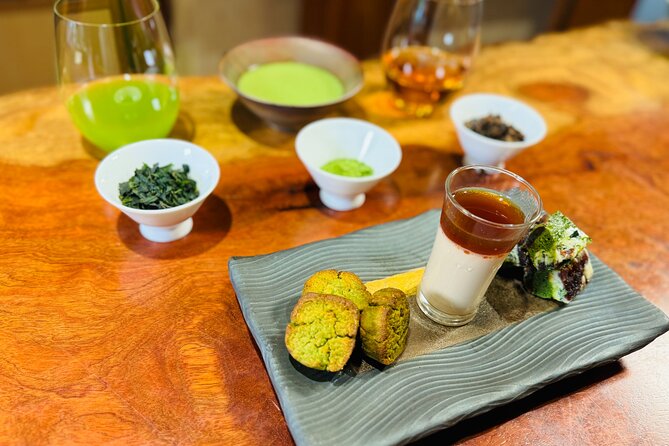
This experience suits matcha lovers first. If you already enjoy matcha, the chance to compare several ceremonial-grade teas and learn how they are prepared gives the day real substance.
It also suits culture-focused visitors who want more than famous temples. Uji offers the historic side of the region, while Wazuka brings you closer to farming families and rural traditions. I would also recommend it to people who want a guide who can explain Japanese customs in clear English.
Families can benefit from the private format because the pace can be more flexible than a large group outing. Children who like tasting, outdoor walks, or hands-on activities may enjoy picking leaves and whisking tea, though the muddy farm access is worth considering.
Solo visitors can book the tour, and private guiding may make it comfortable to ask questions without worrying about slowing down strangers. The cost, however, is more difficult to justify alone.
This is less suitable for someone who dislikes tea, wants a quick sightseeing morning, or prefers a low-cost independent visit. It is also not the right pick if you need a completely accessible route.
Should you book the Uji and Wazuka matcha tour?
Book it if you want the full story behind matcha: historic Uji, rural Wazuka, tea fields, a fifth-generation farmer, hands-on preparation, several tastings, and a Japanese lunch in a traditional home. Masae’s cultural background and friendly English guidance add real value, especially if you want to ask questions rather than simply follow signs.
Think twice if $520 per person is outside your budget, if you are traveling alone and want maximum value, or if muddy and uneven farm access would be difficult. Also confirm the six-hour versus seven-hour timing, what is included for temple admission and transport, and any dietary needs before booking.
For the right person, this is not just a tea tasting. It is a focused day about where matcha comes from and why Uji remains one of Japan’s great tea towns.
FAQ
Where does the tour begin?
The tour begins at Uji Station in Uji, Kyoto, at 17 Uji Umonji, Uji, Kyoto 611-0021.
Where does the tour end?
The activity ends back at the meeting point at Uji Station.
How long does the tour last?
The main tour details describe it as approximately six hours, while the title refers to seven hours. Confirm the exact expected duration when booking.
Is this a private tour?
Yes. Only your group participates in the activity.
What is included in the tour?
The experience includes a viewpoint visit, a tea farm walk, local coffee and tea tasting with at least three different teas, a Japanese lunch set, and a guided tour through Uji.
Is a vegetarian lunch available?
Yes. A vegetarian option is available if you request it in advance.
How many teas will I taste?
The tasting includes at least three different kinds of local tea. The experience also focuses on premium ceremonial-grade matcha.
Is the tour suitable for service animals?
Yes. Service animals are allowed.
Can I cancel for a full refund?
Yes, if you cancel at least 24 hours before the experience start time. Cancellations made less than 24 hours in advance are not refunded, and changes within that period are not accepted.
Just added around Uji
- Kyoto tea town for matcha lovers★ 5.0 · 16 reviews
- Uji: Private immersion into Kyoto’s tea and reglious culture★ 5.0 · 17 reviews
- Uji Tea Ceremony and UNESCO Heritage Walking Tour★ 5.0 · 20 reviews
- Uji and Wazuka Matcha Farm Half Day Private Guided Tour★ 5.0 · 21 reviews
- Kyoto Matcha Green Tea Tour★ 4.5 · 23 reviews
- Utilising upcycled Matcha! Creating matcha incense (Uji, Kyoto)★ 5.0 · 6 reviews
- Half Day Matcha Tour in Uji, home of culture, with a local★ 4.8 · 14 reviews
- Kyoto: Tea Museum and Tsuen Teahouse Guided Tour★ 5.0 · 2 reviews
Matcha Experiences, compared.
World Heritage Kyoto & Nara Uji Authentic Matcha Experience
Read our review →
Arashiyama Bamboo Forest, Monkeys, Matcha & Temple Tour
Read our review →
Matcha Making Class in Tokyo with Authentic Japanese Sweets Set
Read our review →
Tea Museum Tickets and Matcha Grinding Experience
Read our review →
Matcha Making Class in Osaka with Authentic Japanese Sweets Set
Read our review →
Tea Ceremony Meditation – Make Matcha with Tea Master
Read our review →
Matcha Making Experience with Mochi Sweets in Asakusa
Read our review →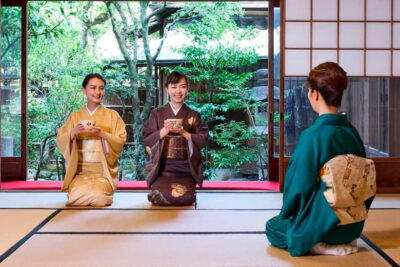
Browse the lists this tour appears in