
Review · TOKYO
Make Traditional Nerikiri Sweets & Matcha experience in Shibuya
Tokyo gets hands-on here. This small class brings you into a local home near Omotesando, where Hana teaches you to shape four delicate nerikiri sweets from bean paste, sugar, and other ingredients. I especially like the mix of creative work and Japanese tea culture, plus the chance to make designs you can try again at home. The central location is another strong point: after class, Meiji Shrine, Takeshita Street, and Shibuya Crossing are all easy additions to your day.
The main consideration is the price, about $60 per person for 90 minutes. That is not cheap for a short food activity, but the group size is capped at four, and you receive close instruction, four sweets, matcha, and a look inside a Tokyo home. The early 9:00 AM start may also feel demanding on a holiday morning, though it leaves your day wide open.
Key points to know before booking
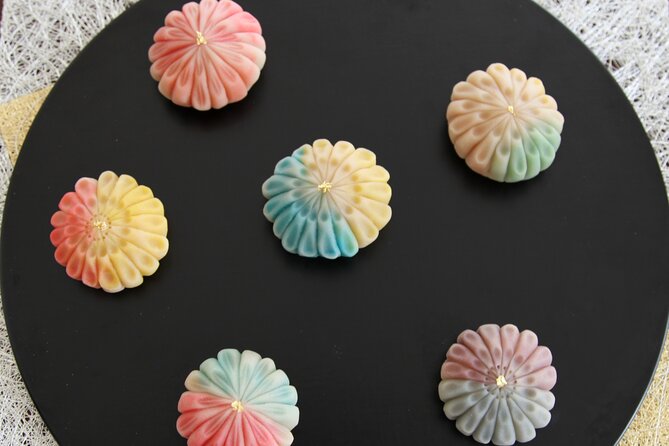
- Make four sweets: Choose three sample designs, then create one original design of your own.
- Learn in a real home: The class takes place a short walk from Omotesando Station in a private Tokyo residence.
- Small groups matter: A maximum of four people allows Hana to guide each person closely.
- Matcha is part of the lesson: The sweets are followed by a table-style tea experience with freshly prepared matcha.
- Good for families: Children as young as seven and older visitors have enjoyed the class, according to the detailed feedback shared by the host.
- Useful timing: Sessions begin at 9:00, 13:00, or 15:30, with the morning option helping you start sightseeing before many shops open.
A calm start near Omotesando
The meeting point is at 5-chōme-2-21 Jingūmae, across from CHUMS Omotesando and in front of the brown building. From there, Hana walks with you for about 30 seconds to her home.
This is a smart part of Tokyo for a food class. The address sits in Jingumae, between the areas usually called Harajuku, Omotesando, and Shibuya. Omotesando Station is about a three-minute walk away, and the activity finishes where it began, so you do not need to arrange a second pickup or find your way out of an unfamiliar neighborhood.
The meeting instructions deserve your attention. Omotesando has plenty of streets, shops, and intersections, so use the named CHUMS location rather than relying only on the postal address. Arriving a little early should make the start less frantic.
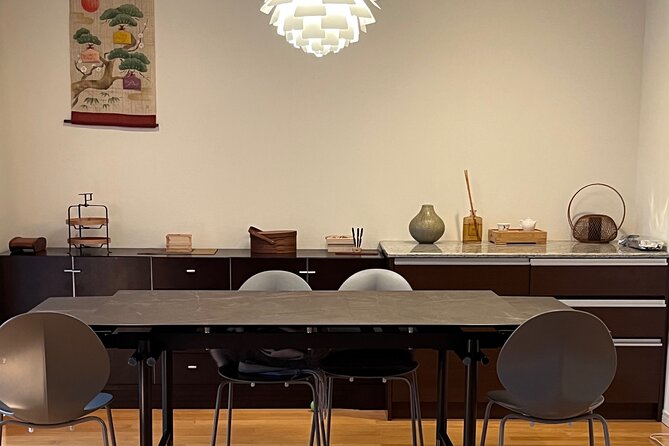
The setting is part of the appeal. This is not a class in a large commercial kitchen or hotel room. You enter a local home and get a small glimpse of how someone lives in central Tokyo. That does not mean you are touring a typical Japanese house, but it does add a personal note that a standard cooking school cannot offer.
More Matcha Experiences in Tokyo
- Matcha Making Class in Tokyo with Authentic Japanese Sweets Set
★ 5.0 · 744 reviews - Tokyo: Matcha Making Experience with Mochi Sweets in Asakusa
★ 4.9 · 388 reviews - Asakusa Cultural Walk & Matcha Making Tour
★ 5.0 · 245 reviews
What you actually make in 90 minutes
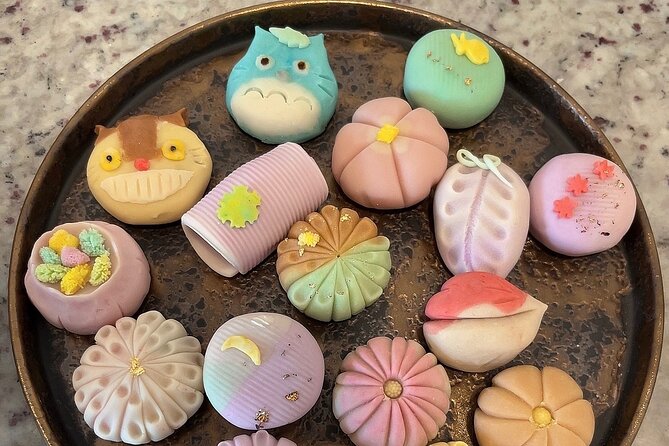
The class begins with sample nerikiri designs. You choose three shapes from the examples, then follow Hana’s instructions as you form each sweet.
Nerikiri is a traditional Japanese confection made from a sweet bean paste mixture, sugar, and other ingredients. Its appeal is visual as much as culinary. The finished pieces can look like flowers, seasonal motifs, animals, or small character designs. The work calls for gentle pressure and careful shaping, but Hana breaks complicated-looking steps into manageable ones.
That teaching style is one of the strongest reasons to book. Detailed feedback repeatedly points to her patience, clear explanations, and ability to help children and first-time makers without taking over. One child made a Pikachu design, while other participants created Hello Kitty, Totoro, pumpkins, cherry blossoms, flowers, turtles, and original characters.
After the three guided designs, you get to make one of your own. This is where the activity becomes more than a copy-the-teacher craft. You can choose your colors and decide how much detail to add. Some people will enjoy the freedom. Others may prefer the security of another model, so it helps to think of the fourth sweet as a creative challenge rather than a perfectly polished final exam.
You make four sweets in total, and you can take everything home. That is useful if you want a small edible souvenir, though you should handle the pieces carefully after the class. The activity gives you a skill to repeat later, but you should not expect a full professional wagashi-making course. The session is designed for a fun introduction, not advanced pastry training.
Why the small group makes a difference
The maximum group size is four. That is a major advantage for a hands-on activity involving color, shape, and fine detail.
With four people or fewer, Hana can watch how you are handling the paste and offer corrections before a shape gets flattened or uneven. Parents also get more support. Several families used the class with children, including children aged seven, ten, eleven, and thirteen. The feedback describes Hana helping a young child so the parent could continue with their own sweet.
This also keeps the mood relaxed. The class is not built around speed, and the available comments repeatedly describe an unhurried pace. That matters because nerikiri rewards patience. If you rush the petals, ridges, or color changes, the result loses some of its charm.
Hana is also praised for travel advice. She has suggested local places to visit and answered questions about other stops in Japan. Treat that as a pleasant extra rather than a formal sightseeing service. The main value remains the sweet-making lesson.
Matcha and the table-style tea experience
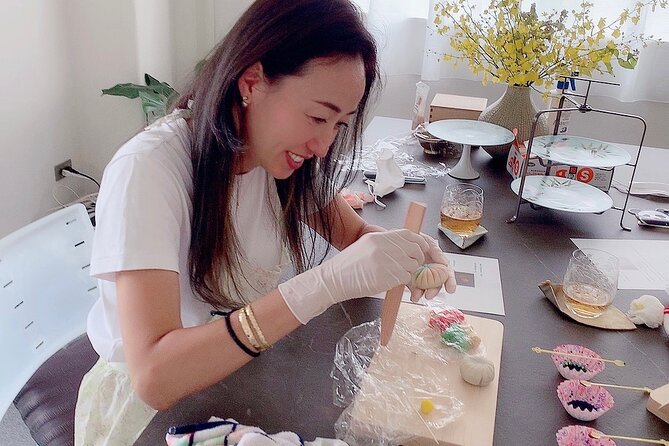
Once the sweets are finished, the pace shifts. Hana prepares matcha and guides you through a table-style tea experience.
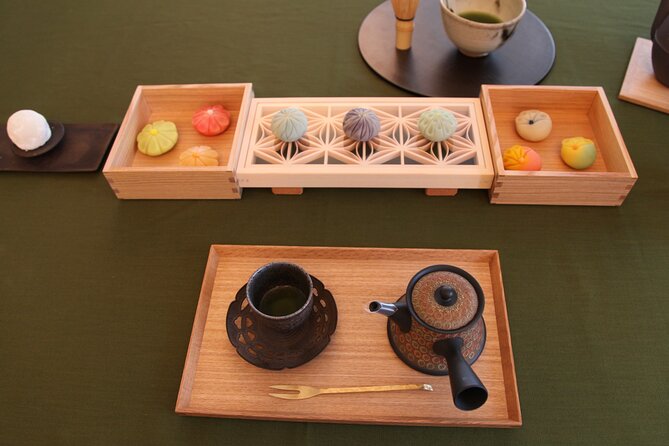
This is not presented as a lengthy formal tea ceremony with complex traditional procedures. Instead, you learn about the etiquette and process in a friendly setting, then enjoy the tea alongside carefully selected Japanese sweets. The activity description says the sweets are sourced from different parts of Japan, adding a wider taste of Japanese confectionery beyond the nerikiri you made.
You also get the chance to prepare matcha yourself. Several detailed accounts praise this as one of the most unusual parts of the visit. It gives you a better sense of the care behind the drink, rather than treating matcha as just a green beverage to photograph.
The pairing works well. Nerikiri is sweet and delicate, while matcha has a more assertive, slightly bitter character. Even if you are unsure about matcha, this format gives you a gentle introduction with food alongside it.
The tea portion also provides a quiet pause after the concentration of shaping the sweets. In a city known for fast trains, packed shopping streets, and bright signs, sitting at a table and paying attention to one bowl of tea feels like a useful change of speed.
More Tea and Sweets Making in Tokyo
- Sweets Making and Kimono Tea Ceremony at Tokyo Maikoya
★ 5.0 · 57 reviews - Japanese Traditional Sweets making and Tea Ceremony
★ 4.7 · 50 reviews - Mochi Matcha Gluten Free Japanese Sweets Class near Shibuya area
★ 5.0 · 26 reviews - Tokyo: Two Types of Japanese Sweets Making and Tea Ceremony
★ 4.6 · 26 reviews
Hana’s teaching style and language
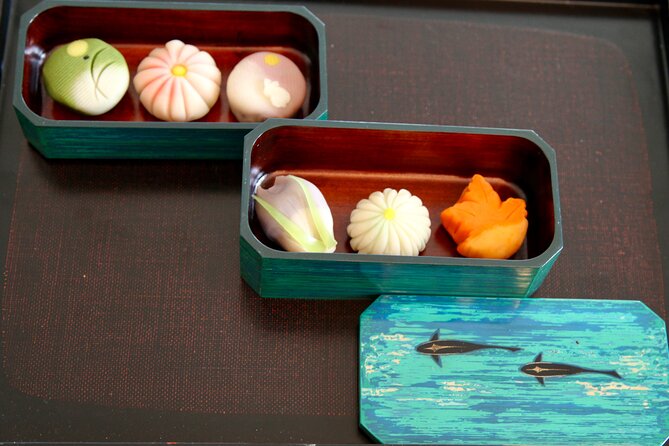
Hana is the host and instructor, and the supplied feedback consistently praises her warmth, patience, and clear guidance. She speaks English and Japanese fluently, which helps international visitors follow both the craft instructions and the cultural explanation.
Her replies also show that she pays attention to individual interests. She has encouraged creative designs, discussed local sightseeing, and followed up with suggestions for places to visit in Tokyo, Kyoto, Osaka, Hakone, and elsewhere in Japan.
One particularly useful detail concerns dietary preferences. A participant with halal concerns noted alcohol-containing ingredients before the class, and Hana contacted them about possible substitutions. That does not guarantee every dietary request can be met, so you should ask ahead of time. Still, it shows why sending a clear note when you book is worthwhile.
The class is described as suitable for vegans and vegetarians. If you have a stricter allergy or religious requirement, confirm the ingredients before arrival rather than assuming every sweet or tea snack will fit your needs.
Is $60 a fair price?
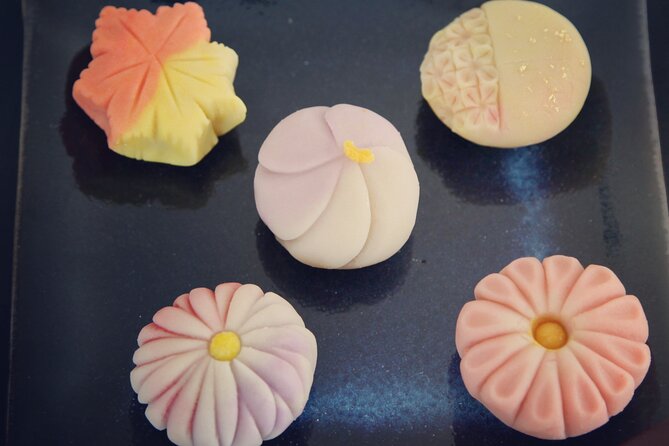
At $60 per person, this is a midrange cultural activity rather than a cheap snack stop. You are paying for more than ingredients. The fee covers about 90 minutes of personal instruction, four sweets, matcha, additional Japanese sweets, and a small-group setting in a private home.
The value improves if you care about the cultural side. A shop demonstration might show you beautiful wagashi, but here you handle the paste, make design decisions, learn basic tea etiquette, and leave with your own work. You also avoid spending time commuting to a distant workshop because the class is close to major sightseeing areas.
The value is weaker if you only want to eat Japanese sweets. You could buy attractive wagashi for far less. This experience makes sense because you want to understand how the sweets are formed and enjoy a personal exchange with the instructor.
For a family, the price can also buy a memorable shared activity. The children’s feedback is especially strong, and the format gives young makers a real task without requiring advanced cooking skills. Adults should enjoy it too, but those seeking a serious culinary qualification will find the session too short.
Choosing the best start time
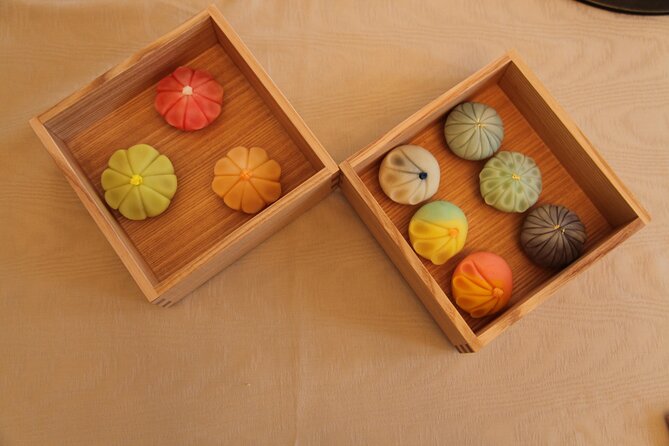
The three listed times are 9:00 AM, 1:00 PM, and 3:30 PM.
The morning session is the most useful for sightseeing. Many Tokyo shops open around 11:00 AM, so finishing the workshop early gives you time for Meiji Shrine, Takeshita Street, Omotesando shopping, or Shibuya Crossing. It is also a good choice if you want a calm start before the city becomes busier.
The 1:00 PM class works well as a break between morning sightseeing and an evening meal. You may need to plan lunch separately because the class includes sweets and tea, not a full meal.
The 3:30 PM session suits a slower day, especially if you have spent the morning at Meiji Shrine or shopping in Harajuku. It does reduce the amount of daylight and evening time available afterward, so check your plans before choosing it.
Because the experience lasts approximately 90 minutes and ends at the meeting point, all three options are easy to fit into a Tokyo itinerary.
Who should book this class?
I would recommend it most strongly to:
- Families with children who enjoy crafts, food, or Japanese character designs
- First-time visitors seeking a personal cultural activity
- Couples or friends who want a small, quiet break from sightseeing
- People interested in wagashi, matcha, and Japanese design
- Visitors staying near Shibuya, Harajuku, or Omotesando
- Anyone who likes taking home something they made rather than buying another souvenir
It is less suitable if you dislike sweet bean paste, do not want to work with your hands, or prefer a fast-moving sightseeing tour. It is also not the right pick if you expect a formal, highly traditional tea ceremony or advanced confectionery instruction.
The class is suitable for all ages, but young children may need help with the finer shaping work. The strong family feedback suggests the format can work very well, especially because Hana adjusts her support to the person in front of her.
Practical details worth knowing
The activity has a mobile ticket, and confirmation is provided when you book. Public transportation is nearby, and the group is limited to four people.
Wear something comfortable enough for sitting at a table and working carefully with your hands. The workshop takes place in a home, so follow the host’s instructions about shoes, surfaces, and handling materials.
Free cancellation is available if you cancel at least 24 hours before the local start time. Changes or cancellations inside that window are not accepted for a refund. Keep that cutoff in mind when building a Tokyo schedule, especially if your plans depend on weather or train reservations.
The experience is offered by Mum Japanese sweets studio. It ends back at the meeting point, making it simple to continue toward Shibuya or Harajuku afterward.
Should you book Make Traditional Nerikiri Sweets and Matcha?
Yes, if you want a personal, creative taste of Japan rather than another sightseeing stop. The strongest features are Hana’s patient instruction, the four-person limit, the chance to design one sweet yourself, and the quiet matcha lesson that follows.
At $60, it is best viewed as a cultural workshop with food, not a bargain dessert class. Book it if the process matters as much as the taste. Choose the 9:00 AM session if you want to fit Meiji Shrine, Takeshita Street, and Shibuya into the same day. Families, first-time visitors, and anyone who enjoys careful hands-on activities should find the price justified.
FAQ
Where does the nerikiri and matcha experience take place?
It begins at 5-chōme-2-21 Jingūmae, Shibuya, Tokyo 150-0001, across from CHUMS Omotesando in front of a brown building. You then walk with the instructor for about 30 seconds to her home.
How long does the activity last?
The experience lasts approximately 1 hour and 30 minutes.
How many people can join?
The maximum group size is four travelers.
How many sweets will I make?
You will make four nerikiri sweets. You choose three designs from samples and create one original design.
Can I take the sweets home?
Yes. Everything you make can be taken home with you.
Is matcha included?
Yes. The activity includes freshly prepared matcha and a table-style tea experience with selected Japanese sweets.
What time does the class start?
Available start times are 9:00 AM, 1:00 PM, and 3:30 PM.
Is the activity suitable for children?
Yes. The experience is described as suitable for all ages, and the detailed feedback includes children as young as seven enjoying the class.
Is the experience suitable for vegans and vegetarians?
Yes, the activity is described as suitable for vegans and vegetarians. If you have specific religious or allergy requirements, contact the host before the class to confirm ingredients and possible substitutions.
Just added around Tokyo
- Yokohama : Tea Ceremony with Sweets and Souvenir★ 5.0 · 5 reviews
- Walking Tour: Yanaka,Nezu& Sendagi: Tea Ceremony & Old Tokyo★ 5.0 · 3 reviews
- Private Kimono and tea ceremony at local home near Tokyo Disney★ 5.0 · 6 reviews
- Private Mochi・Matcha sweets Making Class Near Shibuya Area★ 5.0 · 22 reviews
- Kimono and Tea Ceremony in Asakusa Private Food Tour With Guide★ 5.0 · 4 reviews
- 2 Hours Mochi &Nerikiri Making & Matcha Class in Bunkyo★ 5.0 · 21 reviews
- Tokyo Sweets Tour: Hidden Gems & Matcha at an Old Tea House★ 5.0 · 6 reviews
- Tokyo Tea Ceremony Class at a Traditional Tea Room★ 5.0 · 2 reviews
Matcha Experiences in Tokyo, compared.

Matcha Making Class in Tokyo with Authentic Japanese Sweets Set
Read our review →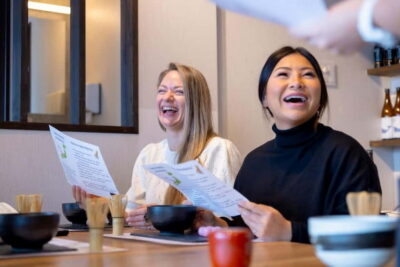
Matcha Making Experience with Mochi Sweets in Asakusa
Read our review →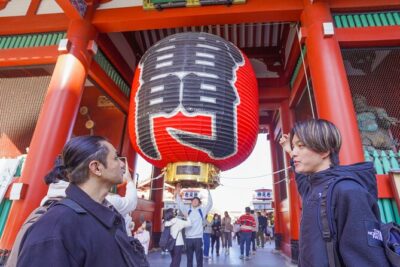
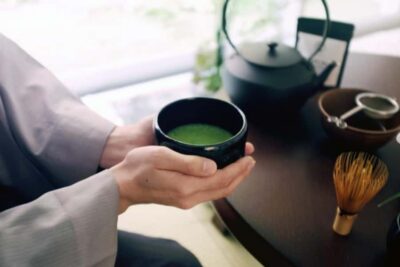
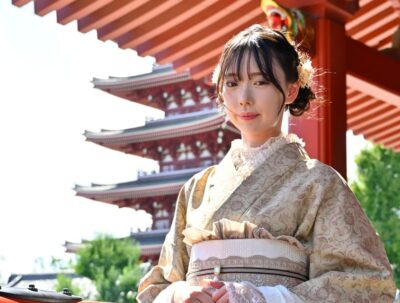
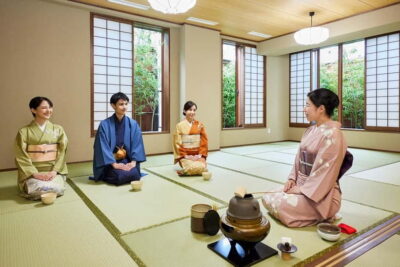
Asakusa: Kimono Tea Ceremony with Matcha and Sweet
Read our review →
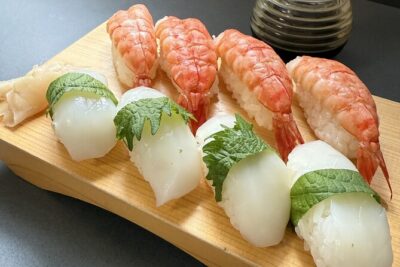
Tokyo Sushi Making Class : Sake Ceremony & Matcha Experience
Read our review →Browse the lists this tour appears in