
Review · TOKYO
Mochi Matcha Gluten Free Japanese Sweets Class near Shibuya area
Make mochi, then eat your homework. This two-hour private class near Shibuya gives you a hands-on introduction to Japanese sweets with Sakura-san, a patient English-speaking teacher who welcomes you into her home kitchen. I like the personal instruction and the chance to make four different sweets, rather than simply watching a demonstration. I also like that the class is designed around gluten-free treats and includes recipes you can use at home.
The main drawback is the price: $112.01 per person is a serious spend for a two-hour activity. The meeting point is in Sangenjaya, at 1-chōme-11-13 Sangenjaya, rather than in Shibuya proper, so you should allow time to reach the address and confirm the route before class.
Key points to know before booking
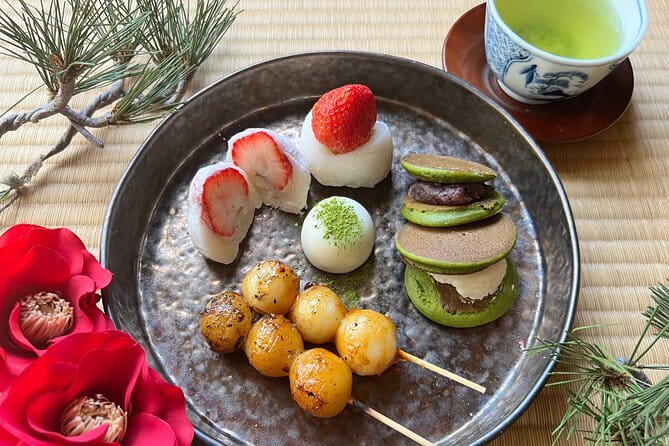
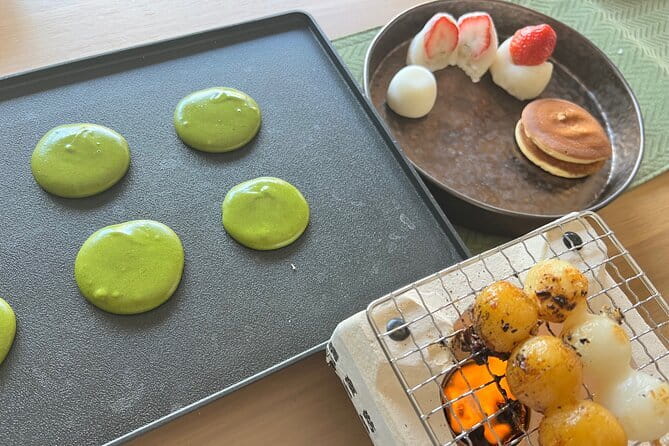
- Four Japanese sweets in two hours: You make four different treats, including matcha green tea mochi and other gluten-free sweets.
- Private instruction with Sakura-san: Only your group participates, giving you direct help with textures, shaping, and technique.
- A home-based cultural experience: The class takes place in Sakura-san’s private home, offering a more personal setting than a large cooking studio.
- Useful for gluten-free visitors: The sweets are prepared as gluten-free, making the activity especially helpful for people with celiac disease or gluten restrictions.
- Recipes and a photo table included: You leave with recipes and can arrange your finished sweets for photos before eating them.
- Good for families and rainy days: The class works in hot, wet, or cold weather, and Sakura-san has experience teaching children.
Starting in Sangenjaya, near the Shibuya area
The class begins at 1-chōme-11-13 Sangenjaya, Setagaya City, Tokyo 154-0024. The meeting point is near public transportation, but the address is worth checking carefully because the experience is described as being near Shibuya while the actual class takes place in Sangenjaya.
That distinction matters in Tokyo. Shibuya is a familiar name for visitors, but your meeting point is in a nearby residential area rather than at a major sightseeing landmark. I would save the address on your phone, check the route before leaving, and avoid arriving at the last minute.
The activity ends back at the meeting point. Since it is a private class, your group does not need to keep pace with strangers or share the lesson with a large crowd. That makes the experience easier for families, couples, and small groups with different levels of cooking confidence.
Confirmation is sent within 48 hours of booking, subject to availability. The activity is booked an average of 38 days ahead, so I would not leave it until the final days of your Tokyo stay if this is important to you.
More Matcha Experiences in Tokyo
- Matcha Making Class in Tokyo with Authentic Japanese Sweets Set
★ 5.0 · 744 reviews - Tokyo: Matcha Making Experience with Mochi Sweets in Asakusa
★ 4.9 · 388 reviews - Asakusa Cultural Walk & Matcha Making Tour
★ 5.0 · 245 reviews
Meeting Sakura-san in her private home
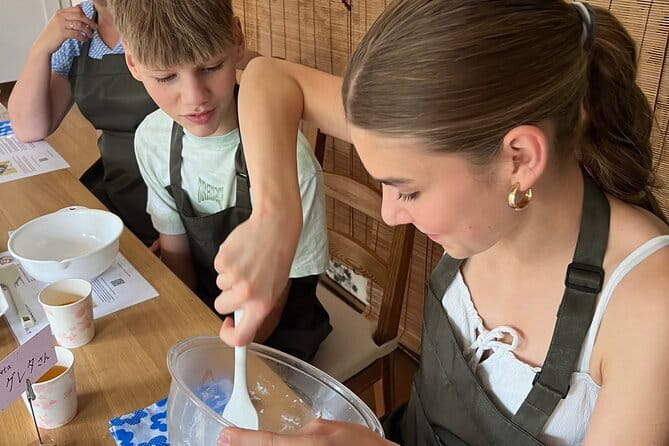
The home setting is one of the most appealing parts of the class. You are not being moved through a large commercial kitchen with a dozen other people. Instead, Sakura-san welcomes you into a comfortable private space and teaches the class herself.
That personal setting gives the activity a cultural layer that a standard food workshop may not offer. You learn about mochi and Japanese sweets while working directly with your teacher. The class is also described as a one-on-one workshop, although the booking is private for your group, so the exact amount of individual attention depends on how many people are in your party.
Sakura-san’s teaching style is a major part of the experience. She is described as warm, professional, patient, and clear in English. She also has experience teaching children, which is useful if you are bringing a young cook who needs extra help with unfamiliar textures.
A dog named Chocolate may also be part of the home atmosphere. That could be a charming bonus for animal lovers, but it is best not to book the class specifically for the dog, since the information does not guarantee that Chocolate will be present during every session.
Learning what makes mochi different
Mochi can look simple, but its texture is the lesson. It is soft, stretchy, and easy to mishandle if you use too much pressure or do not work at the right pace. This is where direct instruction matters.
Sakura-san explains the origins and cultural importance of mochi while you work. You are not only copying steps. You are also learning why these sweets matter in Japan and how their ingredients and shapes fit into Japanese food culture.
The class includes matcha green tea sweets, which are especially approachable for first-time cooks. Matcha adds a familiar Japanese flavor and a green color that photographs well. The activity is presented as suitable for all ages, and the recipes are intended to be practical enough for you to repeat at home.
You should expect to handle new textures. That is part of the fun, but it can also be the least tidy part of the lesson. If you prefer polished food demonstrations where you only watch, this may feel more hands-on than expected. If you enjoy learning by doing, the texture work is exactly what makes the class worthwhile.
Making four gluten-free Japanese sweets
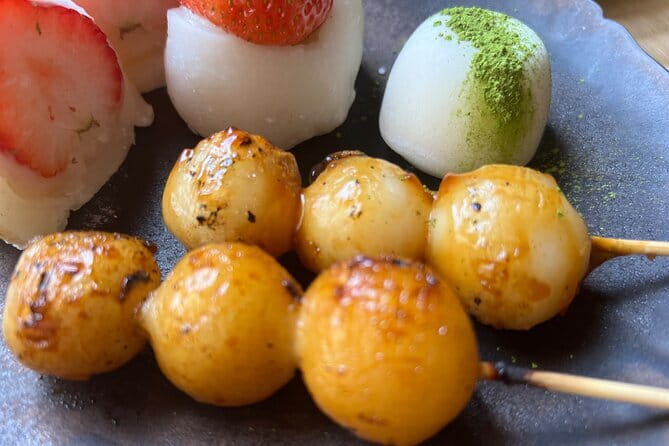
During the lesson, you make four different types of sweets together. The exact names and designs are not specified, so I would not book expecting a particular seasonal wagashi shape or a fixed menu beyond the stated matcha and mochi focus.
The gluten-free format is one of the clearest reasons to choose this class. A person with celiac disease or a strict gluten restriction can enjoy the process with more confidence than at an ordinary bakery or sweets tour, where ingredients and cross-contact may be less clear.
Still, you should explain your dietary needs when booking and again at the start of class. The experience is described as gluten-free, but the provided information does not spell out every ingredient, preparation surface, or cross-contact procedure. For a serious medical allergy, ask Sakura-san to confirm the details before you pay.
The class also presents Japanese sweets as low in fat and healthy. Treat that as a general description, not medical advice. Sweet foods still contain sugar, but these desserts offer a different style of indulgence from heavy Western pastries.
You receive an apron, Japanese green tea, and guided instruction. Alcoholic drinks are not included. The information does not list a full meal, so plan to treat this as a sweets workshop rather than a replacement for lunch or dinner.
More Tea and Sweets Making in Tokyo
- Make Traditional Nerikiri Sweets & Matcha experience in Shibuya
★ 5.0 · 130 reviews - Sweets Making and Kimono Tea Ceremony at Tokyo Maikoya
★ 5.0 · 57 reviews - Japanese Traditional Sweets making and Tea Ceremony
★ 4.7 · 50 reviews - Tokyo: Two Types of Japanese Sweets Making and Tea Ceremony
★ 4.6 · 26 reviews
Photographing your finished desserts
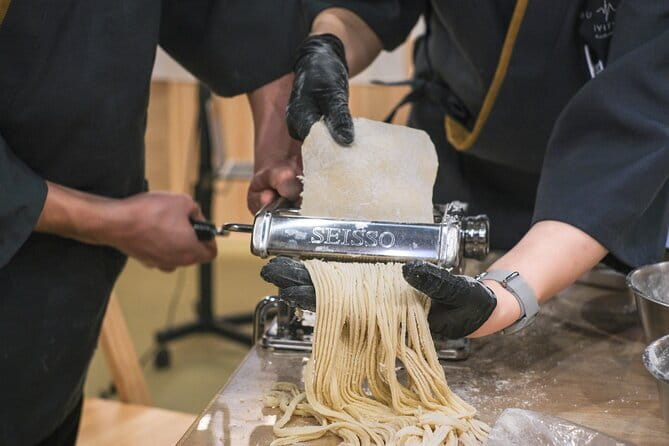
Many cooking classes finish with food on a plate and little time to enjoy the result. Here, a small photo-op table gives you a place to arrange the sweets before eating them.
That detail is more useful than it may sound. Mochi and wagashi can be colorful, carefully shaped, and quite photogenic. A simple display area lets you take pictures without balancing plates on a cramped kitchen counter.
The photo table also gives children a clear finish line. They can see the results of their work, take pictures, and then taste what they made. For adults, it makes a nice record of an activity that is more personal than a quick stop at a sweets shop.
Bring a phone with enough battery and storage. No separate professional photography service is included, so the pictures are yours to take.
How the two-hour format feels
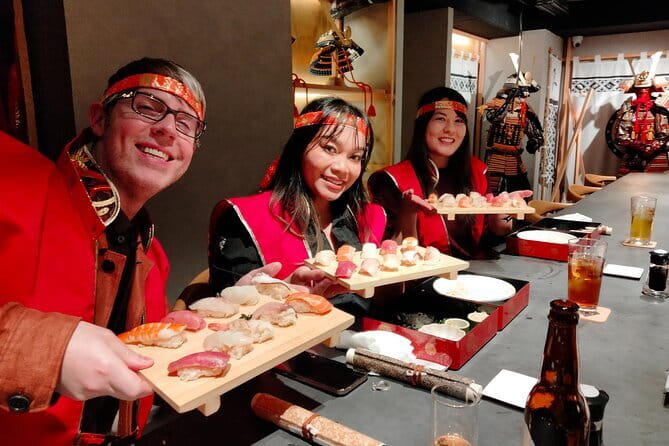
Two hours is enough time for a focused introduction without turning the class into an all-day commitment. You can fit it between sightseeing plans, though I would avoid scheduling a major timed attraction immediately afterward. Private home lessons can run on a human schedule, and you may want a few extra minutes for photos and conversation.
The pace should suit beginners because Sakura-san guides the process rather than leaving you to follow a printed recipe alone. You receive the recipe afterward, which means you can concentrate on learning during class instead of trying to write down every measurement.
The short format also has a limit. You will not become a professional wagashi maker in two hours, and you should not expect a full survey of every Japanese sweet. The value is in trying several recipes, learning the basic feel of mochi, and gaining enough confidence to make the treats again.
The class is also a dependable weather plan. Tokyo heat, rain, or a gray afternoon will not spoil it because the activity takes place indoors. That makes it a smart choice for a family day or for a break from outdoor sightseeing.
What the private format is worth at $112.01
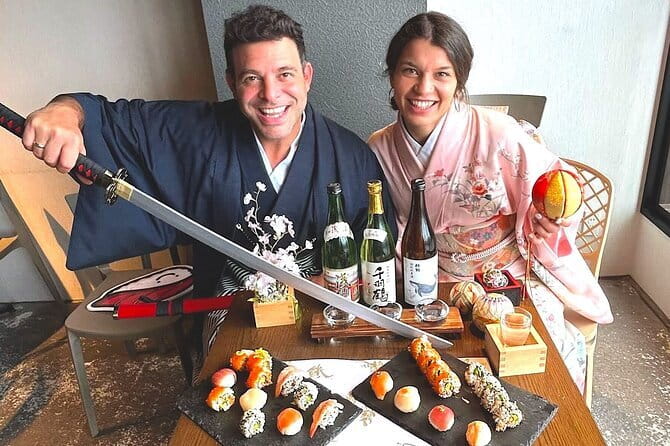
At $112.01 per person, the price is higher than simply buying mochi from a shop. You are paying for instruction, a private setting, a teacher’s time, tea, an apron, four sweets, and the chance to ask questions as you work.
The value improves for a small group. A private lesson lets you avoid the crowd and gives your group control over the experience. Group discounts are available, although the exact savings are not provided, so check the final price before booking.
For one person, the cost may feel harder to justify unless gluten-free preparation, direct instruction, or a private home setting is especially important to you. For a parent and child, a couple, or a small group of friends, the shared activity can feel more worthwhile than several separate museum tickets or a restaurant dessert.
I would also count the recipes in the value. You are not only consuming the sweets in Tokyo. You leave with a way to recreate them for family and friends at home, extending the experience beyond the two-hour class.
Who will enjoy this class most
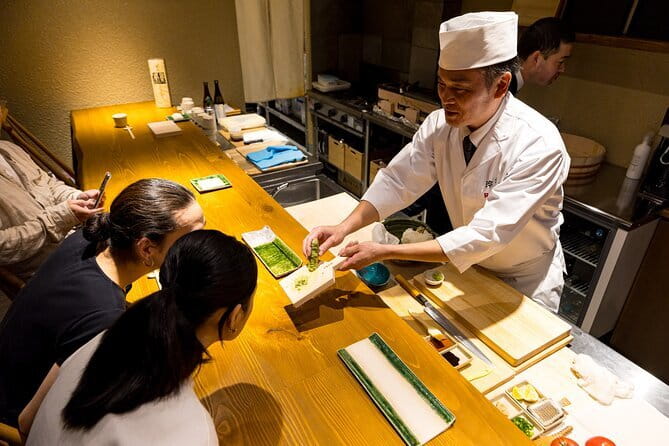
I would recommend this experience to:
- People who love mochi, matcha, or wagashi
- Visitors seeking a small, personal cultural activity
- Families with children who enjoy cooking
- Anyone looking for an indoor plan in bad weather
- Gluten-free visitors who want to make Japanese sweets in a controlled setting
- Couples or small groups who prefer private instruction
- Home cooks who want recipes to repeat after returning home
It is also a good choice if you have already seen Tokyo’s major sights and want an activity that involves conversation and making something with your hands.
I would hesitate if you want a large social class, a full meal, a professional kitchen tour, or a detailed menu of named seasonal sweets. The provided details promise four sweets, but not the exact recipes or designs. Ask ahead if a specific dessert matters to you.
Booking, cancellation, and practical details
The experience offers mobile tickets and group discounts. It is a private activity, and the class returns to the starting point rather than ending elsewhere in Tokyo.
Free cancellation is available if you cancel at least 24 hours before the local start time. Cancellations or changes made less than 24 hours before the start are not accepted for a refund, so check your Tokyo schedule before committing.
The class is near public transportation, but the address is in Sangenjaya. I would confirm the meeting instructions after booking, keep the confirmation on your phone, and allow enough time to find a private residential location.
If you have celiac disease or another serious dietary concern, contact the provider before the class. The workshop is described as gluten-free, but individual medical needs deserve a direct check.
Should you book the mochi class?
I would book this class if you want more than a quick taste of Japan. The strongest reasons are Sakura-san’s personal teaching, the home setting, the four sweets, the gluten-free focus, and the recipes you can use later.
The price is not modest, and the class will not suit someone looking for a broad Tokyo food tour. But if you value direct instruction and a small-group experience, the cost buys something a shop cannot: time with a local teacher, the satisfaction of making the sweets yourself, and a practical skill to carry home.
For a rainy afternoon, a family activity, or a special food experience near the Shibuya area, this is an appealing choice. Just confirm the route to Sangenjaya and your dietary needs before booking.
FAQ
Where does the mochi class begin?
The class begins at 1-chōme-11-13 Sangenjaya, Setagaya City, Tokyo 154-0024, Japan.
How long does the experience last?
The class lasts approximately two hours.
Is the class private?
Yes. Only your group participates in the private activity.
How many sweets will I make?
You will make four different types of Japanese sweets during the lesson. Matcha green tea mochi is included, but the exact names of all four sweets are not specified.
Is the class suitable for gluten-free visitors?
Yes. The workshop focuses on gluten-free Japanese sweets. If you have celiac disease or a serious allergy, confirm preparation details with the provider before attending.
What is included in the price?
An apron, Japanese green tea, and guided instruction are included. Alcoholic beverages are not included.
Can I cancel for a refund?
Yes, if you cancel at least 24 hours before the experience start time. Cancellations or changes made less than 24 hours before the start are not accepted for a refund.
Just added around Tokyo
- Yokohama : Tea Ceremony with Sweets and Souvenir★ 5.0 · 5 reviews
- Walking Tour: Yanaka,Nezu& Sendagi: Tea Ceremony & Old Tokyo★ 5.0 · 3 reviews
- Private Kimono and tea ceremony at local home near Tokyo Disney★ 5.0 · 6 reviews
- Private Mochi・Matcha sweets Making Class Near Shibuya Area★ 5.0 · 22 reviews
- Kimono and Tea Ceremony in Asakusa Private Food Tour With Guide★ 5.0 · 4 reviews
- 2 Hours Mochi &Nerikiri Making & Matcha Class in Bunkyo★ 5.0 · 21 reviews
- Tokyo Sweets Tour: Hidden Gems & Matcha at an Old Tea House★ 5.0 · 6 reviews
- Tokyo Tea Ceremony Class at a Traditional Tea Room★ 5.0 · 2 reviews
Matcha Experiences in Tokyo, compared.

Matcha Making Class in Tokyo with Authentic Japanese Sweets Set
Read our review →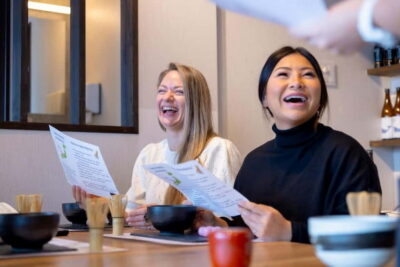
Matcha Making Experience with Mochi Sweets in Asakusa
Read our review →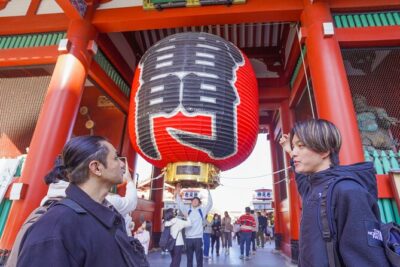
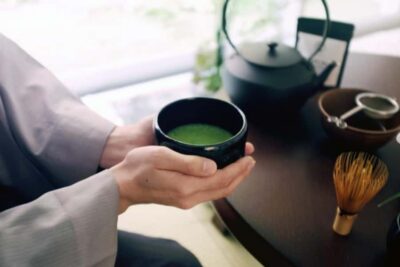
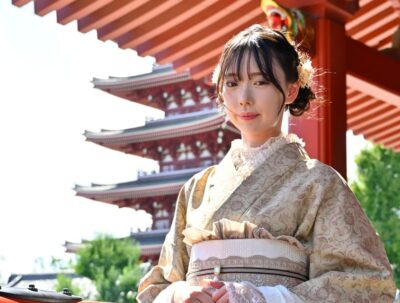
Asakusa: Kimono Tea Ceremony with Matcha and Sweet
Read our review →
Make Traditional Nerikiri Sweets & Matcha experience in Shibuya
Read our review →
Browse the lists this tour appears in